10 Animals People Blame for Damage They Did Not Cause
Photo credit: The Old Major/Shutterstock.com
Something gets chewed, dug up, stained, or knocked loose, and the first suspect is usually whatever critter you saw last. That blame can send you chasing traps and repellents while the real problem keeps getting worse. A better approach is to read the damage like a mechanic reads a noise: look for patterns, timing, and what changed.
1. Ants In A Rotting Window Sill
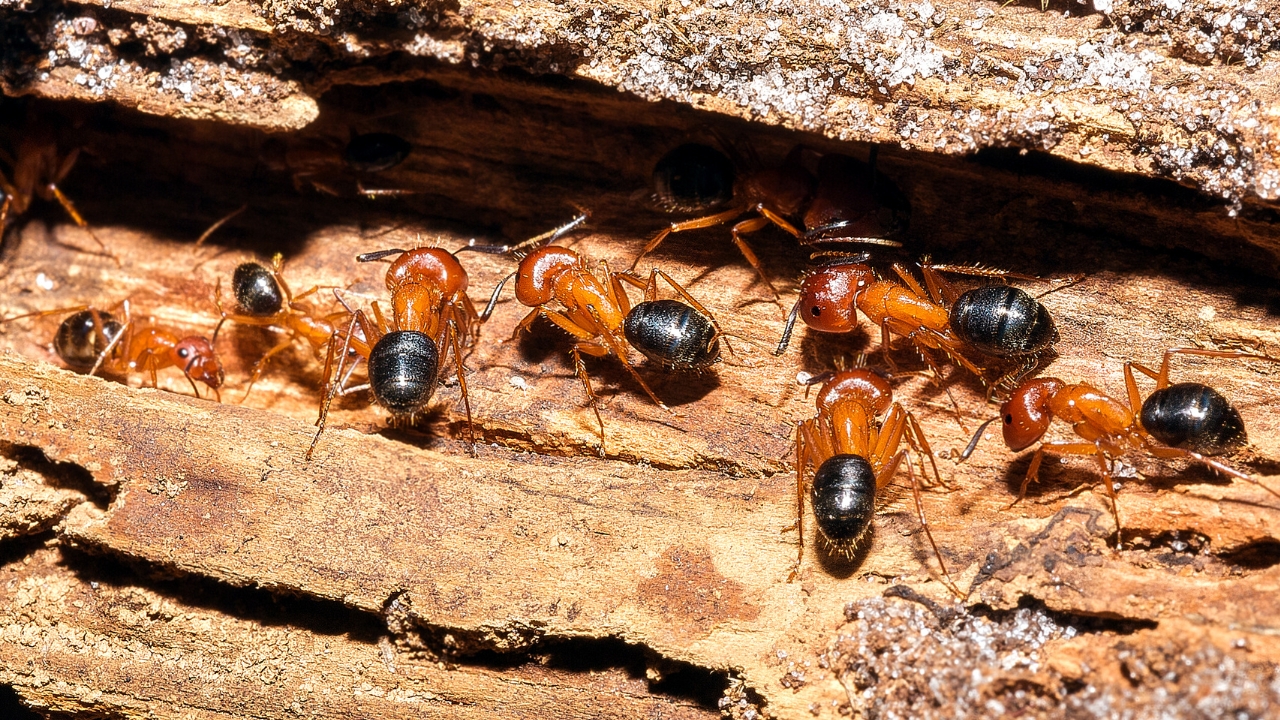
Seeing ants around a windowsill makes people reach for spray, but ants are often just renting space that moisture already ruined. If paint is bubbling, caulk is split, or the wood feels soft, the leak came first. The ants showed up because wet wood is easy to excavate, and other insects are already living in it.
Fix the water path before you worry about the bugs. Scrape loose paint, probe the wood with an awl or screwdriver, and replace any punky sections. Then recaulk the exterior joint, check flashing above the window, and keep sprinklers from soaking that wall. A little ant bait after the wood is dry is fine, but it won’t save a sill that stays wet.
2. Mice Blamed For Cold Drafts
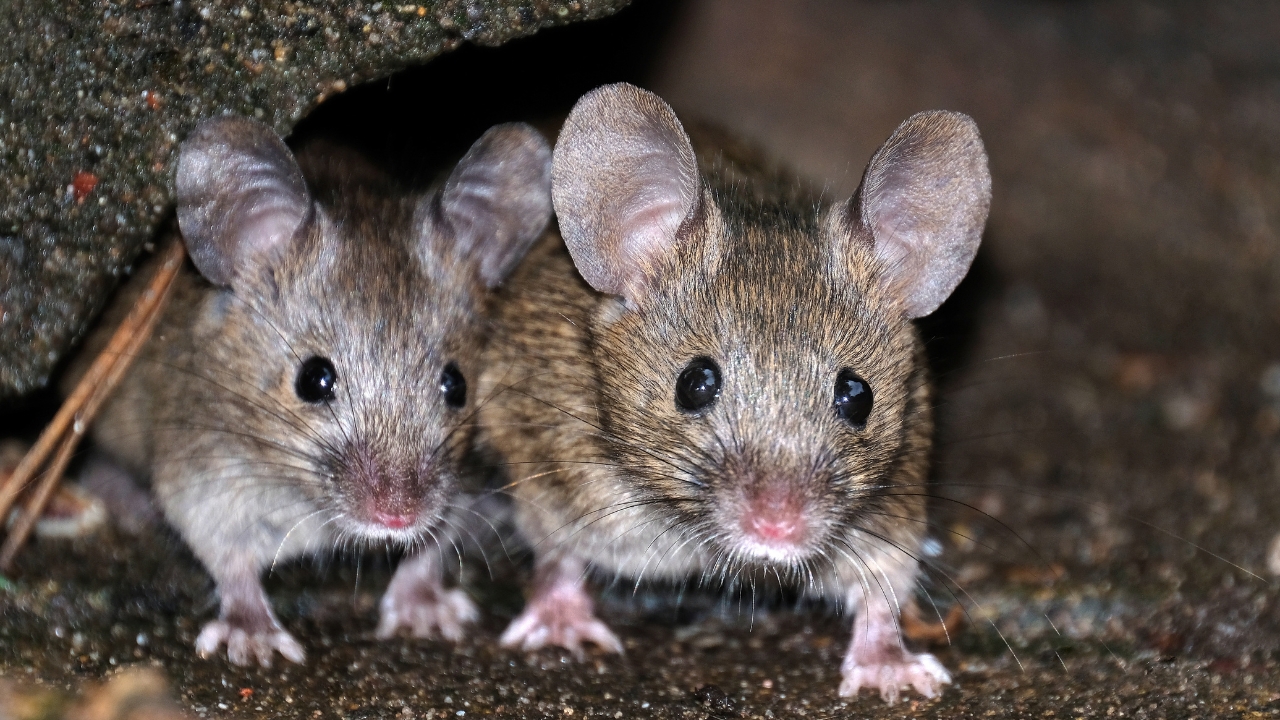
That cold stripe along the baseboard gets blamed on “mice holes,” even when no mice are involved. The more common cause is missing air sealing where plumbing and wiring punch through the sill plate, or a gap behind trim where the drywall never got sealed. You feel it most on windy nights and first thing in the morning.
Skip the poison and do a draft hunt. On a breezy day, hold a smoke pencil or an incense stick near baseboards and around pipe penetrations in the basement or crawlspace. Seal small gaps with caulk, bigger ones with canned spray foam, and any hole that could actually admit rodents with steel wool plus foam or a proper metal escutcheon. If you do have droppings, set snap traps, but don’t pretend that fixes the building leak.
3. Woodpeckers Framed For Peeling Paint
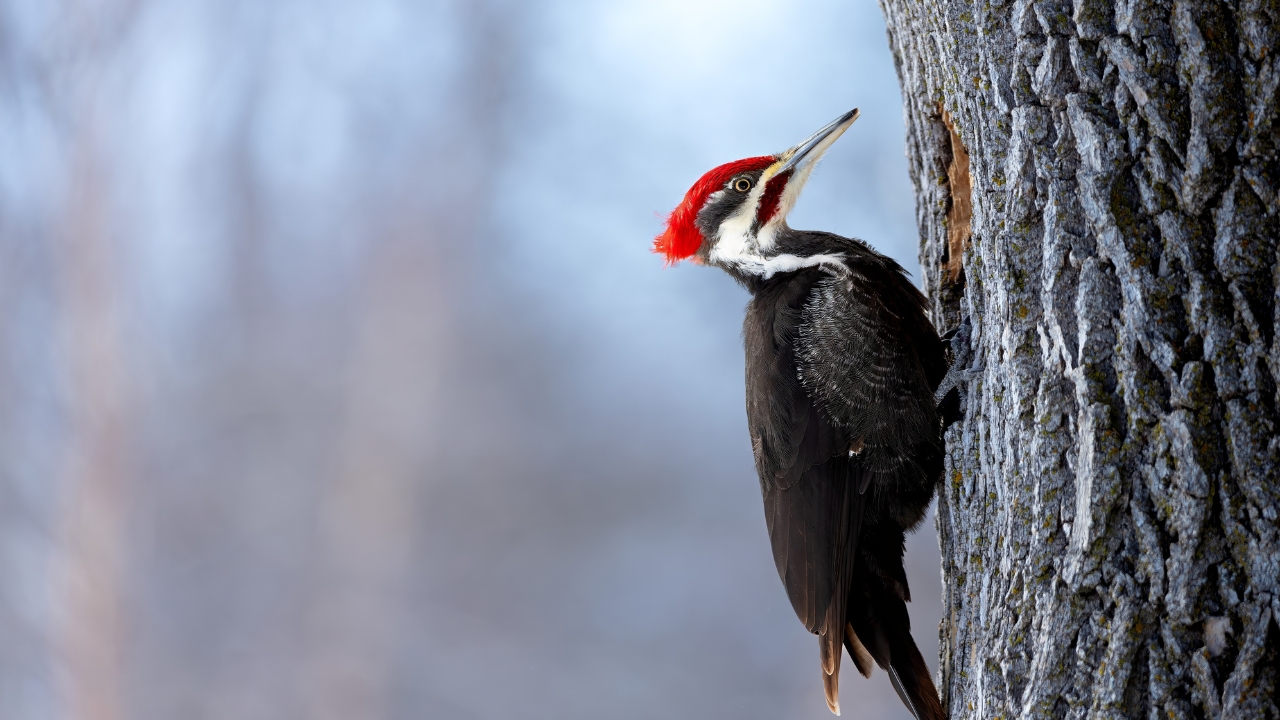
Woodpecker holes are obvious, so people blame them for any ugly siding. Most peeling paint starts with water and sun, not birds. South and west walls bake, paint gets brittle, and then water sneaks in at end grain and joints.
If you see long sheets of paint lifting with gray wood underneath, that’s a prep and moisture issue. Scrape to a sound edge, sand, prime bare wood, and repaint with decent exterior paint. Then deal with the actual entry points: failed caulk at vertical seams, unsealed cut ends, and no drip edge where water should shed. If you truly have woodpecker damage, you’ll find round holes and fresh chips on the ground, and you’ll still want to fix the water issues so the wall isn’t inviting insects.
4. Moles Accused Of Lawn Dead Spots
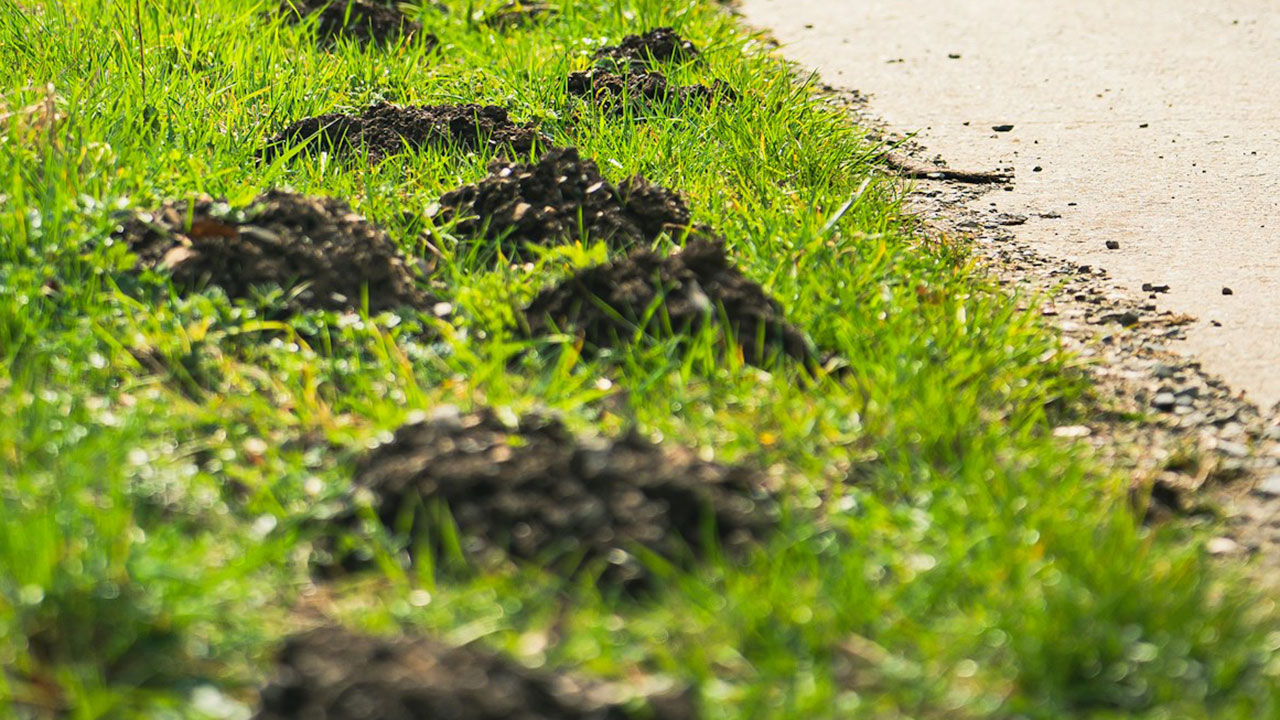
Those winding ridges make moles the villain, but moles don’t eat grass roots. The dead patches are usually drought stress, shallow soil, dull mower blades, or grubs that got bad after a wet spell. Moles are after earthworms and insects, and they tunnel through whatever lawn conditions you created.
Check the turf first. Tug on a dead area, and if it lifts like carpet and you see C-shaped grubs, that’s your cause. If the soil is powder-dry two inches down, water deeper and less often, and raise the mower deck. You can trap moles if the tunnels are wrecking ankles, but killing moles won’t revive a lawn that’s being scalped or starved.
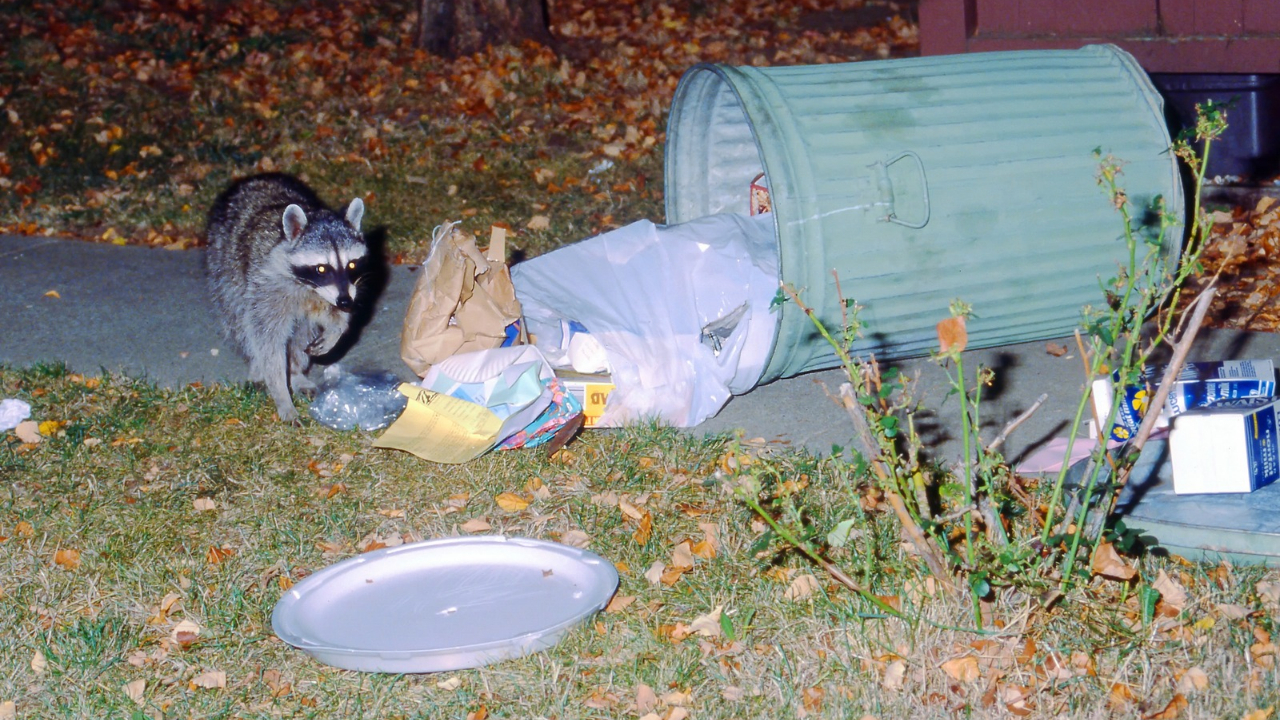
5. Raccoons Blamed For Tipped Trash Cans
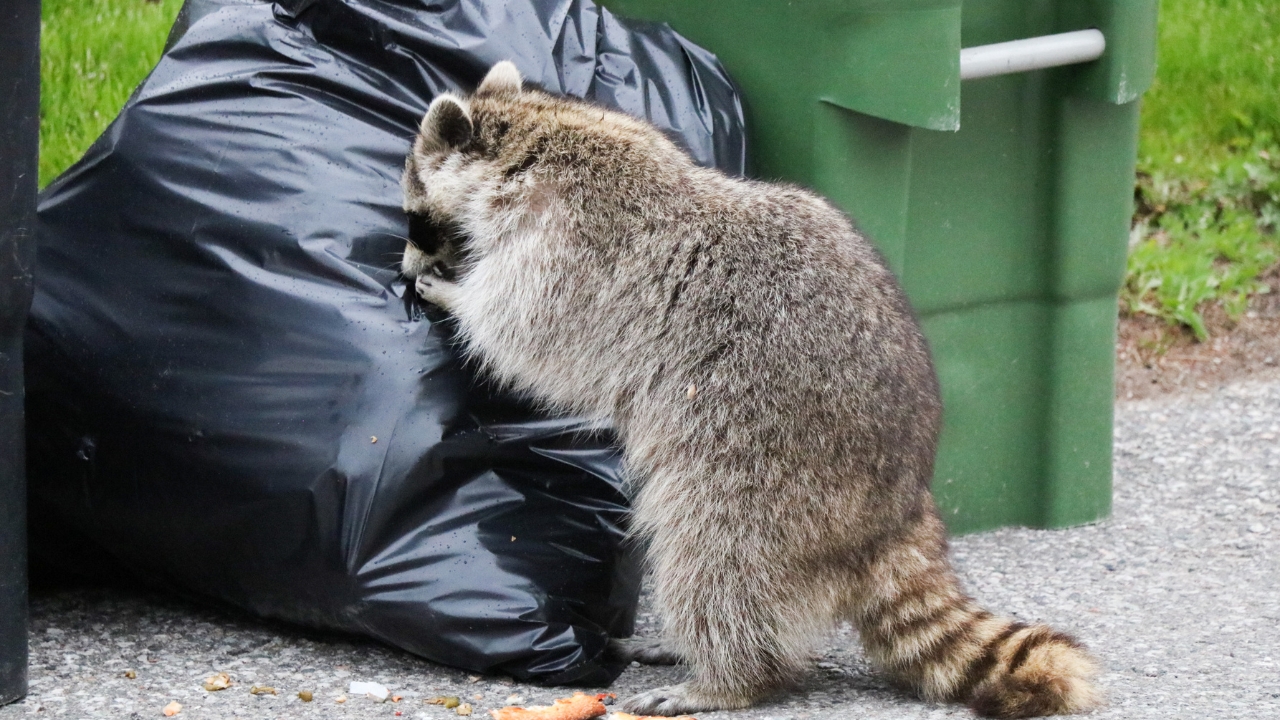
Raccoons get blamed for every scattered bag, but a lot of “raccoon raids” are plain wind and a too-light can. If the mess happens on stormy nights and there are no muddy handprints, no clawed lid, and no chewed bags, you’re fighting physics, not wildlife.
Go cheaper before you go mean. Put the can in a fenced spot, add a bungee or latch, or set a cinder block on the lid. This is one of the few times the low-tech fix is actually fine. If you do see torn bags and tracks, then upgrade to a locking lid and rinse the can once in a while so it doesn’t smell like a buffet.
6. Squirrels Blamed For Attic Drips
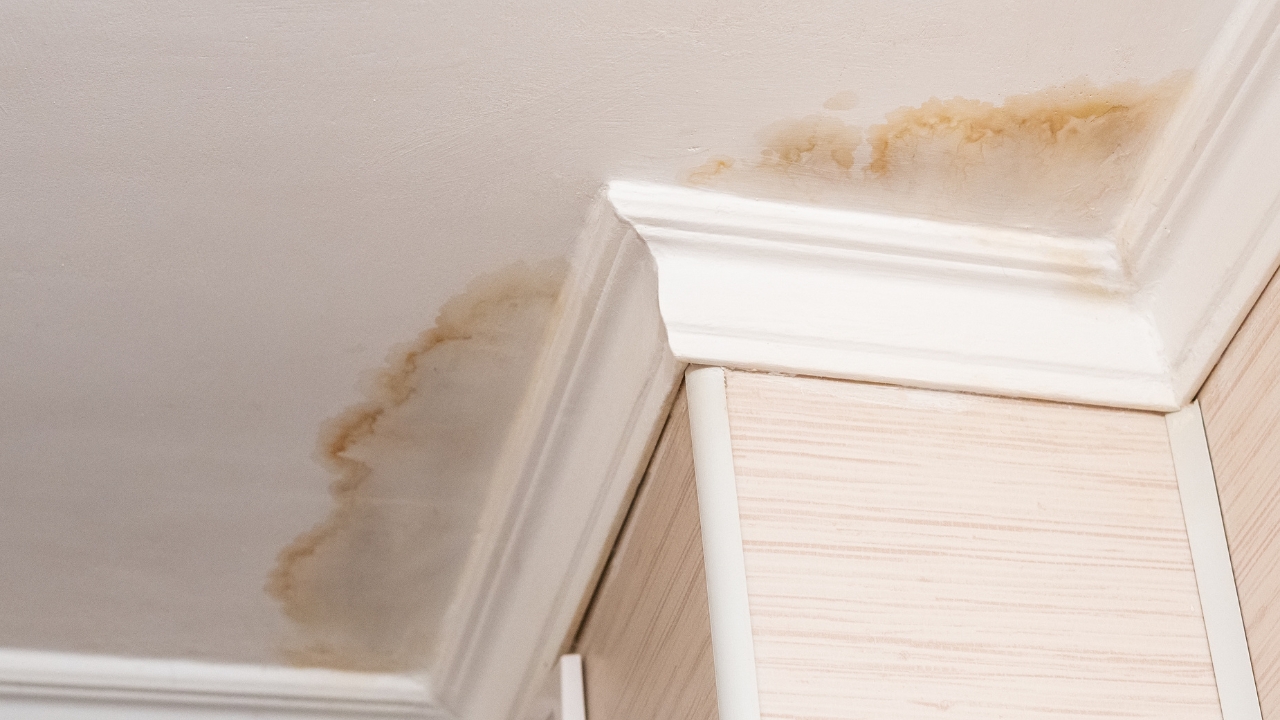
People hear scratching and then notice a stain on the ceiling and decide squirrels “made a hole.” Most attic leaks are roof flashing, nail pops, or a failed boot around a vent pipe. The stain often shows up weeks after the leak starts, right after a heavy rain or thaw.
Start outside with binoculars. Look for lifted shingles, rusty flashing at chimneys and valleys, and cracked rubber pipe boots. Mark the stain location and measure from a gable end so you can find the area above it in the attic, then look for dark sheathing and wet insulation. If the roof is steep or you’re not steady on ladders, pay a roofer. Squirrels do chew, but they rarely create the clean, repeatable water path that flashing failures do.
7. Snakes Blamed For Missing Eggs
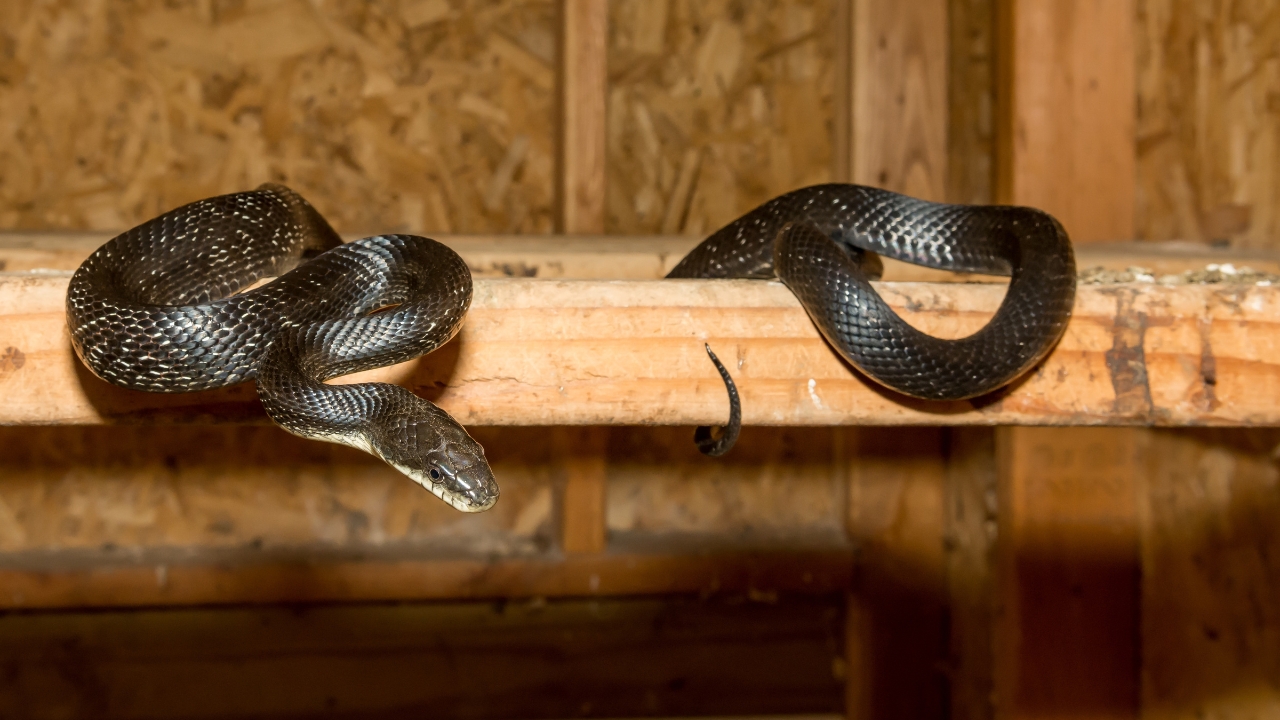
A missing egg or two from the coop gets pinned on snakes because it sounds creepy. More often, it’s a hen eating eggs, a dog nosing in, or a rat dragging contents away after cracking one. Egg eaters leave different evidence, and the timing matters.
If you find broken shells in the nest with the inside membrane gone, suspect a hen and add nest curtains, more nesting space, and frequent collection. If eggs vanish overnight and you see small gnaw marks on shells or droppings along the wall, start looking for rats and tighten feed storage in metal cans. Snakes do take eggs, but you’ll often see a disturbed nest and a stretched-out trail in bedding. Hardware cloth on openings and a solid threshold fixes most of it without turning the whole yard into a snake war.
8. Deer Accused Of Clean-Cut Shrubs

When shrubs look “pruned,” deer catch the blame, but rabbits are the ones that leave a crisp, angled cut close to the ground. Deer browse higher and tear more than they slice because they don’t have upper front teeth. Winter is when this mix-up happens most, right when everything else looks rough anyway.
Look at height and cut style. Damage under about 18 inches with clean ends points to rabbits, especially near brush piles and tall grass. A simple ring of chicken wire or hardware cloth around young shrubs works, and it’s cheaper than spraying deterrents all season. Deer protection usually needs taller fencing or netting and a plan before buds swell in spring.
9. Skunks Blamed For Yard Craters
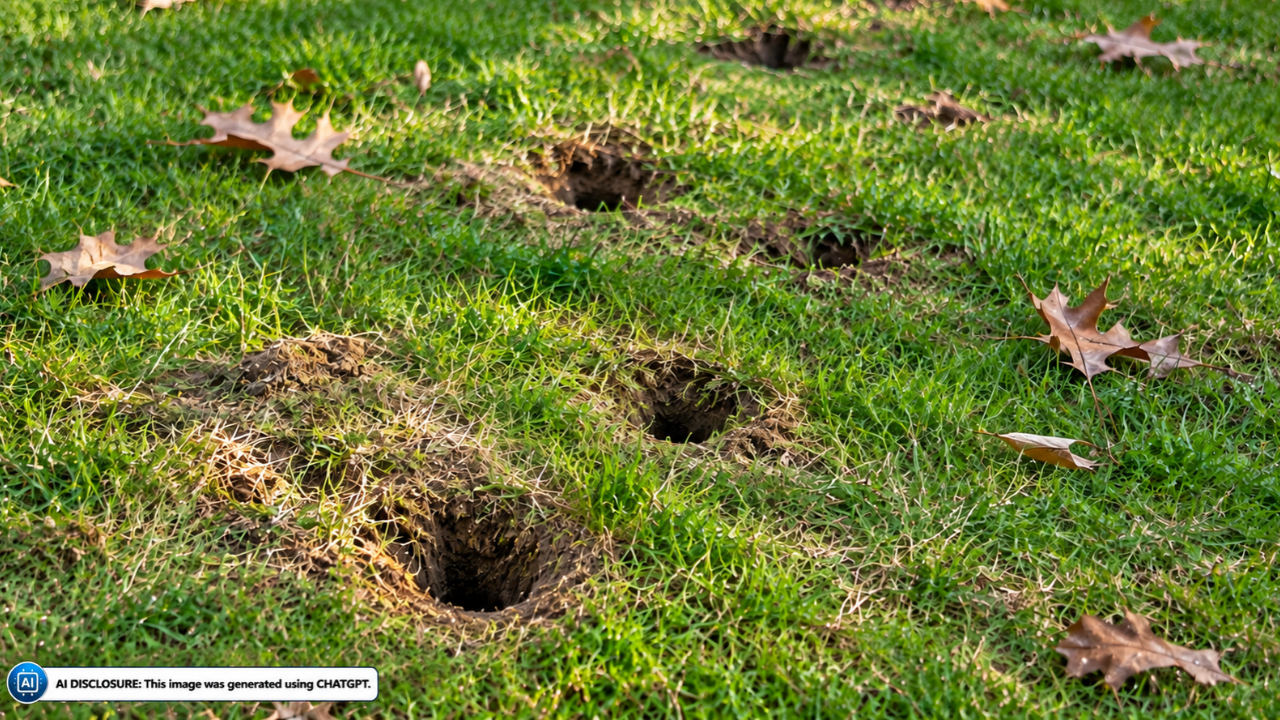
Small cone-shaped holes in the lawn get blamed on skunks, but a lot of those are from birds and raccoons foraging after a rain, or from your own aerator and irrigation work you forgot about. Skunks do dig, usually in a scattered pattern while hunting grubs, and the holes are shallow, like someone poked the soil with a spoon.
Before you set traps or call someone, figure out whether you have a grub problem or a lawn care problem. Peel back a square foot of sod in an area with holes and count what’s there. If you see lots of grubs, focus on lawn health and timing, since treatments work best at certain life stages and vary by region. If you don’t see grubs, stop blaming skunks and start looking at compaction, thatch, and watering habits.
10. Beavers Blamed For Flooded Driveways
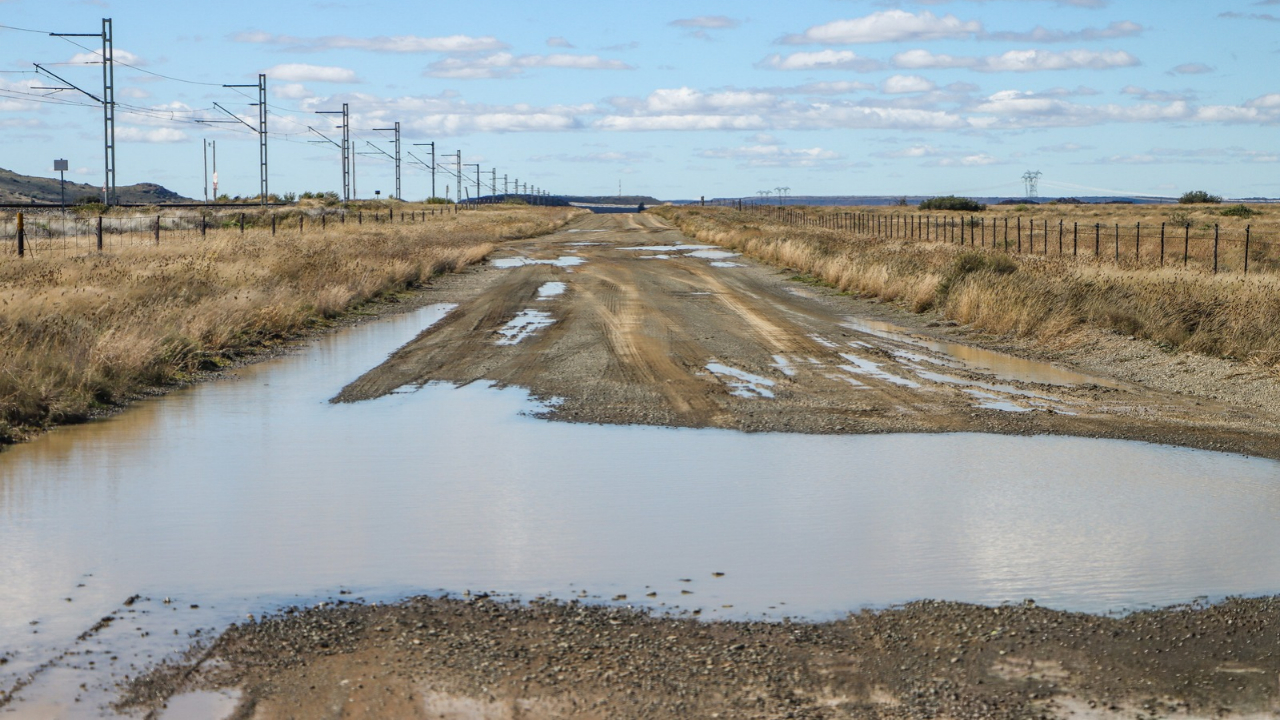
A soggy ditch and a flooded gravel drive gets pinned on beavers, and sometimes that’s true. Plenty of the time, the real culprit is a plugged culvert from leaves, road grit, or a crushed pipe that can’t pass water anymore. The giveaway is water backing up evenly with no fresh cut sticks or muddy slides.
Walk the ditch with a rake and a shovel and check both ends of the culvert. If it’s packed with debris, clear it and add a simple grate only if it won’t become a leaf catcher that makes things worse. If the culvert is undersized, pitched wrong, or the road base is washing out, that’s a bigger fix and sometimes needs a permit, especially near streams or wetlands. If you do find a beaver dam, don’t tear it out blindly, local rules and a nuisance wildlife pro can save you a fine and a repeat flood.
When you stop guessing and start matching the damage to the cause, you spend less time buying repellents and more time fixing the one thing that actually keeps breaking. Most of these problems come down to water, access, or habit, not a villain with fur. Get the basics tight and the wildlife mostly moves on.
Like Fix It Homestead’s content? Be sure to follow us.