
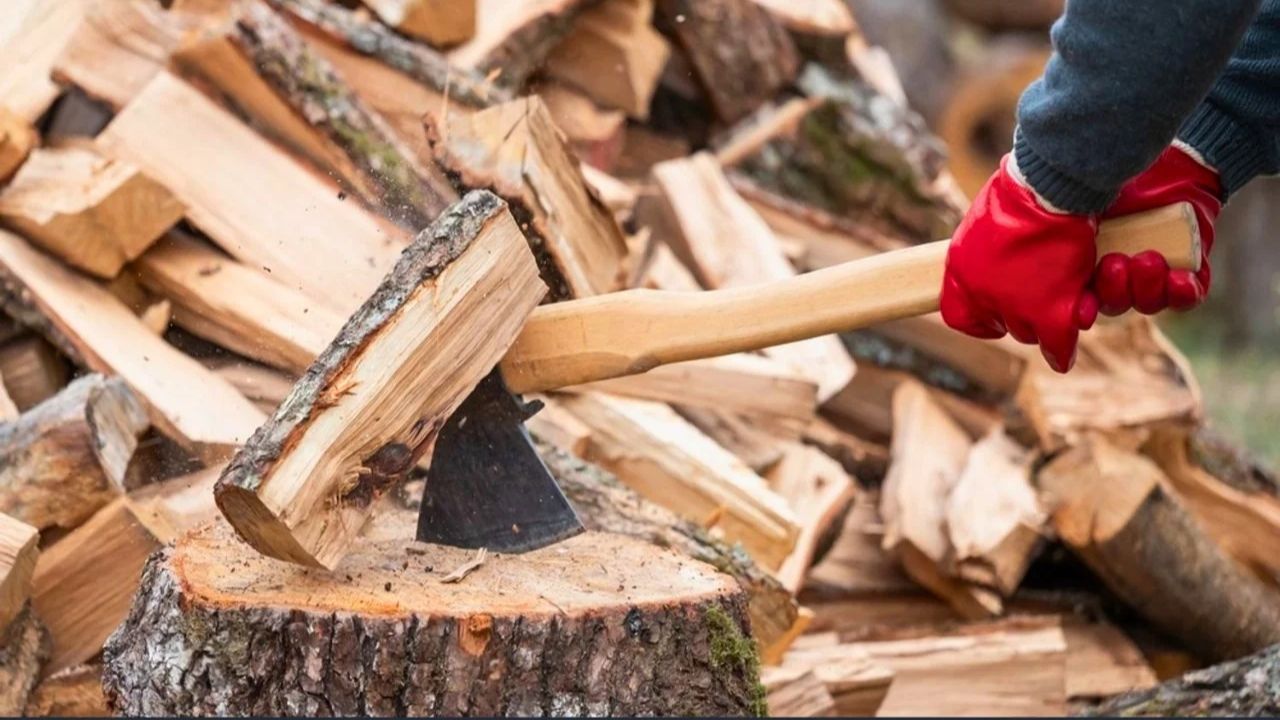
10 Winter Chores That Are Easier in the Right Order
Photo credit: Vitalii Stock/Shutterstock.com
Winter chores stack up fast because everything takes longer in the cold. Tools go missing under snow, small leaks turn into big messes, and you end up doing the same job twice because you started in the wrong place. A better sequence saves time, fuel, and a lot of backtracking.
1. Clear Access Paths Before Anything Else
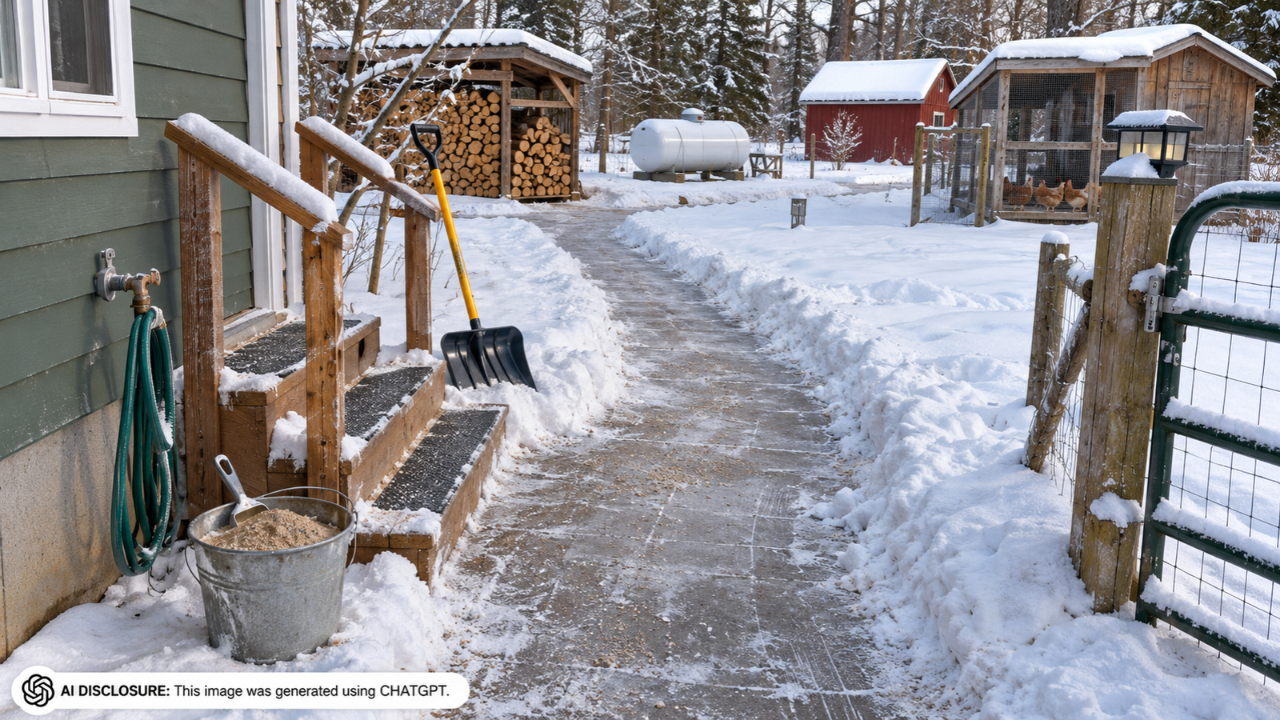
People love to start with the “real” work, then realize they can’t safely reach the woodpile, the propane tank, the coop, or the hose bib without skating across glare ice. That turns every later chore into a slow shuffle while you carry tools and buckets. It’s also how ankles get wrecked.
Knock out the routes first, even if it’s just one shovel-wide lane. Hit steps, gates, and the spot where you turn around with the wheelbarrow. If you use salt, keep it off lawns and gardens, and try sand or fine gravel where plants matter.
2. Start With Roof Edges And Gutters
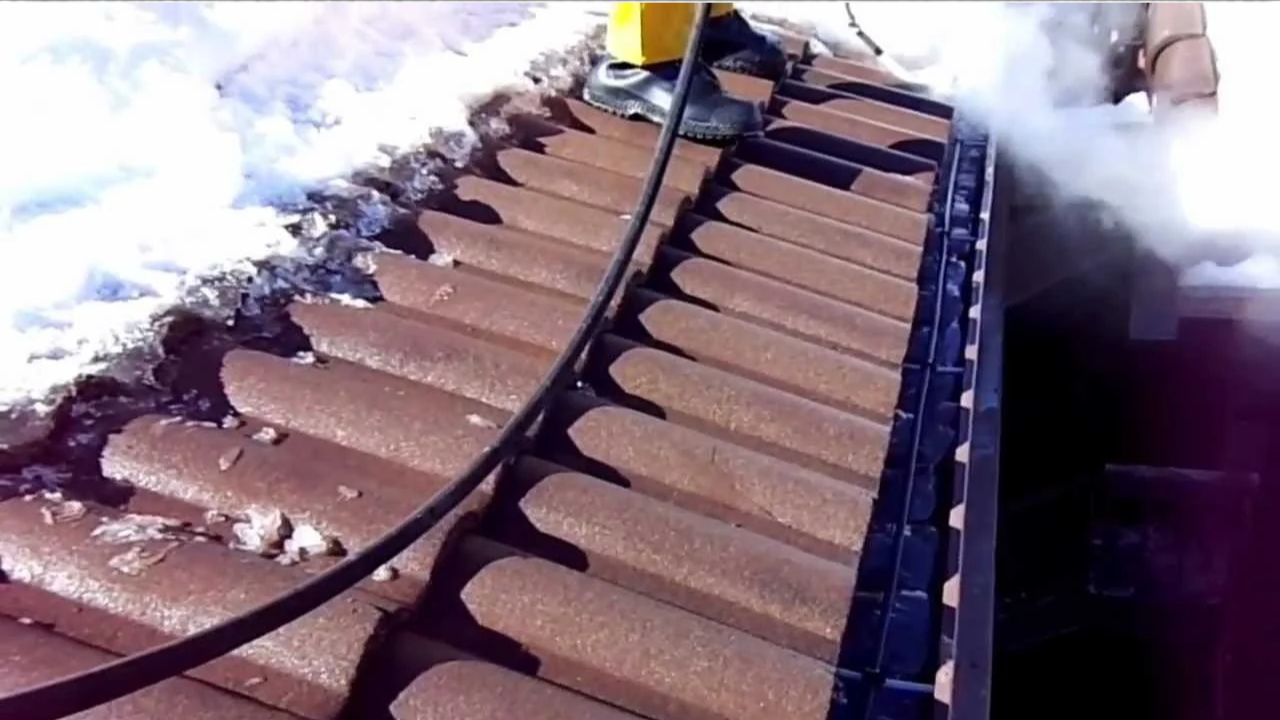
Ice dams and packed gutters don’t just drip, they shove water under shingles and into soffits. You’ll notice it as a wet ceiling corner, a bubbling paint spot, or a weird creak when snow slides. Waiting until you see water indoors is late.
From the ground, look for thick ridges at the eaves, icicles in a straight line, and gutters bowed by ice. Removing snow from the first few feet of roof edge with a roof rake helps, but don’t climb onto an icy roof. If you’ve got ongoing ice dam issues, adding attic air sealing and insulation is the real fix, and that’s a job worth paying for if you’re not comfortable crawling tight attic spaces.
3. Check Heat Sources Before Deep Cleaning
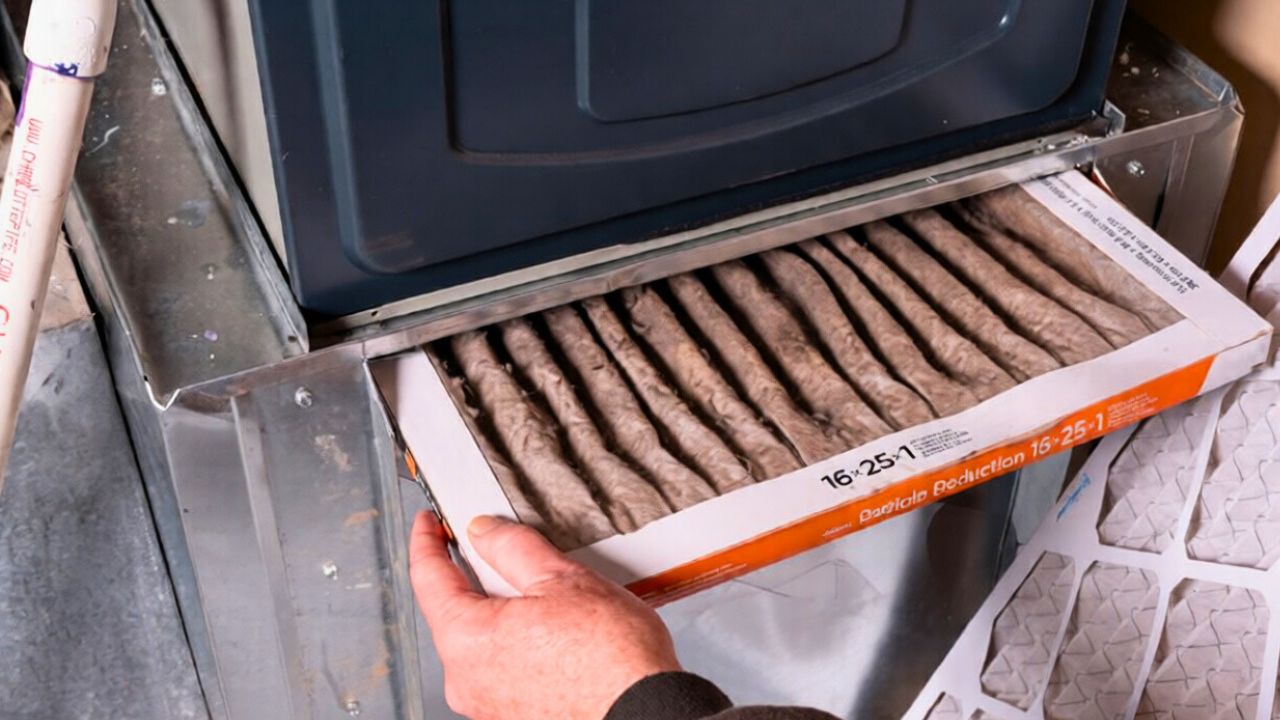
If the furnace filter is clogged or the wood stove door gasket is leaking, you can vacuum the whole house and it’ll still smell dusty and run cold. A struggling heat source also pulls more power or more wood than it should. You feel it in the electric bill and in how often the burner kicks on.
Swap the filter, clear return vents, and vacuum around the furnace area without bumping wiring. For wood stoves, look at the rope gasket and ash pan seal, and clean the air intake path. Chimney sweeping is not the place to wing it, hire a certified sweep if you don’t have the right brushes and access, and follow local rules for solid fuel appliances.
4. Fix Drafts Before You Burn More Fuel

Throwing extra heat at a drafty house is just paying to warm the outdoors. The usual offenders are door sweeps, attic hatches, rim joists, and that one basement window nobody opens. You can feel them on a windy night with a damp hand.
Do the fast stuff first: replace torn weatherstripping, add a door sweep that actually touches the threshold, and seal obvious gaps with caulk or foam rated for the job. Exception: if you’ve got an older house that relies on some natural air movement for combustion appliances, don’t seal around a gas water heater or furnace setup blindly. If anything backdrafts or smells like exhaust, stop and get a licensed HVAC tech involved.
5. Deal With Water Lines Before The Big Freeze

Lots of people wait until the cold snap, then discover the hose bib is frozen and the pipe is already split inside the wall. The first sign is often a weak trickle, then nothing, then a wet patch when it thaws. That’s a repair that can chew up drywall and cabinets.
Disconnect hoses, drain them, and shut off and drain outdoor lines if you’ve got a valve inside. Wrap exposed pipes in unheated spaces, especially near rim joists and crawlspaces. If you’ve got a well house, check that the heater is actually working and that the door closes tight, mice love those warm boxes.
6. Service The Snowblower Before Snow Day
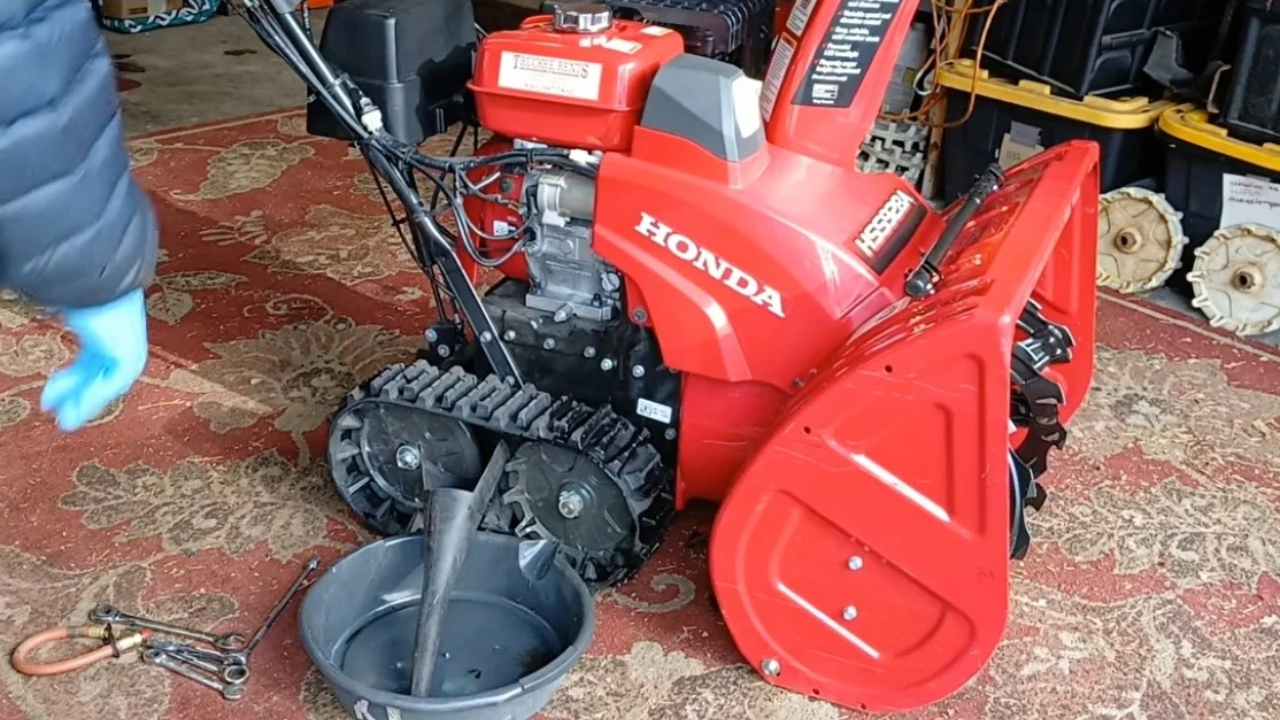
Waiting until the driveway is buried is how you find out the shear pin snapped last year and the belt is glazed. The machine will start, spit snow ten feet, then bog down and make that burnt-rubber smell. Now you’re wrenching in a blizzard.
Do the maintenance on a dry day. Check oil, tighten loose fasteners, inspect belts, keep a couple shear pins, and make sure the chute rotates freely. If it’s electric start, test the cord and outlet, and store fuel in an approved can, not an old jug with a cracked cap.
7. Knock Down Icicles And Hazard Ice Early
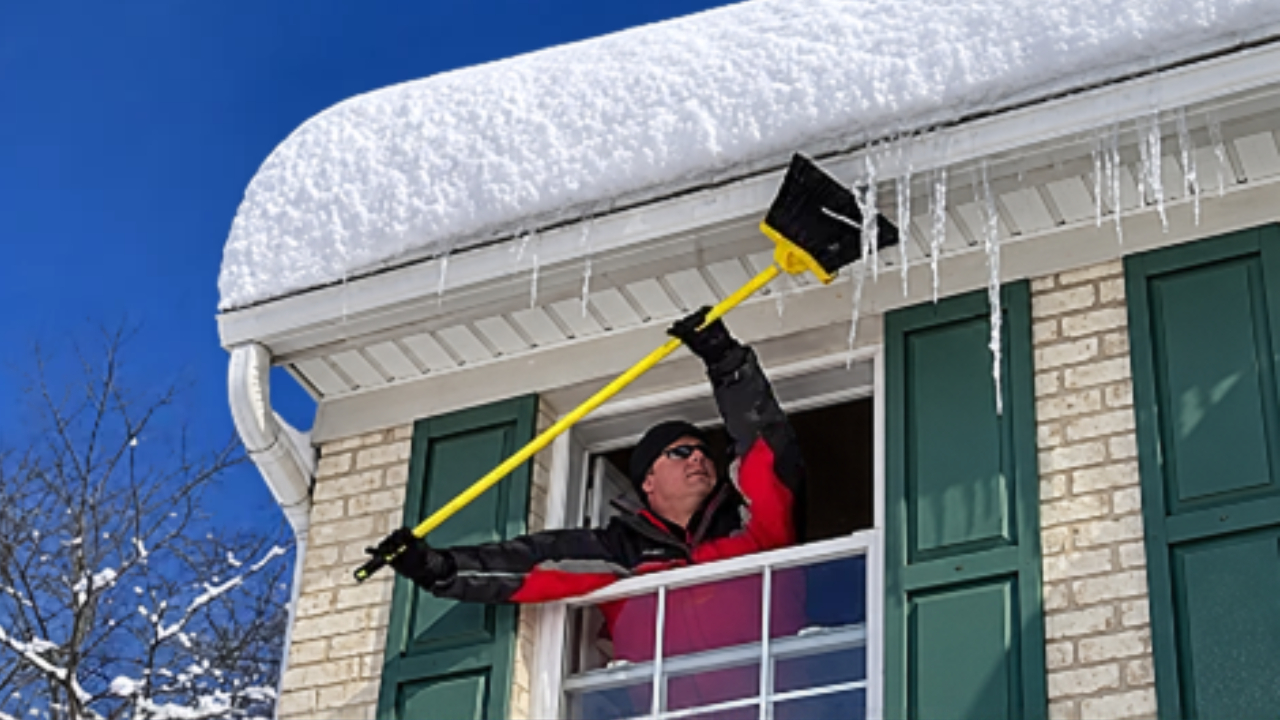
Big icicles look pretty until one drops like a spear onto a walkway or a pet’s favorite spot. The problem grows fast because each drip refreezes and adds weight. By the time you notice, it can be too heavy to safely reach.
Handle what you can from the ground with a long tool, and keep your body out from under it. Don’t chip at gutters with a hatchet or pry bar, that bends metal and starts leaks. If you’re seeing repeats in the same places, go back to roof edge snow removal and attic heat loss instead of fighting icicles all winter.
8. Feed And Water Livestock Before Breaking Ice
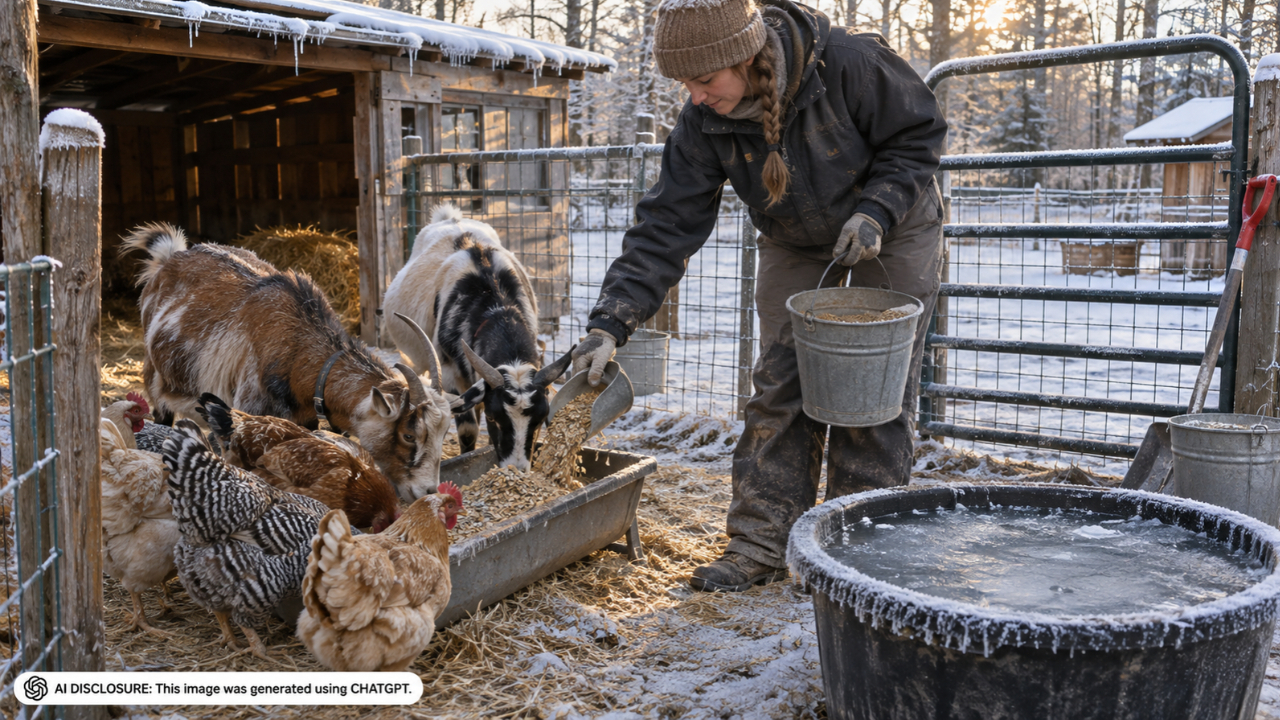
On a small homestead, the morning order matters. If you spend 20 minutes smashing ice and hauling water first, animals are standing there hungry, and they get pushy. That’s when gates swing, buckets spill, and you get stepped on.
Drop feed, check bedding, then tackle water. Warm water buys you time, and a rubber tub flexed with your boot often beats a metal pan that freezes solid. Heated waterers are great when wired right, but outdoor electrical runs need GFCI protection and weather-rated cords, and if you’re not sure, call an electrician.
9. Split And Stack Wood Before You Need It
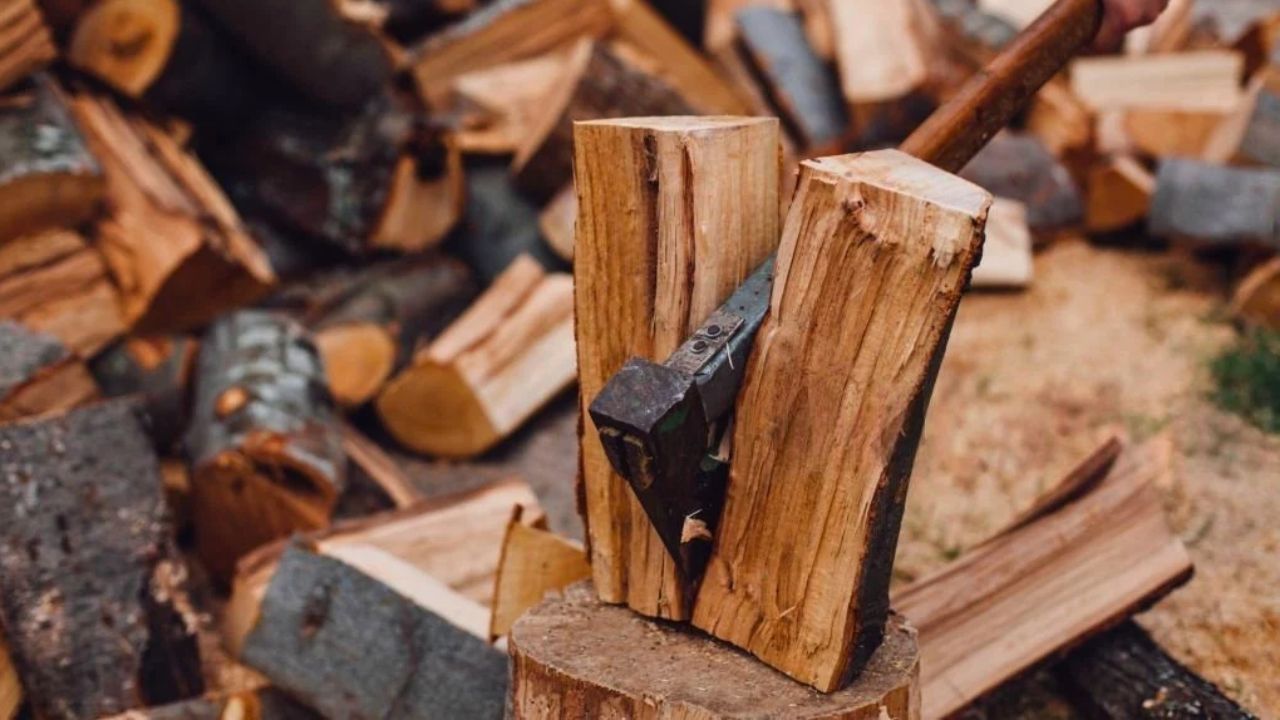
Splitting wood in deep cold is miserable, and wet rounds turn into a frozen lump. You end up swinging harder, missing more, and your maul bounces. If your only dry wood is the pretty stack by the stove, you’ll burn through it fast.
Work the pile in a sensible flow: bring rounds close to where you split, split what you can, then stack it where snow won’t bury it. Top cover only, don’t wrap the whole stack in a tarp like a burrito or it’ll trap moisture. Cheap exception: a few scrap boards or an old sheet of roofing weighted down works fine as a top cover if it sheds water and you leave the sides open.
10. Store Tools And Batteries Warm And Dry
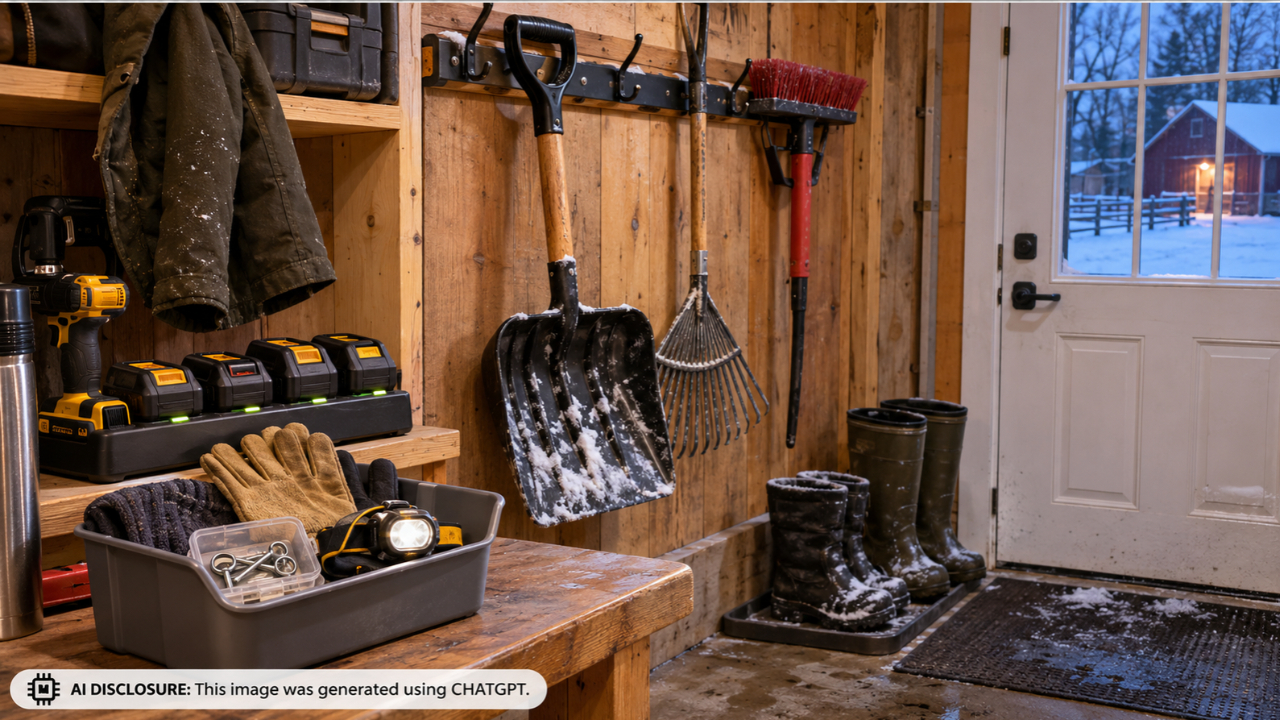
People finish outside work and drop tools wherever they land, usually a cold shed. Then the next chore starts with hunting for a dead drill battery and a shovel frozen into a snowbank. That’s wasted time you feel every week.
Knock snow off tools before they go inside, and hang them where they can dry. Bring lithium tool batteries into a heated space, cold charging ruins them. Keep a small bin with shear pins, spare gloves, and a headlamp, winter loves surprise “one quick job” tasks after dark.
If you keep the first hour of winter work focused on access, heat, and water, the rest of the season gets calmer. The point is not doing more, it’s avoiding the chores that show up twice because the easy prep got skipped.
Like Fix It Homestead’s content? Be sure to follow us.