10 Mulch Mistakes That Can Mess With Your Soil Over Time
Photo credit: Ozgur Coskun/ Shutterstock.com
Mulch is supposed to protect your soil and help things grow, but if you’re using it the wrong way, it can actually do the opposite. Too much, too little, or the wrong type in the wrong place—and suddenly you’re dealing with compacted roots, rot, or pests.
If something feels “off” in your flower beds or garden and you’ve already ruled out watering or sunlight, your mulch habits might be the culprit. Here are the ones that can quietly ruin your soil if you’re not careful.
Piling Mulch Too High
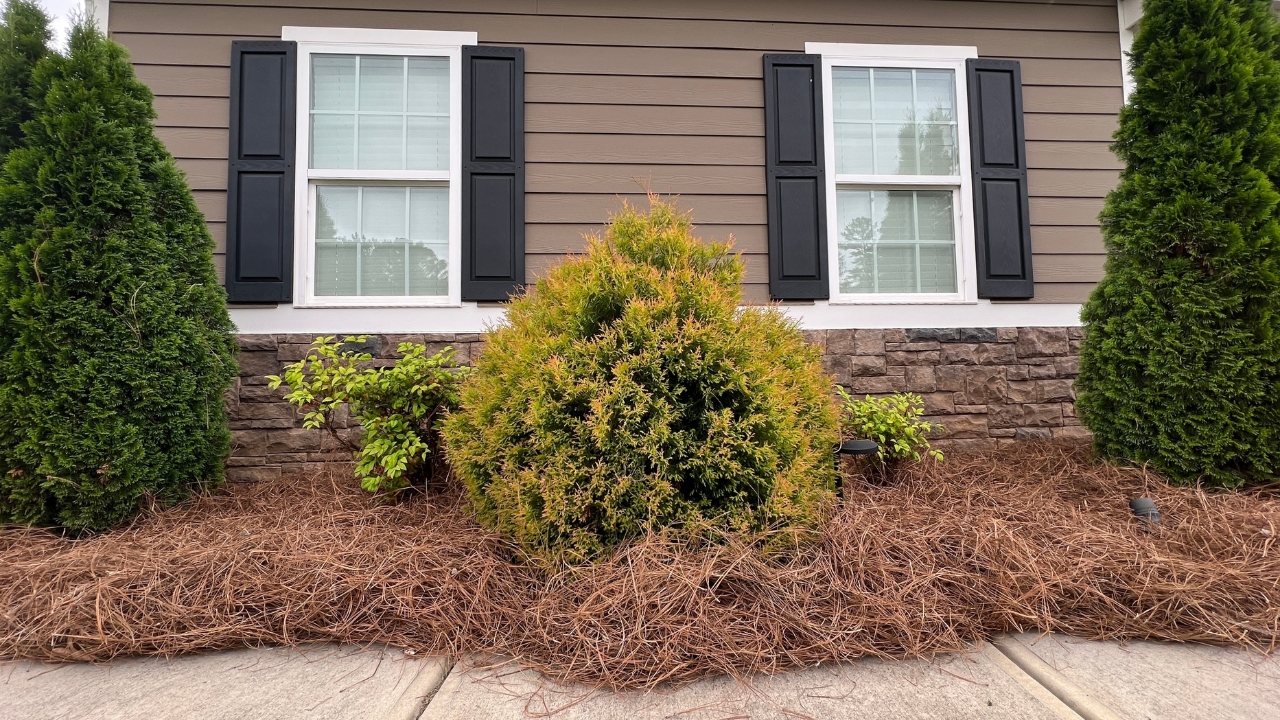
More isn’t better when it comes to mulch. Piling it on too thick can keep water from reaching the soil and choke out your plants’ roots. It also creates a warm, damp layer that encourages fungus and pests.
Stick to 2–3 inches for most beds. That’s enough to block weeds and hold in moisture without suffocating the soil. Any deeper than that and you risk smothering the life out of the ground you’re trying to protect.
Letting Mulch Touch the Base of Plants

When mulch is pressed up against the stems or trunks of plants, it holds in moisture right where you don’t want it. That trapped moisture leads to rot and invites insects to chew away at the base.
Leave a few inches of breathing room around each plant. That small gap helps keep the base dry and prevents disease. It also allows air to circulate around the roots, which your plants need to stay healthy.
Using Fresh Wood Chips Without Composting

Freshly chipped wood can suck nitrogen from the soil as it breaks down, which leaves your plants hungry and struggling to grow. It might look nice at first, but it’s not doing your soil any favors.
If you’re using wood chips, let them age for a few months or mix them with compost before spreading them. That way, you avoid nutrient imbalances and give your soil something that actually helps it long-term.
Relying on Rubber Mulch in Plant Beds
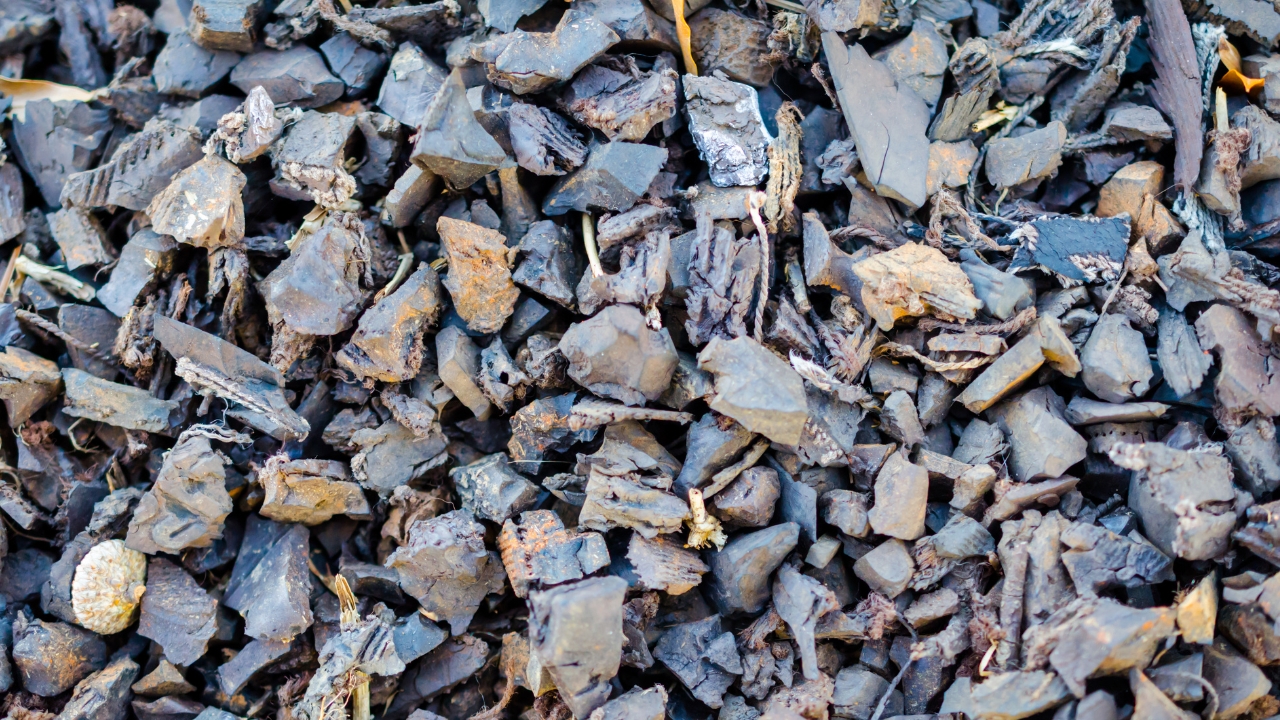
Rubber mulch might seem like a low-maintenance option, but it’s not great for your soil. It doesn’t break down, doesn’t feed the ground, and can trap heat, which stresses roots during summer.
Use rubber mulch only in places like walkways or playgrounds where you don’t care about soil health. For anything that grows, organic mulch like bark, straw, or compost is a better call. Your plants and soil will respond to it a lot better.
Skipping a Pre-Weed Check
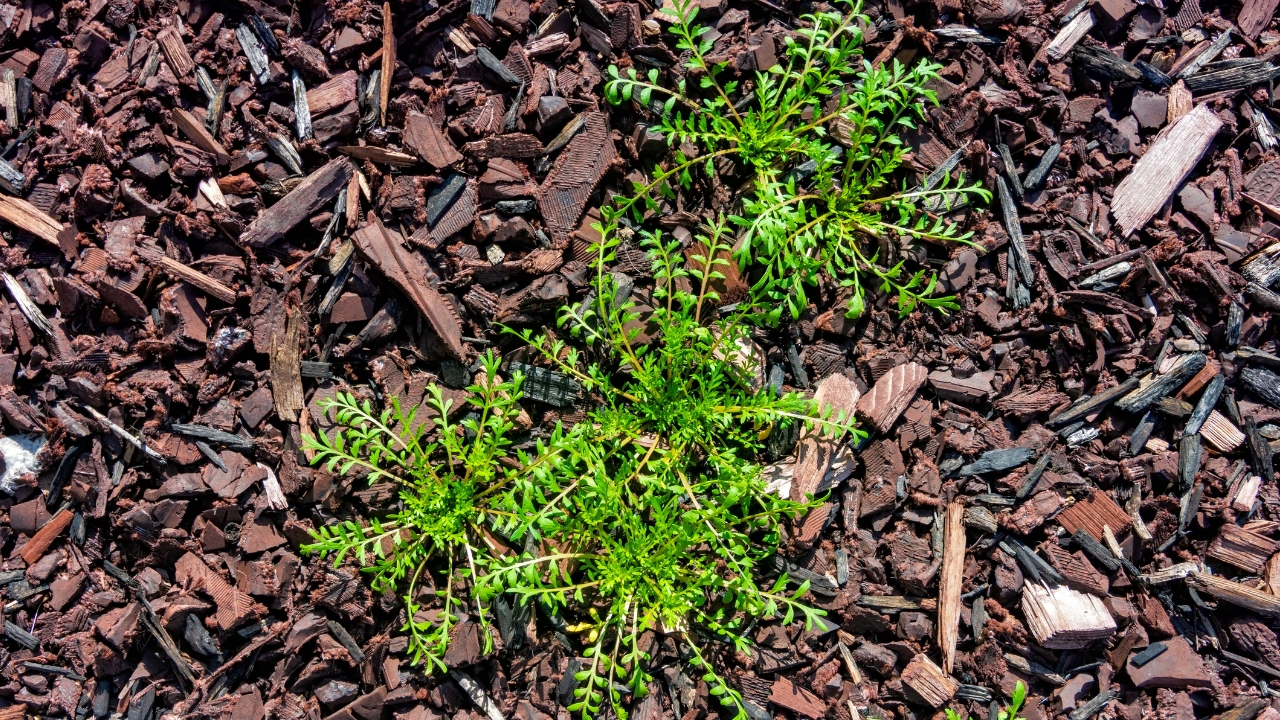
If you mulch over existing weeds or seeds, you’re locking in trouble. Those weeds will still push through, and the mulch makes them harder to see and pull later on.
Always clear weeds before laying mulch, and consider putting down a layer of newspaper or cardboard underneath to help smother anything that’s trying to sprout. It gives you a cleaner start and helps mulch do what it’s meant to do.
Using the Wrong Type of Mulch for the Area
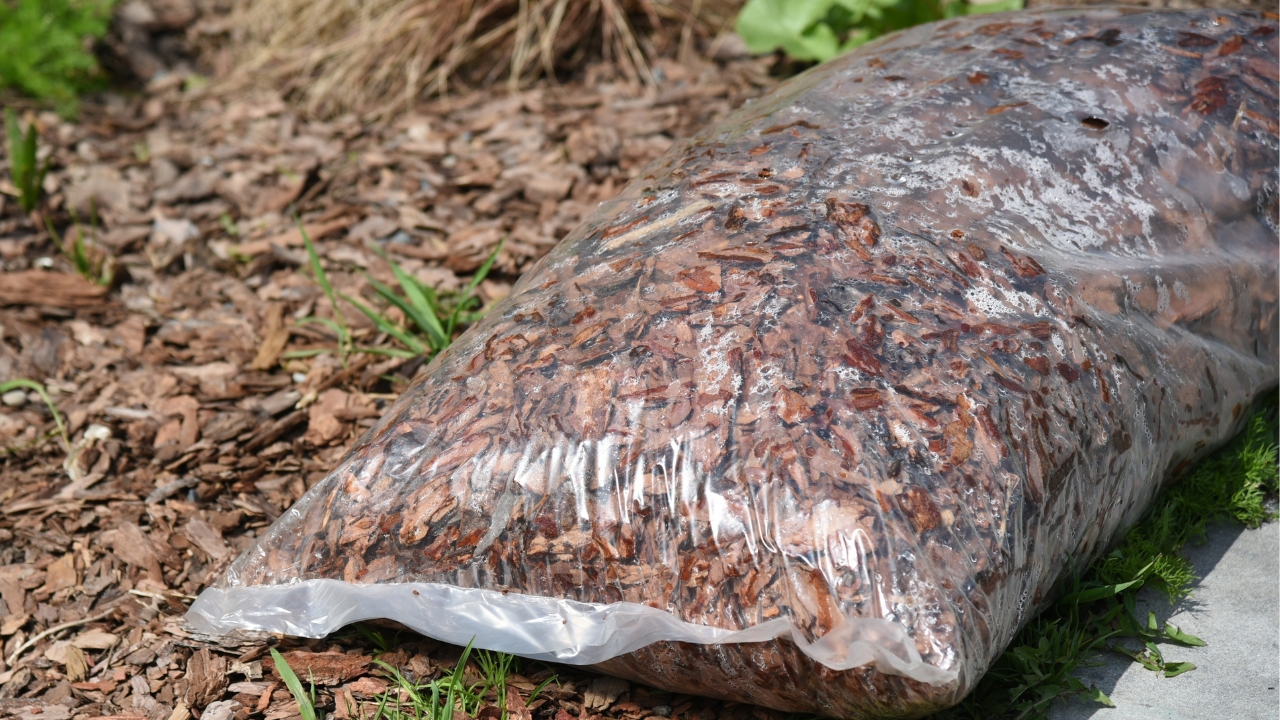
Not all mulch is a good match for every spot. Wood chips don’t belong in vegetable beds, and heavy bark isn’t great around delicate seedlings. The wrong material can compact soil or hold too much moisture.
Think through what you’re mulching and why. Straw or compost works best for veggies, while shredded bark or pine needles are great for established shrubs. Tailoring your mulch to the job helps your soil stay in balance.
Ignoring Compaction Over Time
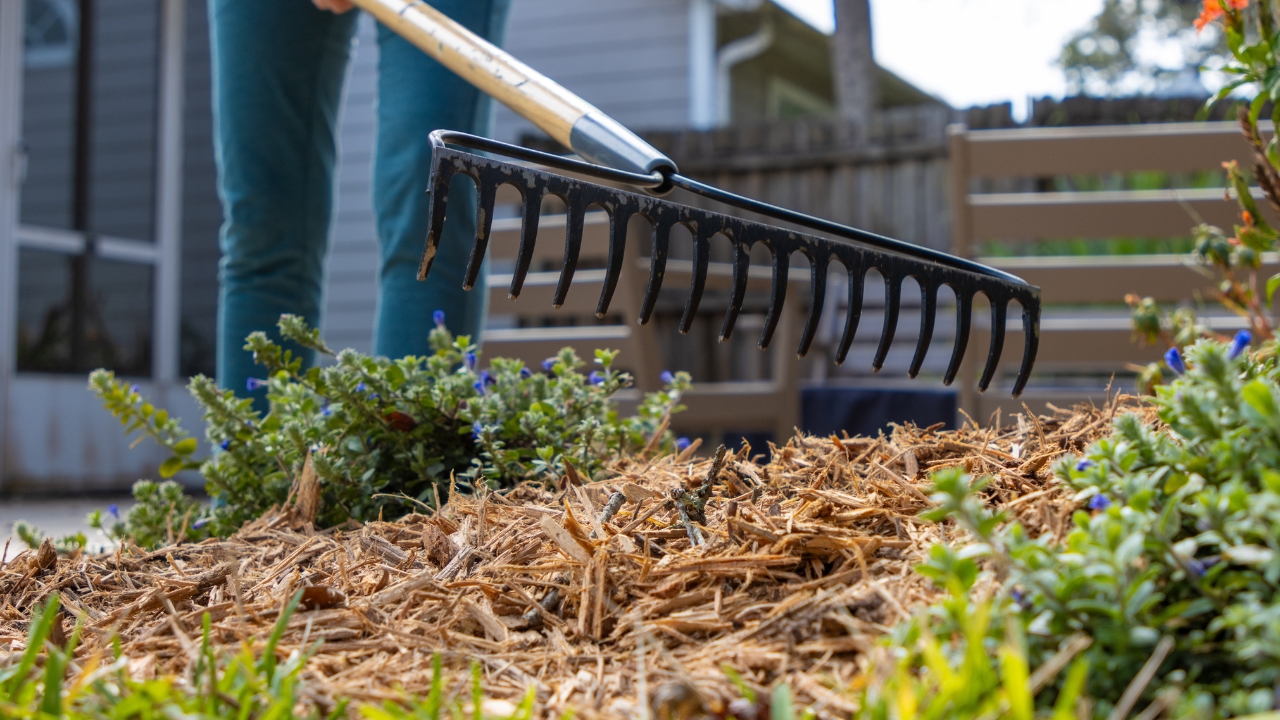
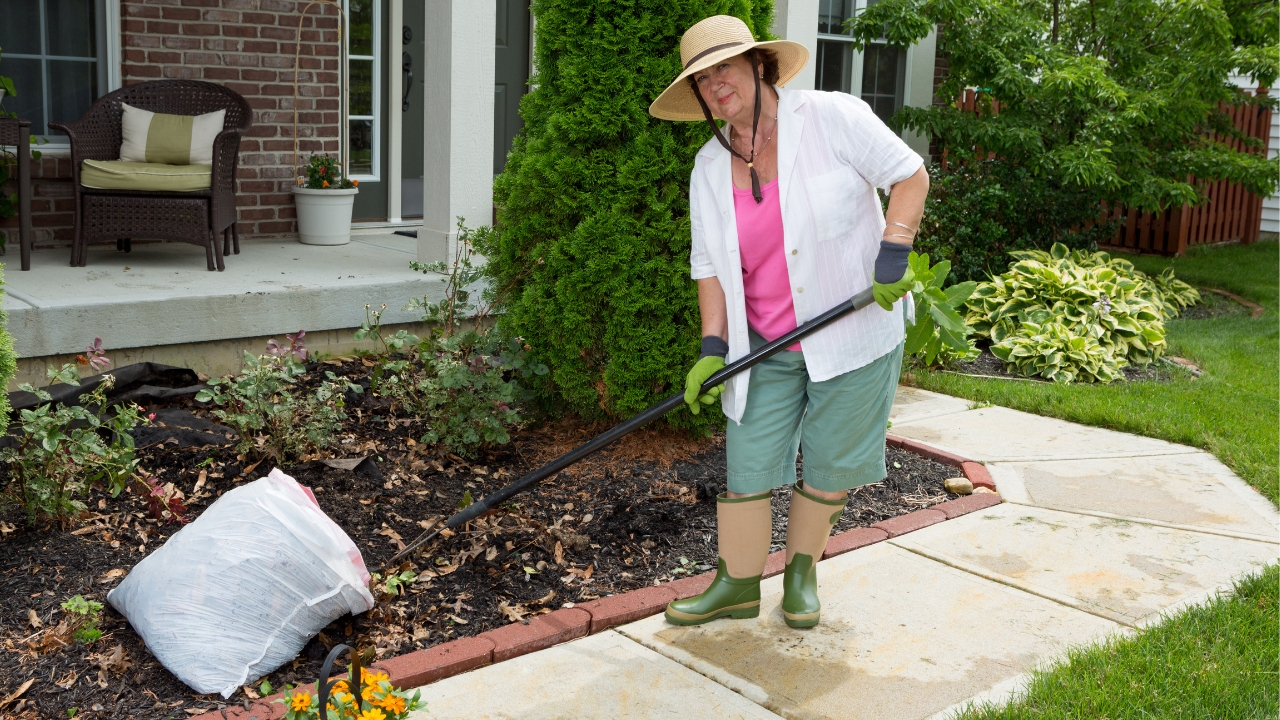
Over time, mulch can break down and compact into a thick layer that blocks airflow and keeps moisture from getting through. If your mulch feels matted or hard, it’s time for a refresh.
Fluff it up with a rake or hand fork once or twice a season. That breaks up the compaction and helps your soil breathe again. If it’s looking worn or soggy, scoop it out and add a fresh layer.
Applying Mulch on Wet Soil
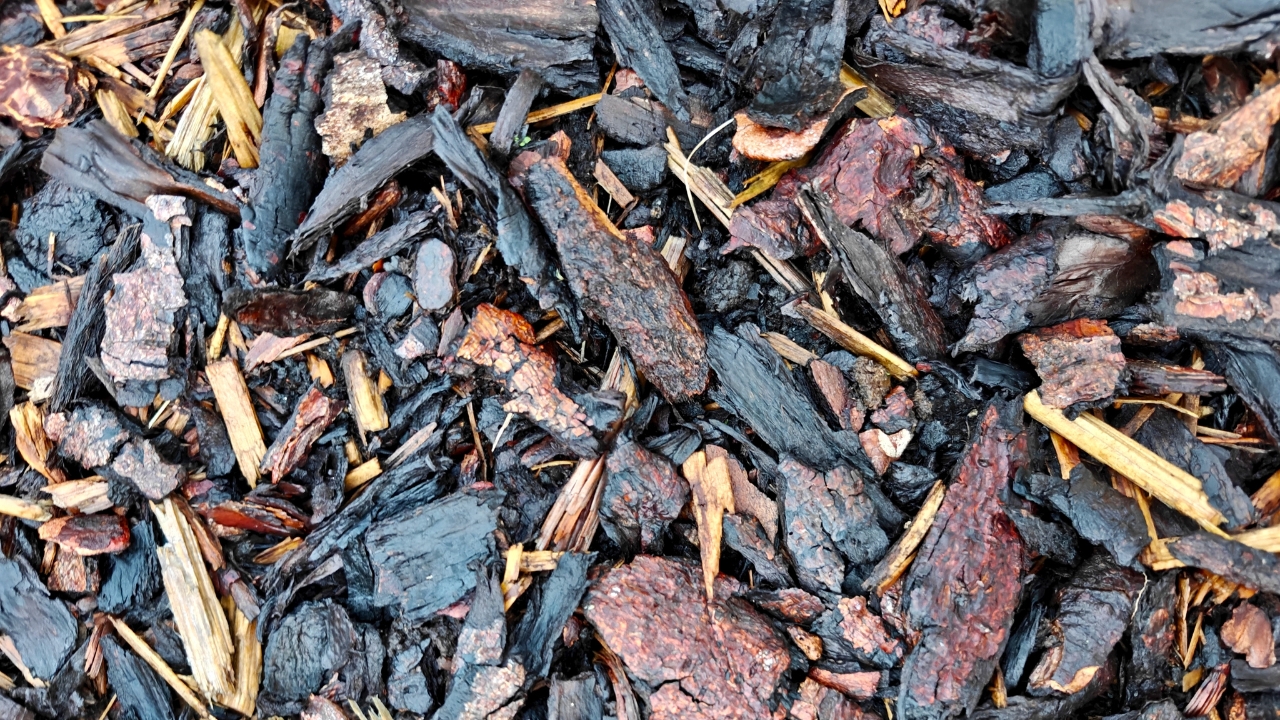
If you throw mulch over soggy ground, you trap the moisture and seal off air circulation. That can lead to root rot, fungus, and a soil structure that stays compacted and waterlogged.
Always let the ground dry out a bit after rain or heavy watering before mulching. You want the soil to be moist, not soaked. That balance is key to keeping everything healthy underneath the surface.
Leaving Old Mulch to Rot in Place
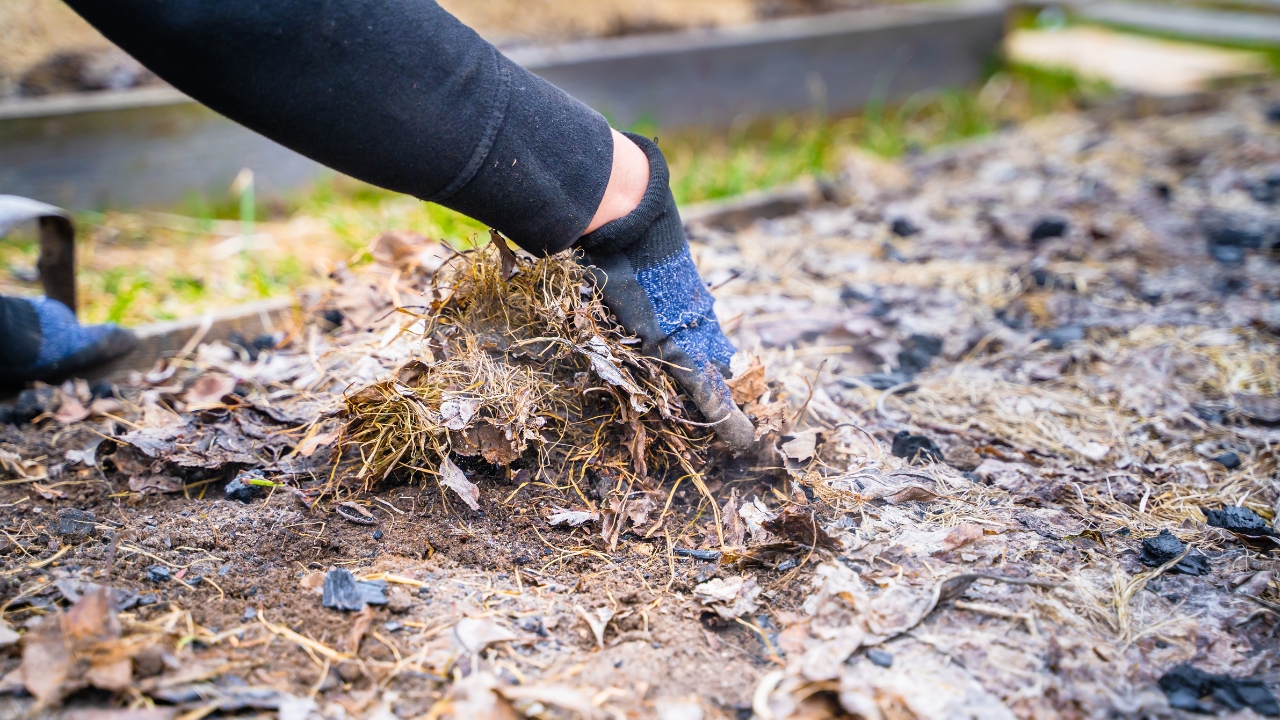
Old mulch doesn’t always break down evenly. If it gets slimy, sour-smelling, or crusty, it’s time to remove it. Letting old mulch pile up season after season can create layers that suffocate your soil.
Before adding new mulch, scrape off the worst of the old layer and toss it into the compost pile. That way, your new mulch actually connects with the soil instead of sitting on top of a decaying mess.
Forgetting to Mulch at All
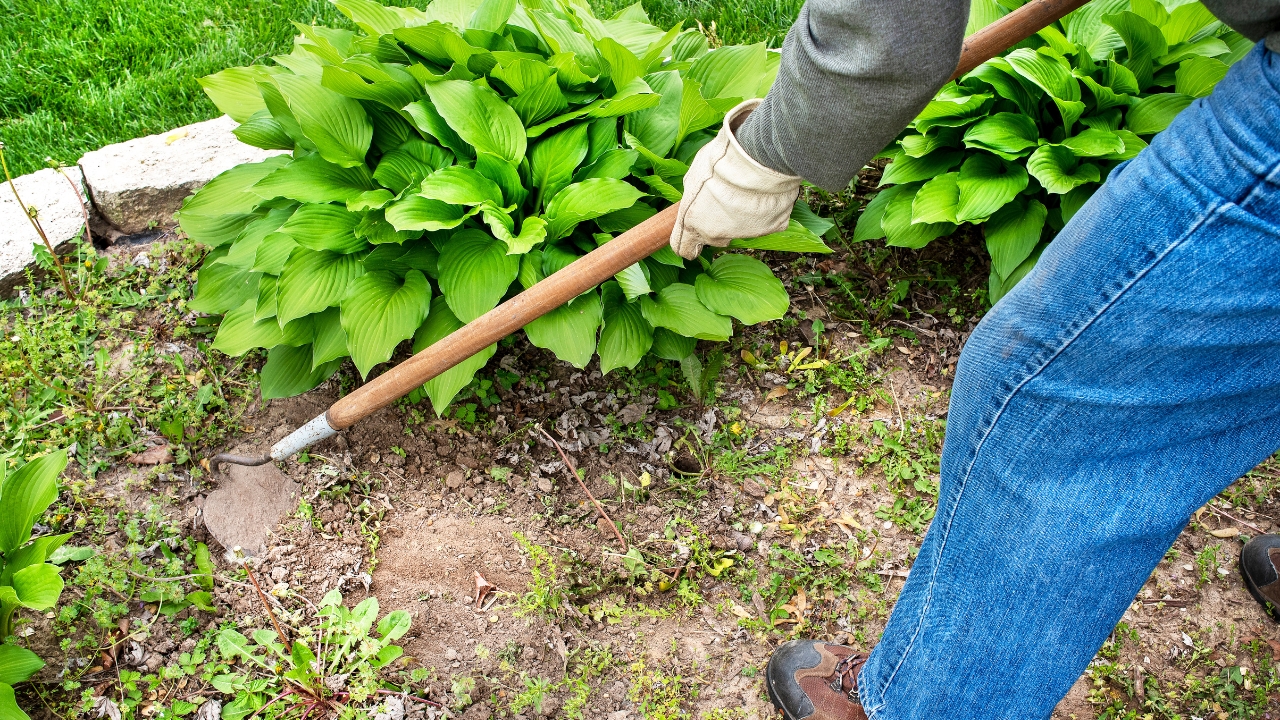
On the flip side, skipping mulch entirely can leave your soil exposed to heat, erosion, and weeds. Bare dirt dries out fast in summer and washes away during storms.
Even a light layer of mulch can help hold in moisture, protect the topsoil, and give your plants a better shot at thriving. Don’t overthink it—just don’t skip it altogether. Your soil needs that protection.
Like Fix It Homestead’s content? Be sure to follow us.