9 Skills You’ll Wish You Knew Before Moving to the Country
Photo credit: pexels.com
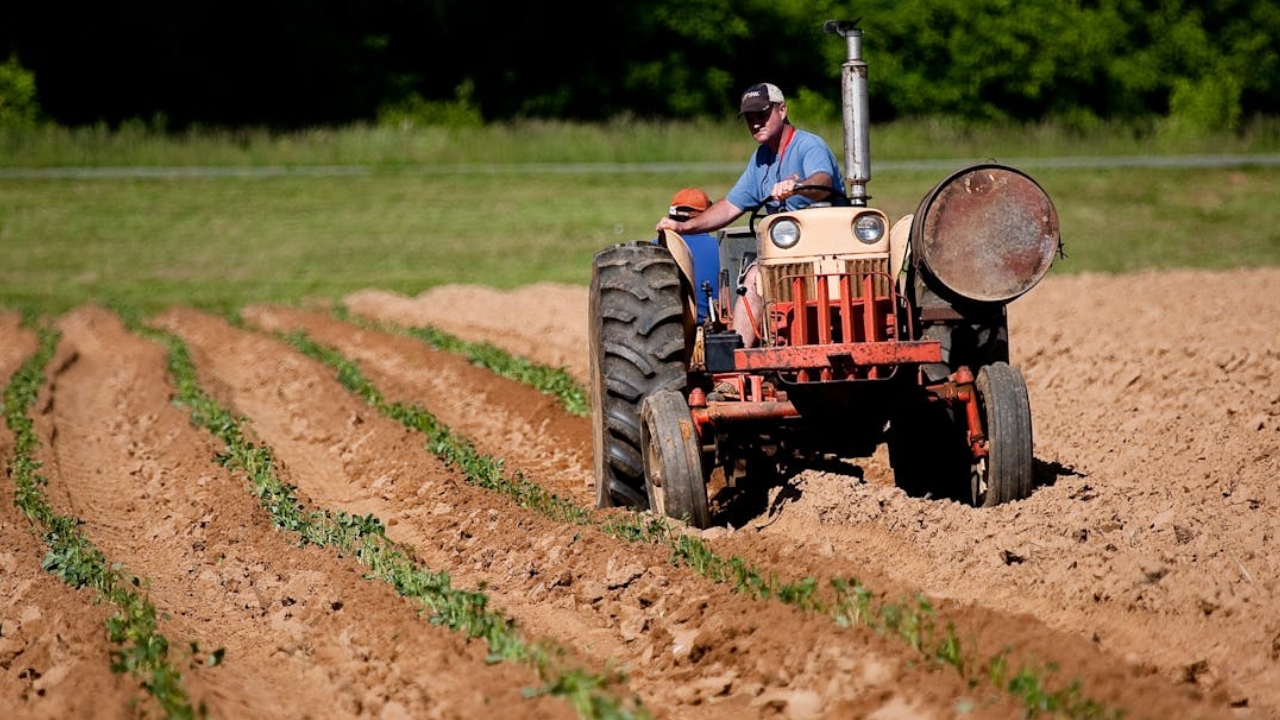
Moving to the country sounds like a dream—more space, quiet mornings, and a slower pace. But if you’re used to city life or even a typical suburban setup, the learning curve can hit hard. Rural life comes with its own set of challenges that can catch you off guard fast.
From managing your own water supply to dealing with wild critters, there’s a lot you’ll wish you’d known earlier. Learning these things ahead of time can save you a ton of stress, money, and hard lessons.
How to Maintain a Septic System

If your place isn’t on city sewer, you’re the one in charge of keeping that septic system healthy. That means watching what goes down the drain, spreading out heavy water usage, and scheduling regular pump-outs.
Failing to take care of your system leads to backups and major repair bills. And trust me—when the septic goes south, it goes fast. Learn what your specific system needs and stay on top of maintenance from the start.
How to Spot (and Treat) Well Water Issues

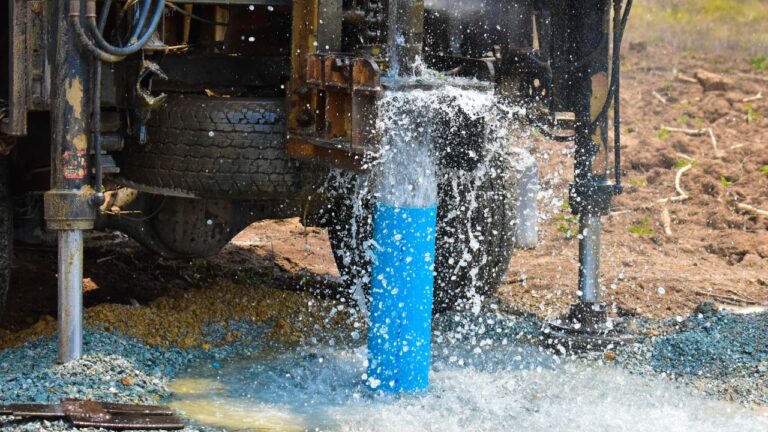
Most rural homes rely on well water, which means no city filtration. You’ll need to test it regularly and know what signs point to problems—like staining, odd smells, or strange tastes.
Installing a proper filter or softener setup can make a huge difference. But even with that, you’ll want to be ready for pump issues or seasonal changes in quality. A good water test kit is worth every penny.
What It Actually Takes to Maintain Land

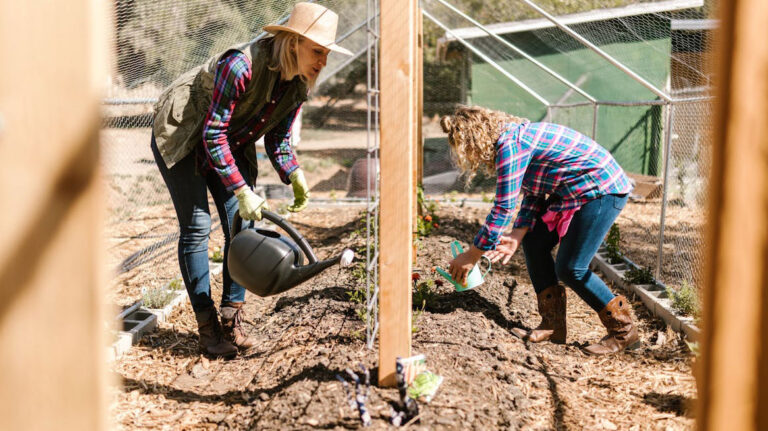
A couple acres can sound manageable—until you realize how fast things grow, break, or flood. Weed control, mowing, erosion management, and fence repairs become regular chores, not once-a-year projects.
You don’t need to know everything overnight, but the sooner you learn what your land needs seasonally, the smoother your first year will go. Equipment helps, but good timing and regular upkeep matter more.
How to Handle Power Outages Like It’s Normal
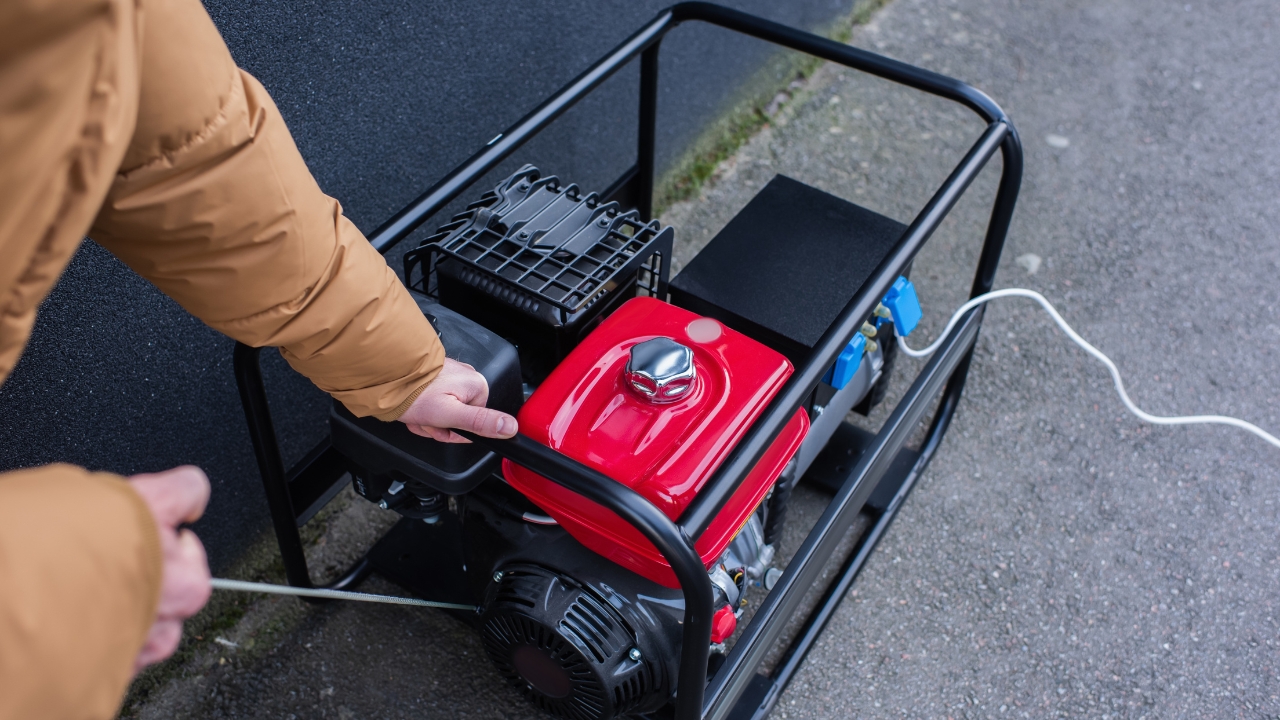
Outages happen more often in rural areas, especially during storms. And when they do, it might take hours (or days) to get things running again. If your water, stove, or heat depends on electricity, you need a plan.
Invest in a generator or backup heat source. Have flashlights, batteries, and basic supplies ready to go. When the power’s out and you’ve still got kids to bathe and food to cook, preparation makes all the difference.
What Animals You’ll Actually Be Living With

Deer are the least of your concerns. Think raccoons in the attic, skunks under the porch, snakes in the shed, and mice absolutely everywhere. And don’t get me started on coyotes if you’ve got animals.
Knowing what’s common in your area and how to prevent or handle it is huge. Set traps, seal gaps, and be ready to respond fast. The sooner you learn how to keep things out, the less you’ll be cleaning up later.
How to Manage Mud (Because It’s Coming)

Nobody warns you about the mud. Once it starts raining, that dirt road, animal pen, or front yard can turn into a swamp overnight. And if you’ve got animals—or kids—it spreads everywhere.
Gravel, gutters, French drains, and good boots go a long way. Learn how water moves across your land and redirect it before you’ve got a full-blown mess every spring and fall.
When to Call Before You Dig
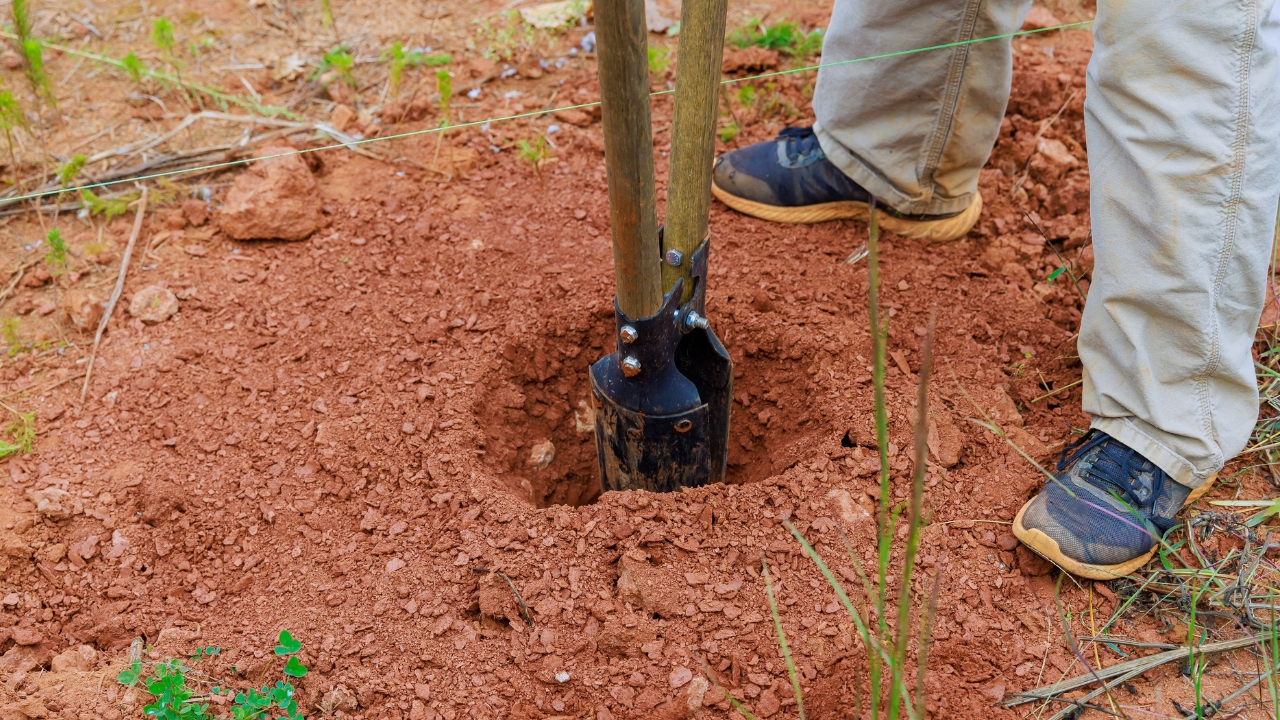
If you’re not used to managing your own utilities, it’s easy to forget that digging a fence post or planting a tree could end with a busted water line or worse. Always call before you dig—period.
Even if you think you know where things are, don’t skip this. It’s free to have your lines marked, but it’s not free when you hit one. Add this to your list anytime you’re doing ground work.
How to Actually Keep Animals Safe and Contained
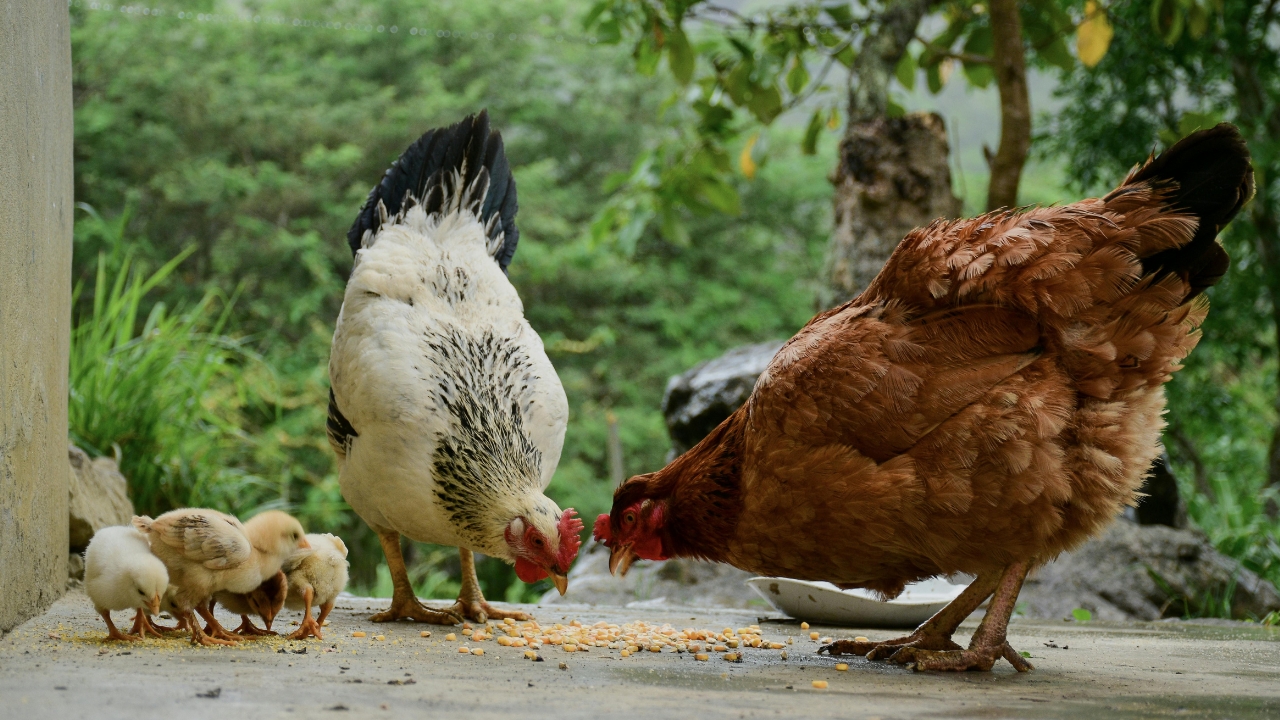
Whether it’s chickens, goats, or a couple cows, animals bring a whole new layer of responsibility. You’ll need solid fencing, clean shelter, a reliable water source, and a plan for predators.
It’s easy to overestimate what you can handle—or underestimate what your animals can get into. Take the time to learn from others nearby before you buy anything with hooves or feathers.
What to Do When a Neighbor Needs a Hand

Rural life still runs on neighbors. Whether it’s helping clear a tree after a storm or offering your trailer when someone’s stuck, helping each other is how it works out here.
That kind of community doesn’t happen without effort. Be willing to show up, learn the names, and lend a hand when you can. It’ll come back around when you’re the one stuck in the mud.
Like Fix It Homestead’s content? Be sure to follow us.