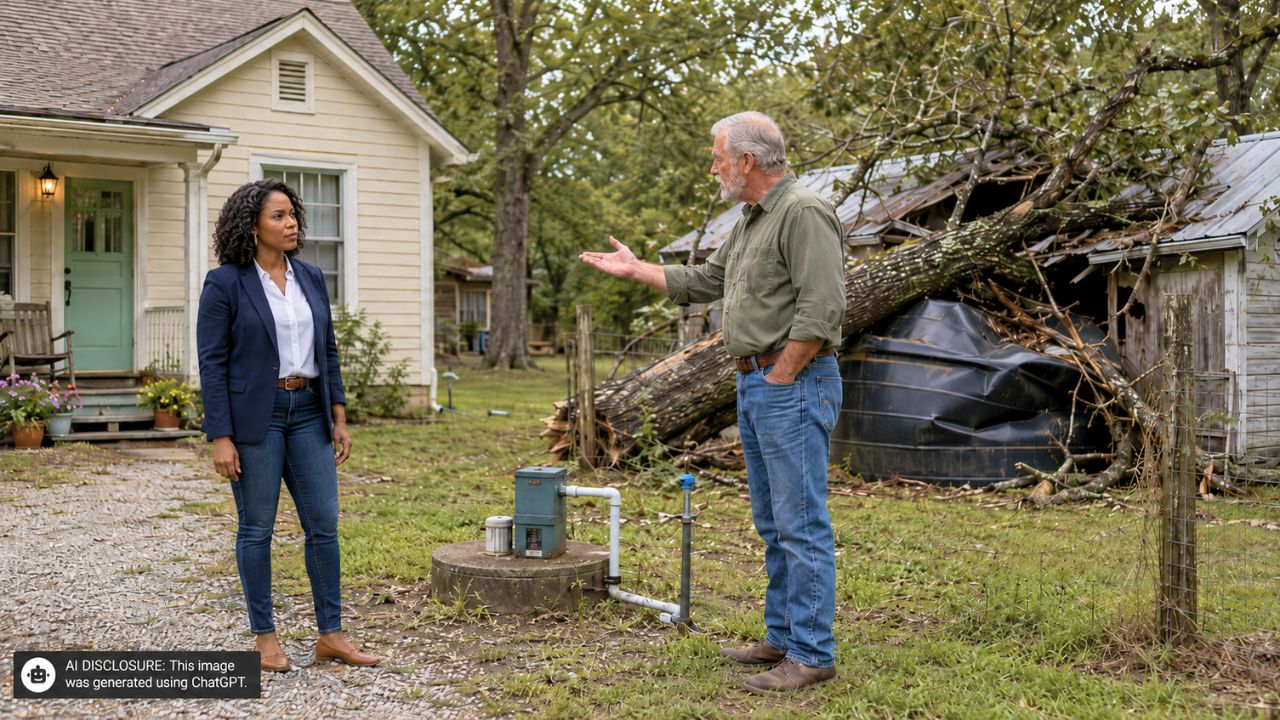
Buyer Closes on a Cottage and Learns the Neighbor Has Quietly Claimed Half Interest in the Well for Two Generations — Then Offers Cash for a Formal Contract Only After His Own Water Tank Is Crushed by a Falling Oak
Photo credit: AI-generated image created using ChatGPT. Illustrative only.
Buying a little cottage is supposed to be the start of the quiet part of life: garden plans, weekend projects, figuring out where the tools go. But for one new owner in Kern County, California, the first real project wasn’t paint or plumbing. It was discovering that the neighbor believed he owned half the water.
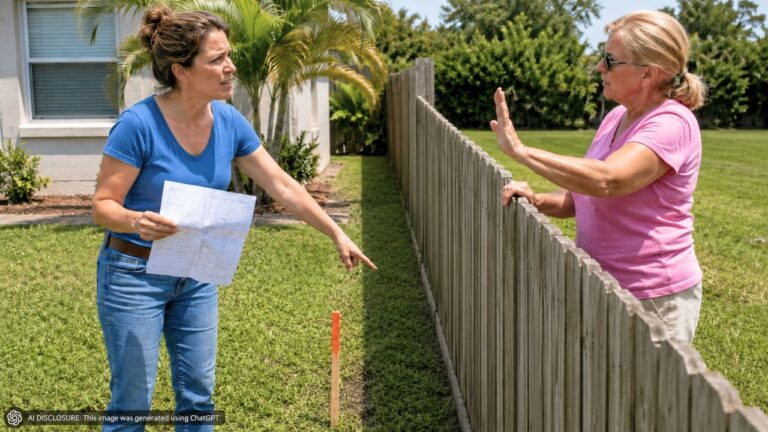
In the original post, the buyer says the property came with a well located on their land—yet the next-door neighbor had been piped into it “for years” and insisted there was a long-standing deal giving him a half interest. The twist: the agreement was informal, made two generations ago, never recorded, and everyone who originally shook hands on it is now gone.
A well on your land… and someone else’s pipe in it
The buyer describes learning that the neighbor’s cottage had been connected to the well for a long time. The neighbor’s story was that he once had a “third interest” for a few years about 20 years ago, and that the older, informal agreement tied him to the well even now.
But when the new owner checked their title, they couldn’t find anything recorded—no covenant, no easement, no written document running with the land. What stung was that the buyer says they were told by their realtor that the agreement was recorded. Only later did they learn it wasn’t.
That kind of discovery is the homestead version of finding an extra breaker in the panel that feeds the neighbor’s garage. It changes the whole mood, because it’s not just about water pressure. It’s about control, liability, and what you actually bought.
The neighbor tried to “settle” it—right when he needed to sell
The timeline got sharper when the neighbor listed his place for sale in July. That’s when the water arrangement stopped being a casual rural workaround and started looking like a closing obstacle.
According to the buyer, when they told the neighbor he had no right to water from the well, the neighbor offered cash—“not much”—to sign a formal contract for half interest. The buyer reads it as an attempt to create paperwork that would help the neighbor sell his cottage with a reliable water source.
It’s the kind of offer that can sound practical on the surface—money for a signature, everyone moves on—until you realize you’re being asked to convert an unrecorded family-era handshake into a permanent property right. Once it’s in writing, it’s not a favor. It’s a new reality.
Then an oak tree crushed the neighbor’s water tank
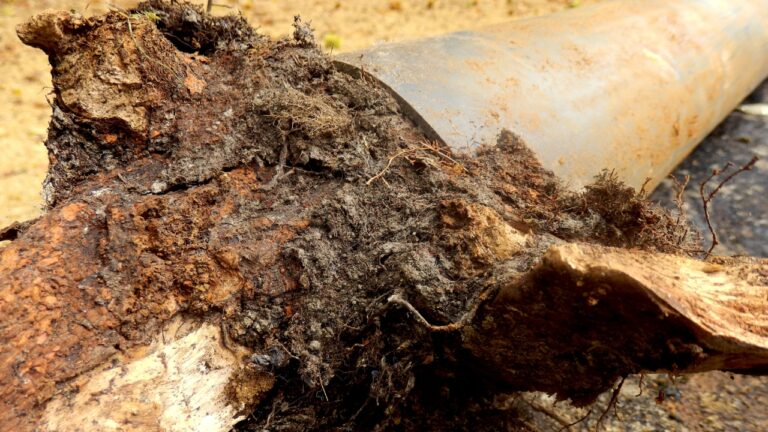
The dispute didn’t stay theoretical for long. The neighbor’s rooftop water tank was crushed by a falling oak, and suddenly his side of the system wasn’t just inconvenient—it was broken.
The buyer says the tank was “gapping open,” and the neighbor tried to patch it with duct tape. From the buyer’s perspective, that wasn’t just a bad repair. It was a health issue, the kind that turns shared water into shared risk.
So the buyer cut off the neighbor’s water pipe. And in the same stretch of time, the buyer proceeded to hook the well up to their own house, noting it hadn’t been plumbed to their place when they bought the cottage.
That’s where the story takes on the familiar rural-property tension: one owner sees an emergency shutoff to prevent contamination, while the other sees a hard cutoff of something he believes he’s entitled to use.
A demand letter, $20,000, and $200 a day
After the shutoff, the neighbor and his lawyer escalated fast. The buyer says they’re now demanding $20,000 within 10 days, plus an additional $200 per day “until full restoration,” or they’ll sue.
The lawyer’s angle, as the buyer describes it, is that the buyer “admitted to vandalism” and acknowledged the existence of an unrecorded agreement. It’s the kind of framing that makes homeowners feel boxed in: if you call it “my well” you sound reasonable, but if you admit the pipe was there for years, the other side argues you knew there was a deal.
Meanwhile, the practical problem is still sitting in the yard like a split log: there’s a well on one parcel, a line feeding another parcel, and a damaged tank that someone tried to keep alive with duct tape. Even if the paperwork is a mess, the water system is now a fight.
Homeowners zeroed in on paperwork, proof, and damage control
The buyer’s big questions were blunt: Is this extortion? Should they lawyer up? Those questions are what many property owners ask when a demand arrives with a deadline and a daily charge attached to it.
Even without seeing the full back-and-forth, the pressure points in a dispute like this are easy to recognize. Water rights and shared wells can become quasi-easements in practice, and long-term use can be argued in ways that surprise people who assumed “if it’s not recorded, it doesn’t exist.” At the same time, real estate runs on recorded documents for a reason: buyers and lenders need to know what they’re inheriting.
From a boots-on-the-ground homeowner perspective, the immediate focus becomes documentation and containment—what’s in the title, what’s been represented in writing during the sale, what condition the well system is in, and whether cutting off a line was a reasonable safety move or something that can be painted as wrongful interference.
And then there’s the less-discussed part: the neighbor’s broken tank. A crushed rooftop tank isn’t a minor cosmetic issue. If it’s open to debris or animals, if it’s leaking, if it’s patched incorrectly, it can turn water storage into a contamination source. When two properties are tied into one supply, the worst repair on either side can become everyone’s problem.
The fix isn’t just plumbing—it’s untangling two generations of assumptions
This is the kind of property dispute that feels like it should have been solved years ago with one clean document and one clean disconnect point. Instead, it grew in the shade of informal “we’ve always done it this way” logic, passed down until a new buyer showed up with a title report and a different idea of ownership.
Now the stakes aren’t sentimental. They’re measured in water access, potential liability, saleability, and legal fees. One neighbor wants certainty on paper—especially if he’s trying to sell—and the other wants control of the well they believed they purchased free and clear.
In the middle sits a very homestead reality: when basic infrastructure is shared, even casually, it can take one storm-downed oak to turn a neighborly workaround into a full-blown fight. The well may be on one person’s land, but the argument is already on both doorsteps.
Like Fix It Homestead’s content? Be sure to follow us.