Homeowner Gets a $12,000 Crawlspace Quote — Then Wonders If the First Repair Made the Problem Worse
Photo credit: Fix it homestead
Crawlspace problems have a way of sounding mysterious and expensive at the same time.
Most homeowners do not spend much time under the house. They may know the crawlspace exists, but they are not usually crawling around checking moisture levels, insulation, vents, joists, vapor barriers, and drainage unless something already feels wrong.
So when one homeowner received a $12,000 crawlspace quote, the number alone was enough to make them pause.
But the bigger concern was not just the price.
It was whether the first repair had made the problem worse.
The original issue was supposed to be fixed
Like many home problems, this one likely started with something smaller.
Maybe there was moisture under the house. Maybe insulation was sagging. Maybe a musty smell was coming through the floors. Maybe a contractor had already been hired to address drainage, vapor barrier problems, mold, or standing water.
The homeowner thought they were paying for a fix.
But after the work was done, the crawlspace still did not seem right.
That is when a second quote entered the picture, and the price came back at $12,000.
Suddenly, the homeowner was not just dealing with a repair. They were dealing with the possibility that the first repair was wrong, incomplete, or actively harmful.
Crawlspace repairs can snowball fast
A crawlspace can hide several problems at once.
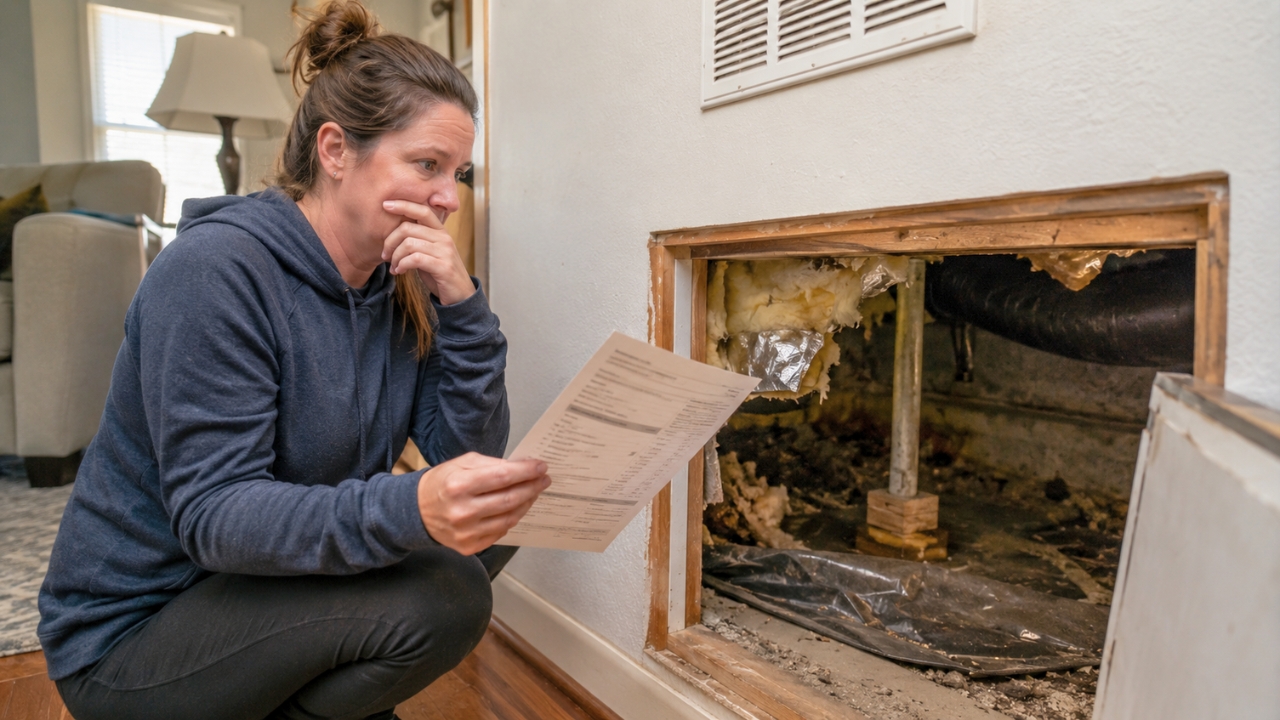
Water may be coming in from poor grading, bad gutters, plumbing leaks, groundwater, missing drainage, or a failed sump setup. Moisture can damage insulation, wood, ductwork, and vapor barriers. Mold or mildew can spread. Pest issues can appear. Humid air can move up into the house and affect the living space.
That means one repair can easily uncover another.
A homeowner may start with a simple vapor barrier and end up hearing about drainage systems, dehumidifiers, encapsulation, mold treatment, insulation replacement, joist repairs, and foundation concerns.
That is how a quote reaches five figures.
But just because a repair is expensive does not automatically mean it is necessary.
That was the homeowner’s problem.
They needed to know whether the new quote was a real solution or another costly guess.
The first repair raised uncomfortable questions
When a second contractor says the first repair may have made things worse, it can be hard for a homeowner to know what to believe.
Sometimes the first contractor truly did poor work. Maybe they trapped moisture, installed the wrong materials, covered wet insulation, failed to address drainage, blocked ventilation incorrectly, or created conditions that made humidity worse.
Sometimes the second contractor is exaggerating to sell a bigger job.
Both things can happen.
That is why the homeowner had to be careful.
If the first repair did make the problem worse, they might need to pursue the original contractor, ask for corrections, file a complaint, or document the damage.
But if the second quote was inflated, they could end up spending thousands on work they did not actually need.
The $12,000 number needed context
A large quote is not automatically a scam.
Crawlspace work can be labor-heavy, dirty, and complicated. Removing damaged insulation, treating mold, installing drainage, laying vapor barrier, sealing vents, adding a sump pump, repairing wood, and putting in a dehumidifier can add up quickly.
But homeowners still need details.
What exactly is included in the quote? What problem is the company solving? Is there standing water? Is there active mold? Is the wood damaged? Is the humidity too high? Is the foundation affected? Is the quote for a full encapsulation, or for repairs that are actually urgent?
A big number without a clear diagnosis is a red flag.
The homeowner needed more than “your crawlspace is bad.”
They needed someone to explain what caused the issue, what must be fixed now, what can wait, and whether the previous work created additional damage.
Commenters usually push for multiple opinions
When crawlspace quotes get this high, people often tell homeowners to slow down before signing anything.
Getting multiple opinions can help separate urgent repairs from sales pressure. A drainage expert, structural engineer, pest professional, plumber, or independent inspector may be more useful than relying only on a company that sells crawlspace systems.
Commenters also tend to recommend documenting the first repair carefully.
Photos before and after, invoices, contracts, warranty information, messages, and the new contractor’s written explanation could all matter if the homeowner believes the first company caused damage.
The homeowner should also ask the second company to identify the actual failure.
Did the vapor barrier trap water? Was drainage installed incorrectly? Was insulation put back while wet? Were vents sealed without controlling moisture? Was a leak ignored?
Specifics matter.
The fear was paying twice and still not fixing it
The most frustrating part was the possibility of paying for the same problem more than once.
The homeowner may have already spent money on a repair that was supposed to help. Now they were being told the crawlspace needed a much larger fix, and maybe the previous work contributed to the mess.
That is enough to make anyone suspicious.
No homeowner wants to throw $12,000 at a vague problem, especially after one repair already failed. But ignoring crawlspace moisture can also be risky if the issue is real.
That leaves the homeowner stuck between two bad feelings: fear of being scammed and fear of letting hidden damage get worse.
The real issue was trust
Crawlspace problems are hard because most homeowners cannot easily verify what they are being told.
They have to trust professionals who may disagree with each other, sell different solutions, and use scary language about mold, rot, humidity, and structural damage.
For this homeowner, the $12,000 quote was not just a price.
It was a sign that the first repair may not have solved the original problem at all.
And before spending that kind of money, they needed a clear answer to the question every homeowner dreads:
Is this the real fix, or am I about to pay for someone else’s mistake all over again?
Like Fix It Homestead’s content? Be sure to follow us.