Homeowner Refuses to Split the Cost of a Fence They Never Wanted — Then the Neighbor Asks Them to Sign a Legal Contract Declaring Sole Ownership of It
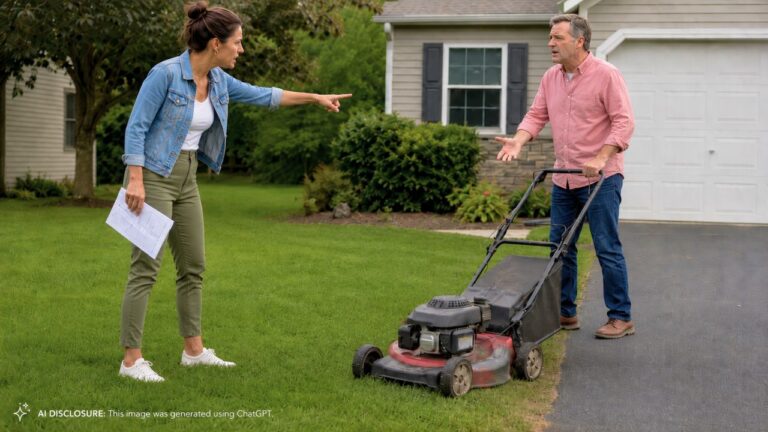
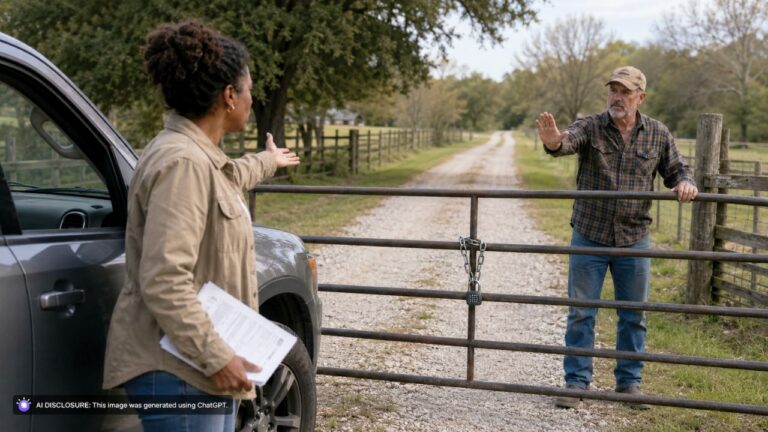
Photo credit: AI-generated image created using ChatGPT. Illustrative only.
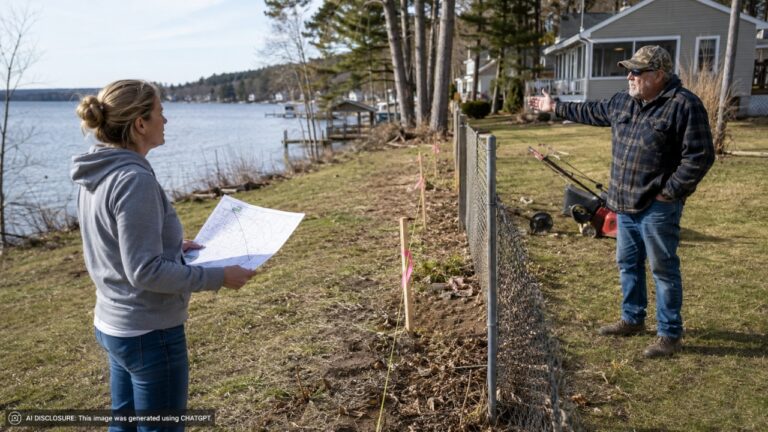
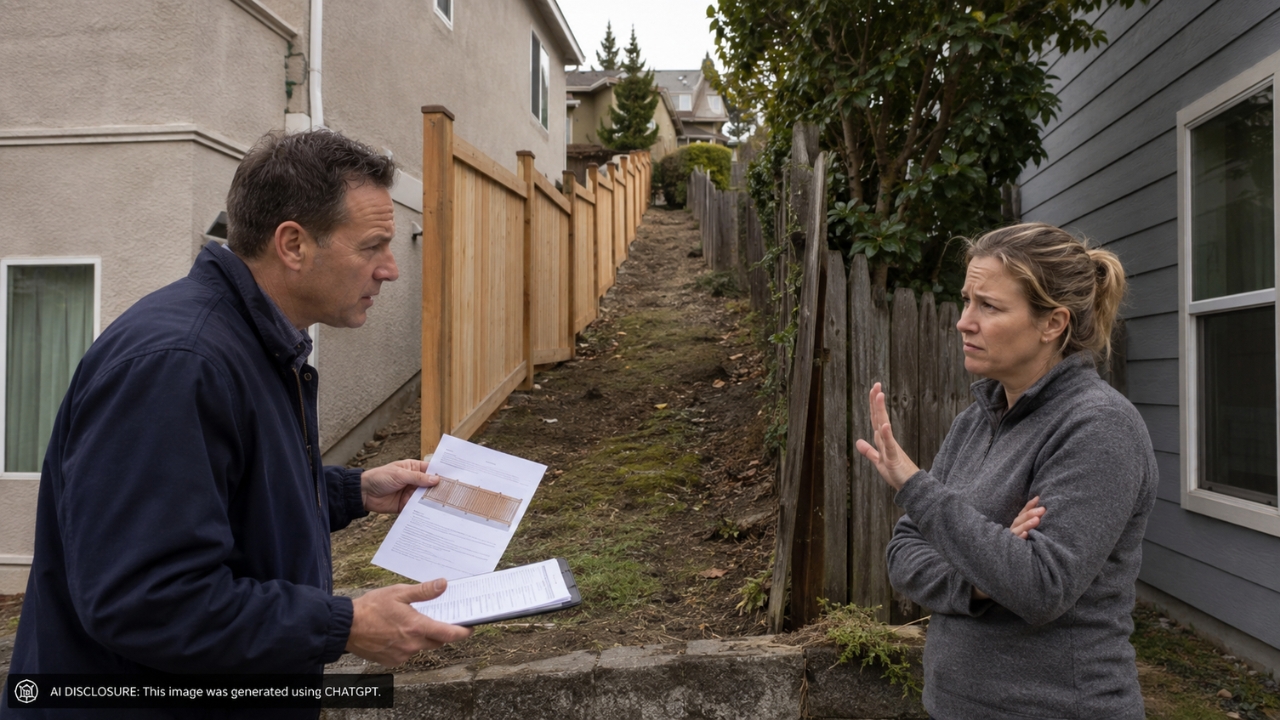
It started the way a lot of neighbor expenses do: with a number tossed over the fence line, before there was even a fence. In a tract-home neighborhood with narrow, hilly side yards, one homeowner said the neighbor showed up with a quote and a request to split the cost of a new fence—despite the fact the homeowner had never wanted one in the first place.
When the homeowner declined, the conversation took a turn. According to the original post, the neighbor then asked them to sign a legal contract stating the neighbor would own the fence. The homeowner wasn’t trying to stop the project, but the pushiness—and the paperwork—made it feel like more than a simple boundary upgrade.
A fence request that came out of nowhere
The proposed fence would run along the side of both properties, splitting two skinny strips of sloped yard. For the homeowner, that space is “pretty much unusable,” which is exactly why they’d never priced fencing or considered a build. No pets to contain, no garden to protect, no privacy goal—just a hillside most people rarely visit.
The neighbor, however, arrived with a plan already in motion: a fence quote in hand, and an expectation of a 50/50 split. The fence wasn’t installed yet, but the approach was more demand than discussion, with no earlier “Would you be interested?” conversation.
In neighborhoods where properties are close and projects are visible, a fence can feel like a shared feature even when it’s not. That’s what made this request so tense. The homeowner wasn’t refusing to cooperate on a shared problem; they didn’t see a problem to solve at all.
Then came the add-on: fix your old section, too
As if the quote wasn’t enough, the neighbor also suggested the homeowner replace a small section of their existing fence that would attach to the new one. That little detail matters, because it changes the vibe from “let’s improve the boundary” to “while we’re at it, you should repair your stuff, too.”
The homeowner acknowledged that the old section is in rough shape, but emphasized it’s still functional—and tucked away behind trees where it’s not visible to anyone. In other words: it isn’t an eyesore facing the street, it isn’t falling into the neighbor’s yard, and it hasn’t been presented as a safety issue. It’s just not new.
This is one of those classic neighbor flashpoints: one person sees a unified look and clean lines, the other sees a perfectly serviceable structure in a forgotten corner. When you add money into that gap in expectations, it gets personal fast.
The refusal was simple; the response wasn’t
The homeowner’s answer was straightforward: they weren’t interested in paying for half of a fence they never asked for. They didn’t object to the neighbor building it, but they didn’t want to finance it.
That should have been the end of it—“Okay, we’ll do it ourselves.” Instead, the neighbor came back with something that felt oddly formal: a request to sign a legal contract declaring the neighbor owns the fence.
That’s where many homeowners would start to worry about the hidden part of the project: not the lumber and posts, but the property line and future responsibility. Ownership sounds simple until you picture the next argument. If the fence leans, who fixes it? If the neighbor sells, does the next owner treat it as shared? If there’s a dispute about where it sits, does a signed paper become leverage?
The homeowner’s instinct was that there’s a clean solution already: put the fence entirely on the neighbor’s property, and then it’s clearly the neighbor’s fence. No split cost, no split ownership, no confusion later.
Why a “sole ownership” contract can feel like a trap
On paper, it sounds harmless: the neighbor pays, the neighbor owns. But homeowners know paperwork has a way of outliving friendly intentions. A contract can also be a sign the neighbor wants to place the fence right on the property line—or close enough that the line becomes a fight later.
Even without anyone saying it out loud, this kind of document request can raise uncomfortable questions. Are they worried you’ll claim the fence later? Are they trying to avoid future cost-sharing requests in reverse? Or are they attempting to create permission to build on or right up to the line, so you can’t object once it’s up?
The homeowner didn’t describe any prior bad blood, but they did describe the neighbor as “very pushy.” That matters because pushy neighbors don’t always stop at one request. If a fence becomes a precedent—“We decided this together, you signed”—it can spill into landscaping, access for repairs, or other boundary changes.
There’s also the reality that fences in tight side yards affect more than aesthetics. They change drainage patterns on slopes, they change how you access that strip for maintenance, and they can complicate future work like replacing siding, working on a foundation edge, or trimming trees.
What other homeowners focused on: lines, paperwork, and leverage
In conversations like this, the most practical voices tend to zero in on one thing: clarity. If a neighbor wants to build, the cleanest version is a fence built fully on their side, with their money, maintained by them. That’s simple to explain and simple to live with.
When someone brings up a contract, many homeowners immediately think: don’t sign anything you didn’t ask for, especially if it’s meant to solve a problem you don’t have. A document designed to protect one party can still create obligations for the other—sometimes in ways that aren’t obvious until there’s a dispute.
Property lines are the other pressure point. A fence installed “on the line” can quietly turn into “your fence, too” in day-to-day life, because both sides end up treating it as a shared border feature even if only one person paid. That’s where things like surveys and permits come up in homeowner discussions, not as a dramatic escalation, but as a way to avoid expensive misunderstandings later.
Even the small request to replace the corner fence section is something other homeowners tend to flag. It can be reasonable in a cooperative project, but it can also be a way to make you financially participate so the neighbor can later argue it was a shared build.
A neighbor can build what they want—until it changes your use of your yard
The homeowner’s stance wasn’t “no fence ever.” It was: “If you want it, you can have it, but don’t invoice me for it.” That’s a normal boundary to set, especially when the space in question is not valuable to them and wasn’t causing any problem.
The tension now is the lingering pressure. The fence isn’t built yet, but the neighbor has already tried two angles: split the cost, and then sign a document. That leaves the homeowner stuck in an awkward spot—trying to be reasonable while also protecting their property and avoiding signing something they don’t fully trust.
In the end, this is what makes fence disputes so exhausting: it’s rarely about wood and nails. It’s about control, expectations, and the fear that one “small” agreement will become the thing you regret the next time a neighbor decides your yard should work differently.
Like Fix It Homestead’s content? Be sure to follow us.