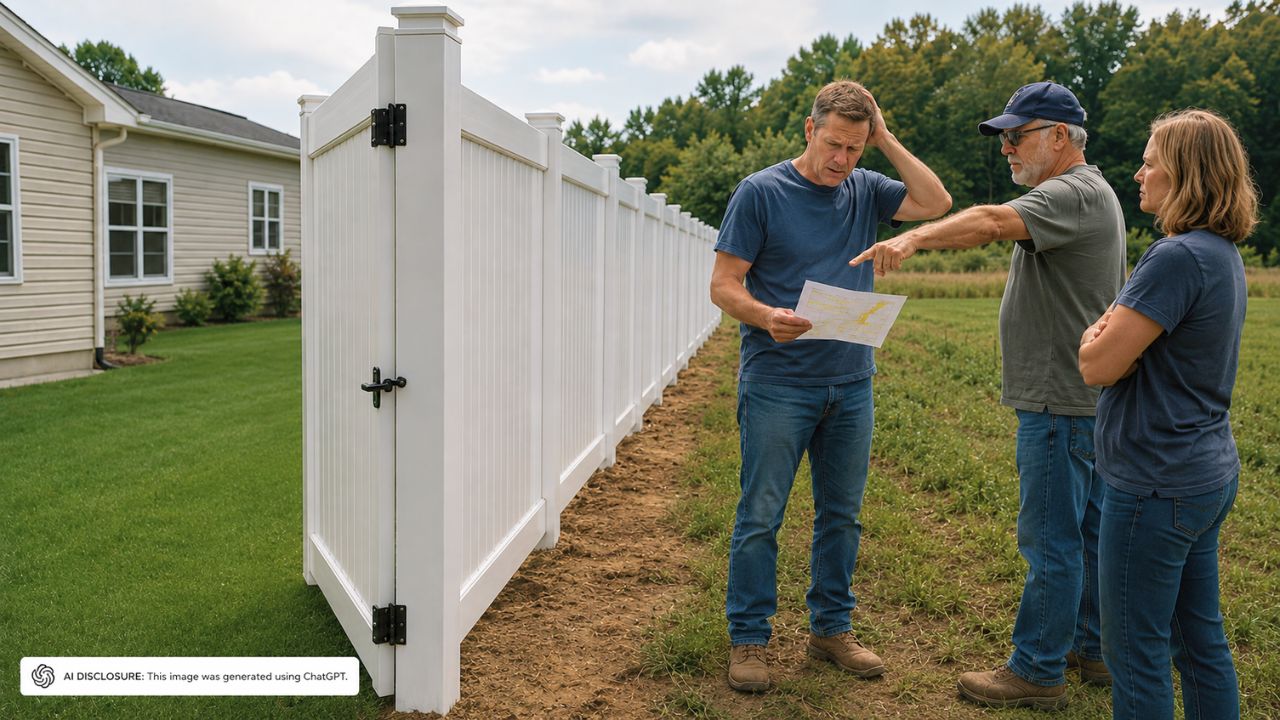
New Homeowner Learns From the Seller’s Own Survey That a Six-Foot Privacy Fence Sits One Foot Onto the Neighbor’s 2.5 Acres — Then the Neighbor Demands It Moved at a Cost of Over $3,000
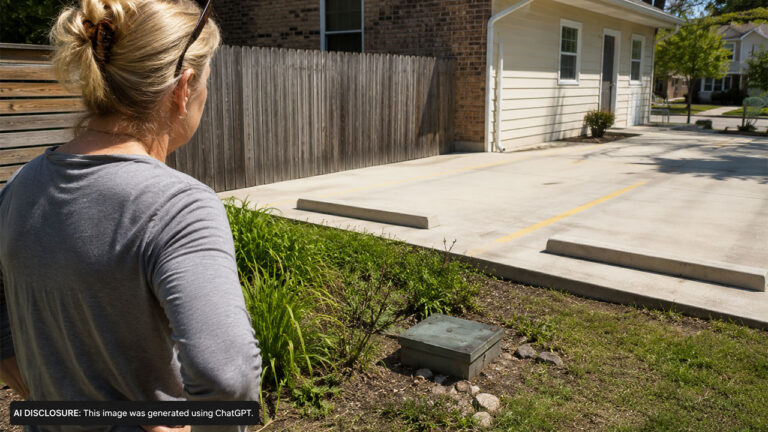
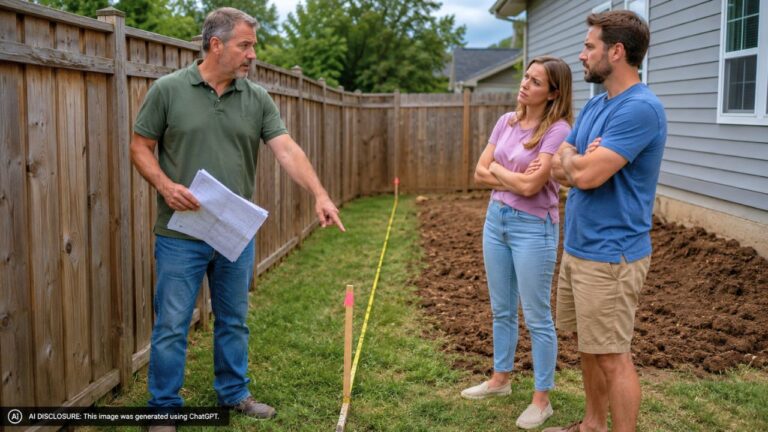
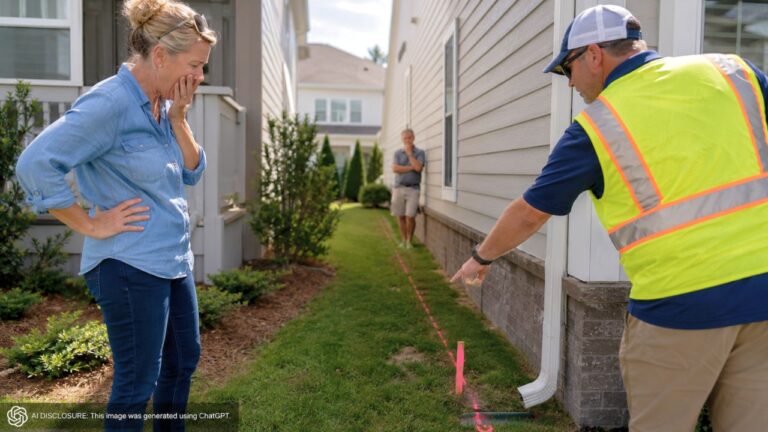
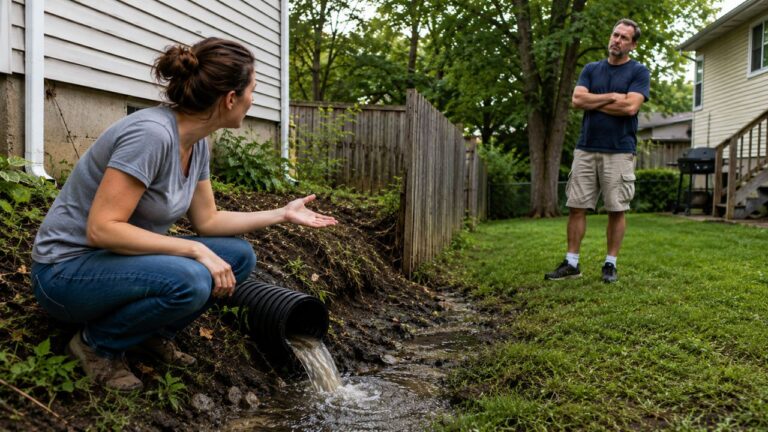
Photo credit: AI-generated image created using ChatGPT. Illustrative only.
There’s a particular kind of dread that hits after closing day: you think you’re done making big decisions, and then a “small” detail turns into a four-figure problem. One new homeowner in New Jersey thought they were simply inheriting a much-needed six-foot vinyl privacy fence—until they learned the fence is sitting about a foot onto the neighbor’s land.
Even worse, the buyer says this wasn’t discovered through their own new survey or a neighbor’s complaint out of nowhere. It came from the seller’s own prior survey and a decision by the previous owner to tell the neighbor about the encroachment before the sale. The full account is laid out in the original post, and it reads like the kind of homeownership problem that doesn’t show up on a paint swatch.
A fence that “looks fine” until the line on paper shows up
On the ground, the fence looks like a normal backyard upgrade: tall vinyl panels, privacy, clean lines. The homeowner says it runs along roughly 16 posts, and the encroachment is about one foot over the property line.
That number—one foot—sounds harmless until you attach it to the wrong side of a boundary. If the survey is right, the fence isn’t just close. It’s over.
And while the homeowner notes the neighbor sits on about 2.5 acres and isn’t blocked from developing the land, the point isn’t how much space the neighbor has. It’s that the neighbor doesn’t want someone else’s structure on it.
The neighbor didn’t ask for a compromise—he asked for it gone
The homeowner says the neighbor is demanding the fence be removed or relocated. They’re not willing to simply remove it, because the privacy is “much needed,” and taking it down would leave them exposed.
Relocating it, though, isn’t a quick Saturday project. The homeowner estimates that shifting the fence back by a foot or so would cost more than $3,000—money they say they don’t have after absorbing other costs on the new home.
It gets more personal in the details: the homeowner says the neighbor expressed he didn’t like the fence. That turns the request from “clean up the property line” into something that feels, from the buyer’s perspective, like a push to get rid of the privacy barrier entirely.
They tried the paperwork solution—an easement—and got a hard no
Knowing the fence is over the line, the homeowner tried what many people would consider the least dramatic fix: document permission so the fence can stay without turning into a long-term legal mess.
They asked the neighbor for an easement, specifically to avoid a “hostile” encroachment and any future claim concerns like adverse possession. The idea was simple: put in writing that the neighbor is okay with the fence sitting where it is, so nobody’s guessing later and nobody is quietly building a case.
The neighbor refused. No accommodation.
That refusal is what makes this feel stuck. Without an agreement, the homeowner is left with two expensive options: pay thousands to move a fence that looks fine where it is, or take it down and lose the privacy they bought the house for.
Why “just leave it” doesn’t feel safe when you just bought the place
Plenty of homeowners have heard stories about fences that are “off” and nobody cares for years. But this one isn’t buried in the past. The neighbor knows. The seller told him. And now the neighbor is making demands right away.
That changes the stakes. If you ignore it, you’re not quietly living with a minor survey mismatch—you’re openly refusing a request from someone who believes they’re on the right side of property law. That can snowball into formal letters, complaints, or a lawsuit, even if the strip of land is small and the visual difference would be “zero” to a passerby.
The homeowner also can’t shake the unfairness of timing. They didn’t choose to place the fence. They didn’t commission the original installation. Yet the bill for fixing it is landing on their lap right after they took on a mortgage and repairs.
The real mystery: who messed up, and can anyone else pay?
Once you get past the neighbor drama, the homeowner’s question becomes a practical one: can the fence company be held responsible for putting it in the wrong place?
They’re assuming it isn’t reasonable to expect a property owner to know exactly where to install a fence down to the foot, and they’re wondering whether the installer should have verified the line. It’s the kind of thought that pops up when you’re staring at a $3,000 correction and thinking, “Someone had to have been the professional here.”
But the timeline matters, and the homeowner’s post doesn’t include details like when the fence was installed, what paperwork exists, whether stakes were set, or what the fence contract required. Without those details, it’s hard for a buyer to know whether they can chase the installer, chase the seller, or if this is simply a property-line problem that transfers with ownership.
And that’s the uncomfortable part of homeownership nobody puts on the listing: you inherit not only improvements, but also their mistakes.
Readers honed in on proof, leverage, and not making it worse
The homeowner came looking for alternatives—anything that avoids paying thousands or losing the fence. In these kinds of property-line disputes, people tend to focus on two immediate themes: documentation and leverage.
Documentation is the obvious one. If a survey is driving the demand, the natural next step is to make sure everyone is working from the same baseline—what the survey actually shows, where the pins are, and whether the fence is truly over the line by a foot along the whole stretch. When money is on the line, “about a foot” turns into “exactly how many inches, exactly where, and proven how.”
Leverage is the tougher part. The homeowner already floated an easement and got rejected, which suggests the neighbor isn’t interested in a friendly middle ground. When that’s the posture, the only remaining “alternatives” tend to look like negotiation strategies: offering to pay for a revised layout, offering to relocate only the portions that truly encroach, or exploring whether any legal protections exist given the fence predates the new purchase.
But none of those are clean wins. Every option costs money, time, or goodwill—and sometimes all three.
The homeowner’s frustration is easy to understand: a one-foot shift that “makes zero visual difference” still requires real labor, real materials, and real checks written to real contractors. The neighbor may have the right to insist, but the buyer is the one living in the blast radius of someone else’s choices.
For now, the fence is still the fence, and the new homeowner is left balancing privacy against principle, and principle against budget. It’s a rough way to start life in a new house—especially when the first big lesson is that property lines don’t care how small the strip is, or how badly you need the privacy.
Like Fix It Homestead’s content? Be sure to follow us.