New Homeowner Reports Sewage Leaking From the Neighbor’s Septic System Onto Their Land — Then the Neighbor Blames Their Lawnmower and a Surveyor Finds the Easement Was Never Actually Filed
Photo credit: AI-generated image created using ChatGPT. Illustrative only.
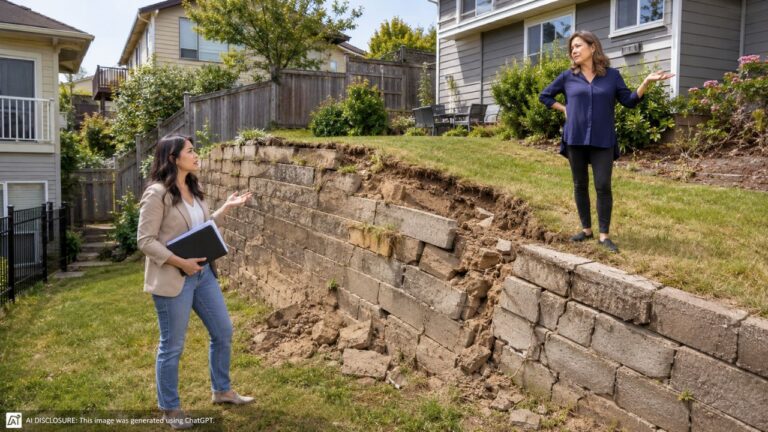
Six months into owning their new place, a Washington homeowner found themselves dealing with something no closing paperwork really prepares you for: sewage surfacing on the edge of the yard. They’d been told the neighbor’s septic drain field sat on their property, but that it was “covered by an easement,” so it sounded like one of those odd rural quirks you live with.
Then the damp patch turned into a leak, and the leak turned into “substantial affluent” with a foul smell—enough that they stopped thinking of it as a paperwork oddity and started thinking about health, pets, and what exactly was soaking into their soil. The homeowner laid out the whole messy chain of events in the original post, including the moment a surveyor delivered the kind of surprise that changes the tone of every neighbor conversation: they couldn’t find any recorded easement at all.
The first sign was easy to brush off
When the homeowner moved in, they say they were told the neighbors’ drain field was on their land, but that it was handled legally. It wasn’t a handshake agreement, they thought. It was an easement—something official, recorded, and already baked into the deal.
So when they noticed a leak after moving in, they did what most people try first: keep it polite. They reached out to the neighbor and asked them to fix their system. Septic issues happen, and the assumption was simple—if the neighbor is using the space, the neighbor maintains it.
At one point, the neighbor had a company inspect the problem. The inspector’s theory, relayed back to the homeowner, was that it “could have been caused by a vehicle running over it.”
The homeowner pushed back gently: in the time they’d lived there, the only thing that had been on that area was a lawnmower. After that, they say they got silence.
Then it turned into a smell you can’t ignore
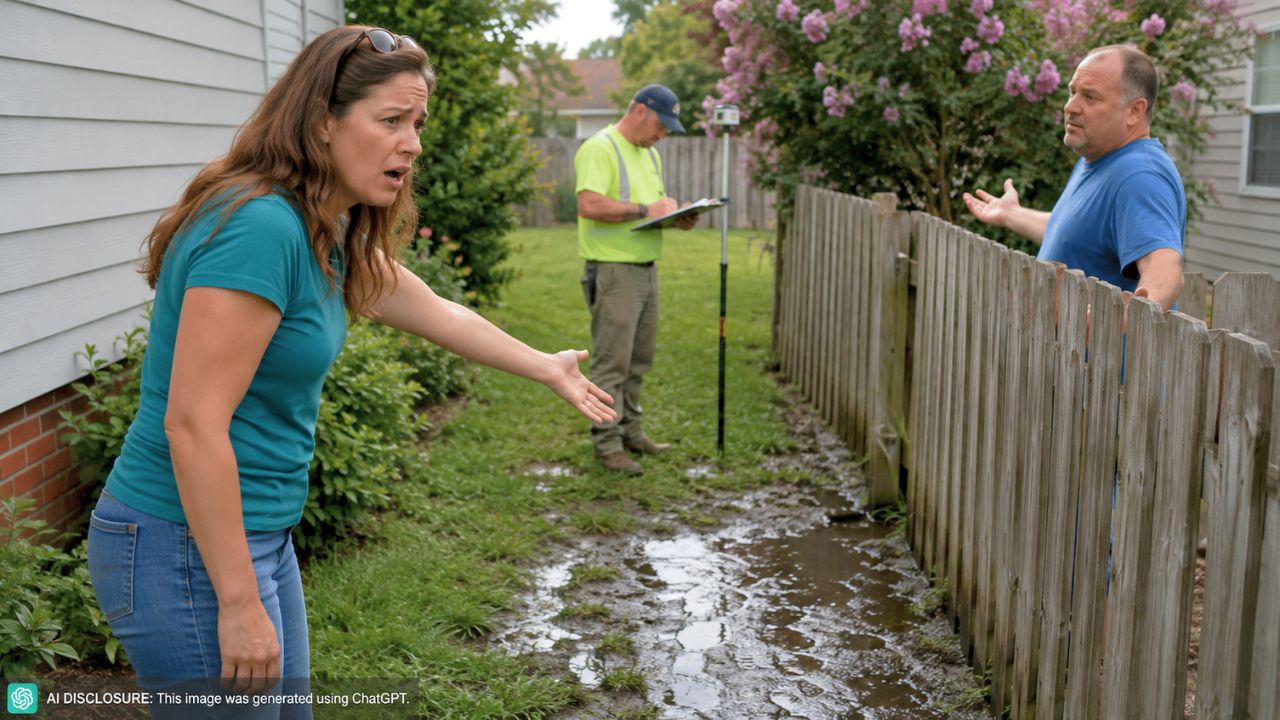
Last week, things escalated fast. The homeowner was outside playing with their dog when they noticed substantial flow coming out, with a strong, foul odor. This wasn’t “maybe a little damp.” It was the kind of moment that makes you look around for where your dog’s paws are going and whether you just tracked something toward your own house.
They contacted the neighbor again, expecting urgency. Instead, the neighbor’s first reaction wasn’t “we’ll get someone out.” It was essentially: what do you want us to do about it—it’s on your property.
That’s where the real split opened up. The homeowner said yes, it’s on their property, but they believed it was covered by an easement, and that the neighbor remained responsible for their septic system and its maintenance. The neighbor’s response went the other direction: they blamed the homeowner’s “negligence,” claiming vehicles had driven over it and that the homeowner should pay.
It’s one thing to argue about a fence line or an overhanging tree. It’s another when the dispute involves sewage and the suggestion that you somehow caused it—while you’re standing on land you own, next to a system you don’t.
The easement everyone talked about didn’t show up on paper
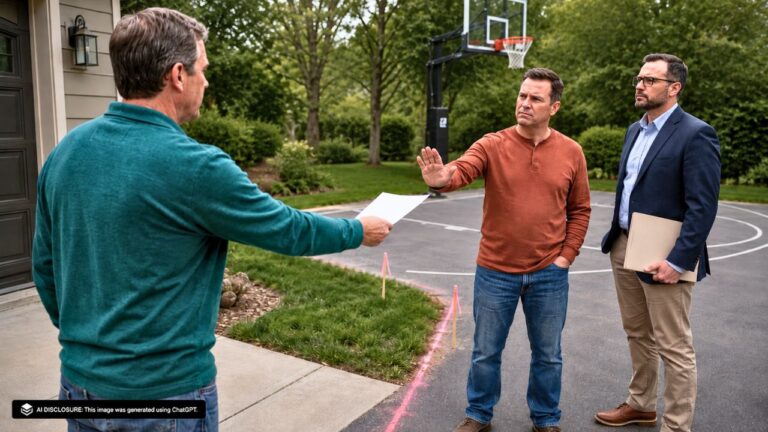
Once blame entered the conversation, the homeowner did what a lot of people do when a neighborly issue starts to harden: they went looking for documents. They reached out to a surveyor to stake the easement and make the boundaries clear.
But the surveyor reportedly couldn’t find any legal documentation of the easement. The homeowner then reviewed recorded documents themselves and found something even more unsettling: a previous owner (described as someone who “short-play[ed] the property”) had only a proposed easement. The paperwork, according to the homeowner, was never actually filed.
That’s the kind of detail that changes the whole power dynamic. An easement isn’t just a rumor that gets passed down at closings. If it’s not recorded, you can end up with two households living by different versions of the rules—until something breaks.
And septic doesn’t break quietly. It announces itself in odor, wet ground, and the creeping worry that you’re one rainstorm away from a bigger mess.
Now it’s not just a repair—it’s a property-rights fight
The homeowner started looking into “implied easement,” trying to understand what it means when a neighbor has been using part of your property for something as essential as wastewater disposal, but the legal permission is missing or incomplete.
The questions they raised weren’t theoretical. They were the kinds of questions people ask when they’re staring at a soggy patch of yard and trying to figure out how badly they could get burned financially.
Does an implied easement mean the neighbor can keep using the land for their drain field, even if the easement was never properly recorded? Could the homeowner force the neighbor to remove the drain field from their property? If the homeowner allowed it to stay, could they demand compensation and convert it into an expressed (recorded) easement?
Every option comes with consequences. Forcing a change could mean a major septic redesign next door, and that kind of disruption tends to explode neighbor relationships. Letting it slide means living with infrastructure you don’t control—plus the ongoing risk that future failures land on your yard again.
What people zeroed in on: documentation, pressure points, and not paying
While the homeowner’s post focused on the facts on the ground—leaking effluent, a blaming neighbor, and missing paperwork—reactions tended to revolve around the same practical themes you hear anytime property lines and utilities collide.
First: document everything. When a neighbor claims you caused the failure by driving on the drain field, the immediate follow-up is proof—what vehicles, when, and how they know. The homeowner already had a detail that mattered: they said only a lawnmower had been on that part of the property since they moved in.
Second: get things in writing, and keep conversations from drifting into “he said, she said.” A septic dispute can turn into a months-long slog of contractors, inspections, and finger-pointing. Written communication is often the only way to keep the story straight when memories get convenient.
Third: don’t volunteer to pay for someone else’s system just because they’re loud about it. Once money changes hands, it can look like you’re accepting responsibility. In conflicts like this, people often push the hardest when they sense the other party is afraid of confrontation.
And finally: involve the right professionals. The homeowner already called a surveyor. In many places, failing septic systems also touch public health rules, permitting, and code enforcement—pressure points that can motivate action when a neighbor would rather argue than repair.
A yard you own, a system you don’t, and a leak that won’t wait
This homeowner isn’t dealing with a cosmetic problem or a minor encroachment. They’re dealing with wastewater from a system they don’t own, leaking onto their land, with a neighbor insisting it’s the homeowner’s fault.
The most maddening part is how normal it sounded at first: “It’s on an easement.” People accept those arrangements all the time, especially in older neighborhoods or rural parcels where systems were installed decades ago. But once the smell hit and the surveyor couldn’t find the easement, the homeowner was left holding the least fun kind of new-house surprise—one that mixes biohazard, property law, and a neighbor who’s already chosen a side.
For now, the homeowner is stuck in the in-between: trying to figure out what rights they actually have, what obligations they don’t, and how to get sewage off their property without turning the next decade into a feud fought over mud, maps, and missing paperwork.
Like Fix It Homestead’s content? Be sure to follow us.