New Rural Landowner Walks the Property Line and Finds the Neighbor Has Cleared Timber From Ten Acres of Their Land — Then the Neighbor Says They Thought the Line Was Further Over
Photo credit: AI-generated image created using ChatGPT. Illustrative only.
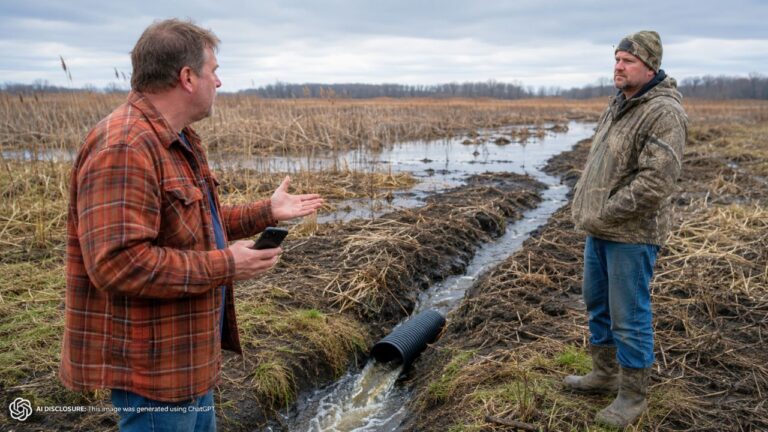
The first walk of a new piece of rural land is supposed to feel like a victory lap. In this case, it turned into that slow, sinking realization that someone else has been treating the place like it’s theirs.
A buyer in Georgia, still in the process of acquiring a large tract of timberland, described discovering that an adjacent neighbor had effectively taken over the only open field on the property—plowing it, installing an expensive fence, and running cattle on it. The details were shared in the original post, along with the question many rural buyers don’t expect to ask: do you walk away before you even move in?
The “absentee owner” gap is where trouble moved in
The land’s current owner, the seller, didn’t live there and was described as “very absentee” during their ownership. That one fact explains a lot. When nobody is around to notice small boundary pushes, the little things start stacking up—neighbors using easements like driveways, cutting trails where they want, and generally acting like the edges are negotiable.
The buyer wasn’t thrilled, but they could live with some of that. What snapped it into a real problem was the field: the only non-timber piece of ground on a property that’s “95% trees.” That field matters, especially if you plan to live on the land.
The field wasn’t just used—it was changed
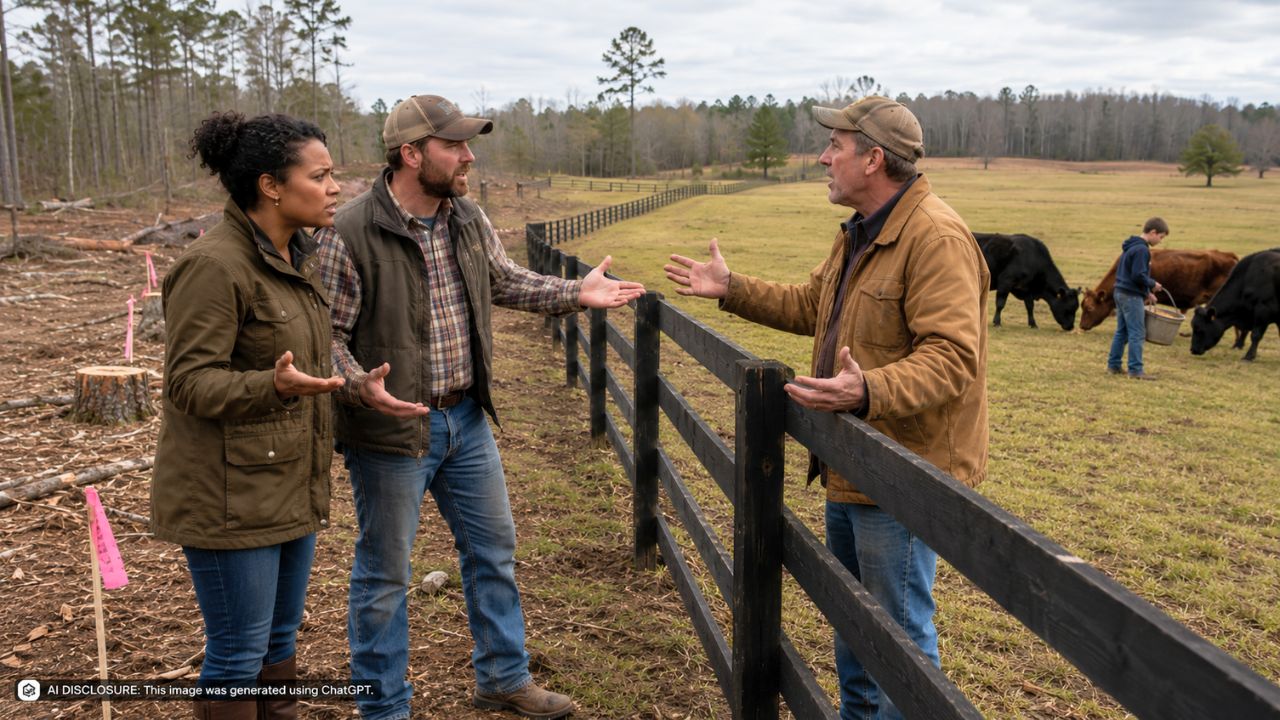
This wasn’t a case of a neighbor’s cows wandering over once in a while. The buyer said the adjacent landowner had the field plowed, put up a costly fence, and let cattle graze there. They saw the cows themselves, not just signs of them.
Then the use escalated again. The neighbor replanted the field with millet and knocked down a tree to create a watering hole for the cows. That’s the kind of “improvement” that feels permanent, because it is. Once the land is altered—soil disturbed, vegetation changed, water redirected—it’s no longer just about trespass. It becomes damage, maintenance, and a fight over who gets to decide what happens next.
The buyer also flagged the watering hole as more than a pasture detail. They were worried it could “impede other peoples water,” and it’s on their side. Water has a way of turning neighbor disputes into long-term headaches, especially when runoff, drainage, and shared low spots get involved.
The neighbor wanted to “talk,” but the buyer froze
After the buyer raised concerns, the cattle owner texted to “talk.” On paper, that sounds like a normal next step. In real life, it can feel like a trap—especially when you’re the newcomer, you haven’t even closed yet, and the other party is described as an old local family.
That local influence is part of what made the buyer hesitate. They didn’t want to arrive on their future homesite as the outsider picking a fight with a family everyone knows. But they also didn’t buy land to provide free grazing, a fenced pasture, and a custom watering spot for someone else’s operation.
And there was another twist: the seller claimed to be “shocked” when told about the plowed field, fence, cattle, and watering hole. Shock is one thing. Resolution is another. The buyer said the current owner hadn’t actually gotten it resolved, leaving the problem to roll downhill toward the closing table.
Once fences and cattle are involved, it stops feeling temporary
In rural areas, people will sometimes shrug off an old trail or a neighbor crossing a corner. A fence with cattle behind it is different. A fence signals possession. Cattle create ongoing wear and tear—compaction, manure loading, damaged vegetation—and they raise liability questions if anything goes wrong.
It also changes the buyer’s day-to-day reality. That one field might be where they pictured a homesite, a garden, a future barn, or simply an open space to keep as a fire break. Instead, it’s being managed as someone else’s feed plot, and it’s already been replanted.
Even if the neighbor truly believed the line was “further over,” the result is the same: a chunk of usable land is currently functioning as part of someone else’s fenced system. The longer that continues, the harder it can feel—practically and socially—to unwind.
People zeroed in on proof and paperwork, not a handshake deal
The buyer’s biggest immediate problem wasn’t just the fence or the millet. It was being “in so over my head” that they didn’t even know what’s customary to say back. That’s how these disputes win—through hesitation, politeness, and the natural desire to avoid drama when you’re the new person.
The most common practical reaction in these kinds of land-line disputes is to slow everything down and get clarity before anyone “just talks.” Not because talking is bad, but because casual conversations can morph into misunderstandings later. When one party has already made expensive changes—like fencing and land prep—there’s a strong incentive for them to frame the story as an innocent mistake and keep using the area until someone forces a stop.
In the background is a bigger, unspoken fear: if you close on the property with this already happening, you may inherit the whole mess—emotionally, financially, and in the court-of-small-town-opinion. The buyer wasn’t asking for a fight. They were asking whether buying into this is buying into years of friction.
The closing-table question: love the land, or avoid the headaches?
The buyer made it clear they loved the property. But they also admitted they didn’t want a new life built around neighbor conflict. That’s the hard part about rural purchases: the land can be perfect and the human geography can be the dealbreaker.
They’re staring at a choice nobody wants. Push the seller to address the encroachment before the purchase is final, or take ownership and handle it themselves—with all the social baggage that comes with being the “new” landowner correcting the “old” family. Either way, the field can’t stay in limbo. A pasture with an expensive fence and a watering hole isn’t a neutral space; it’s an ongoing claim.
For now, the tension sits right where the fence line runs—between wanting peace and needing control of what you’re paying for. And for anyone dreaming of buying timberland, it’s a sharp reminder that the first thing you inherit isn’t always the trees. Sometimes it’s the neighbor’s assumptions.
Like Fix It Homestead’s content? Be sure to follow us.