Tenant Says a Leak and Mold Went Unfixed — Then the Landlord Problem Became a Health and Housing Fight
Photo credit: opal3/Shutterstock.com
A small puddle on the bathroom floor can feel annoying at first, but not necessarily alarming. Maybe the toilet splashed. Maybe someone stepped out of the shower too quickly. Maybe a supply line dripped and needs a quick fix.
But when the puddle comes back, then spreads into the closet, then turns into mold on the walls, carpet, and personal belongings, it stops feeling like a simple maintenance request.
That is what one California renter described after waking up to water on the bathroom floor of their one-bedroom apartment and then discovering the problem had been spreading farther than they realized. They shared the situation in a Reddit post on r/legaladvice, asking how long a landlord had to fix a leak and mold issue in the unit. The original Reddit post is here: https://www.reddit.com/r/legaladvice/comments/1bhfnaj/leakmold_in_unit_how_long_does_landlord_have_to/
According to the renter, the first sign of trouble showed up on the morning of March 4. They woke up to a puddle on the bathroom floor and immediately submitted a maintenance request. Someone came to inspect it later that same afternoon and told them the complex was also dealing with an issue in another apartment on the other side of the building. The renter said they were told the problem would be resolved, and maintenance asked them to call the office if they saw more water.
The next day, March 5, there was more water on the bathroom floor. The renter submitted another maintenance request that night, and their partner followed up with the office the next day. At that point, they were told management would likely need to find contractors to open up the wall, and the office would let them know when that happened.
Then the days passed.
By March 16, the renter walked into the closet and noticed the carpet was damp. The closet sat on the other side of the wall from the bathroom, which immediately made the situation more concerning. When they started inspecting boxes that had been against the wall, they realized a significant amount of water had been entering the closet too. The damage had been partly hidden by their belongings, so they had not seen how far the leak had spread.
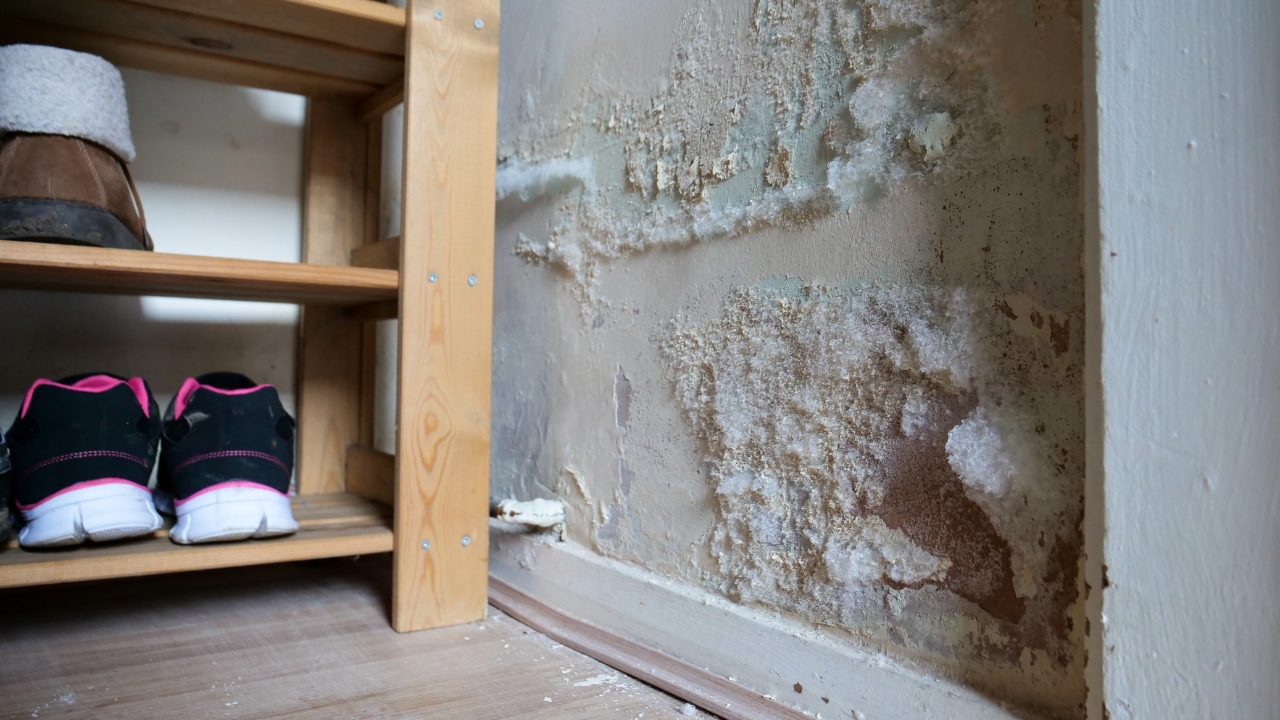
Once they called the office again and removed everything from the closet, the extent of the problem became clear. The renter said there was mold in the walls, the carpet, and on several of their belongings.
That is the moment a maintenance delay starts feeling personal. It is one thing to wait on a dripping faucet or a loose cabinet hinge. It is another to keep living next to damp walls and mold while nobody gives you a firm timeline for repairs. The renter was not only dealing with a damaged apartment. They were also dealing with ruined belongings and the stress of sleeping near a moldy closet.
The source of the problem appeared to come from another unit. Management checked that same apartment again and reportedly discovered that the neighbor had been having a problem with a shower head. The renter said the other resident had not reported the issue even after it got worse following an earlier repair attempt about two weeks before.
That explained how water may have kept coming through, but it did not solve the renter’s immediate problem. They were told the other unit’s issue would be fixed first, but they were not given an expected date. When the renter asked when their own unit would be addressed, the maintenance person said the complex manager would have to look into it and go from there.
That answer did not give the renter much confidence. They said they had dealt with a leak in the living room the year before, and that repair had dragged on for six weeks between removing drywall and replacing it. Now, with mold in the closet and no clear schedule, they were worried the same thing was about to happen again.
The renter was also trying to understand what California law required. They believed landlords generally had 30 days to make repairs, but they were unsure when the clock started. Did it begin with the first bathroom leak report on March 4? Did it reset when they discovered the larger closet damage and mold on March 16? How long should they wait before escalating the issue through other channels?
The day-to-day reality was rough. The renter said they were sitting in a room next to the moldy closet with no extra filtration or protection beyond opening windows and keeping the closet door shut. That is not exactly a comforting solution, especially when damp carpet and wet wall cavities are involved.
For renters, this kind of problem can feel especially powerless. A homeowner can call a plumber, hire a mitigation company, open the wall, and make repairs if they have the money. A tenant usually has to go through the landlord or property manager, even when the problem is actively affecting the unit. If management is slow, vague, or waiting on contractors, the tenant is left living in the middle of the problem.
The situation also showed how one unit’s plumbing problem can become another tenant’s mold issue. The renter did not cause the leak. They reported water quickly. They followed up. They cleared out their closet when asked. Still, their apartment and belongings were the ones taking the hit while management figured out the next step.
Commenters focused on urgency, documentation, and escalation. Several users told the renter to keep every maintenance request, email, photo, and note from conversations with management. With water and mold issues, dates matter. The first report, the second report, the closet discovery, the mold discovery, and every follow-up could become important if the renter needed to prove the landlord had notice of the problem.
Some commenters encouraged the renter to push the issue in writing instead of relying on phone calls or casual conversations with maintenance. That meant clearly stating that there was active water intrusion, damp carpet, visible mold, and damaged belongings, then asking for a timeline for both stopping the leak and remediating the affected areas.
Others discussed contacting local code enforcement or a tenant rights organization if management continued to drag its feet. A few users warned the renter not to assume that simply opening windows and shutting the closet door was enough, especially if the wall cavity and carpet were wet.
The strongest practical advice was to treat the mold and leak as one connected habitability problem, not a cosmetic repair. The renter had already reported the issue early. Now the important part was creating a clear written record, pressing for real remediation, and not letting the apartment complex act like a wet, moldy closet could sit indefinitely while they “looked into it.”