Texas Landowner Learns the Neighbor’s Fence and Well Connection Sit on His Land — Then the Neighbor Asks Him to Sign Away Access So He Can Sell His Own Lot
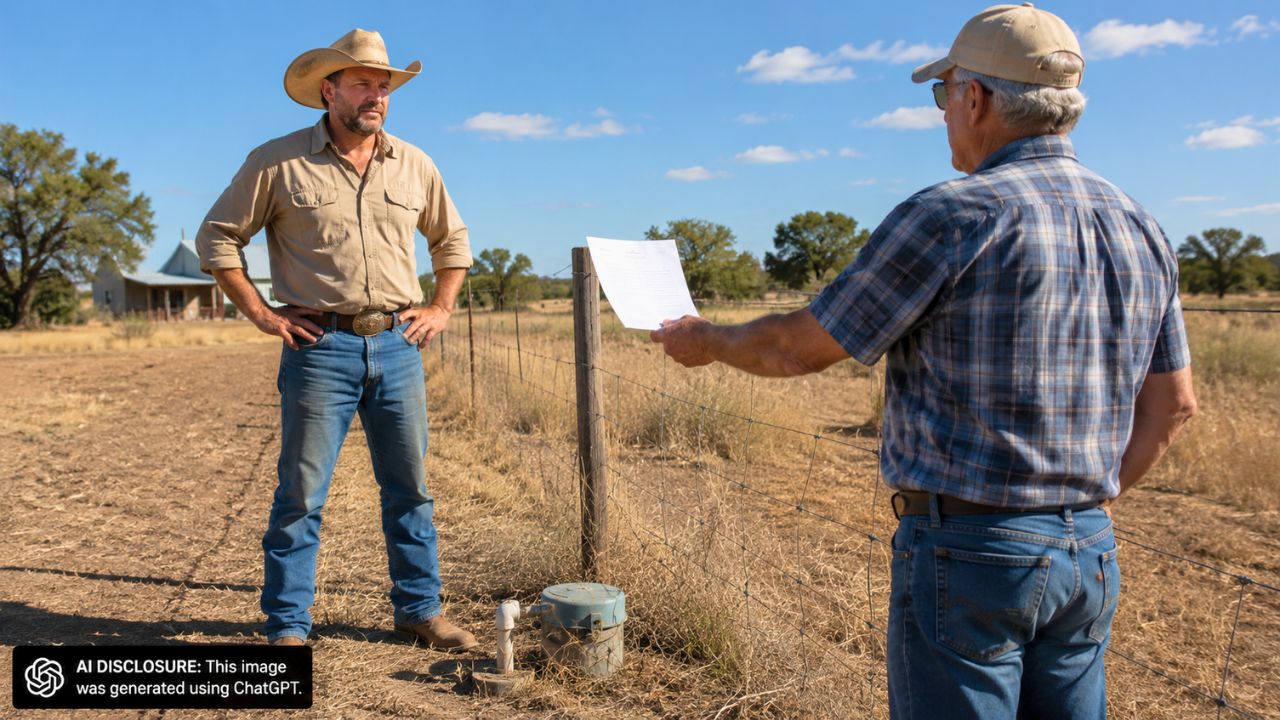
Photo credit: AI-generated image created using ChatGPT. Illustrative only.
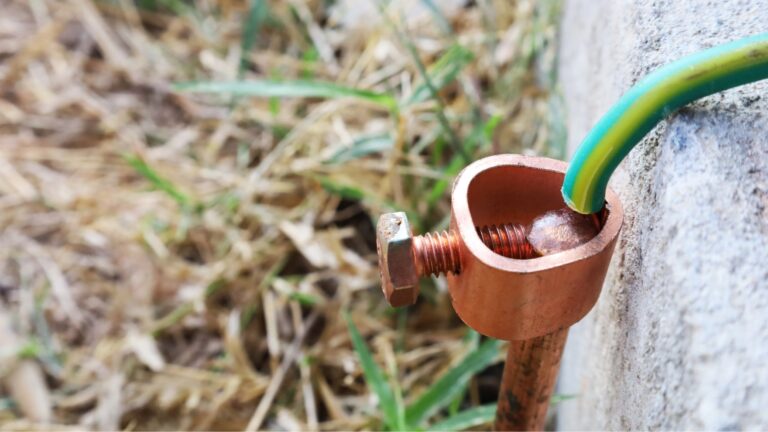
He bought the property in November 2016 and was just getting ready to start building a home when the phone rang with the kind of neighbor news nobody expects. The neighbor said he was trying to sell his own lot, but a survey had turned up a problem: the neighbor’s house was tied into a water well that sat on the new owner’s land.
The twist wasn’t just that a utility crossed a line. The neighbor also wanted paperwork signed—something formal that would keep his access to that well in place so his sale could go through. The details come from the original post, where the new owner laid out how quickly a simple “heads up” call turned into a high-stakes property-line standoff in Texas.
A “welcome to the neighborhood” call with strings attached
The neighbor didn’t claim he drilled the well. According to what the homeowner was told, the well already existed, and the neighbor simply connected to it when he built his home back in 2004. For years, that connection apparently worked without anybody forcing the question of where the actual boundary sat.
Now the neighbor’s attempt to sell made the invisible suddenly very visible. Once a buyer or title company gets a survey showing a water source sitting on someone else’s land, the sale can stall fast. And that’s when the request landed: sign legal papers granting access to the well.
The neighbor also said a clean fix—buying the sliver of land or swapping acreage—wasn’t on the table. He blamed subdivision rules, saying exchanging land would count as subdividing and “the subdivision does not allow that.” So instead of moving lines, he wanted rights.
Then came the fence problem
As if the well connection wasn’t enough, the homeowner added another detail: the neighbor’s fence was also on his property. Suddenly this wasn’t just about a pipe or a handshake arrangement from years ago. It was a physical occupation of the land, with a fence line that likely shaped how both households used the space day to day.
Anyone who’s ever dealt with rural boundaries knows how fences become “truth” over time, even when they’re wrong. A fence tells you where to mow, where to park, where the kids roam, where the dogs think the world ends. When it’s in the wrong place, it quietly rewrites your property until a survey drags everything back into the light.
For a new owner about to build, that matters. A well isn’t just a feature—it can dictate site planning, access roads, future maintenance, and the practical reality of where you can put a house, septic, or outbuildings.
The neighbor’s sale turned into pressure on the new owner
What made this feel urgent is that the neighbor’s problem became the new owner’s problem in real time. The neighbor couldn’t sell with the well issue hanging there, so the quickest route was to get the new owner to sign something—anything—that could be shown to a buyer as permanent access.
But from the homeowner’s perspective, signing away access could mean locking in a long-term headache on day one of owning the land. Wells need maintenance. Connections break. Pumps fail. Lines leak underground. And whenever there’s shared infrastructure, there’s a question of who pays, who gets priority during outages, and who has the right to bring workers and equipment onto the land.
Even if the neighbor was friendly, paperwork turns “neighborly” into “forever.” And the homeowner wasn’t calling to be petty—he was asking a blunt, practical question: can he legally tell the neighbor to remove the connections and the fence so he can use the well himself?
When “just connected to it” becomes a real property claim
The uncomfortable truth in these disputes is that time can change what people think they’re entitled to. A neighbor who has used a well for years may start acting like it’s theirs, even if it isn’t. And once someone has built their household routine around that water source, any challenge can feel like a threat, not a boundary correction.
The neighbor’s explanation also hints at how these things happen in the first place. If the well was already there and someone tied into it during a 2004 build, it’s possible permits, builder decisions, or old assumptions set the stage long before the current owner showed up. But none of that changes the central fact the homeowner was confronting: the well and the fence were allegedly on his land, and a neighbor was asking him to make that arrangement legally durable.
That’s the kind of request that can look small on paper—an access agreement, an easement, a right-to-use document—while changing the value and control of a property for decades.
Reactions leaned hard toward “don’t sign first”
Even without a long comment thread included in the source material, this kind of post tends to pull the same practical instinct from homeowners: don’t sign away rights because someone else needs to close a sale. The neighbor’s urgency is not the same thing as the new owner’s obligation.
In property-line disputes, people typically push for proof and paperwork before a single promise is made. The neighbor already had a survey showing the well use was on the wrong side of the line, which is exactly why the neighbor was calling. For the new owner, the next steps many people would consider are about documentation—his own survey, his own closing documents, and anything recorded that might already mention access rights or easements tied to the well.
There’s also the fence piece. Fences can turn into bigger arguments because they’re visible, they can be expensive to move, and they can create claims about long-standing use. Once you mix a fence encroachment with a water connection, it stops being a single “favor” and starts looking like a pattern of using land that wasn’t theirs.
A build site with a shared well is a messy way to start
The homeowner bought the place to build a home, not to become the caretaker of someone else’s water source. If the well is on his land and he plans to rely on it, he has to think about access, control, and the day something breaks. A neighbor needing to come onto the property to service “their” connection could collide with a new driveway, landscaping, locked gates, or even the placement of the future home.
And the neighbor’s constraint—no buying land, no exchanging acres because of subdivision rules—doesn’t make the problem vanish. It just narrows the neighbor’s options and increases the pressure to get a signature. That can sour relationships quickly, especially when one party feels trapped and the other feels cornered into giving up property rights they just paid for.
In the end, the homeowner was left standing at the starting line of his build with two big questions hanging over the dirt: where the true boundary would be enforced, and whether a well he hadn’t drilled was about to become the center of a long-term neighbor dispute. That’s a rough way to break ground in Texas—before the foundation is poured, the property lines are already fighting back.
Like Fix It Homestead’s content? Be sure to follow us.