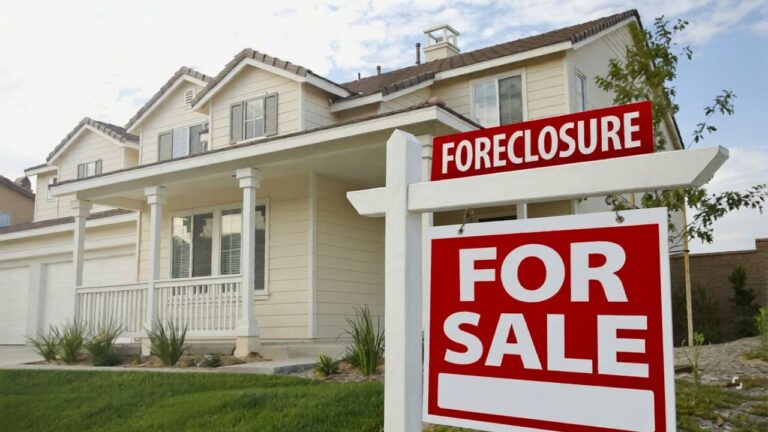
The first-time buyer reality check nobody wants to say out loud
You are not imagining it: buying your first home has shifted from a rite of passage to a high‑stakes financial obstacle course. The uncomfortable truth is that even if you do everything “right” with your money, the numbers in today’s market may still not add up the way your parents’ generation promised.
That does not mean you should give up, but it does mean you need a clear‑eyed view of what you are walking into, how long the road might be, and which levers you can realistically pull. A sober reality check now gives you a better shot at making smart, sustainable decisions instead of chasing a fantasy that the current housing system is not built to deliver.
The dream has not died, but the math has changed
You probably grew up on the idea that homeownership is the cornerstone of adulthood, a forced savings plan, and your ticket to long‑term wealth. That story still has truth in it, yet the inputs have changed so dramatically that the old rules of thumb, like “save 20 percent and you are set,” no longer match the market you are actually facing. Prices have climbed faster than wages in many regions, so the same starter home that once took a few years of saving can now demand a decade of disciplined budgeting.
On top of that, you are contending with a cost stack your parents did not: higher student loan balances, more expensive childcare, and a rental market that eats a bigger share of your paycheck while you try to save. Analysts tracking the housing market note that high housing costs and interest rates have already squeezed buyers and that conditions are not expected to improve dramatically in 2026, which means the pressure you feel is not a personal failing but a structural reality baked into the current cycle of home prices and borrowing costs.
Sticker shock is not temporary turbulence
It is tempting to treat today’s prices as a temporary spike you can simply wait out, but the data suggests that what you are seeing is less of a blip and more of a reset. Even if growth slows, a “slower climb” on top of already elevated prices still leaves you facing historically expensive homes relative to income. In practical terms, that means the starter home you are eyeing is not likely to revert to a 2015 price tag just because you wait another year or two.
At the same time, mortgage rates have moved from the ultra‑low levels that defined the last decade to a range that feels punishing when you run the monthly payment. Analysts looking ahead to 2026 expect that high housing costs and interest rates will continue to weigh on first‑time buyers, rather than suddenly easing, which undercuts the comforting narrative that you can simply “wait for the crash” and swoop in later at a discount supported by lower home prices and cheaper loans.
Your income is not the only thing that matters
When you think about buying, you probably focus on your salary first, but lenders and the market care just as much about how predictable that income is and how much of it is already spoken for. A $90,000 salary with volatile freelance work and heavy car and credit card payments can be less mortgage‑worthy than a $70,000 salary with a stable W‑2 job and minimal debt. The underwriting formulas that decide your fate are blunt tools, and they do not always reward hustle or side‑gig culture the way you might expect.
That is why your debt‑to‑income ratio, credit history, and even the way your employer classifies you can matter as much as your headline pay. If you are on a contract that renews every six months, or you rely on rideshare driving and food delivery apps like Uber and DoorDash to fill the gaps, you may find that lenders discount that income or demand extra documentation. The reality check is that you are not just saving for a down payment, you are also curating a financial profile that fits into a fairly rigid lending box.
The down payment hurdle is only the first wall
Most first‑time buyers fixate on the down payment, and for good reason: scraping together even 3 percent or 5 percent of a six‑figure purchase price can feel like a marathon. Yet the closing table is where you discover that the down payment is only one of several large checks you will be writing. Closing costs, prepaid taxes, homeowners insurance, and inspection and appraisal fees can easily add thousands of dollars on top of what you thought you needed.
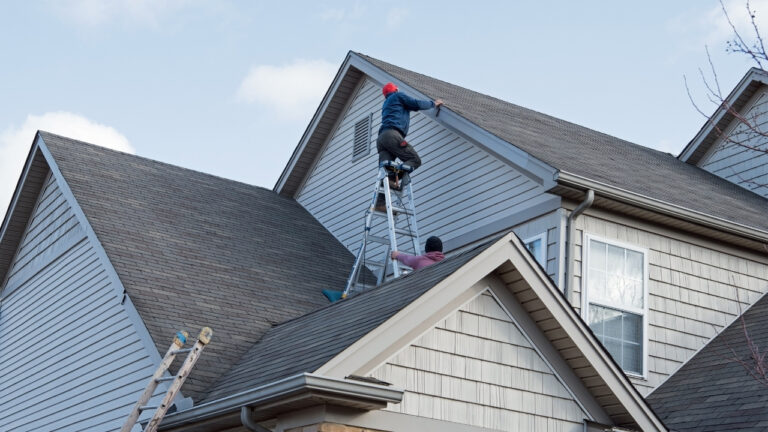
Then there is the reality of owning the place once you get the keys. You will be responsible for repairs that your landlord used to absorb, from a broken water heater to a roof leak, and those surprises rarely arrive on a convenient schedule. If you stretch every dollar just to clear the purchase, you leave yourself dangerously exposed to the first big repair bill, which is why many financial planners urge you to build a separate emergency fund on top of your down payment target so that homeownership does not immediately push you back into high‑interest debt.
Interest rates can erase years of saving
You might be laser‑focused on the listing price, but the interest rate on your mortgage can quietly have a bigger impact on your long‑term cost. A difference of even one percentage point can add tens of thousands of dollars in interest over the life of a 30‑year loan, which means that buying a slightly cheaper house at a much higher rate can still leave you paying more overall than someone who bought earlier at a lower rate. The monthly payment is where you feel it most, and that is what ultimately determines how much house you can qualify for.
In the current environment, where borrowing costs have climbed from the rock‑bottom levels of the past decade, you are effectively paying a premium for the same amount of principal. That is why some buyers are finding that even after years of disciplined saving, the payment on the home they can afford today looks uncomfortably tight. The hard truth is that you are not just competing with other buyers, you are competing with the interest rate environment itself, which can undo years of careful preparation with a few percentage points of movement.
Location is now a financial strategy, not just a lifestyle choice
You have probably heard the old mantra about “location, location, location,” but for first‑time buyers in this market, location is less about prestige and more about survival. The difference in price between a hot urban neighborhood and a nearby suburb, or between a coastal metro and an inland city, can be the difference between buying now and waiting indefinitely. Remote and hybrid work have opened up more geographic options for some buyers, but they have also pushed demand into once‑affordable areas, driving up prices there too.
That means you may need to think about location the way an investor thinks about asset allocation. Instead of asking only where you want to live, you have to ask where your income, commute, and long‑term plans intersect with a price point you can sustain. In practice, that might mean trading a shorter commute for a smaller mortgage, choosing a townhouse over a single‑family home, or targeting a secondary city where your current savings stretch further. The compromise is not just aesthetic, it is a deliberate financial trade‑off that shapes your risk and your resilience.
Renting is not “throwing money away”
One of the most persistent myths you are up against is the idea that every rent check is wasted while every mortgage payment is an investment. In reality, both are payments for housing, and both come with trade‑offs. When you rent, you are buying flexibility and insulation from major repair costs, which can be valuable if your job, family plans, or health situation might change in the next few years. When you own, you are taking on more responsibility and risk in exchange for potential equity growth.
Given today’s high purchase prices and borrowing costs, there are plenty of scenarios where continuing to rent while you strengthen your finances is the more rational move, even if it feels emotionally frustrating. If the monthly cost of owning a modest home in your area would consume a far larger share of your income than renting a similar place, the “investment” label on a mortgage does not magically make that strain healthy. The reality check is that renting can be a strategic phase in your wealth‑building plan, not a mark of failure.
Your timeline might be longer than you planned
If you are in your late twenties or early thirties and still renting, you are not behind, you are living in a different economic era than the one that shaped your expectations. The combination of higher home prices, elevated interest rates, and heavier non‑housing expenses means that the timeline from first job to first home has stretched. It is entirely possible that you will need more years of saving, career growth, and debt payoff before a purchase makes sense, even if you are diligent and organized.
That extended runway can feel discouraging, but it also gives you time to make smarter moves. You can focus on building a stronger emergency fund, improving your credit score, and increasing your income through promotions or strategic job changes rather than rushing into a marginal purchase that leaves you house‑poor. By reframing your timeline as a deliberate preparation period instead of a delay, you give yourself permission to prioritize financial stability over hitting an arbitrary age milestone.
Owning a home is a tool, not a personality trait
In a culture that still treats homeownership as a badge of responsibility and success, it is easy to internalize the idea that buying a place will finally make you feel like a real adult. The reality is that a mortgage does not automatically confer maturity, and renting does not mean you are irresponsible. A house is a financial tool and a place to live, not a moral upgrade. If the numbers do not work for you right now, forcing them to fit will not change that.
What will change your trajectory is treating your housing decisions as part of a broader life strategy instead of a single defining achievement. That might mean choosing a smaller or less glamorous home that leaves room in your budget for retirement savings, travel, or starting a business, or it might mean staying a renter while you build the kind of financial base that lets you buy later on your own terms. The quiet, uncomfortable truth is that there is no universal deadline or one‑size‑fits‑all path, only the version of home and stability that your current reality can sustainably support.
Like Fix It Homestead’s content? Be sure to follow us.
Here’s more from us:
- I made Joanna Gaines’s Friendsgiving casserole and here is what I would keep
- Pump Shotguns That Jam the Moment You Actually Need Them
- The First 5 Things Guests Notice About Your Living Room at Christmas
- What Caliber Works Best for Groundhogs, Armadillos, and Other Digging Pests?
- Rifles worth keeping by the back door on any rural property
*This article was developed with AI-powered tools and has been carefully reviewed by our editors.