10 Animals That Move Closer to Houses Once It Gets Cold
Photo credit: Wirestock Creators/Shutterstock.com
The first cold snap flips a switch. Suddenly the yard looks busy again, and the noises you ignored in summer show up at 2 a.m. Animals don’t move closer for fun, they’re after heat, shelter, and easy calories, and a house gives them all three.
1. Mice In Wall Voids
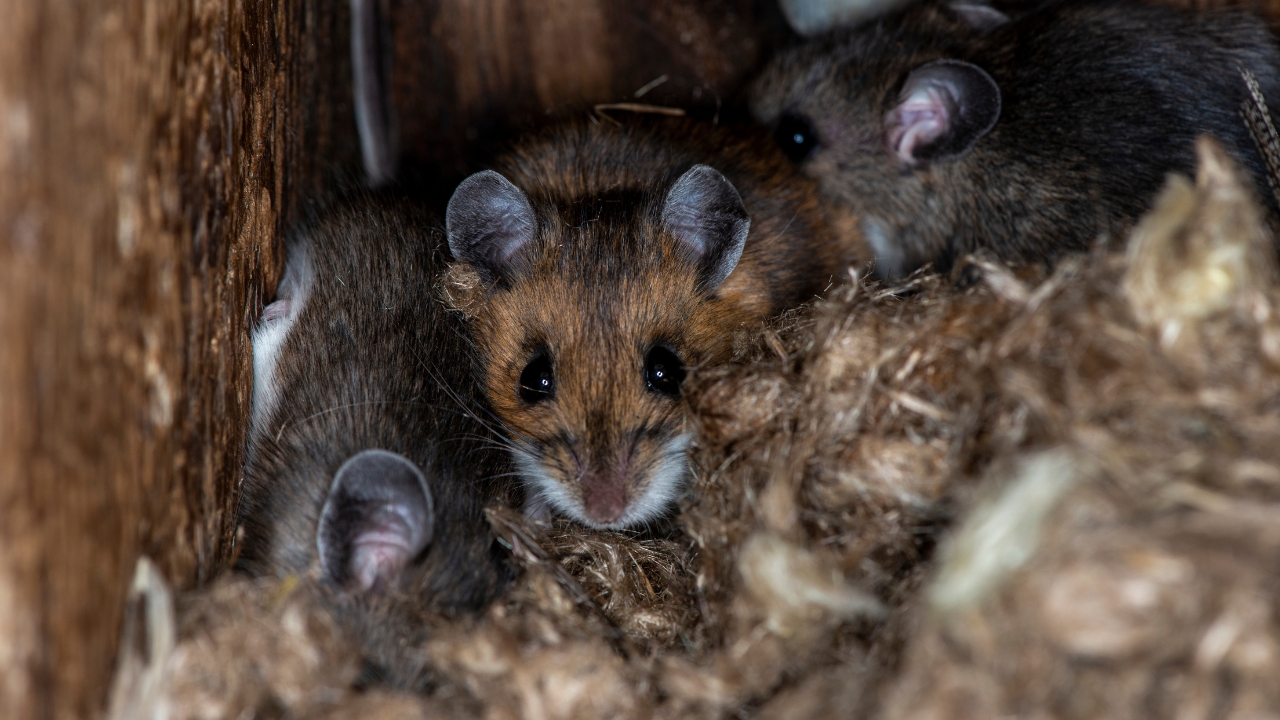
You’ll hear them first, a light scratching in the ceiling or behind the stove right after dark. Mice don’t need much of an opening, and the warm air leaking from your house is basically a “welcome” sign. Once one finds a gap, the route turns into a nightly commute.
Skip the foam-only patch jobs. Use steel wool or copper mesh packed tight into gaps, then cover it with metal flashing or a proper exterior-grade sealant so it doesn’t rust out or get pulled. Inside, snap traps in covered bait stations along edges work better than tossing poison blocks around, since poison can leave you with a dead mouse in a wall and a smell you can’t fix for weeks.
2. Rats Under Decks And Sheds
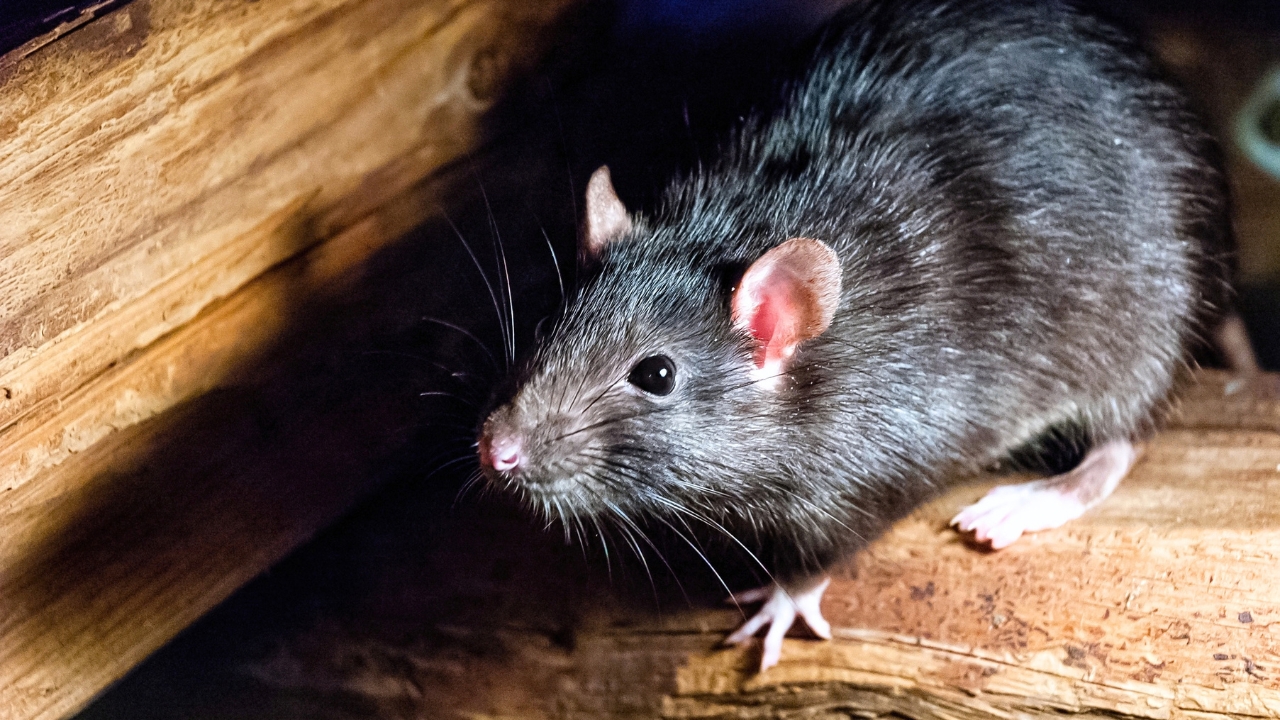
Rats show up where there’s cover and a reliable meal, and winter pushes them to the closest protected real estate. A low deck, a shed with a dirt floor, or a porch with clutter underneath is prime. If you’ve got chickens, compost, birdseed, or a grill drip pan, you’ve got rat marketing.
Start by removing the easy food. Store feed in metal cans with tight lids, clean up spilled seed, and stop feeding pets outside overnight. Then block the shelter, add 1/4-inch hardware cloth skirting around decks and shed bases, buried a few inches and bent outward in an L so digging hits metal. Trapping heavy infestations is one of the few times paying a pro is worth it, because rats are smart, and bad trap placement just teaches them.
3. Raccoons In Attics And Chimneys
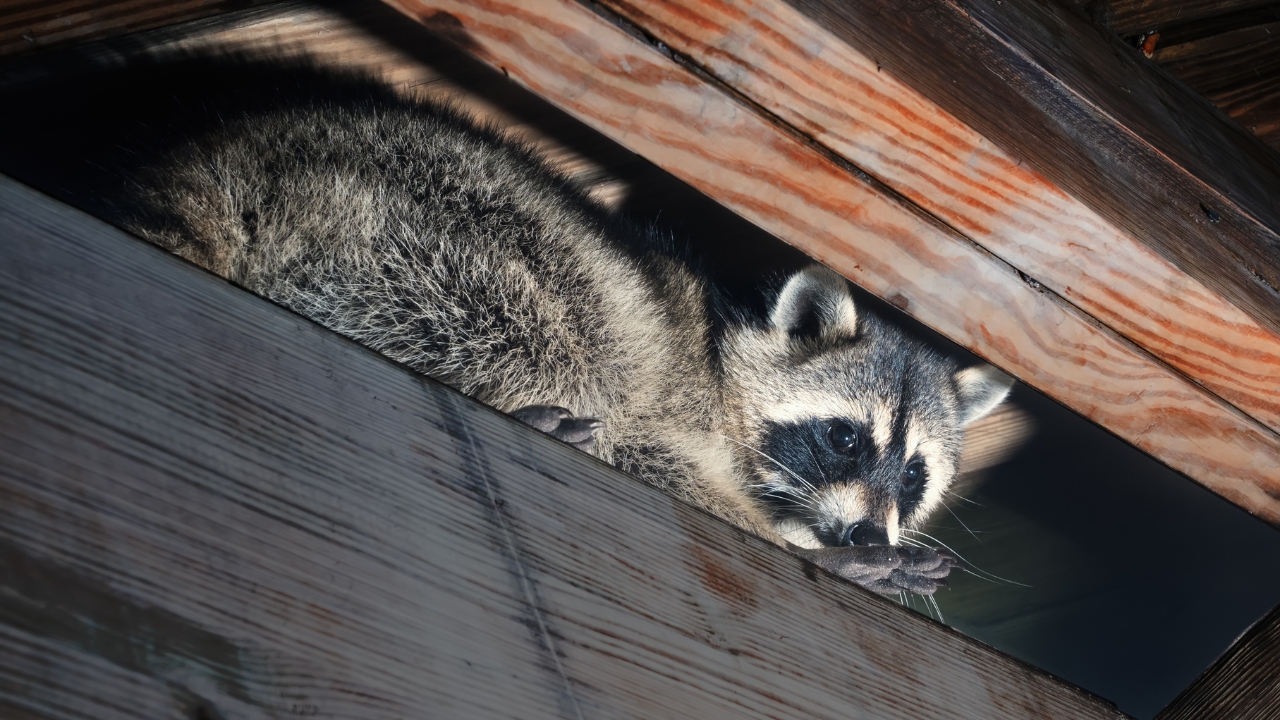
The thump isn’t “a squirrel.” Raccoons sound like someone walking around in boots, and they like warm, quiet spots where they can raise young and ride out cold nights. A loose soffit panel or an uncapped chimney is enough for them to move in.
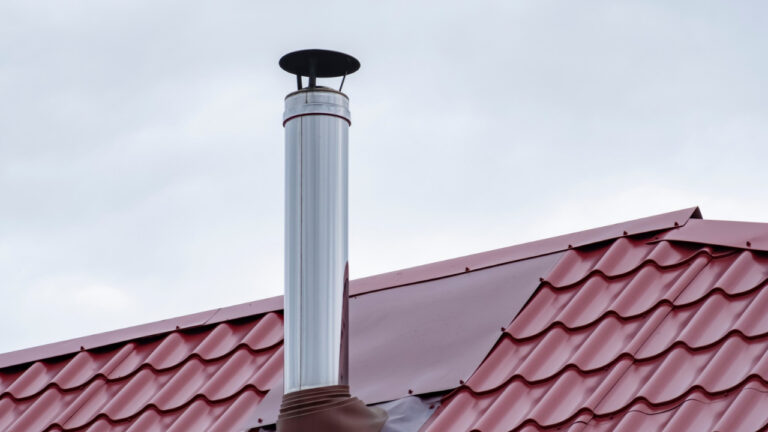
Don’t try to handle an attic raccoon with DIY bravado. Get a wildlife control operator, especially if there’s a chance of babies, and have the entry fixed the same day. After removal, replace any crushed insulation, bag the soiled stuff, and disinfect the area while wearing a respirator and gloves. Then install a chimney cap and repair soffits with solid material, not thin plastic vents that crack the first time someone leans a ladder on them.
4. Squirrels Chewing Fascia Gaps
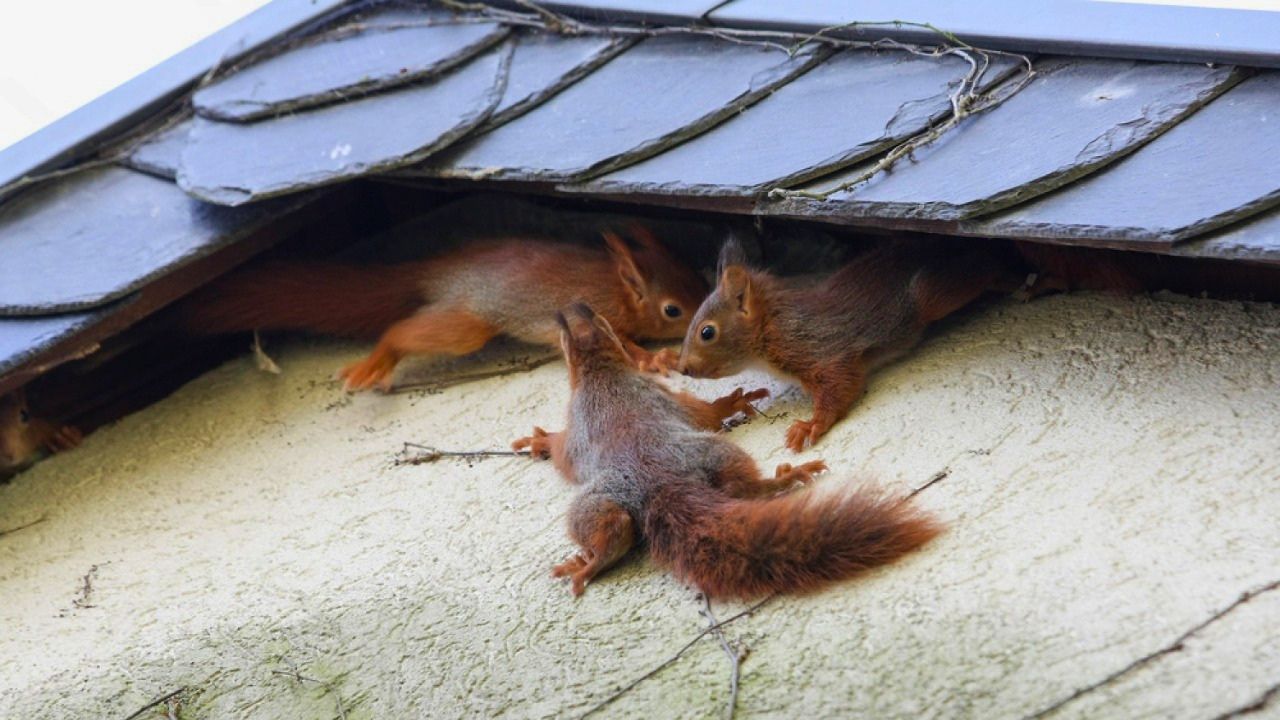
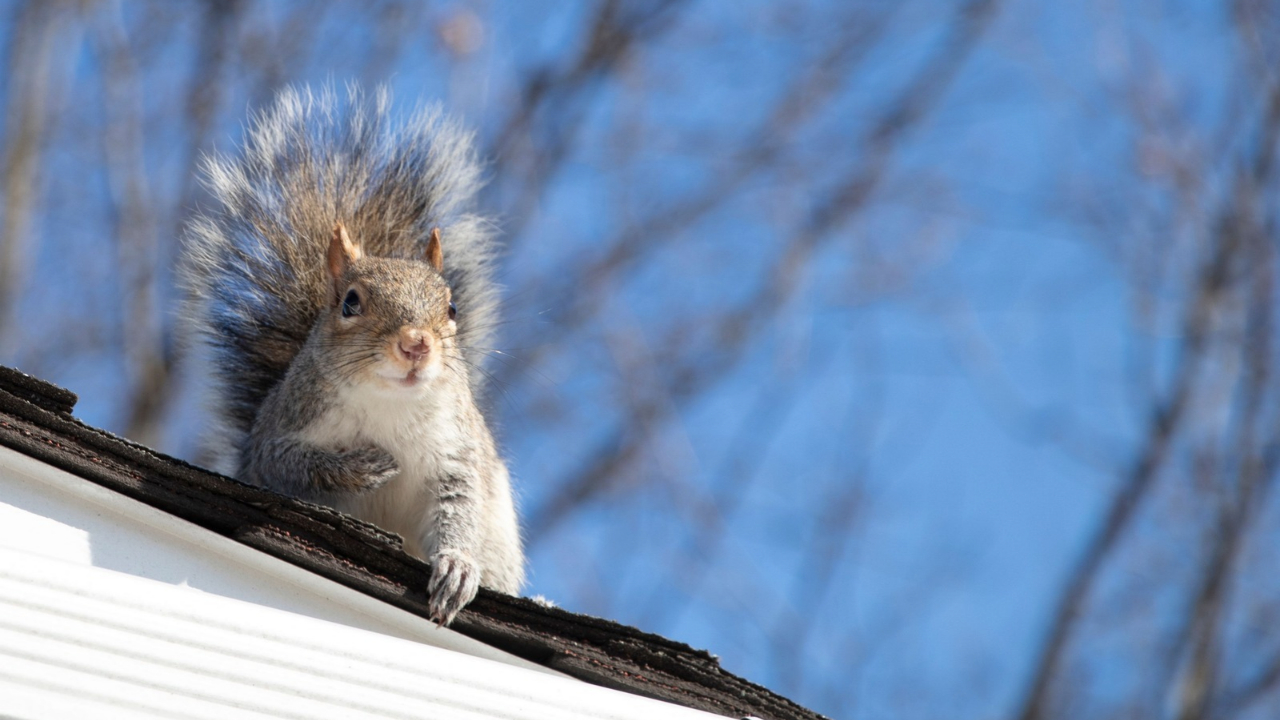
Squirrels don’t wait for you to “get to it.” Once colder weather hits, they’ll widen a weak spot near the roofline and turn the attic into a pantry. You’ll hear fast scampering at dawn and a sudden burst of noise when they chase each other.
Look for dark rub marks and shredded insulation near eaves, gable vents, and roof returns. Fix the hole with wood repair and metal, not just caulk, because squirrels chew. Trim branches back from the roof by several feet so they can’t jump straight onto shingles, and consider a pro if the repair needs work on steep roofs or near power lines.
5. Skunks Under Porches
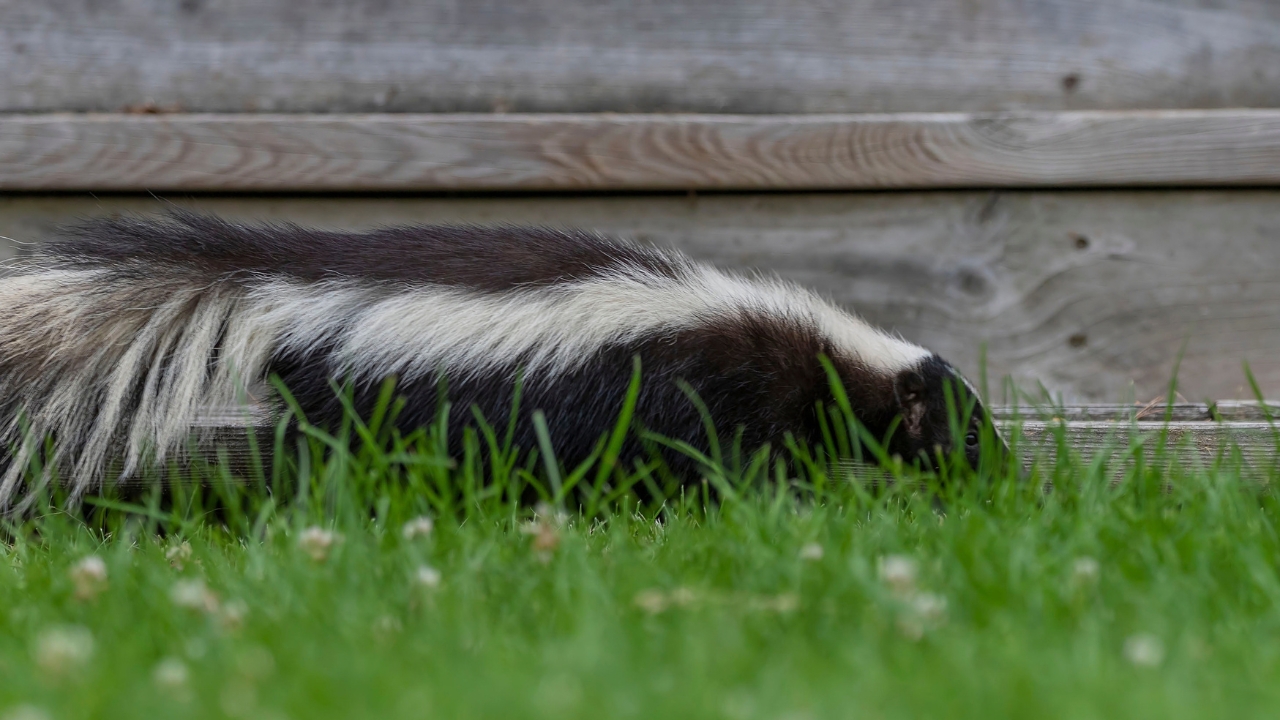
Skunks are mostly about the real estate, not your pantry. A porch with a low gap and dry ground under it is a safe den when the weather turns. You’ll often notice a musky smell before you ever see one.
Don’t seal them in. If you block the opening while a skunk is home, you’ll create a mess or a dig-out problem, and neither one is fun. Once you’re sure it’s empty, trench a few inches, install hardware cloth, and backfill with gravel. Motion lights help, but the real fix is closing that comfortable gap for good.
6. Snakes In Crawl Spaces

Want a weird winter surprise? A snake in a warm crawl space happens more than people expect, especially where there are mice. Snakes follow food, and crawl spaces stay above freezing long after the yard locks up.
Your best move is rodent control and sealing, not hunting snakes. Screen foundation vents, seal pipe penetrations with metal mesh and mortar, and keep the crawl space door tight and latched. If you find one inside, call a local wildlife handler, and don’t poke around where you can’t see your hands.
7. Bats Behind Loose Siding
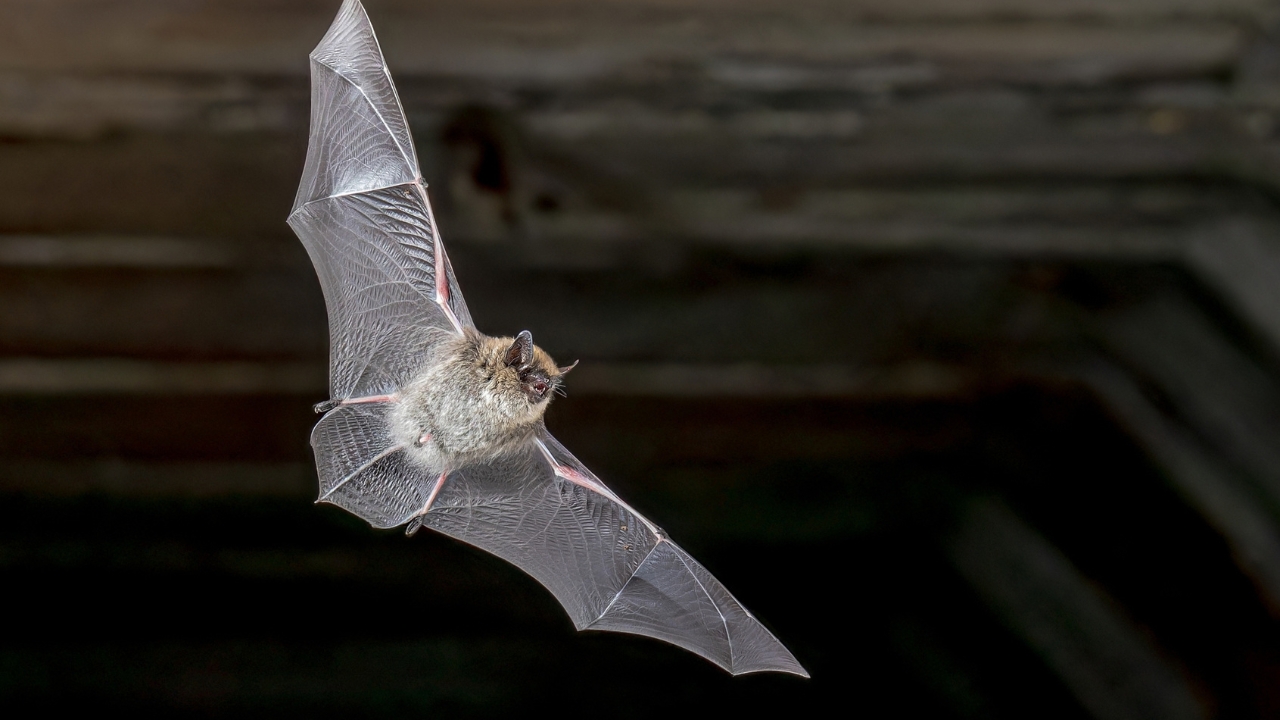
Bats don’t always “move south,” and they don’t need an attic to be a problem. They’ll tuck behind loose siding, fascia, or a warped gable vent where warm air leaks out. You might spot staining below a gap, or hear faint chirps on warmer winter days.
Bat work is timing-dependent. Many places restrict exclusion during maternity season, and sealing at the wrong time can trap animals inside. This is an honest exception where DIY isn’t always the smart option, even if the fix looks simple. A qualified bat pro can set one-way exits, then seal gaps with proper materials so the problem doesn’t return next fall.
8. Deer Eating Shrubs Near The Door
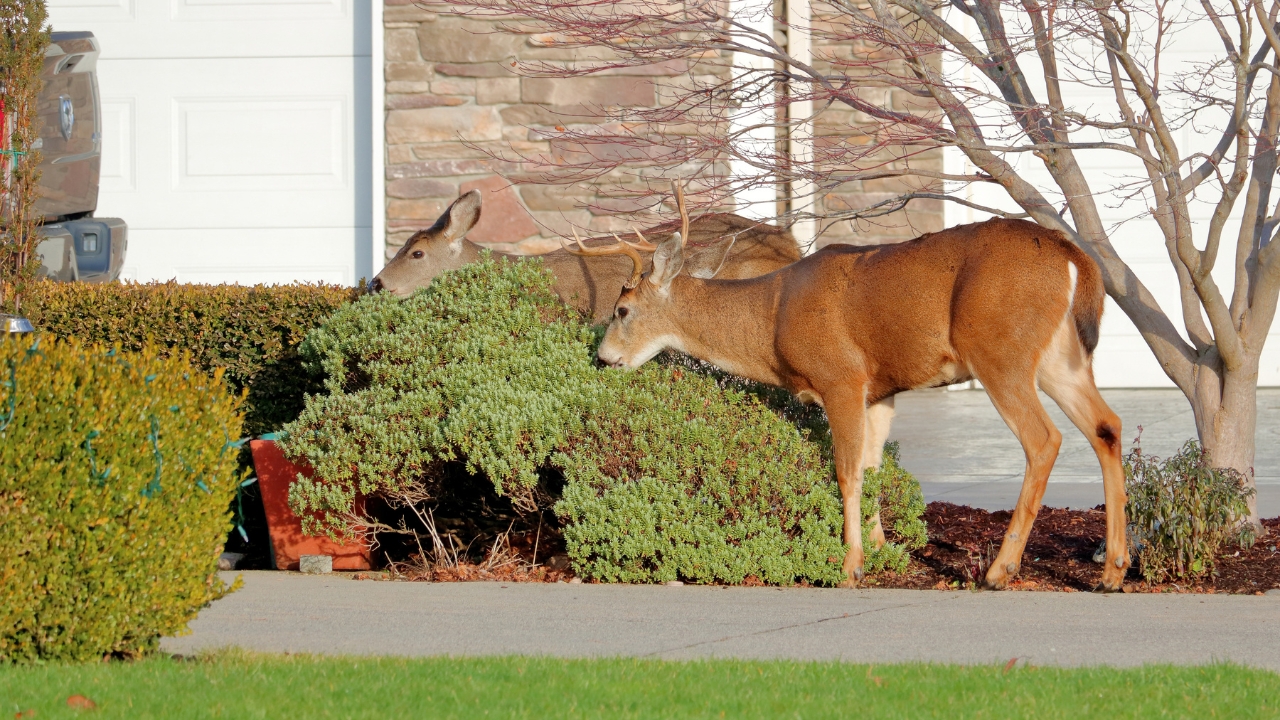
Once snow covers the easy browse, deer get bold and start treating landscaping like a buffet. Arborvitae, yews, and young fruit trees take a beating, usually overnight. You’ll see ragged twig ends and hoof prints right up to the steps.
Temporary fencing works, and it’s often the cheapest fix for one winter. A 7 to 8 foot fence is the standard, but even a smaller barrier tight around a shrub can stop casual browsing. If you’d rather not fence, tree tubes and trunk wraps protect young trees, but they won’t save the whole shrub from getting trimmed down to sticks.
9. Rabbits Girdling Young Trees
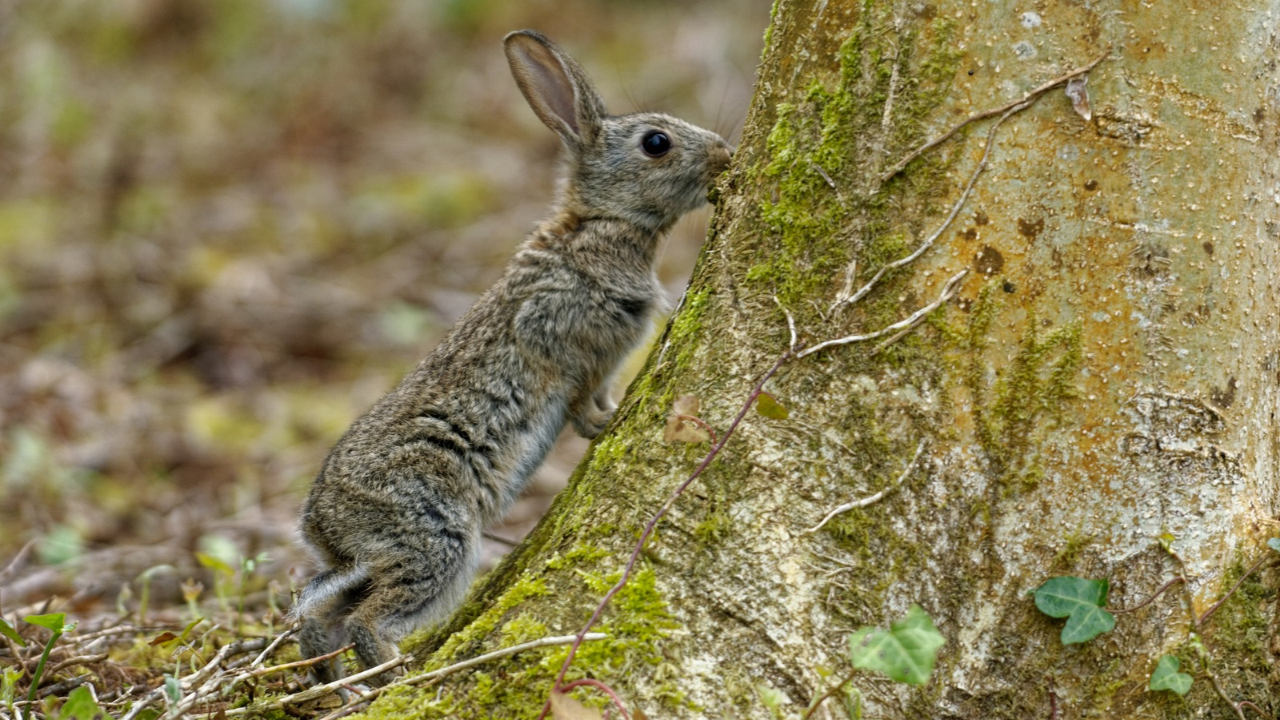
Rabbits are quiet, quick, and destructive in a way you don’t notice until spring. They chew bark off young trunks when deep snow gives them a higher platform. By the time buds break, the tree looks weak or dead because the bark was stripped all the way around.
Wrap trunks with hardware cloth cylinders or install tree guards before the first big snow. Make the guard tall enough to handle your typical snow depth, and keep it slightly off the bark so moisture doesn’t stay trapped. Mulch helps trees, but don’t pile it against the trunk, since that creates a cozy hiding spot for the same chewers you’re trying to block.
10. Coyotes Following Pet Food Smells
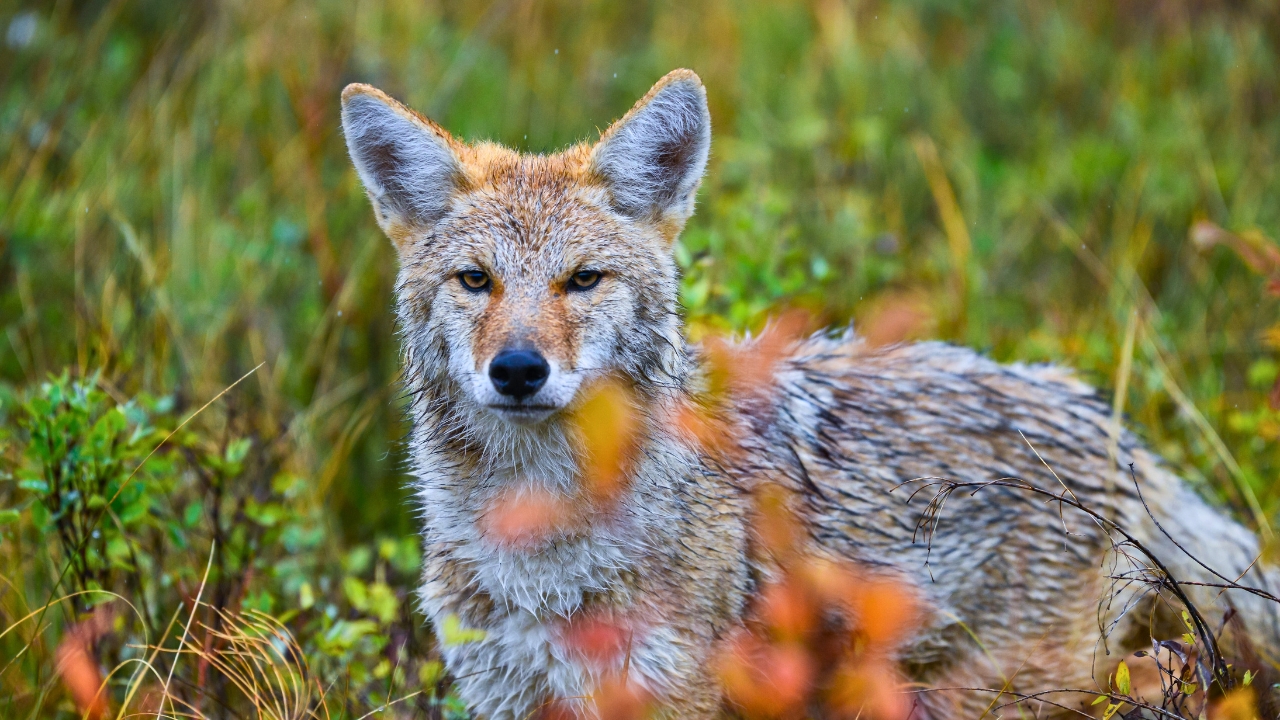
Cold weather tightens up the food chain, and coyotes start cruising neighborhoods more regularly. They’re not “moving in” the way mice do, but they will work the edges of yards and outbuildings where smells hang around. Compost with meat scraps, outdoor pet feeding, and unsecured trash makes the route worthwhile.
Bring pet food indoors, lock trash in a can with a real lid, and keep small pets supervised, especially at dawn and dusk. If you’ve got livestock, check fencing now, not after a loss, and consider a proper livestock guardian setup if that’s your reality. For persistent problems, call your county wildlife office for local rules and help, since responses and legal options vary a lot by area.
Winter pressure makes animals act like opportunists, because they are. A couple hours sealing gaps, cleaning up feed storage, and tightening the yard can prevent weeks of noise, stink, chewed wiring, and wrecked landscaping. You don’t have to turn your place into a fortress, just stop advertising warmth and snacks.
Like Fix It Homestead’s content? Be sure to follow us.