10 Attachments That Earn Their Keep on a Skid Steer
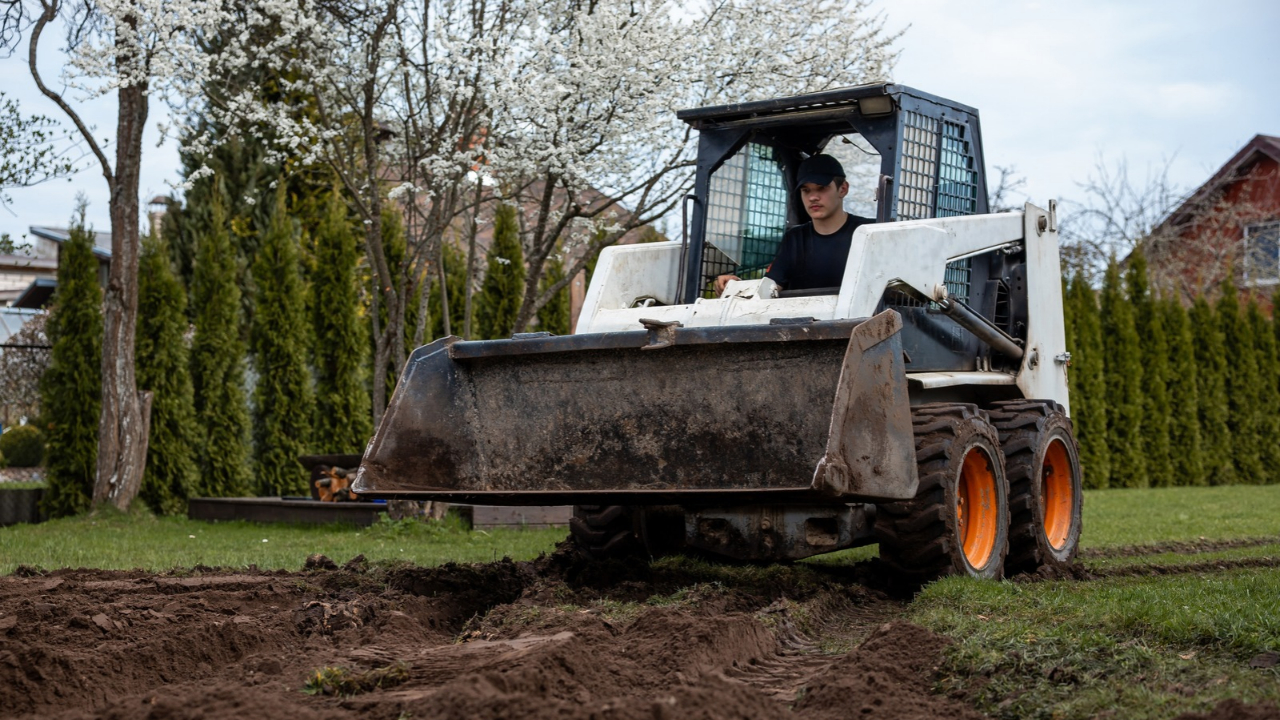
Photo credit: True Pixel Art/Shutterstock.com
A skid steer is already a hard worker, but the wrong attachment turns it into an expensive way to burn fuel and tear up turf. The right ones save your back, cut the hours, and keep you from doing dumb things with chains and a bucket. If you’re trying to keep a place running without hiring everything out, these are the tools that keep showing up in real life.
1. Hydraulic Auger For Real Post Holes
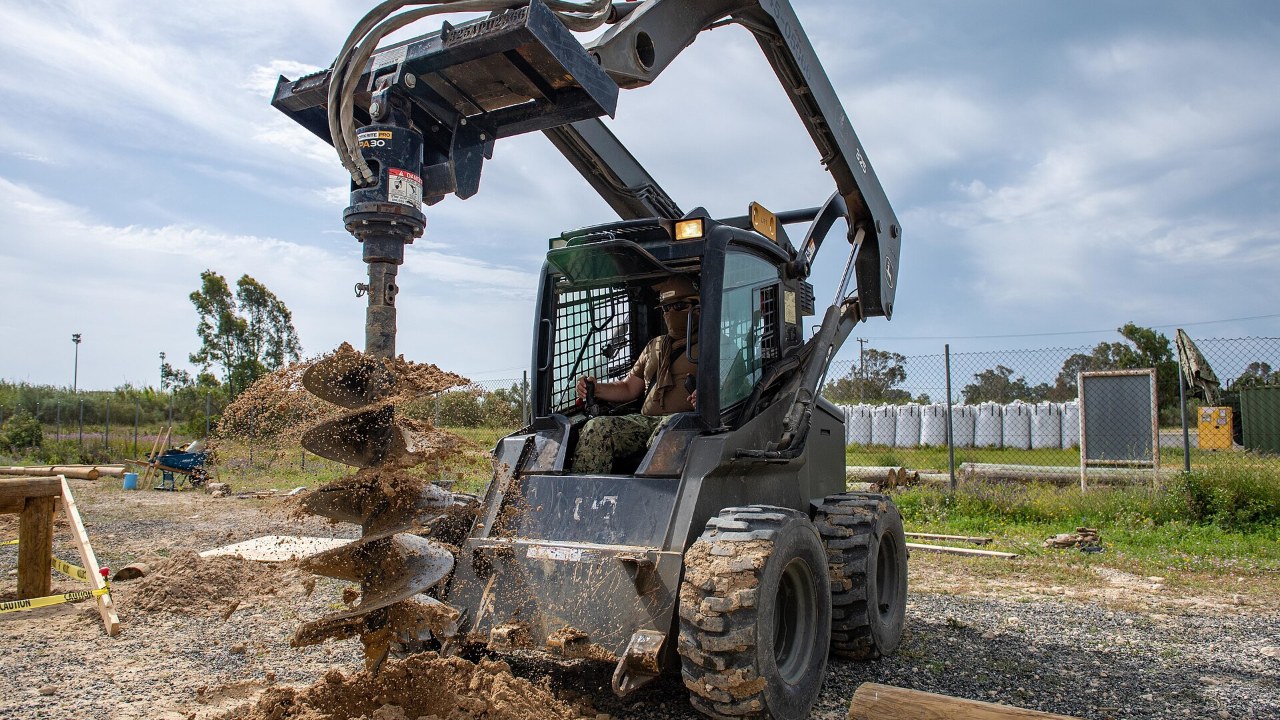
Hand digging works until you hit clay, rock, or a root the size of your wrist. Then the job turns into a weekend of cussing, and you still end up with crooked holes and loose posts. A hydraulic auger gives you straight holes fast, which matters when you’re setting fence lines, deck footings, or planting trees that actually need a decent root ball hole.
Get bits sized for what you actually do, not what looks impressive. A 6 to 12 inch bit covers most fence and planting work, and a longer extension keeps you from burying the quick attach plate in the dirt. Call for utility locates before you drill, and don’t stand close when the bit catches, a skid steer will twist a hole into a wrist injury in a blink.
2. Grapple Bucket For Brush And Junk
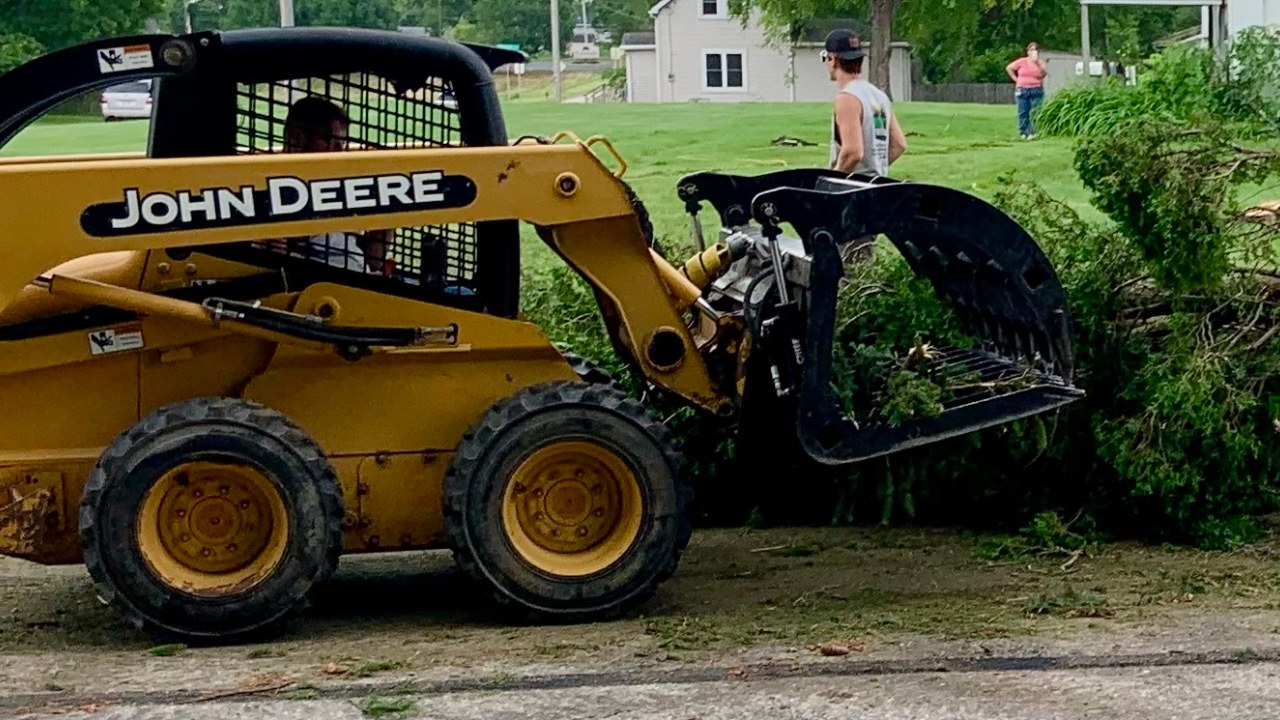
A plain bucket is fine for dirt, but it’s a liar when you’re moving brush. You curl, you lift, the load shifts, and half of it drags behind you like a tail. A grapple bucket pins the mess down so you can carry slash, storm limbs, demolition scraps, and ugly hedge trimmings without making three trips for every one.
This is also the attachment that saves your cutting edge and your patience around burn piles. You can grab, stage, and feed a pile without climbing in and out with a hook and a bad attitude. Just don’t use it to “squeeze” rocks out of frozen ground, that’s a good way to bend tines and find out what replacement parts cost.
3. Pallet Forks For Everything On Pallets
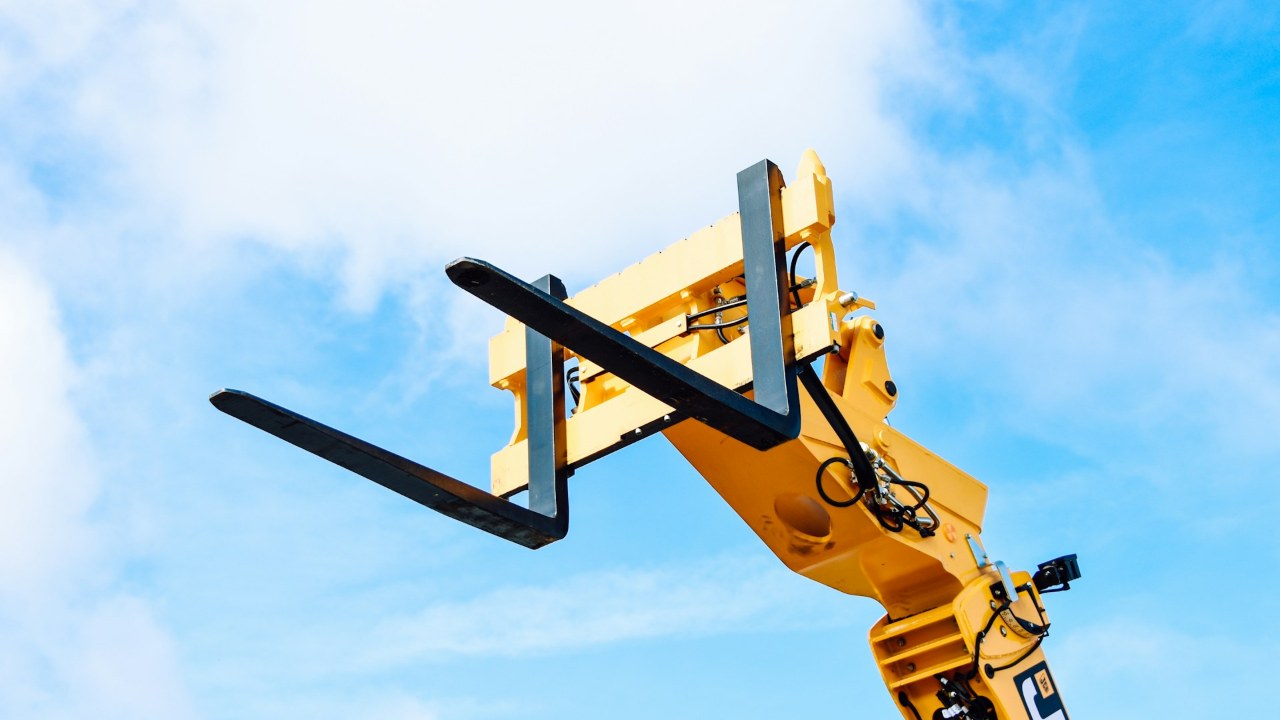
If you buy pellets, seed, bagged feed, pavers, or lumber, forks pay for themselves in one season. Without them, you’re either hand stacking or trying to balance stuff in a bucket like you’re carrying soup in a wheelbarrow. Forks also let you unload a delivery fast, which keeps the driver from hating your driveway.
Get the kind with a walk through backrest and forks you can slide for different pallet widths. Keep the load low, especially on slopes, and don’t lift people on a pallet. If you need to work at height, rent a real man basket that’s rated for it and follow the rules in your area.
4. Angle Snow Blade For Long Lanes
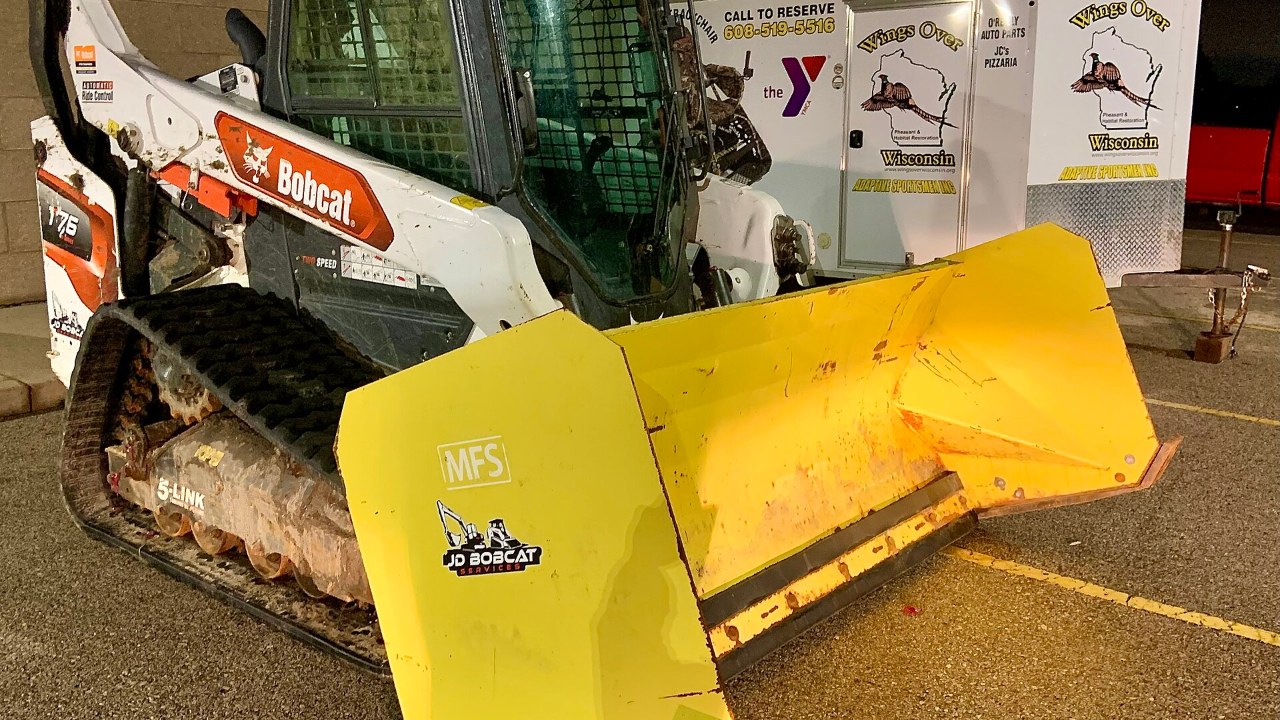
When the first heavy snow hits, the bucket works, but it’s slow and it leaves ridges you’ll fight all winter. A plow blade winds the snow off to the side and keeps your lane wide, which matters when a propane truck or school bus needs room. You also stop grinding up your gravel as badly, since you can float the blade and skim.
This one isn’t always the winner, though. If your place is tight and you’re stacking snow high late in the season, a bucket or snow pusher can beat a blade because you can carry and pile. In wet spring storms, chains and patience matter more than which attachment you pick.
5. Brush Cutter For Pastures And Trails
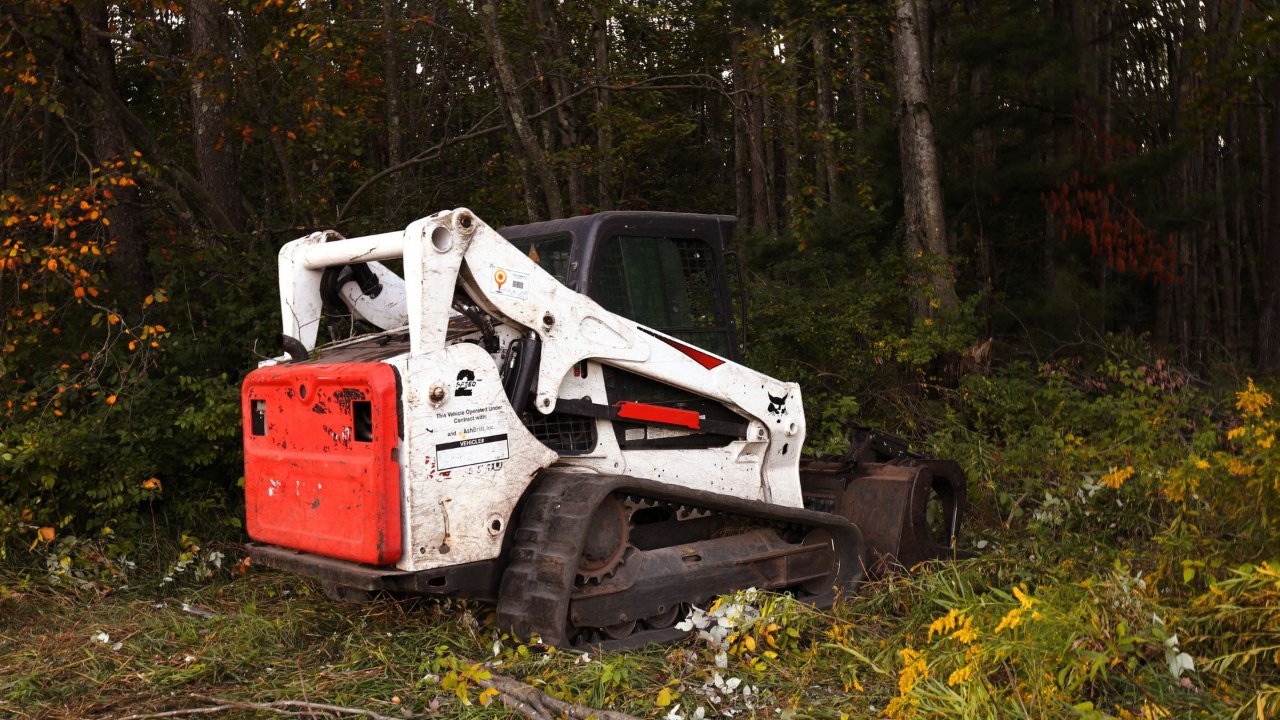
Letting a field go for one summer turns into saplings, thorns, and hidden junk that eats tires. A skid steer brush cutter chops it down fast, and it doesn’t care if the grass is waist high or the goldenrod has taken over. It’s the difference between “I’ll mow someday” and actually getting the place back.
Go slow the first pass and expect surprises. Old fence wire, rocks, and stumps show up right when you’re feeling confident, and flying debris is real. Run a good cab door or guarding, wear eye protection, and keep people and animals far away, farther than you think.
6. Root Grapple For Stumps And Rocks
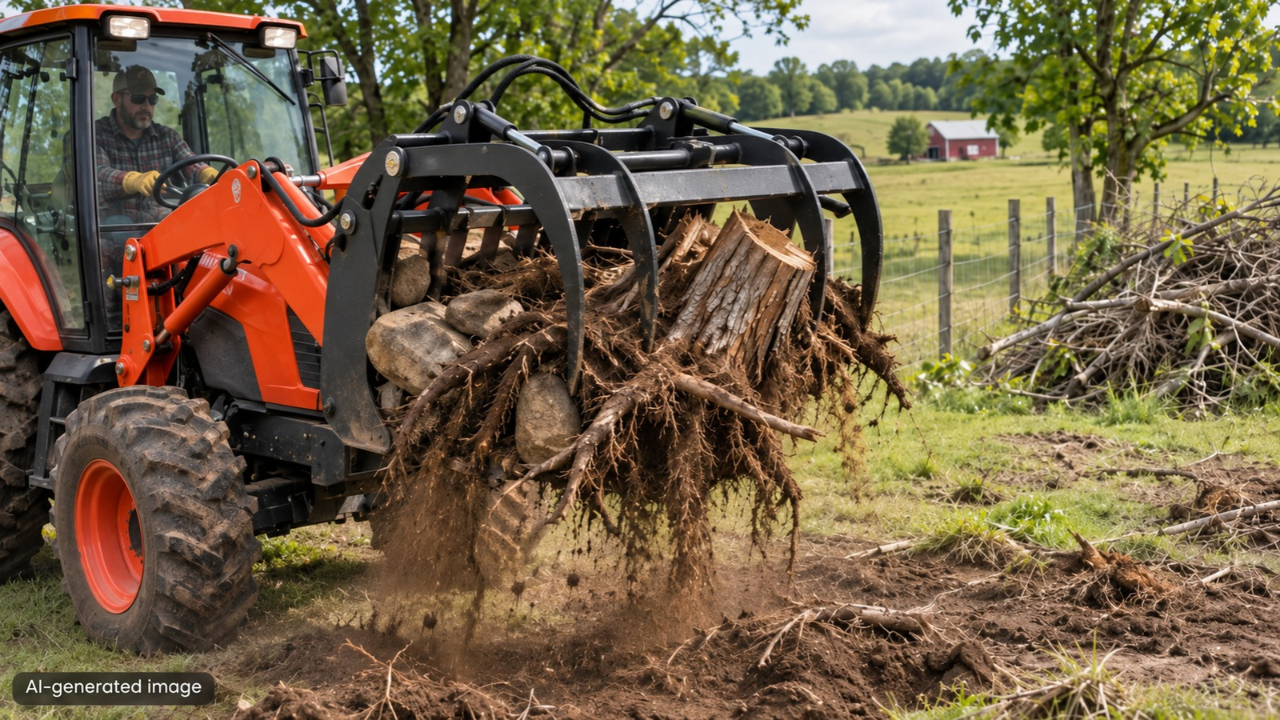
The bucket makes you pry and peel, which is how you end up spinning tires and chewing ruts. A root grapple bites, lifts, and shakes dirt out, so you’re not hauling half your topsoil to the brush pile. For cleaning fencelines, pulling old hedge roots, or sorting rocks out of a field, it’s hard to beat.
It also keeps you from using chains in sketchy ways. You can grab a log or stump low and move it without the snap-back risk of a tensioned chain. If you do use chains, use proper rated gear and keep bystanders away.
7. Land Plane For Gravel Drive Maintenance
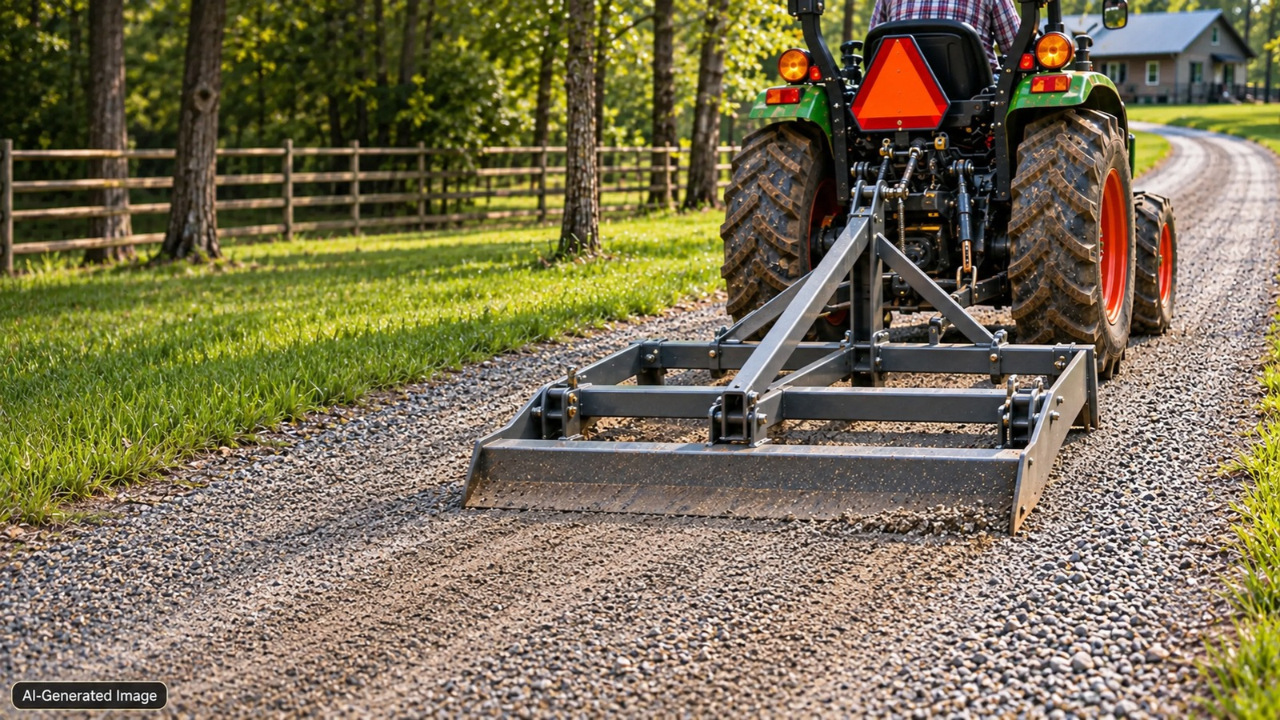
A driveway always looks fine until the first rain, then you’ve got washboard, potholes, and water cutting channels that get deeper every storm. A land plane levels and mixes the top layer of gravel so water sheds, and it does it without leaving windrows you have to chase with a rake. You’ll use it more often than you expect, because a quick pass after a rain beats a full rebuild later.
Keep your crown, don’t try to make the drive dead flat. If water can’t run off, it will run down the wheel tracks. Work when the gravel has a little moisture in it, bone dry gravel just skates around and doesn’t knit back together.
8. Concrete Breaker For Demo Days
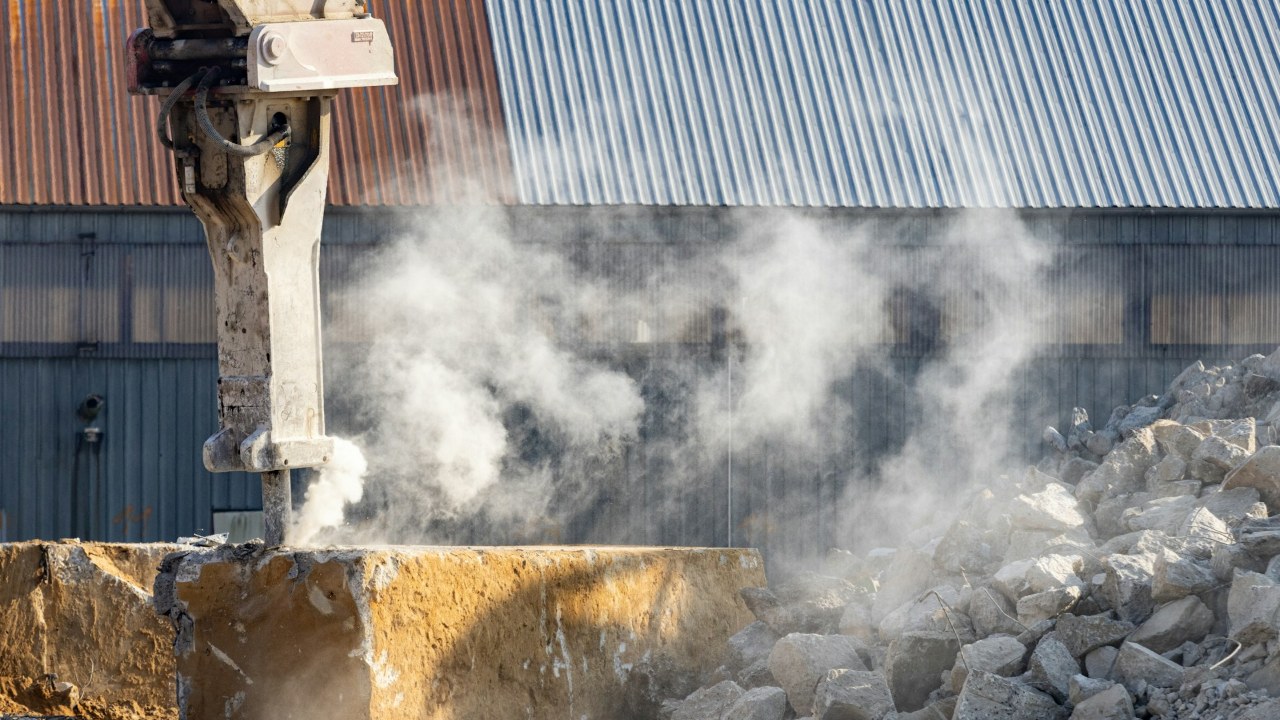
Sometimes the job is not “move material,” it’s “get rid of the thing that’s in the way.” A hydraulic breaker turns sidewalks, old pads, and frost heaved stoops into pieces you can load. Renting one for a weekend often costs less than paying a crew, especially if you’re already handling cleanup with the skid steer.
This is loud, rough work that beats on pins and bushings. Grease what needs grease, keep people back, and don’t hammer near a foundation wall unless you’re sure what’s behind it. If you’re dealing with a structural slab, utilities in concrete, or anything tied to a building’s support, get a pro involved.
9. Power Broom For Mud Season And Shop Yards
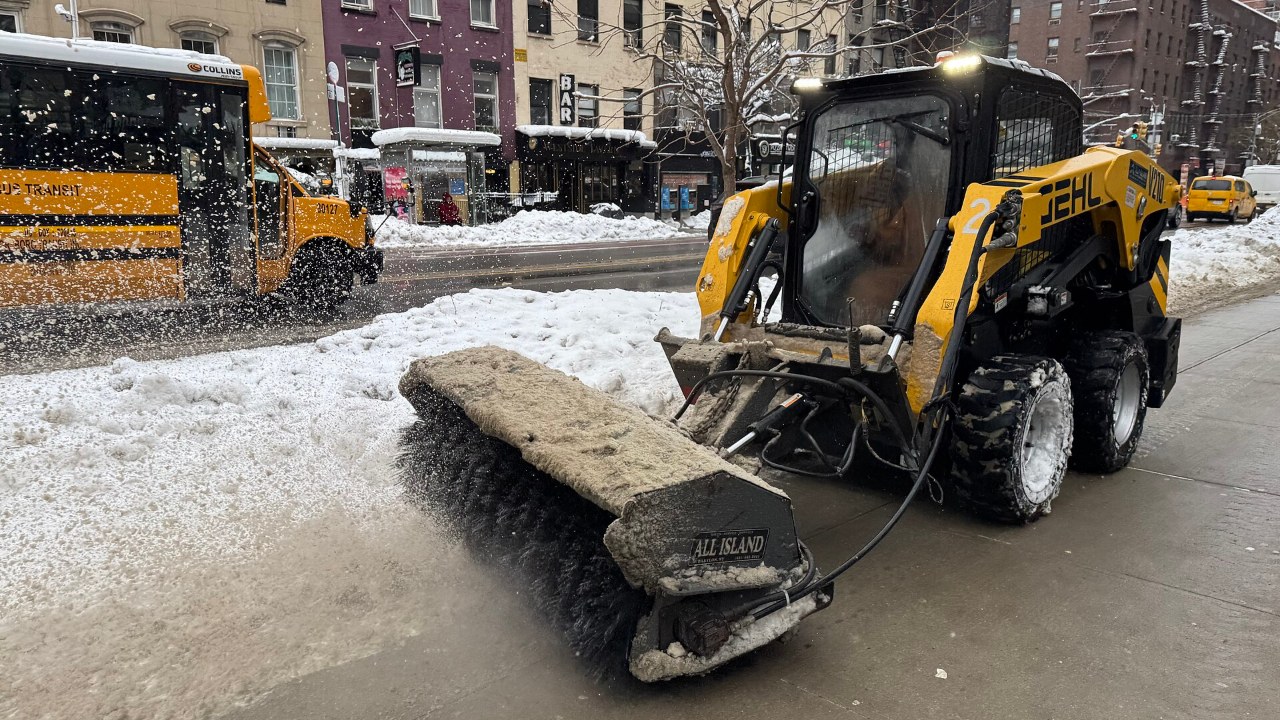
Most people ignore the broom attachment until they’re sick of tracking gravel and manure into every doorway. A power broom cleans up after snow melt, scrapes sand off asphalt, and makes a barnyard or equipment pad feel less like a junkyard. It’s also the fastest way to tidy up after running the land plane, since gravel always ends up where it shouldn’t.
This one earns its keep on paved or hard packed surfaces. On soft gravel it can fling stone into siding and windows, so throttle back and keep the bristles adjusted. If you’re only sweeping a little garage apron, a cheap walk-behind broom is fine, save the money for hydraulics you’ll use more.
10. Trenching Attachment For Short Utility Runs
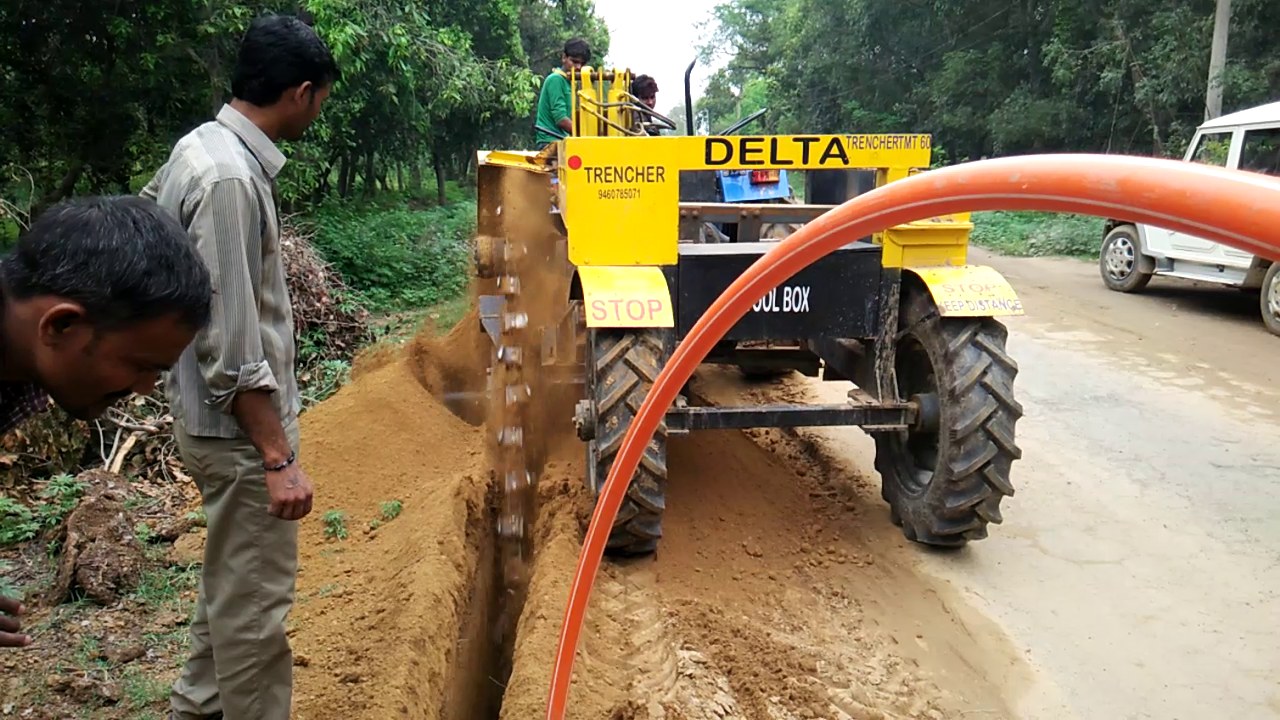
If you’ve ever tried to dig a straight, consistent trench with a bucket, you know how it goes. Too wide, too shallow, too much spoil, and the bottom looks like the ocean. A trencher cuts a neat trench for water lines, power to a shed, or a downspout drain, and the backfill is faster because you’re not moving a mountain.
Call 811 or your local locate service before you dig, even on your own property. For electrical runs, follow local code, depth rules, and inspection requirements, and hire a licensed electrician when it crosses into panel work or service upgrades. In rocky ground, you may still end up with a pick and a bad day, but you’ll know quickly.
If you’re picking only one or two attachments to start, buy the ones that match your normal headaches, not the once-a-decade project. Rent the specialty tools until you’ve rented them twice, then you’ll know what’s worth owning. Keep them under cover, grease the pins, and your skid steer turns into the machine you reach for instead of the machine you avoid.
Like Fix It Homestead’s content? Be sure to follow us.