10 Birds That Do the Most Damage to a Property
Photo credit: Jaclyn Vernace/Shutterstock.com
Most birds are harmless, and plenty are worth having around. The trouble starts when a flock decides your roofline, orchard, barn rafters, or boat shed is home base. Then you get mess, noise, and damage that keeps stacking up until you deal with it.
1. Pigeons Under Eaves And Solar Panels

Pigeons are pros at finding warm ledges and protected pockets, especially under eaves and tucked under solar panels. Their droppings build up fast, hold moisture, and eat at paint and metal over time. You also get clogged gutters, stained siding, and a smell that doesn’t wash out with a light rinse.
Block access first. Bird netting, a properly installed panel skirt, or hardware cloth barriers work better than plastic spikes that pop loose after a season. Clean up with gloves, eye protection, and a respirator if you’re dealing with a thick layer, then hose gently and bag the waste instead of blasting it into the yard.
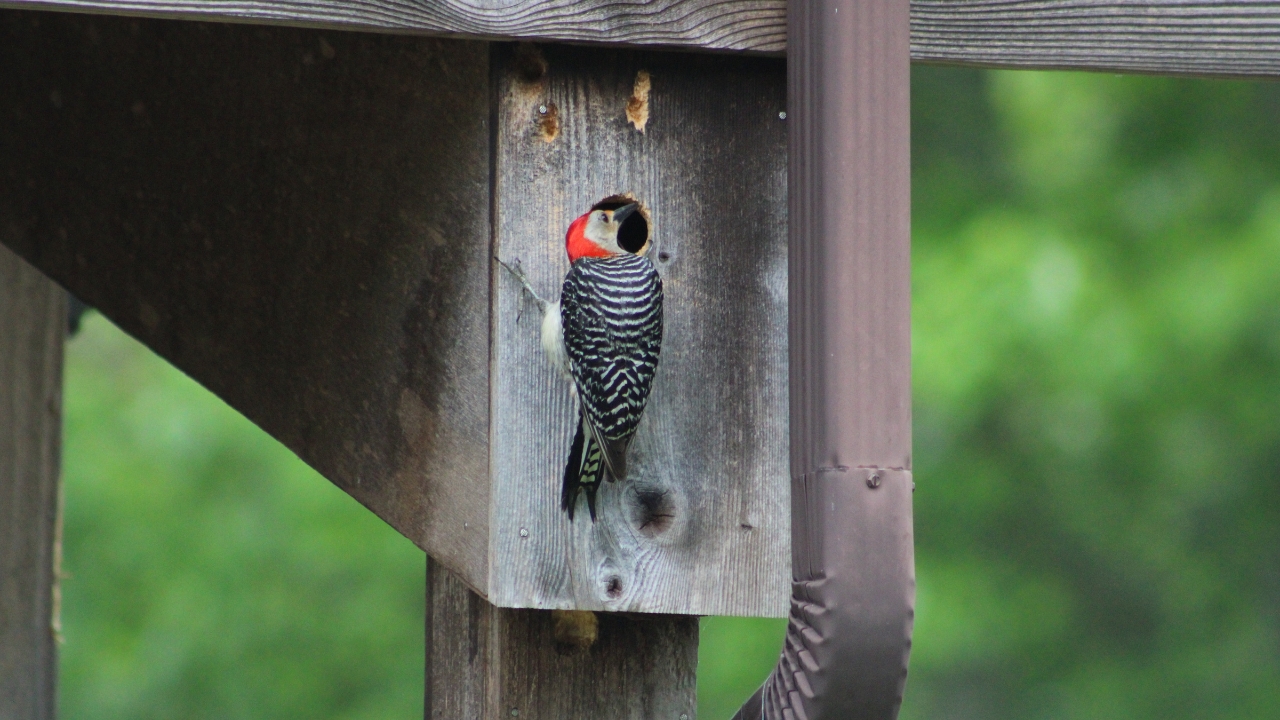
2. Woodpeckers Drilling Siding And Fascia
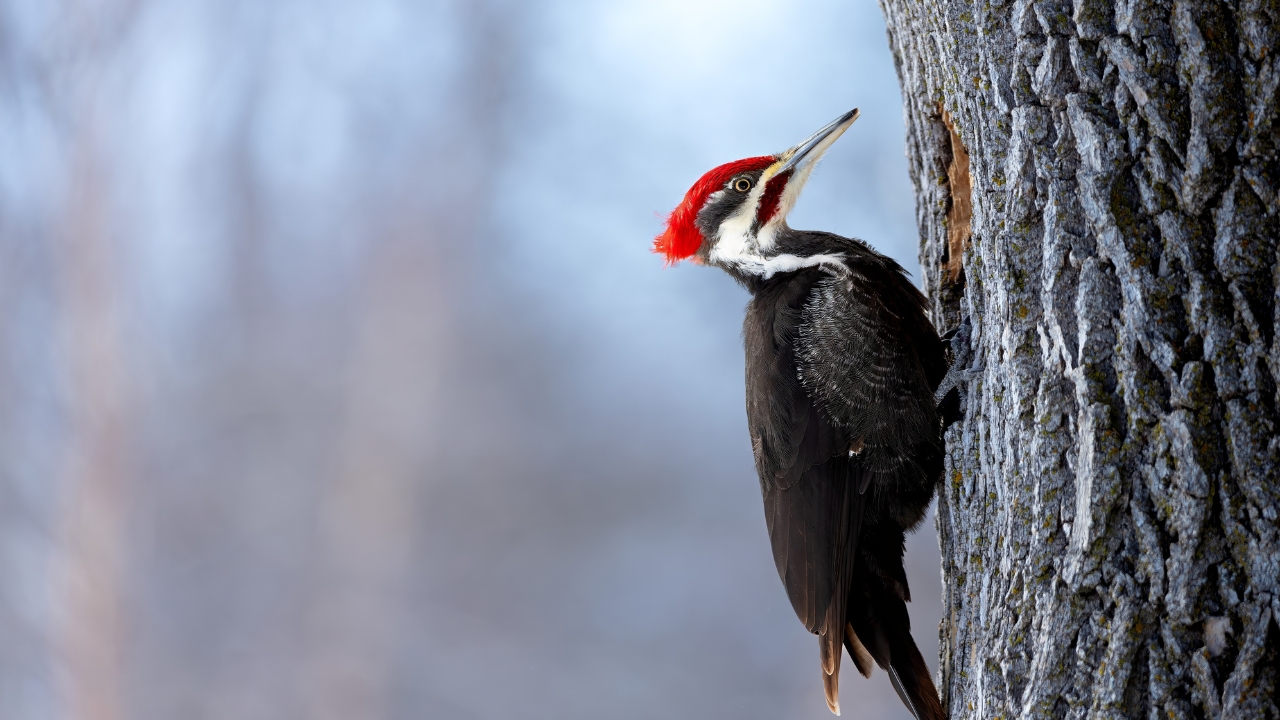
The first sign is that sharp, hollow tapping at sunrise, then you spot neat rows of holes or a bigger rectangular “excavation.” Woodpeckers peck for insects and they also drum to mark territory, and they don’t care if the surface is cedar, pine, or fiber cement. A few holes turn into rot, carpenter ant interest, and paint failure.
Fix the reason they showed up. If there are ants or beetles, treat the infestation and replace any soft wood. Patch holes with exterior filler or a dutchman repair, prime, and repaint, then add a visual deterrent for a couple weeks like reflective tape or a predator decoy that actually moves. If they’re nesting in a wall, stop and call a local wildlife pro, timing matters and rules vary.
3. European Starlings Filling Vents And Ducts
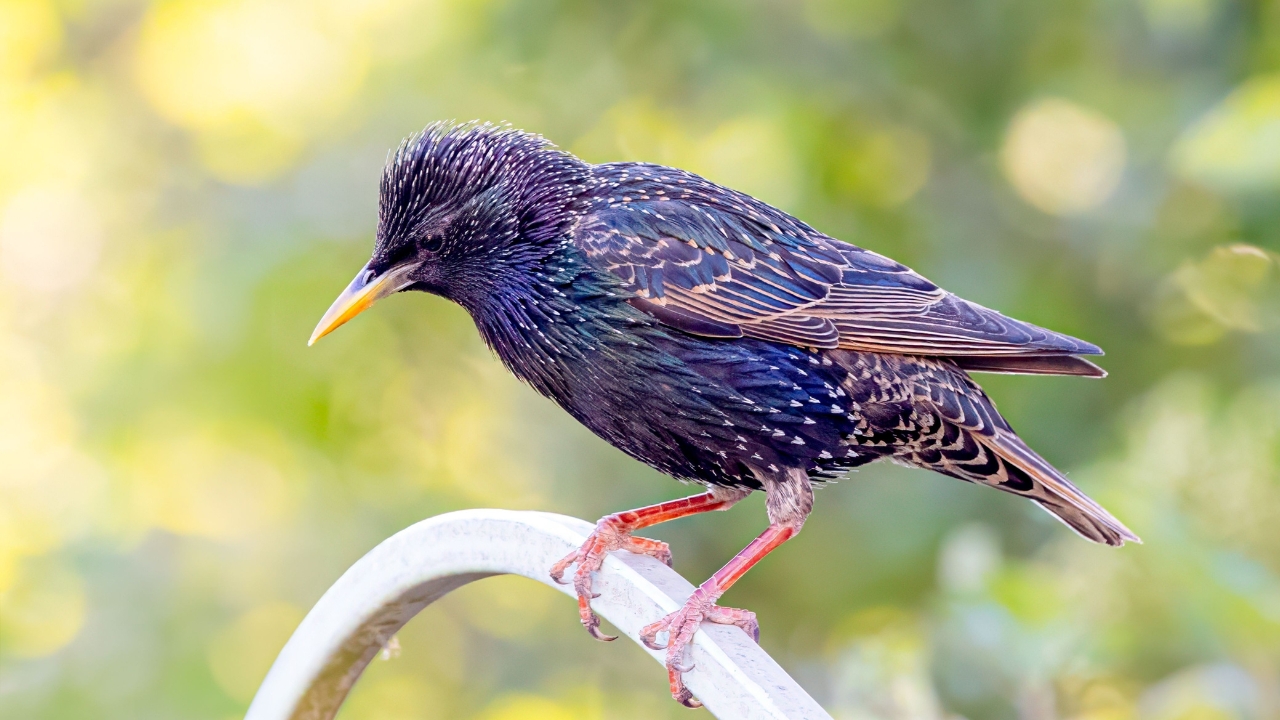
Starlings don’t just perch, they move in. They pack dryer vents, bath fan vents, and soffit gaps with twigs until airflow gets weak and damp air dumps where it shouldn’t. In the wrong spot, that’s moldy insulation, a wet ceiling stain, or a dryer that runs forever.
Pull the nest out and disinfect, then install a real vent hood with a built-in bird guard, not loose screen that clogs with lint. If you’re working on a roof vent, use a stable ladder and don’t stretch, falls cost more than any bird problem. For attic vents, hardware cloth fastened with screws and washers holds up better than staples.
4. Canada Geese Ruining Lawns And Docks
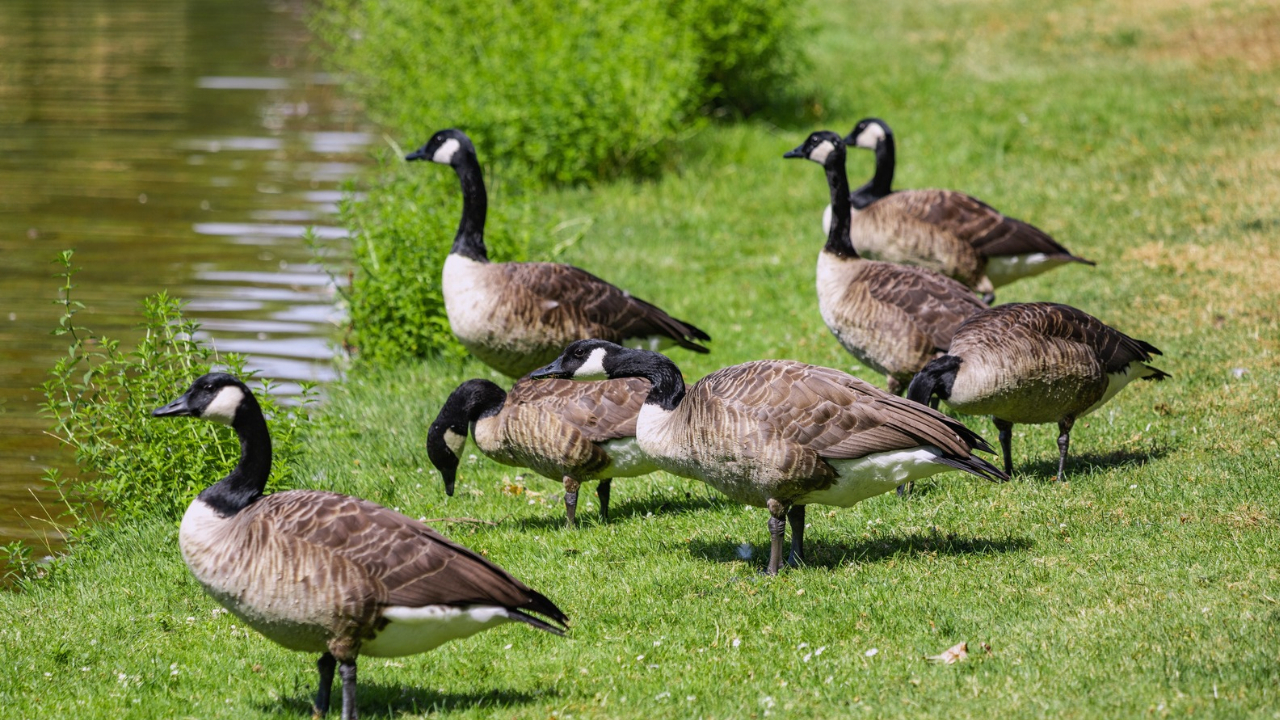
Geese turn grass into a bathroom, and they do it in a way that makes your yard hard to use. Droppings slick up walkways, stain dock boards, and kill patches of turf when the same areas get hit day after day. On a pond property, they also trample shorelines and chew young plants down to nubs.
Don’t feed them, and don’t let them get comfortable. Keep grass a little taller near water, add a dense strip of shrubs or native grasses as a visual barrier, and use a temporary low fence or grid line to break up the easy path from water to lawn. If geese have already claimed the place and get aggressive, call your local wildlife office for legal options.
5. Gulls Tearing Roofs And Scattering Trash
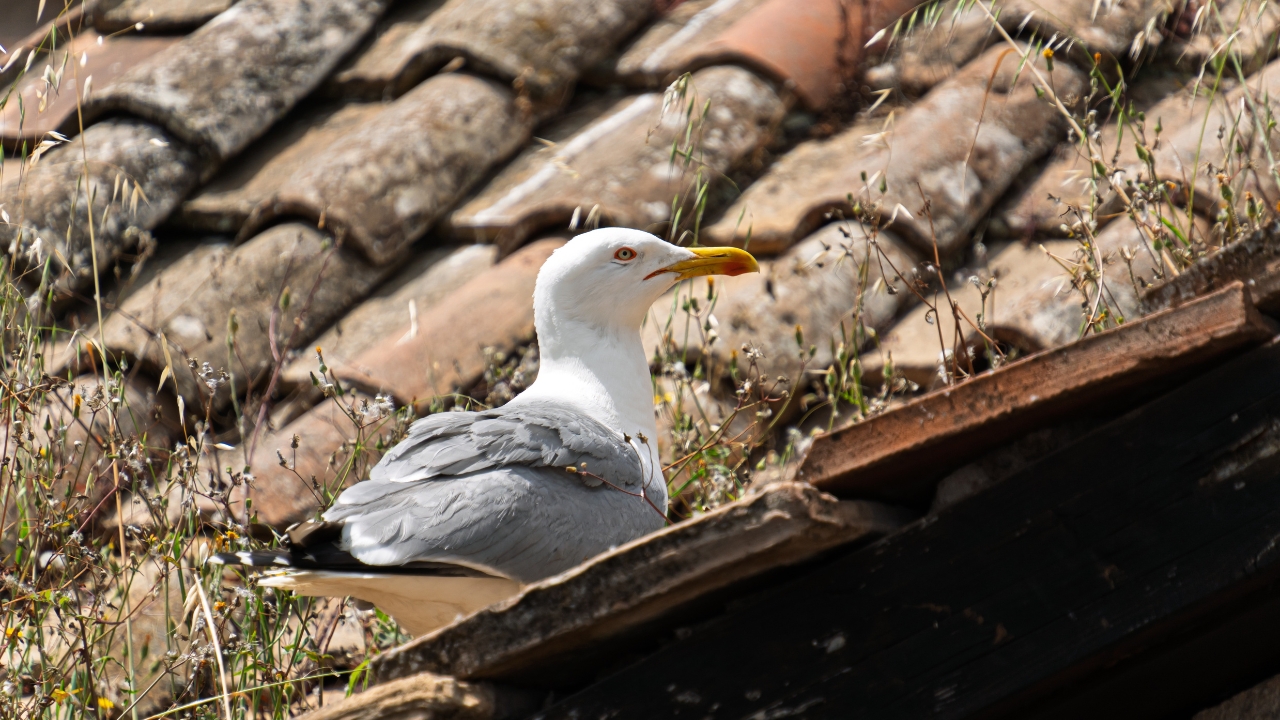
If you live near water or a landfill route, gulls can be a straight-up nuisance. They rip open trash bags, drag food scraps across the driveway, and pack roof corners with sticks and seaweed that holds water. Their droppings are heavy and acidic, and they like high spots like chimneys and ridge vents.
Start with your trash setup. Use lidded cans that latch, and put bags out as close to pickup time as you can. On roofs, remove nest material early in the season and add tension wire or netting on the perching spots. If they’re nesting on a flat roof, that’s often a job for a pro because you’re working near edges and membrane roofs puncture easily.
6. House Sparrows Taking Over Barns
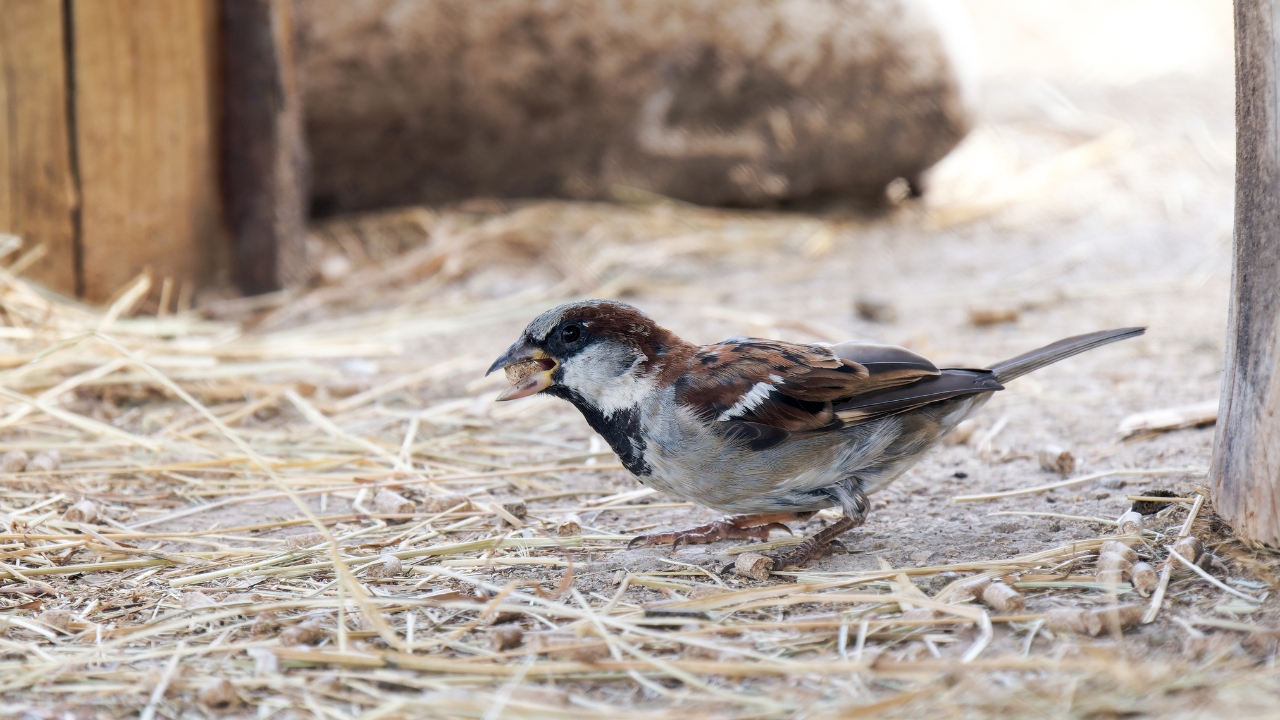
House sparrows look small and harmless until you see what they do inside a barn. They pack rafters with grass nests, foul feed areas, and drive out swallows and other helpful birds. Droppings build up over stalls, equipment, and workbenches, and you end up cleaning forever.
Close the easy openings with 1/4 inch hardware cloth and fix broken doors so they shut tight. Keep feed in sealed bins and sweep spilled grain, because free food is an invitation. Nest boxes meant for other species often get taken over, so use designs and entry sizes that match the bird you’re trying to attract.
7. Crows Pulling Up Seedlings And Mulch
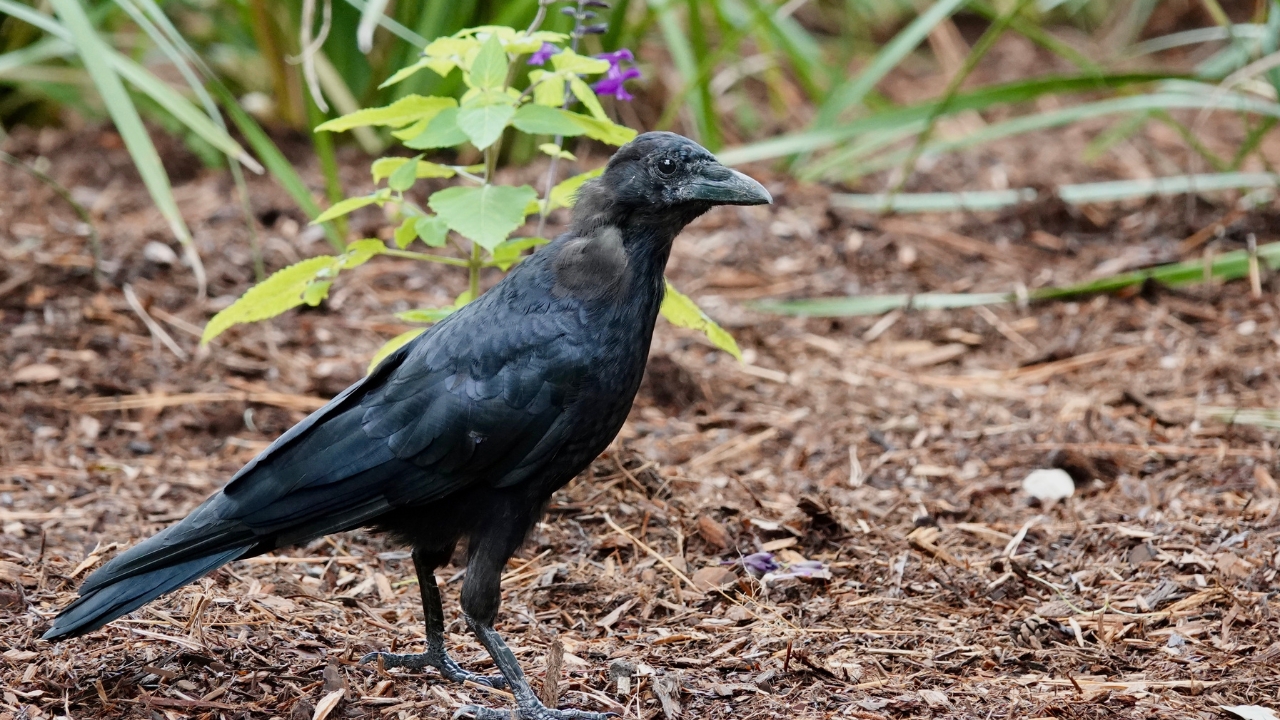
Crows are smart, and they learn your schedule. They’ll walk down fresh garden rows and yank seedlings like they’re sampling, then toss mulch looking for grubs. The damage isn’t structural, but it’s expensive in time when you have to replant in a narrow spring window.
Use physical barriers while plants are small. Low hoops with row cover or bird netting pinned tight to the ground beats scare devices that stop working once the birds figure them out. If you’re planting corn, cover seeds with extra soil and water it in well so the ground doesn’t look freshly disturbed.
8. Magpies Shredding Weather Stripping And Screens
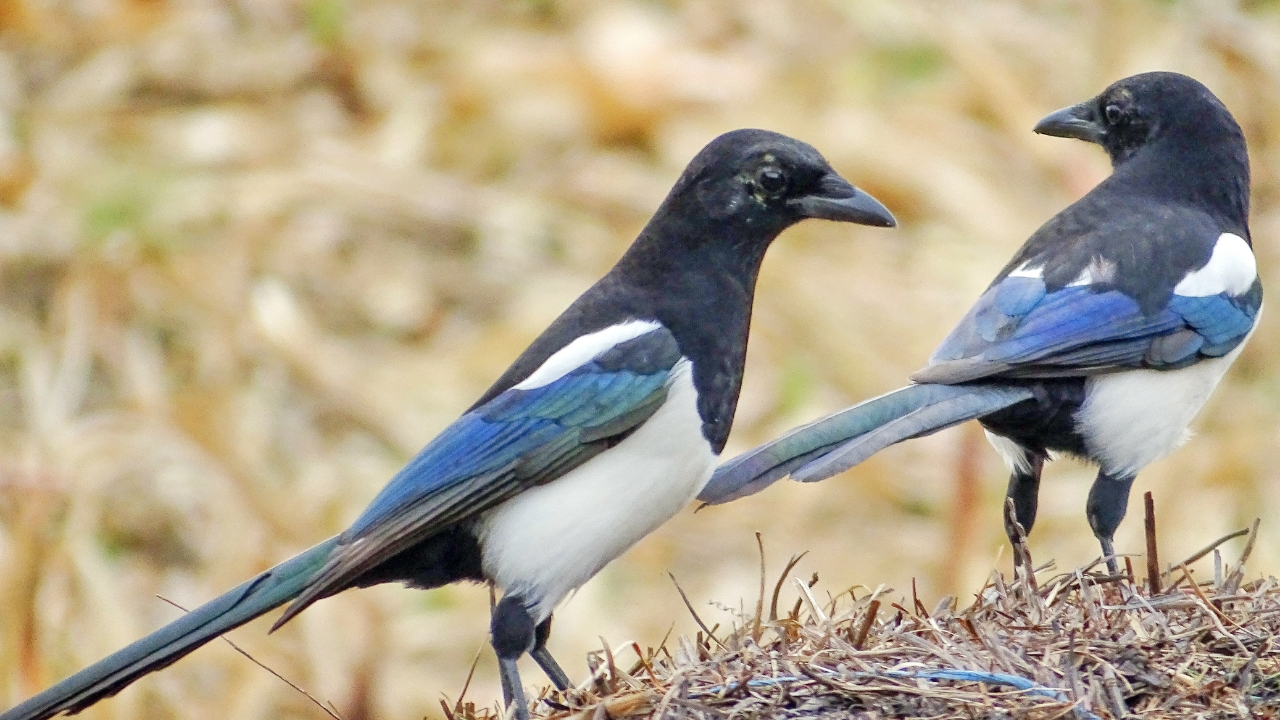
In some areas, magpies get curious and destructive around buildings. They peck rubber window gaskets, pull at foam weather stripping, and can ruin insect screens in a few mornings. If they find a reflection they don’t like, they’ll keep coming back to fight it.
Stop the habit fast. Cover the reflective window with a temporary film or hang a light cloth inside for a week or two. Replace weather stripping with a tougher EPDM or vinyl type, and protect vulnerable corners with thin metal flashing where it makes sense. If you’re only seeing a little pecking during nesting season, the cheap fix is often just covering the trigger spot until they move on.
9. Grackles Roosting In Trees Over Driveways
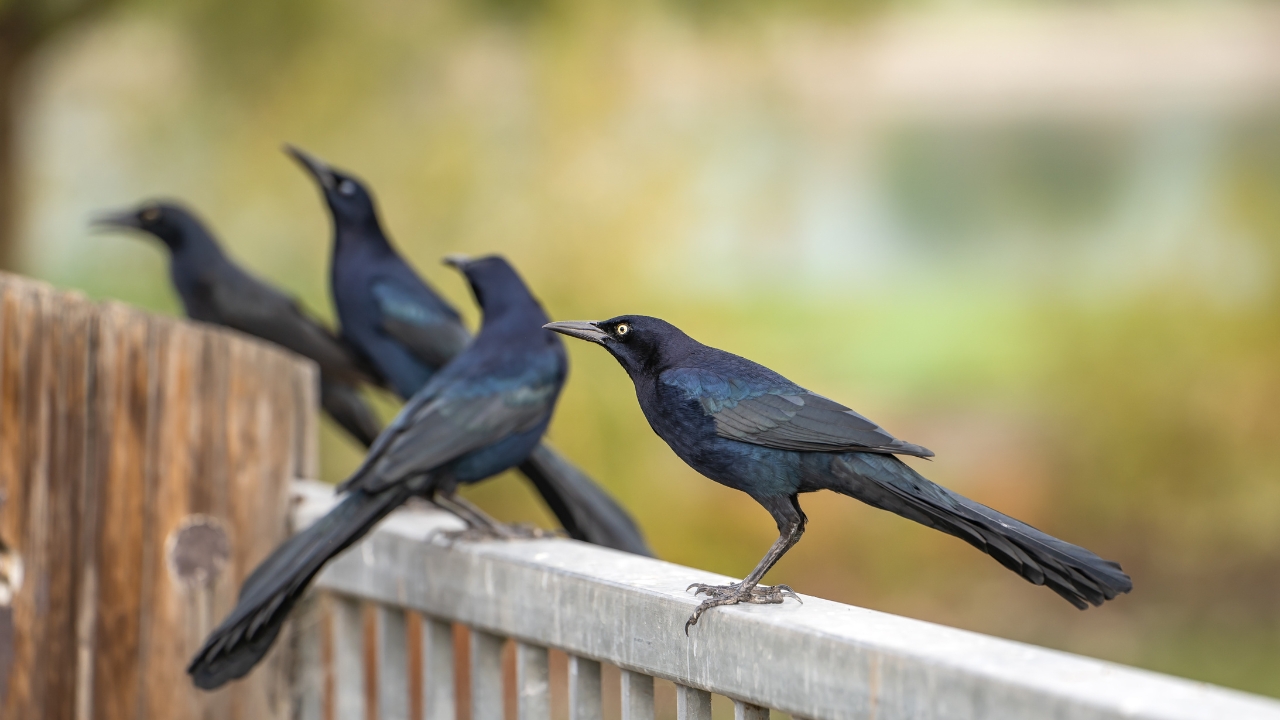
Late summer into fall, grackles can show up in loud, messy groups and pick one tree as the overnight hangout. Your car, patio furniture, and porch steps get splattered daily, and the constant moisture and acidity can haze clear coat and stain concrete. The noise at dusk and dawn gets old fast.
Thin the roost tree so it’s less inviting, and aim for opening up the dense interior where they like to perch. Motion sprinklers can help if you set them before the flock locks in. If you’re using a pressure washer on droppings, use a wider tip and don’t drive water up under siding or into door seals.
10. Swallows Building Mud Nests On Siding
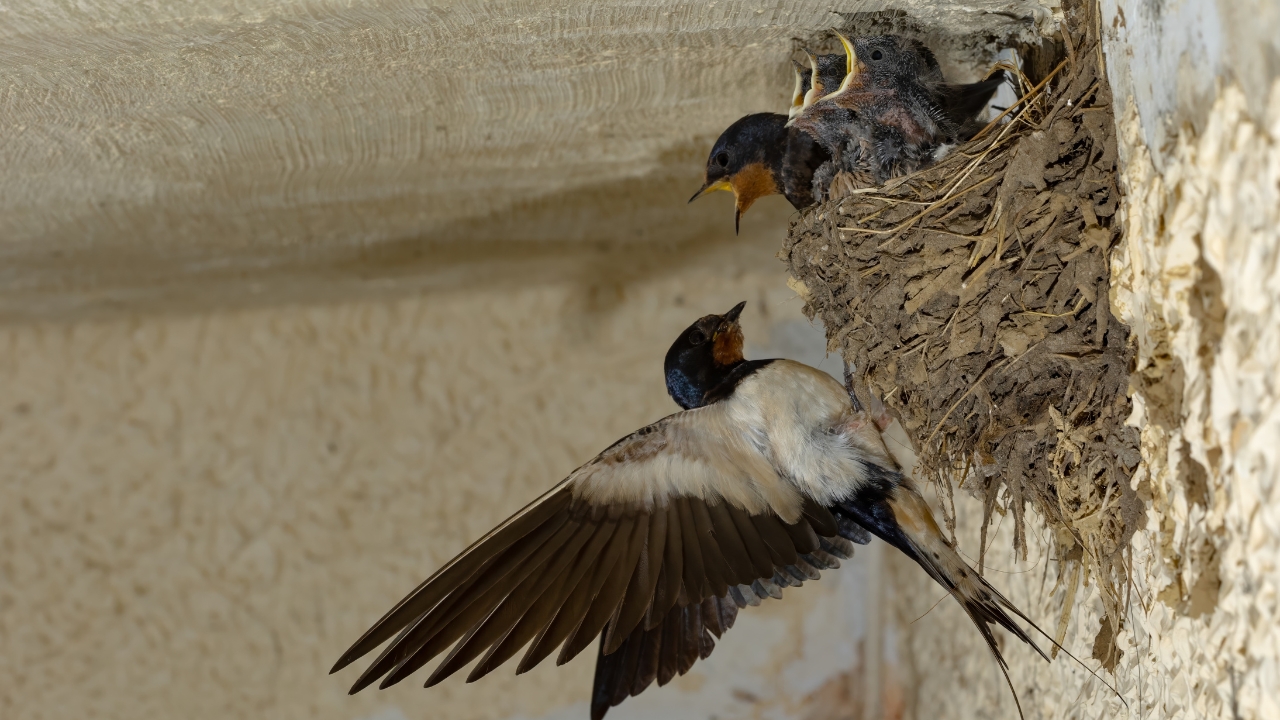
Swallows eat a ton of flying insects, so it’s hard to stay mad at them. The problem is the mud nests under eaves and porch lights, and the steady drip of droppings down the wall. Over a season, that stains paint, ruins light fixtures, and can make porch steps slick.
If you want them around, the better move is giving them a place that’s not your trim. Put up a swallow shelf or a purpose-built nesting structure away from doors and walkways, then knock down new mud starts early before eggs are laid. Once there are eggs or active young, leave it alone and plan your cleanup for after they’re done.
Bird damage is one of those problems that feels small until the mess spreads, the materials start to rot, or you get hit with repeat repairs. The best wins come from blocking access, removing food sources, and fixing the first weak spot before it turns into a yearly headache.
Like Fix It Homestead’s content? Be sure to follow us.