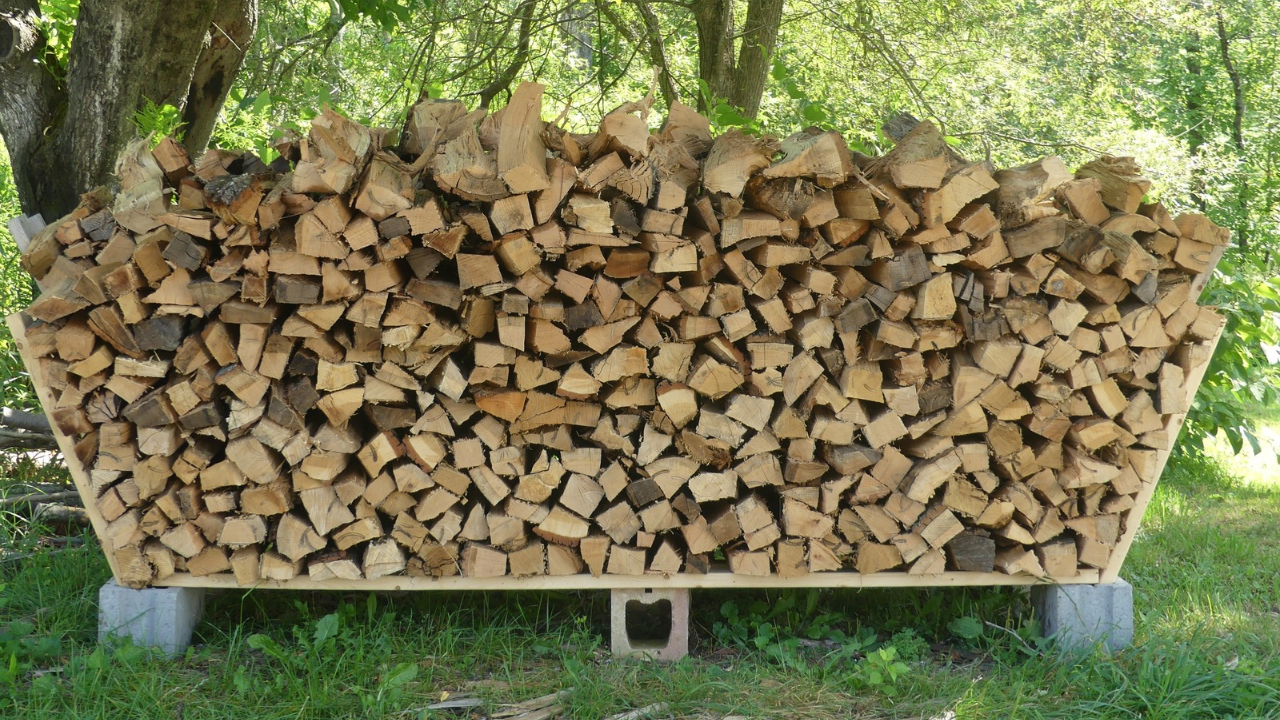
10 Ways to Make a Cord of Wood Last Longer
Photo credit: Zohar Gal/Shutterstock.com
A cord of wood looks like a lot until the first cold snap hits and the stove eats it up. Most people run out faster because of small daily habits, not because they bought the “wrong” wood. Stretching your stack is mostly about getting more heat into the house per split, and wasting less of it outside.
1. Burn Only Dry, Fully Seasoned Wood
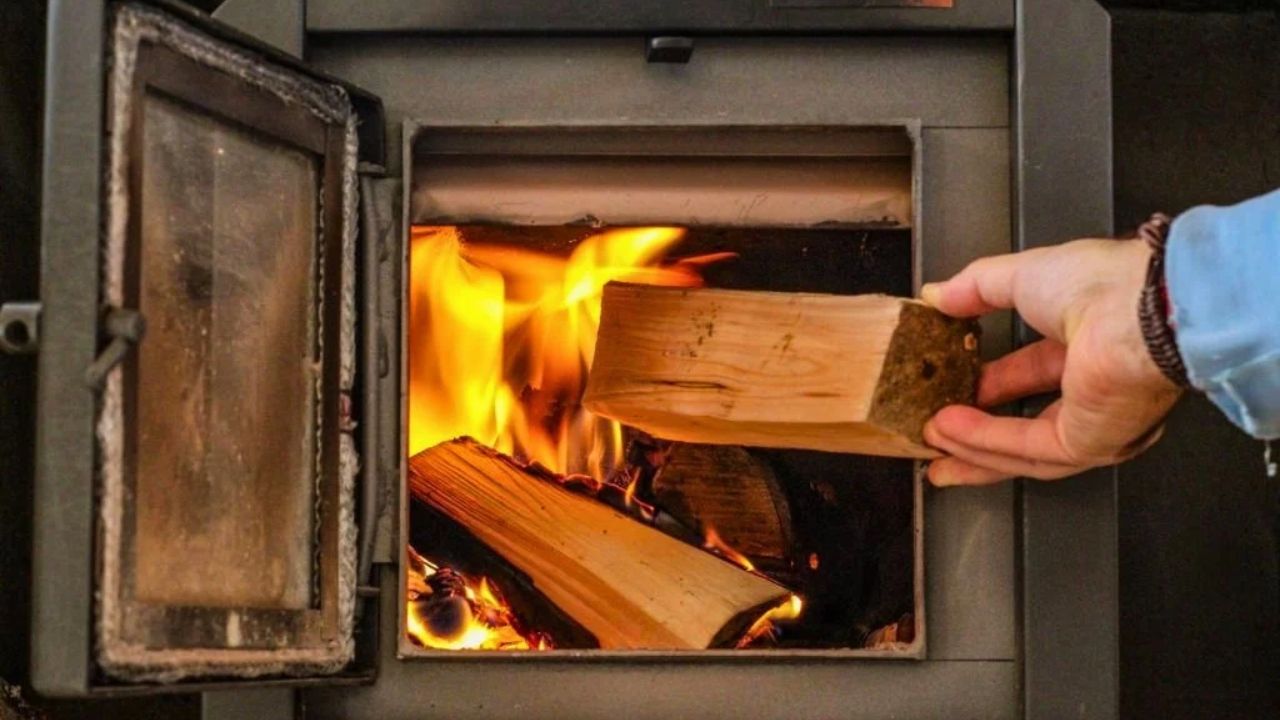
Wet wood steals heat before it ever warms your living room. The fire hisses, the glass soots up fast, and you find yourself feeding the stove like it’s a hungry pet. All that energy goes into boiling water out of the wood instead of heating your home.
Split and stack early, then give it real time. A cheap moisture meter takes the guesswork out, and you’re aiming for around 20 percent or less in the center of a fresh split. If you can’t get truly dry firewood, mix in smaller, drier pieces and run shorter fires instead of choking a smoldering load all day.
2. Split Smaller For Shoulder Season Burns
Fall and spring are where a cord disappears for no good reason. You build a big fire like it’s January, the room overheats, then you crack a window and watch your heat leave. That’s paying twice for the same comfort.
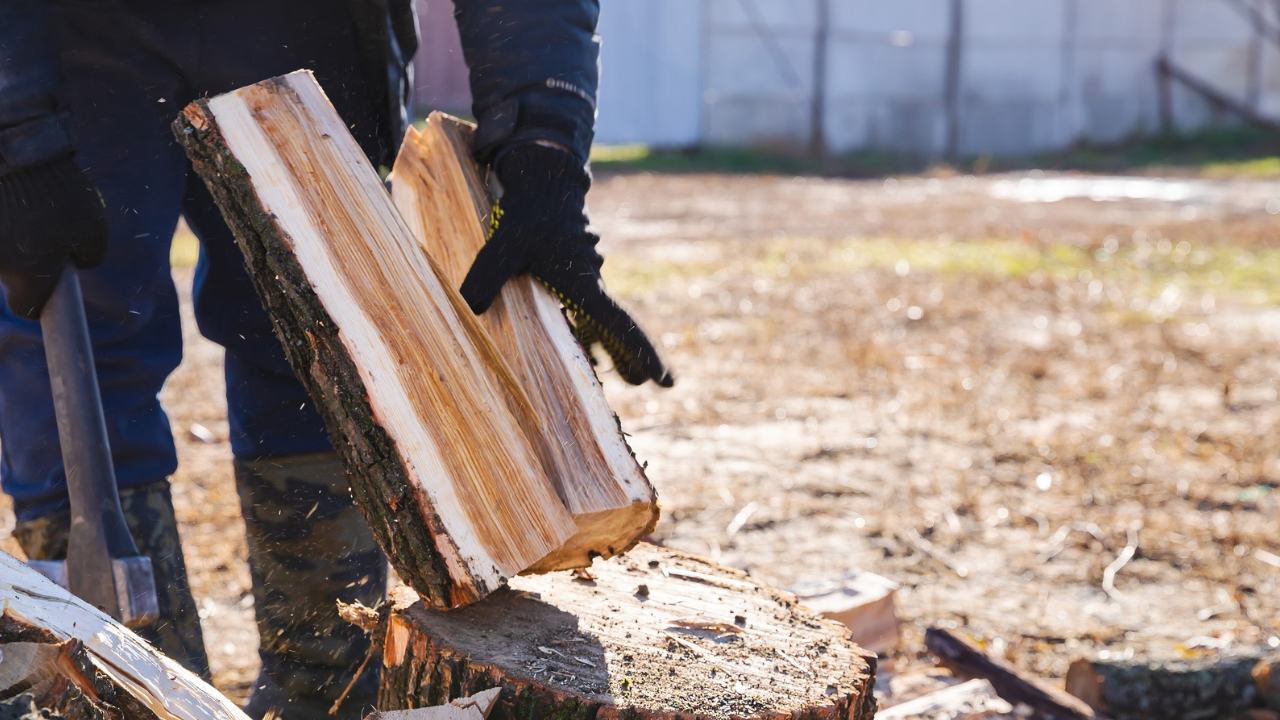
Keep a pile of smaller splits for mild weather. They light easy, burn cleaner at a lower load, and you can let the fire go out without feeling like you wasted half the box. Save the big rounds and chunky splits for the stretches when the house truly needs a long, deep burn.
3. Stop Smoldering With The Air Closed
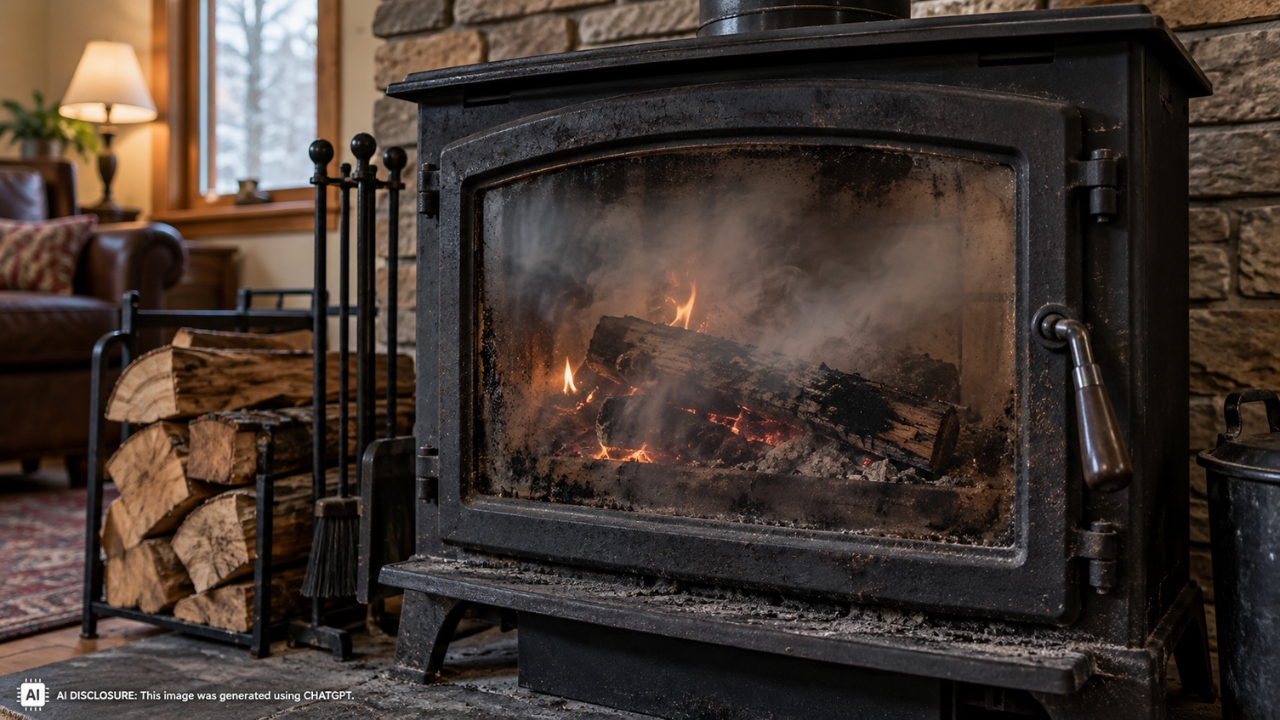
Choking the air down too far feels like it should make wood last, but it usually just makes trouble. The fire gets lazy, smoke thickens, creosote builds faster, and you end up re-lighting and reloading more often. Worst case, you’re shopping for a chimney sweep and still burning through your stack.
Burn hot enough to keep flames active and the flue warm. Once the load is charred and burning well, step the air down in small moves instead of slamming it shut. If your stove can’t be run clean at a low setting, the fix is often dry wood, better draft, or a different loading pattern, not less air.
4. Use A Thermometer And Run Hotter
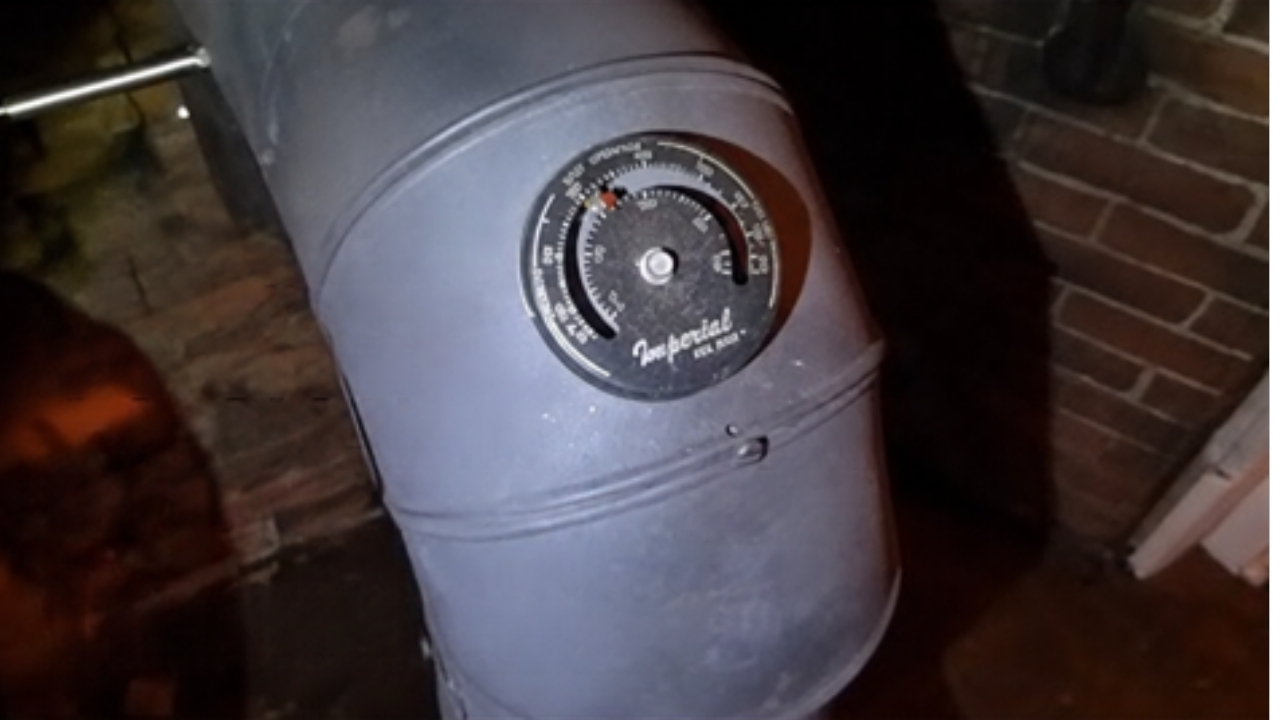
Guessing by “how it looks” costs wood. A stove can look fine while the flue is too cool, sending heat up the chimney and leaving smoke to condense into creosote. Then you burn extra wood trying to get back to comfortable.
Put a magnetic thermometer on single-wall pipe, or use a probe style if you have double-wall. Follow your stove manual’s temperature range, because every setup is a little different. Once you learn what “normal” looks like on the gauge, you stop overfeeding the fire and stop idling it in the danger zone.
5. Seal Air Leaks Before Buying More Wood

If the house is drafty, you’re heating the outdoors. You feel it as cold floors, a whistling window, or a room that never holds temperature. That turns a steady winter supply into a constant scramble.
Start with the cheap wins: door sweeps, foam gaskets behind outlet covers on exterior walls, and caulk at trim gaps that you can see daylight through. Then add attic insulation or air sealing where it makes sense, since heat rises and escapes fast up there. If you rent, a few tubes of removable rope caulk and a good window film kit can still cut the burn rate without making a mess.
6. Heat The Room You Live In
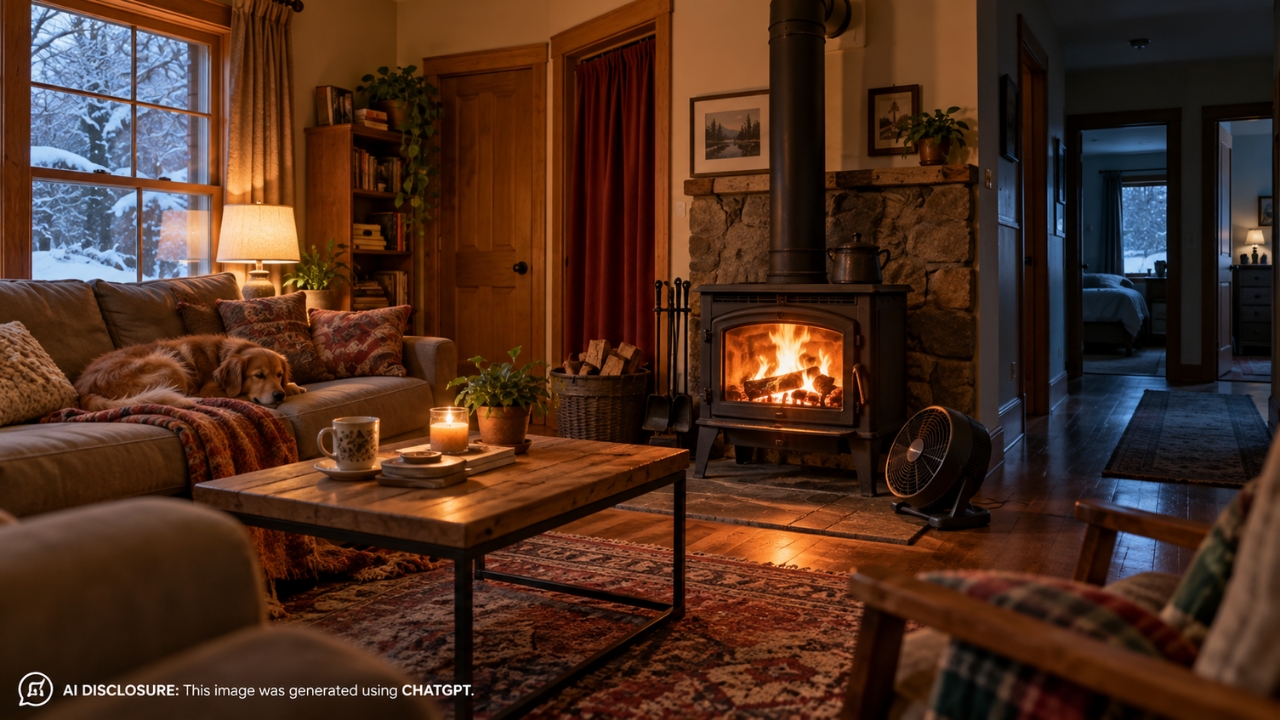
Open floor plans on real estate listings do not heat like open floor plans in real life. If you’re trying to warm every corner evenly, the stove runs harder than it needs to. A cord disappears into hallways, spare bedrooms, and rooms nobody sits in.
Use doors, curtains, and a couple well-placed fans to move heat where you want it. A small fan on the floor blowing cool air toward the stove often works better than trying to push hot air away. If a back room gets chilly, spot-heat it only when you use it, instead of running the woodstove like it’s heating a gym.
7. Stack Off The Ground And Cover The Top
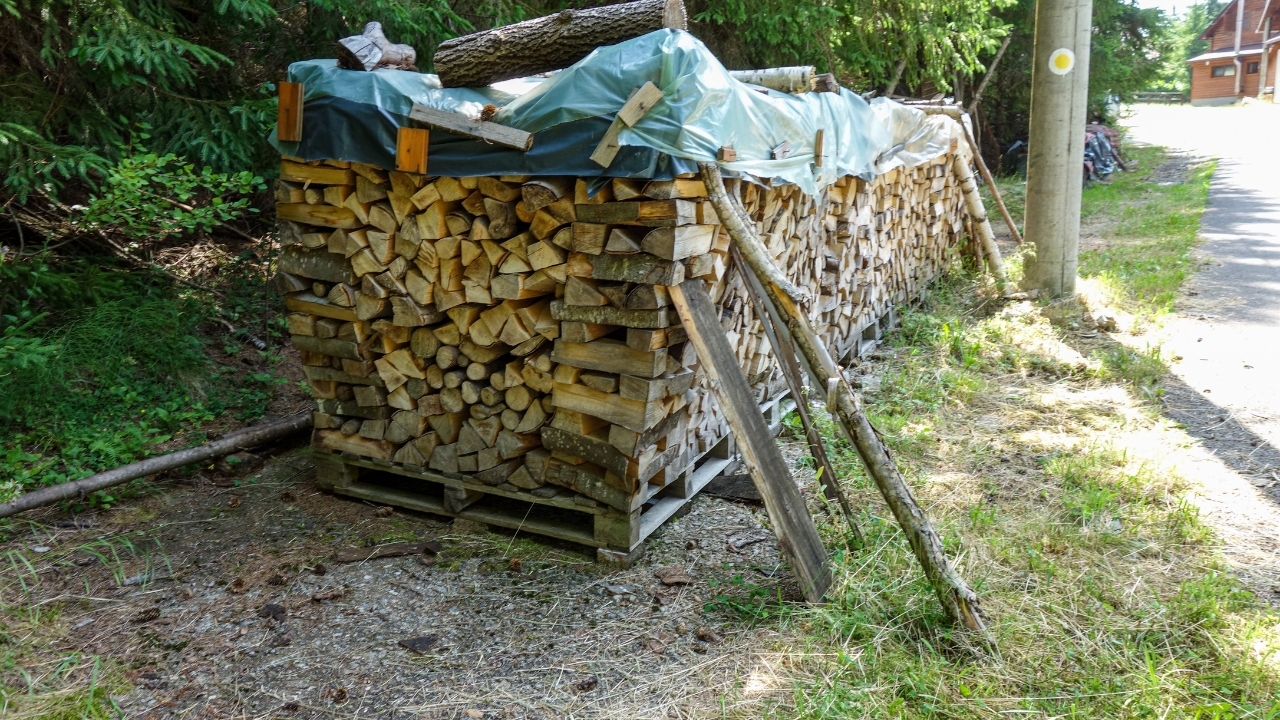
Firewood stored wrong keeps soaking up water and never really dries. Ground contact wicks moisture, bugs move in, and snow melt turns the bottom course punky. You end up tossing a lot of “wood” that’s half rot.
Get the stack up on pallets, rails, or a simple 2×4 runner system so air can move under it. Cover only the top with metal roofing, plywood, or a tarp tied down well, and leave the sides open to wind. Full wrapping looks tidy, but it traps humidity and can leave you with moldy wood that burns like garbage.
8. Stop Bringing Snowy Wood Indoors
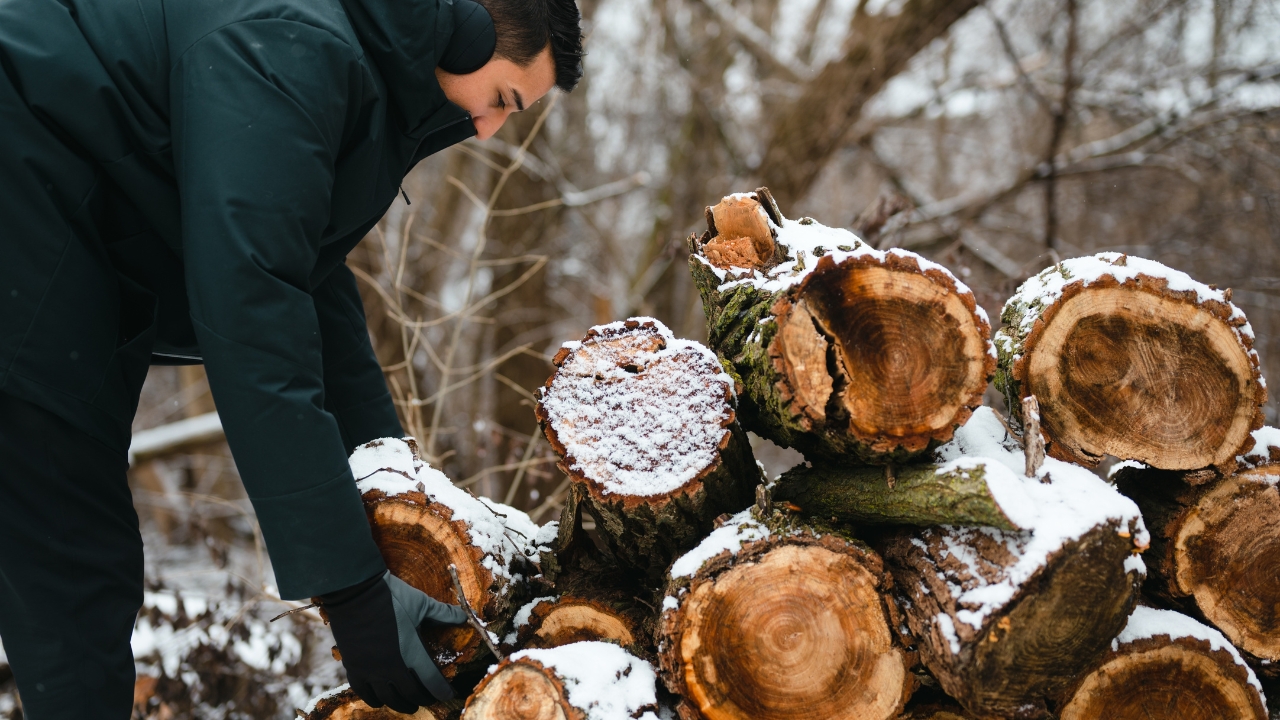
That armload you grabbed from the drifted pile looks fine until it turns into a wet mess by the stove. Snow melts, the wood surface stays damp, and the next load lights slower and smokes more. You also raise indoor humidity, which makes the house feel colder at the same thermostat setting.
Keep a day’s worth under a porch roof, in a small shed, or in a covered rack near the door. Knock ice and snow off outside, not on your hearth. If you only have one outdoor stack, throw a scrap of roofing over the section you’re pulling from so the working face stays dry.
9. Clean The Chimney And Keep Draft Strong
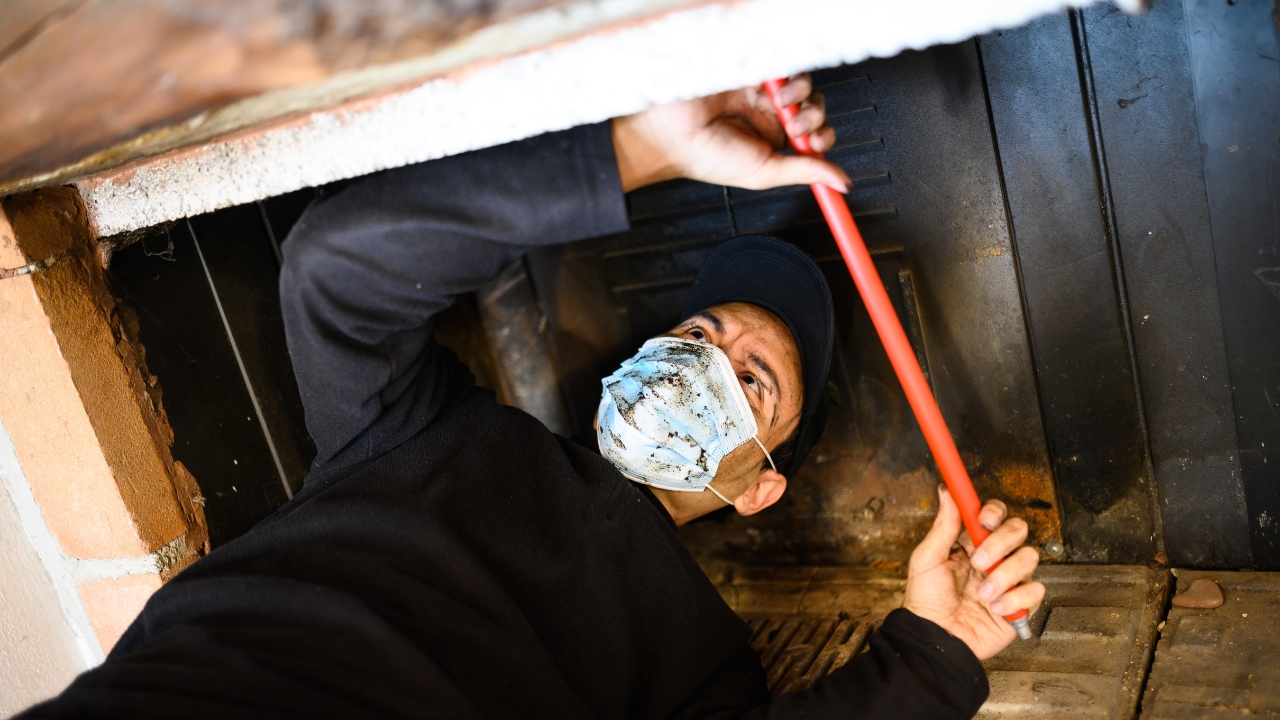
Poor draft wastes wood in a sneaky way. The fire fights for air, the stove runs dirtier, and you compensate by loading more often. Sometimes you also get smoke spillage when you open the door, which makes you rush and spill coals.
If you burn daily, plan on checking the flue a few times a season, especially early on while you learn your setup. A basic brush kit works for many straight runs, but steep roofs, tall stacks, and tricky bends are worth paying a pro for. Good draft also depends on dry wood and proper flue height, so don’t ignore those if the stove never seems to “wake up.”
10. Use Cheaper Wood At The Right Time
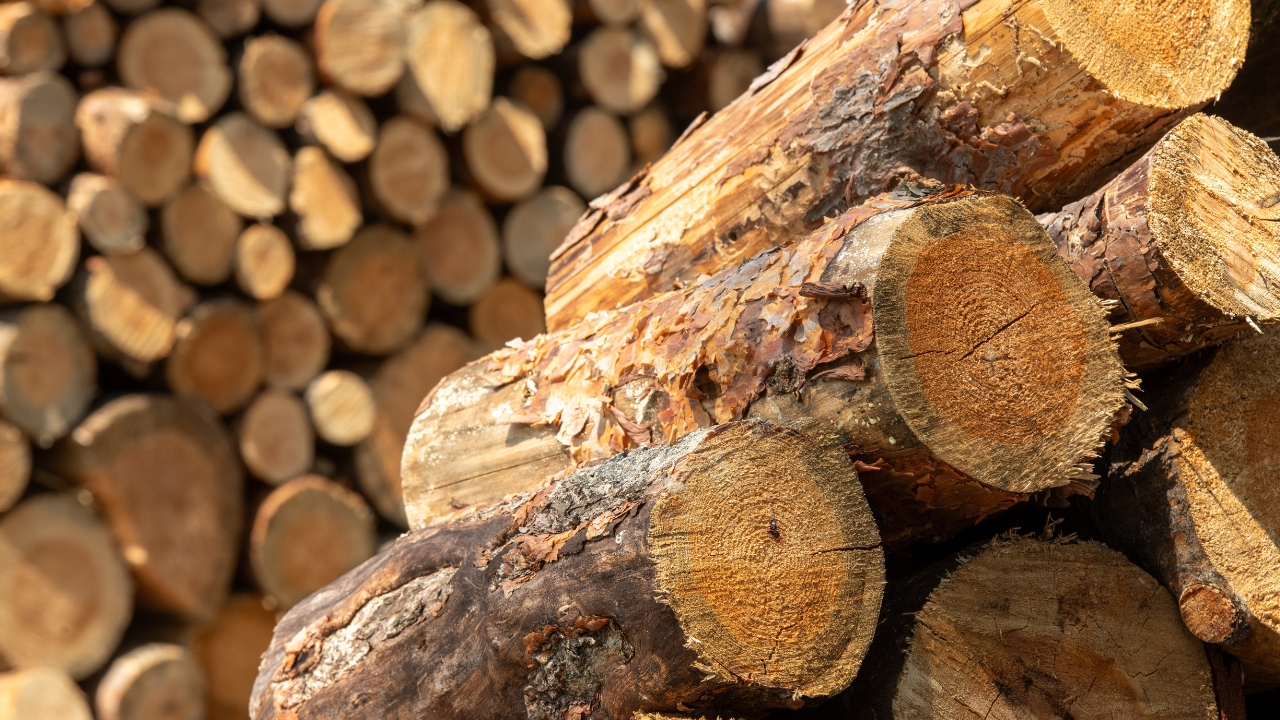
Not every fire needs premium hardwood. People burn their best oak on a 45 degree day just to take the edge off, then wonder why they’re buying wood again in February. That’s a planning problem, not a weather problem.
Save dense hardwood for overnight and deep winter, and use softer species, slab wood, or construction cutoffs for quick hot burns and kindling. The exception is a catalytic stove that likes steady heat and a longer burn cycle, where very soft wood can be more finicky. Just never burn pressure-treated lumber, painted scraps, or anything glued that can stink up the house and foul the flue.
A cord stretches the farthest when you treat wood like fuel, not yard waste you happen to set on fire. Get it dry, burn it clean, and stop heating spaces you don’t use. The stack you already have will go further, and the stove will be a lot less work to live with.
Like Fix It Homestead’s content? Be sure to follow us.