10 Forgotten Skills That’ll Make You More Self-Reliant Today
Image Credit: Shyntartanya/ Shutterstock.
We’ve gotten used to letting modern conveniences do the heavy lifting. But truth is, a lot of the skills our grandparents relied on are still worth knowing—especially if you’re trying to live more self-reliantly. These aren’t survival gimmicks. They’re practical, proven ways to take care of yourself when things don’t go as planned.
If you’re serious about being more capable around your homestead—or just less dependent on outside systems—these are the skills worth learning. They might be old-fashioned, but they still get the job done.
Starting a Fire Without Matches
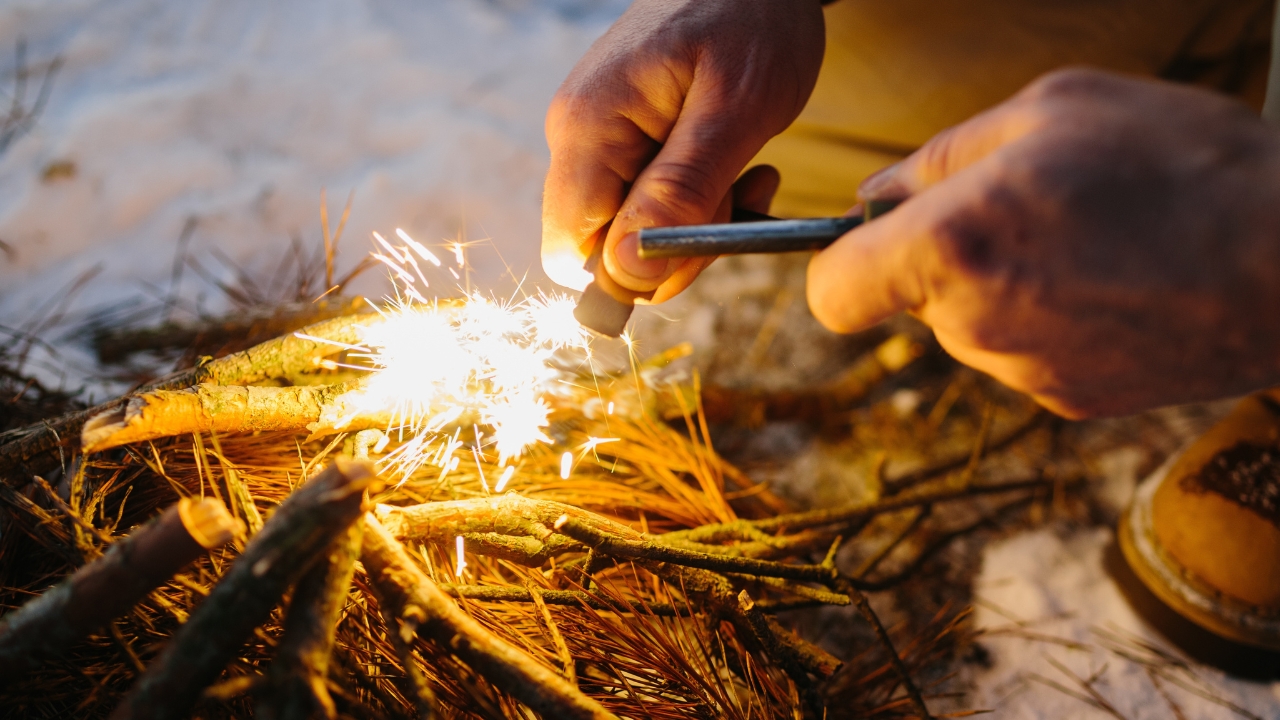
If all you’ve got is wet wood and cold hands, being able to start a fire without matches isn’t just handy—it’s necessary. Lighters break, matches get damp, but knowing how to use a ferro rod or flint and steel gives you options.
Practice before you need it. Get good at building a proper fire lay and lighting dry tinder like birch bark or fatwood. This skill is about more than survival—it’s about confidence when things don’t go as planned.
Sharpening a Knife the Right Way
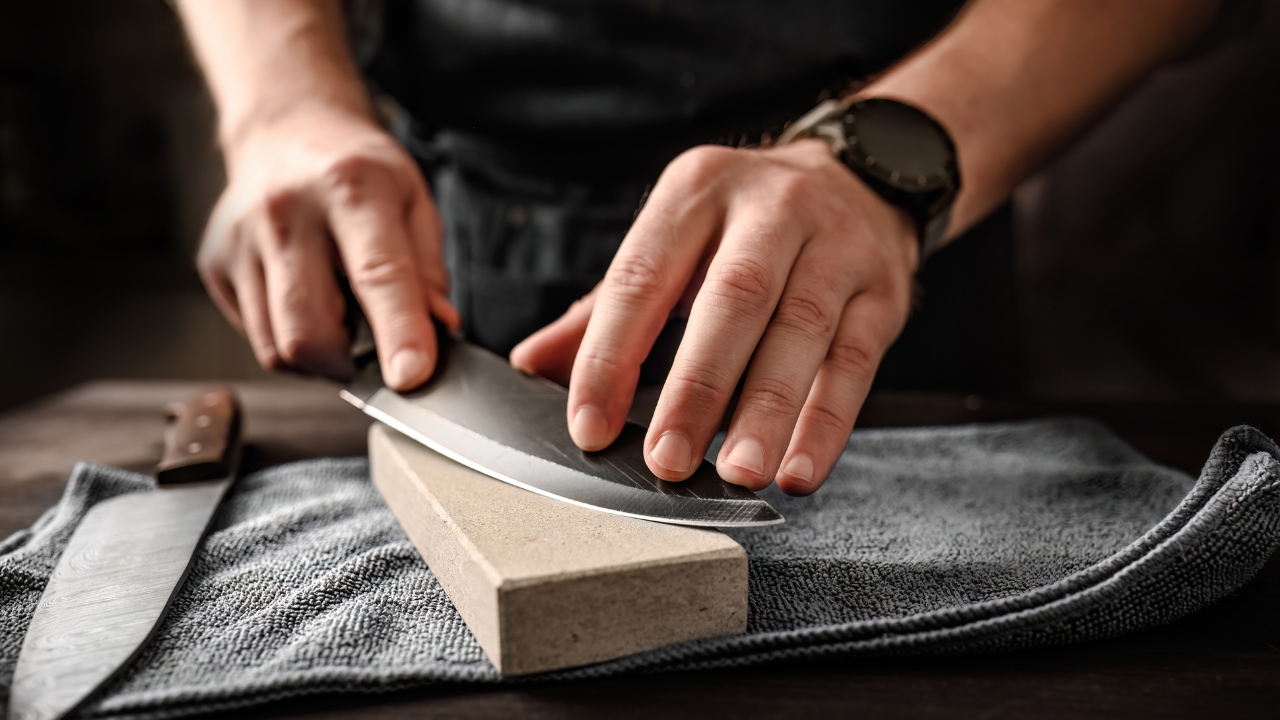
A dull knife is more dangerous than a sharp one. If you can’t keep an edge on your tools, they’re not going to serve you well. A good sharpening stone and some practice go a long way.
Learn the right angle, use light pressure, and take your time. You don’t need a bunch of fancy gear—just a solid stone and a little patience. Keeping your blades sharp saves time, effort, and a lot of frustration in the long run.
Identifying Edible Wild Plants
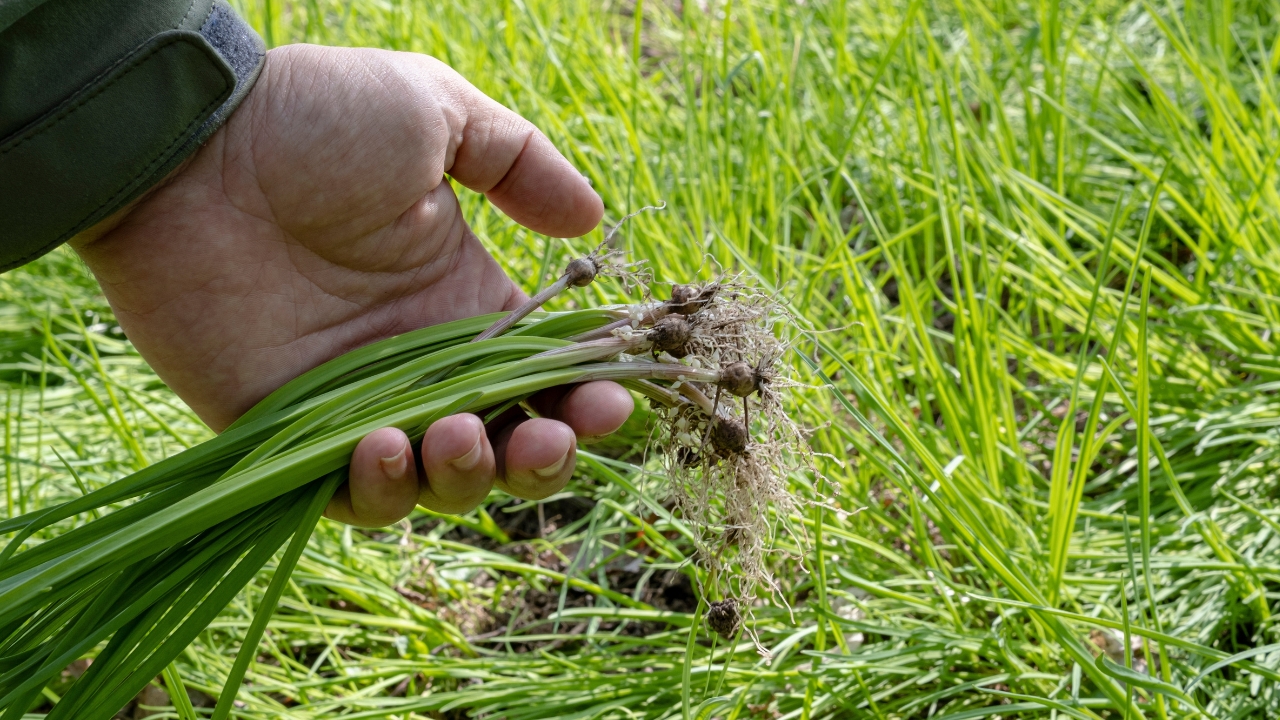
The grocery store’s not always going to be there, and knowing what grows around you can be a huge help. Wild onions, dandelions, plantain, and berries are just a few worth recognizing. But you’ve got to be 100% sure before you eat anything.
Start small—pick one plant and learn it well. Then add another. Keep a guidebook handy and learn what’s safe and what’s not in your area. This one takes time, but it pays off when food’s tight or you’re deep in the woods.
Mending Clothes by Hand
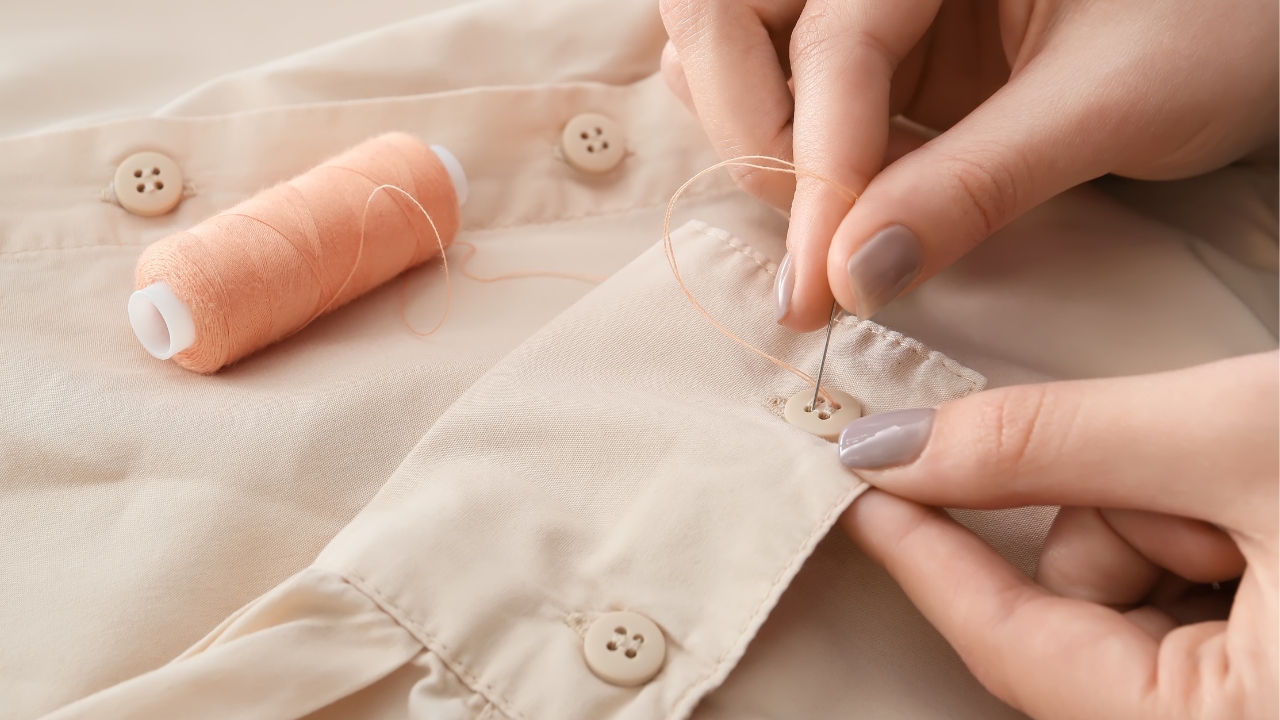
When something rips or a button pops off, most folks just toss it. But knowing how to sew by hand can save you money and keep your gear going longer. You don’t need a machine—just a needle, thread, and the know-how.
Fix a seam, patch a hole, or tighten up a pair of pants. These aren’t hard skills, but they take a little practice. And once you’ve got them down, you’ll wonder why you didn’t learn sooner.
Preserving Food Without a Fridge

Before refrigeration, folks had to get creative. Drying, fermenting, and salting meat or produce is still a smart way to store food without relying on electricity. Knowing how to do it adds a whole layer of security.
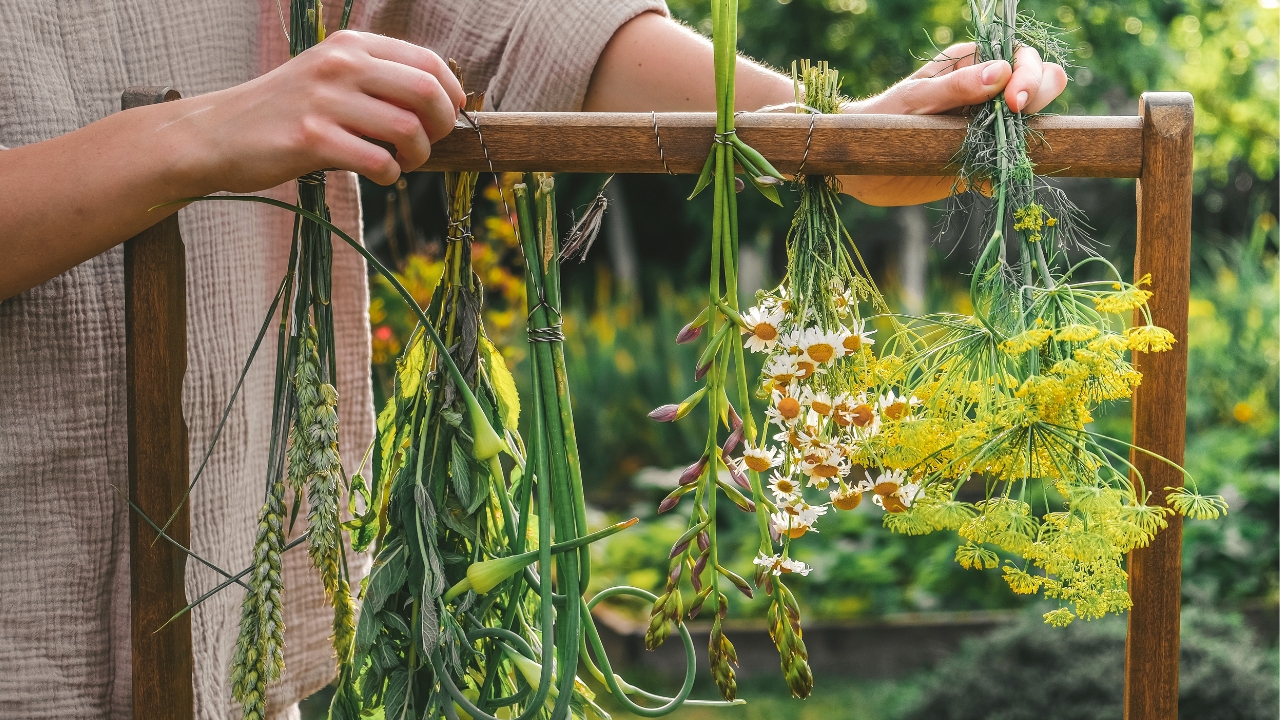
Try drying herbs, making jerky, or storing eggs in lime water. Start with small batches and get the hang of it. These old-school methods still work, and they give you more control over your food supply.
Canning and Water Bath Processing
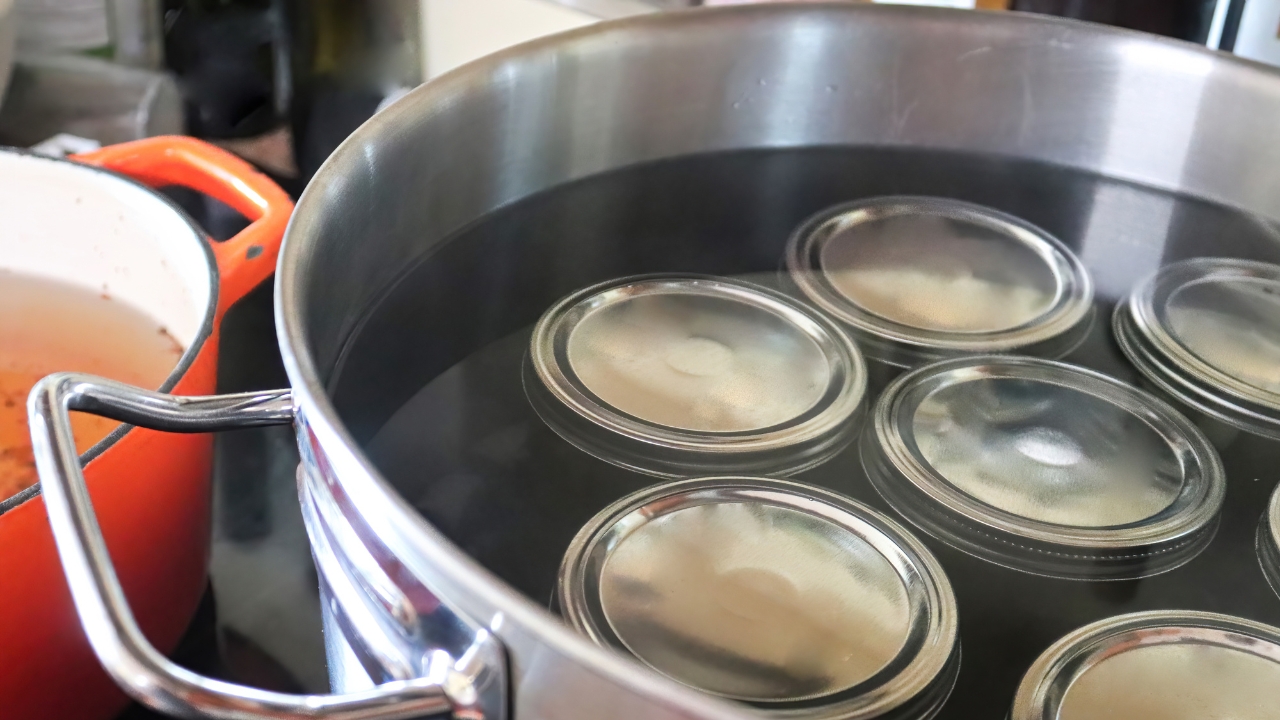
Canning is one of those skills that looks intimidating but really isn’t. Once you learn the steps, it becomes second nature. Water bath canning works great for high-acid foods like pickles, salsa, and jam.
Keep your jars clean, follow the right times, and store them in a cool place. You’ll end up with shelves full of food you don’t have to babysit in the fridge. It’s a great way to stretch your harvest and feel a little more in control of your pantry.
Making Homemade Cleaning Products

You don’t need store-bought sprays filled with stuff you can’t pronounce. With vinegar, baking soda, and a few essential oils, you can handle most cleaning jobs just fine. It’s cheaper, safer, and you’re not tied to what’s on the shelf at the store.
Mix up a spray bottle for counters, use baking soda for scrubbing, and keep your space clean without the extras. It’s simple stuff, but it works—and you’ll never run out if you stock the basics.
Basic Carpentry Repairs
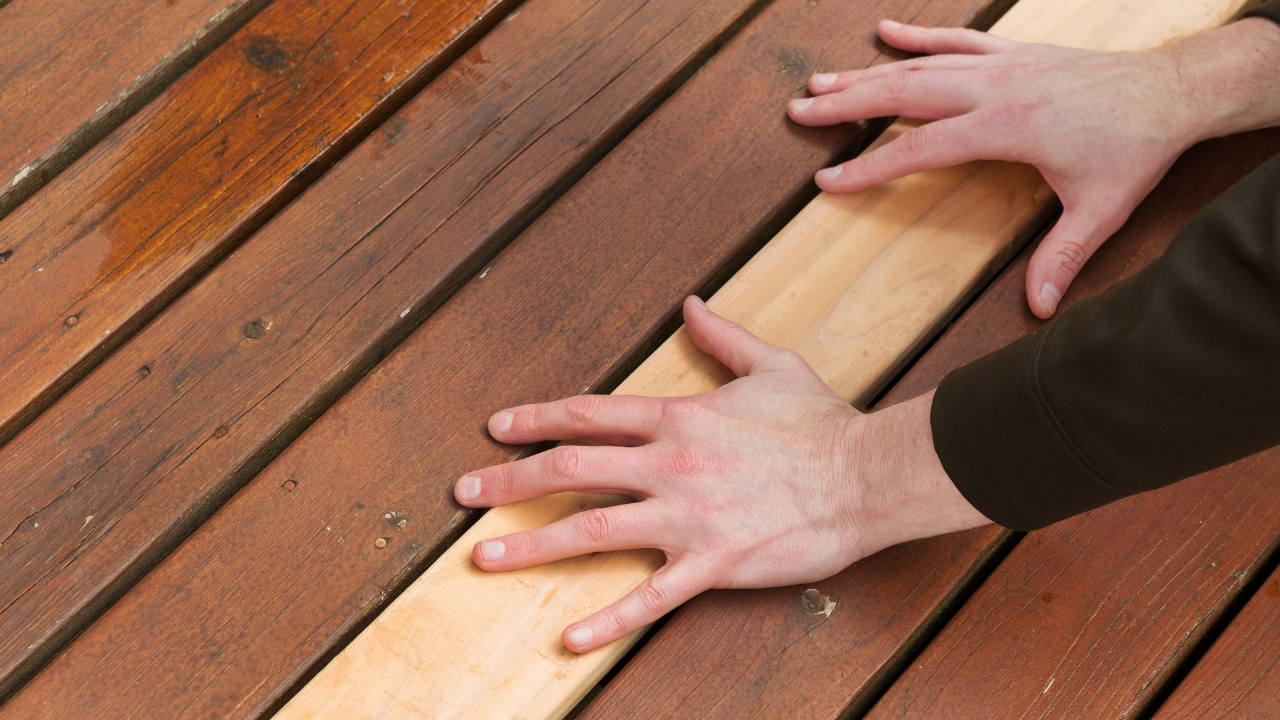
You don’t have to build a barn from scratch, but knowing how to fix a broken hinge, replace a board, or patch a hole in the wall makes life a lot easier. These little jobs come up more often than you’d think.
Learn how to swing a hammer properly, use a level, and drill a straight screw. Start small—repairing something that breaks instead of replacing it saves money and gives you some serious peace of mind.
Tying Useful Knots

Toss out the shoelace knot and learn a few that actually hold. The bowline, square knot, and trucker’s hitch can handle most of what you’ll need around the homestead. Whether you’re hauling gear or hanging a tarp, a solid knot makes all the difference.
Practice them until you can tie them without thinking. It doesn’t take long, and you’ll be surprised how often you use them—especially once you’re dealing with rope, wire, or fencing.
Reading the Weather Without a Phone
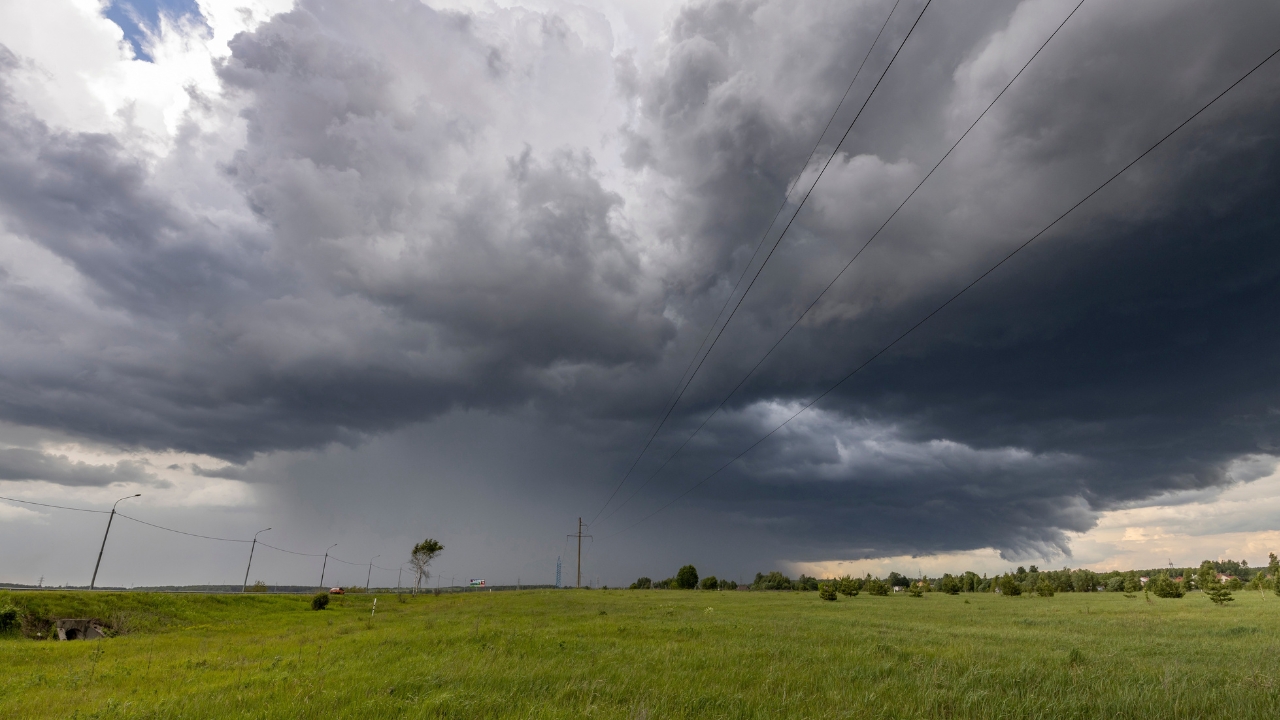
When the internet’s down or you’re too far off-grid, being able to read the sky matters. Watch the wind, check the clouds, and pay attention to how animals act. It’s not perfect, but it gives you a heads-up before the rain hits.
Low, dark clouds usually mean trouble’s coming. Sudden shifts in wind or temperature tell you a front’s moving in. The more time you spend outside, the better you get at picking up on the signs.
Like Fix It Homestead’s content? Be sure to follow us.