10 Machines People Forget to Winterize
Photo credit: Wojciech Boruch/Shutterstock.com
The first cold snap has a way of finding every weak spot you ignored all summer. Water freezes, fuel turns stale, batteries go flat, and seals dry out right when you need the machine most. A lot of winter prep takes ten minutes, but the repair bill can follow you into spring.
1. Pressure Washer With Water Trapped Inside
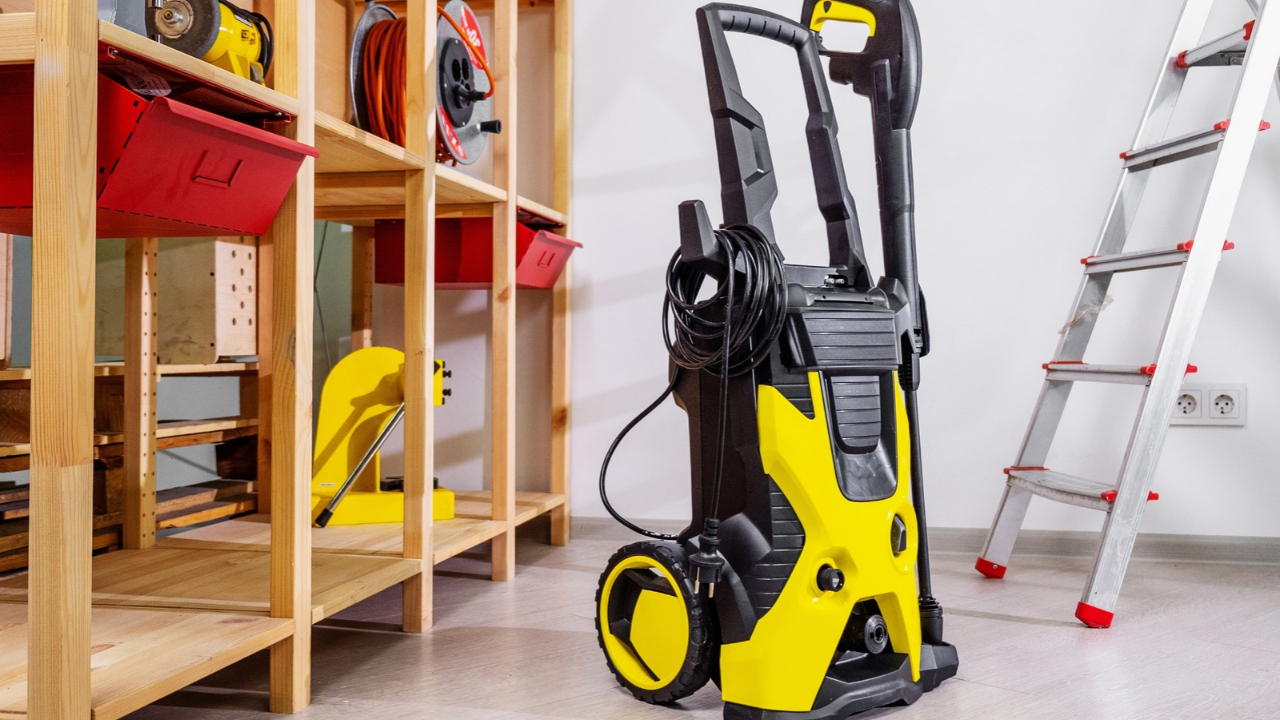
You roll it into the shed “mostly drained” and forget it. Then the pump housing cracks, the unloader valve sticks, or the hose splits along a fitting after one hard freeze. You usually notice the first warm day you try to wash something and it won’t build pressure, or it dribbles water from the case.
Run it dry the right way, not until it screams. Shut off the water supply, squeeze the trigger to bleed pressure, then pull the cord or bump the switch for a few seconds to push out residual water, and stop. If you want the safest route, pump RV antifreeze through the inlet with a short hose until it comes out the wand, then store the unit upright where rodents can’t chew the lines.
2. Gas Generator Left With Old Fuel
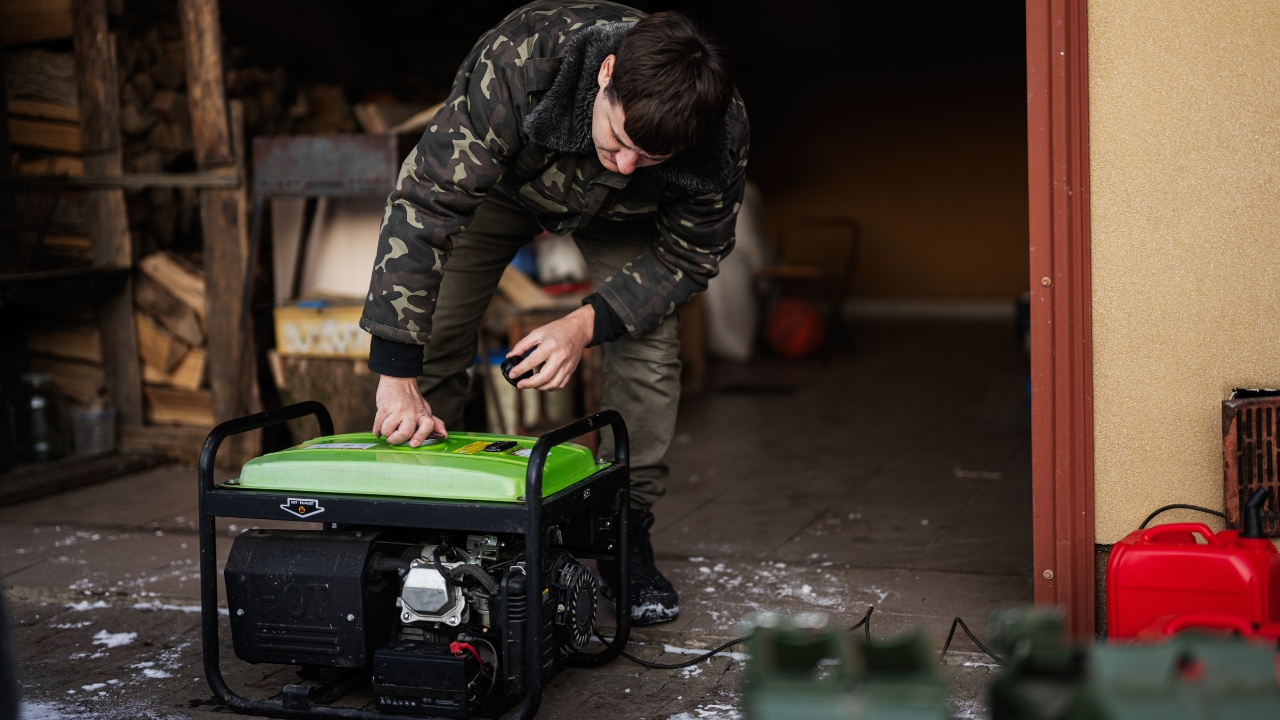
Nothing tests a generator like an ice storm, and that’s exactly when a varnished carb refuses to cooperate. The engine will surge, hunt, or only run on choke, then die when you plug anything in. Carb cleanings are messy, and small parts love to disappear in the gravel.
For storage, pick one plan and actually finish it. Either run it dry by shutting the fuel valve and letting it stall, or fill the tank with fresh fuel plus stabilizer and run it long enough to pull treated fuel into the carb. Change the oil if it’s been a long season, pull the battery tender leads on if it has electric start, and store it where snow melt won’t soak the outlets.
3. Air Compressor Tank Never Drained
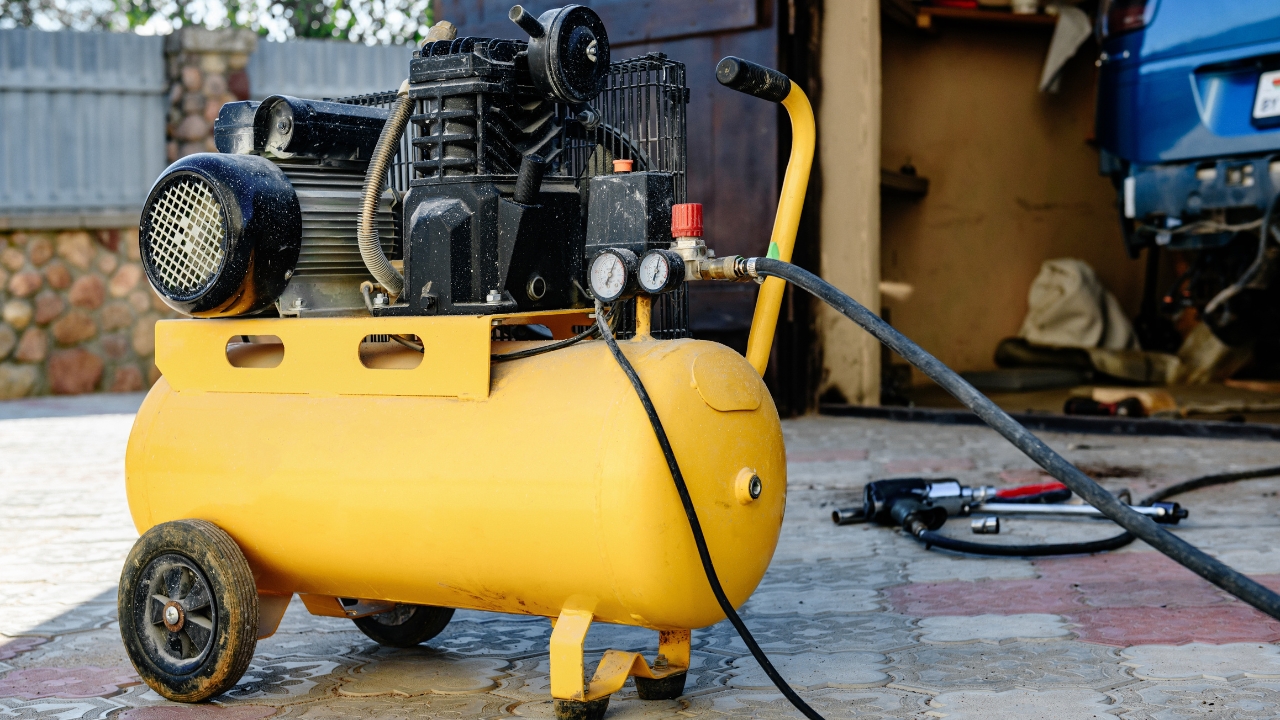
All summer it sits, quietly collecting water. Come winter, that water freezes in the low point of the tank, the drain petcock snaps off, or you get a scary spit of rusty sludge when you finally open it. Moist air also wrecks nailers and spray guns, so you pay twice.
Crack the drain at the bottom and let it blow out until it’s dry. Do it with the tank partly pressurized so it carries moisture out, and wear eye protection because the spray is nasty. If the drain valve is hard to reach, replace it with a short nipple and a ball valve so you’ll actually use it.
4. RV Or Camper Water System Skipped
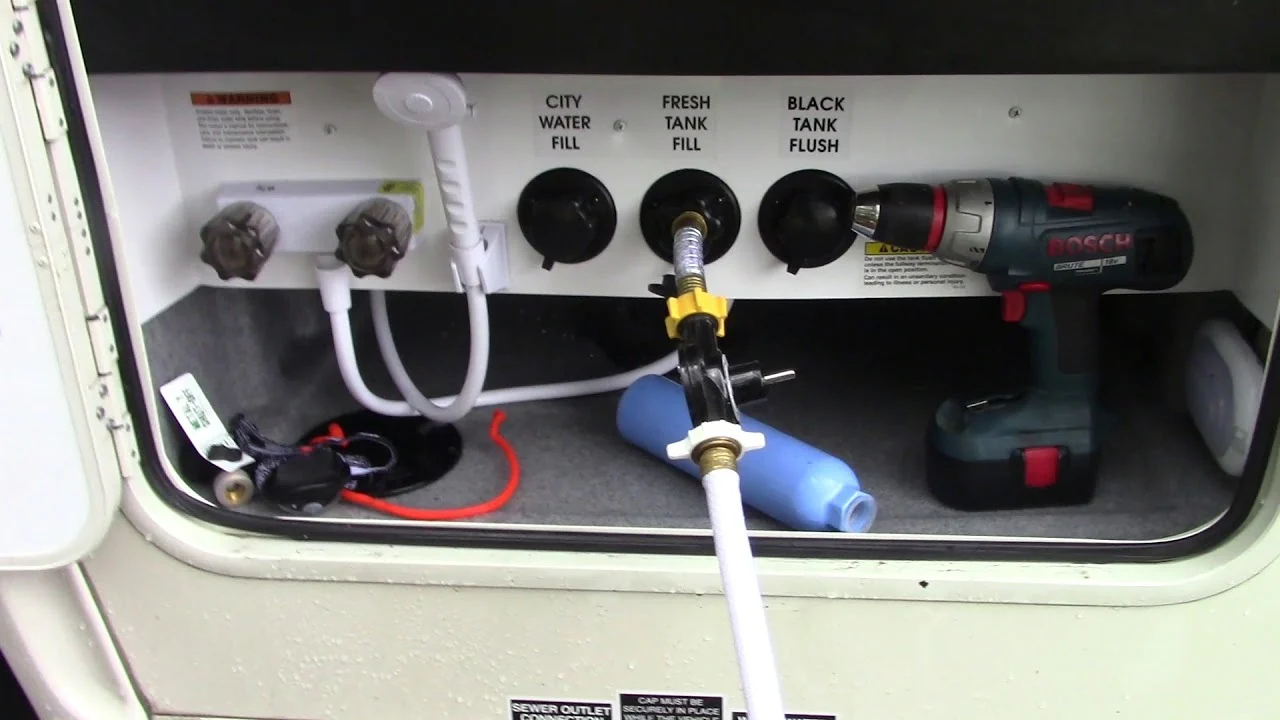
People winterize the trailer, but forget the outside shower, low point drains, or the toilet valve. One frozen elbow behind a cabinet can turn into a springtime mystery leak that rots a floor before you notice. The worst part is it looks “fine” until you pressurize it again.
Do the whole system, not just the obvious lines. Drain the fresh tank and water heater, bypass the heater, then either blow the lines out with regulated air or pump RV antifreeze through every faucet, shower, toilet, and sprayer until it runs pink. If you’re not sure which valves do what, find the manual and label them with a paint pen so you don’t guess next year.
5. Lawn Sprinkler Backflow Preventer Left Wet
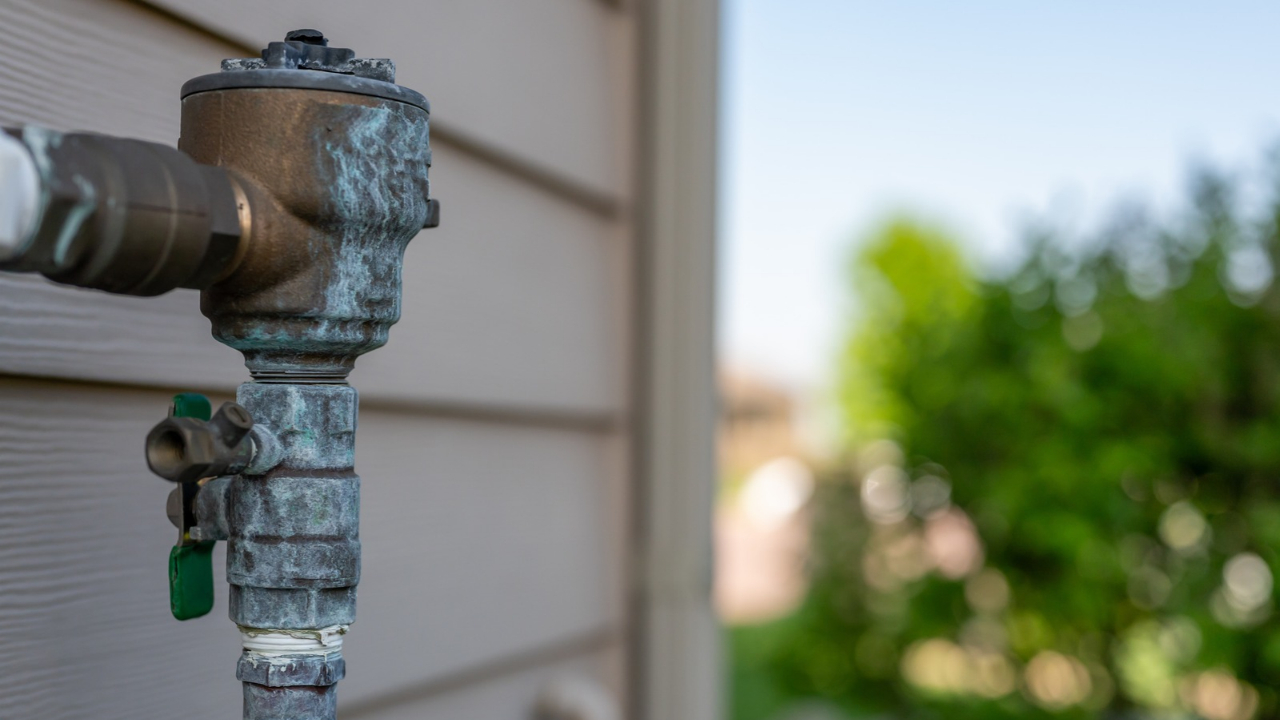
This one is easy to miss because it looks like plumbing, not a “machine.” A cracked backflow unit is expensive, and it can make your whole irrigation system illegal to use until it’s fixed, depending on local code. When it fails, you’ll see water pouring out of the body the first time you turn the zone on.
Winterizing irrigation usually means blowing out the lines with compressed air, and the backflow has to be handled correctly too. Many areas require a licensed pro to do the blowout and service the device, and for good reason since it’s tied to your potable water. At minimum, shut off the supply, open test cocks to drain, and don’t wrap it in towels that trap moisture and freeze harder.
6. Sump Pump Discharge Line Freezing Solid
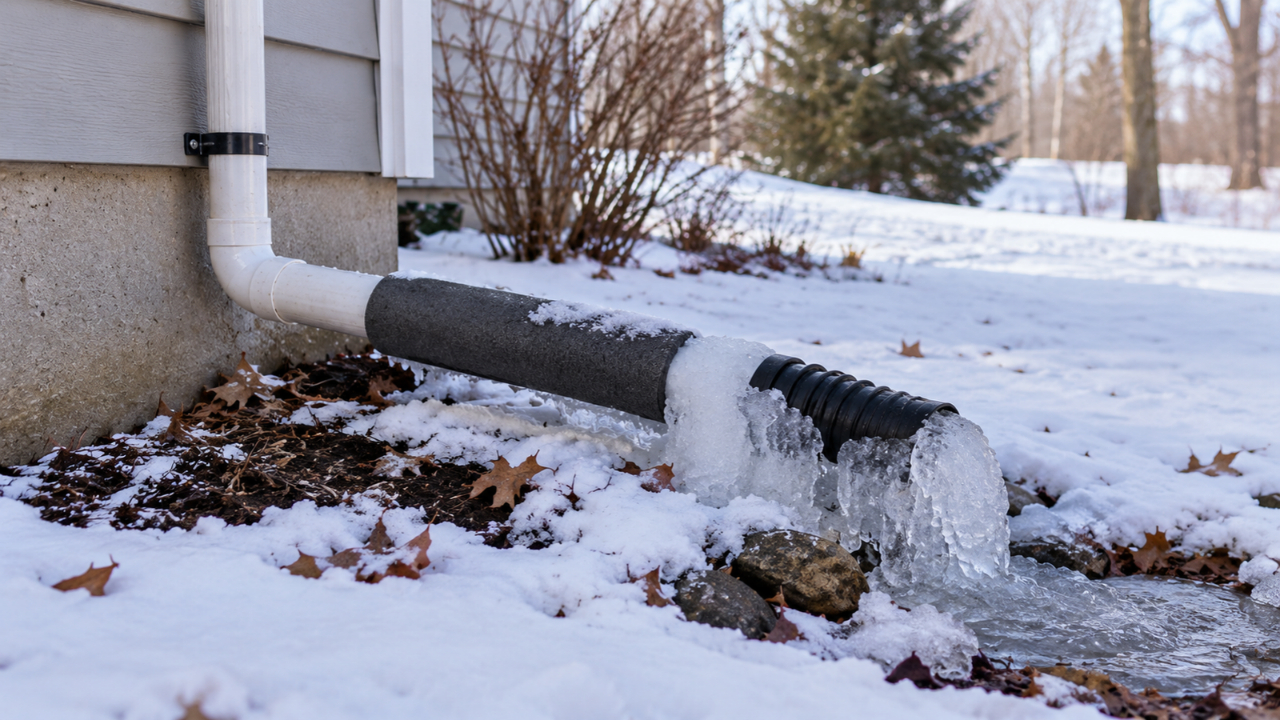
Basements flood in winter all the time, even without rain. A discharge line that runs through an unheated crawlspace or exits too close to the foundation can freeze, and the pump will thump and hum against a dead head until it burns up. Sometimes you hear it cycling every minute, sometimes it just stops and you find water at the floor drain.
Check the whole run before the ground locks up. The discharge should slope down and away, and the outlet needs to stay clear of snow piles and ice dams. If your setup is questionable, a plumber can reroute it, and that beats replacing a pump and drying out a finished basement.
7. Battery Equipment Stored With Dead Batteries

Snowblowers get attention, but the cordless tools and yard gear get tossed on a shelf. Lithium batteries hate sitting fully dead, and a hard freeze in an unheated shed can push a weak pack over the edge. In spring you go to use a trimmer and the charger just blinks at you.
Bring packs inside where it stays above freezing, and store them around half to three quarters charge. Wipe off grime from contacts and don’t leave them on a charger for months unless the charger is designed for storage mode. The cheap exception is older nickel packs on bargain tools, they’re often not worth babying, but keep them indoors anyway.
8. Riding Mower Hydrostatic Transaxle Ignored
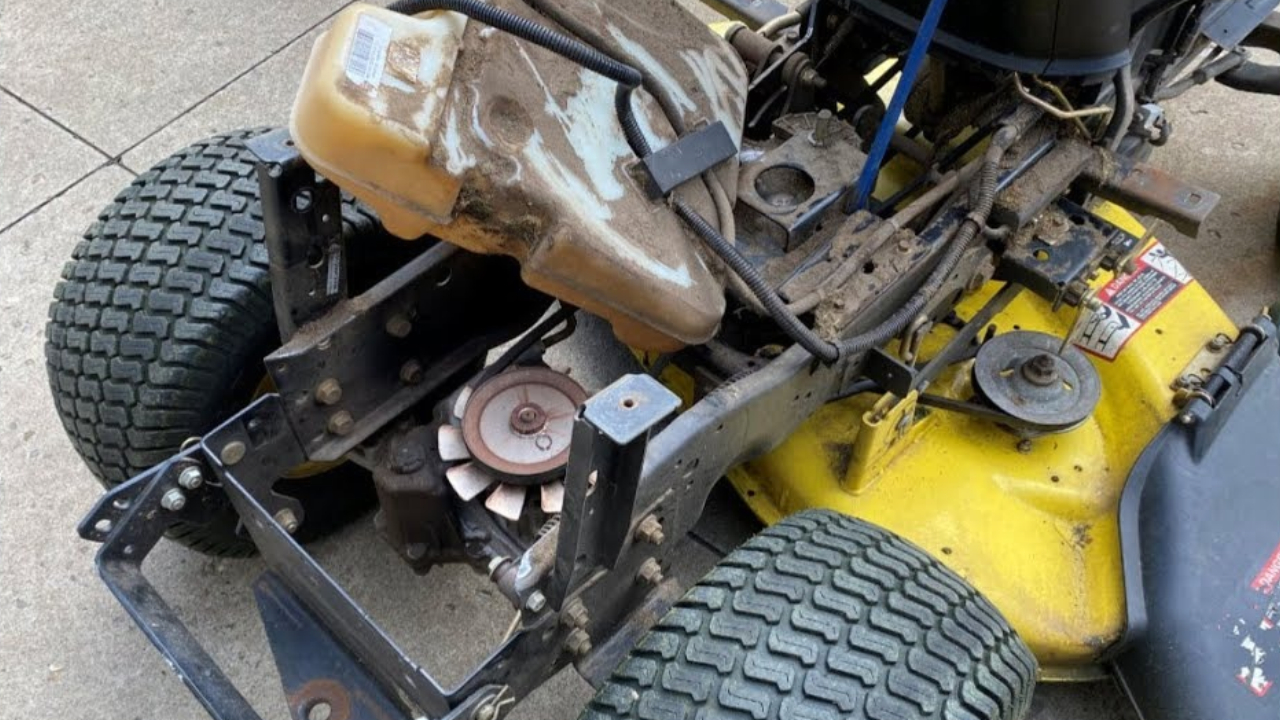
A lot of riders “just work” until one cold start where the drive feels weak and jerky. Thick old fluid, air in the system, and worn belts show up fast when temperatures drop. If you store it outside under a tarp, condensation also gets into places it shouldn’t.
Before parking it for the season, clean the deck and underside so wet clippings don’t hold salt and moisture against metal. Check the drive belt, grease fittings if your model has them, and follow the manual on transaxle service intervals. If it’s due for a fluid change and you’re not comfortable pulling wheels and working under the machine safely on stands, pay a small engine shop to do it.
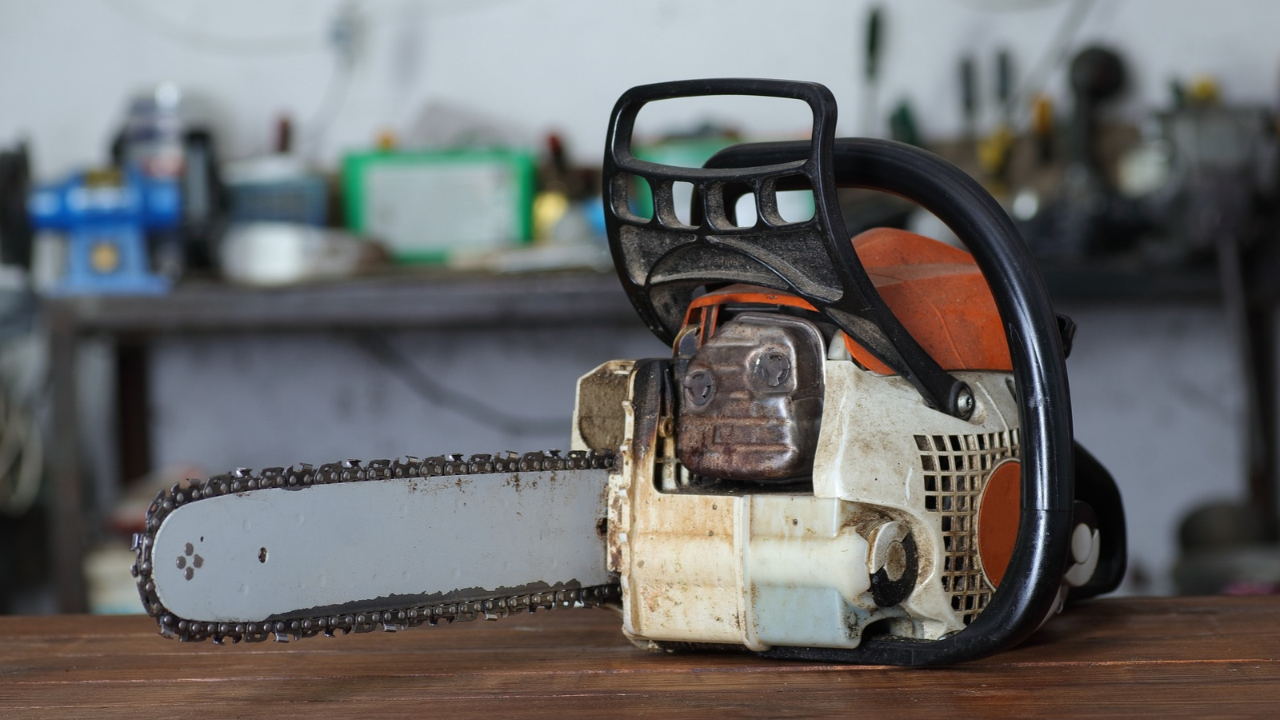
9. Chainsaw Put Away With Dirty Oil System
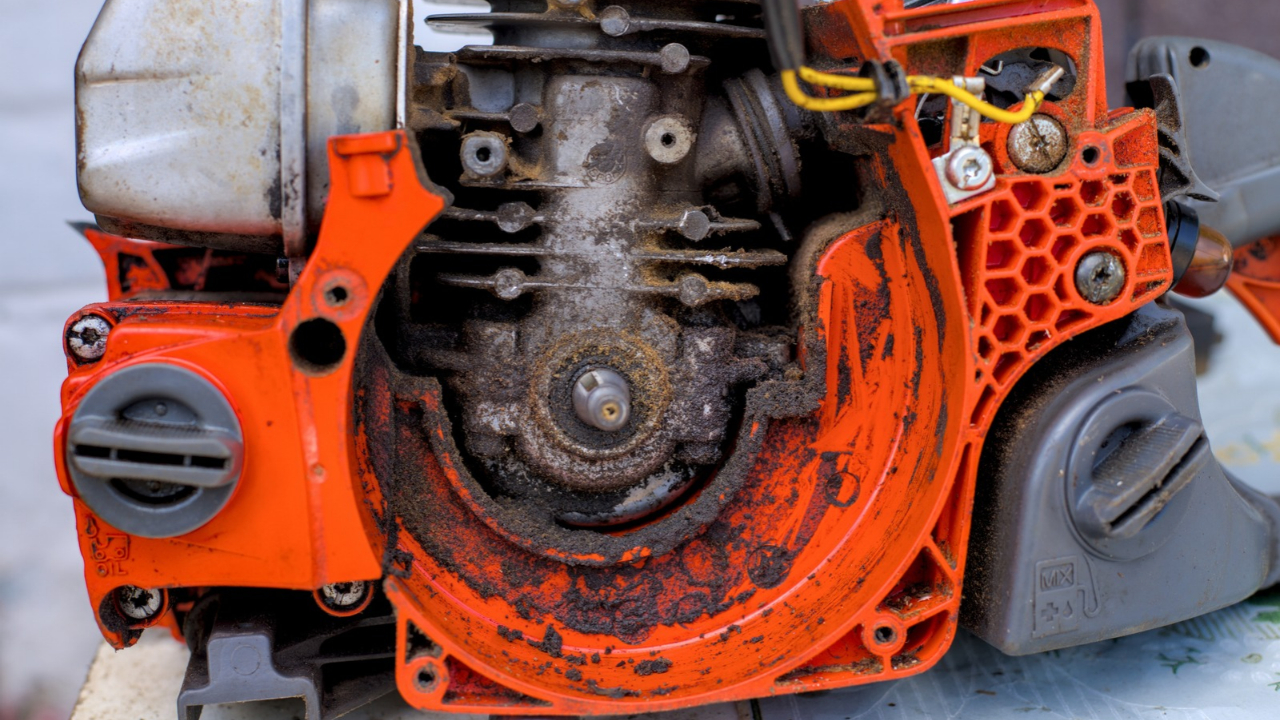
The saw gets used for storm cleanup, then it goes back to the corner. Bar oil thickens in cold weather, oil holes clog with sawdust, and a dry bar will howl and smoke the next time you cut. If the chain is left tight, temperature swings can also stress the bar and crank bearings.
Clean the clutch cover, bar groove, and oil port, then loosen the chain for storage. Top off bar oil with a winter grade if you cut in freezing temps, and don’t store it with a full tank of ethanol gas unless you know it’ll be used soon. If it’s going to sit, drain or run it dry and start it once in a while only if you’re actually going to let it warm up, short runs just build moisture.
10. Outdoor Water Filters And Softener Lines
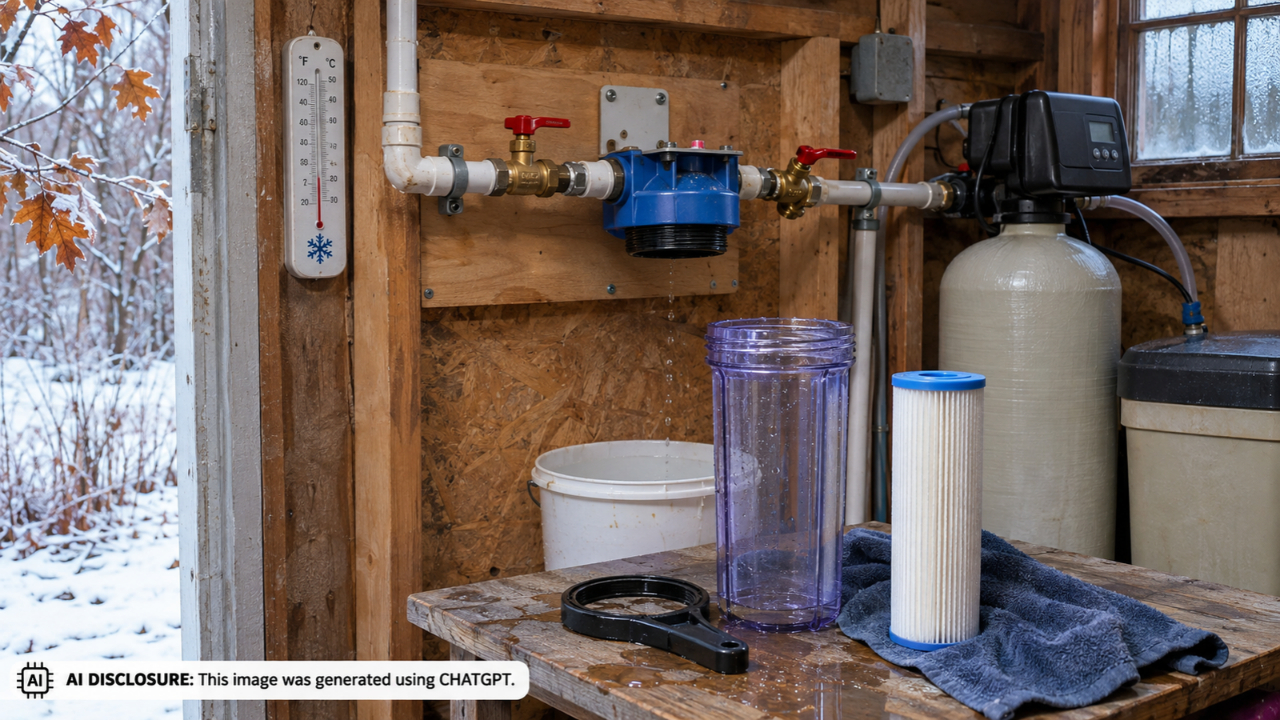
Whole-house filters in a pit, a yard hydrant filter, or a softener line in an unheated outbuilding will split quietly. You find out when you pressurize in spring and the housing sprays like a sprinkler. Even a small crack can dump a lot of water fast.
Anything with a canister, bowl, or small orifice needs to be drained or moved into heated space. Shut off supply, relieve pressure, remove cartridges, and let housings dry so they don’t freeze with water trapped in threads. If the setup is tied into a well system or pressure tank and you’re not confident in the shutoffs, call a well pro before you start spinning fittings.
Pick a weekend before the first hard freeze, not the night the forecast turns ugly. A label maker, a jug of RV antifreeze, and ten minutes per machine beats chasing cracked parts in March when everyone else is doing the same repairs.
Like Fix It Homestead’s content? Be sure to follow us.