10 Reasons People Give Up on a Fireplace and Buy an Insert
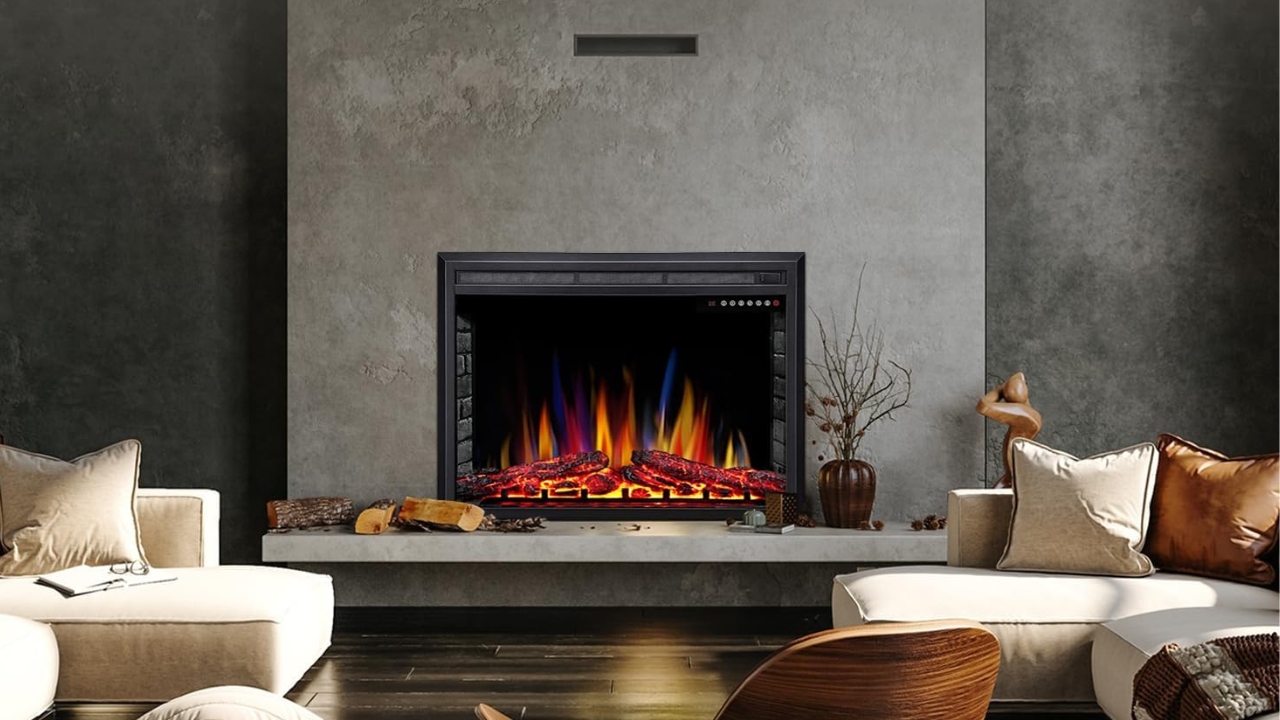
Photo credit: Electactic/Amazon.com
A real open fireplace looks great, and it feels like home. Then you try to heat a room with it, keep the smoke out of the house, and feed it wood all winter. For a lot of people, the romance burns off fast, and an insert starts to look like the practical way to keep fire without the fight.
1. Watching Heat Fly Up The Flue
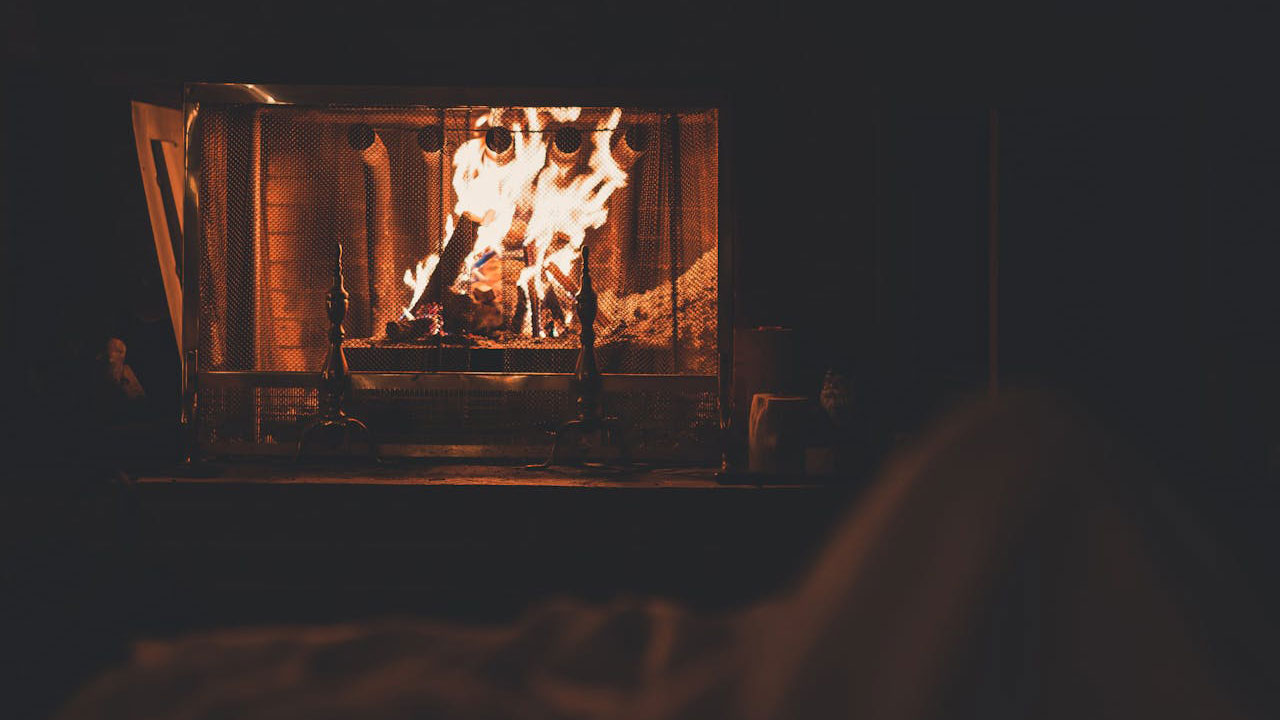
You can feel it on a cold night, your face is warm and your back is chilly. An open fireplace pulls room air up the chimney and replaces it with cold outside air sneaking in around doors and windows. The fire is using air you already paid to heat.
An insert changes the math because it’s a controlled box with a blower or built-in convection path. You still need seasoned wood, but far more of that heat ends up in the room. If you stick with an open fireplace, at least run a tight-fitting damper, use a top-sealing damper, and close it when the fire is out and the ashes are cold.
2. Fighting Smoke Rollout On Windy Days
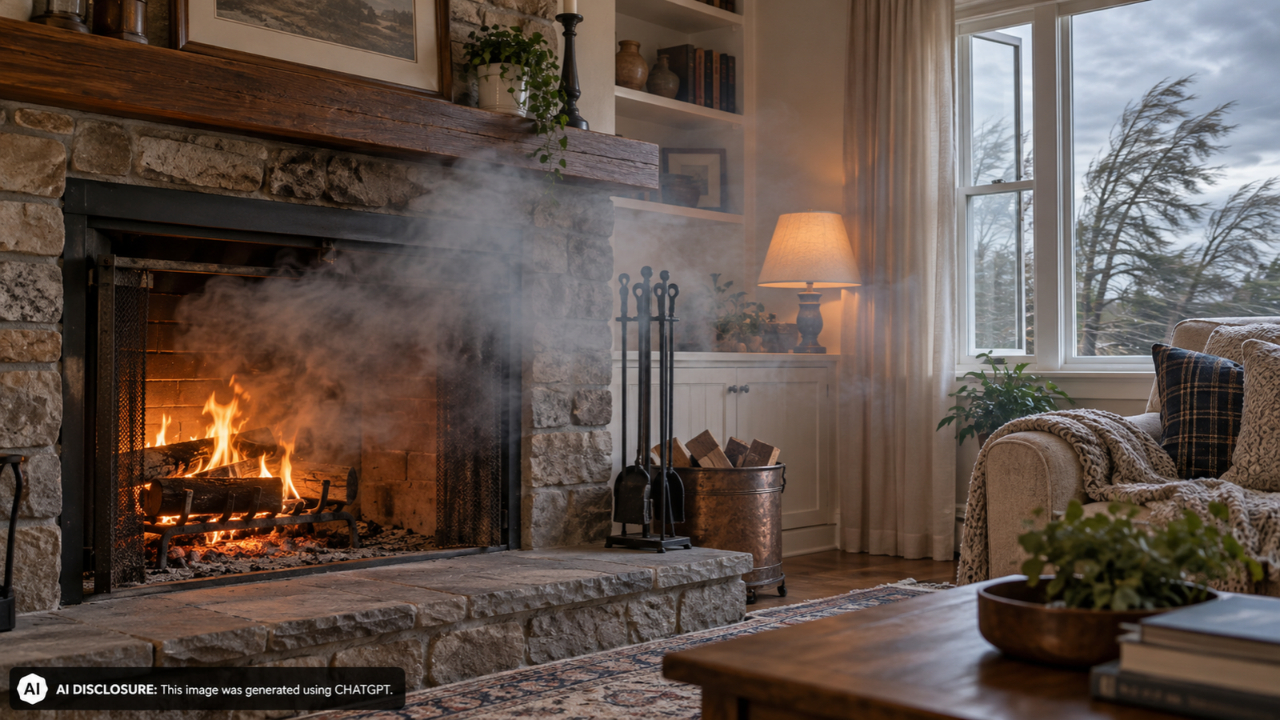
Some days the smoke behaves, other days it drifts into the room every time a gust hits the house. That’s usually a drafting problem, and it can come from a cold flue, a short chimney, wind turbulence, or a house that’s tight enough to starve the fireplace for makeup air. You light a fire and the living room smells like a campfire for two days.
You can try the basics first, preheat the flue with a rolled newspaper torch, crack a nearby window for a minute, and make sure the damper is actually fully open. If the smoke problem keeps coming back, an insert with a proper liner gives the fire a predictable path up and out. Chimney height changes and cap changes are often a pro job, and local code matters.
3. Paying For Chimney Sweeps Too Often
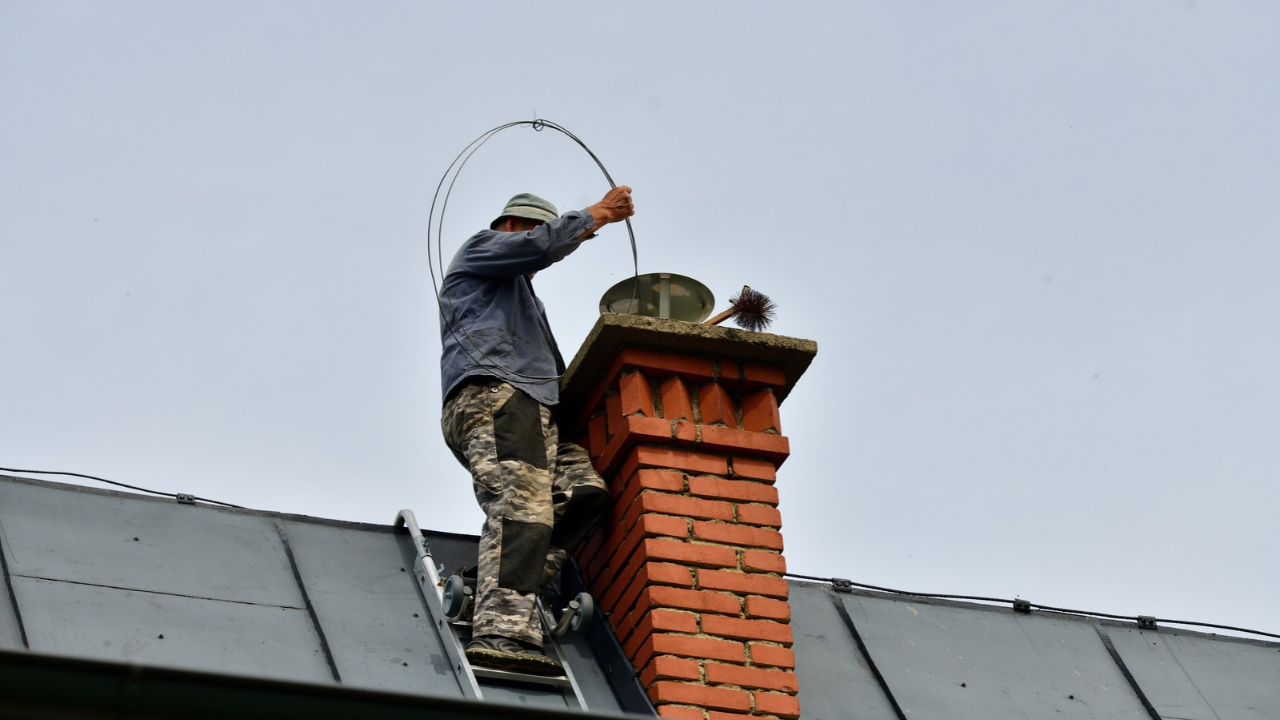
If you burn regularly, the flue needs cleaning. Creosote builds up, birds drop in debris, and a dirty chimney makes drafting worse and raises the risk of a chimney fire. People give up when it feels like they’re scheduling a sweep every season just to keep using the fireplace.
Inserts still need sweeping, but the system is often a stainless liner that’s smoother and easier to brush. You also tend to burn hotter and cleaner when the fire is controlled, which helps. No matter what you install, budget for a yearly inspection if you burn a lot, and stop burning if you see shiny, tar-like glaze in the flue until it’s handled.
4. Dealing With Messy Ash And Soot
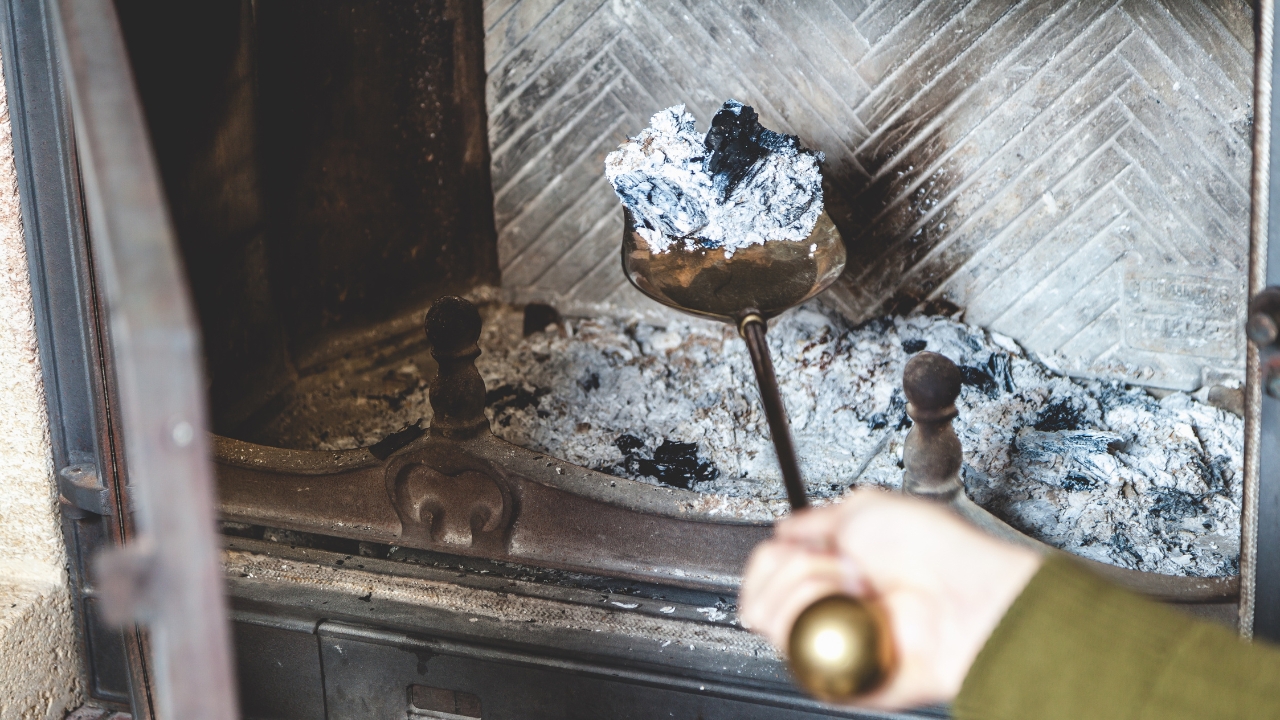
An open hearth spreads dirt. Ash dust ends up on the rug, soot wipes onto paint, and you find little black flecks on the mantle months later. Cleaning it wrong makes it worse, especially if you vacuum warm ash and blow fine dust through the whole house.
An insert keeps most of the ash behind a door, and many have an ash pan that slides out. If you stick with the open fireplace, use a metal ash bucket with a lid and a real ash vacuum rated for ash, not a shop vac. Let ash sit for a couple days, embers hide in there longer than you think.
5. Getting Tired Of Hauling Wood Daily
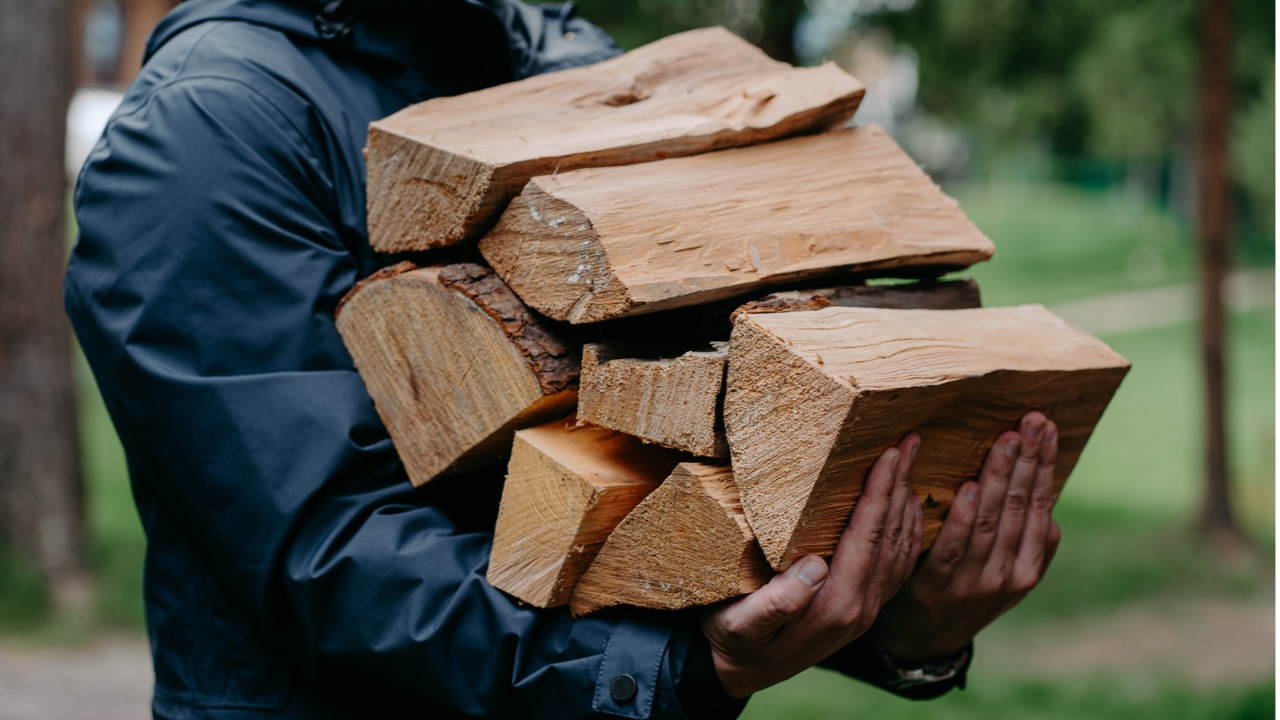
Fireplaces eat wood fast, and they want it constantly. You end up making three trips to the stack just to keep flames going through a movie, then you wake up to a cold house anyway. After a few weekends of hauling armloads through snow or mud, people decide the “cozy” part isn’t worth it.
Many inserts burn longer because they control air and pack more heat into the room. You still have work to do, but you reload less often, and you stop treating your living room like a wood staging area. If you’re buying an insert, plan your wood storage too, keep a covered rack outside and a small one inside, and keep bugs and moldy bark out of the house.
6. Losing The Room To Cold Drafts

In shoulder season you light a small fire, it goes out, and the fireplace turns into a cold air chute. You can sit on the couch and feel a steady stream of chilly air spilling into the room. That draft gets worse in older homes with leaky windows because the chimney is an easy place for air to move.
An insert blocks that open throat and usually seals against the firebox with a surround panel. If an insert isn’t in the budget yet, a tight-fitting glass door set can cut the draft a lot, and it can be a perfectly fine stopgap. Just don’t burn with doors closed unless the door set is rated for it, some are decorative and need to stay open during a fire.
7. Worrying About Sparks And Hot Embers
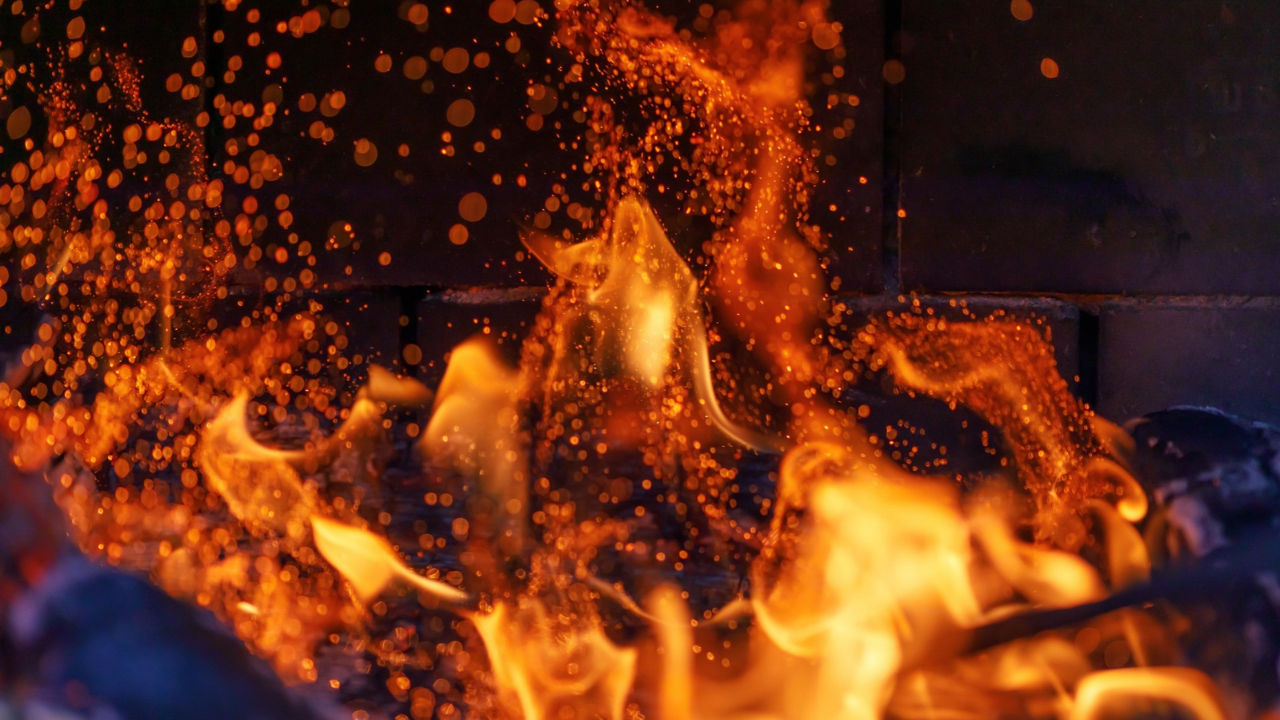
All it takes is one pop. A coal lands on a rug, a dog runs by, or a kid gets curious, and now you’re watching the floor instead of enjoying the fire. Screens help, but they don’t make an open fire feel fully contained.
An insert gives you a latched door and a controlled burn. You still need a noncombustible hearth extension that meets code, and you need to keep combustibles back from the opening, but you’ll relax more. If you’re installing anything new, check clearances for mantels and trim, wood too close to heat gets cooked over time.
8. Discovering The Damper Doesn’t Seal
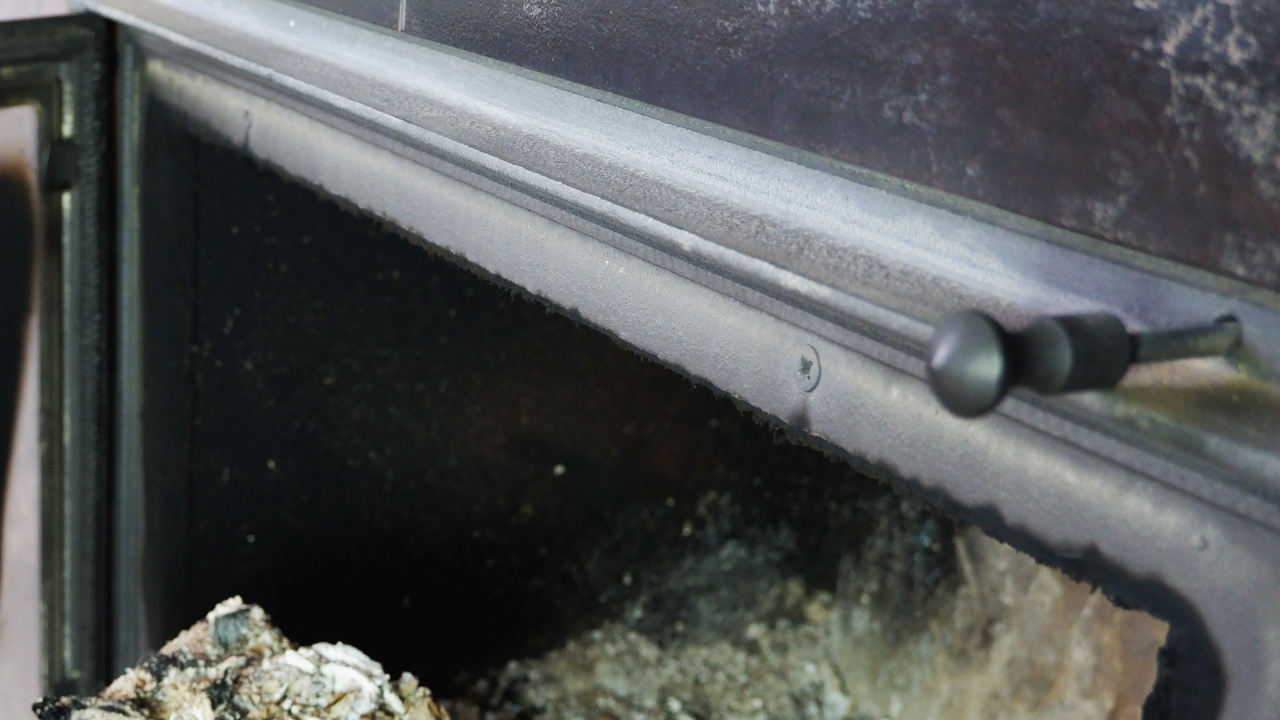
This one sneaks up on you when the weather changes. You close the damper and still feel cold air pouring down, or you hear it whistling on a windy night. Dampers warp, cables break, and old cast-iron plates rarely seal well after decades of heat cycles.
A top-sealing damper at the chimney cap is often the better fix than trying to rebuild the throat damper, but it still won’t turn an open fireplace into a heater. Inserts usually bypass the old damper area entirely with a liner, and the block-off plate around the liner can stop heat loss into the smoke chamber. If you smell strong creosote odor with the damper shut, get the chimney inspected before the next burn.
9. Finding Hidden Firebox Or Flue Damage
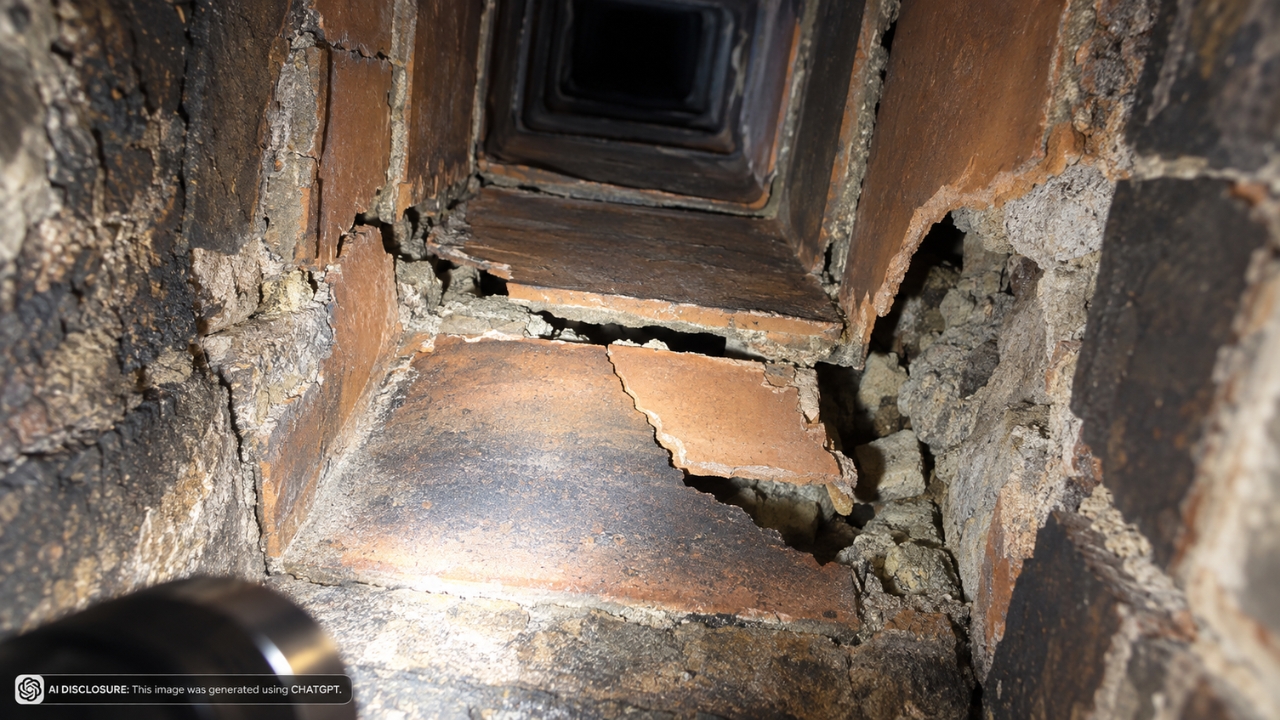
Sometimes the fireplace “works,” until an inspection shows cracked flue tiles, missing mortar joints, or a smoke chamber that’s never been parged right. Water damage is common too, a bad cap or flashing lets rain in and you get spalling brick and rusty damper parts. At that point, using it as-is is not a good idea.
People choose inserts because a properly installed stainless liner can make an older chimney usable again without rebuilding the whole stack. This is where you stop DIY guessing and hire a certified chimney pro, especially if there’s any sign of previous chimney fire, like crunchy black flakes or a puffy, expanded look to creosote. Permits and code clearances apply, and the installer should document the liner size and insulation details.
10. Getting Burned By Slow, Costly Repairs
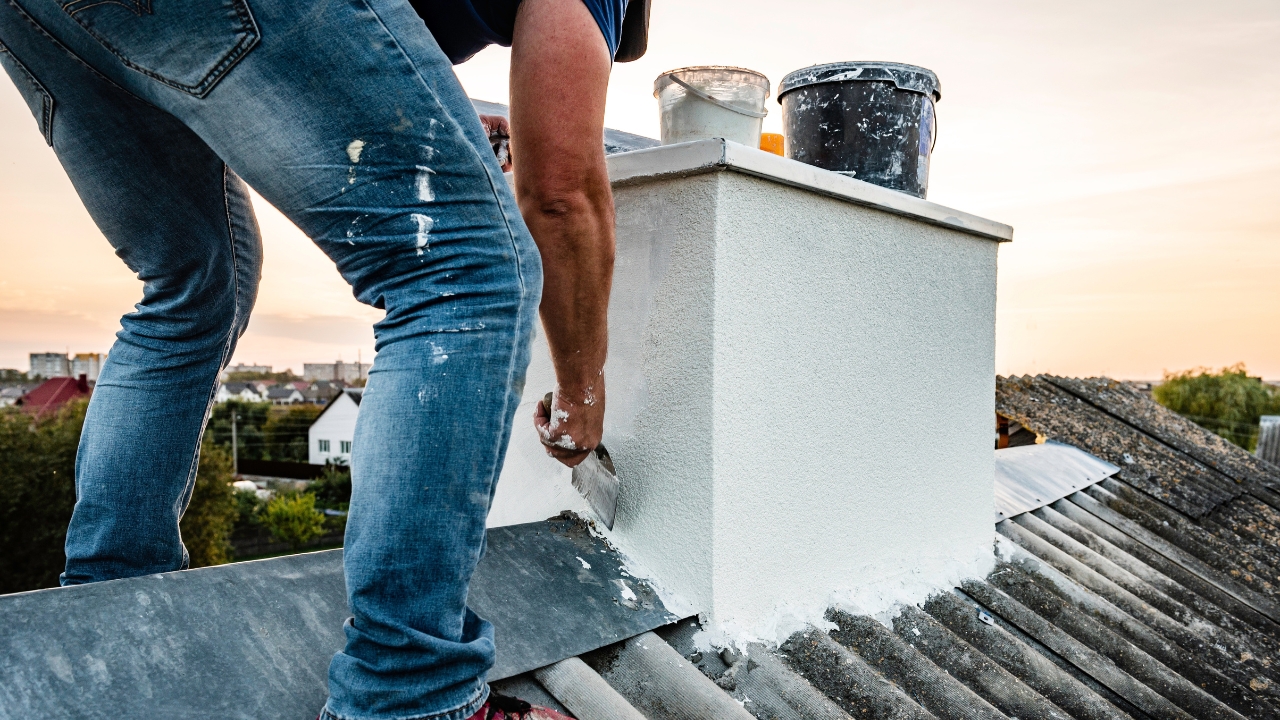
Fireplace fixes tend to pile up. First it’s a cap, then crown repairs, then repointing, then a new damper, then smoke issues that never fully go away. You can spend a lot over a couple seasons and still end up with a fireplace that’s mostly for looks.
An insert is a bigger upfront hit, but it’s a single project with a clear scope: appliance, liner, surround, and setup. If you’re in a “sell the house soon” situation, that clarity matters, buyers and inspectors like systems that can be shown to be installed right. Keep all paperwork, and if you do any hearth or surround changes, match clearances and noncombustible requirements so it doesn’t turn into a negotiation later.
If you love the look of an open hearth, keep it and use it like a campfire, occasional and supervised. If you want dependable heat you can run on a weeknight without babysitting it, an insert is usually the cleaner path. Either way, seasoned wood and a sound chimney are what make the whole setup worth having.
Like Fix It Homestead’s content? Be sure to follow us.