10 Things in Your Yard That Practically Roll Out the Welcome Mat for Raccoons
Photo credit: valleyboi63/Shutterstock.com
Raccoons are smart, stubborn, and way more resourceful than most people expect. Once they’ve found an easy meal or a quiet place to hide, they’ll keep coming back—sometimes with friends. The trick is cutting off what attracts them in the first place.
A lot of common yard and home habits unknowingly invite raccoons in, even if you’ve never had issues before. These are the mistakes you’ll want to avoid if you don’t want raccoons showing up night after night.
Leaving Pet Food Outside

Whether it’s dog kibble, cat food, or chicken feed, raccoons will find it—and fast. They don’t care if it’s meant for someone else. Leaving food out, even overnight, tells them your yard is open for business.
If you feed animals outside, make sure the bowls come in before dark. Seal any feed in metal bins with tight lids. Raccoons will chew through bags and tip over lightweight containers without hesitation.
Forgetting to Secure the Trash
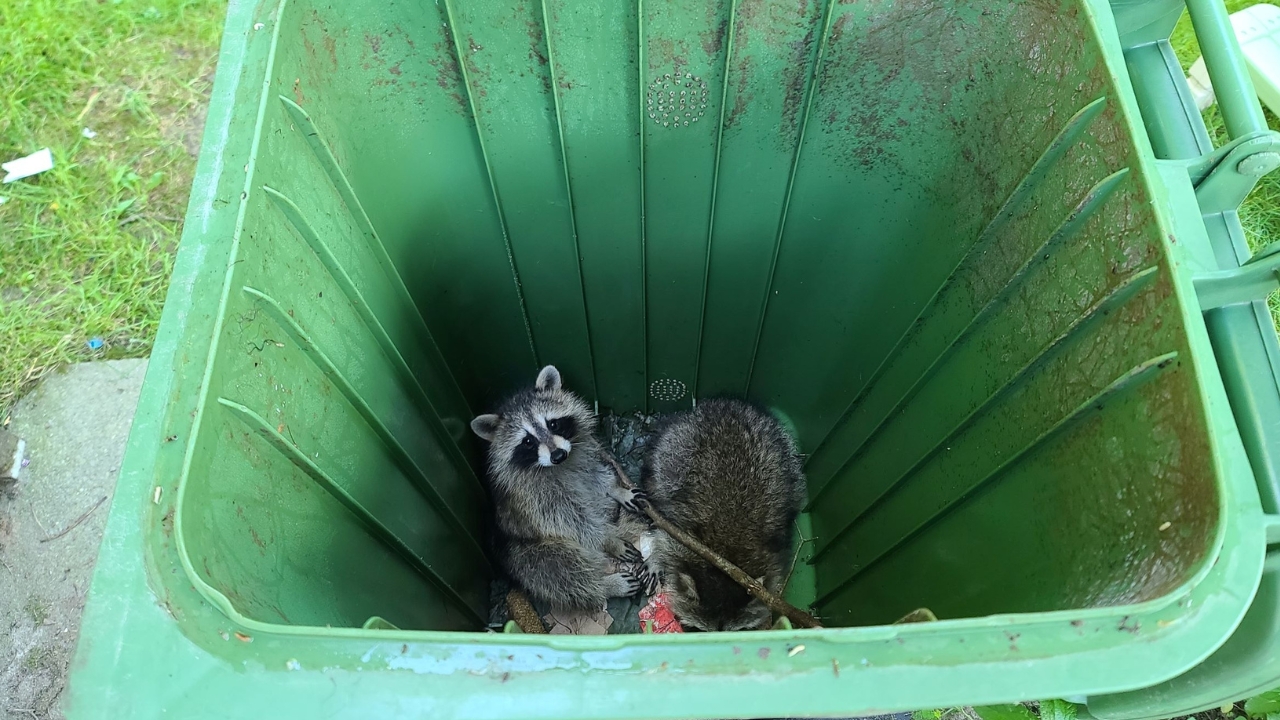
A regular plastic trash can isn’t going to stop a raccoon. They can climb, pry, and even roll bins to get what they want. If they find leftovers once, they’ll keep checking back.
Use bins with locking lids or secure your trash with bungee cords. If possible, keep bins inside a shed or garage until pickup day. Once raccoons mark your trash as a food source, it’s hard to break the habit.
Leaving Bird Feeders Out Overnight

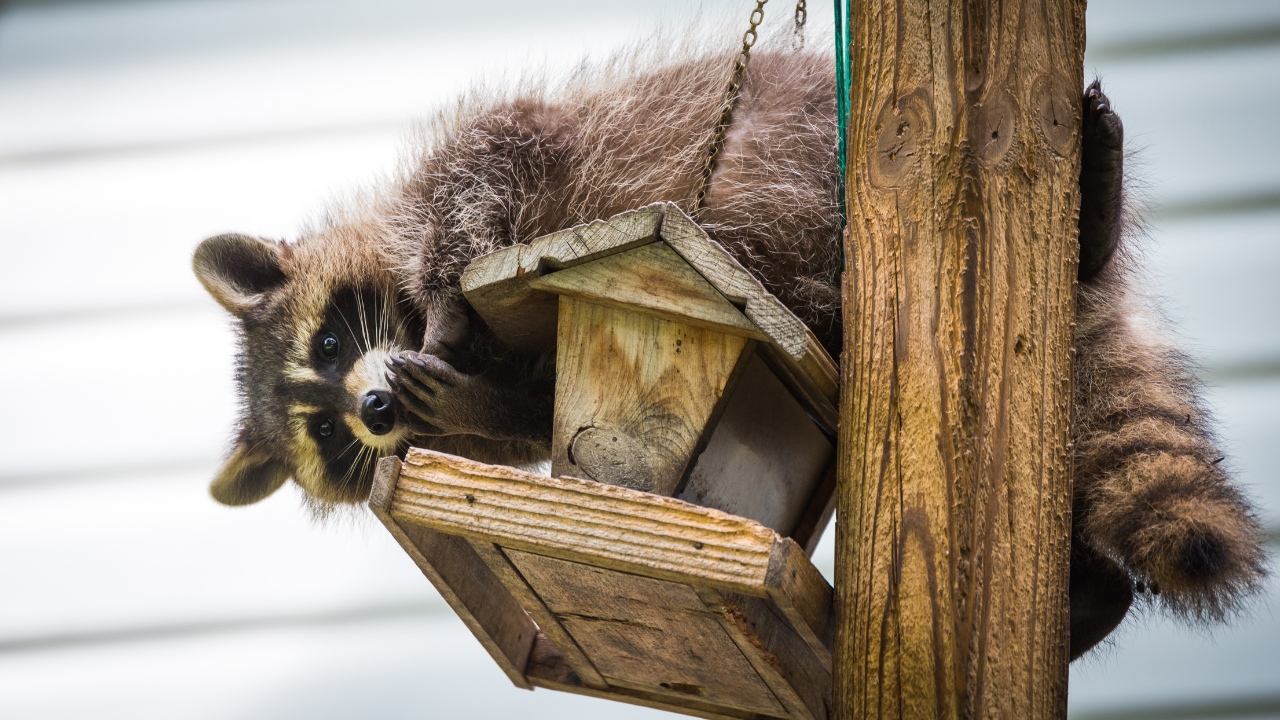
Raccoons love bird seed, and they’ll climb, reach, or knock down feeders to get to it. They usually show up after dark, so you might not catch them in the act—but they’ll clean it out by morning.
Take feeders in at night if raccoons are a problem in your area. You can also install baffles or hang feeders in spots they can’t easily reach. Otherwise, you’re feeding more than the birds.
Ignoring Gaps in Your Crawl Space or Attic

A raccoon doesn’t need a huge opening to break into your attic or crawl space. Loose vents, torn screens, or rotted fascia boards give them access to warm, quiet shelter—exactly what they want.
Walk your property every spring and fall to check for weak spots. Repair any gaps and use hardware cloth for ventilation areas. Once they move in, it’s much harder (and more expensive) to get them out.
Letting Fruit and Vegetables Rot in the Garden

Raccoons will happily raid your garden if it means easy pickings. Overripe tomatoes, dropped fruit, and unsecured compost all act like bait. They’ll even come back night after night to check what’s new.
Pick produce as soon as it’s ready and clean up anything that falls. If you compost, keep food scraps in a sealed bin instead of an open pile. Even small leftovers can draw attention.
Skipping Fence Maintenance

Broken boards, low spots, and gaps under gates are all opportunities for raccoons to sneak in. They’re excellent climbers, but even basic fence repairs can help discourage repeat visits.
Walk the fence line and fix any weak points. You can also bury wire mesh along the bottom if they’re digging through. Keeping your perimeter in good shape adds one more layer of defense.
Leaving Dog Doors Open Overnight
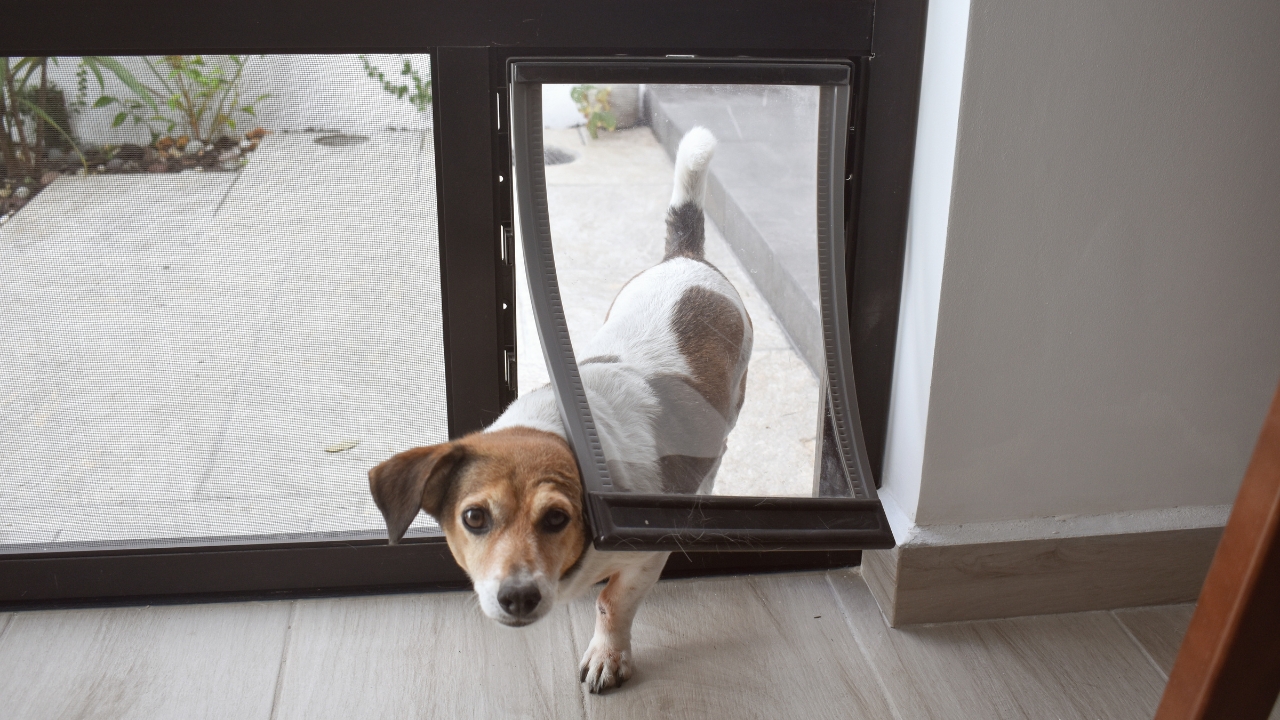
If your pet has a dog door, raccoons can learn to use it. It doesn’t take long for them to figure out that the same opening works both ways—especially if there’s food or shelter inside.
Install a locking flap or close it off before bed. Some raccoons are bold enough to enter while you’re home, and once they’re in the house, things get complicated fast.
Feeding Wildlife Near the House
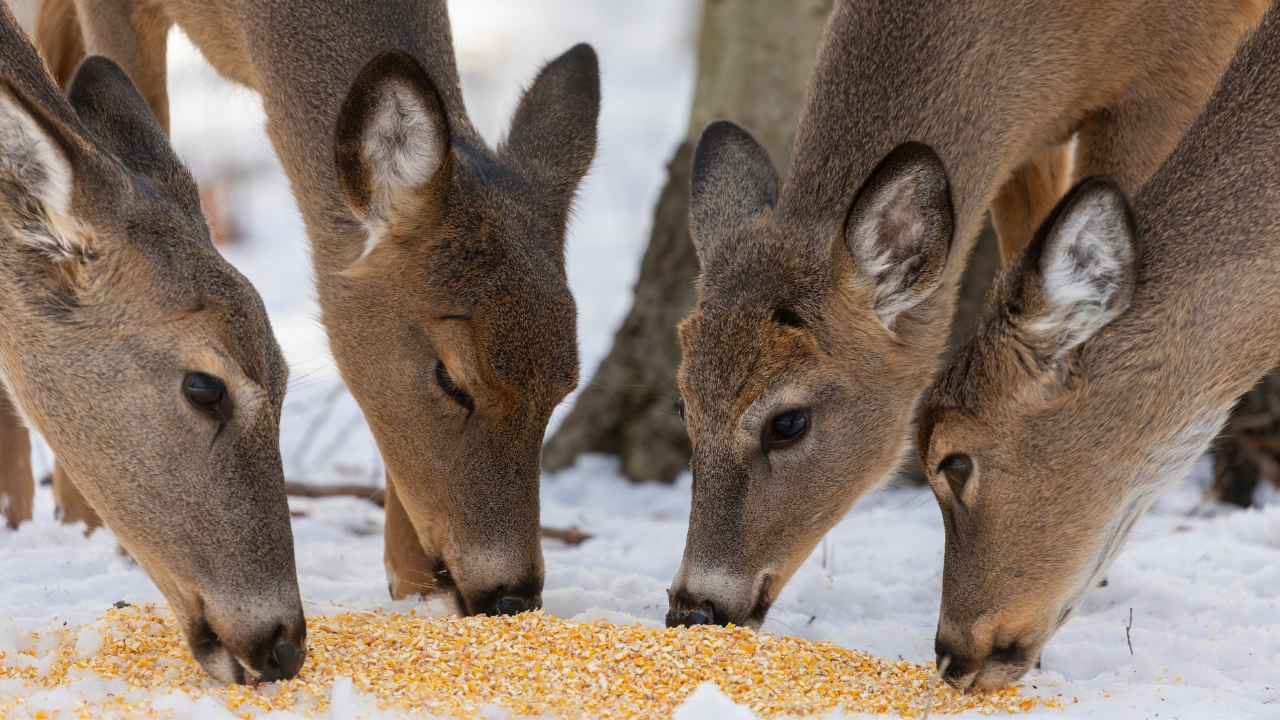
Putting out food for deer, squirrels, or feral cats often ends up feeding raccoons too. Even if they’re not the target, they’ll sniff out the source and show up after dark to finish off what’s left.
If you’re going to feed wildlife, move the feeding area farther from your home and clean up extra food after. Raccoons get used to routines quickly, and they’re not picky about who the food was for.
Letting Clutter Pile Up in the Yard
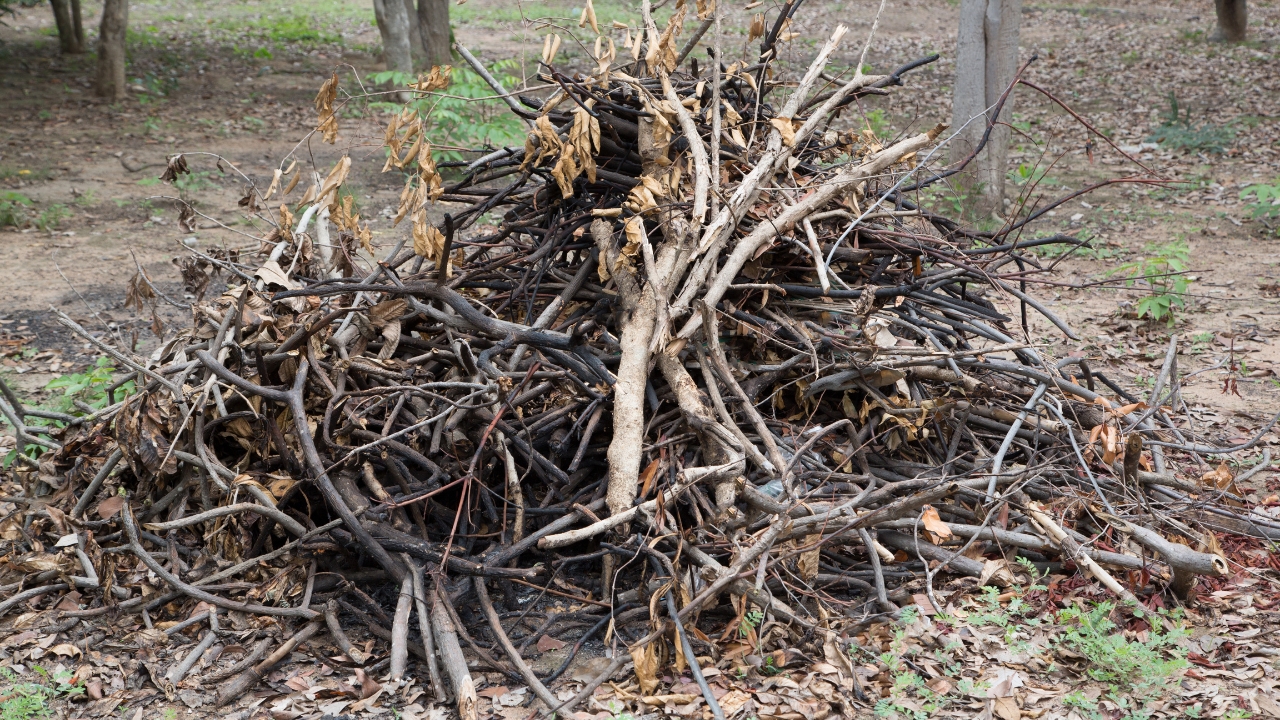
Old furniture, brush piles, stacked lumber, or even a forgotten tarp can give raccoons a place to hide. They like quiet, sheltered corners—and the more stuff you have sitting out, the easier it is for them to move in unnoticed.
Clear out unused items, especially near sheds, fences, or back corners. Keep things raised off the ground or stored indoors where possible. The less cover you offer, the fewer places they have to settle.
Not Cleaning the Grill
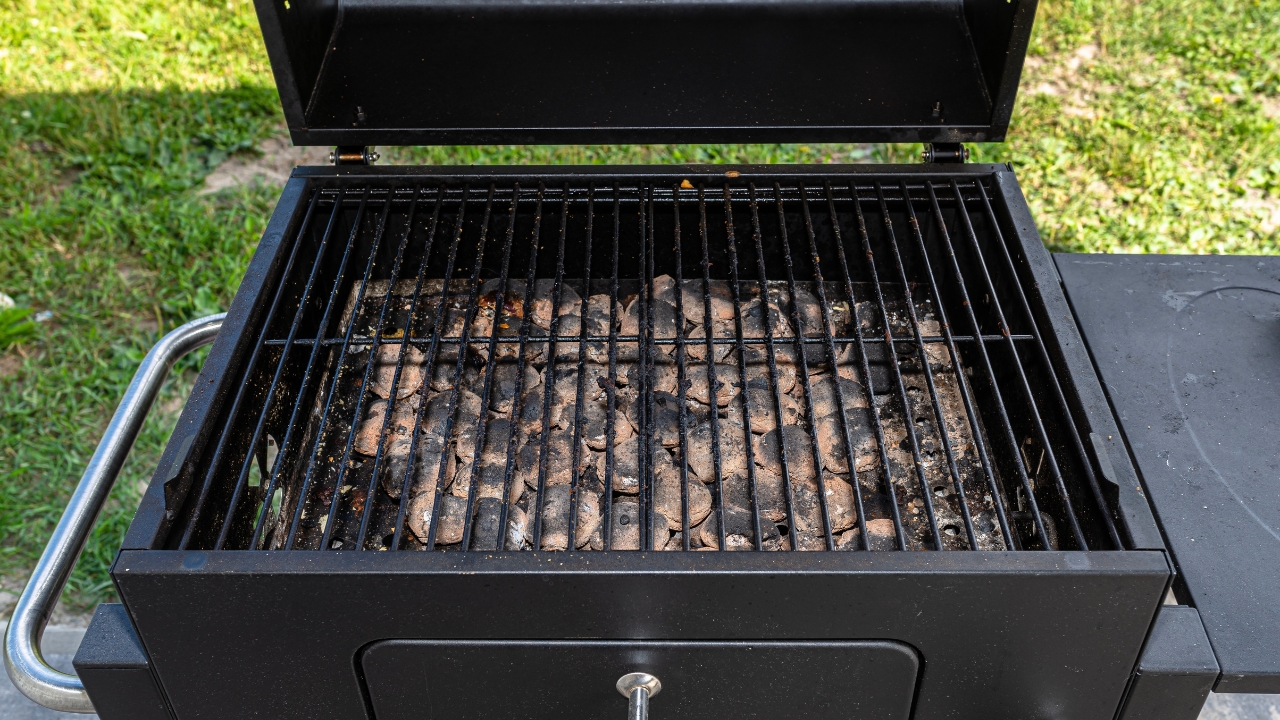
Even a little leftover grease or food residue can bring raccoons in. They’re strong enough to tip over lightweight grills and smart enough to lift lids. A greasy grill tells them there’s food nearby.
Scrub the grates and empty grease traps after use, especially during the warmer months. If possible, cover the grill or wheel it into a garage or shed when it’s not in use. A clean grill keeps them moving along.
Like Fix It Homestead’s content? Be sure to follow us.