
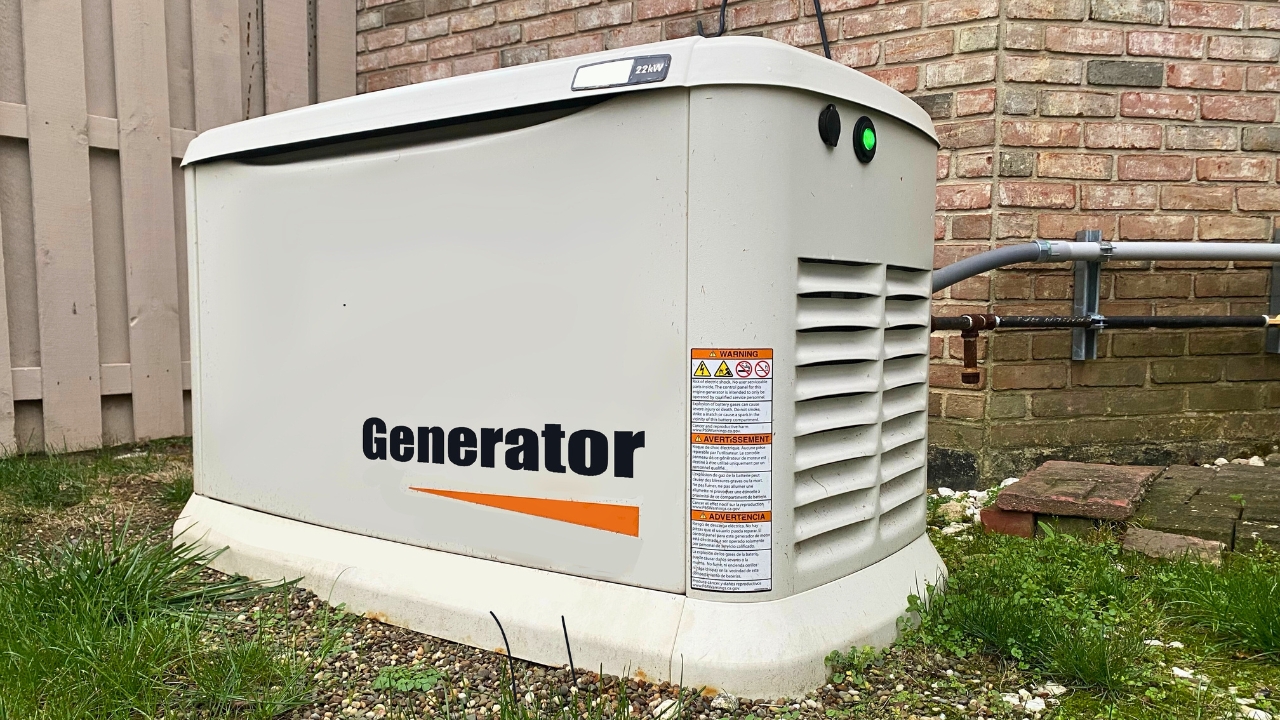
10 Questions to Settle Before Installing a Standby Generator
Photo credit: Maxine Headroom Studios/Shutterstock.com
The power always seems to go out when you’ve got a freezer full of meat, a sump pump running hard, or a well pump you can’t live without. A standby generator can take the stress out of that, but only if you sort out a few details before the crew shows up. The expensive mistakes aren’t usually in the generator, they’re in the planning.
1. What Loads Actually Need Power
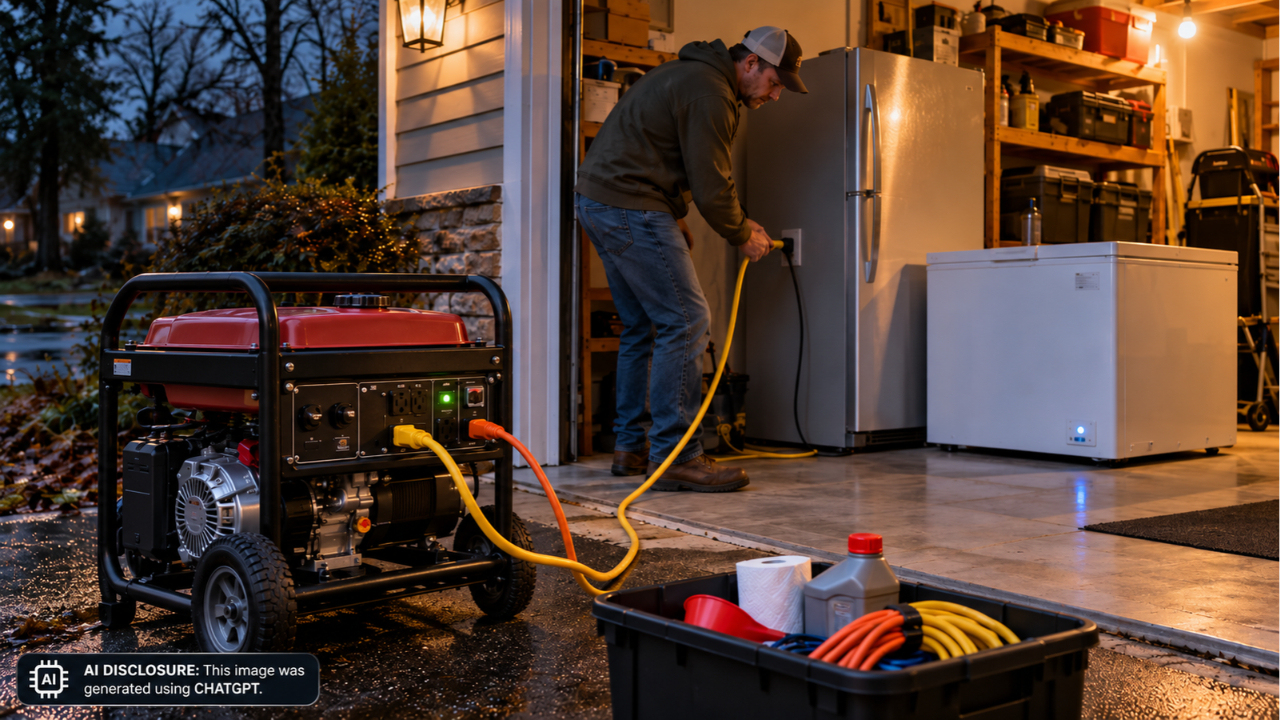
A lot of people start by guessing, then end up paying for a system that’s bigger than they’ll ever use. Walk through your house and decide what has to run during an outage: well pump, sump pump, furnace blower, fridge and freezer, a few lights, maybe an internet setup if you work from home. “Whole house” sounds nice until the quote comes back and you realize you’re buying capacity for an electric range, a hot tub, and the dryer too.
Make a written list with the model numbers if you can, especially for pumps and HVAC equipment. Motors have a starting surge that can trip a smaller generator even if the running watts look fine. An electrician can do a load calculation and help you pick a size that starts the heavy stuff without wasting money.
2. How You’ll Fuel It For Days
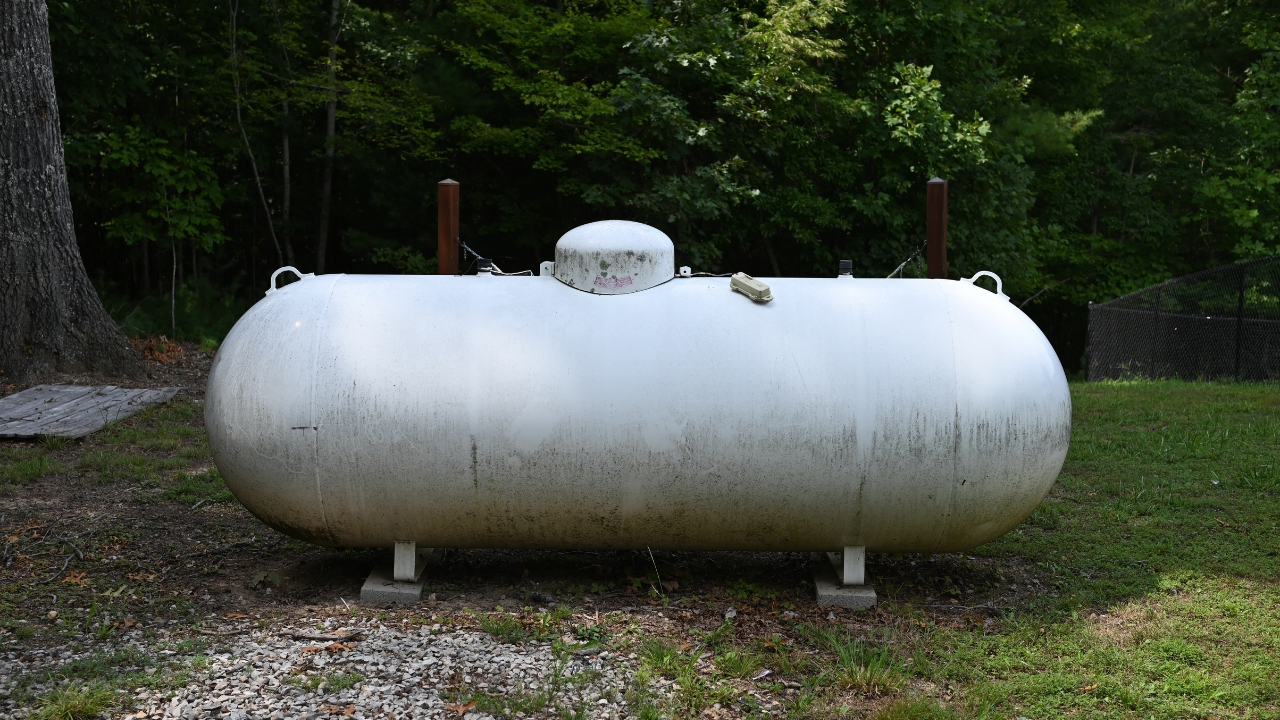
Fuel is where the real-world headaches show up. Propane sits for a long time without going bad, but you need tank space and a supplier who can actually reach you after an ice storm. Natural gas means you don’t store anything, but you’re tied to the utility, and the install still needs correct pipe sizing so the generator doesn’t starve under load.
Diesel is common on farms, but it’s not a “set it and forget it” choice if the fuel sits. Tanks can grow algae and collect water, and winter blend matters when it’s below freezing. No matter what you choose, plan for access when snow is piled up and the driveway is a mess.
3. Where The Generator Will Sit
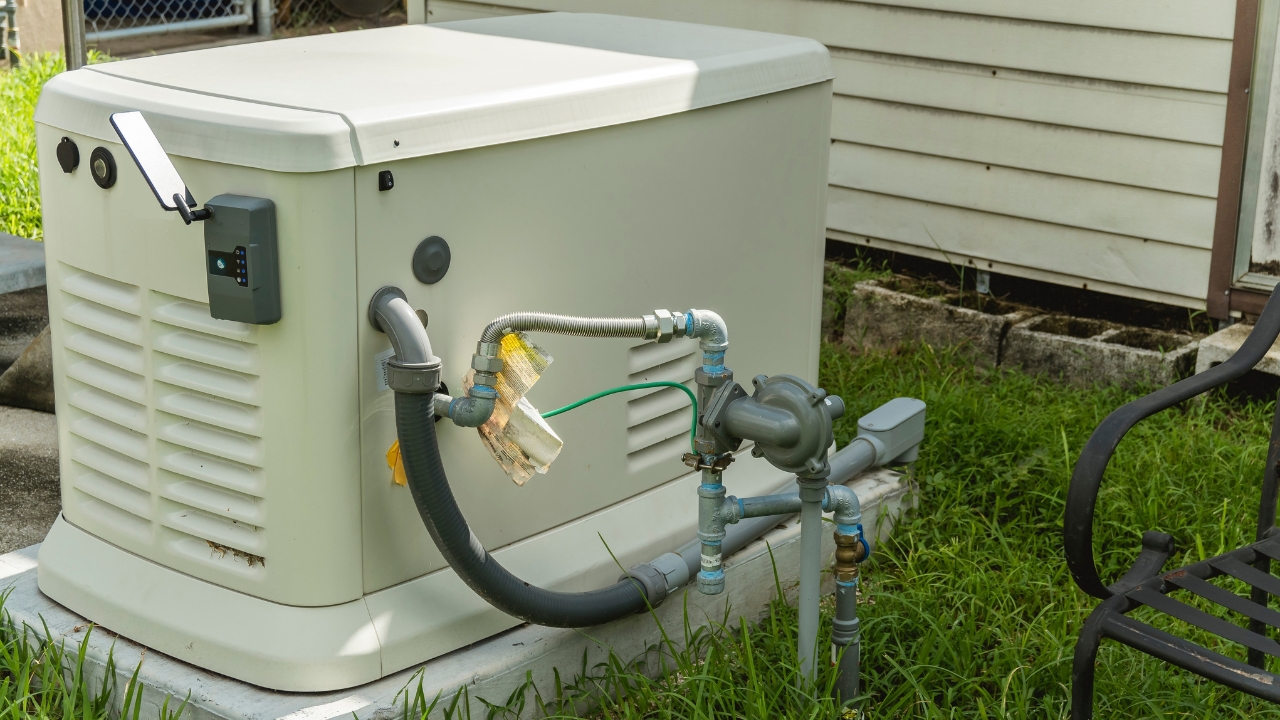
Placement isn’t just picking a spot that looks neat. Put it too close to windows, soffit vents, or a back door and you’re asking for exhaust problems. Put it under a deck and you’ve made servicing harder, plus you’re trapping noise where you don’t want it.
Expect the install to need a stable pad, good drainage, and clear space around the unit for airflow and repairs. Many areas also have setback rules, and some HOAs get picky about visibility and sound. Before anyone digs, call for utility locates so the gas line and electrical trench don’t find something expensive.
4. Which Transfer Switch Setup Fits
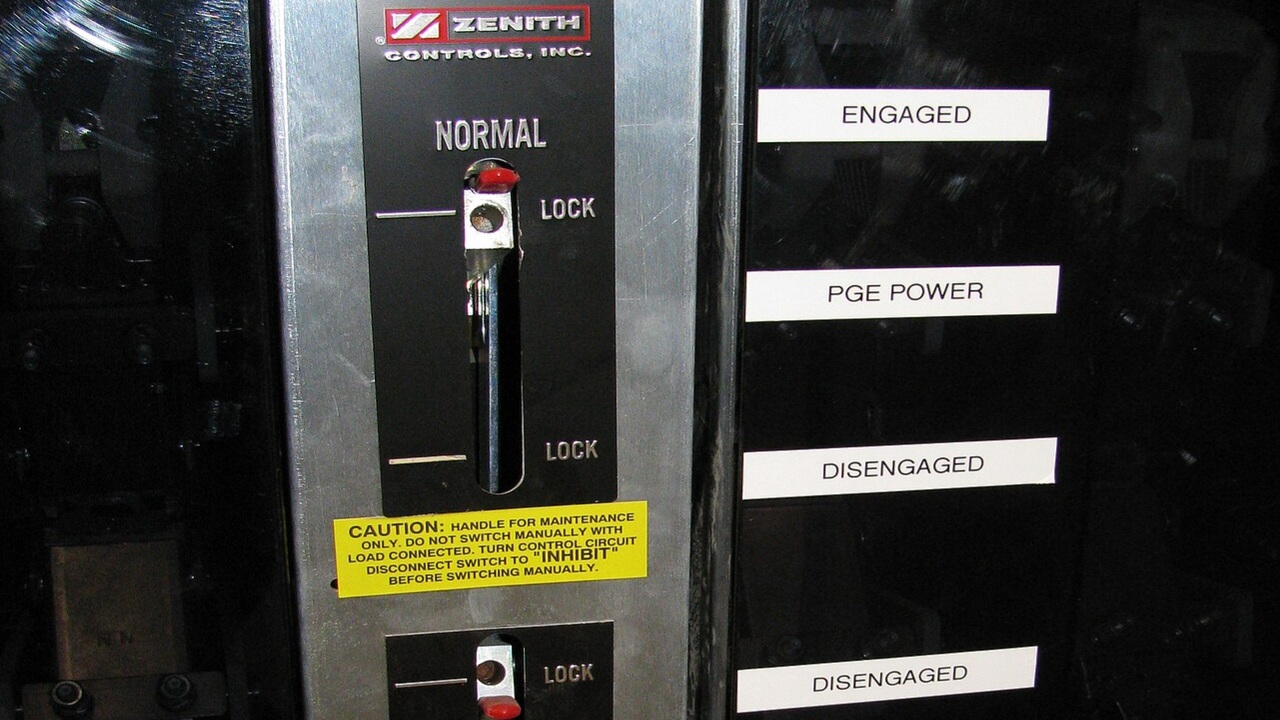
The transfer switch is the part that keeps generator power from backfeeding the grid. That’s not optional, and it’s not a DIY shortcut. You’ll generally choose between a whole-panel transfer switch, a service-rated switch, or a generator subpanel that only feeds chosen circuits.
A circuit-based setup can be a great choice if you’re trying to keep the budget under control and you don’t need everything. That’s the honest exception to the “whole house or nothing” talk. If your goal is to keep pipes from freezing and food from spoiling, a smaller generator with a smart circuit plan can do the job just fine.
5. Whether Your Electrical Service Can Handle It

This is where projects stall. Older homes with crowded panels, double-tapped breakers, or sketchy past work often need cleanup before a generator can be added. Sometimes there’s no physical room for the new gear, sometimes the grounding and bonding needs updating to meet current code.
Plan on a licensed electrician pulling permits and coordinating the inspection. If a service upgrade is needed, it can add time and cost, but it’s better than forcing a generator into a panel that’s already at its limit. This is also the moment to label circuits properly, since outages are not the time to guess which breaker runs the well.
6. How Noise Will Play Out

You don’t notice generator noise in a showroom. You notice it at 2 a.m. when it’s echoing off the garage wall and your bedroom window is right there. Even “quiet” standby units are still engines, and sound bounces in weird ways between houses, fences, and sheds.
Think about where you and your neighbors sleep, and where outdoor spaces are used. Shrubs won’t block much sound, but distance and smart placement helps a lot. Some towns have noise rules, and it’s better to learn that now than after you’ve poured a pad.
7. What Winter And Mud Will Do
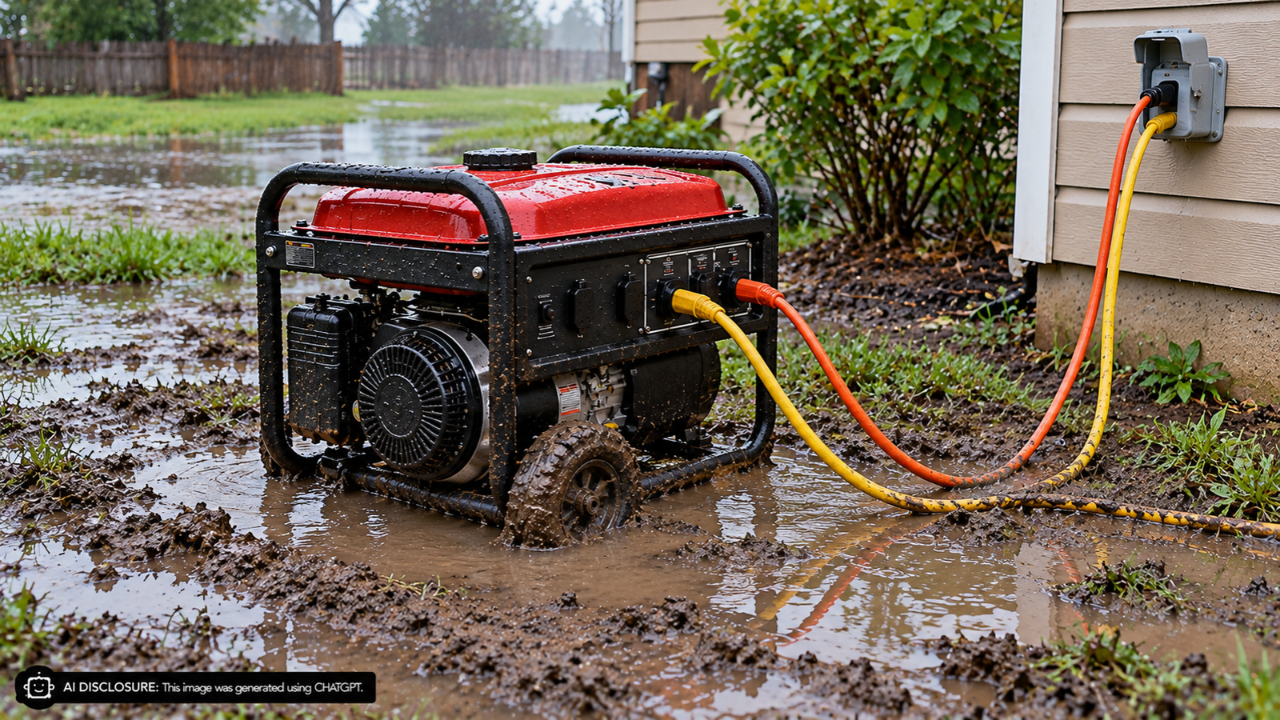
The first spring after install is when people find out they built a generator island in a swamp. If the area holds water, the pad can settle, the unit can get splashed with mud, and service techs won’t want to kneel in a puddle to work on it.
In snow country, drifting can bury the intake side and choke airflow. Pick a spot that stays plowed, and think about where the snowblower throws snow all season. If you need a trench for conduit or gas, schedule it when the ground is workable, not the week before the first freeze.
8. Who Will Maintain It And When
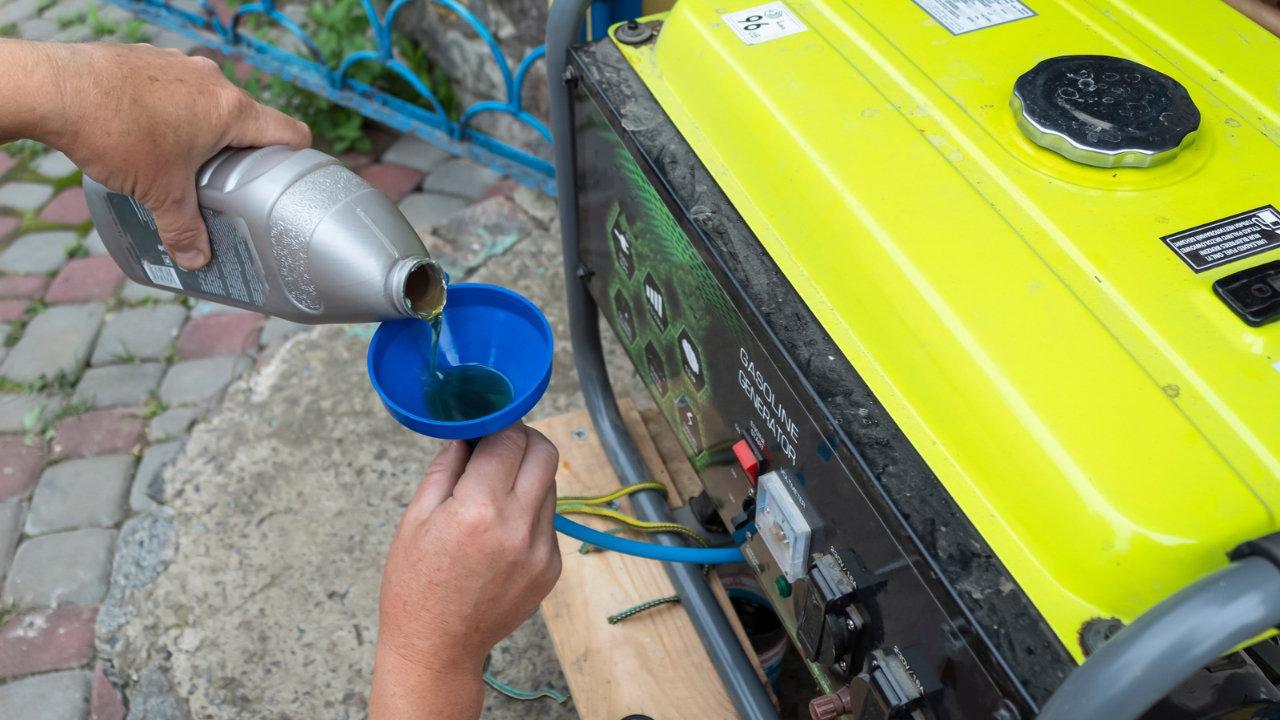
Standby generators are engines that sit still most of the time. Batteries fail, oil ages, critters move in, and a “self-test” that runs for a few minutes doesn’t prove it will carry your house for 12 hours. If you ignore maintenance, you’ll find out during the one outage you cared about.
Decide up front if you’re doing service yourself or paying for a maintenance contract. Either way, you’ll be checking oil level, replacing filters and spark plugs on schedule, and keeping the area clear of leaves and mouse nests. Keep basic spare parts on hand, like an air filter and the correct oil, because storms don’t care about store hours.
9. How You’ll Protect Sensitive Electronics

A generator that keeps the lights on can still annoy modern electronics. Some loads hate voltage dips, and certain motors can cause flicker when they start. If you’ve got a heat pump, a home office full of gear, or a fancy control board on your boiler, power quality matters.
Talk to your electrician about surge protection at the panel, and consider point-of-use protection for computers and networking. If your generator supports “soft start” or load management, use it to keep big starts from dragging voltage down. This is also a good time to get the wiring for your internet modem and router onto the backed-up side, since no one enjoys “power is on, but nothing works.”
10. What It Does To Insurance And Resale

Some buyers love a standby unit, others see another engine to maintain. Keep your permits, inspection sign-offs, and manuals in a folder so the system looks like an asset, not a mystery. A sloppy install with exposed conduit runs and unlabeled switches can spook people fast.
Call your insurance agent and ask what they want documented, especially if a fuel tank is involved. If the unit changes your gas piping or adds an outdoor electrical disconnect, those details can matter after a claim. Clean paperwork and a tidy install pay you back later.
Once you’ve settled these questions, the rest is mostly scheduling and writing checks. The goal is boring, automatic power that shows up when you need it and stays out of your way when you don’t. A little planning now saves you from tearing up the yard twice or listening to an engine in the wrong spot for the next ten years.
Like Fix It Homestead’s content? Be sure to follow us.