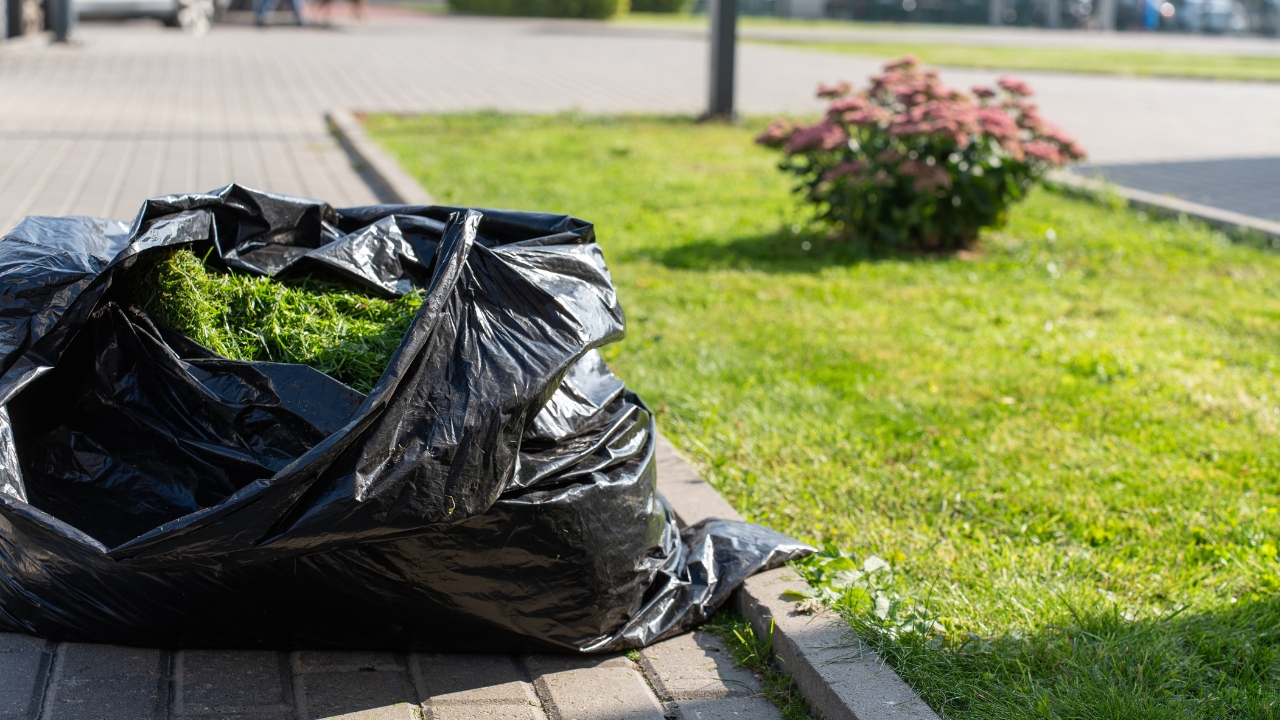
10 Reasons Bagging Clippings Is Costing You a Better Lawn
Photo credit: Art_Volkusha/Shutterstock.com
Bagging grass clippings feels tidy, and it makes the yard look “finished.” But that clean look can come with a lot of downsides you notice later, like thin spots, more weeds, and a lawn that always seems hungry. Most of the time, the clippings you’re hauling away are the same nutrients you’ll pay to replace.
1. Hauling Away Free Lawn Fertilizer
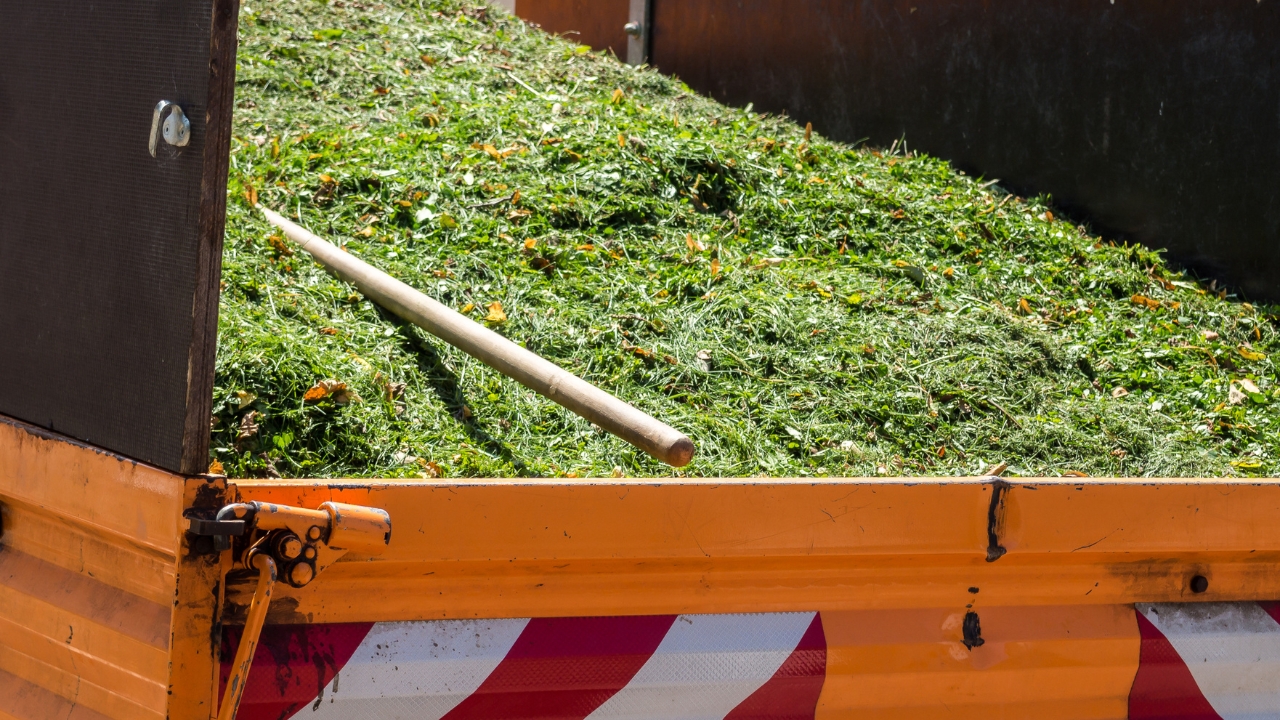
Every bag you set at the curb is nitrogen and organic matter leaving your property. Then you wonder why the color fades mid-summer and the grass stops filling in. You can buy fertilizer to replace it, but you already grew a big part of what your lawn needs.
Instead, mulch-mow and leave short clippings in place. They disappear fast if you’re mowing often enough and your blade is sharp. If you’ve got a heavy flush of growth, mow twice at a slightly higher setting rather than stuffing it all in a bag.
2. Turning Mowing Into A Longer Job

Bagging adds steps you don’t need. You stop to empty the bag, you drag it to a pile, you wrestle it into a can, and you clean the mess out of the chute. A quick mow turns into an hour you didn’t plan on.
If you want the clean look without the constant stops, use a mulching plug or a mulching blade and mow a touch more often. If the grass is tall, take half off this pass, then come back in a day or two and drop it to your normal height.
3. Plugging Chutes And Wearing Belts

Bagging sets you up for clogs, especially in spring or any time the lawn is damp. The mower starts sounding loaded down, the engine note drops, and you end up poking wet grass out of the chute. All that strain is hard on belts, spindles, and the drive system.
Mulching is usually easier on the machine because you’re not forcing material through a narrow chute and into a bag. If you do bag, only do it when the grass is dry, keep the blade sharp, and clean the deck so buildup doesn’t shrink your airflow. If you’re clearing clogs, shut the mower off and pull the plug wire on gas models or remove the battery on cordless.
4. Creating Thatch With Bad Mowing Habits
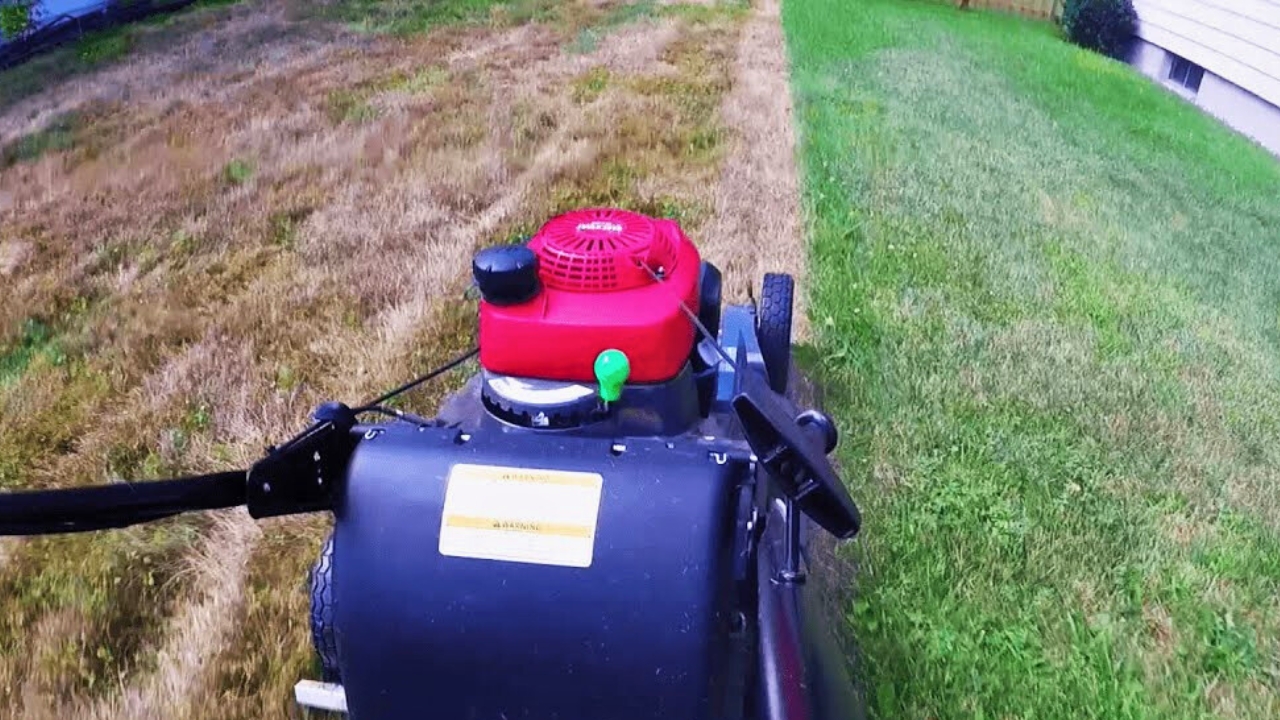
People blame clippings for thatch, but clippings break down fast. The bigger problem is mowing too short, letting the lawn get stressed, and then trying to “clean it up” by bagging everything. Thatch is mostly roots and stems, and scalping makes that worse.
Set your mowing height higher than you think, especially in summer. Follow the one-third rule: don’t remove more than a third of the blade length at a time. If you already have thatch, plan on core aeration and, if needed, dethatching at the right season for your grass type, not more bagging.
5. Drying Out Your Soil Faster
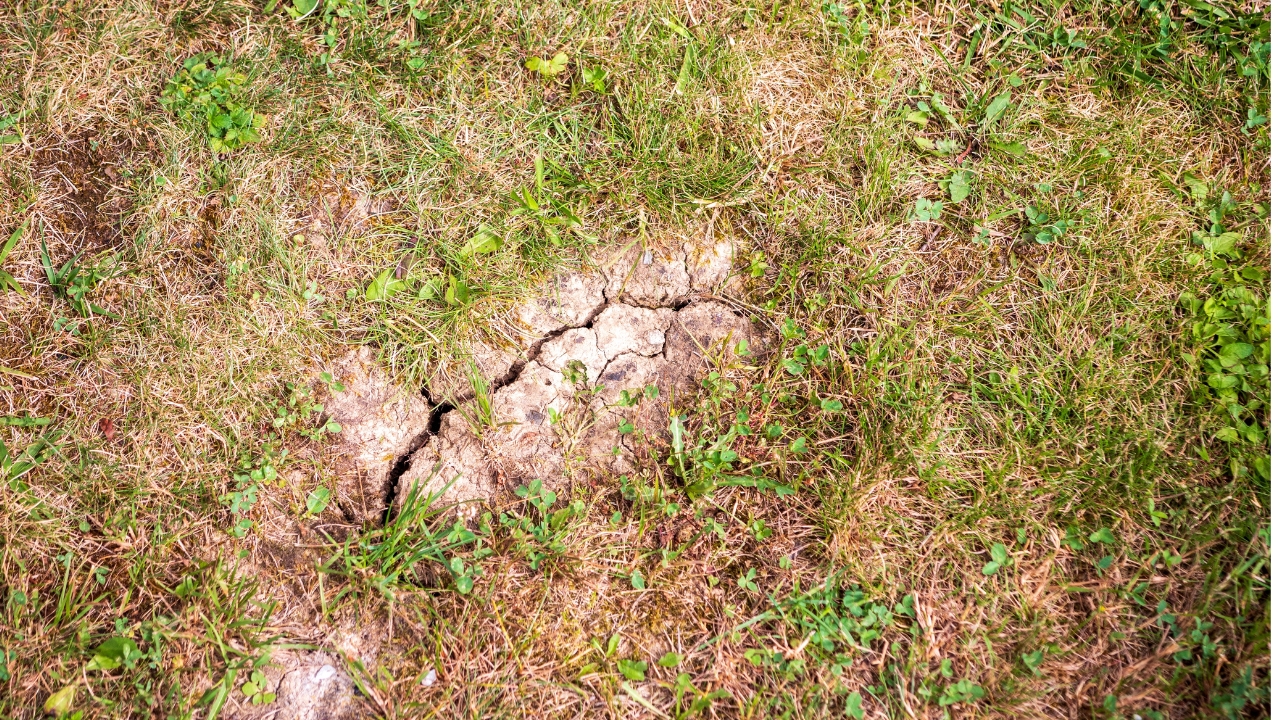
When clippings stay put, they act like a light, airy mulch. They shade the soil surface and slow down evaporation, which matters in July when the sun is cooking bare dirt between thin grass plants. Bagging leaves the soil exposed, so you water more and the lawn still looks stressed.
Mulch-mow and water deeper, less often. If your yard is already drought-prone, raise the deck height a notch and accept a slightly longer look through the hottest stretch. The lawn will hold color longer and bounce back faster after heat.
6. Feeding Weeds By Weakening Grass

A lawn that’s always short on nutrients and moisture leaves openings. That’s when crabgrass, dandelions, and clover move in, because they love bare spots and stressed turf. Bagging doesn’t cause weeds directly, but it makes the lawn less able to crowd them out.
Keep the grass thick first. Leave clippings, mow high, and overseed thin areas in the right season for your region. If you use herbicides, follow the label and timing, and don’t treat heat-stressed grass just because the weeds are annoying you.
7. Paying For Yard Waste You Made
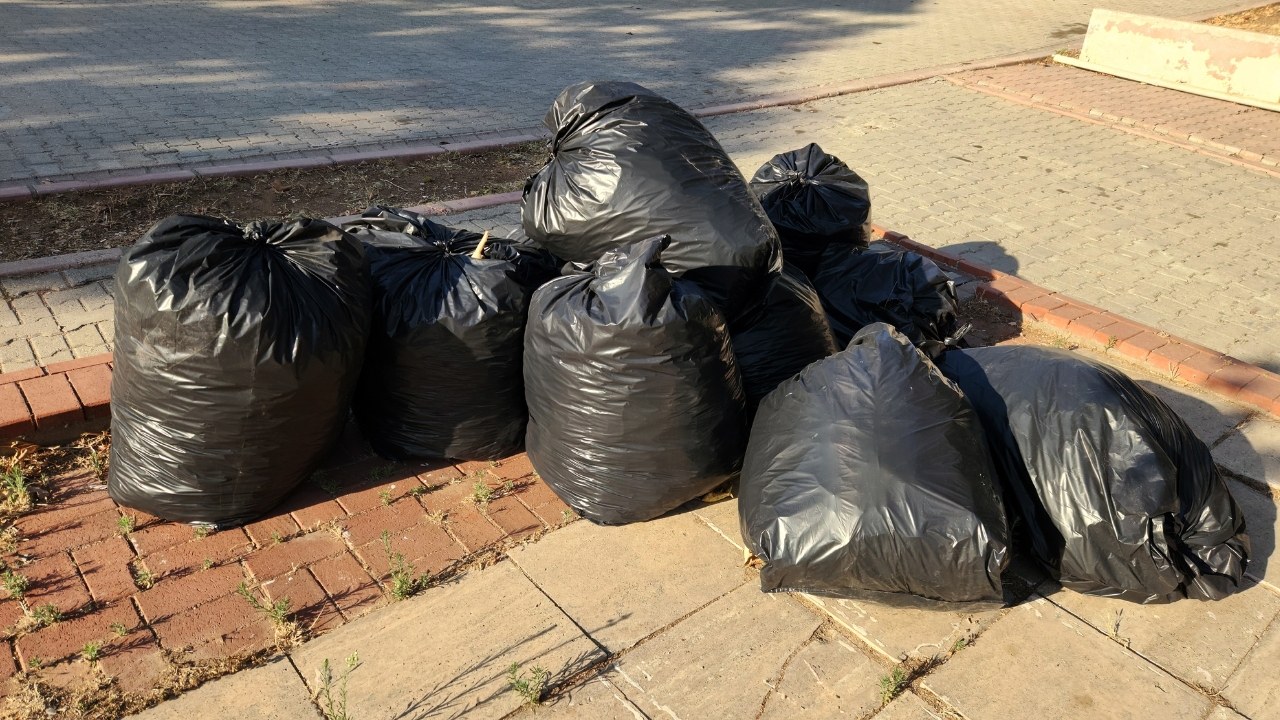
Some towns charge for yard waste stickers, extra cans, or special pickup. Even without fees, you’re spending money on bags, or you’re burning fuel driving a trailer load to a drop-off. Bagging turns a normal chore into a disposal problem.
Leave clippings on the lawn when you can. If you have too much growth to mulch cleanly, compost the excess on-site so it comes back as soil, not a bill.
8. Making A Slimy Compost Pile

Dumped bags of fresh clippings pack down into a wet mat. It heats up, goes sour, and turns into a slick, smelly mess that doesn’t compost well. Then you’re stuck forking it apart later, usually when it’s hottest outside.
If you’re composting clippings, add them in thin layers and mix them with dry “brown” material like leaves, shredded cardboard, or straw. Turn the pile so air can get in. If you can’t manage that, leave the clippings on the lawn and compost fall leaves instead.
9. Tracking Seeds And Fungus Around
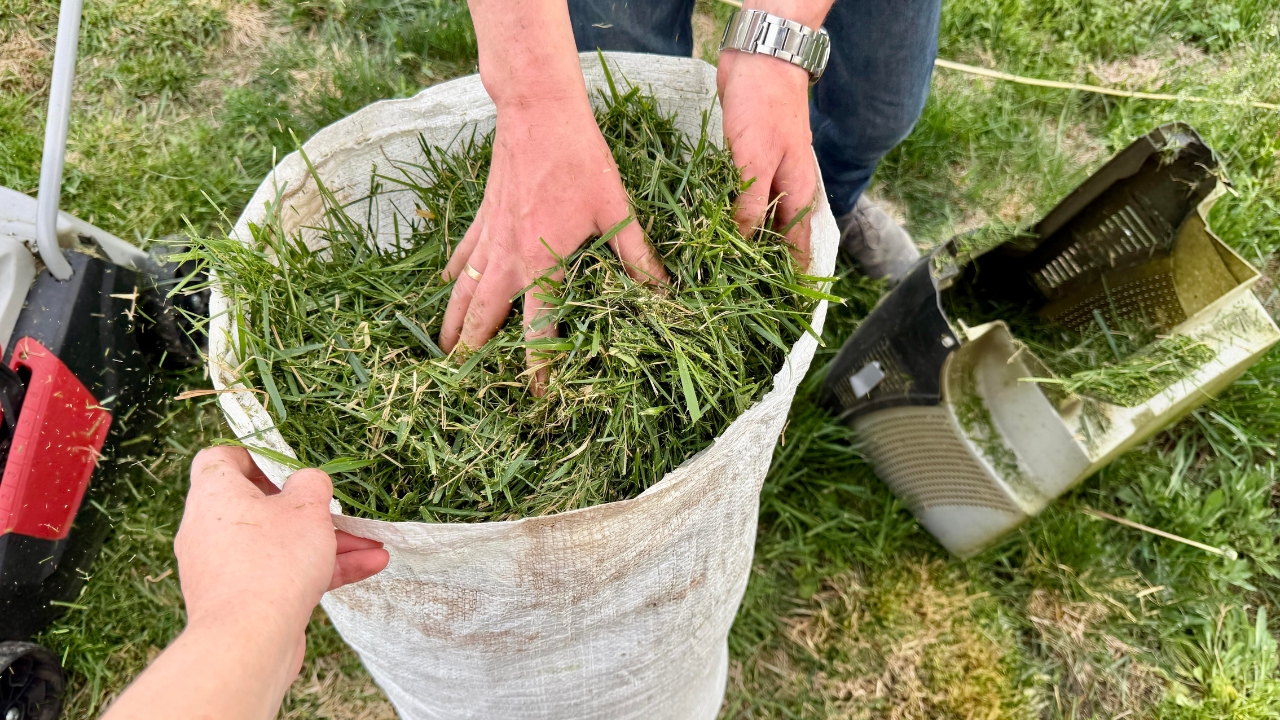
Bagging means handling clippings more, moving them across the yard, and sometimes storing them for a day or two. If you mowed through a patch of crabgrass going to seed or you’ve got leaf spot showing up, those clippings can spread trouble when they get dumped somewhere else.
Mulch-mowing keeps the material where it fell and breaks it down fast. If you do have a weedy or diseased section, bag just that area and dispose of it, then clean the mower deck and underside before mowing the rest of the yard.
10. Missing The Few Times Bagging Helps
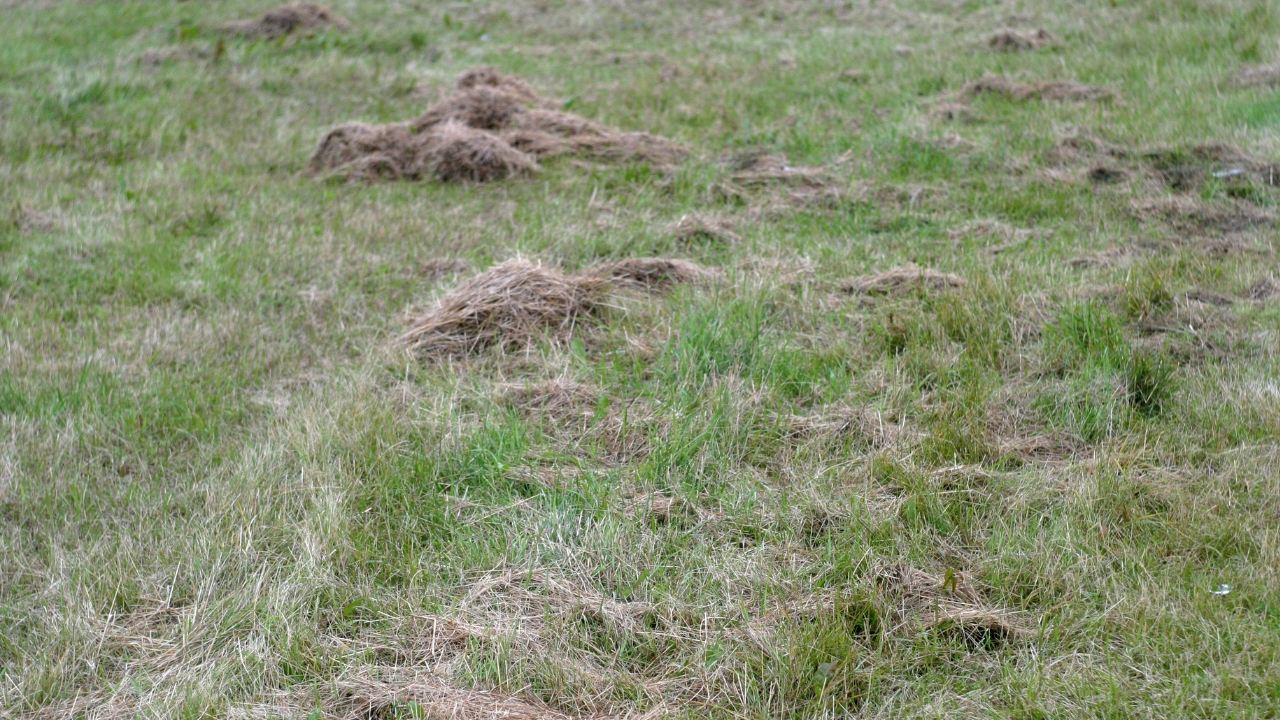
Bagging isn’t always wrong. If you’re mowing an overgrown lawn for the first time in weeks, mulching can leave clumps that smother grass. Bagging also makes sense when you’re cleaning up after a heavy rain knocked down a lot of seed heads, or when you’re vacuuming up a thick layer of chopped leaves in late fall.
The fix is to treat bagging like a special tool, not the default. Mulch most weeks, bag only when the lawn would get buried, then go right back to leaving clippings once you’re on a steady mowing schedule.
If you want a better lawn without a bunch of extra inputs, keep more of what your yard already produces. Mow often, mow high, and keep the blade sharp, and the clippings stop looking like trash and start acting like part of your soil plan.
Like Fix It Homestead’s content? Be sure to follow us.