
10 Rooms That Stay Cold No Matter What the Thermostat Says
Photo credit: Nicoleta Ionescu/Shutterstock.com
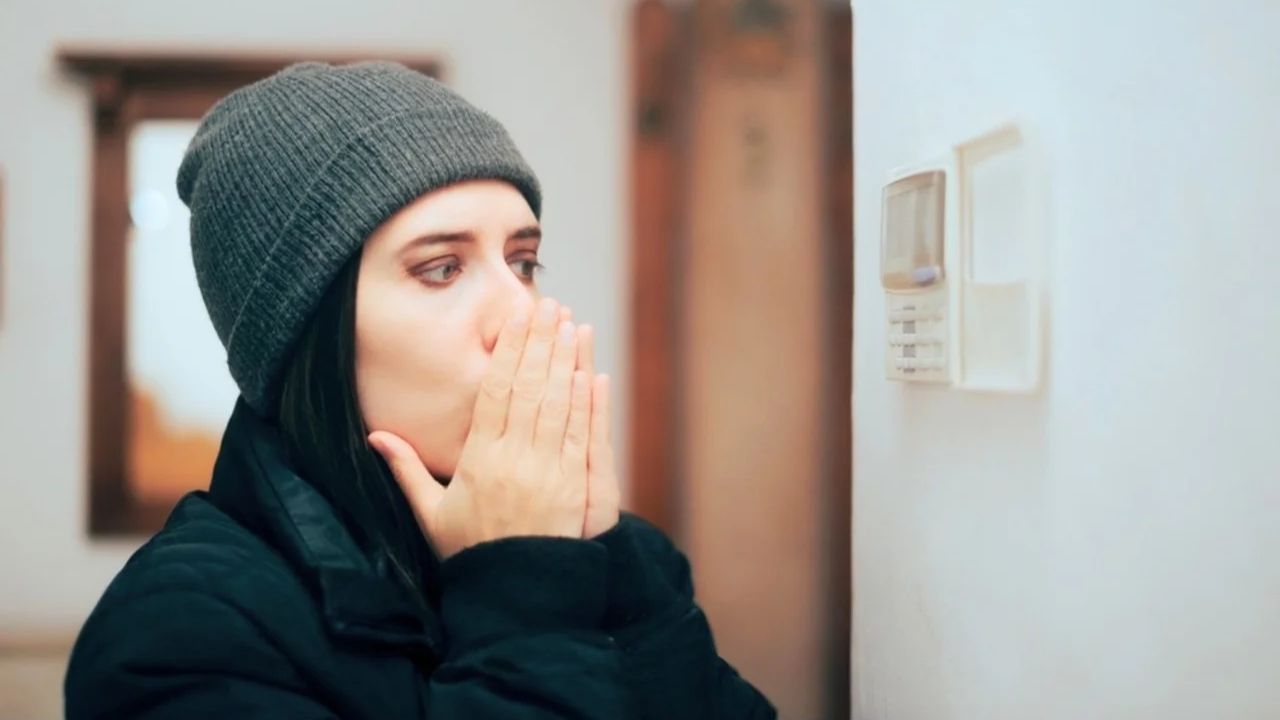
You bump the thermostat up and wait, but one room still feels like a walk-in cooler. Cold rooms usually come from one weak spot, not the whole heating system failing. Fix the room first, then decide if the furnace or heat pump is actually the problem.
1. Supply Register Half Closed Or Blocked
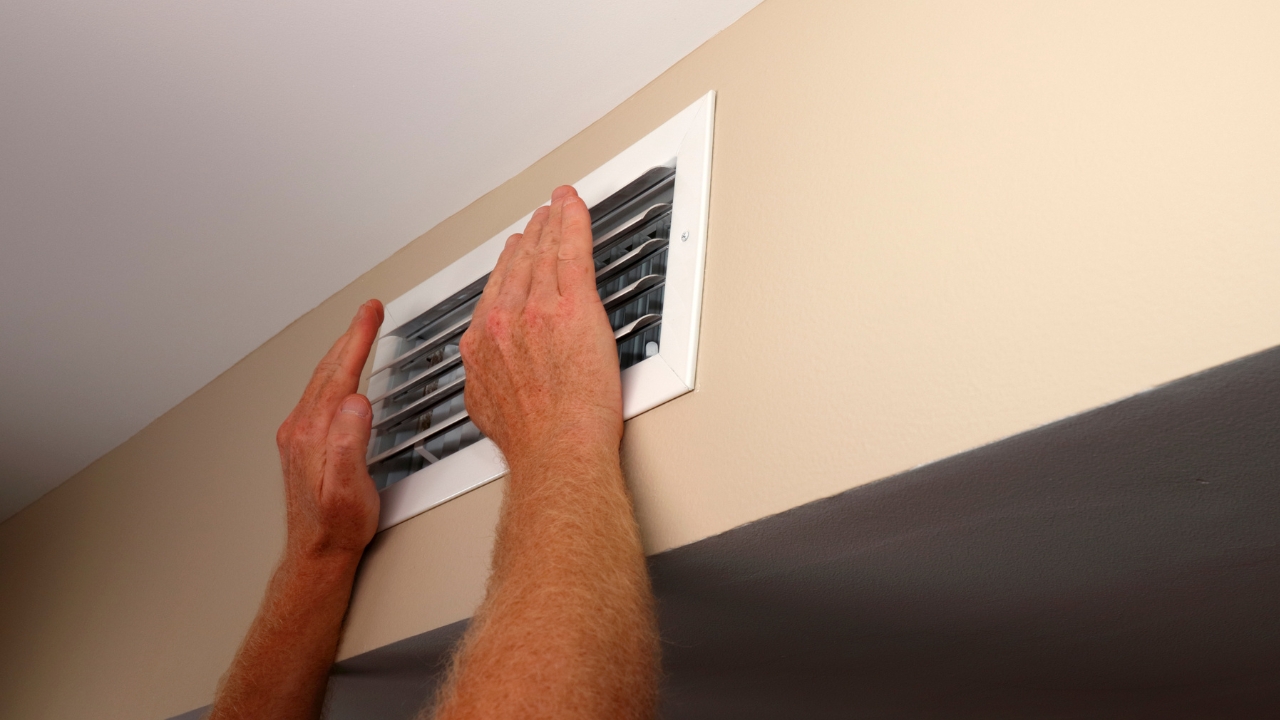
People shut a vent in a spare room thinking it will “push” heat somewhere else, then forget it for two winters. Or a bed, dresser, or thick rug ends up covering the register. Either way, the warm air never makes it into the space, so the room loses the fight.
Walk the room and put your hand over the register with the system running. Open the damper all the way and clear a couple feet of space above it. If the register is in the floor, pull it up and vacuum out the boot, pet hair mats up in there and cuts airflow more than you’d think.
2. Return Air Path Cut Off By Doors

A room can have a supply vent and still stay cold if air cannot get back out. New carpet, a door sweep, or a snug door can choke the gap at the bottom. You will hear a little whoosh when you crack the door, and the room feels pressurized.
Try heating with the door open for an hour and see if it improves. If it does, you need a return path, not more supply. The clean fix is a jumper duct or a properly sized transfer grille, and in many homes that is worth hiring an HVAC pro for so you do not create noise or mess with fire blocking rules.
3. Duct Damper Set Wrong Or Stuck
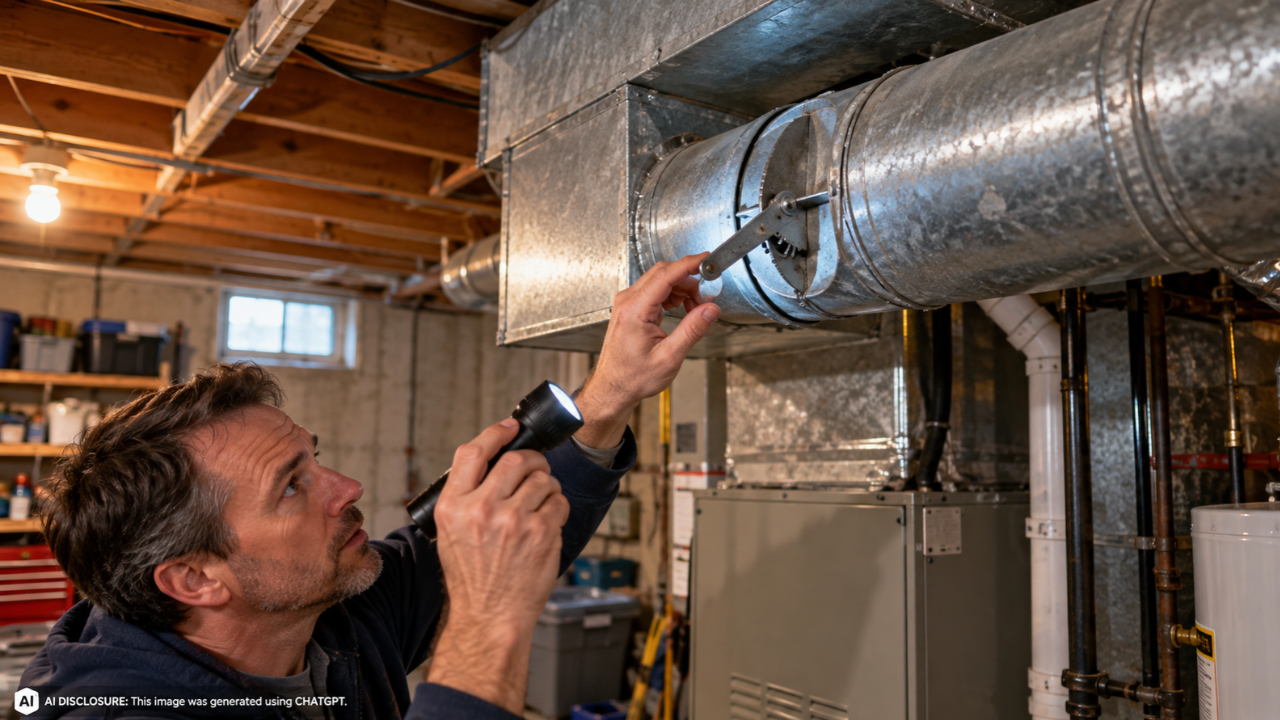
The basement room stays cold while the living room runs you out in a T-shirt. Often the culprit is a manual damper in the ductwork that got bumped, or one that seized half shut. Sometimes it is a lever on a round duct, sometimes a little wing nut on a rectangular trunk line.
Follow the duct from the cold room back toward the main trunk and look for a handle that should be parallel with the duct when open. Mark the “good” position with a Sharpie once you find it, then check again after any work gets done down there. If the damper will not move, do not force it hard enough to tear the duct, a pro can free it and seal it back up.
4. Leaky Ducts Dumping Heat Into Attic

When a bedroom over the garage never warms up, the duct run feeding it is often leaking like a sieve. You are paying to heat your attic, crawlspace, or rim joist bays. You might even smell dusty insulation when the heat kicks on.
Seal what you can reach with mastic and mesh tape, not cloth “duct tape” that dries out and peels. Feel along joints for air leaks while the blower is running. If the ducts are buried in attic insulation, this turns into a bigger job, sometimes worth paying for because crawling and sealing every joint is slow, itchy work.
5. Frozen Bedroom Above Garage Ceiling
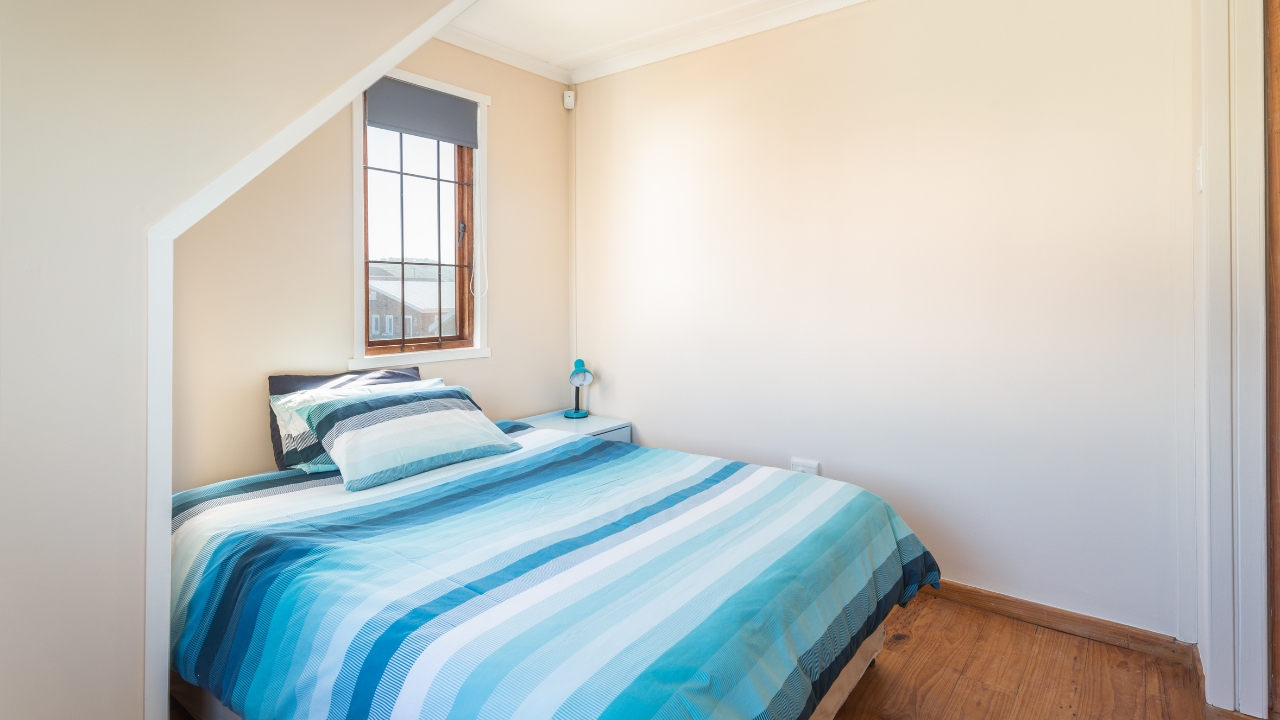
This room is cold because the floor is cold, and the garage below is basically outdoors. If the garage ceiling has missing insulation or no air sealing, the bedroom loses heat all day long. Wind washes right through gaps around plumbing, wires, and the garage door framing.
Pop a few screws and peek at the garage ceiling if you can, or look for cold stripes in the bedroom floor on a chilly morning. Air seal first with foam or caulk around penetrations, then insulate, and make sure the garage ceiling drywall stays in place as a fire barrier. If there is an open chase or a large gap you cannot identify, this is a smart time to bring in an insulation contractor.
6. Single Pane Window Acting Like A Vent

Old glass does not just feel cold, it drags the whole room down by radiation and drafts. You can sit six feet away and still feel it on your face. Storm windows help, but a loose storm window can rattle and leak almost as badly as no storm at all.
For a cheap fix that is actually fine, shrink film kits work well if you apply them carefully to clean trim and use a hair dryer to tighten the film. For a longer-term fix, re-caulk exterior trim, replace worn weatherstripping, and lock the sash so it seats tight. If the sill is rotted or the frame is soft, plan for repair, a new window will not fix a rotten opening.
7. Big Furniture Covering Baseboard Heat

Baseboard and radiator heat needs open air around it to work. A couch shoved against a baseboard turns the heater into a hidden toaster, it cooks the wall and does not warm the room. Heavy curtains that drop over baseboards do the same thing.
Pull furniture a few inches off the wall and hem or pin curtains so air can rise. Vacuum the fins if it is fin tube baseboard, dust acts like a blanket. If a cover is crushed or bent, straighten it so the damper door can open and close.
8. Electric Baseboard Thermostat In The Wrong Place
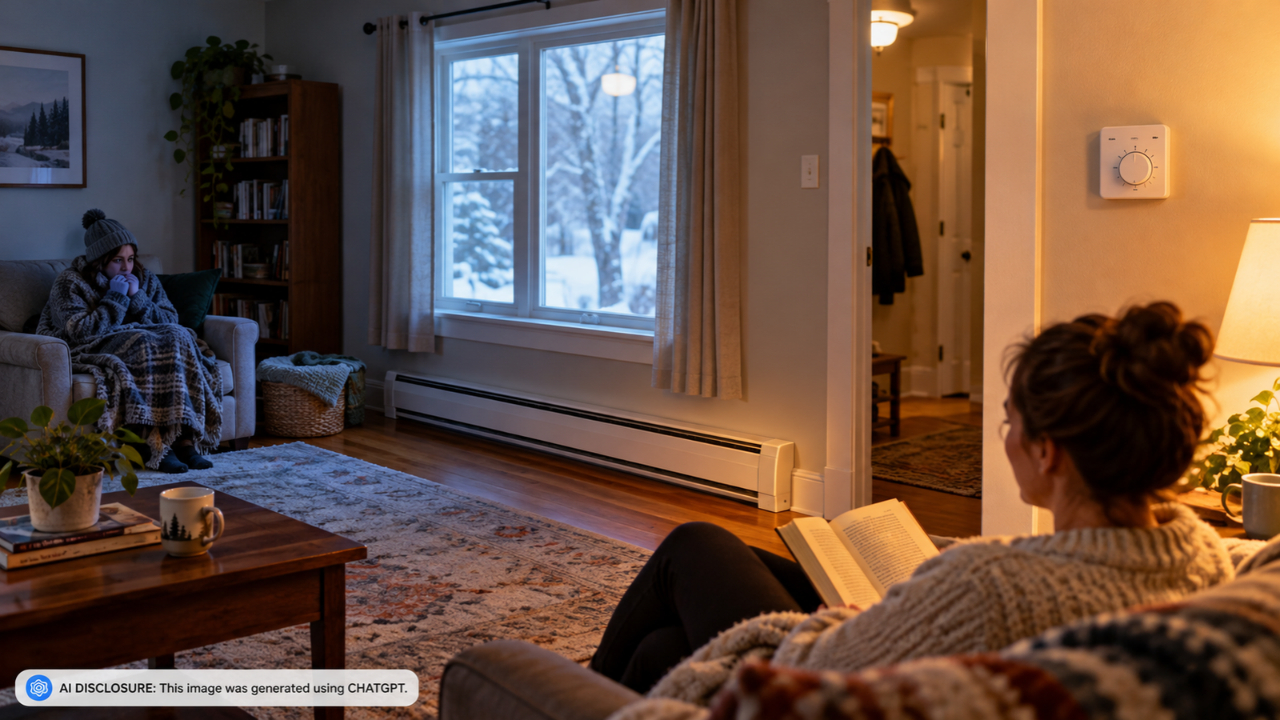
If the thermostat is on an interior wall near the hallway, it reads warm while the far corner of the room stays cold. Sunlight on the thermostat can also trick it into shutting off early. With electric baseboard, this mistake hits your comfort and your power bill at the same time.
First, make sure the heater itself is clean and not blocked, then test by setting the thermostat higher and feeling if the baseboard gets evenly hot end to end. Moving or adding a thermostat is electrical work, so if it means opening junction boxes or running new cable, hire a licensed electrician and follow local code. Do not try to “upgrade” by stuffing a higher-amp thermostat on an undersized circuit.
9. Fireplace Or Chimney Pulling Warm Air Out
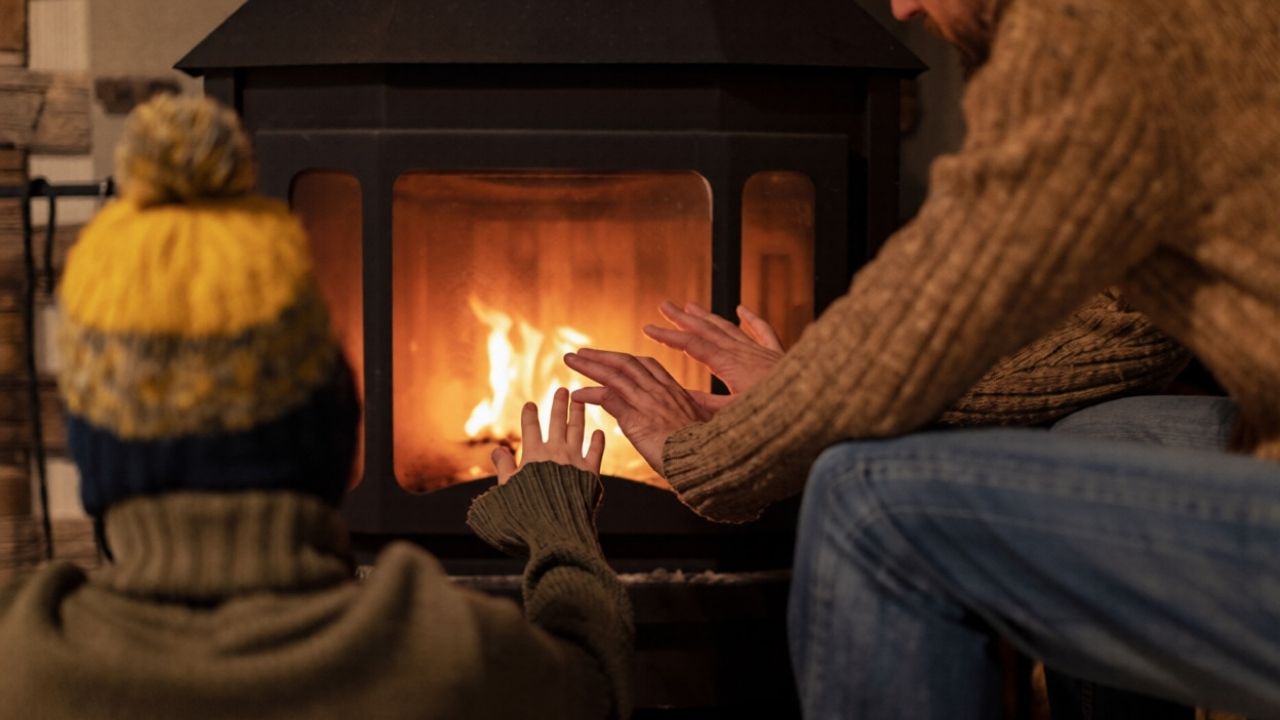
That cozy living room can be the coldest one when the chimney is acting like a straw. An open damper, leaky cleanout door, or an outside air kit that never got closed will pull heated air up and out. You will feel a cold stream right at the hearth even when the fire is off.
Check the damper and close it fully when not in use, then look for daylight or obvious gaps around the frame. A top-sealing damper or a tight-fitting chimney balloon can help, but only use products rated for your setup and never with a fire burning. If you smell smoke in the house or see crumbling flue tile, call a chimney pro, that is not a DIY situation.
10. Moist Basement Walls And Cold Concrete Slabs
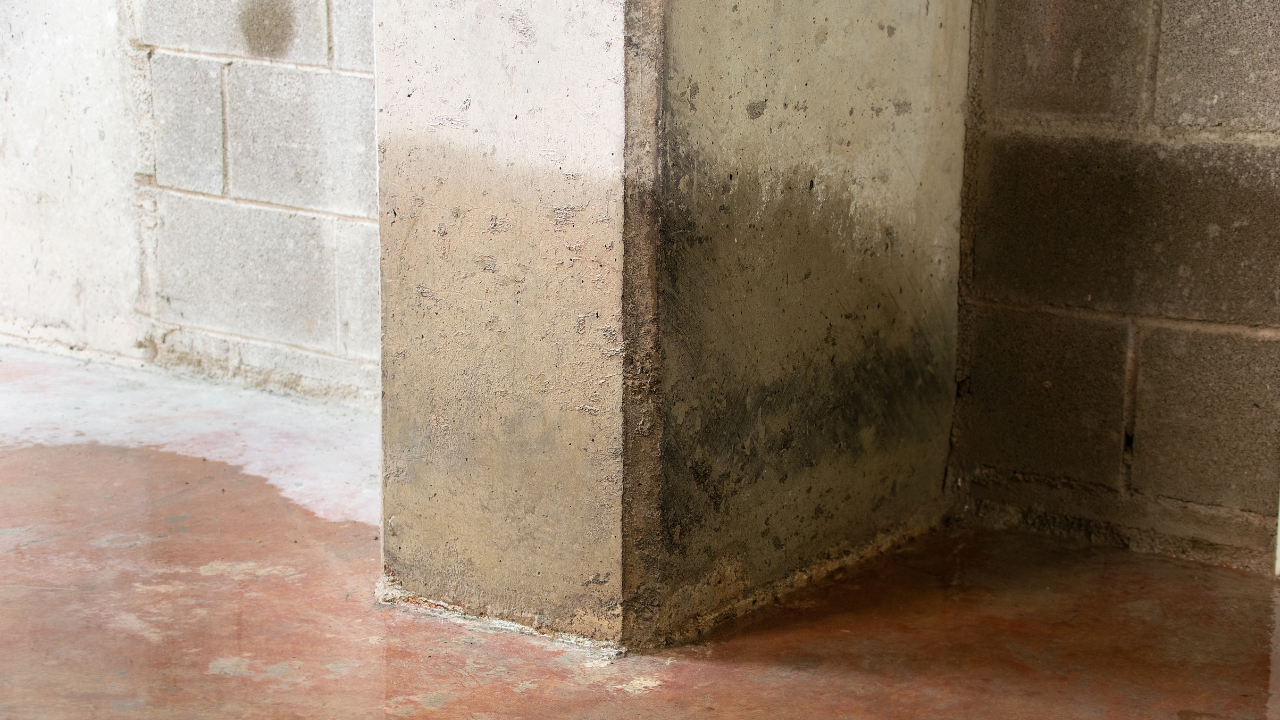
The downstairs family room can stay chilly because the foundation is sucking heat away nonstop. Damp concrete feels colder, and basement humidity makes the air feel clammy even at the same temperature. You can crank the heat and still want a hoodie.
Start with water management outside, gutters extended away from the house, downspouts that do not dump at the footing, and grading that slopes away. If you are finishing or remodeling, rigid foam against foundation walls and an insulated subfloor make a bigger comfort difference than another space heater. For serious water entry or mold you cannot control, bring in a waterproofing pro before you cover anything up.
If one room is still stubborn after the easy airflow checks, do not keep turning the thermostat up and hoping. Use your hand, a cheap infrared thermometer, or even a stick of incense to find where the heat is leaving or where the air is not moving. The fix is usually small, but it needs to be in the right spot.
Like Fix It Homestead’s content? Be sure to follow us.