10 Signs a Battery Will Not Survive the Cold
Photo credit: SnapFix/Youtube
Cold weather turns small battery problems into big no-start mornings. One week your rig fires right up, the next you get a click and nothing, right when you need to haul feed or get to work. Catching the warning signs early usually costs a lot less than a tow, a new alternator, or a ruined battery box full of acid.
1. Slow Crank Even After A Drive

The starter drags like it’s turning through syrup, even though you just drove long enough to “charge it back up.” In real cold, a weak battery shows itself as a long, tired crank before it gives up completely. If the engine finally catches, it still counts as a warning.
Start with the simple check: clean and tighten the terminals, then try again. If it’s still slow, test the battery with a real load test at an auto parts store or with a battery tester, not just a voltage reading. A battery can show decent voltage and still fall on its face under load.
2. Clicking Solenoid With No Starter Spin
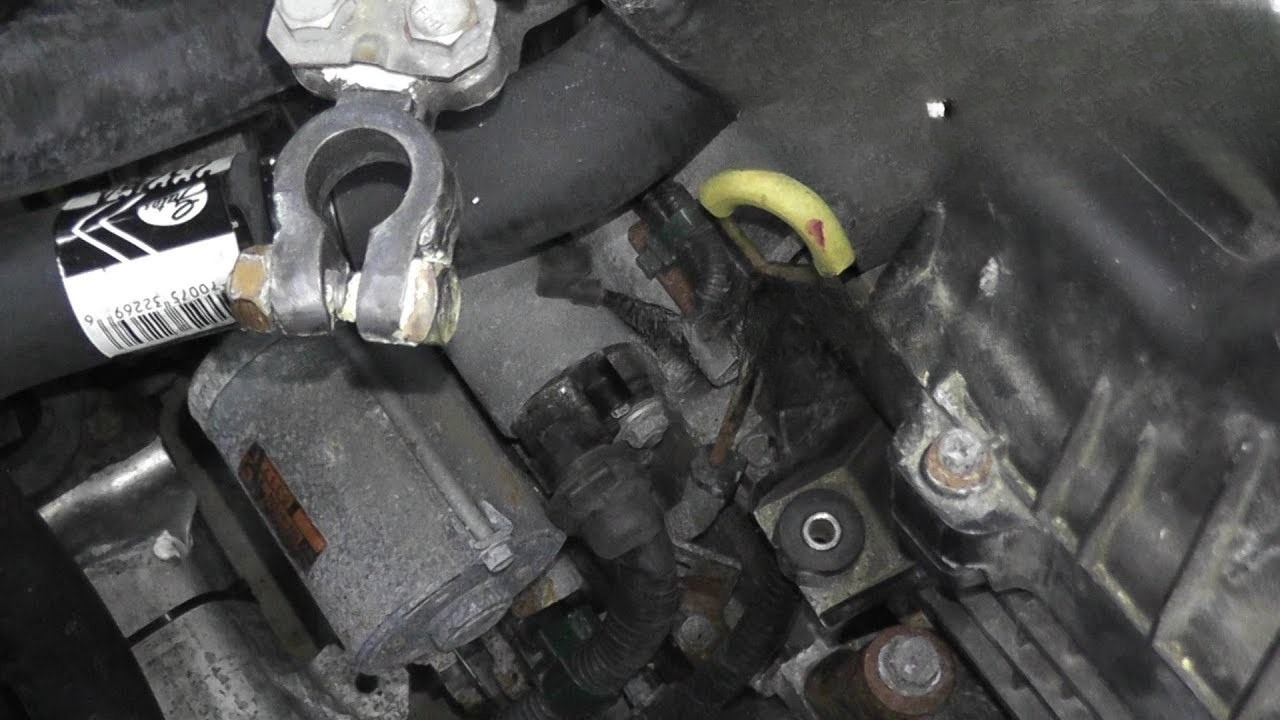
You turn the key and get rapid clicking, or one solid click, and the starter never turns. That often means the battery voltage collapses the moment the starter asks for current. Cold makes the chemical reaction inside the battery sluggish, so marginal batteries fail hard.
Rule out a loose connection first, because a bad terminal can act the same way. If the cables are tight and clean, try a jump start. If it jumps easily but won’t restart after shutting off, stop pretending it’s fine. You’re on borrowed time.
3. Voltage Looks Fine Until Load
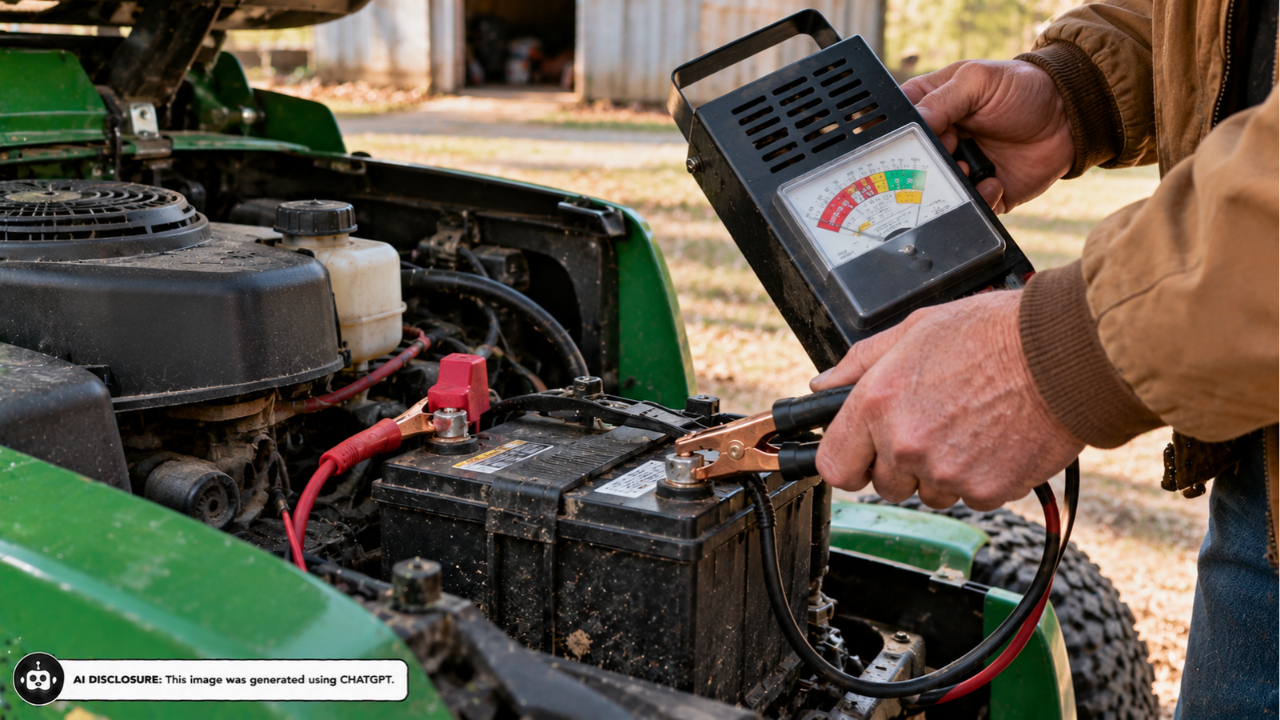
A cheap multimeter reading can fool you. Seeing 12.4 to 12.6 volts at rest feels reassuring, but a battery with sulfated plates can’t deliver high current in the cold. The voltage drops like a rock once you crank.
Use a load tester, or have one done. A healthy battery holds up under load and recovers. If the test shows weak capacity, replacement is usually the smart move before the first deep freeze.
4. Corroded Terminals And Swollen Cable Ends
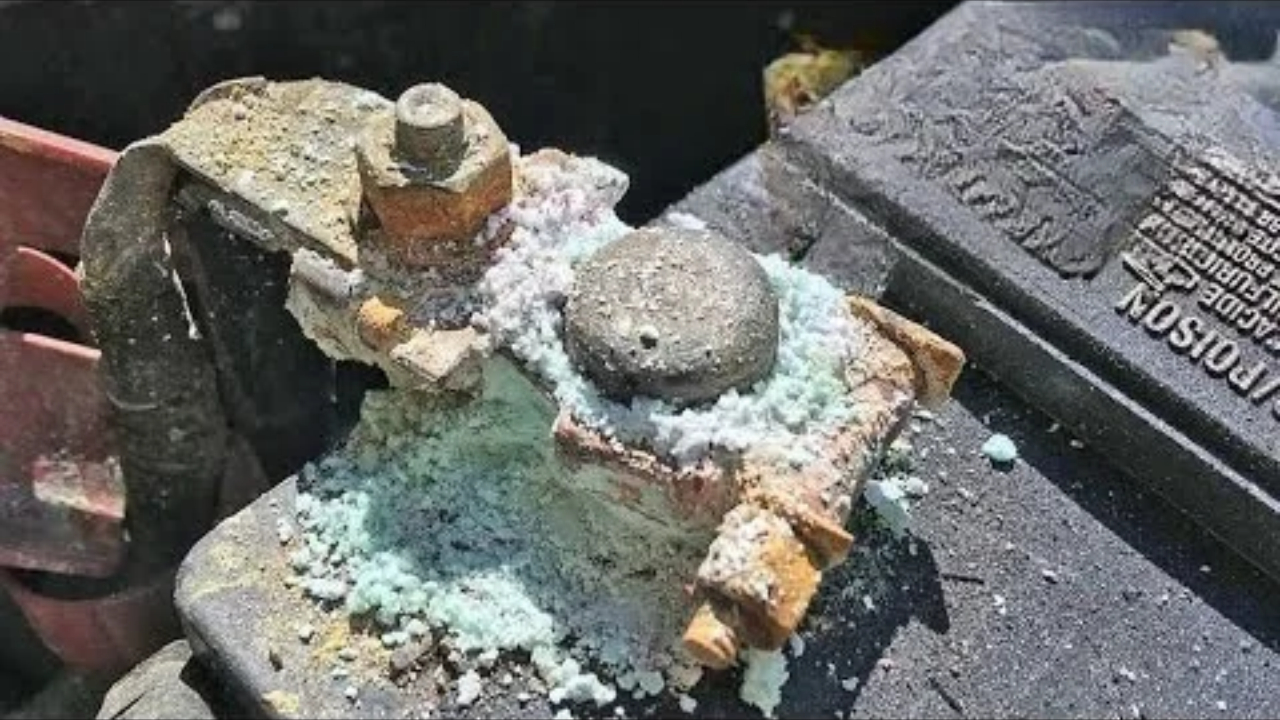
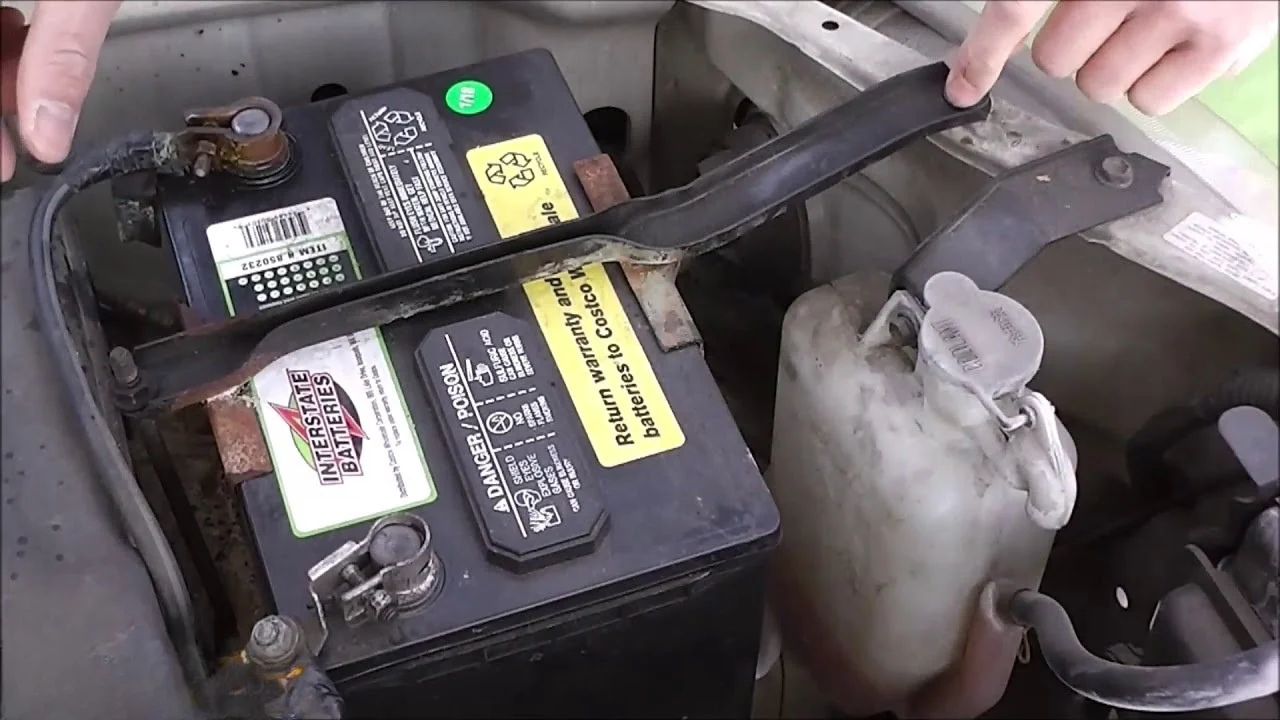
White or blue crust around the posts is not just ugly. Corrosion adds resistance, and resistance steals starter power. In freezing weather, that extra loss can be the difference between starting and walking.
Pull the cables, neutralize the gunk with baking soda and water, rinse, then dry. Clean the clamps with a wire brush until you see bright metal, and tighten them properly. If the cable ends are swollen, stiff, or green under the insulation, replace the cables. You can’t scrub rot out of copper.
5. Battery Case Bulging Or Leaking
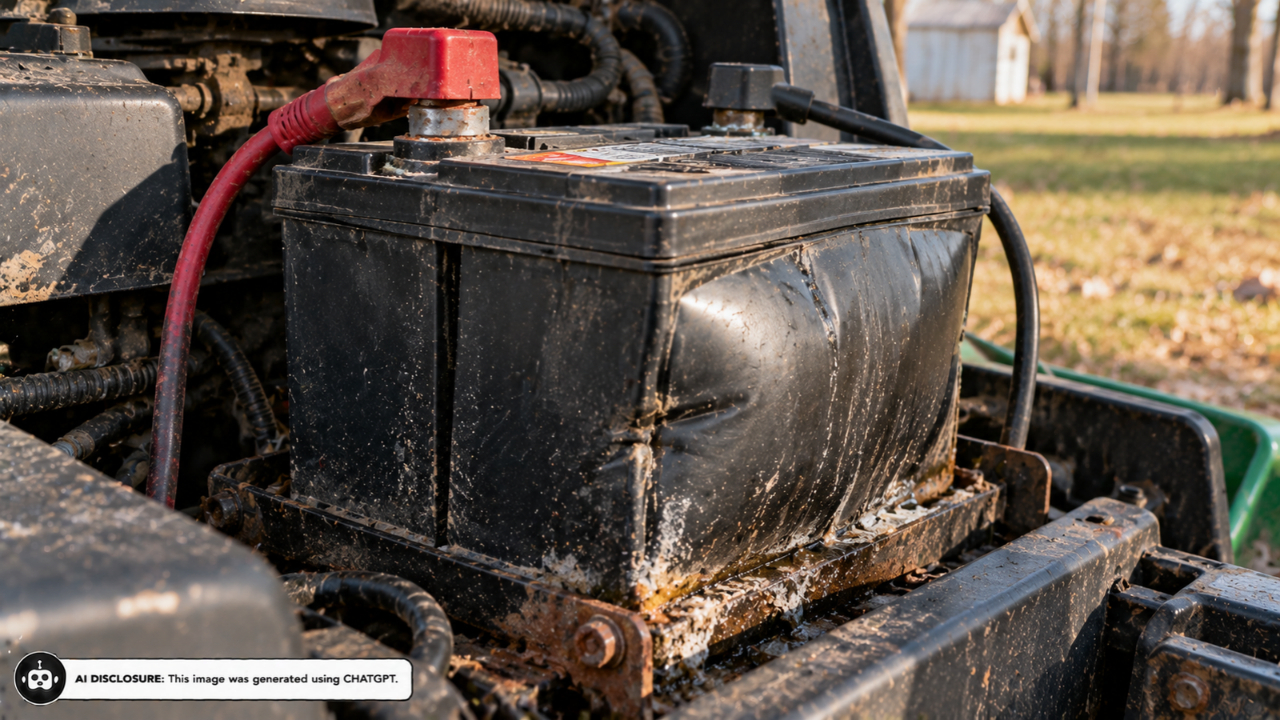
A bulged case is a bad sign any time of year. It can mean the battery froze, overcharged, or cooked internally. Once the case distorts, the plates inside are usually damaged, and cold weather will finish the job.
If you see wet spots, cracks, or a sour smell, treat it seriously. Wear gloves and eye protection, and don’t lean over it while cranking or jump starting. Replace it and clean the tray, hold-down, and nearby metal so acid doesn’t keep eating things.
6. You Keep Needing Jumps On Mild Nights
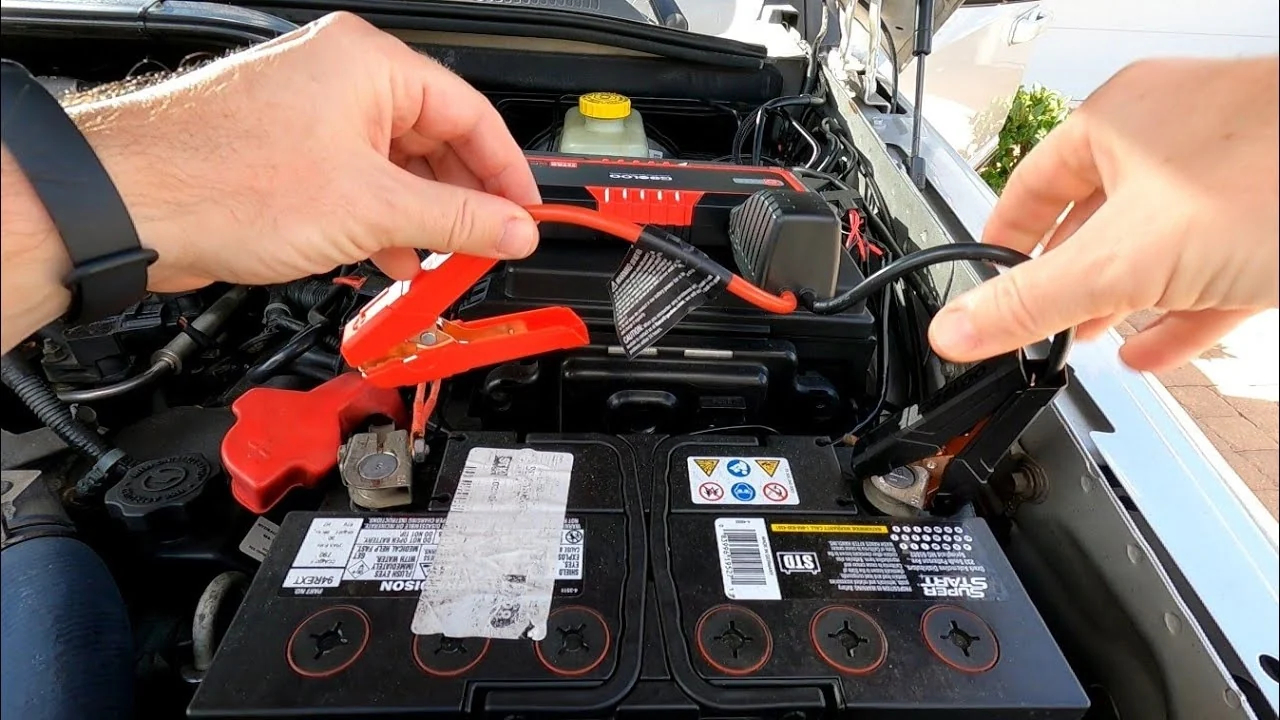
If it needs a jump when it’s only a little chilly, it won’t make it through a real cold snap. Lots of folks blame “winter gas” or the starter, but a battery that’s already struggling will fold fast when temps drop further. A jump now and then is one thing, a pattern is another.
Don’t keep jump starting day after day. Each deep discharge is hard on the battery, and it can take your alternator down with it by forcing it to work overtime. Fix the root cause, battery, cables, or charging system, before you get stranded somewhere dumb like the end of a long driveway.
7. Short Trips And Long Parked Weeks

Two miles to town and back sounds normal, but it’s rough on batteries in winter. Starting takes a lot of power, and cold engines need more cranking. If you shut it down before the alternator pays that back, the battery lives in a half-charged state, and that invites sulfation.
If the vehicle or tractor sits for weeks, the slow drain from clocks, modules, and alarms adds up. A basic battery maintainer is a cheap fix, and it beats replacing a battery every season. If there’s no power where it’s parked, consider pulling the battery and storing it somewhere warmer, or at least disconnecting the negative cable if it’s a simple setup without memory needs.
8. Weak Charging System Hidden By Summer
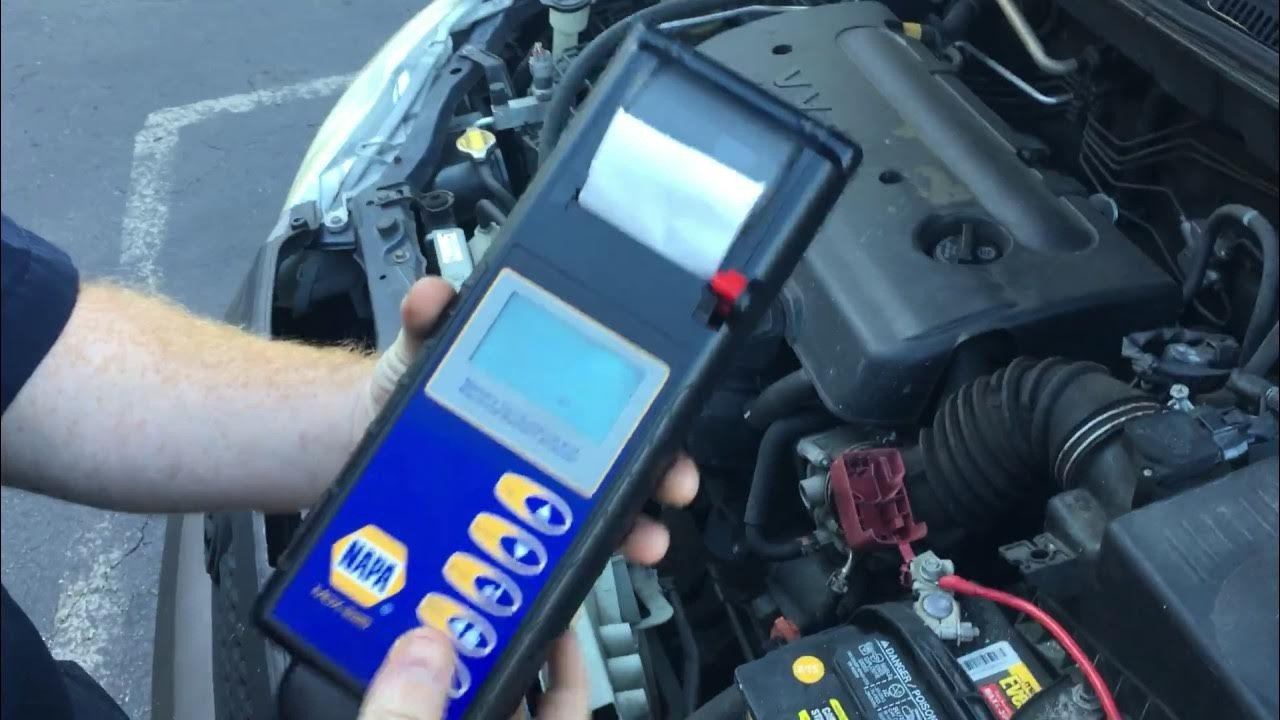
Summer can hide a lazy alternator. In winter, you run headlights, blower motor, rear defrost, heated seats, and wipers, all at once. If the alternator is barely keeping up, the battery spends every drive getting a little poorer.
Watch for dimming headlights at idle, a battery light that flickers, or a voltage reading that stays low while running. Most parts stores can do a basic charging system test. If the alternator is failing, replacing the battery alone is a waste of money.
9. Old Battery With Unknown History
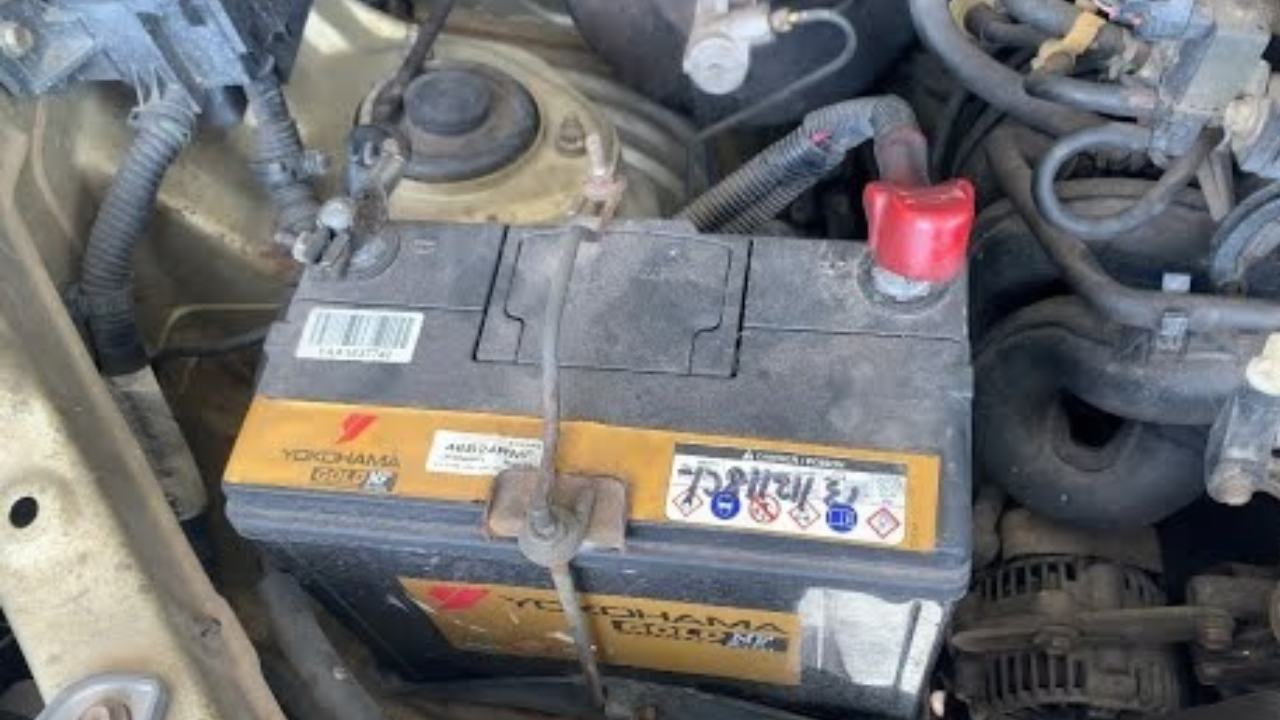
Age matters, but history matters more. A battery that sat dead for a weekend last winter, or got drained by a dome light, is often never the same afterward. Cold weather will expose that damage.
Check the date code on the battery case and be honest about how it’s been treated. If it’s been deeply discharged more than once, plan on replacing it before the first hard freeze. The exception is a battery that’s been kept on a maintainer and never run low. Those can surprise you and last longer than expected.
10. Stored In An Unheated Shed Or Trailer
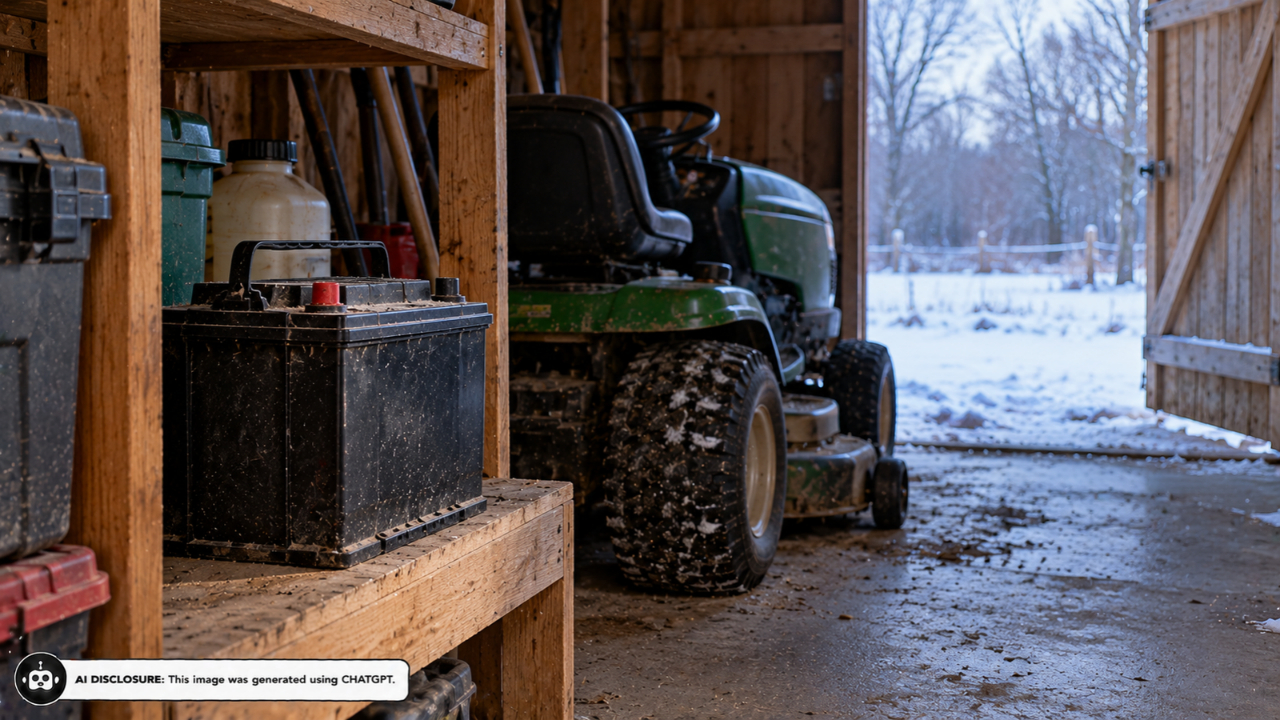
A battery on a concrete floor is not the problem, the cold air is. Leaving a spare battery in an unheated shed, or in equipment parked out back, lets it self-discharge. Once a battery is low, it freezes easier, and freezing can crack the case or warp plates.
Store spares fully charged in a cool but not freezing spot, and top them off with a maintainer. For equipment that must live outside, at least check charge level before cold hits. A half-dead battery in January is a chore you don’t need.
If you handle the weak links before the first real cold snap, you stop losing mornings to no-start drama. A quick test, clean cables, and smart storage do more for winter reliability than any fancy add-on.
Like Fix It Homestead’s content? Be sure to follow us.