
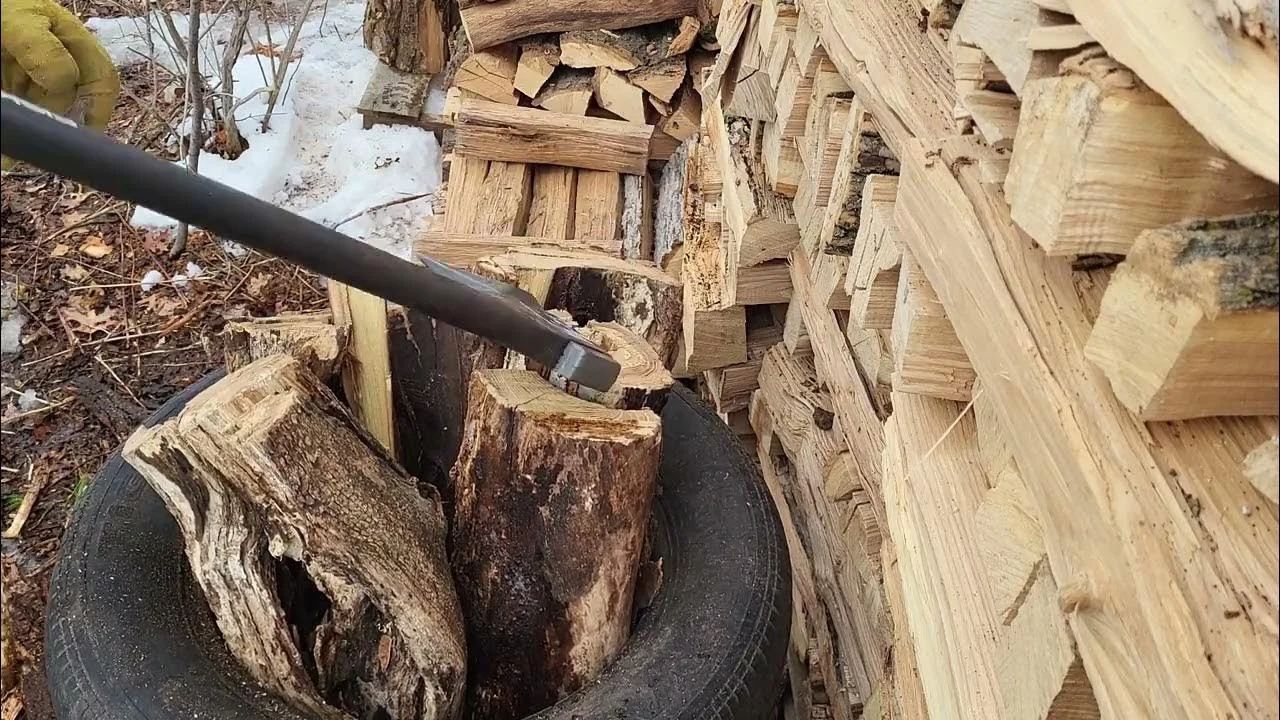
12 Woods That Are Worth Splitting by Hand
Photo credit: Chris Brown/Youtube
Some wood makes you feel like a hero with a maul in your hands. Other wood makes you feel like you’re punishing yourself for no reason. If you’re splitting by hand, the species and the way it’s grown matter as much as how sharp your axe is and how square your rounds are.
1. Straight-Grained White Oak Rounds
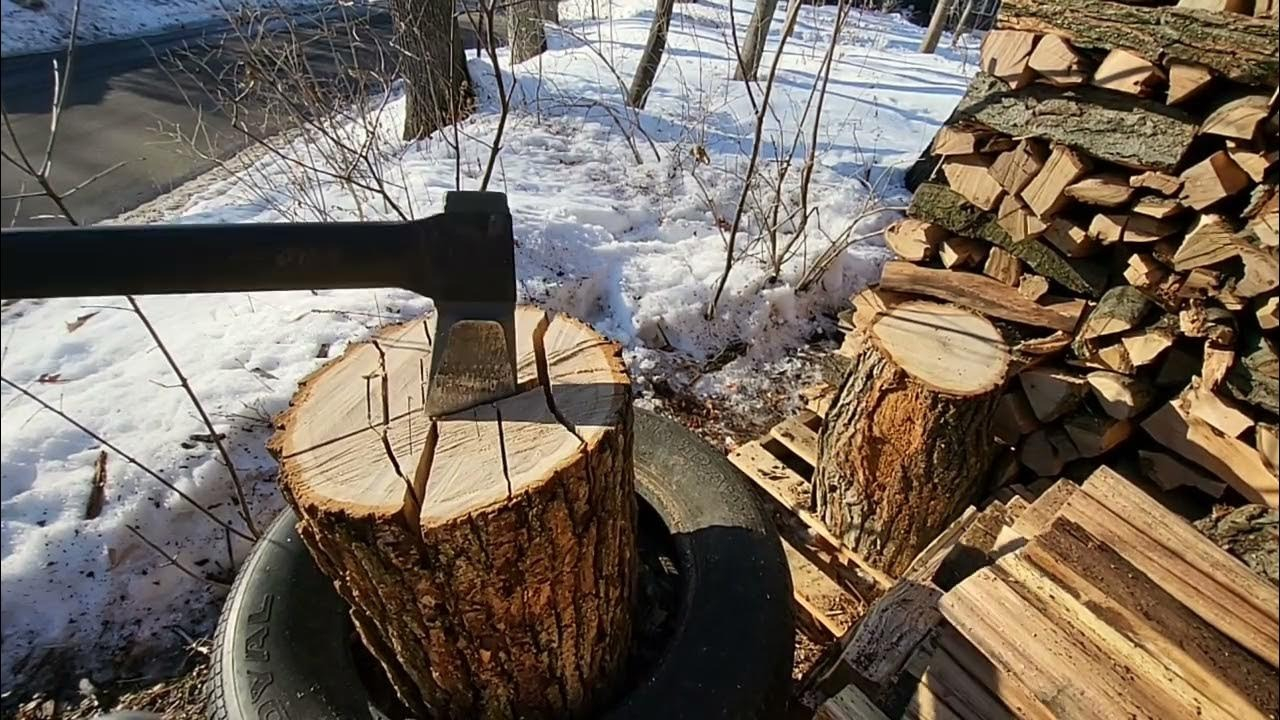
White oak is dense, so you get real heat per arm swing. When it’s straight-grained and cut to a sane length, it pops apart with a clean crack instead of shredding into strings that hang on the wedge.
It’s also a wood worth splitting by hand because it’s worth stacking with care. White oak seasons slower than lighter woods, so get it split early, stack it off the ground, and give it airflow. If you wait until fall to split big white oak, you’ll feel that mistake in your shoulders and in a smoky stove.
2. Ash That Splits Like A Dream
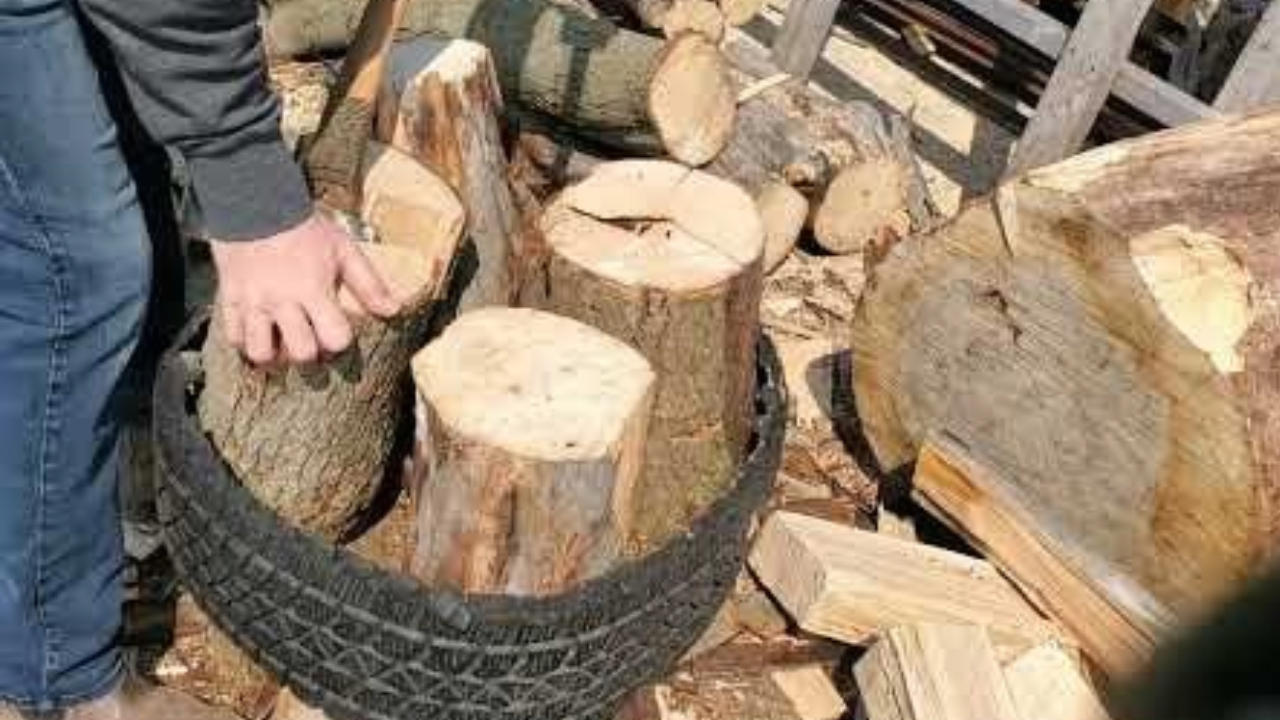
Ash is the kind of wood that teaches good habits. The grain tends to run straight, and a decent swing with a splitting axe will open it up without a lot of chasing knots.
It’s also forgiving if your setup isn’t perfect. Slightly uneven rounds, a stump that’s not the ideal height, an older maul that’s seen better days, ash will still cooperate. Get it split and stacked soon after bucking so it doesn’t sit around soaking up ground moisture.
3. Sugar Maple For Reliable Heat
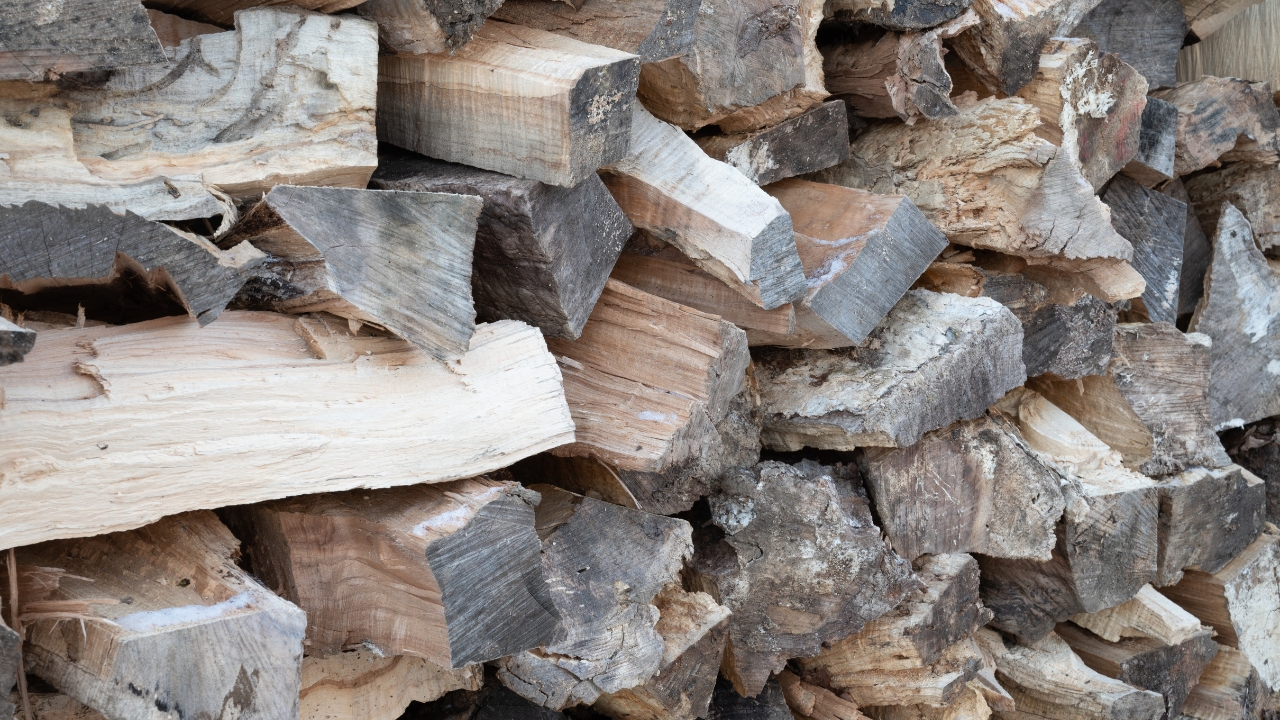
Sugar maple has weight and steady burn, but it usually doesn’t fight you the way some other hardwoods do. When the rounds are clean and not full of crotches, it splits with a firm “pop” and makes tidy pieces that stack tight.
The timing matters. Fresh sugar maple can feel a little stubborn if you’re trying to peel thick bark off with every hit, so keep your edge sharp and aim for clean faces. If you’re dealing with gnarly limbs, set those aside for a hydraulic splitter day and hand-split the straight trunk wood now.
4. Red Oak When It’s Not Twisty
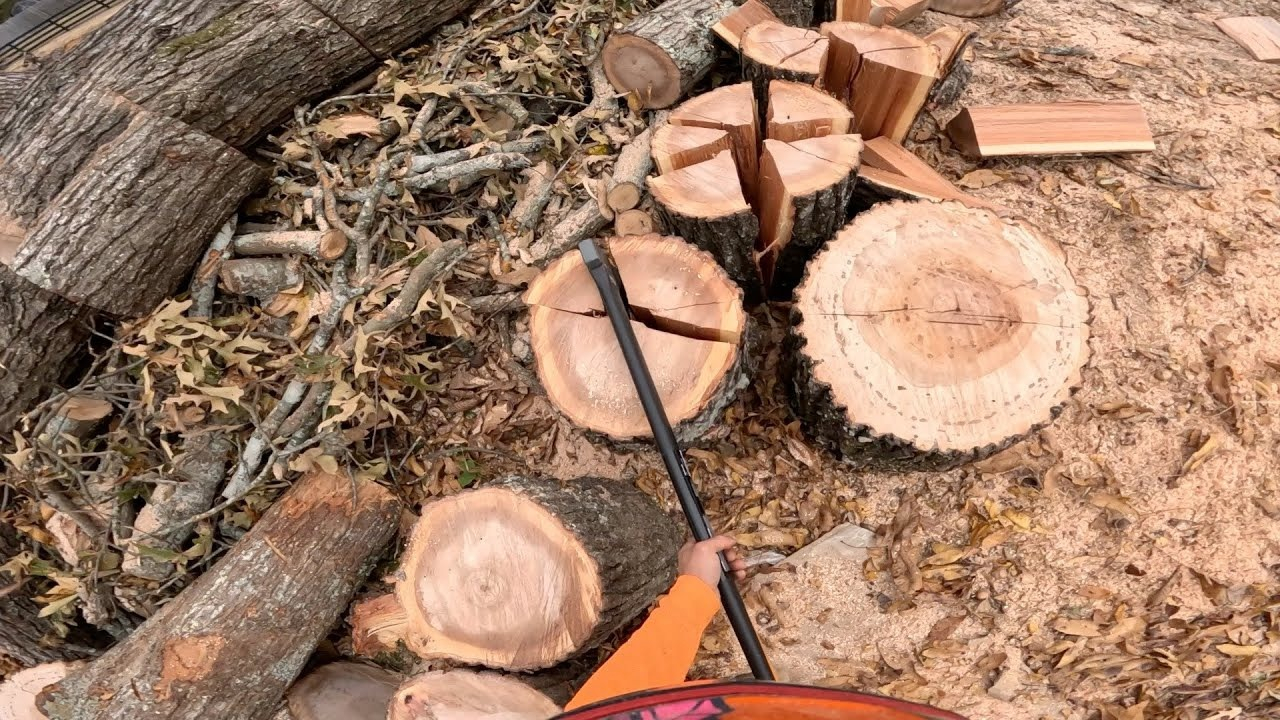
Red oak is common, and that alone makes it worth learning how to split well. A lot of it opens up nicely by hand, especially trunk wood with long, even grain.
The catch is smell and seasoning. Red oak can sour fast if it sits in big rounds through a wet spring, so splitting early isn’t just about effort, it’s about keeping the pile from turning funky and punky. Stack it where wind can get through, not jammed against a shed wall.
5. Black Cherry That Splits Clean
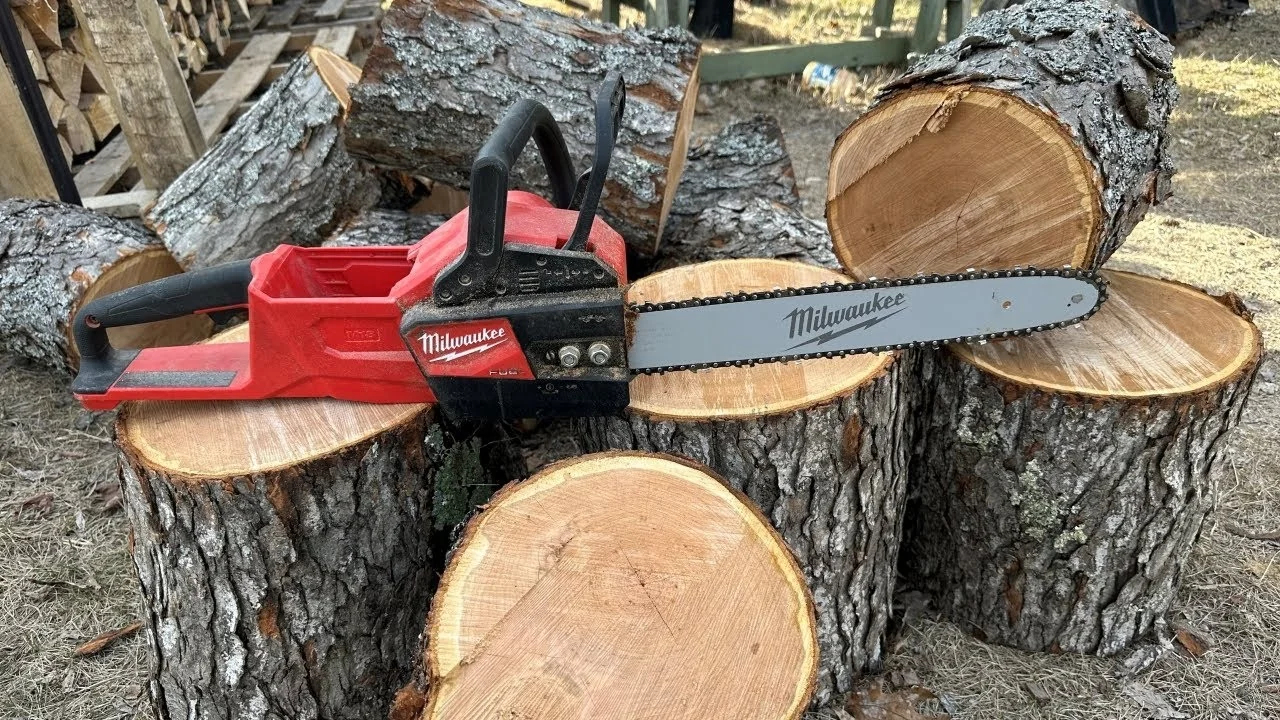
Cherry is underrated firewood. It’s usually friendly to a splitting maul, and it doesn’t have the ropey, stringy fibers that make you work twice.
Cherry also rewards hand splitting because the pieces come out smooth and uniform. That means less time wrestling ugly chunks onto the stack. Keep an eye out for larger knots near old limb scars, those can turn a nice day into a wedge-and-sledge situation.
6. American Beech If It’s Sound
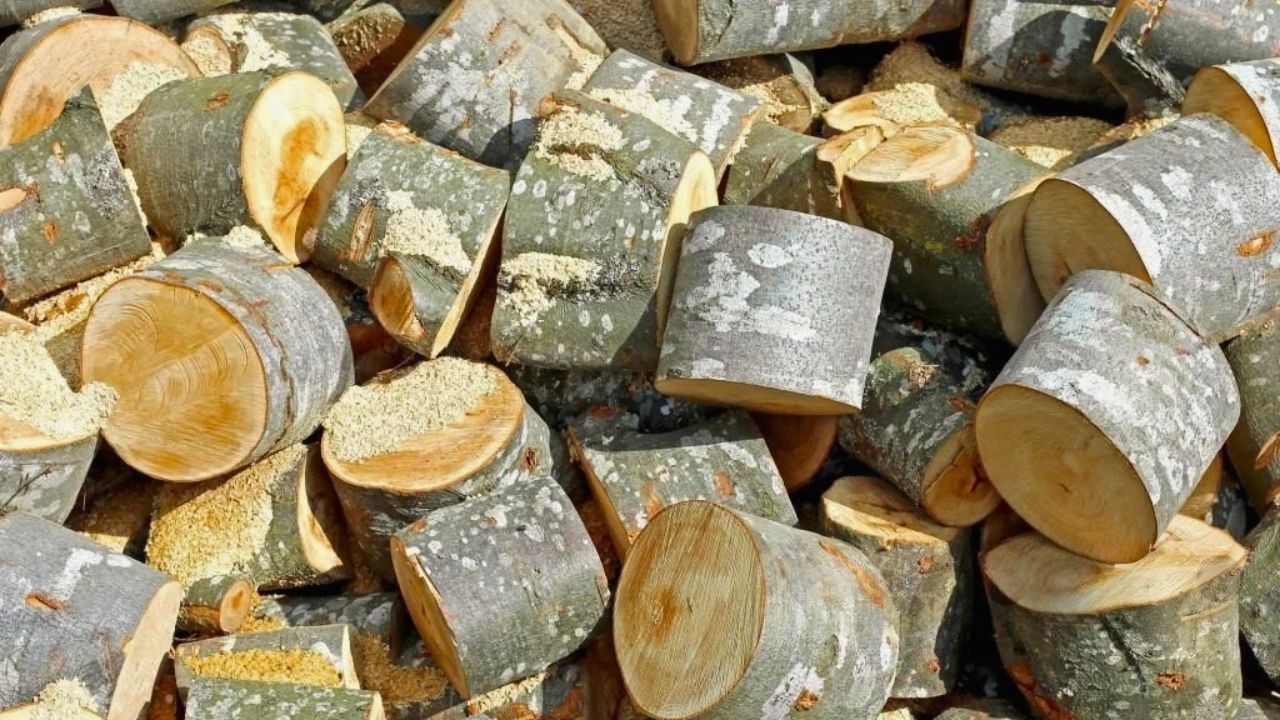
Beech can be a pleasure when it’s healthy. Straight beech cracks sharply, makes clean faces, and gives you a dense wood that carries heat through the night.
The reason it earns a spot is urgency. Beech rots faster than a lot of people expect once it’s down, and punky beech is miserable to split and lousy to burn. If you’ve got a fresh beech log, buck it, split it, and get it up on pallets or rails right away.
7. Bitternut Or Shagbark Hickory In Moderation
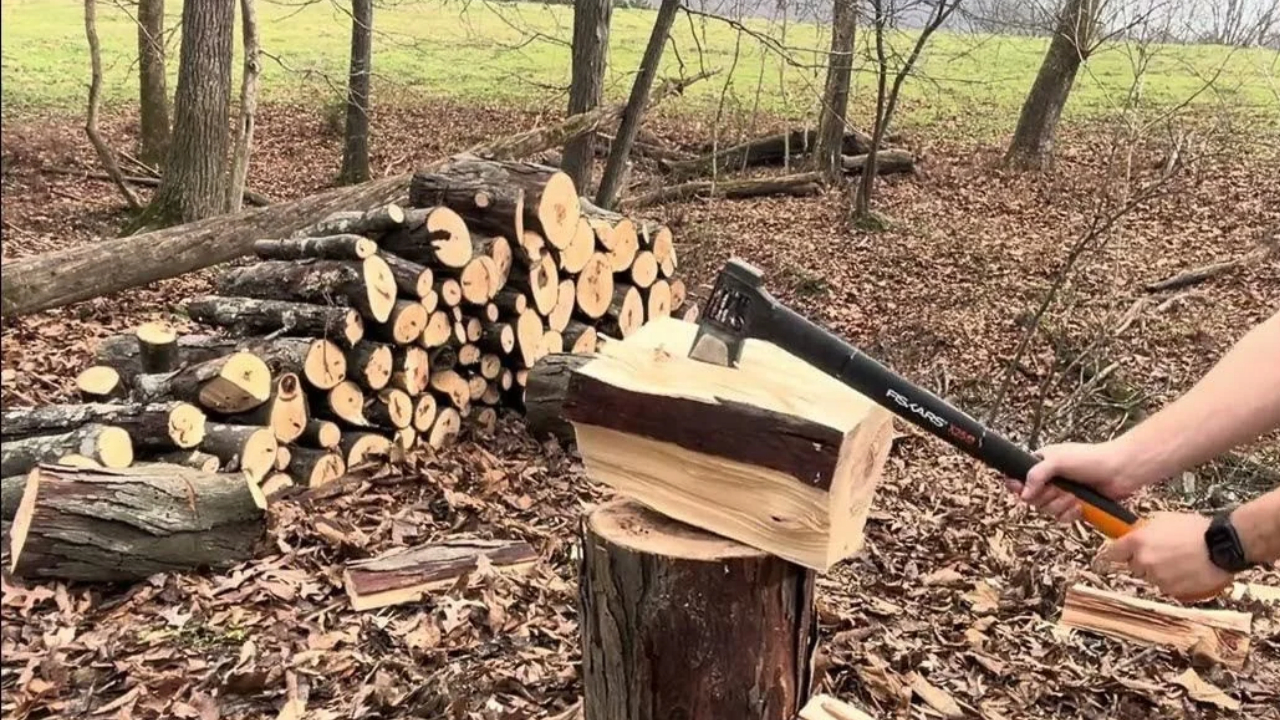
Hickory is hard work, no point pretending. But the payoff is big, long-lasting coals and serious heat from a small stack footprint.
This is one where hand splitting makes sense only if you pick your battles. Split the straight sections and leave the crotches for a machine. A sharp splitting axe and a steel wedge help, and you’ll want gloves that still let you feel the handle so you don’t overgrip and wreck your forearms.
8. Straight Elm When It’s Frozen
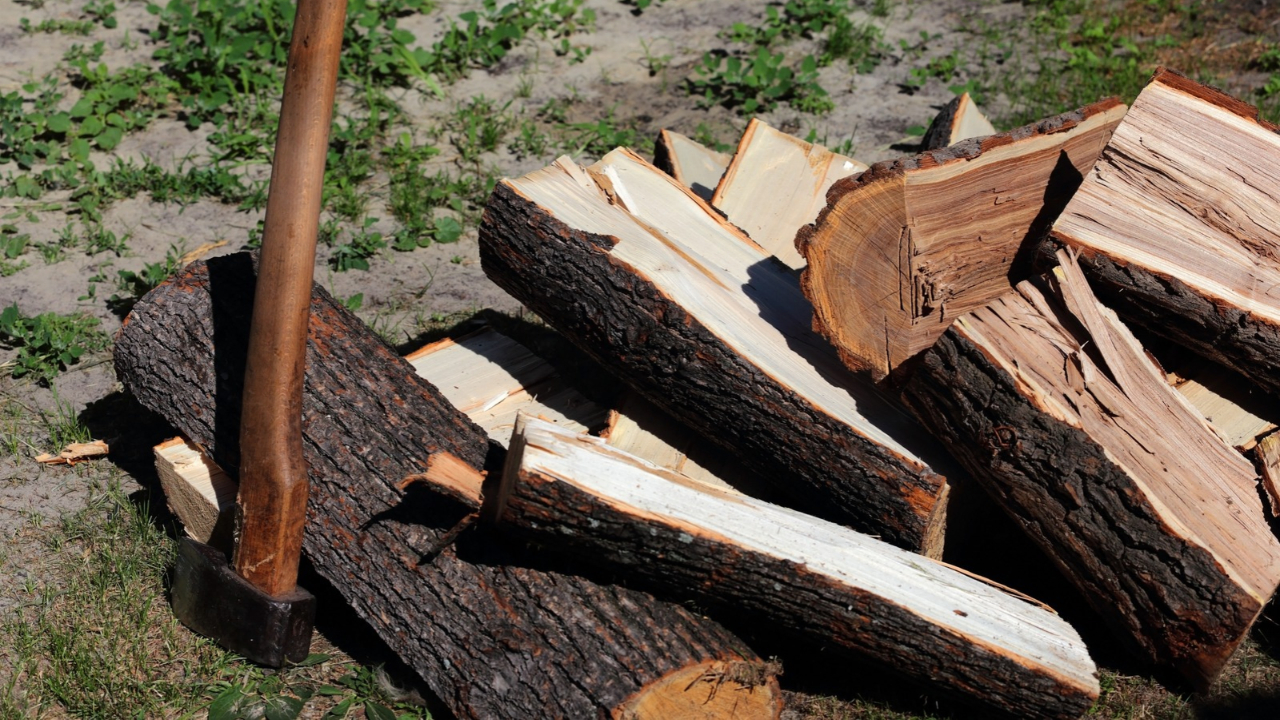
Elm has a reputation for being awful, and often it is. The fibers can twist and hold on like rope, so your maul sinks in and the round just laughs at you.
Here’s the exception that surprises people. If you can split elm in a real cold snap, the frozen fibers act less springy and you can get decent results on straight-grained pieces. Don’t plan your whole winter around it, but if you’ve got elm and the weather finally turns hard, that’s your window.
9. Black Locust For Long-Burn Stacks
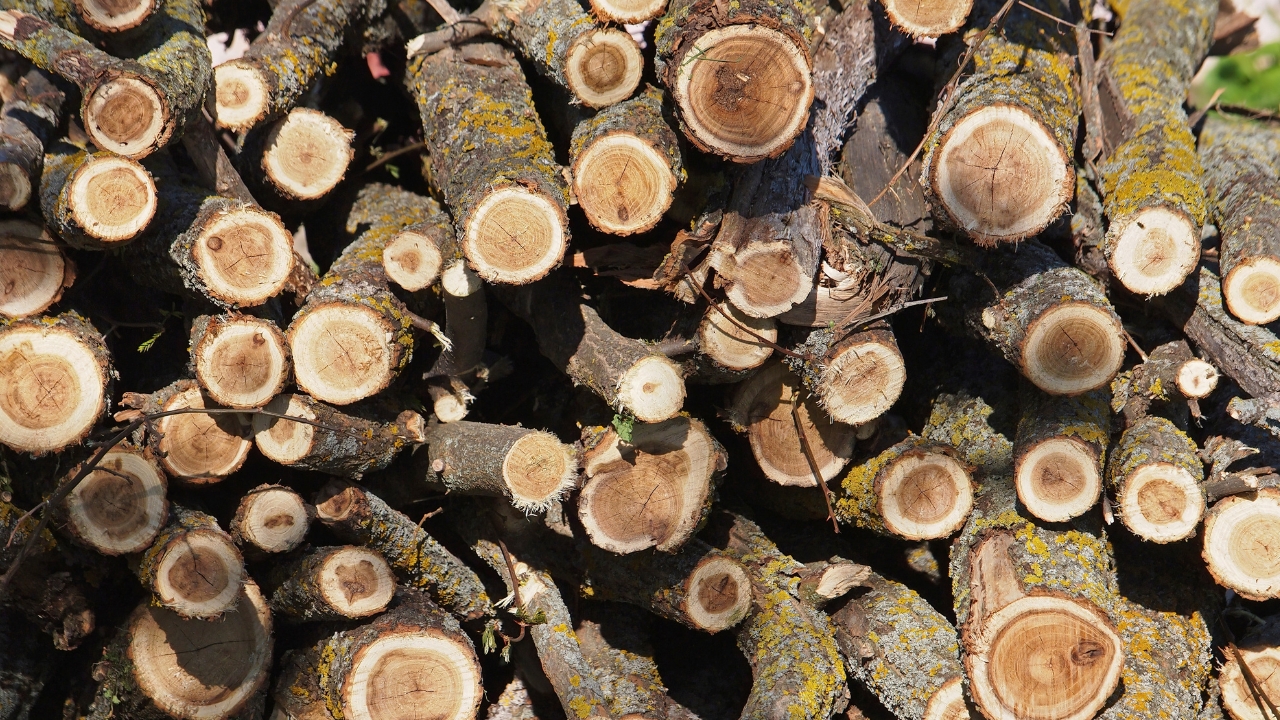
Black locust is heavy, hot-burning, and naturally rot resistant. That rot resistance is exactly why it’s worth hand splitting, you can process it and store it longer without it turning to compost on the bottom row.
Locust can be stringy around knots, and the bark can be rough on hands. Keep your splitting area clean, because locust rounds are dense enough to bounce tools in weird ways if you miss and hit the block. If a piece starts to tear instead of crack, drive a wedge and finish it instead of hacking at it for ten minutes.
10. Ironwood For Small Stove Loads
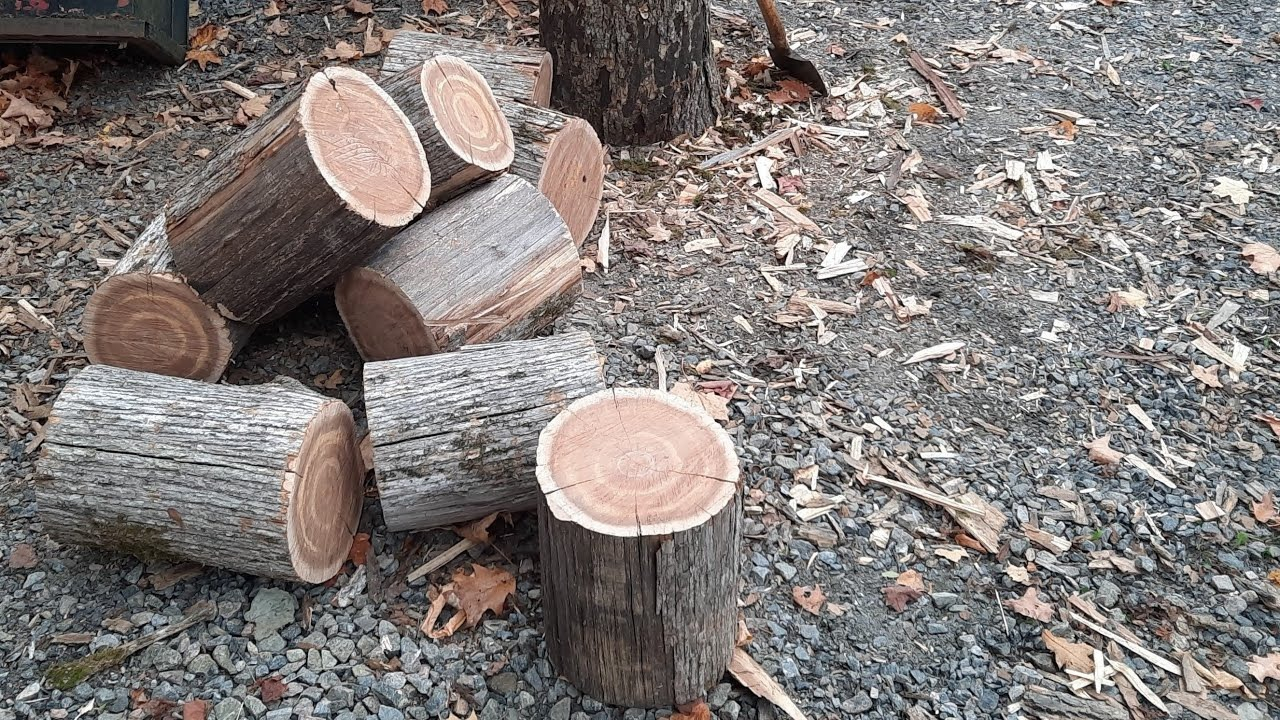
Ironwood, also called hop-hornbeam in some places, is not fun in big diameters. But most of what you find is smaller, and that’s where it shines for hand splitting.
You get compact, high-heat pieces that are perfect for shoulder-season fires or topping off an overnight load. A fiskars-style splitting axe or any sharp, thin-profile splitter can work well here since you’re usually dealing with 4 to 8 inch rounds, not monsters.
11. Boxelder For Quick, Easy Processing

Boxelder is soft maple, and it splits fast. When you need a pile built in an afternoon, it’s hard to beat for low effort per cord.
This is the cheap option that’s actually fine for certain jobs. It won’t give you the longest burn, but it’s great for spring and fall, campfires, or getting a sluggish chimney warmed up before you load in the dense stuff. Keep it dry, because boxelder will get punky if you leave it in a heap on the ground.
12. Tulip Poplar For Shoulder Season Fires
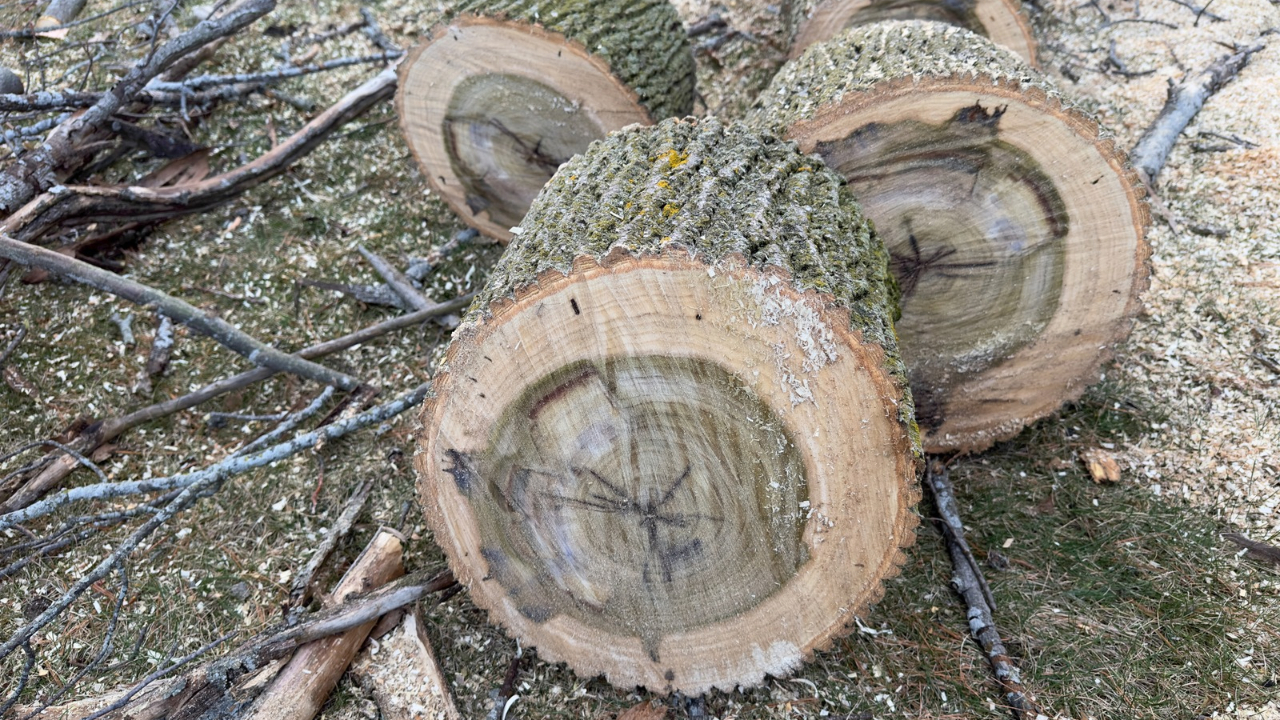
Tulip poplar is light, and your back will notice that before your stove does. It splits easily, stacks neatly, and dries faster than many hardwoods, which makes it handy when you’re behind on firewood.
If you heat full-time, poplar won’t carry you through the coldest stretch by itself. But it’s worth splitting by hand because it fills gaps, starts fires easily, and saves your better wood for when the temperature really drops. Just don’t store it where it can soak up rain, it’ll take on water fast.
If you want hand splitting to feel like a steady routine instead of a punishment, be picky. Save the twisted crotches, the gnarly stumps, and the oversize rounds for a hydraulic splitter day, and spend your elbow grease on straight-grained wood that pays you back in clean stacks and good heat.
Like Fix It Homestead’s content? Be sure to follow us.