10 Signs a Trailer Is Not Safe to Tow
Photo credit: ungvar/Shutterstock.com
You can pull a trailer for years and never have a scary moment, then one small problem stacks up with another and the whole setup starts driving you. Bad sway, weak brakes, and quiet cracks don’t announce themselves politely. Catch them in the driveway, not on a downhill curve with traffic behind you.
1. Tires With Cracks, Bulges, Or Dry Rot
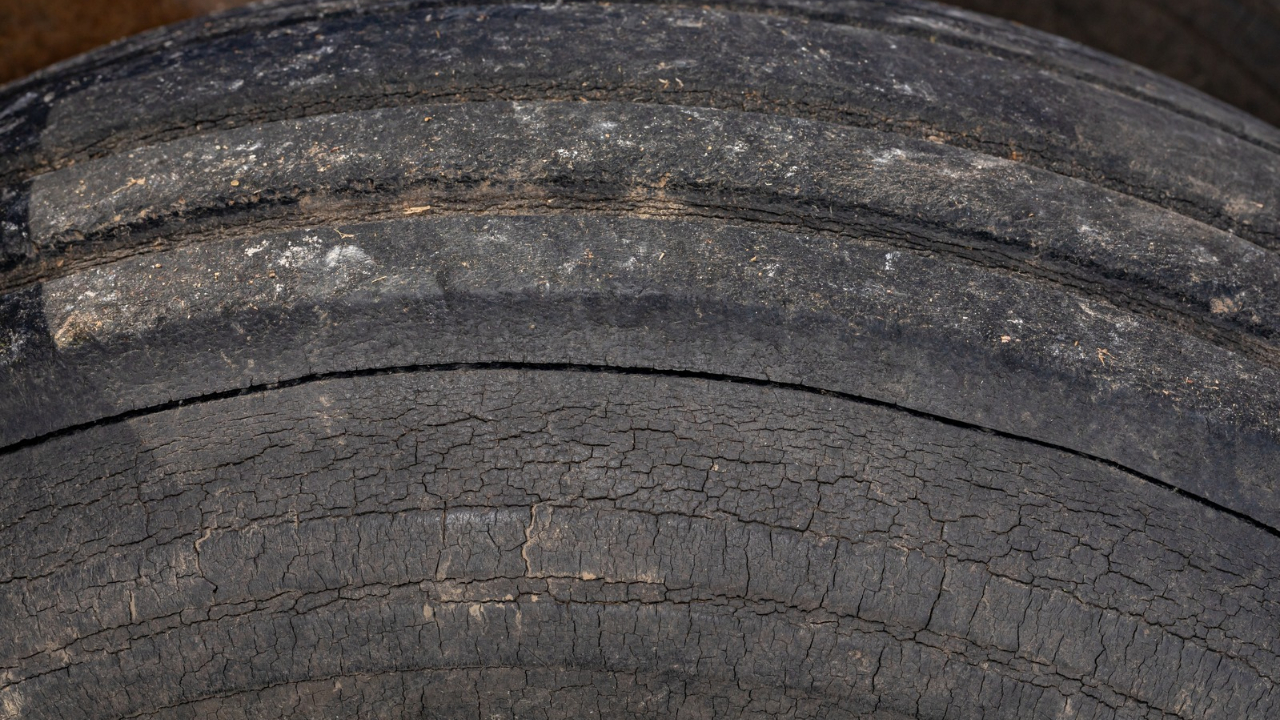
Trailer tires fail fast and loud. Look for sidewall checking, bubbles, cords showing, or a tread that’s worn more on one edge than the other. If you see weather cracks, it’s already aging out, even if the tread looks decent.
Check the date code on the sidewall and treat old rubber like old milk. If the trailer sits most of the year, cover the tires, keep them off bare dirt, and air them to the pressure stamped on the tire before every tow. When in doubt, replace the pair, and don’t cheap out on random used tires with unknown age.
2. Wheel Bearings That Growl Or Run Hot
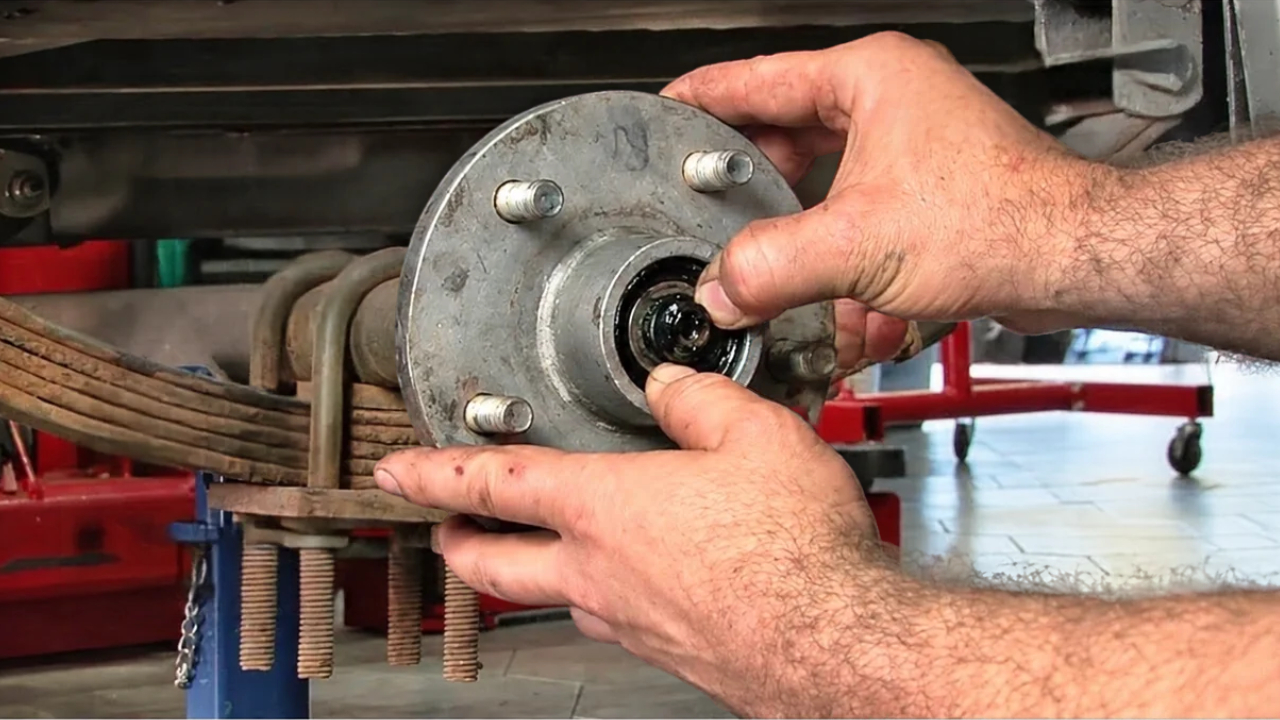
A bad bearing starts as a faint rumble, then turns into heat you can smell when you stop for fuel. After a short drive, carefully feel near the hub, not on it, and compare sides. One hub running much hotter than the other is a warning you don’t ignore.
Repacking bearings is a normal maintenance job, but it’s messy and you need the right grease, seals, and a torque wrench for the nut. If the bearings are pitted or the spindle is scored, park it and take the hub to a trailer shop. A seized bearing can take the wheel and fender with it.
3. Brakes That Don’t Grab Evenly
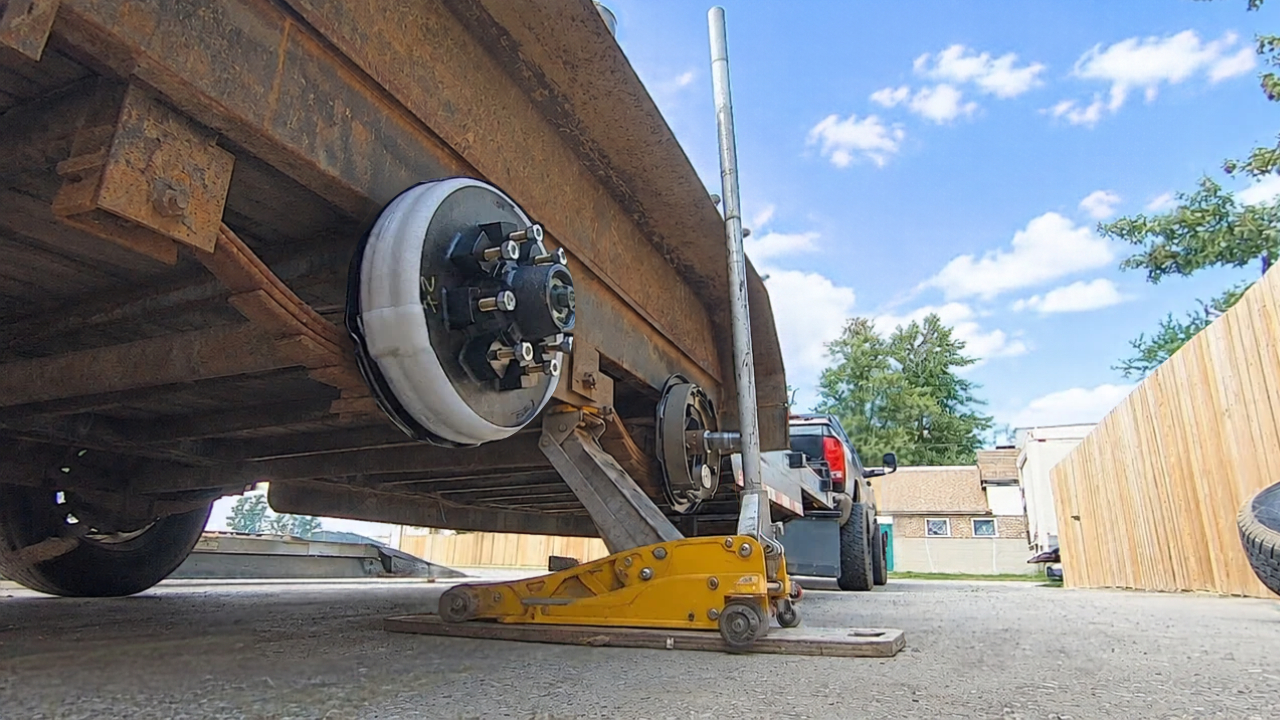
If your stopping distance feels longer, the trailer shoves the truck at stops, or you get a pull to one side, something’s off. Electric trailer brakes also get touchy after sitting in wet grass all winter, and the first hard stop can feel like nothing happens.
Start simple. Check the brake controller settings, the trailer plug, and the breakaway switch battery. If you’re not comfortable pulling drums, adjusting shoes, or tracing wiring, pay a shop for a brake inspection. This is one place where guessing gets expensive.
4. Loose, Rusty, Or Cracked Coupler
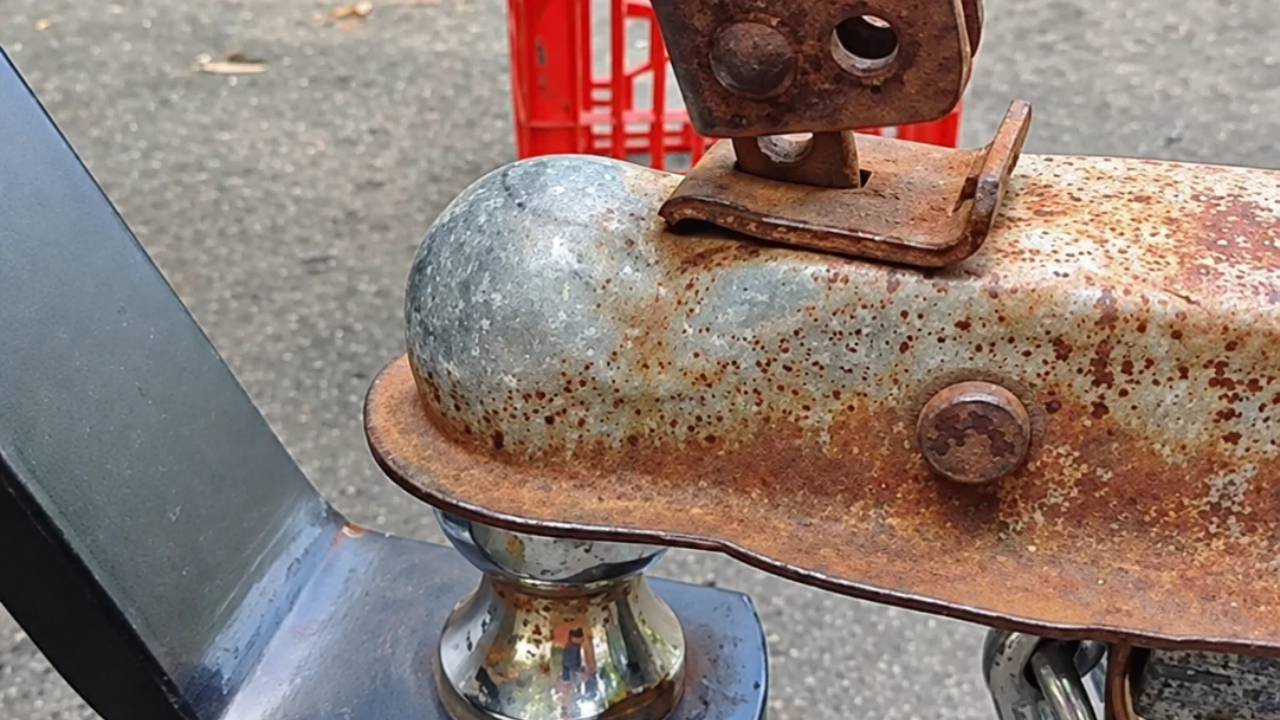
The coupler should fit the ball snug, latch fully, and not clunk every time you tap the brakes. If the latch is bent, the socket is egg-shaped, or the metal around the coupler weld looks cracked, stop right there.
Clean it, inspect it in good light, and don’t paint over problems. Replacing a coupler is usually straightforward, but welding on a tongue is structural work, and it needs someone who can weld properly. A “good enough” tongue repair is how trailers leave the chat.
5. Safety Chains Dragging Or Misrouted
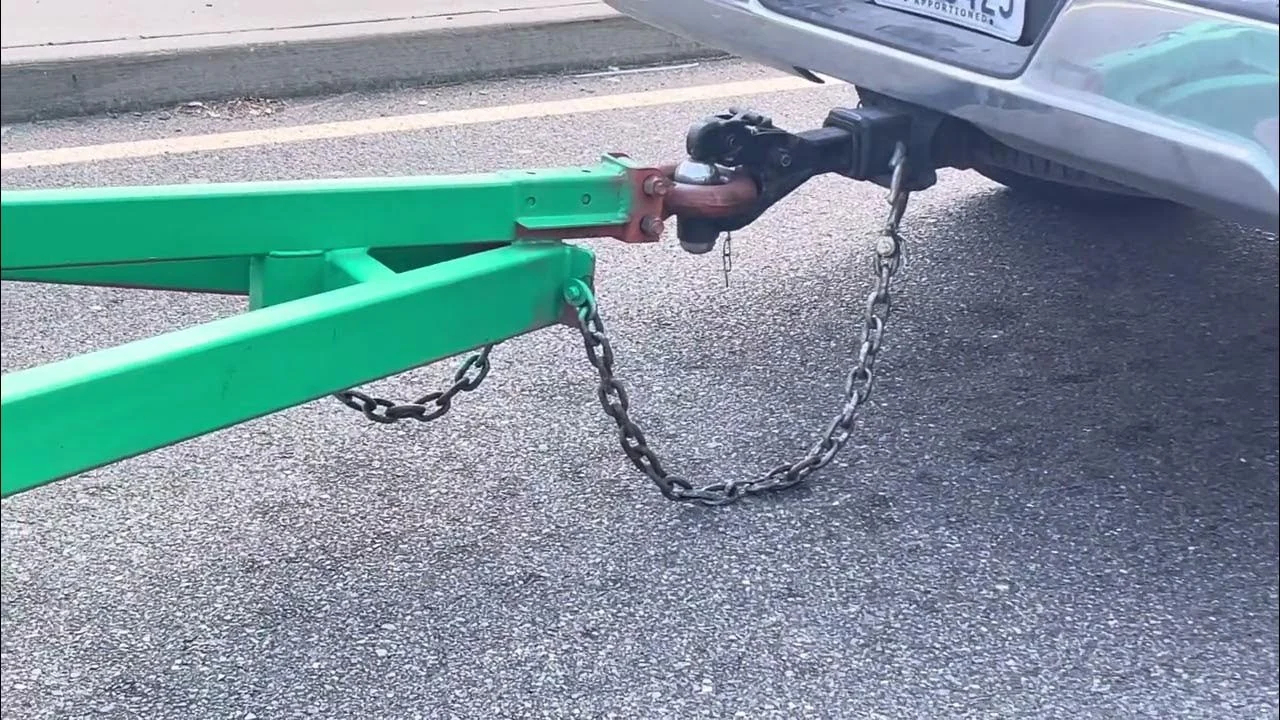
Chains that scrape the pavement throw sparks and can snag on a bump. Chains that are too long can also let the tongue drop hard if the coupler comes loose, and that can dig into the road and whip the trailer.
Cross the chains under the coupler so they can catch the tongue, and shorten them with proper hooks or rated links, not a knot and hope. There’s an honest exception here: if you’re using a weight distribution hitch with certain chain setups, follow the hitch maker’s routing. Don’t invent your own pattern.
6. Sway At 45 MPH And Up
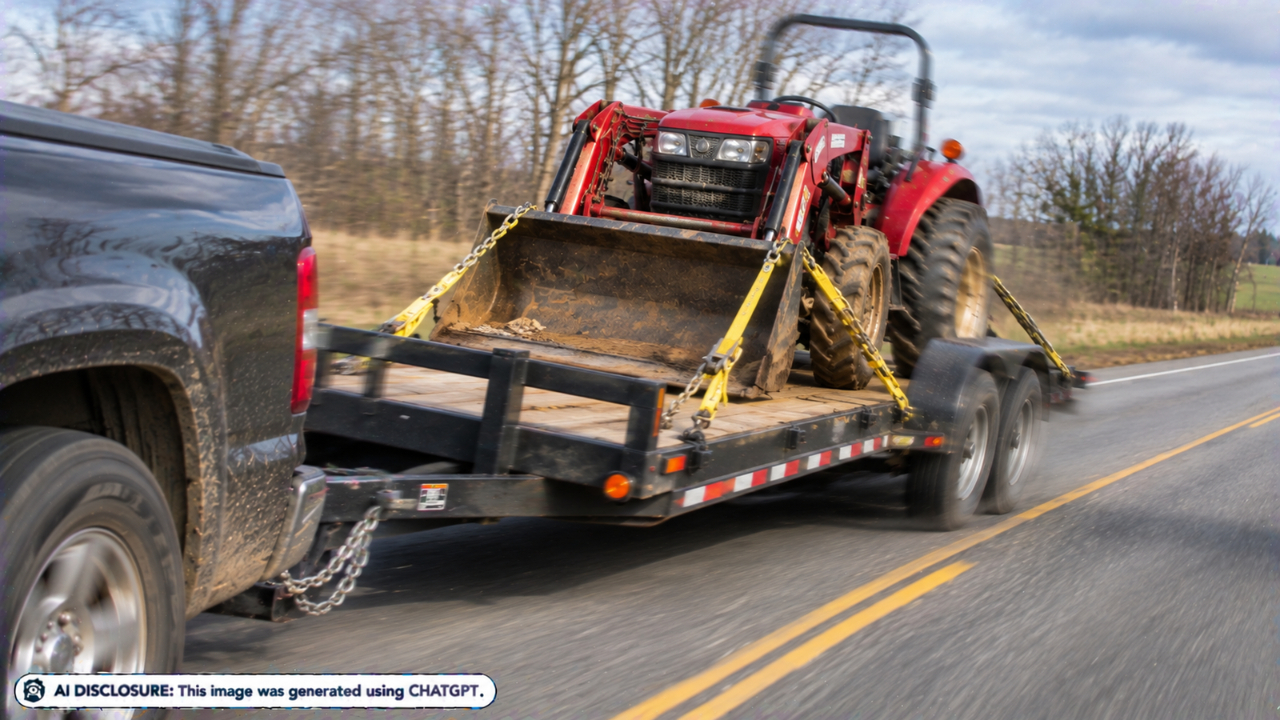
If the trailer starts wagging the truck, that’s not “just wind.” Sway often shows up when you hit a dip, get passed by a semi, or let off the gas and the whole rig gets loose. Once it starts, it can ramp up fast.
Most sway comes from load placement and tongue weight, not magic gadgets. Move heavy gear forward of the axles, secure it so it can’t walk, and keep water tanks and toolboxes from sloshing or shifting. A sway control bar can help on some setups, but it won’t fix a badly loaded trailer.
7. Frame Rust Flakes And Soft Spots
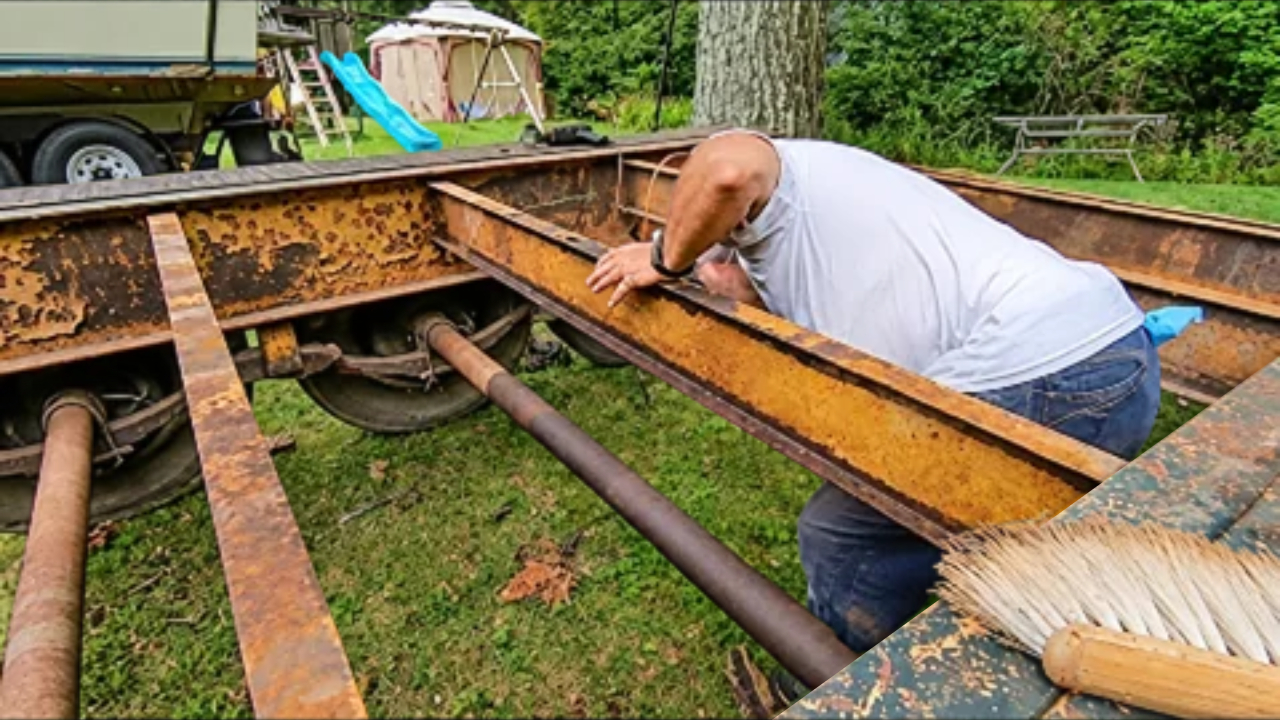
Surface rust is normal. Rust you can poke through with a screwdriver is a deal breaker. Pay attention around spring hangers, crossmembers, the tongue, and anywhere road salt collects.
Wire brush and paint won’t save thin steel. If you see cracks, holes, or fresh rust stains radiating from a weld, get it inspected and repaired by a qualified trailer or welding shop. A frame failure doesn’t give you a second chance.
8. Lights That Flicker When You Hit Bumps
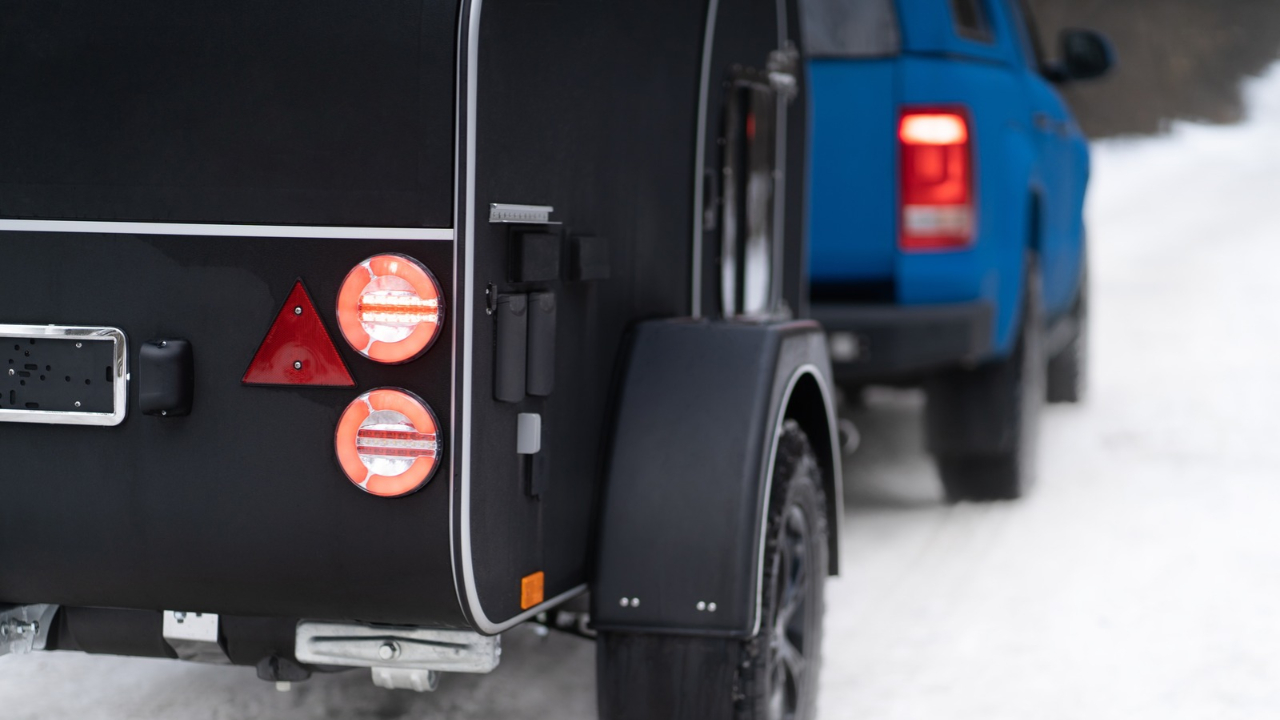
Flickering lights mean a bad ground, corroded plug, or a wire rubbed raw on the frame. You’ll often see it first as a blinker that works in the driveway, then quits on the washboard road leading out.
Clean the trailer plug, check the ground connection to bare metal, and look for pinched wires at the tongue and inside light housings. Use heat shrink butt connectors, not household wire nuts. If the harness is brittle and hacked up with tape, replacing the harness is usually faster than chasing gremlins all weekend.
9. Mismatched Lug Nuts Or Stretched Studs
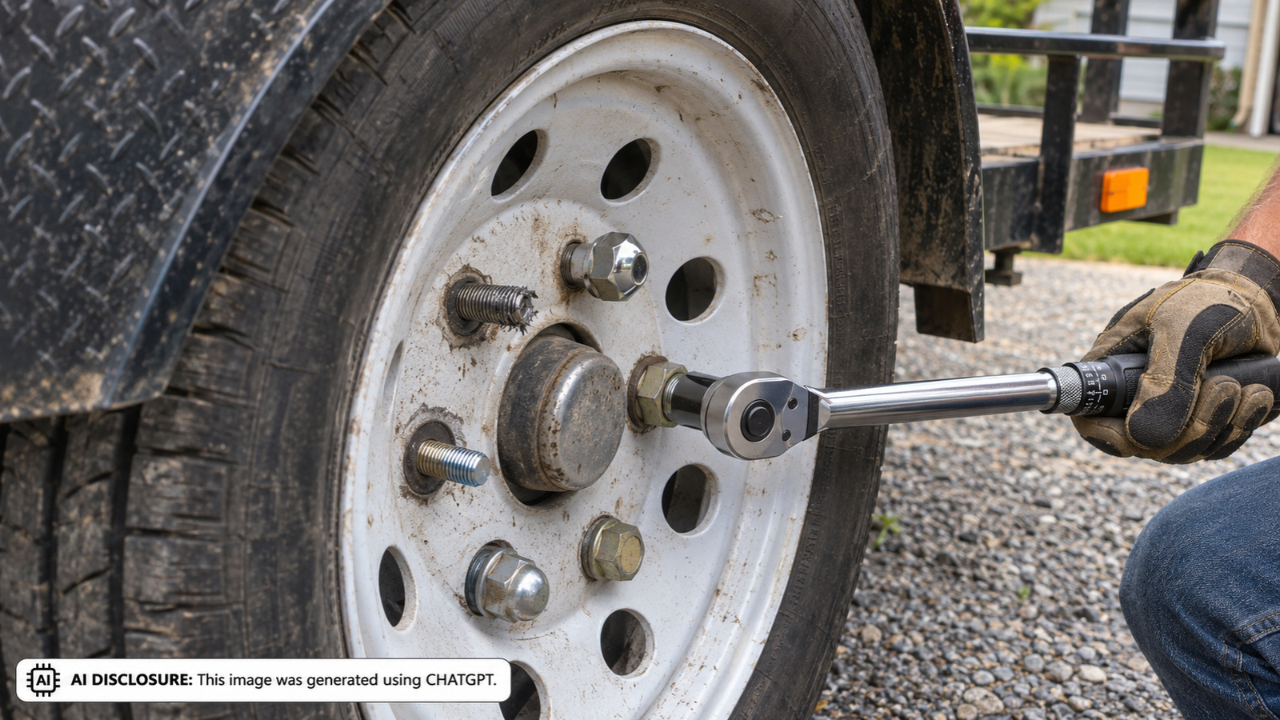
This one gets missed because the wheel “looks fine.” If lug nuts don’t match the wheel seat type, cone vs mag, they can work loose even when they feel tight. If you see shiny, stretched threads, or the nuts bottom out before clamping the wheel, the studs are on borrowed time.
Use the correct lug nut style and torque them with a torque wrench, then recheck after a short tow. An impact gun is fine for spinning nuts on, but it’s a bad tool for final torque unless you really know what you’re doing. Replacing studs isn’t hard, but it’s not fun on the shoulder of the road.
10. Load That Isn’t Tied Down Hard
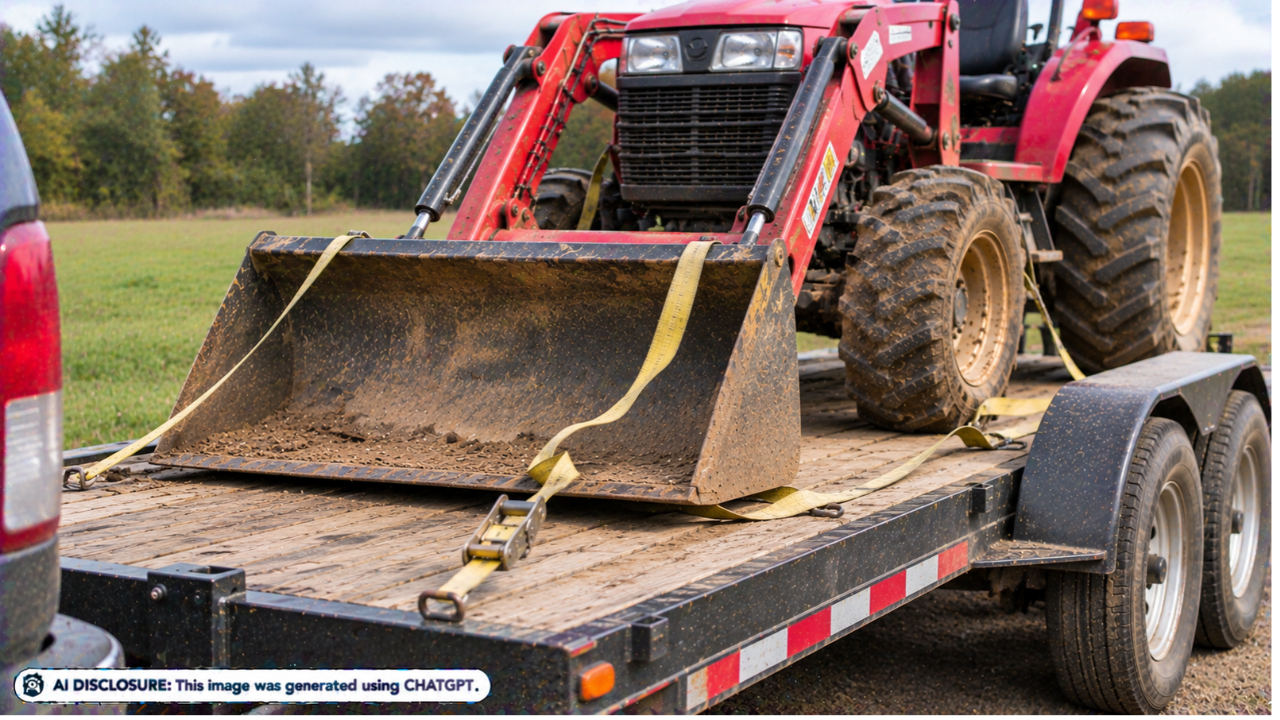
People trust sideboards and tall rails way too much. If your load can slide, bounce, or tip, it will, and that shift changes tongue weight and starts the sway problem you swear came out of nowhere.
Use rated straps or chains, protect straps from sharp edges, and stop after a few miles to snug everything again. If you’re hauling equipment, lock the parking brake, drop the bucket or attachment, and strap at all four corners. A five minute tie-down check beats a two hour cleanup in the ditch.
If anything on this list shows up right before a trip, the best move is to delay the haul. Fixing a trailer in your yard with the right tools and daylight is one thing. Fixing it on the shoulder with cars flying by is another.
Like Fix It Homestead’s content? Be sure to follow us.