10 Signs a Water Line Is Going to Freeze
Photo credit: Agnes Kantaruk/Shutterstock.com
Cold snaps don’t care if you’re home, asleep, or halfway through cooking supper. A water line usually gives you a few hints before it locks up solid, but you have to notice them while there’s still time to act. Catch it early and you’re dealing with a hassle. Miss it and you could be dealing with a split pipe and a soaked wall.
1. Overnight Temperatures Suddenly Drop Hard
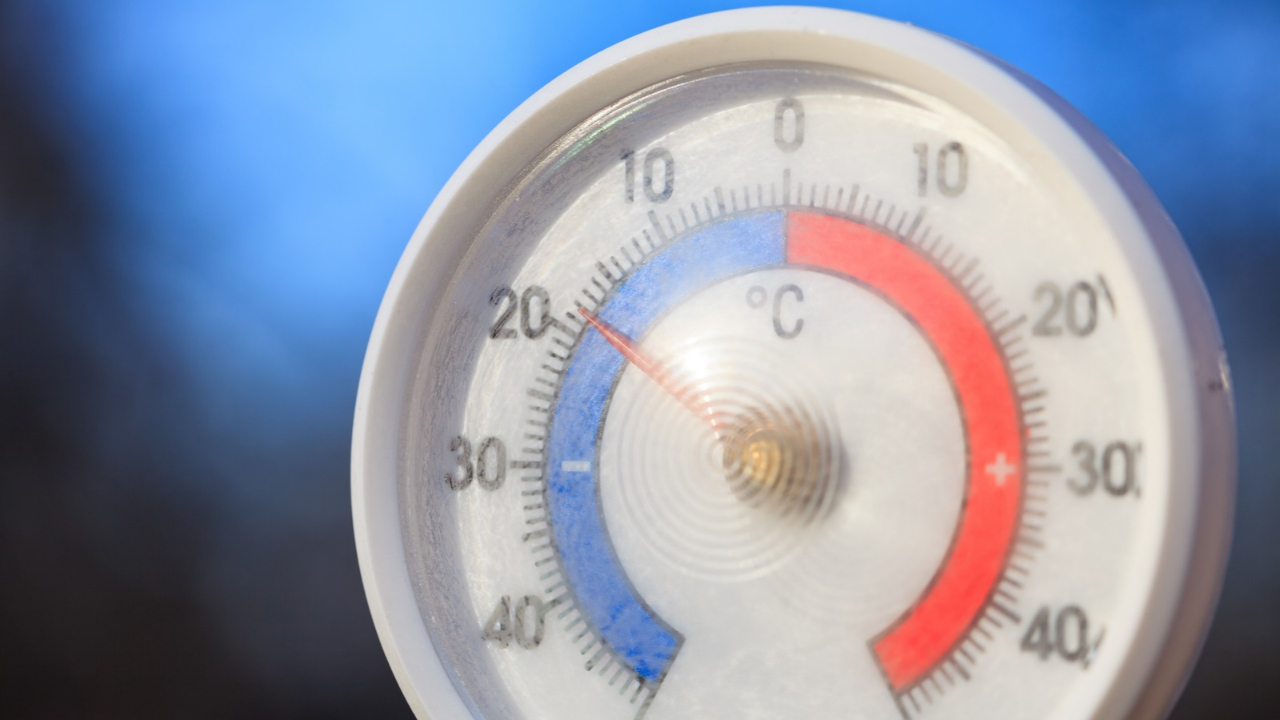
The most common setup is a quick dip after a mild stretch. Your house and soil are still holding yesterday’s warmth, then a clear, windy night sucks that heat out fast and the line loses its buffer.
When the forecast calls for single digits or a deep freeze after rain or thaw, treat it like a work order. Open sink cabinet doors on outside walls, shut garage doors tight, and keep indoor heat steady overnight. If you’ve got a known problem run, a slow pencil-thin drip from a faucet can buy time, but it’s not a cure.
2. Water Pressure Drops At One Fixture
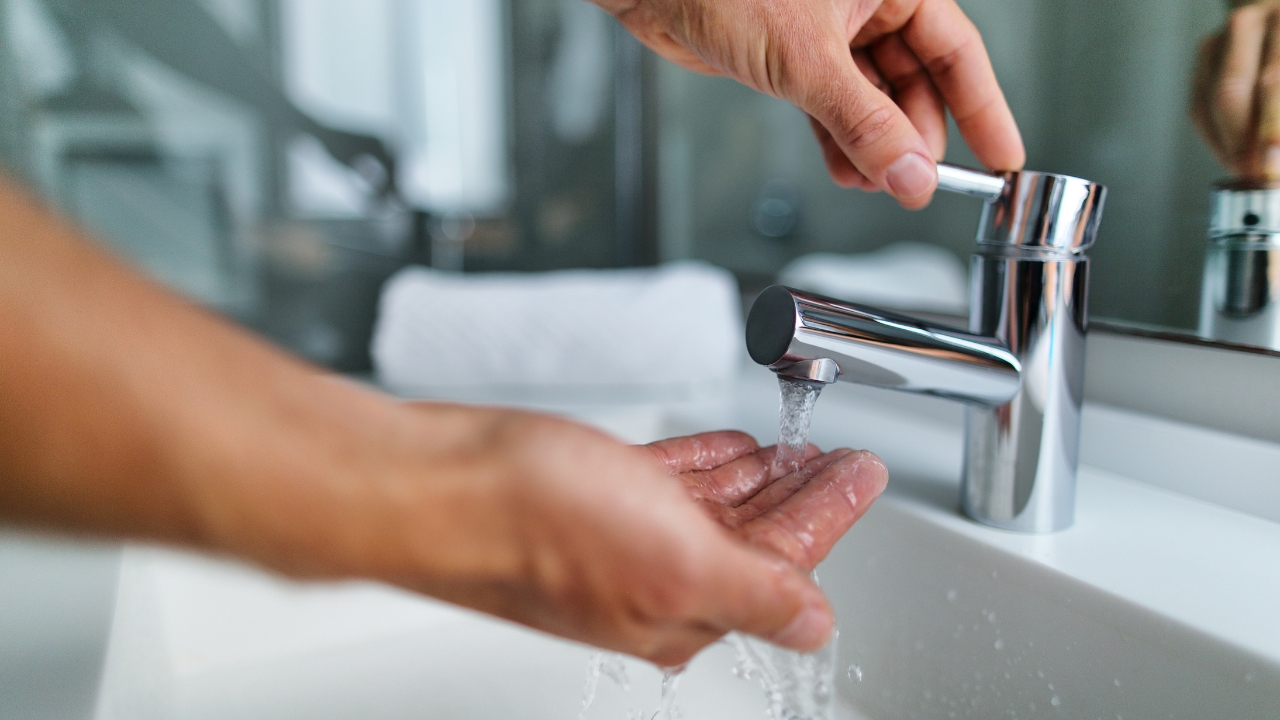
You turn on one faucet and it’s weak, but the rest of the house seems normal. That often means a short section of pipe feeding that fixture is starting to ice up, usually in an exterior wall, crawlspace, or a cabinet against brick.
Don’t crank the handle harder or keep cycling it on and off. Leave the faucet slightly open, warm the area with safe heat, and check for open vents or gaps letting cold air in. A hair dryer works better than a space heater in a tight cabinet because you can aim it, but keep it moving and away from water.
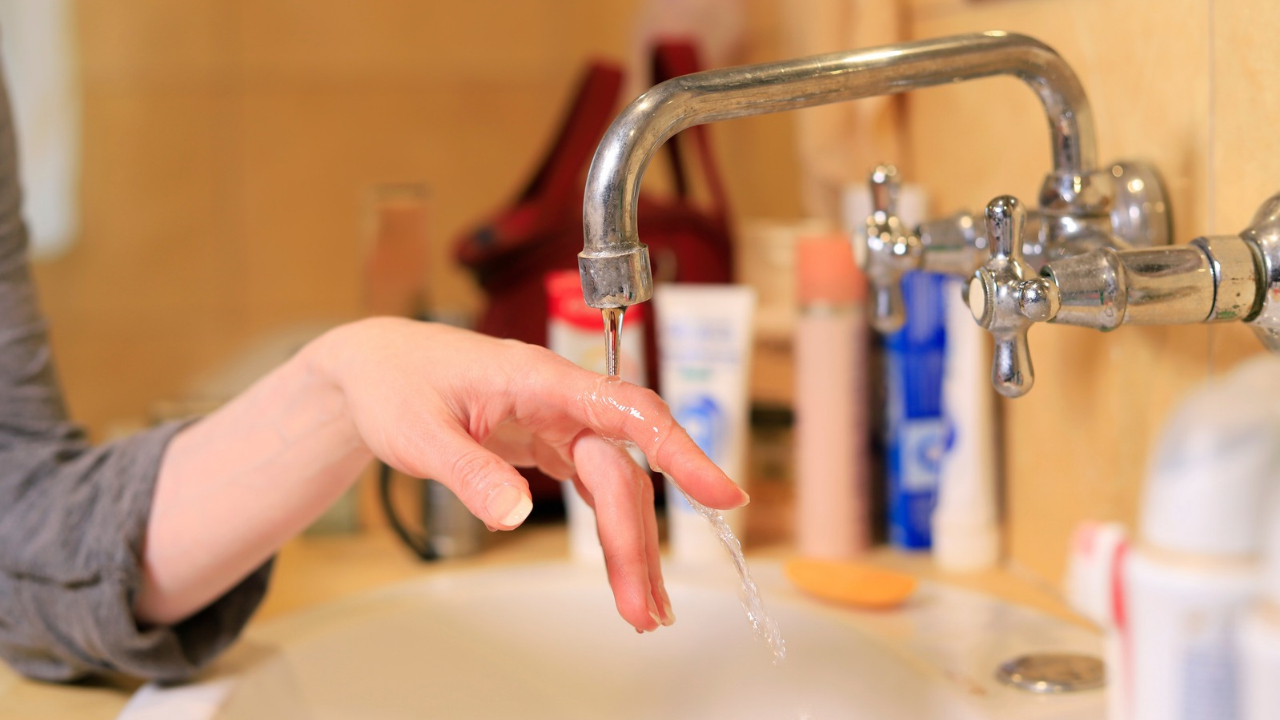
3. Intermittent Flow And Sputtering Starts
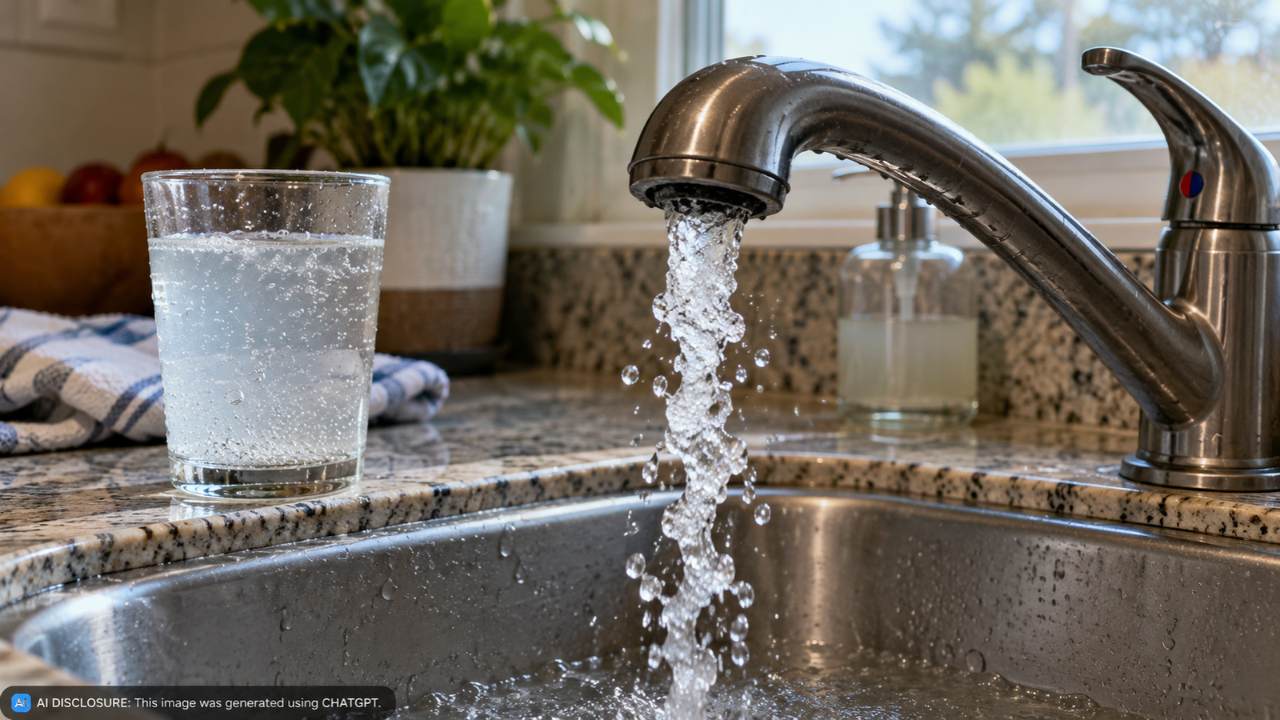
The annoying on, off, on flow isn’t “air in the line” most of the time in winter. It can be a slushy plug forming, breaking loose, then forming again as the pipe chills back down.
This is when people waste an hour swapping faucet aerators and blaming the well pump. Go find the coldest stretch of the run instead, crawlspace, uninsulated basement corner, the line near a rim joist, the back of a tub on an outside wall. Get heat to that section and keep a faucet cracked so the water has somewhere to go as it warms.
4. Frost Or Condensation On Exposed Pipes
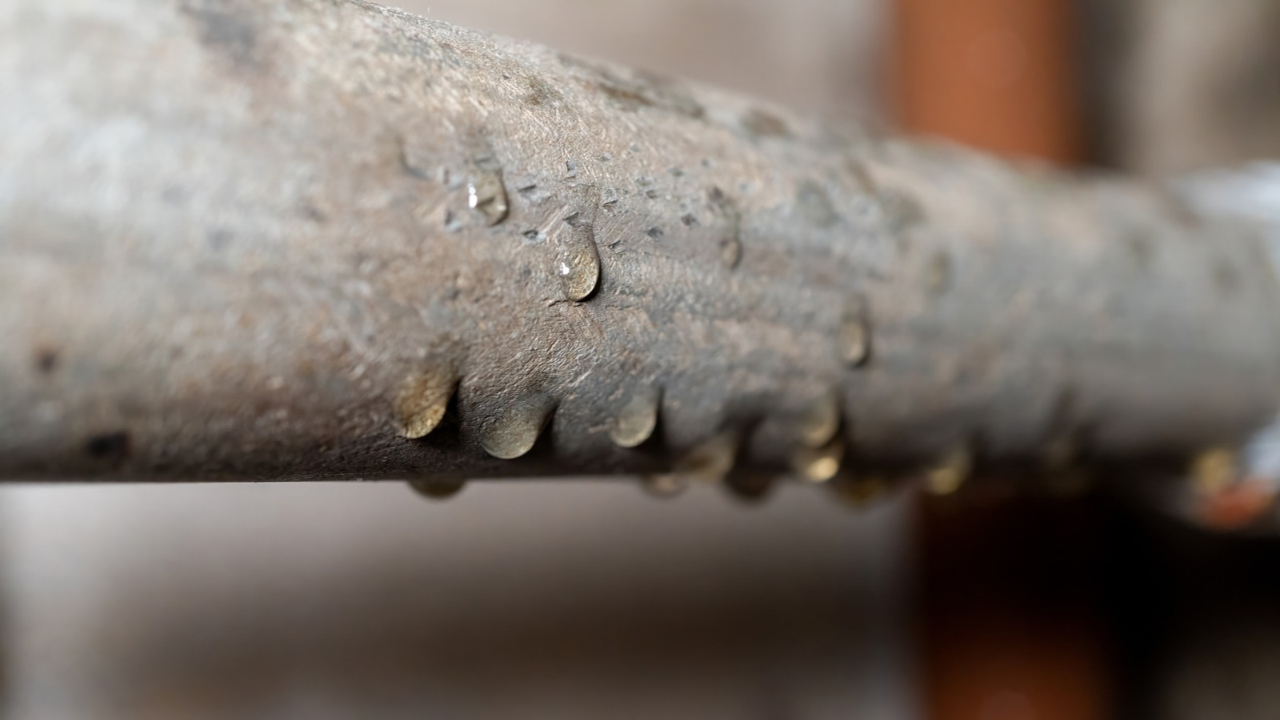
If you can see the pipe, it’ll often show you what’s coming. Beads of water on the outside of a cold copper line, or a white frosting on PEX near a vent, means the pipe surface is already below freezing or close to it.
Dry the pipe and wrap it properly. Foam sleeves are fine for interior basement runs, but seams need tape, and gaps at elbows and tees matter. In a crawlspace, foam alone usually disappoints, add fiberglass wrap and seal air leaks first, because moving air steals heat faster than insulation can hold it.
5. Crawlspace Vents Left Open In Winter
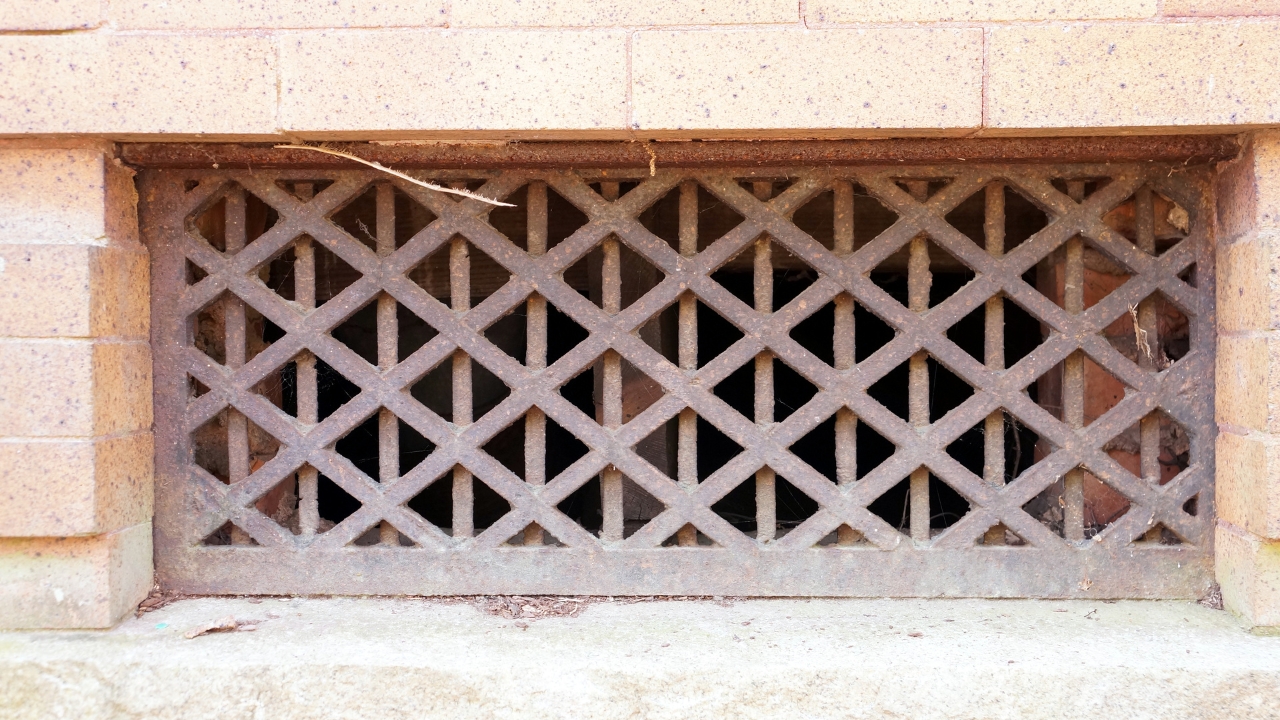
Some folks leave vents open because “that’s how it breathes.” Then the north wind whips through and turns the underside of the floor into a freezer, especially right where the plumbing comes up.
Close or cover vents for the season if your setup and local practice allow it, and keep the crawlspace door latched tight. If you have a conditioned crawlspace or a setup that’s meant to stay vented, don’t guess. Ask a local pro or your building department, because moisture problems are expensive too.
6. Pipes In An Exterior Wall Cavity
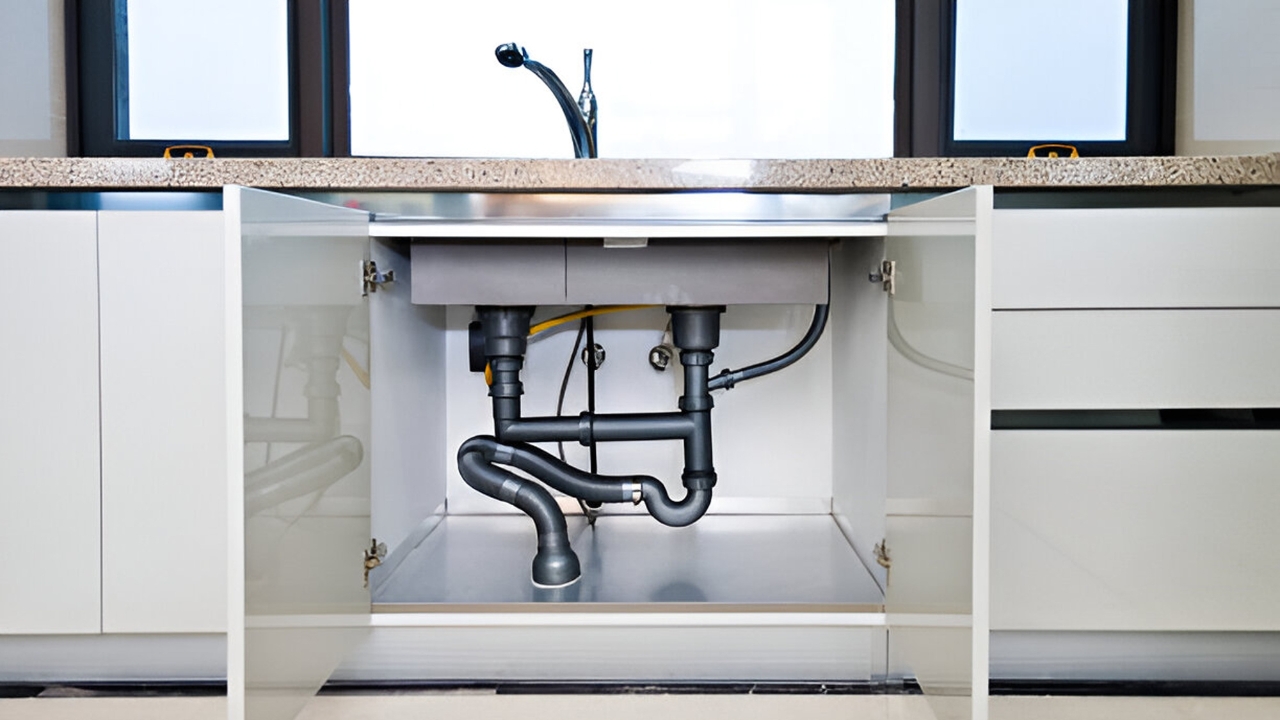
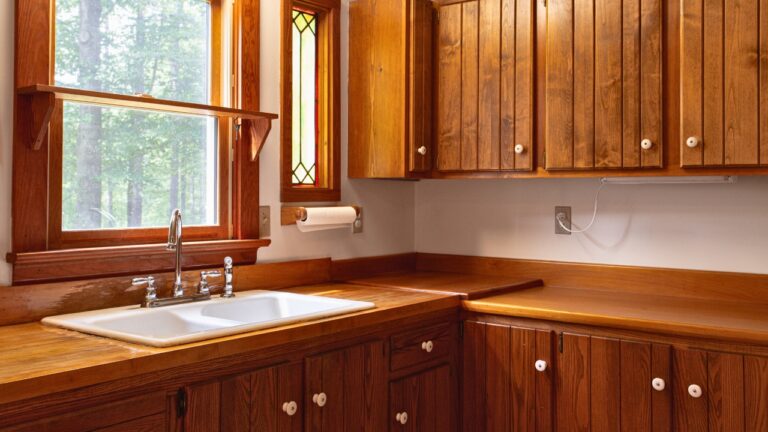
A pipe in an outside wall is living on borrowed time during a cold snap. Add a kitchen sink on a windy side of the house, and it’s a classic freeze spot, especially if insulation is missing or shoved behind the pipe instead of between pipe and outdoors.
Your fastest fix is airflow and heat. Open the cabinet, pull stuff away from the back, and let room heat get in there. Long term, the better move is to get the pipe out of that wall if you can, or at least air seal and insulate the cavity correctly. If you’re opening walls, that’s the moment to check for drafts around electrical boxes and the sill plate.
7. A Draft Blows Through Pipe Penetrations
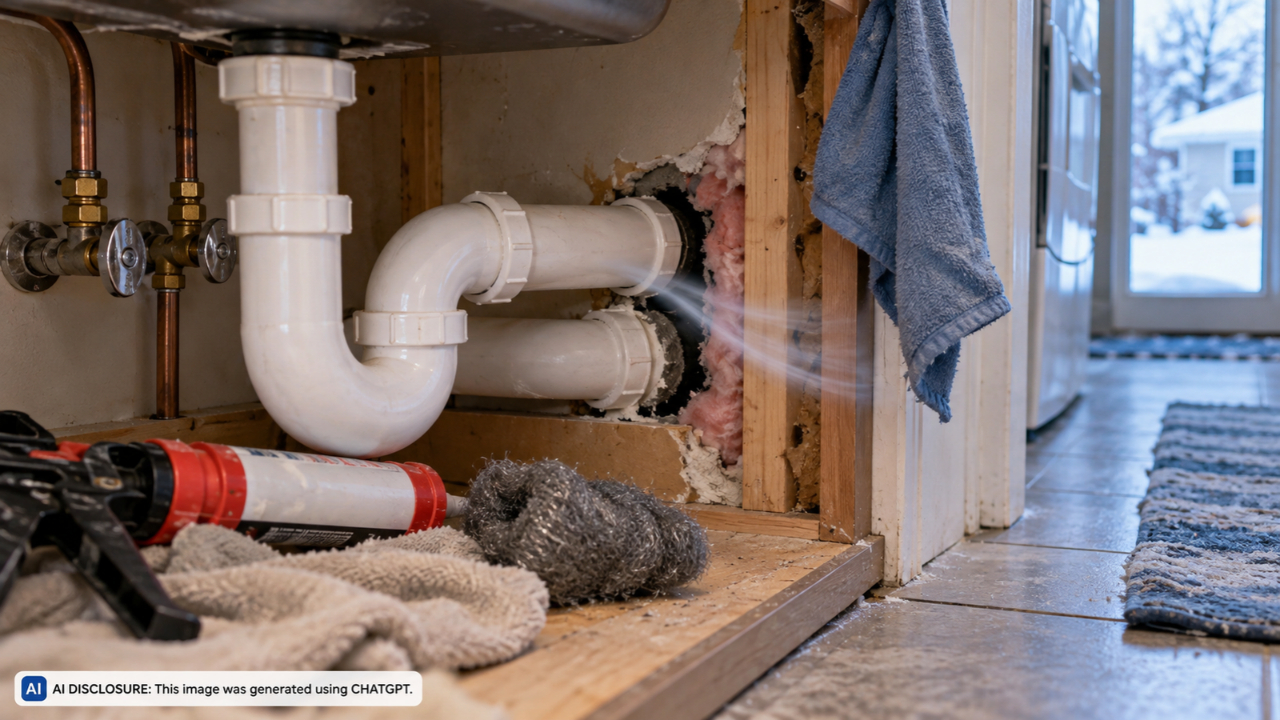
If you feel cold air under a sink, behind a washer box, or where the pipe comes through the rim joist, that draft is doing damage every minute. A tiny gap can turn a pipe into a wind-chill experiment.
On a mild day, seal around penetrations with foam or caulk, and use steel wool where rodents are a concern. On the coldest days, even stuffing a rag in a hole can buy you a night, but don’t leave flammable material touching a hot flue or appliance vent. If the draft is near your water heater venting or any gas appliance, get it checked by a licensed pro.
8. Outdoor Hose Bib Still Connected
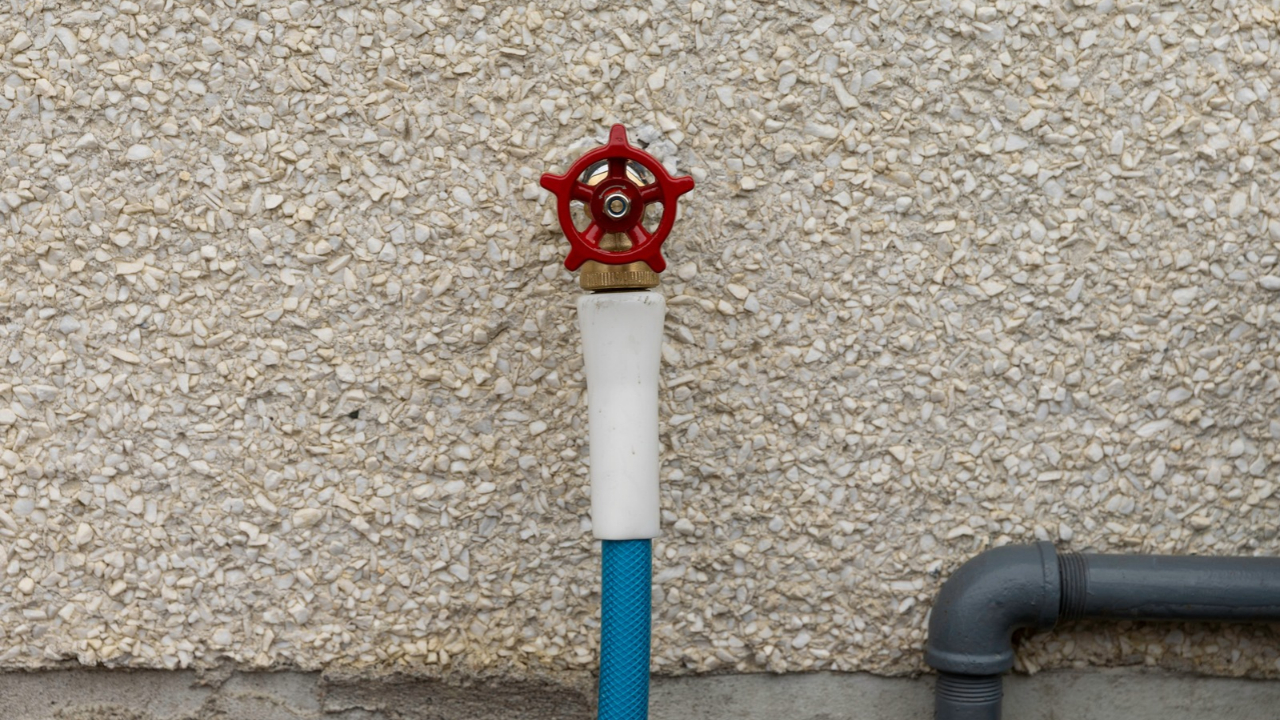
This one is simple and it catches people every year. A hose left on a spigot traps water in the faucet body and the pipe behind it, and that little slug of water freezes fast.
Disconnect hoses, drain them, and store them. If you’ve got a frost-free sillcock, it’s more forgiving, but it still won’t save you if the hose stays attached. Covers can help a bit, but they’re not magic.
9. Heat Tape That’s Unplugged Or Misused
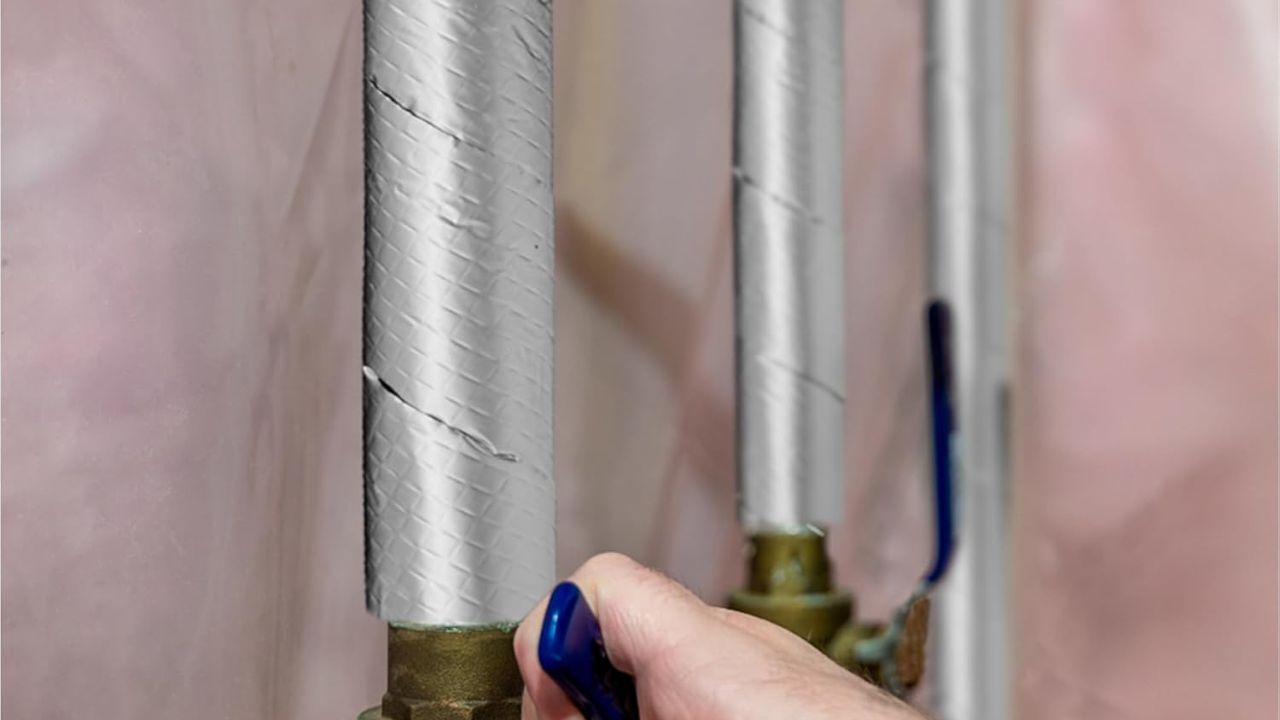
Heat tape works when it’s installed right and powered. It fails when it’s wrapped over itself, used on the wrong pipe type, or plugged into a dead outdoor receptacle you forgot tripped.
Before the cold hits, check that the outlet works and the tape warms up. Follow the instructions for your specific cable, some are made for straight runs only and some allow spiraling. The cheap exception is this, a short foam sleeve on an indoor basement line is often enough by itself. Heat tape is better saved for truly cold spots like a crawlspace run or an exposed section near an unheated garage door.
10. A History Of Freezing In The Same Spot
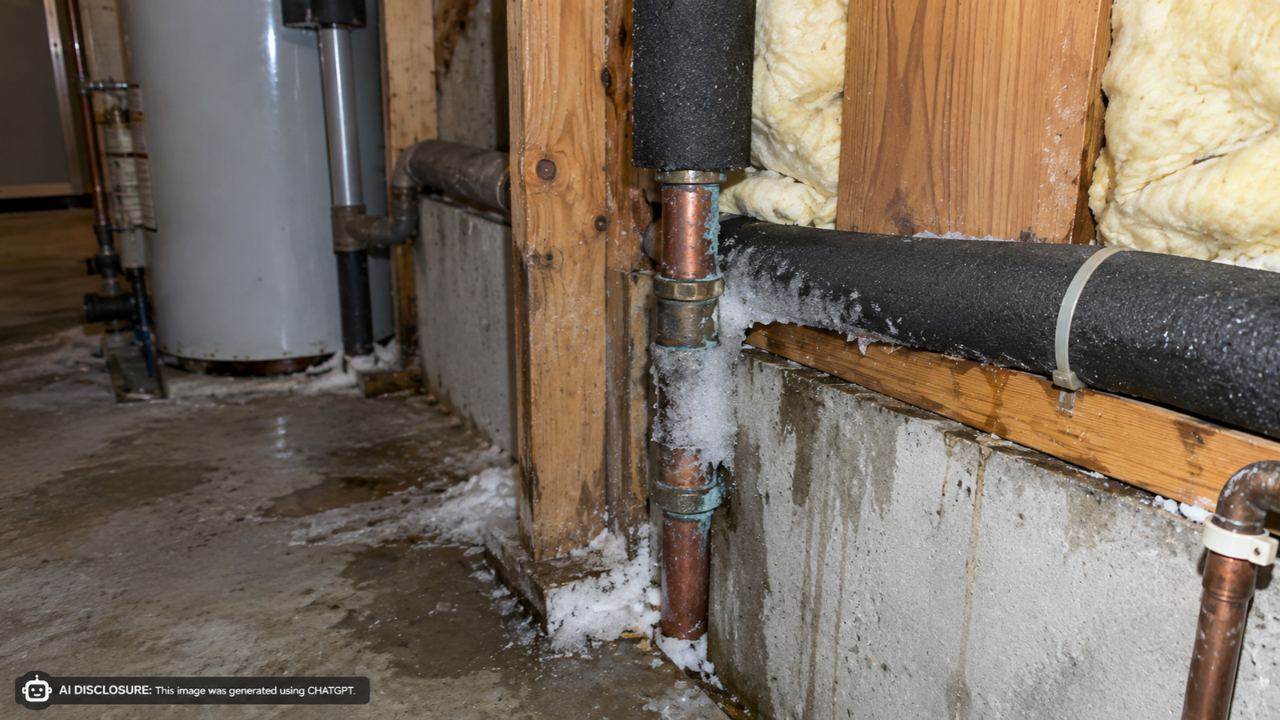
If it froze there once, it’ll freeze there again. A past freeze is the best predictor you’ve got, because it means the layout, insulation, and air leaks already line up for trouble.
Stop treating it like a one-off event. Mark the spot, take a photo, and fix the cause when the weather breaks. That could mean adding a shutoff and drain, rerouting a line, insulating a rim joist, or paying a plumber to move a pipe run. If the fix involves digging outside, call 811 for utility locates and check local permit rules before you put a shovel in the ground.
If you catch these warning signs early, you usually avoid the worst outcomes. Keep a plan for where your main shutoff is, keep a basic hair dryer and work light handy, and fix the drafts when it warms up instead of waiting for the next cold snap.
Like Fix It Homestead’s content? Be sure to follow us.