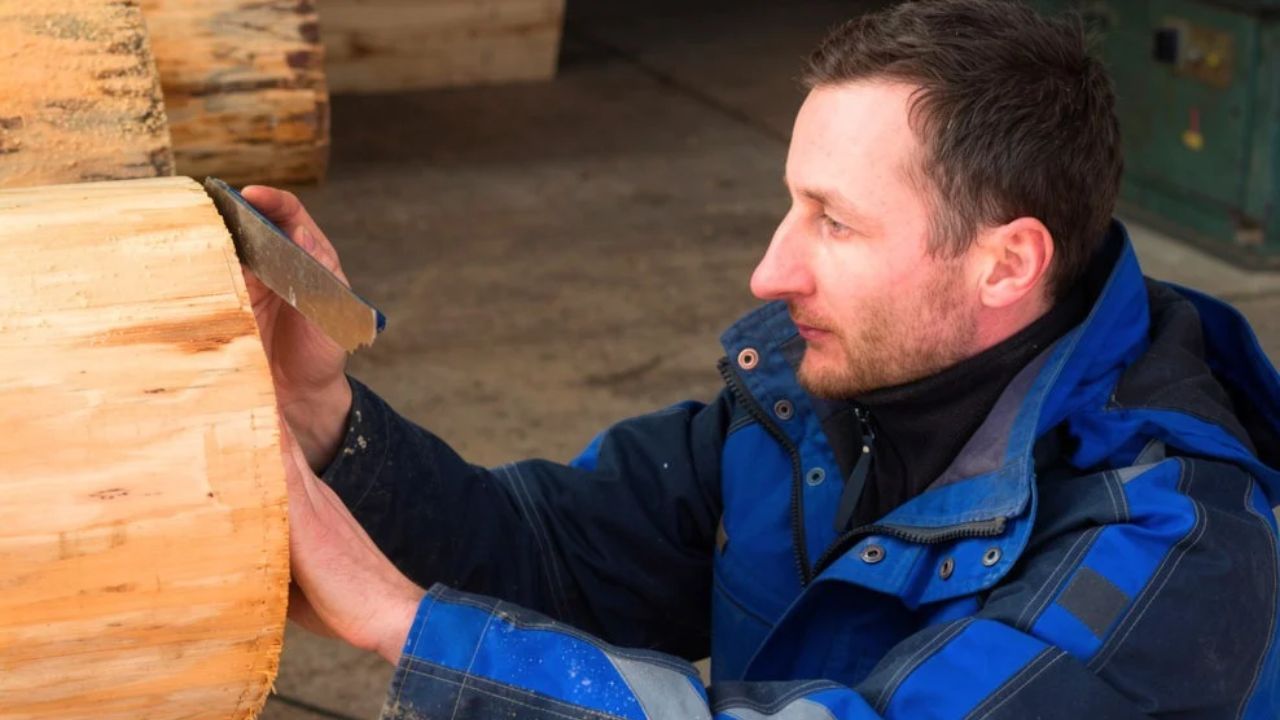
10 Signs Firewood Was Not Seasoned Long Enough
Photo credit: Ariane Hoehne/shutterstock.com
You can stack wood all summer and still end up fighting a smoky stove in January. The problem usually isn’t the stove or the chimney, it’s wet wood that never got the time, air, or sun it needed. Green or half-seasoned firewood costs you heat, time, and patience.
1. Hissing And Bubbling At The Ends
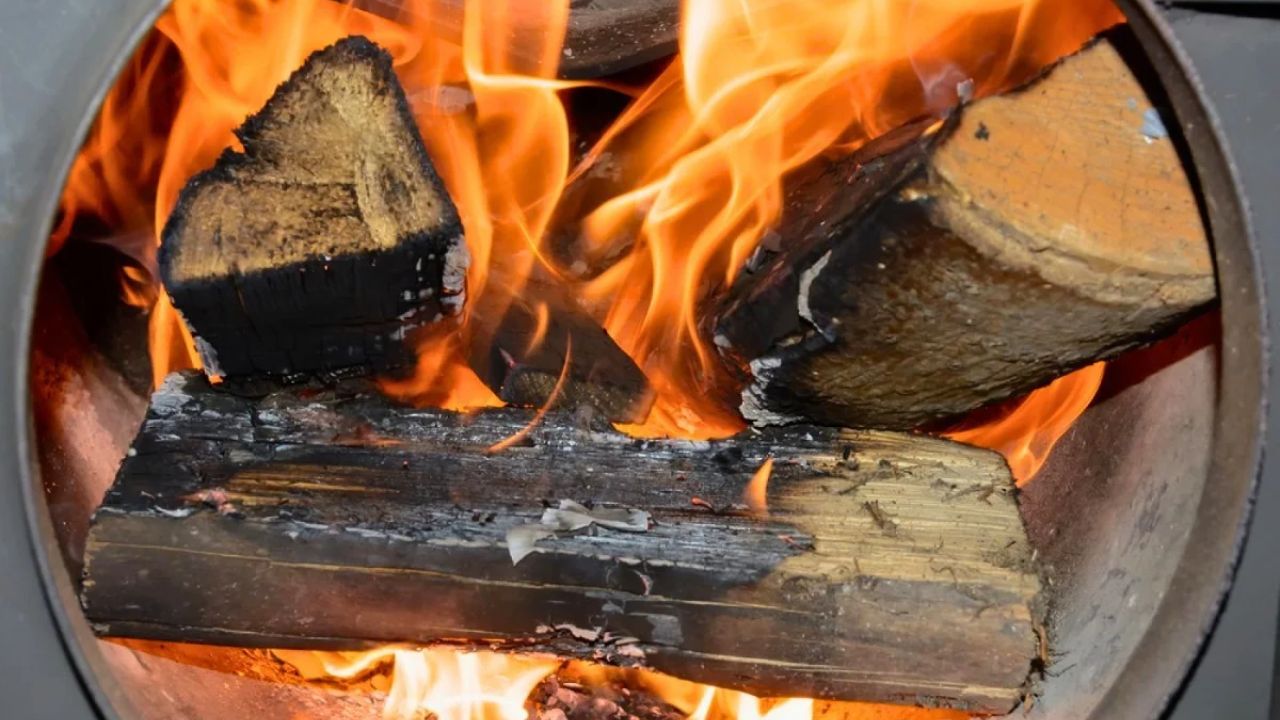
When a split hits a hot bed of coals and starts hissing like frying bacon, that’s water flashing to steam. You’ll sometimes see bubbles or a wet shine on the cut end. Dry wood can crackle, but it doesn’t sound like it’s boiling.
Stop feeding it big pieces and don’t choke the air down trying to “make it last.” Keep the air a bit higher so the fire stays hot enough to burn off extra moisture without smoldering. Set the worst offenders aside for next season, or mix one damp split with two dry ones so you’re not drowning the firebox.
2. Glass So Sooty You Can’t See Flame
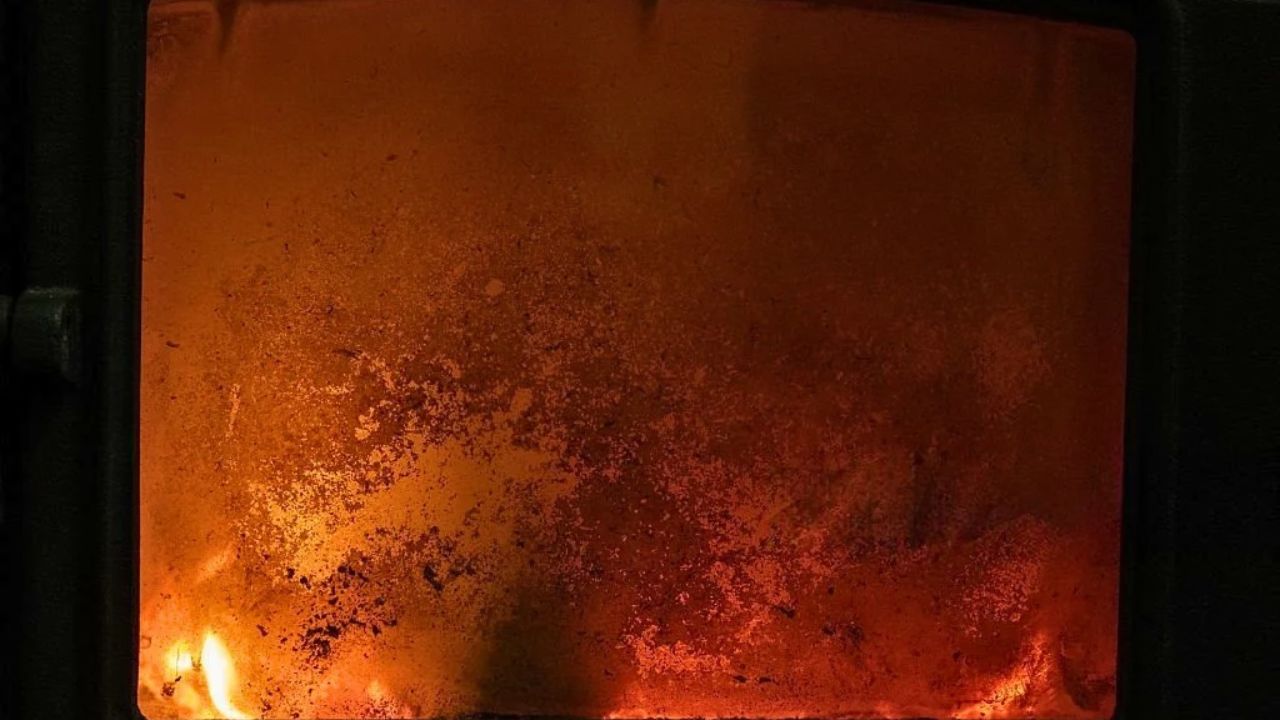
If the stove glass turns black fast, you’re not getting clean combustion. Wet wood cools the firebox, and that cool, lazy flame lays down soot and tar on anything it touches. You end up scraping the window every couple of days and still can’t watch the fire.
First, burn hotter for a while to clean things up, smaller loads and more air. Next, check your wood pile, not just your air control. If you have a catalytic stove, follow the manual on when to engage the catalyst, and don’t ask it to fix wet fuel.
3. Smoke That Won’t Clear The Chimney
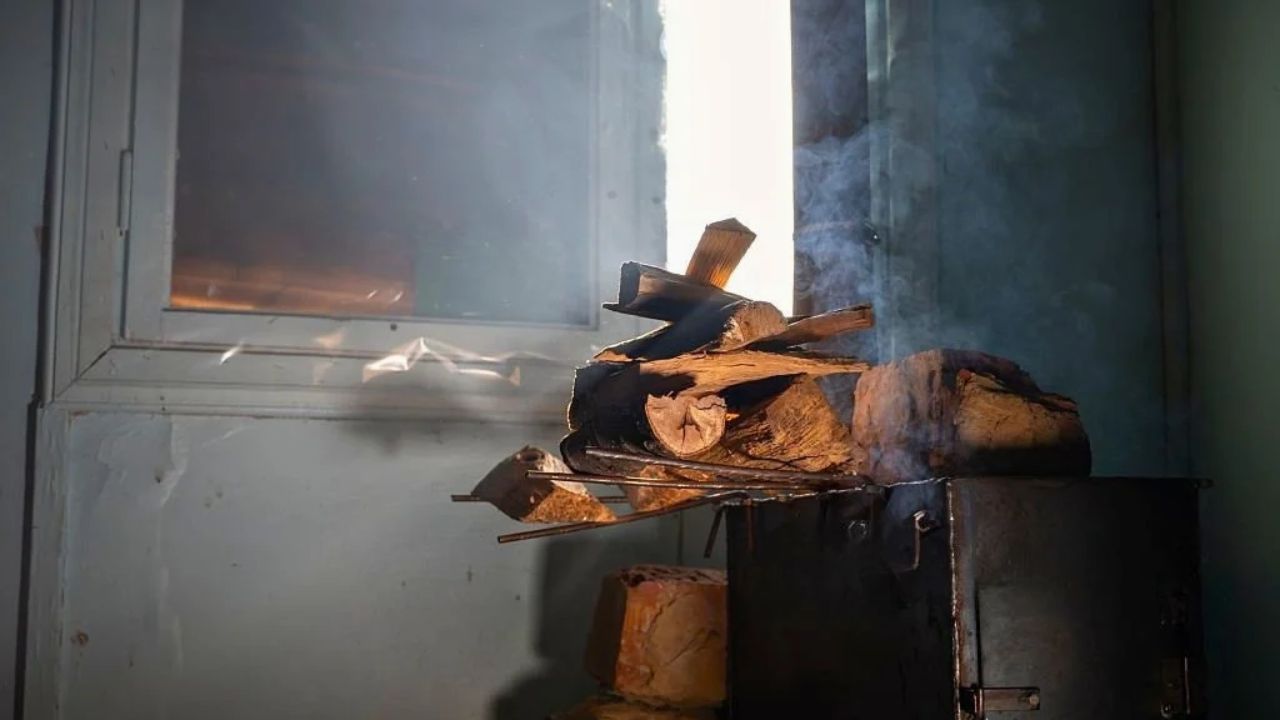
You light up, and the smoke outside stays thick and white-gray long after the fire should be cruising. That’s water vapor and unburned junk leaving the stack because the fire never gets up to temp. Neighbors notice, and so does your chimney.
On a cold, still morning you’ll see more visible exhaust even with good wood, so use your nose and timing. If it reeks and hangs around for 20 minutes, the fuel is suspect. Run a hotter start with kindling and truly dry splits, and don’t damper down until the load is fully charred.
4. Creosote Builds Up Way Too Fast
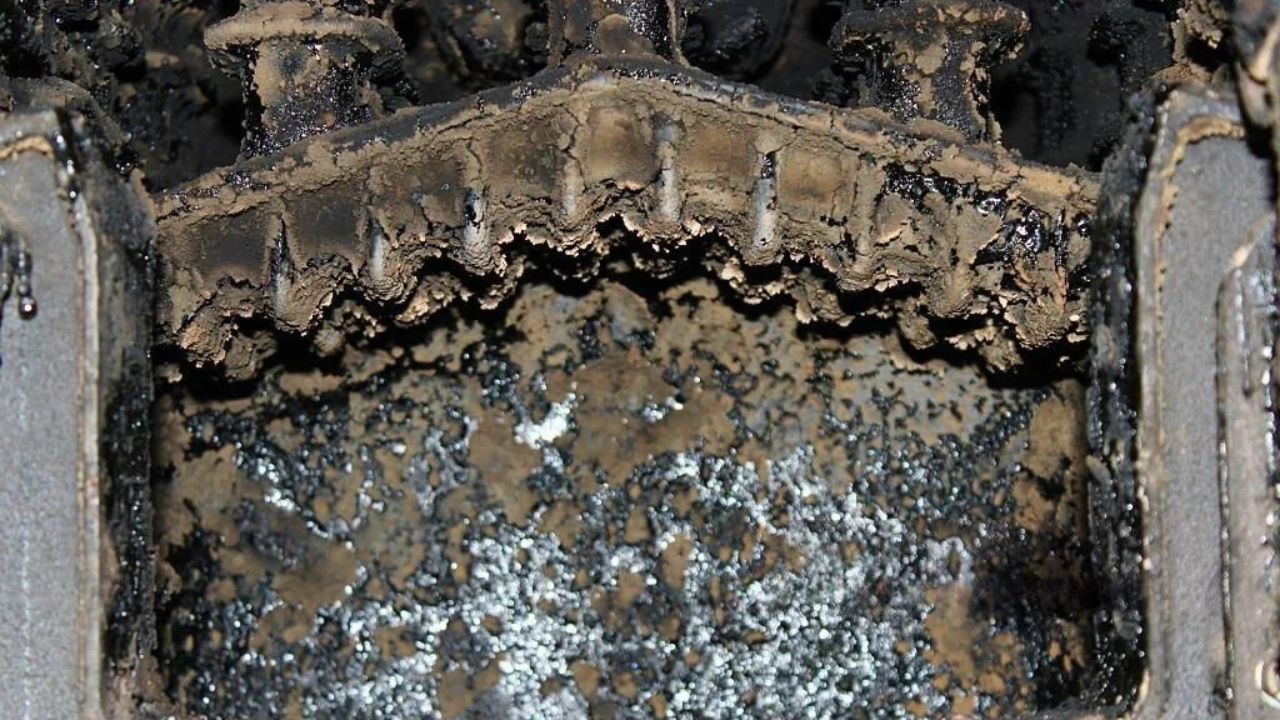
Wet wood is a creosote factory. The fire smolders, smoke cools in the flue, and sticky creosote sticks to the pipe and liner. That’s a safety problem, not a cleaning annoyance.
If you’re brushing the chimney and getting shiny, tar-like chunks, stop burning questionable wood and get serious about heat. A single hot burn won’t “fix” a season of poor fuel. If creosote is heavy or glazed, get a certified chimney sweep involved since that stuff can be stubborn and dangerous to remove.
5. Splits Feel Heavy For Their Size
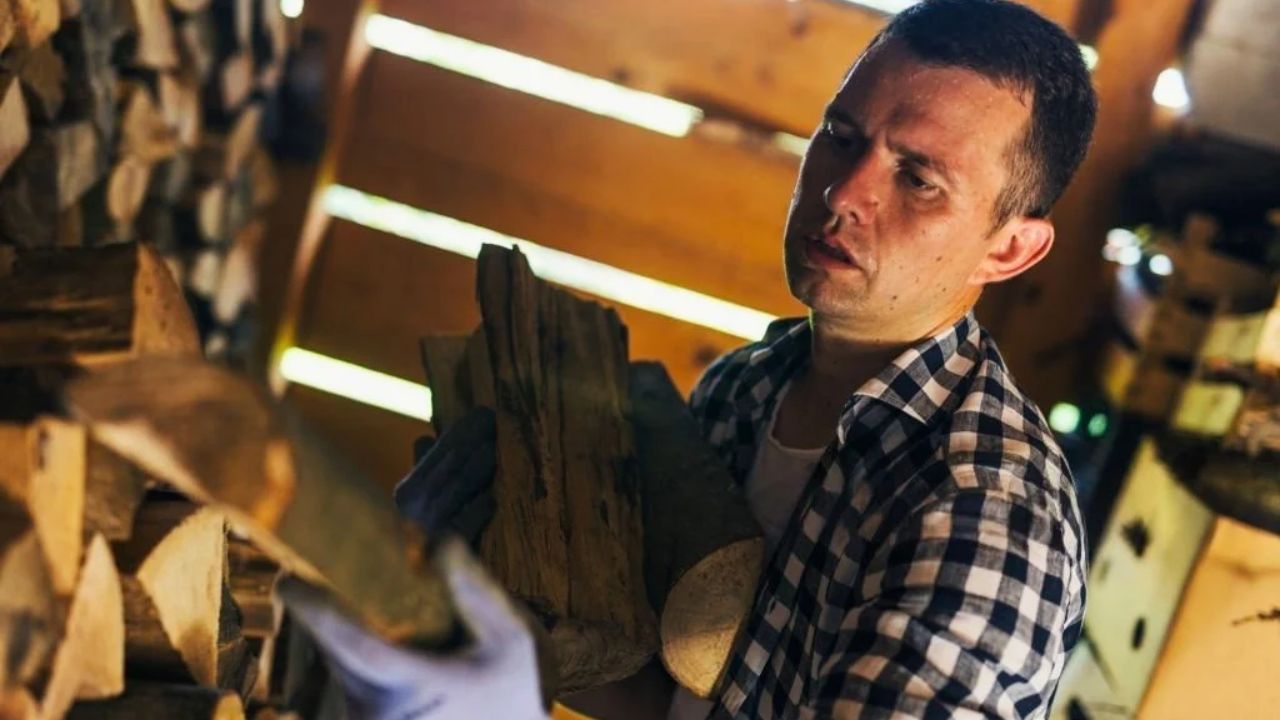
Pick up two splits of the same species and similar size, one from the good stack and one from the new pile. The damp one just feels dead and heavy. Water adds weight, and your back figures it out before your brain does.
This is why “it’s been cut a year” isn’t a real test. Wood seasons based on split size, airflow, sun, and rain exposure. If your pile lives in a shaded hollow or under a tarp draped to the ground, it can stay heavy for a long time.
6. Moisture Meter Reads Over Twenty Percent
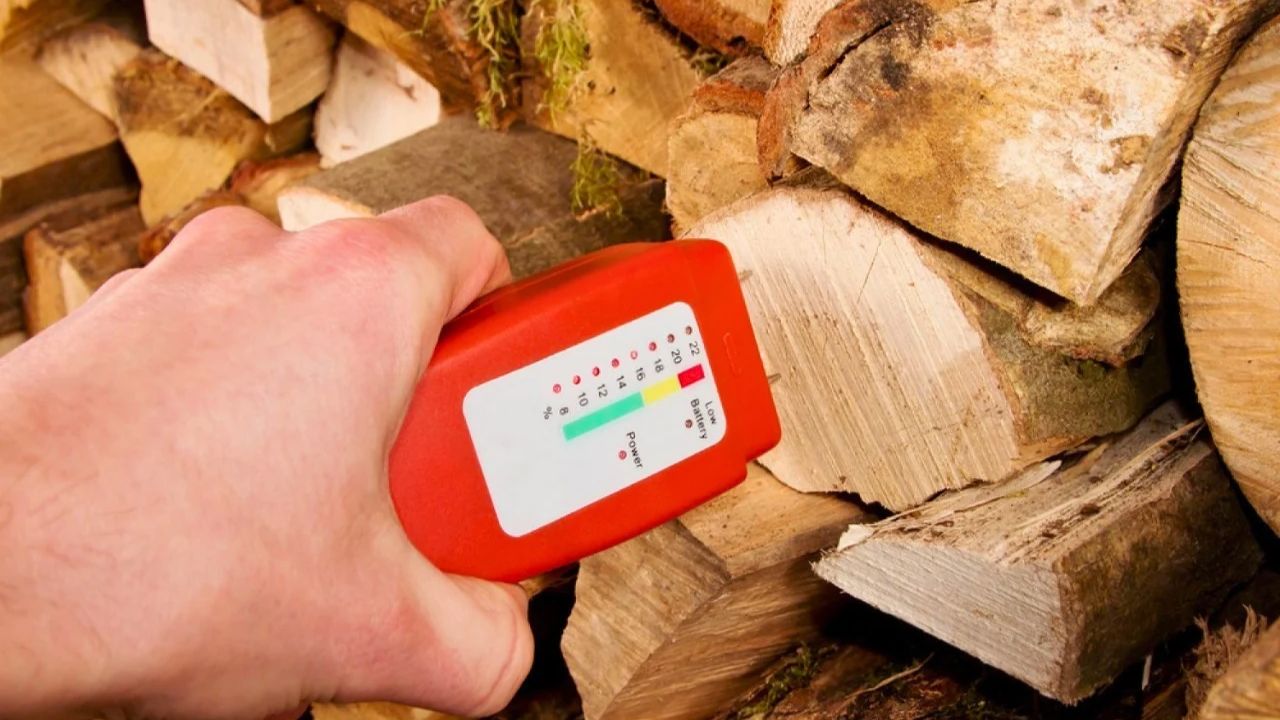
A cheap moisture meter settles arguments fast, but only if you use it right. Split a piece, then stab the pins into the fresh inner face, not the gray outside. If you’re seeing numbers in the mid-20s and up, it’s not ready for most stoves.
There’s an honest exception here. Outdoor fire pits and bonfires will tolerate wetter wood, especially if you don’t care about smoke and you’ve got plenty of airflow. Indoors is different, where draft, efficiency, and creosote matter.
7. Bark Peels Off In Long, Wet Strips
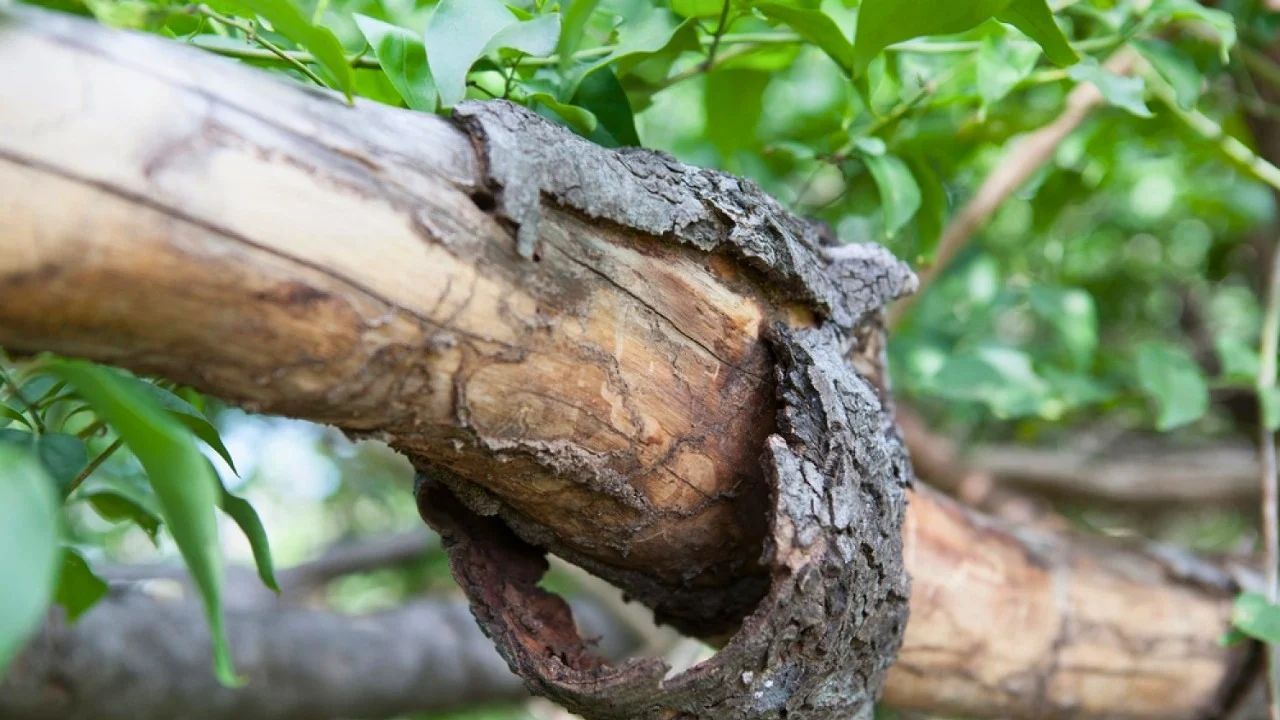
Some species hold bark forever, so don’t use this as a single pass or fail. Still, if bark pulls off in soggy sheets and the wood underneath looks bright and wet, it’s telling on itself. Seasoned splits tend to have looser, drier bark or bark that’s already fallen away in spots.
Don’t get fooled by a sun-baked outside. A round can look weathered and still be wet in the middle, especially if it sat unsplit. If you bought “seasoned” wood that behaves like this, split a few larger pieces again and give them more time and airflow.
8. Fire Dies When You Turn Air Down
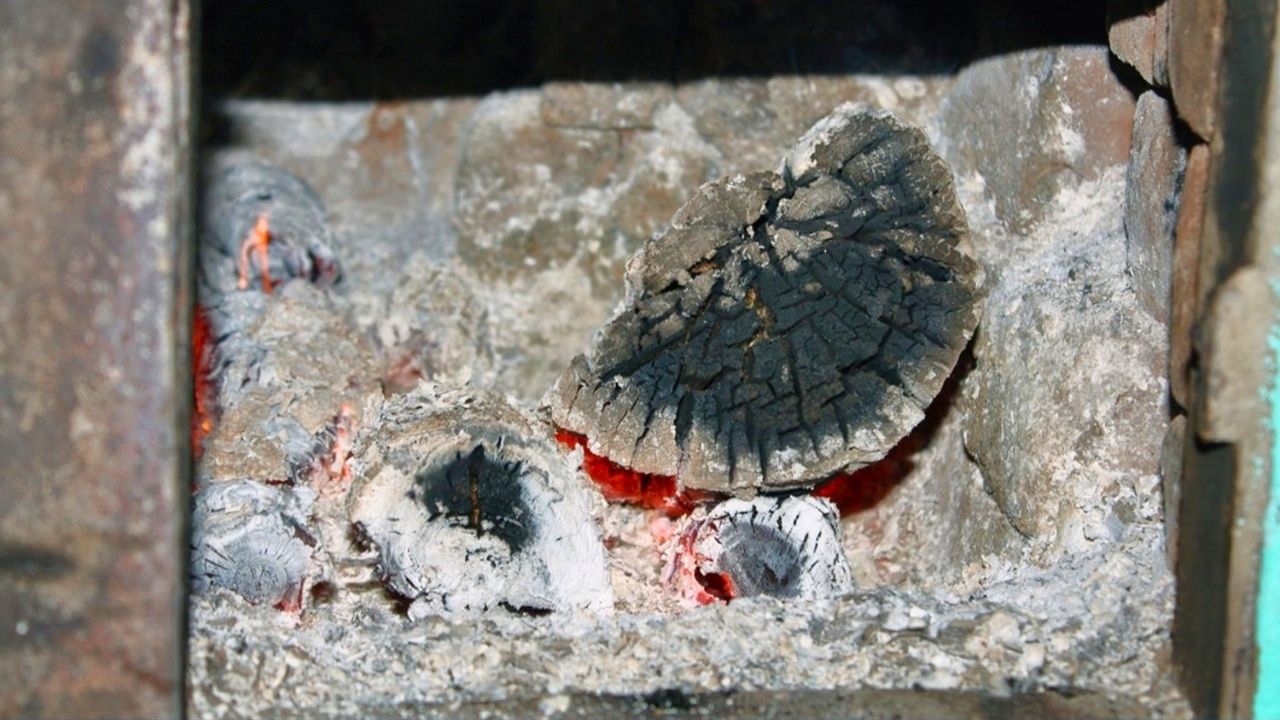
With decent fuel, you can reduce air once the load is burning well and still keep steady flames. With damp fuel, the moment you cut air, the whole thing slumps into smoke and dull orange coals. You end up babysitting it, cracking the door, then chasing the burn for hours.
The fix isn’t a different stove setting, it’s drier wood and better loading habits. Start with a hot kindling base and a couple small, dry splits, then add larger pieces once you have a real coal bed. If you only have marginal wood, burn smaller loads more often so you’re not trying to dry out a giant log in the firebox.
9. Ends Look Fresh With No Checking Cracks
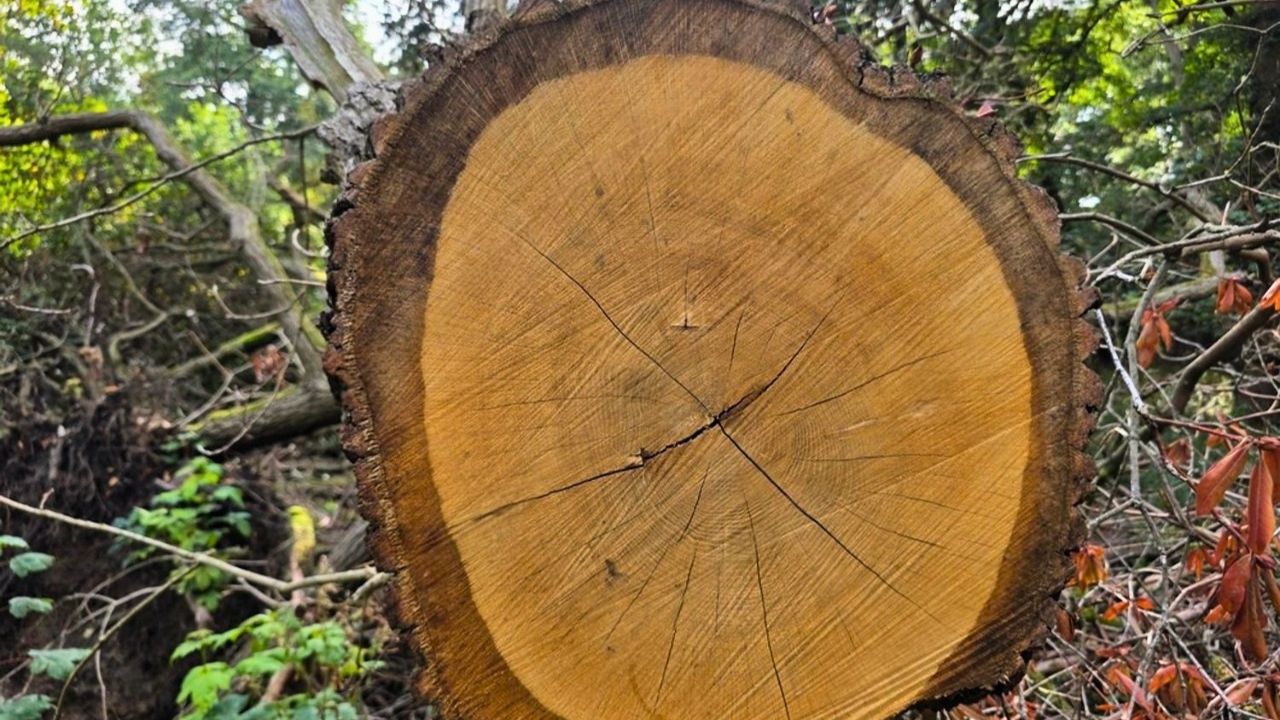
Seasoned firewood usually shows end checking, those little radial cracks that form as moisture leaves the wood. If the ends look smooth and fresh, like they were cut last week, there’s a good chance they were. This one shows up a lot with delivered wood that was cut to length late in the season.
Checking isn’t a guarantee, some pieces crack more than others, and some species are stubborn. But if most of the stack has tight ends and a “new cut” smell, plan on storing it longer. Stack it off the ground, in sun if you have it, top-covered only, and leave the sides open to the wind.
10. Moldy, Musty Smell In The Wood Stack
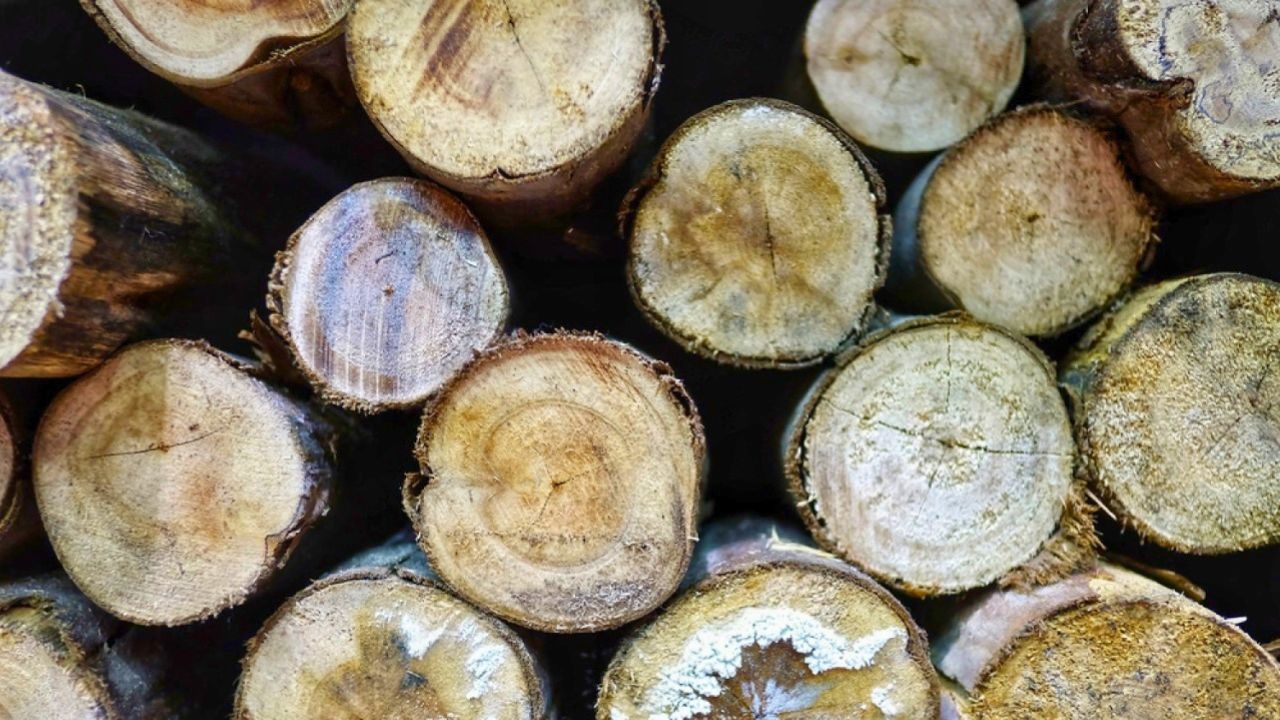
Dry stacks smell like wood and sun. Wet stacks smell sour or musty, and you might see white fuzz or dark staining between tight-stacked pieces. Mold doesn’t always mean the wood is soaking, but it often means your pile isn’t drying because air can’t move.
Fix the storage, not just the wood. Get it up on pallets or runners, keep rows narrow, and don’t wrap the whole pile in a tarp like a burrito. If you’re moving moldy wood indoors, wear a dust mask and gloves, and keep it out of living spaces until it’s burned.
If you’re stuck burning what you have, mix your driest wood with the questionable stuff and keep the fire hot enough to stay clean. Then set yourself up for next year by splitting earlier, stacking in the open, and only top-covering once the wood has had real drying time.
Like Fix It Homestead’s content? Be sure to follow us.