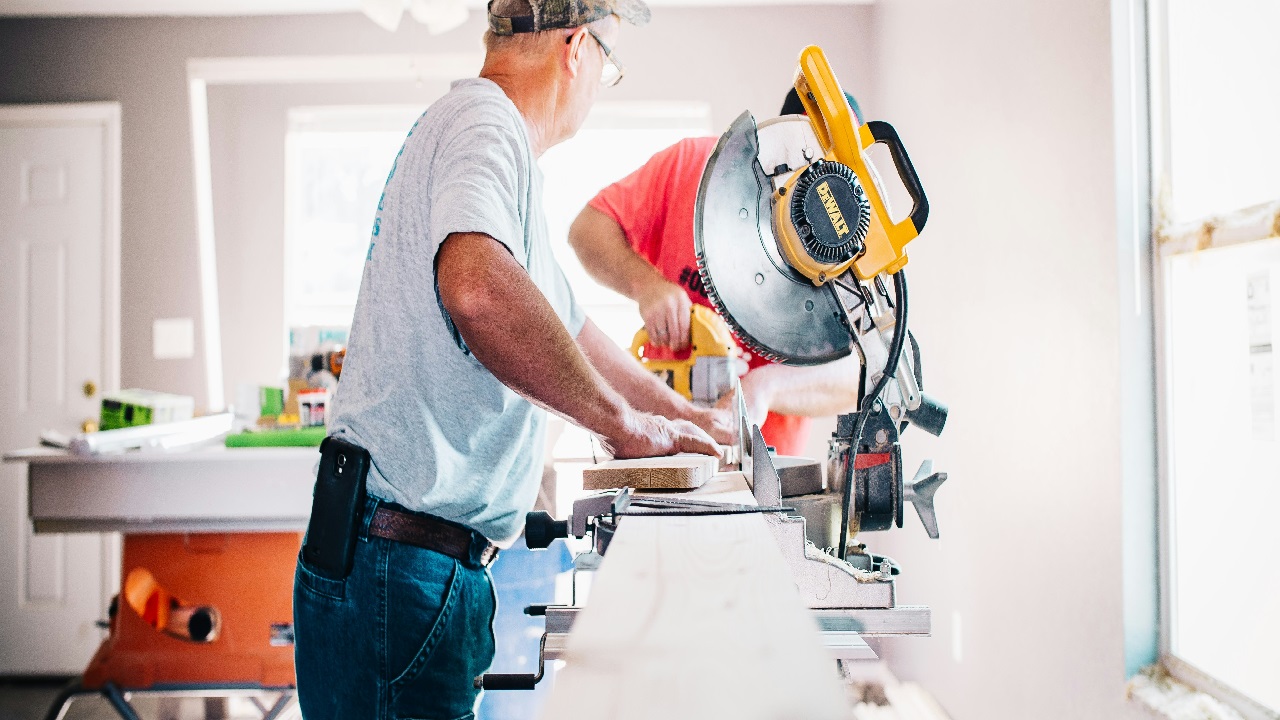
10 Summer DIY Projects That Could Cancel Your Home Warranty
Photo credit: Annie Gray/unsplash.com
Tackling summer projects yourself can feel like the smart, budget-friendly move—but some jobs come with fine print. If your home is under warranty, certain DIY efforts can void it without you realizing. Most companies have strict rules around installation, system access, and licensed work.
One wrong move could leave you footing the bill down the line. Before you start pulling panels or swapping parts, make sure you know what might put your coverage at risk.
Swapping Out an AC Unit on Your Own
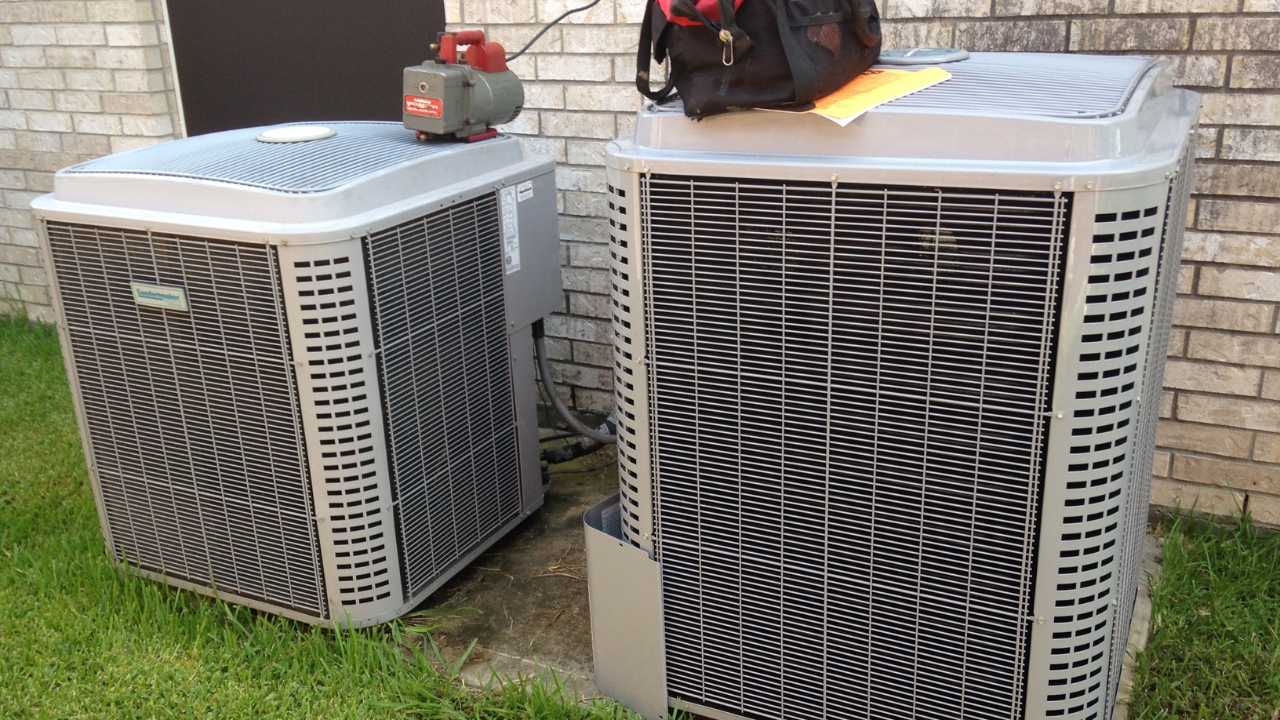
Installing a new air conditioner without a licensed HVAC tech can void both the unit’s warranty and your home warranty. That includes ductless systems and full replacements.
Most warranties require professional installation with documentation. Even if you feel confident doing the work, skipping the permit or sign-off can leave you uncovered when something breaks later.
DIY Electrical Work Without a Permit
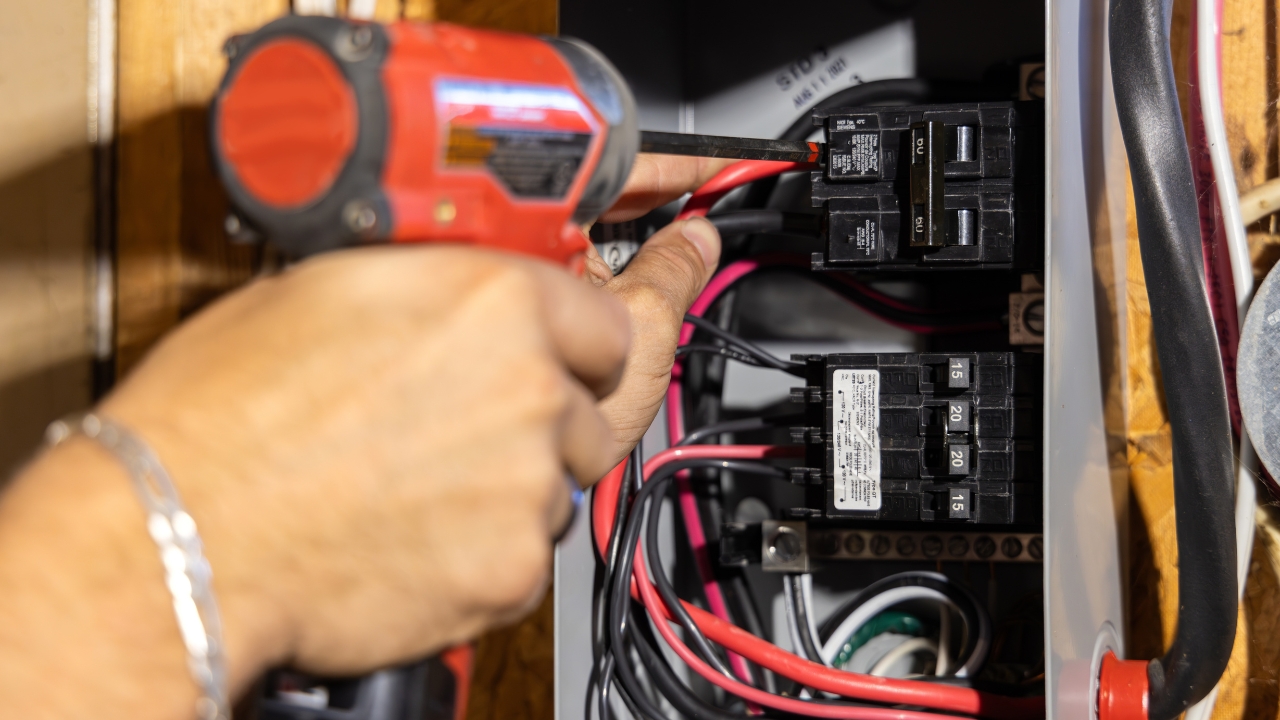
Running new outlets, moving wiring, or installing lights sounds doable, but electrical work usually requires a permit and licensed contractor. Without it, any claim involving that system can be denied.
Even small mistakes can lead to fire hazards or equipment failure. If something goes wrong and the company finds out the job wasn’t permitted or inspected, the warranty is out the window.
Installing a New Roof or Patching It Up

Roofing companies and warranty providers don’t play around. DIY roof repairs—especially full replacements—can void warranties on both the roof and anything damaged underneath it later on.
Improper materials, flashing, or sealing can lead to leaks you won’t notice right away. And if there’s no paper trail showing professional work, you’re likely on your own when things go wrong.
Replacing Windows or Doors

New windows and exterior doors need to be installed exactly right to avoid leaks, warping, and insulation issues. A bad install can affect the HVAC system, interior walls, and framing.
If it isn’t done to code or the wrong materials are used, it’s easy for a home warranty company to deny a claim—even for something like water damage that shows up months later.
Digging Into Plumbing Repairs

Replacing a faucet or fixing a leak under the sink is one thing. But changing out pipes, moving lines, or replacing a water heater on your own is a different story.
Most warranties and manufacturers want proof that licensed professionals handled bigger plumbing work. Any leaks, code violations, or backflow issues could leave you without coverage for the damage.
Installing Built-In Appliances
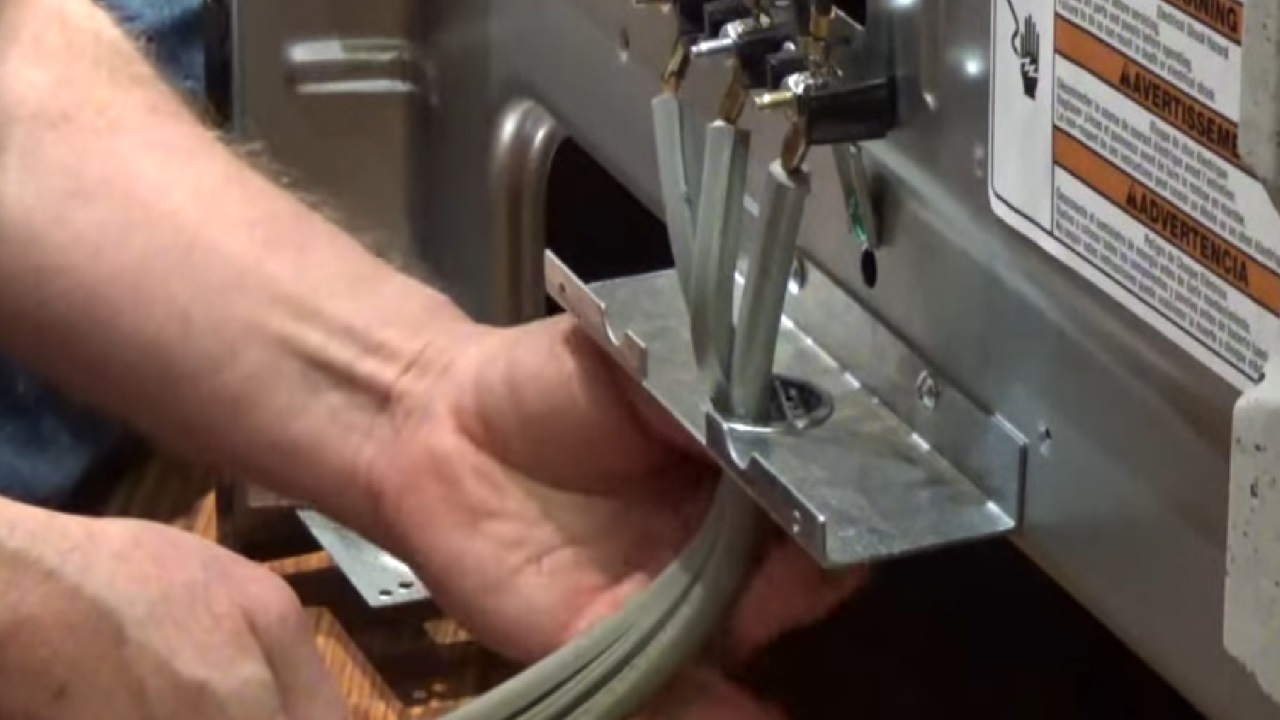
Hardwiring a dishwasher, wall oven, or cooktop isn’t the same as plugging in a microwave. These installs usually need a licensed contractor to preserve the warranty.
Even small errors—like skipping a proper shut-off valve or using the wrong circuit—can damage the appliance or the home. If that happens, you’ll be stuck with the repair bill.
Pouring Your Own Foundation or Concrete Pad
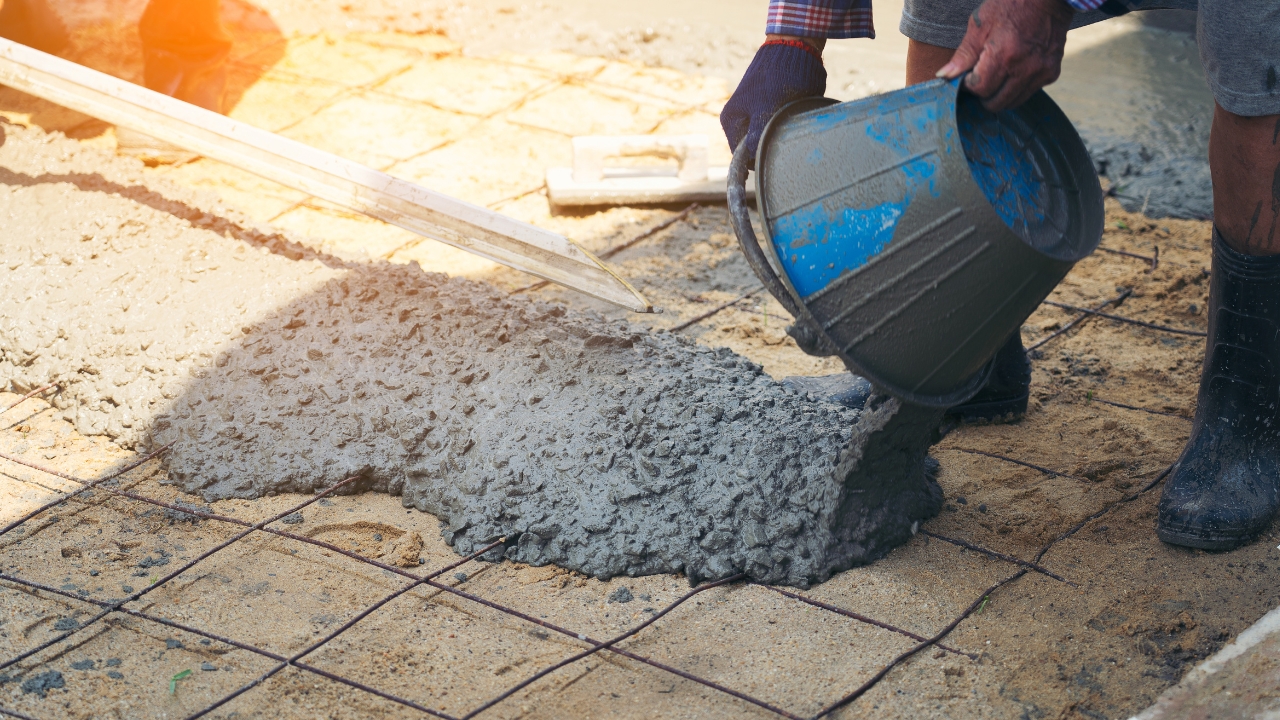
Pouring concrete for a shed, porch, or addition seems harmless—but if it impacts the structure or drainage of the home, it can cause real damage.
If water starts pooling around the house or the pad shifts and damages nearby walls or pipes, warranty companies may deny any claim tied to foundation or water issues.
Tearing Out Insulation
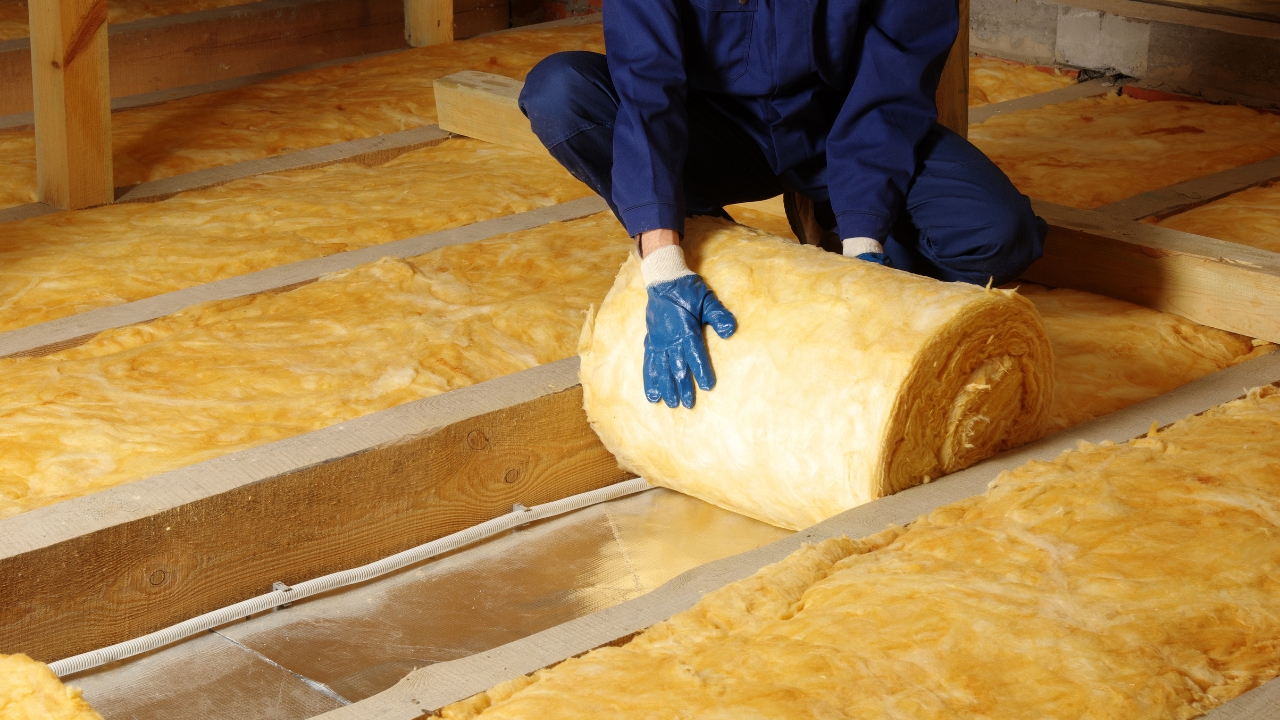
Ripping out insulation to replace it or add new material sounds like a harmless upgrade. But if you don’t meet local code requirements or mess with vapor barriers, you could create bigger issues.
Moisture buildup, mold, and uneven temps can all follow. If that happens and you can’t prove the job was done to code, the warranty company might refuse to cover related damage.
Messing with Load-Bearing Walls

Taking out a wall to open up space without checking if it’s load-bearing is risky enough. Doing it without a licensed contractor makes it even worse.
Any structural changes done without a permit or engineer’s approval can void your warranty for framing, drywall, roofing, and even flooring damage down the line.
Skipping Permits on Major Work
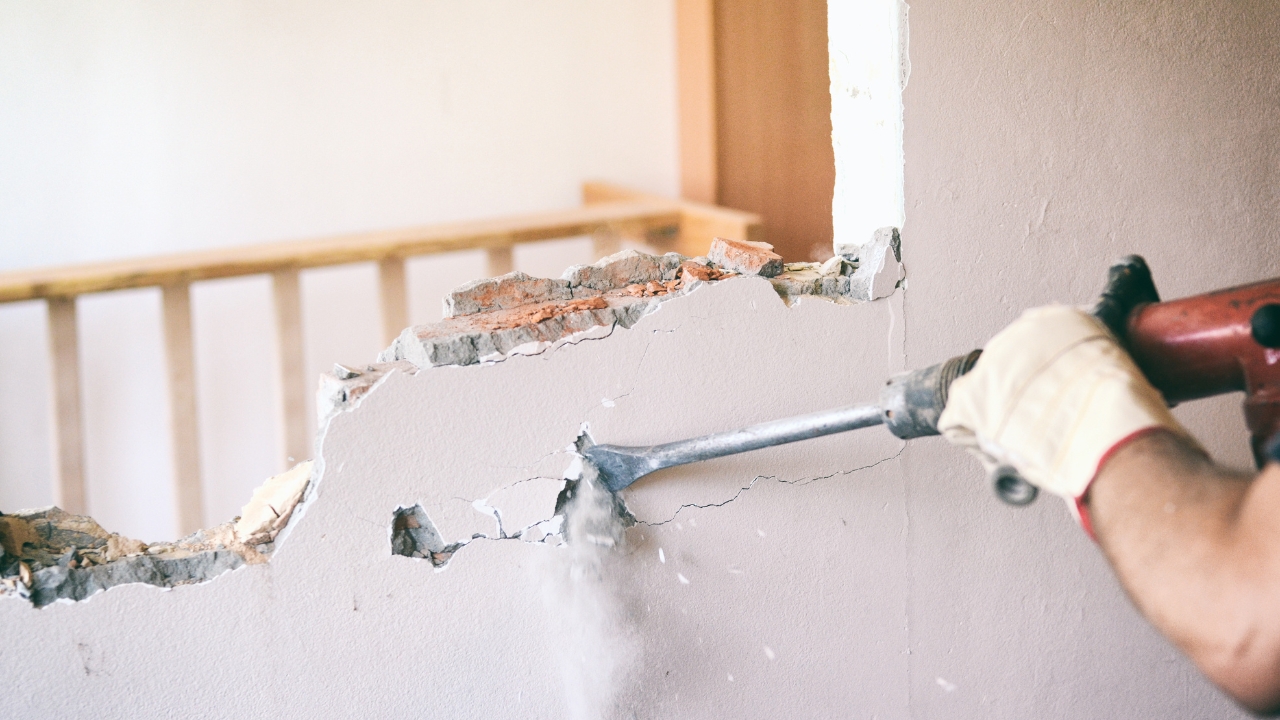
It’s tempting to skip the paperwork to save time or money, but many home warranties specifically require permitted work. If you tackle a project that technically needed one, and skip it, you’re taking a risk.
Even if the work looks good, the lack of a permit gives the warranty provider a reason to deny future claims—especially for anything related to HVAC, plumbing, or structural work.
*This article was developed with AI-powered tools and has been carefully reviewed by our editors.