10 Things in a Yard That Keep Coyotes Coming Back
Photo credit: Sari ONeal/Shutterstock.com
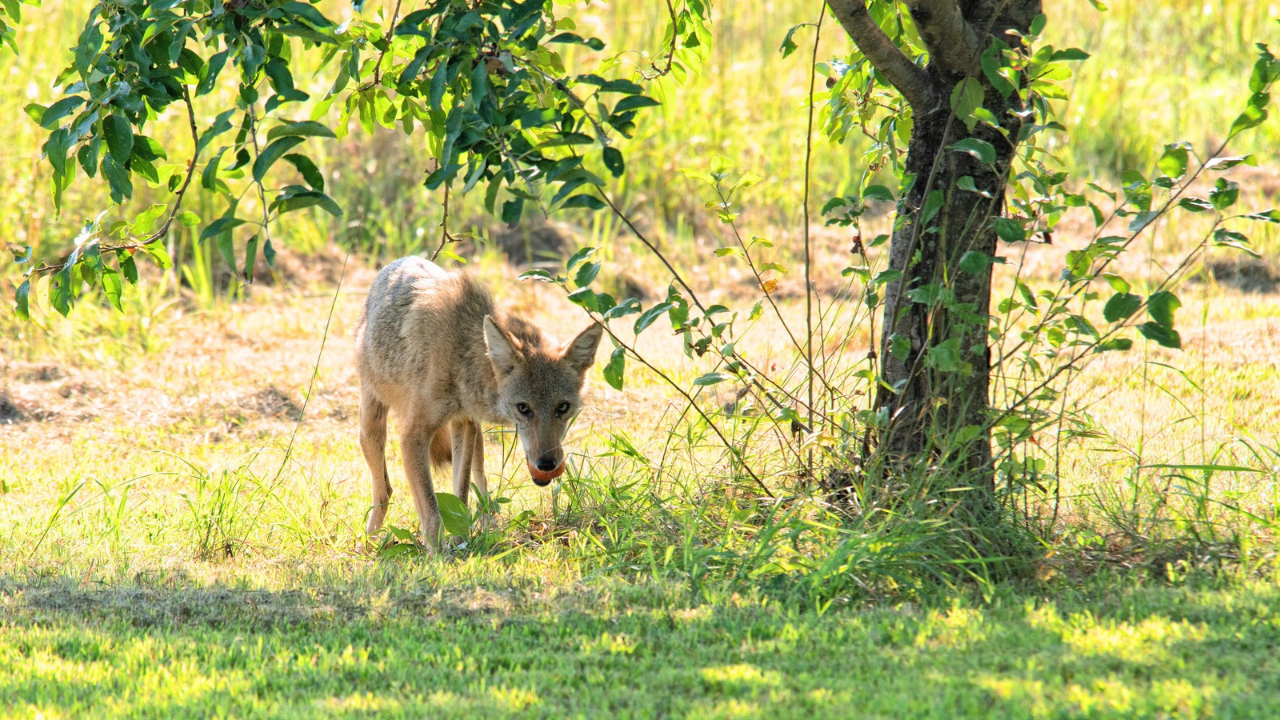
Coyotes don’t “move in” because they like your landscaping. They come back because your yard pays them, in food, water, cover, or easy routine. Fixing it usually isn’t one big project, it’s a bunch of small habits that add up. Once the easy stuff disappears, they spend their time somewhere else.
1. Pet Food Left Out Overnight
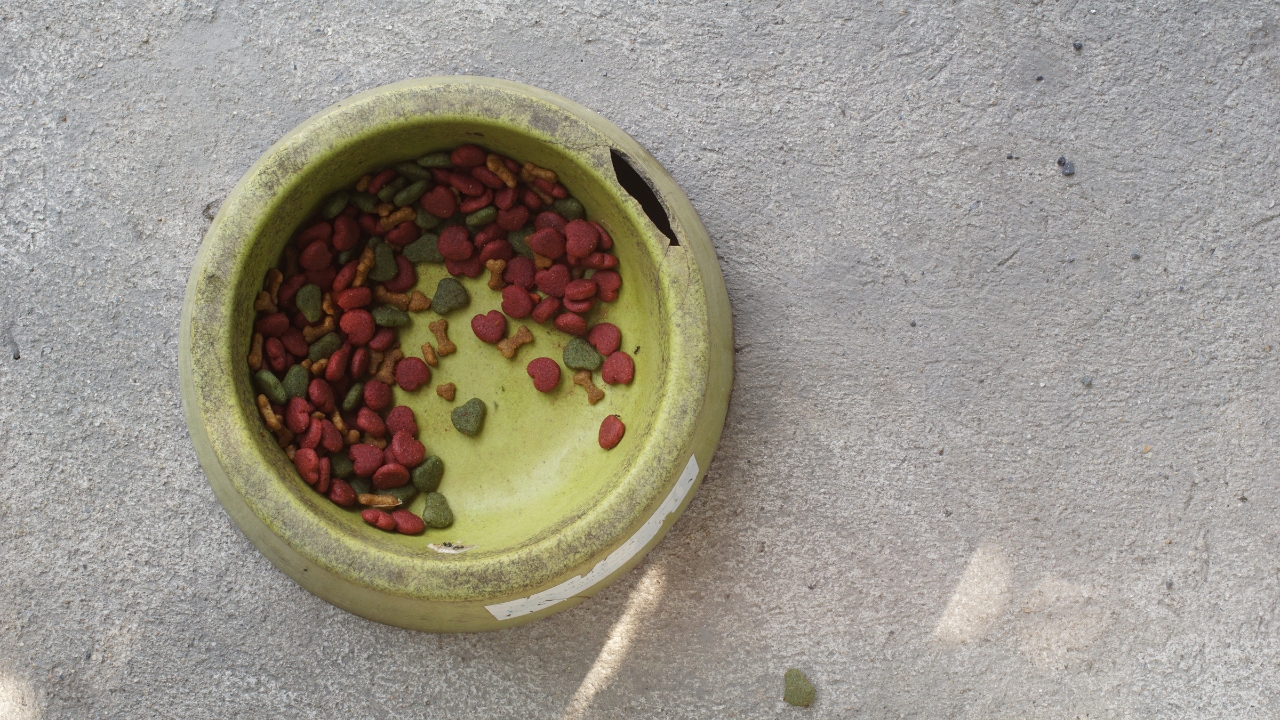
That bowl on the porch is a dinner bell that works every night, rain or shine. Coyotes learn schedules fast, and they’ll do a quiet pass through your yard just to check. Even if they don’t eat it, the smell alone keeps them working the area.
Feed pets inside if you can. If you feed outdoors, pick a set time, stay nearby, and bring the bowl in as soon as they’re done. Store kibble in a sealed bin with a tight lid, not in a ripped bag in the garage where it can scent the whole place.
2. Low Spots Under Fences And Gates
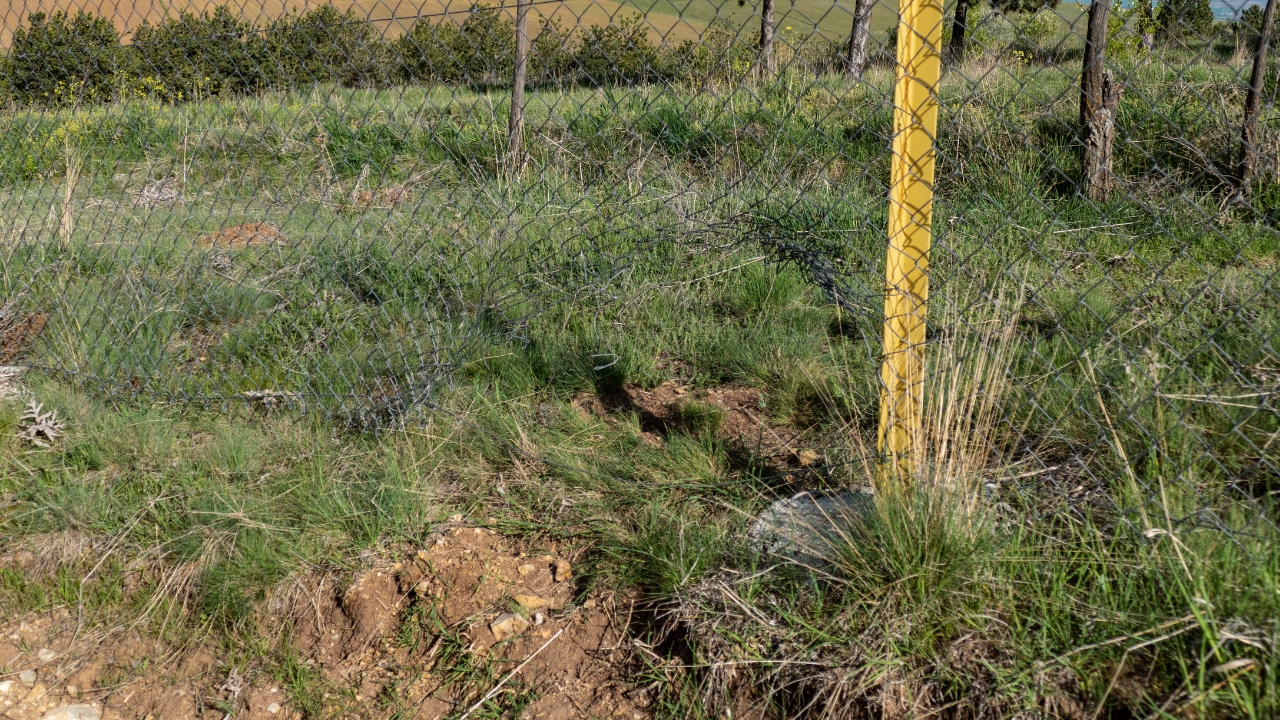
A fence that looks fine at eye level can be wide open at ground level. Coyotes don’t need much, a sagging gate, a washout from a heavy storm, a spot where the mower scalped soil away. Once they find a reliable gap, they’ll use it like a sidewalk.
Walk your fence line like you’re trying to break in, especially after spring rains and winter thaw. Fill low spots with packed soil and rock, then pin down welded wire or hardware cloth along the bottom. If you’re resetting posts or adding a new line, call 811 before digging, and follow local rules for setbacks and fence height.
3. Fallen Fruit Rotting Under Trees

Windfall apples, plums, and pears start as a mess and turn into bait. Coyotes will eat fruit, and fruit also pulls in rabbits, rats, and mice, which is an even bigger draw. Late summer and early fall is when this ramps up, right when young coyotes are learning where to forage.
Rake and pick up drops every few days during peak fall. If you compost fruit, bury it deep in the pile or use a critter-resistant bin with a lid, not an open heap at the back fence. A cheap fruit picker and a five-gallon bucket is faster than fighting a yard full of wildlife all season.
4. Unsecured Trash And Grease Cans
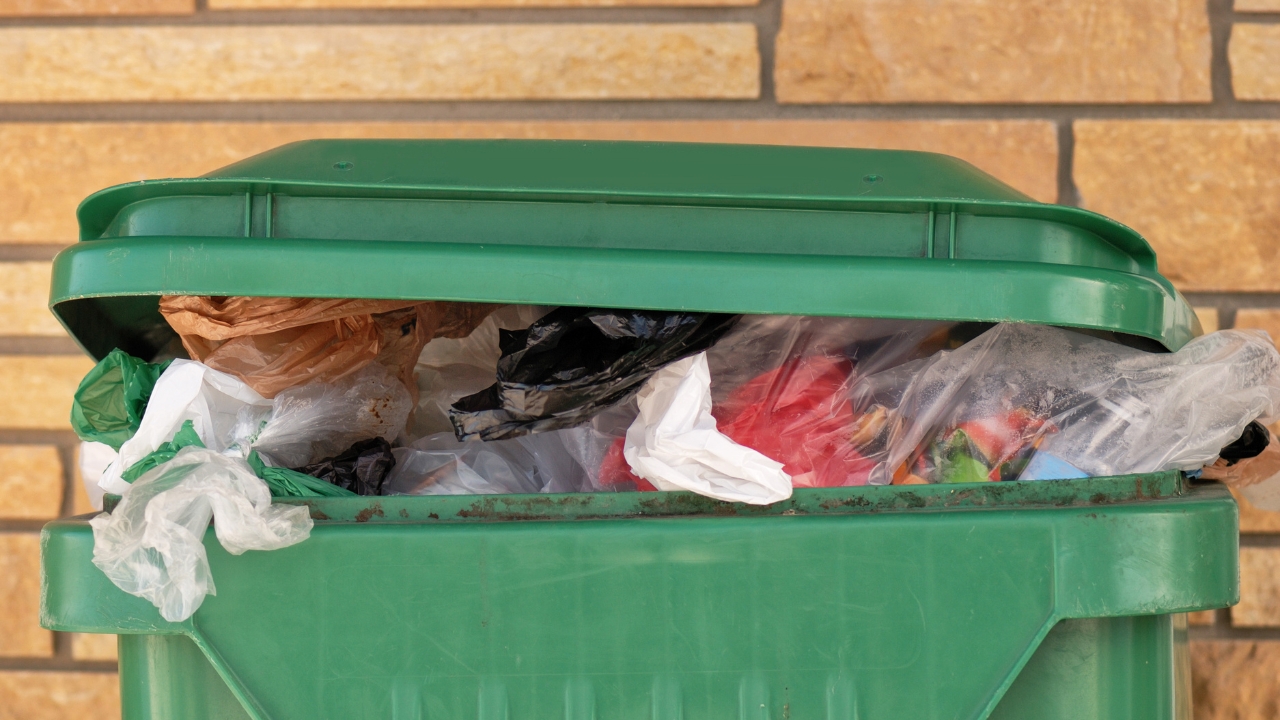
People think the problem is “trash” in general, but it’s usually a few nasty items that do it. Meat trays, fish skins, bacon grease, and bones stink for days and carry far. One tipped can teaches a coyote that your curb is worth checking.
Use a can with a locking lid, or add a simple bungee or latch if your local rules allow it. Double-bag the smelly stuff and freeze it until trash day if you’ve got a problem run. Don’t pour fryer oil or grill drippings into the can, keep it in a sealed container until disposal.
5. Outdoor Water Bowls And Leaky Hoses
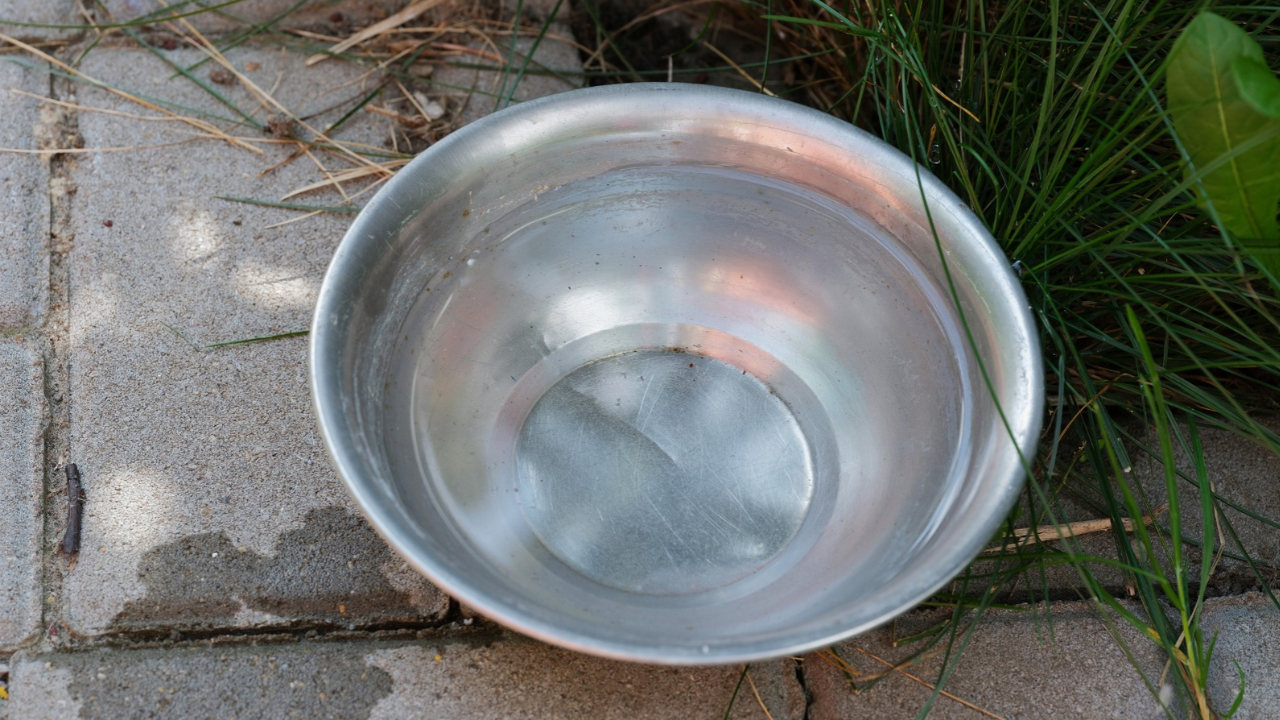
Water changes everything in a dry spell. A dog’s water bowl, a slow-drip spigot, even a low spot that stays muddy from an irrigation leak gives coyotes a reason to patrol your yard. In summer, that’s often the difference between a one-time visit and a regular route.
Dump pet water at night and bring bowls in. Fix drips, replace worn washers, and check hose connections that seep just enough to keep soil damp. If you’ve got a birdbath, dump and scrub it often and consider putting it in the front yard where activity and lights are higher.
6. Bird Feeders Spilling Seed Underneath
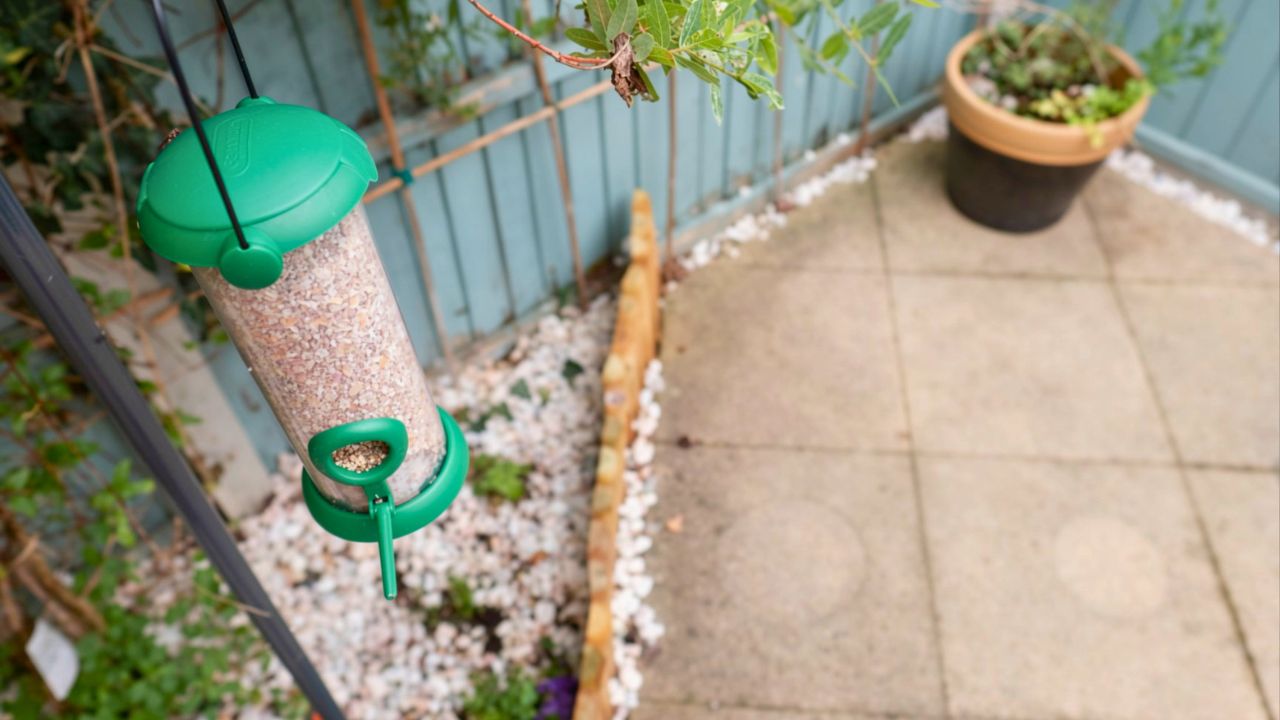
Coyotes aren’t coming for sunflower seeds. They’re coming for the buffet of rodents and rabbits that set up under the feeder. If you hear scratching at night or see little runways in the grass, you’re feeding more than chickadees.
Switch to a feeder setup that wastes less, and sweep up or rake the fall zone weekly. A seed tray helps, but it still needs cleaning. If you want an honest exception, a hummingbird feeder can be fine, it doesn’t scatter seed. Just keep it clean and take it down if it starts drawing ants and other pests that bring bigger problems.
7. Brush Piles And Tall, Matted Weeds
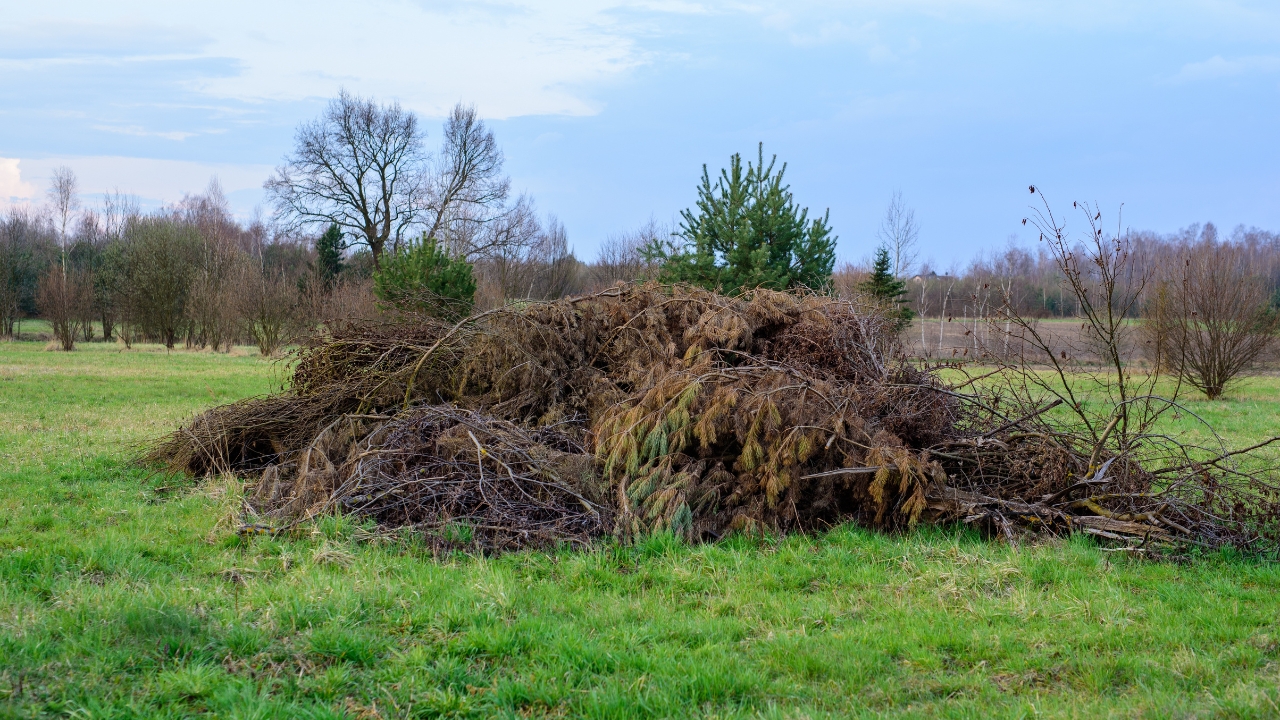
That “wild corner” by the shed feels harmless until you watch how animals use it. Tall weeds, stacked lumber, and brush piles make safe daytime cover for rabbits and cats, and coyotes follow. It also hides fence gaps and burrows, so the problem grows quietly.
Cut it back hard a couple times a season, especially along fence lines and behind outbuildings. Chip branches, haul them, or stack firewood neatly on a rack instead of making a tangle on the ground. If you like some natural area, keep it away from the house and keep the edges trimmed so you can see what’s moving through.
8. Small Livestock Pens Without A Roof
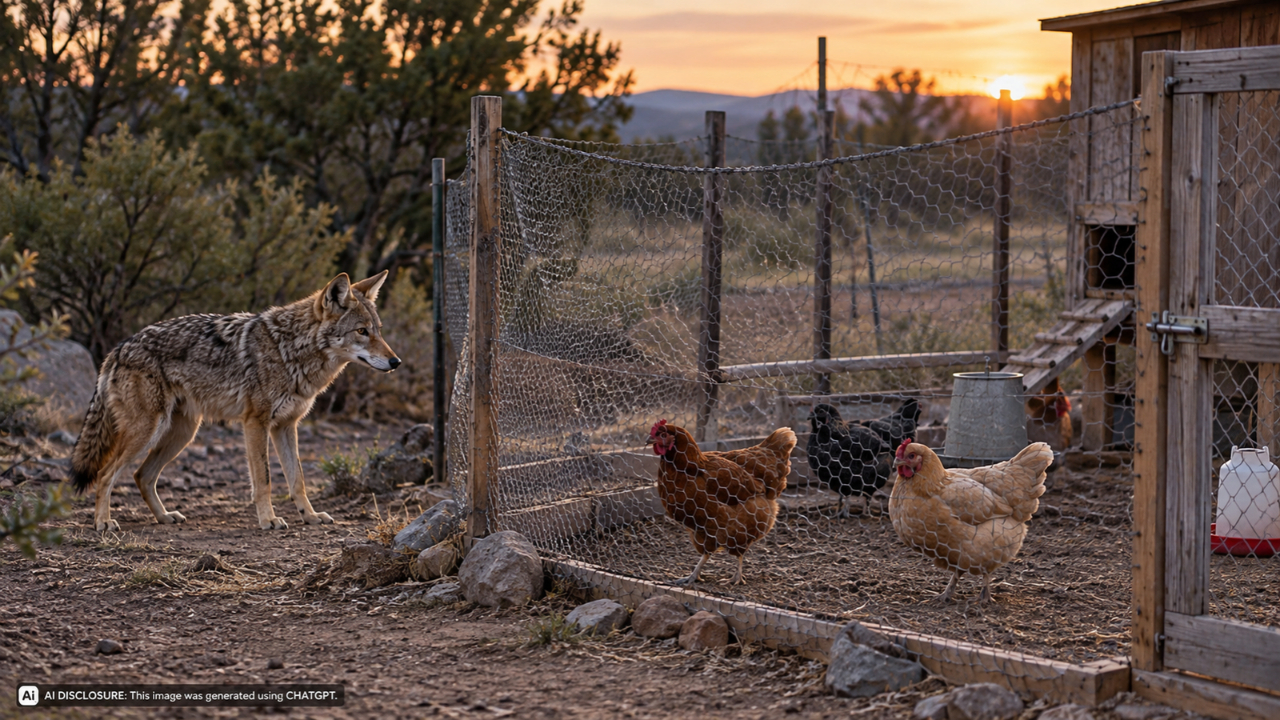
Chicken wire and “good enough” latches work right up until they don’t. Coyotes can climb, jump, and push through weak spots, and they’ll test pens at dawn and dusk when you’re tired and not watching. An open-top run is an invitation, and it also lets hawks and owls work your birds.
Upgrade to welded wire or hardware cloth on the run, and cover the top with wire or solid roofing. Use two-step latches that can’t be bumped open, and set posts solid so panels don’t bow. If you’re building a bigger permanent structure, check local zoning and permits before you sink footings or run power for lights.
9. Compost And Garden Beds Full Of Scraps

Kitchen scraps in an open pile smell like dinner. Even “plant based” scraps attract rodents, and rodents attract coyotes. You’ll also get digging, scattered compost, and a garden that looks like it got rototilled at night.
Keep meat, bones, dairy, and greasy foods out of backyard compost. Use a lidded bin, and cover fresh scraps with dry leaves, sawdust, or finished compost so the scent drops fast. If animals are already working it, lay a piece of welded wire over the top and weigh it down until the habit breaks.
10. Motion Lights That Don’t Actually Light Anything
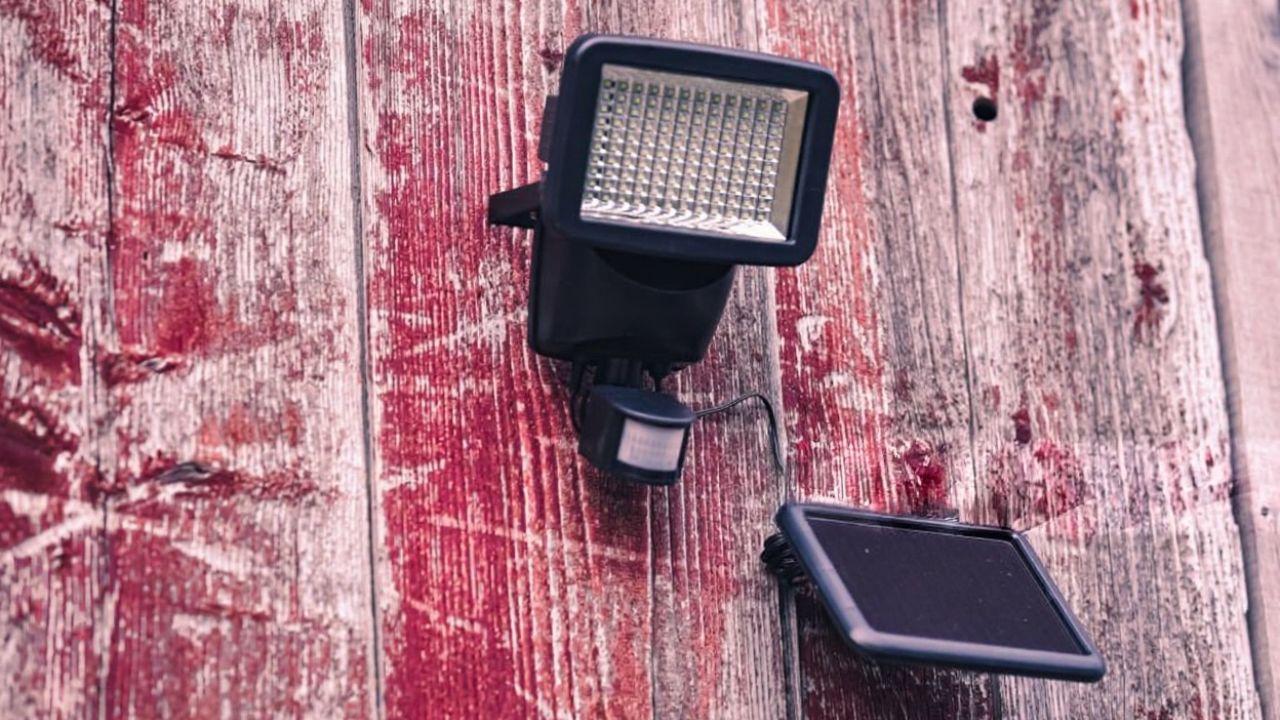
A cheap motion light aimed at the tree canopy is just a nightlight for coyotes. If it’s set too insensitive, it never triggers. If it’s set too sensitive, it fires all night on blowing branches, then everyone ignores it, including you.
Re-aim lights low, toward the path coyotes use, and test them by walking the line. Swap dead bulbs, clean the sensor, and trim branches that keep setting it off. Lighting won’t fix a yard full of food, but it can make your place feel less comfortable for a nightly pass-through.
If coyotes are already acting bold in daylight, hanging around kids, or stalking pets, treat it seriously and call your local animal control or wildlife office for guidance. Most yards get repeat visits for boring reasons, and those are the easiest to change. A weekend of cleanup and a couple small repairs often shifts the pattern fast.
Like Fix It Homestead’s content? Be sure to follow us.