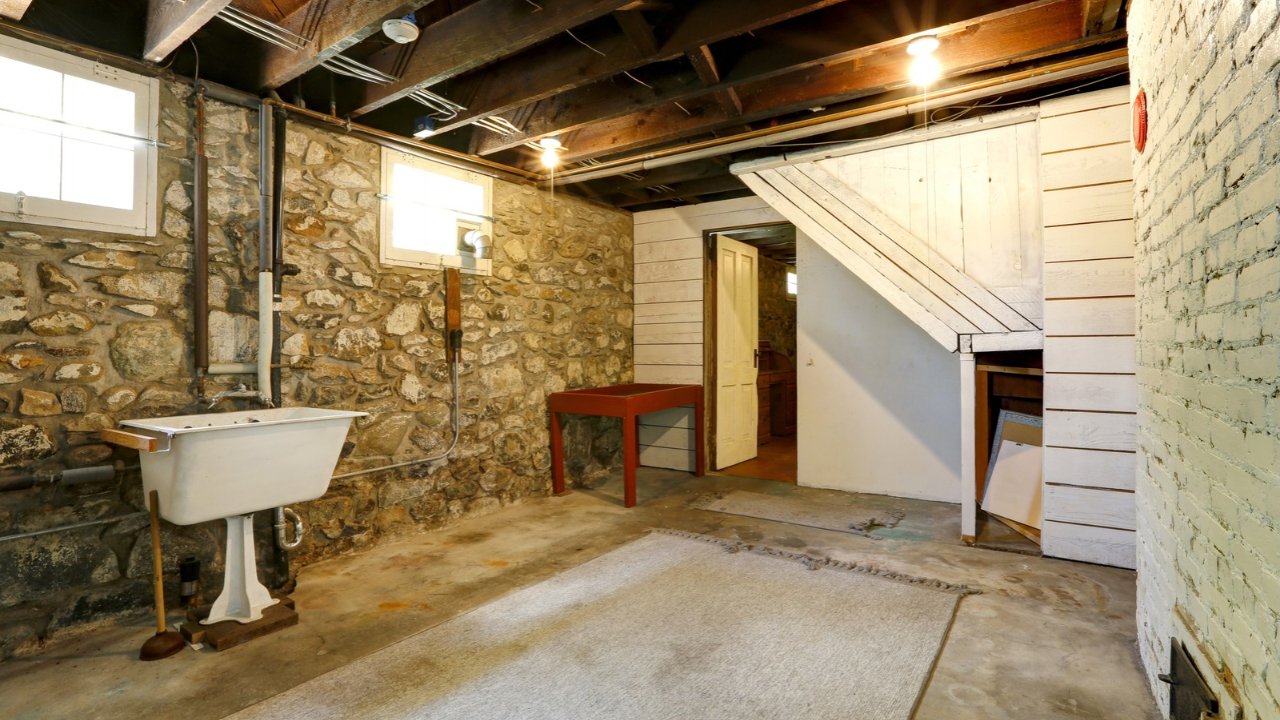
10 Things That Make a Basement Damp All Winter
Photo credit: Artazum/Shutterstock.com
Cold weather doesn’t stop water, it just changes how it acts. A basement that felt “fine” in summer can turn clammy in December, with wet smells, sweating pipes, and little puddles that come and go. If you’re sick of running a dehumidifier nonstop or finding moldy cardboard, the fix starts with figuring out what’s feeding the damp.
1. Gutters Dumping Water Beside The Foundation
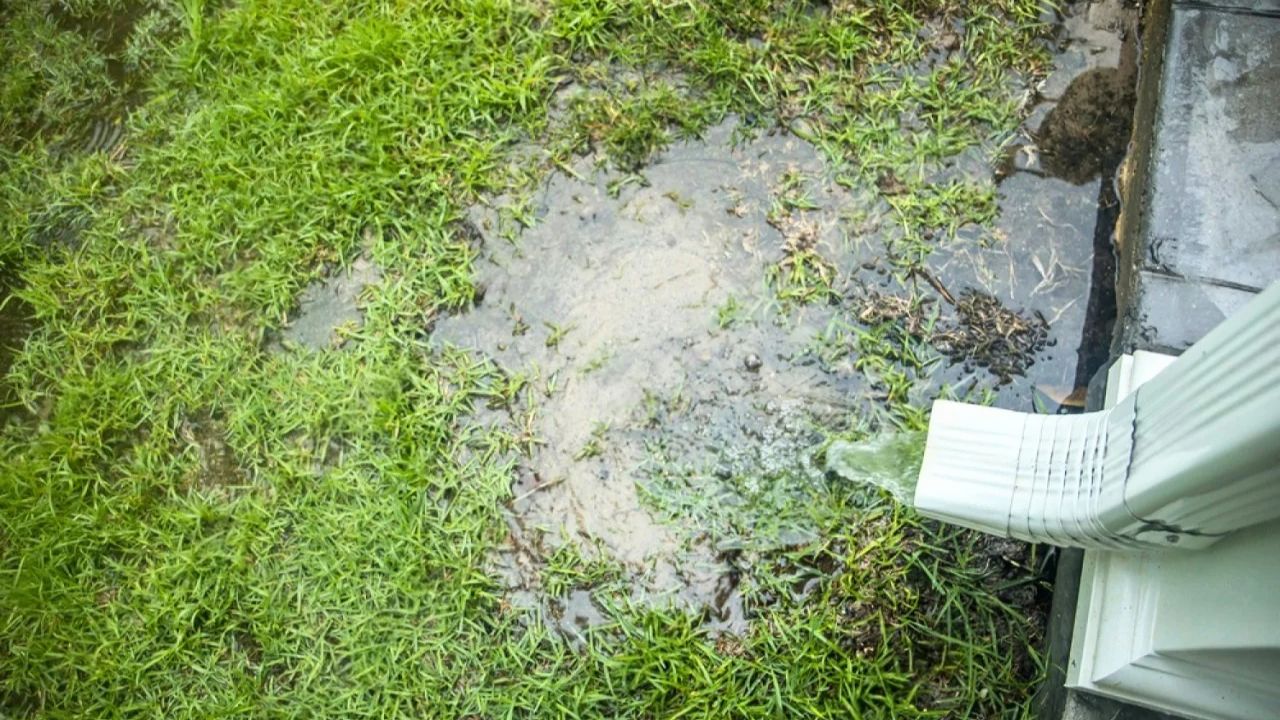
When gutters clog with leaves or ice, water spills right at the footing. That soak line along the wall outside turns into damp wall inside, usually showing up as a musty smell and darker patches near the floor. Winter makes it worse because meltwater comes in bursts, then refreezes and redirects the next round.
Clean the gutters late fall and again after heavy leaf drop. Add downspout extensions so water lands several feet away from the house, not into the backfill right next to the wall. If you can’t extend across a walkway, bury a solid pipe to daylight, but call 811 before digging and follow local rules for discharge.
2. Downspouts Disconnected Or Crushed Underground
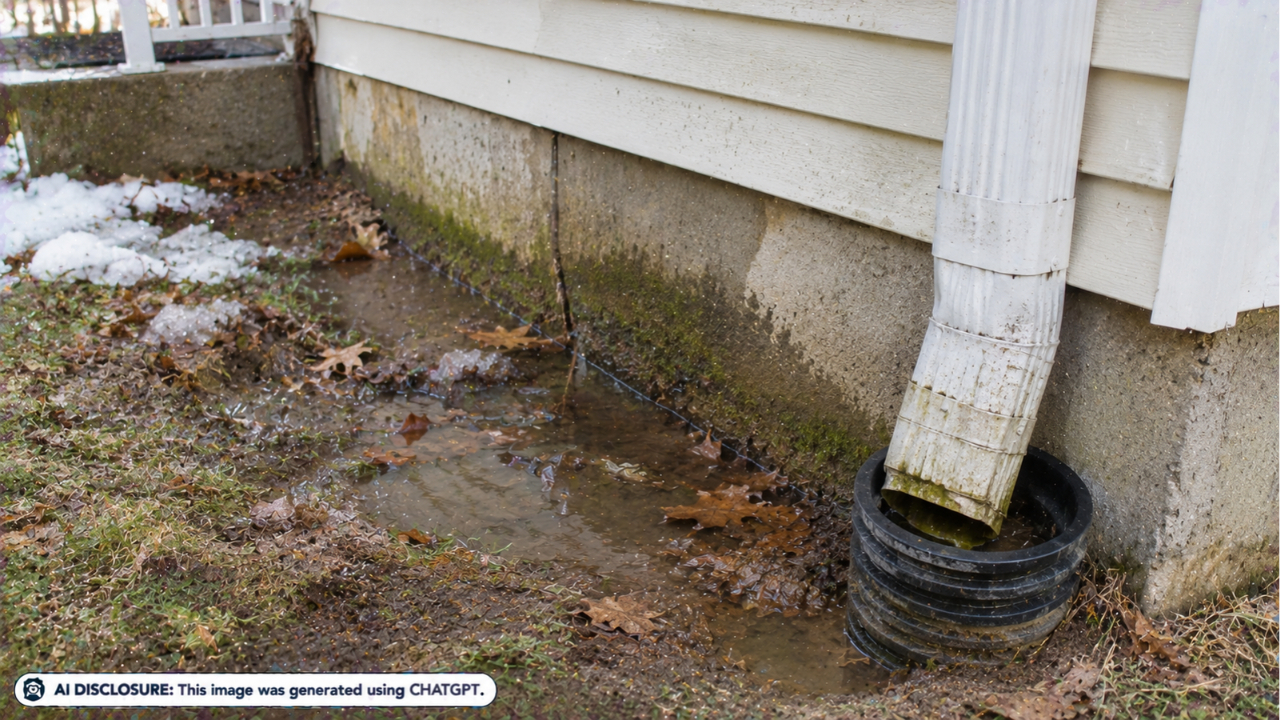
Lots of homes have downspouts that disappear into the ground, and homeowners assume they still work. Over time those lines crush, fill with silt, or freeze shut, and then the water backs up and overflows at the foundation. You’ll often see it as a wet corner that doesn’t match the rest of the basement.
During a thaw, run a hose into the downspout cleanout if you have one, or watch the outlet where it’s supposed to daylight. No flow means trouble. Fixing an underground drain can be a shovel job, but if it runs under a driveway or ties into storm sewer, it can turn into a permit and contractor situation fast.
3. Soil Grading Sloping Toward The House
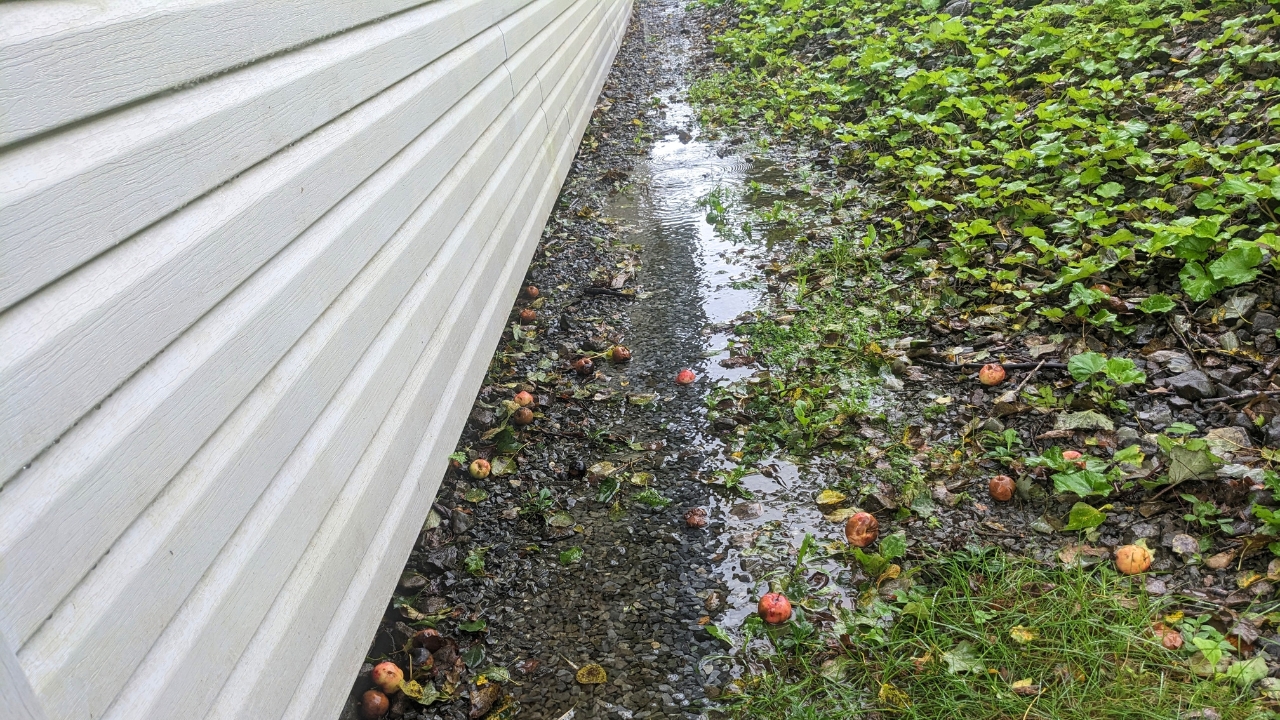
It doesn’t take a swamp, just a subtle pitch back toward the foundation. When the top few inches of soil settle over the years, meltwater hugs the wall and soaks down. Inside, you get that cold damp feel near baseboards and the paint starts to bubble low on the wall.
Build the grade up so it drops away from the house over the first several feet. Use clean fill and pack it in lifts, not a fluffy pile that will settle again by spring. Keep soil below siding and wood trim, or you’ll trade a damp basement for rot and termites.
4. Window Wells Acting Like Buckets
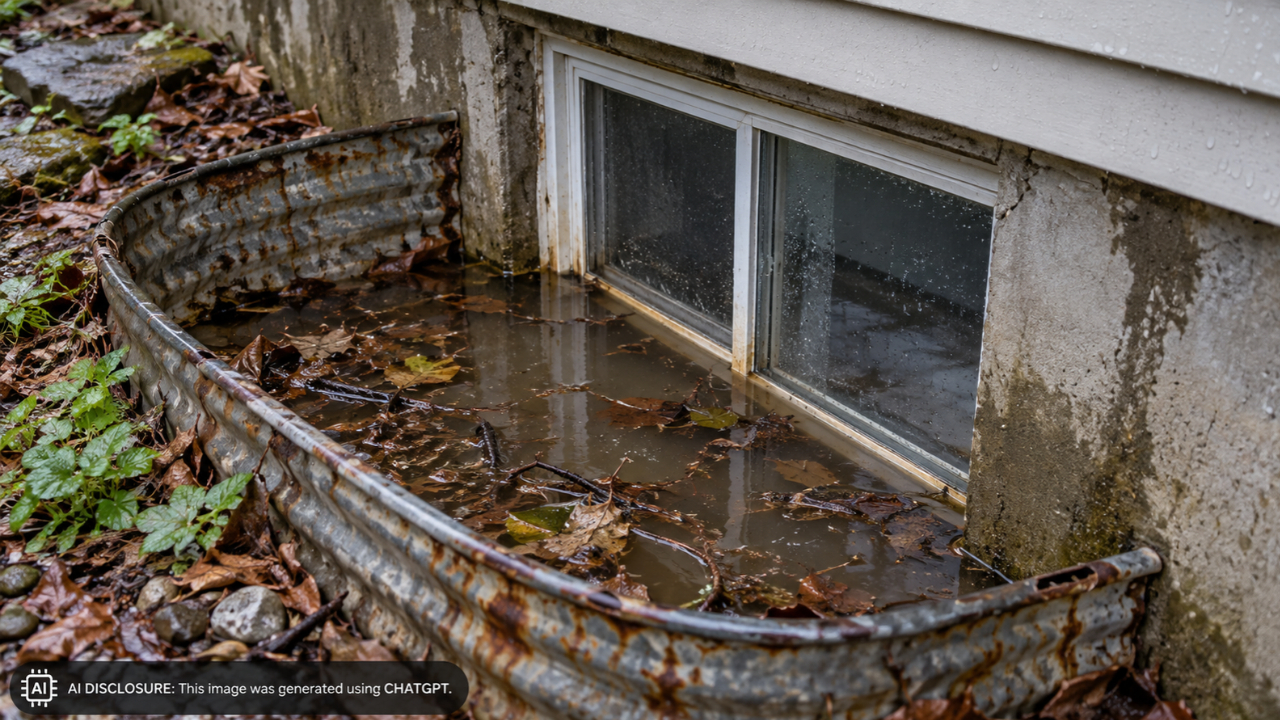
Basement window wells love to collect leaves, snow, and roof runoff. Once that mess turns to slush, the water sits against the window frame and finds a way in, often as a damp ring on the sill or staining under the window. A plastic cover helps, but only if the well can drain.
Clean the wells before winter and check for a drain at the bottom. If there’s gravel but no drain line, add more washed stone and make sure the well isn’t higher than the window. If you’ve got a finished basement and chronic seepage here, it’s worth paying for a proper drain tied into the footing system.
5. Dryer Vents Leaking Humid Air Indoors
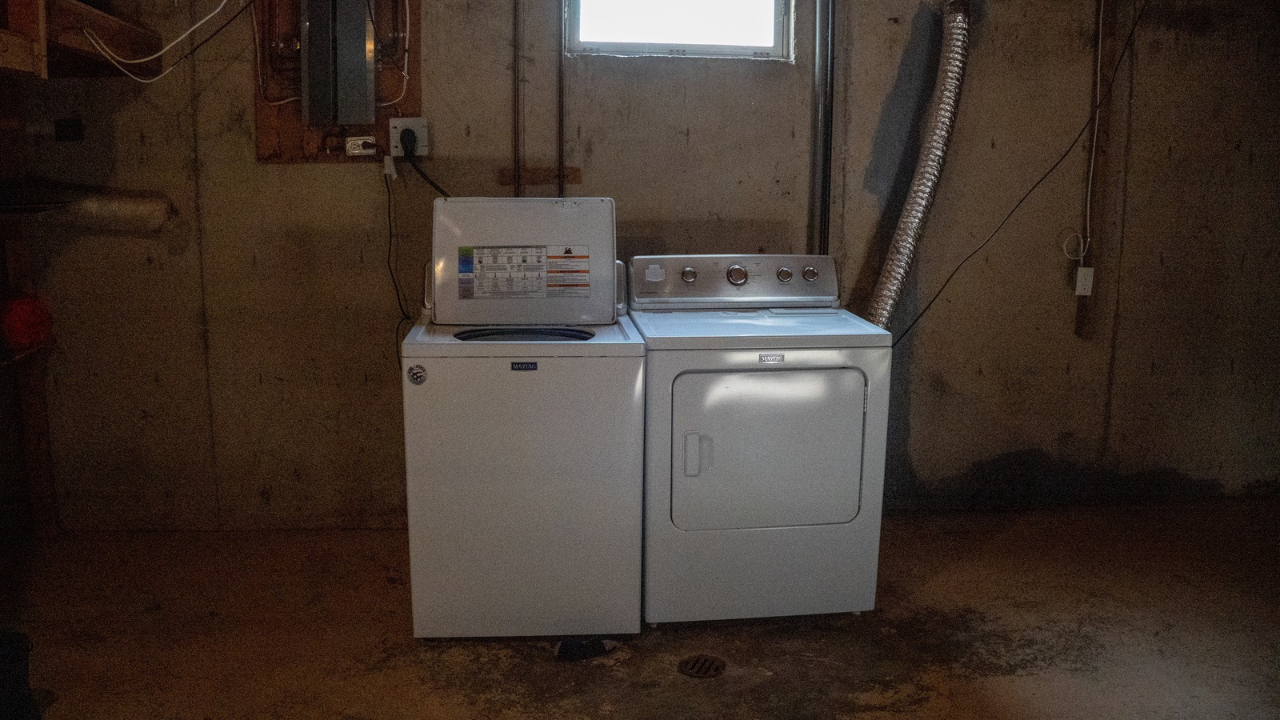
If the dryer vent is loose, crushed, or clogged, that warm wet air leaks into the basement every laundry day. In winter, it condenses fast on cold joists and ductwork, then drips. You’ll smell it, a sweet warm laundry smell that turns sour, and lint will cling to damp spots.
Pull the dryer out and check the duct from the machine to the wall for gaps and kinks. Replace flimsy foil hose with rigid or semi rigid metal duct, tape joints with foil HVAC tape, and clean the outside hood so it opens freely. Avoid indoor vent buckets, they add moisture on purpose.
6. Bathroom Fans Venting Into The Basement
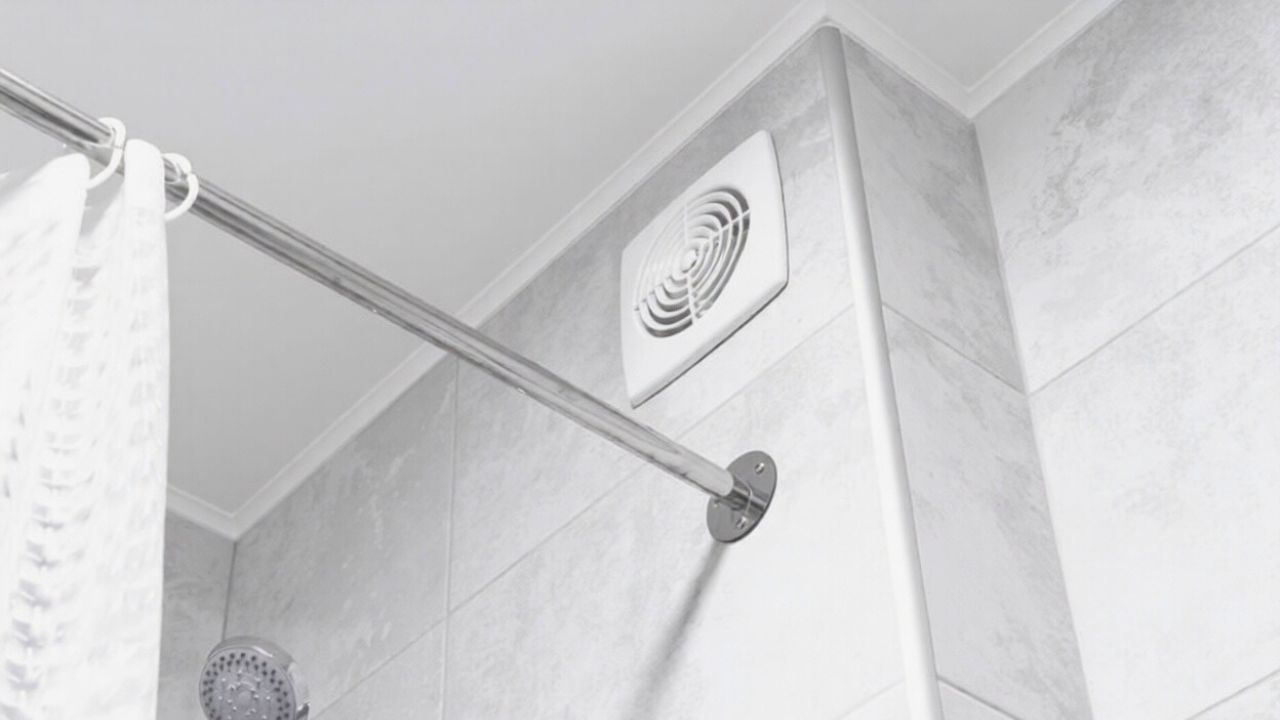
Some fans dump into a joist bay or right above a drop ceiling instead of outside. That steam drifts until it hits a cold surface, then you get wet insulation, damp rim joists, and mold on the subfloor. This one can fool you because the bathroom looks fine.
Trace the fan duct and confirm it exits outdoors, not into an attic space, crawlspace, or basement. If the duct is uninsulated and runs through cold areas, wrap it so the vapor doesn’t condense inside the pipe. Cutting a new exterior vent hole through masonry is a job many homeowners can do, but if it’s near wiring, gas lines, or you’re not sure about the wall build, hire it out.
7. Bare Cold Pipes Sweating All Winter
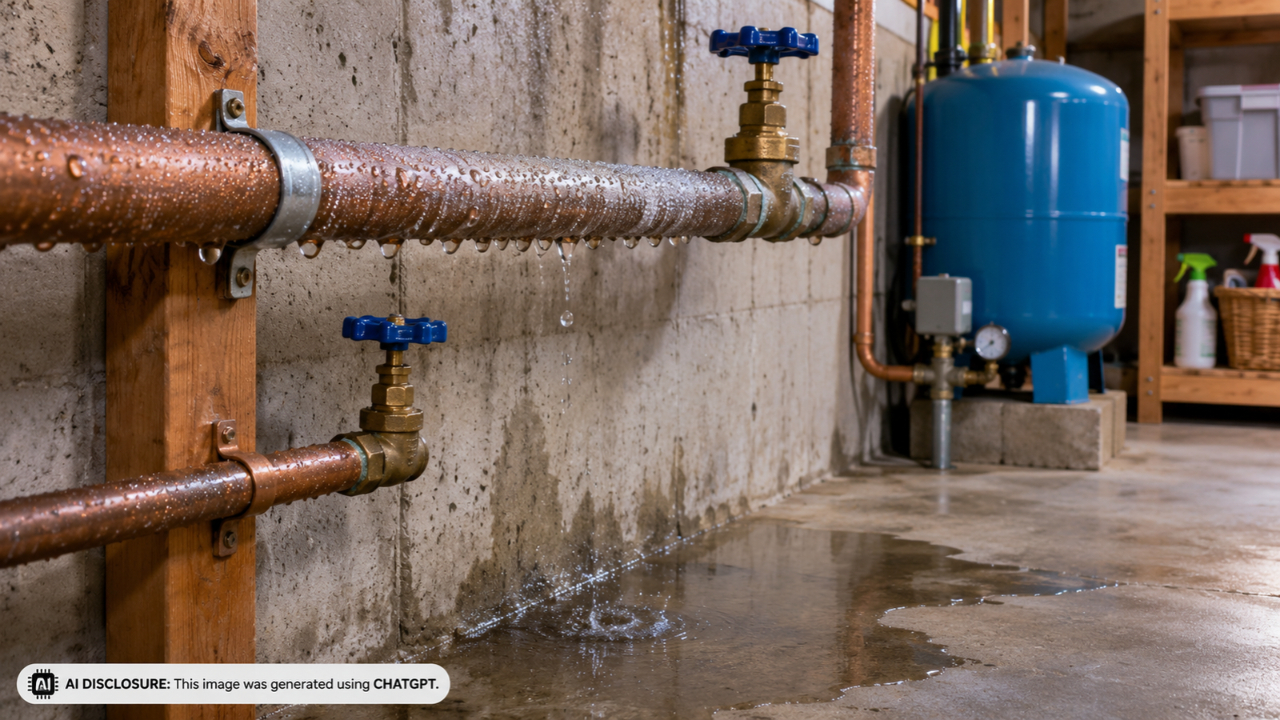
Cold water lines and pressure tanks sweat when damp basement air hits them. That moisture drips down and makes it look like you have a plumbing leak, usually right under copper or PEX runs and near shutoff valves. It can also soak insulation and rust out pipe hangers over time.
Insulate cold water pipes with foam sleeves and seal gaps at joints. If you have a well pressure tank, check the fittings for real leaks first, then insulate nearby cold lines, not the tank itself unless the manufacturer allows it. This is one of the cheaper fixes, and it can knock out a surprising amount of moisture.
8. Rim Joists Leaking Cold Air In
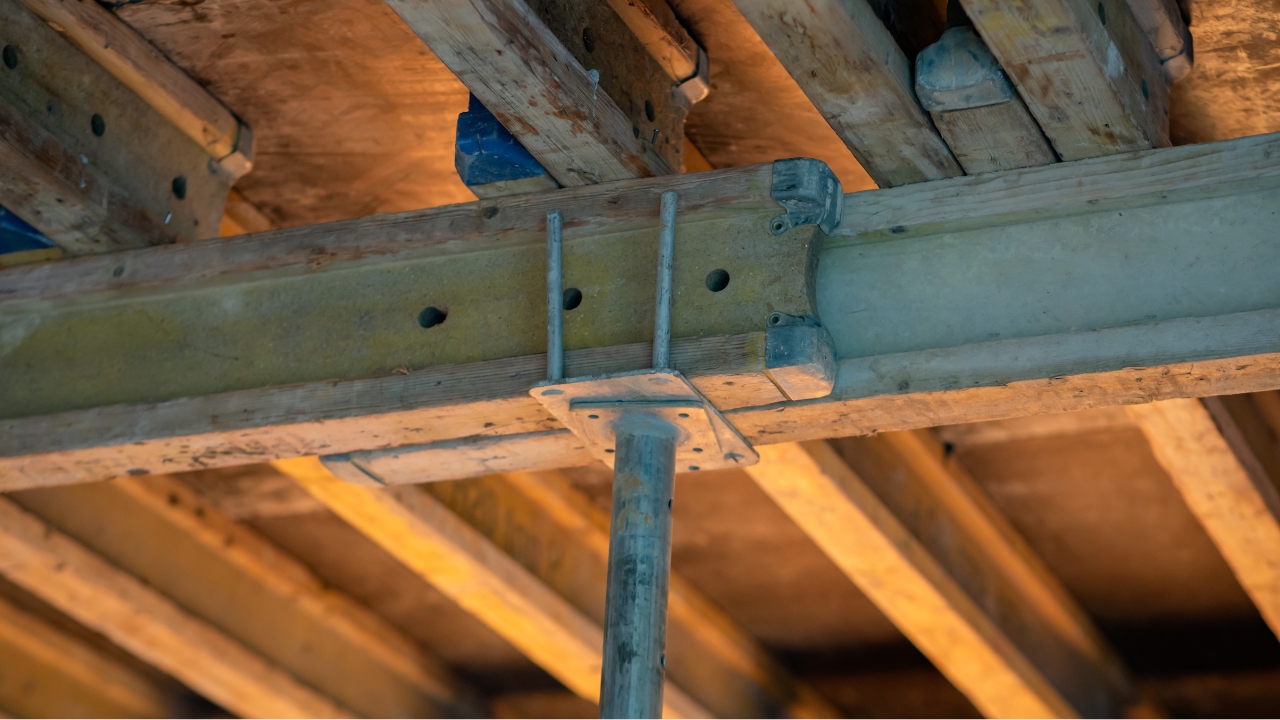
The band area where the house frame meets the foundation is a draft magnet. Cold air leaking in cools surfaces until indoor humidity condenses on them, leaving damp wood and dark staining around nails. You’ll feel it on a windy day, the basement gets that sharp cold bite even if the furnace is running.
Air seal first, then insulate. Spray foam is common here, but rigid foam board cut and sealed with canned foam also works and costs less. Skip stuffing fiberglass into a leaky rim and calling it done, the air still moves and the moisture still shows up.
9. Sump Pump Discharge Freezing Outside
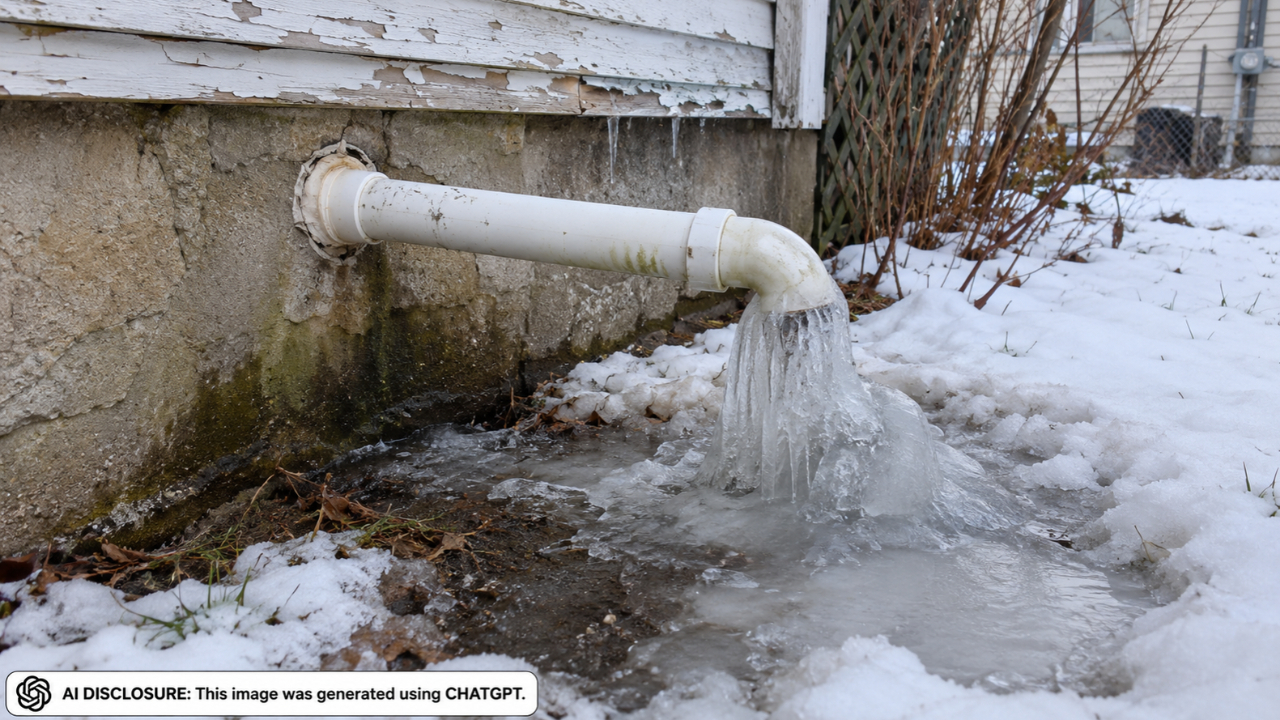
A sump can run fine in fall, then fail in January because the discharge line freezes solid. When that happens, the pump keeps cycling, the pit stays high, and water finds another route, sometimes right at the cove joint where wall meets floor. You may hear the pump humming more often or see the pit never really empties.
Make sure the discharge slopes down and out, and the end is not buried in snow or sitting in a low spot that ices up. A longer solid pipe to a better outlet point often fixes it. Don’t route discharge into a septic system, and check local rules if you’re sending it toward a ditch or street.
10. Old Foundation Cracks That “Only Weep”
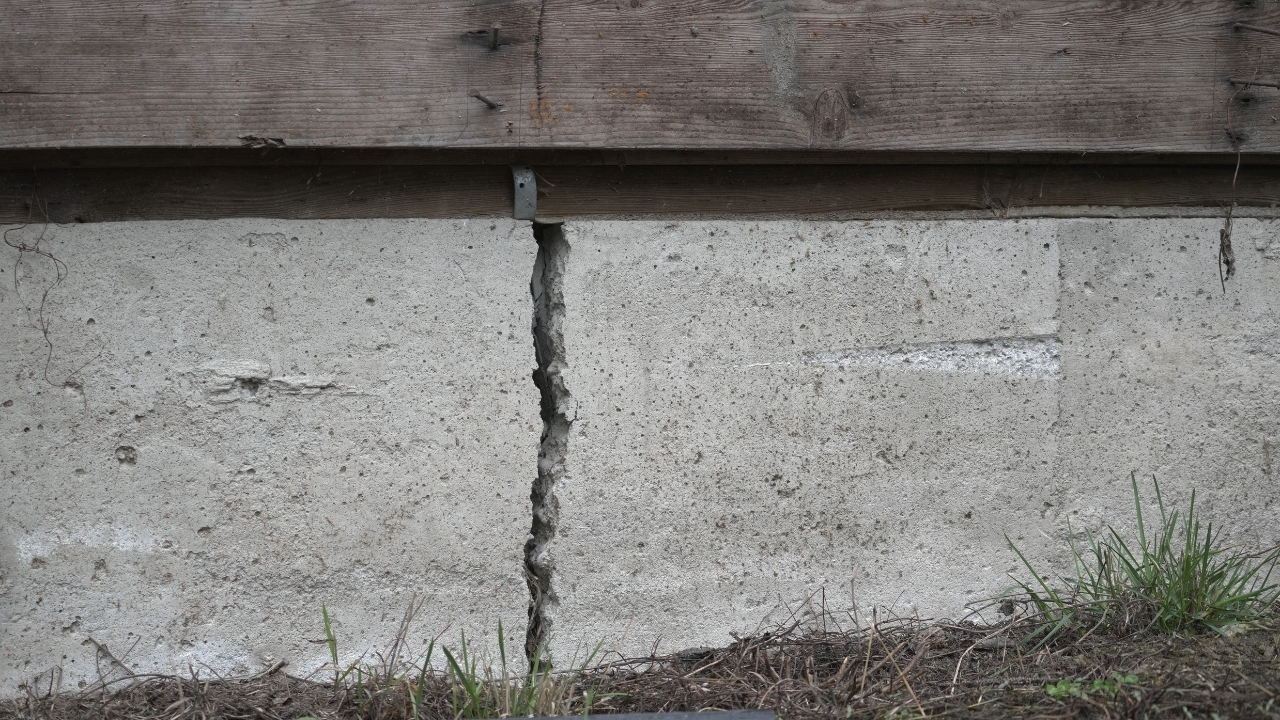
Hairline cracks that barely leaked in summer can turn into steady damp lines during freeze thaw. Hydrostatic pressure rises when the ground is saturated, then winter locks water against the wall in the worst spots. That’s when you see white powdery efflorescence, flaking paint, and damp smells that never quite leave.
Some cracks respond to a proper epoxy or polyurethane injection, but wide, shifting, or stair step cracks are not a caulk job. If doors upstairs start sticking or the crack changes over a season, bring in a foundation pro. The cheap patch is fine for a stable, non structural seep, but it won’t beat active movement.
If you tackle the outdoor water first and then work inward, the basement usually dries out without constant gadgets running. Give each fix a couple of storms and thaws to prove itself, and keep a simple humidity meter downstairs so you can see if you’re actually winning.
Like Fix It Homestead’s content? Be sure to follow us.