10 Things That Make a Fire Smoke Back Into the Room
Photo credit: DiPres/Shutterstock.com
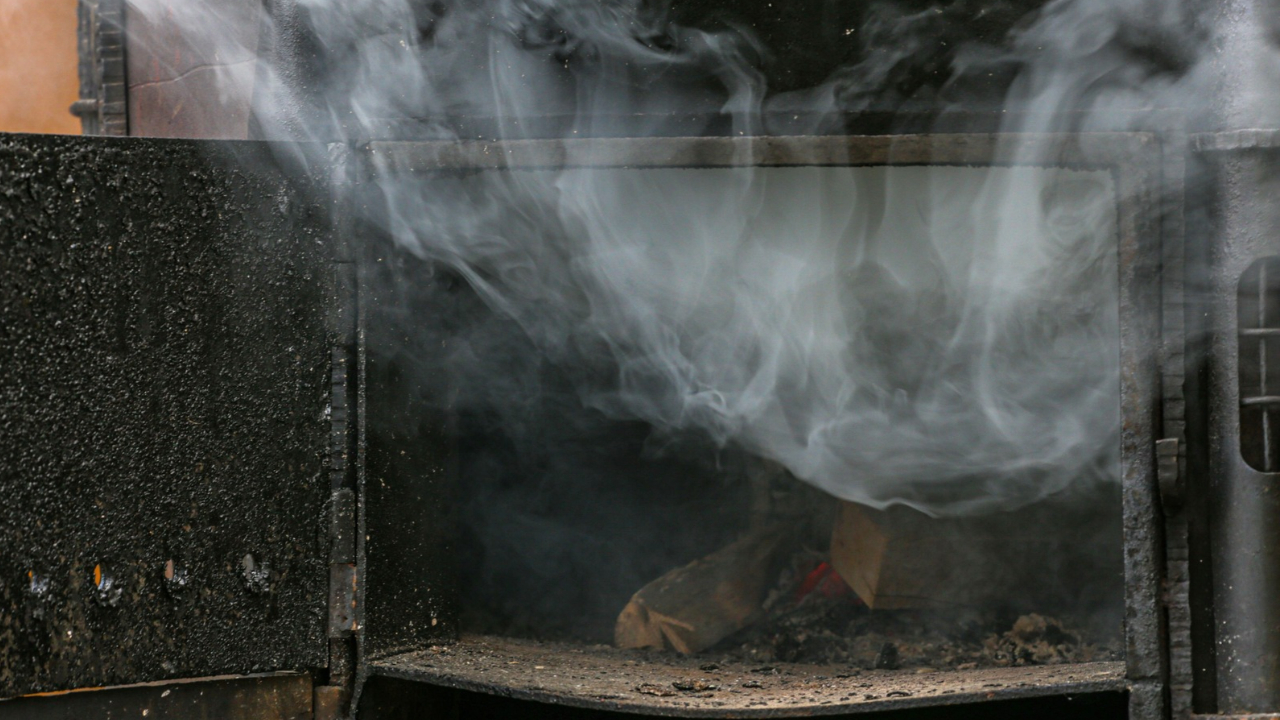
You get the fire going, the room warms up, and then the smell hits. Smoke starts rolling out around the door or spilling into the living space like the chimney forgot its job. Most of the time it’s not one big mystery, it’s a draft problem, a blockage, or a setup issue you can actually track down.
1. Cold Flue With No Draft
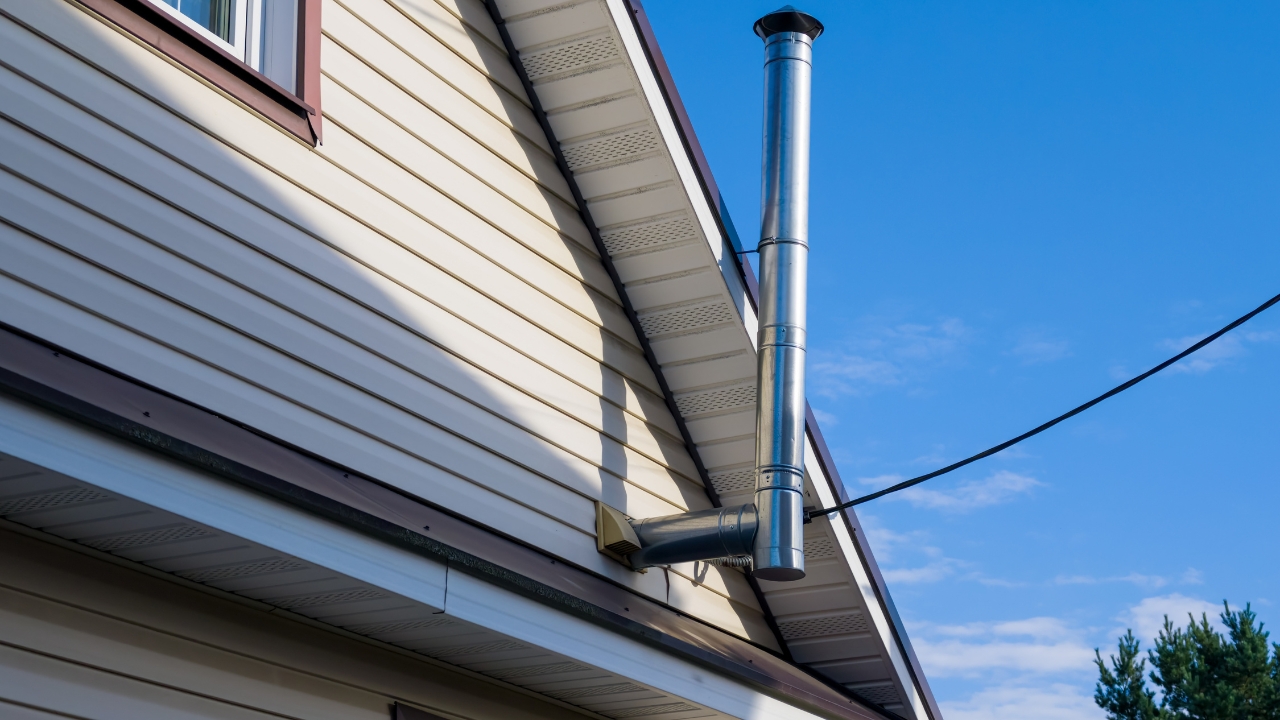
This shows up most on the first burn of the day, or the first burn of the season. You crack the door and smoke lazily drifts into the room because the chimney is full of cold, heavy air and the draft hasn’t started yet.
Warm the flue before you commit to a full load. A tightly rolled newspaper held up near the flue opening (or a small kindling fire built right under the flue) is usually enough to get the column moving upward. If your stove has a bypass damper, open it for startup so smoke has the straightest path up until the draft is established.
2. Wet Wood That Smolders
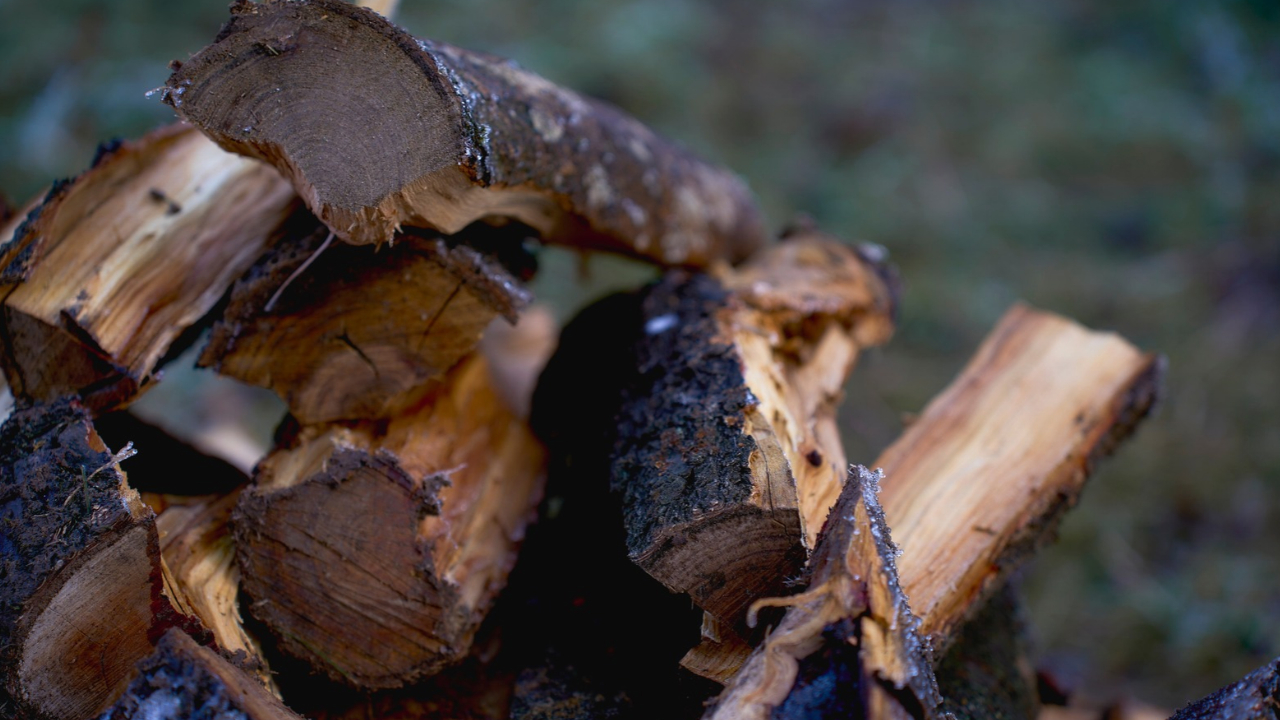
Green or soggy firewood makes a lot of smoke and not much heat, and smoke is harder to pull up a chimney than hot, clean exhaust. You’ll hear more hissing than crackling, and the glass soots up fast.
Burn wood that’s actually dry and split to size. Stack it off the ground with air gaps, top covered and sides open, and give it time, often a season or more depending on species and climate. If you’re buying, don’t be shy about rejecting heavy, damp rounds that thud instead of ringing when knocked together.
3. Air Control Shut Down Too Soon
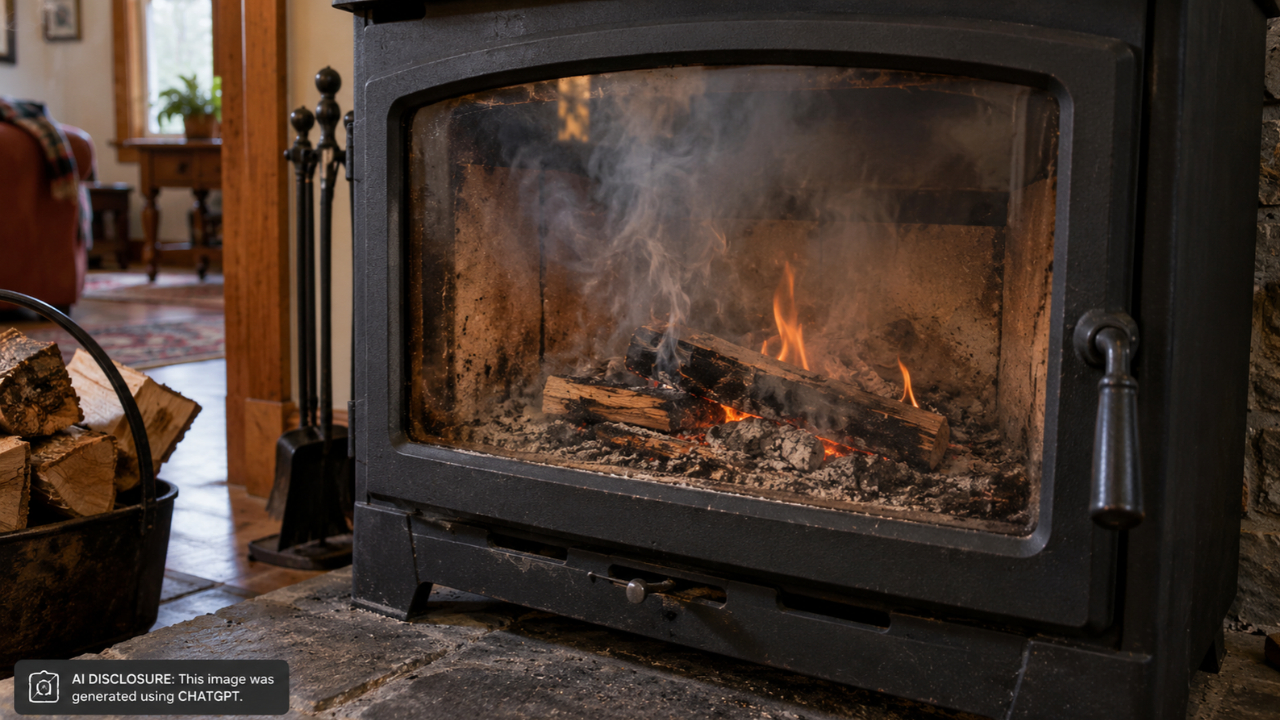
A common habit is choking the air right after the fire catches because you want it to last. That turns a lively burn into a smoky smolder, and the smoke looks for the easiest exit, which can be the door you just opened to “check it.”
Let the fire get established before you dial it back. Use smaller splits for the first 10 to 20 minutes, keep the air more open, and wait until the stovetop or flue thermometer is in the normal operating range if you have one. Once there’s a solid coal bed and active flame, you can reduce air in steps instead of slamming it shut.
4. Ash Plugging The Air Inlets
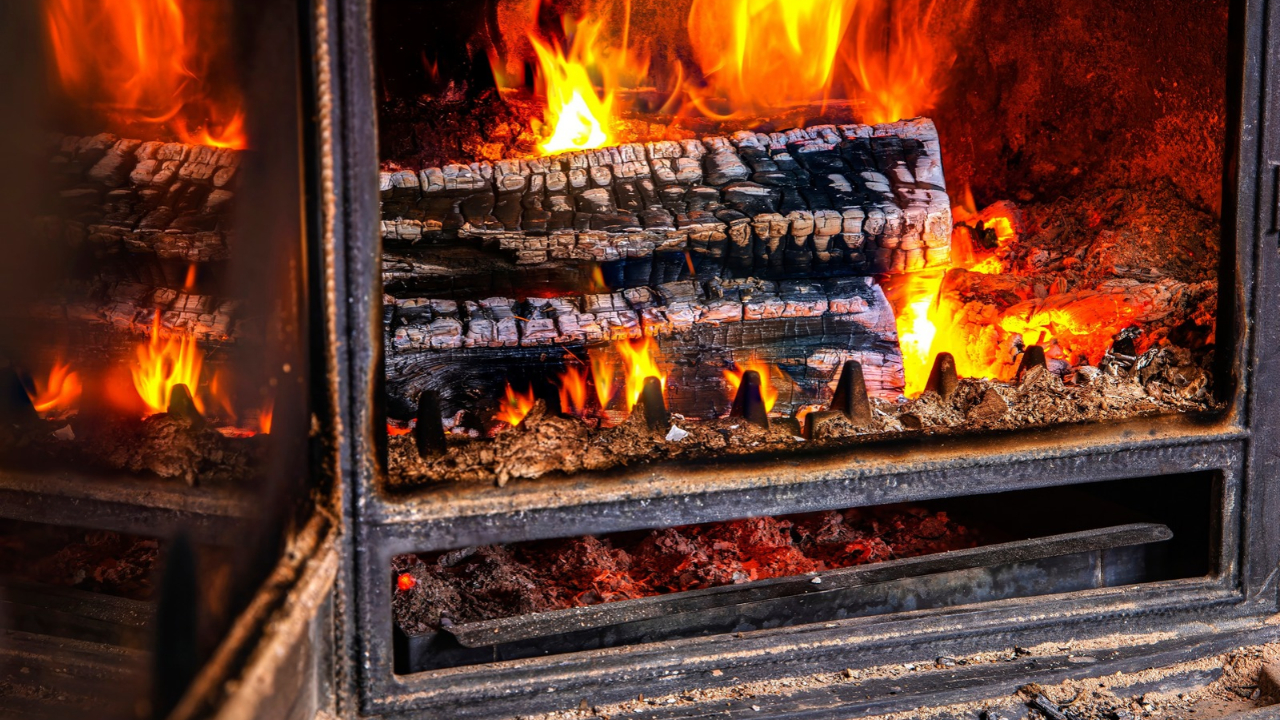
If the fire seems starved even with the control wide open, look at the basics. A deep ash bed can block the primary air path, and some stoves have little intake channels that pack full of fine ash.
Clean out to the level your stove manual calls for, not all the way to bare metal every time. Many stoves burn better with an inch or so left, but not with vents buried. A small ash shovel, a metal bucket with a lid, and a shop vac rated for cold ash make the job quick, just don’t vacuum warm coals.
5. Chimney Cap Or Spark Screen Clogged
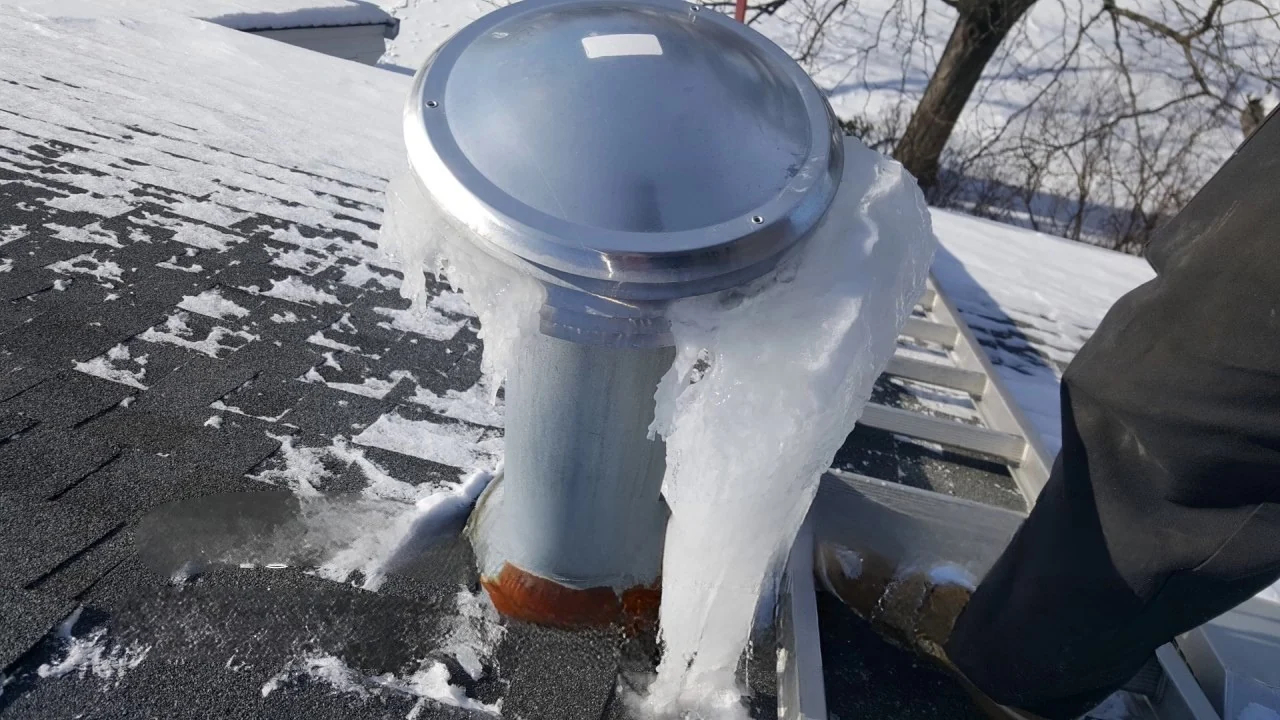
That nice safety cap up top can become a choke point. Screens load up with fluffy creosote, and in a windy snowstorm they can ice over, so the stove pushes smoke back at you.
If the problem is sudden after a stretch of low, smoky burns, suspect the cap. Cleaning it is often a ladder job, and ladder work is where DIY confidence turns into an ER visit. If you’re not set up for safe roof access, pay a sweep to clean and inspect, and ask what they see on the screen and in the top couple feet of flue.
6. Creosote Narrowing The Flue
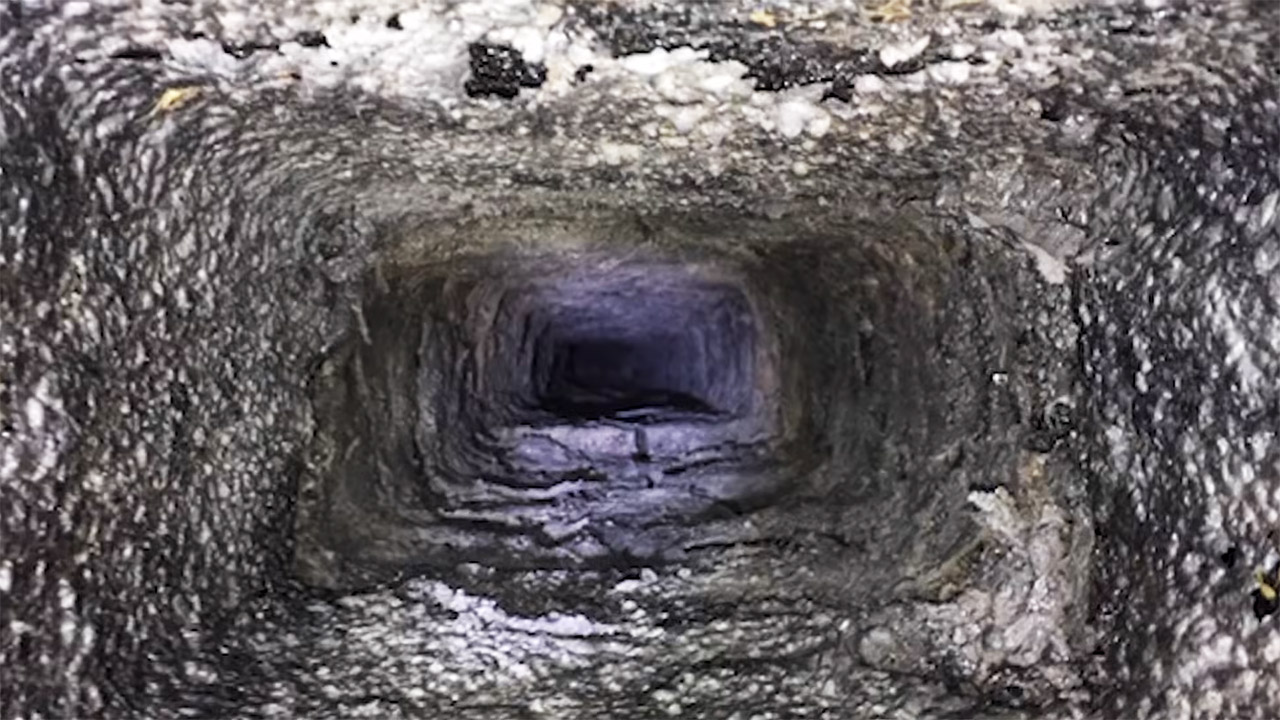
Slow burns with damp wood coat the chimney. Over time, the flue gets tighter, draft weakens, and smoke spills out every time you reload. You might also notice a stronger smoke smell outside near the chimney, or a rumbling sound when the fire is running hot.
A proper chimney sweeping is cheaper than repairing a chimney fire. If you sweep yourself, use the right-size brush for your liner, wear eye protection and a respirator, and seal off the stove opening so soot doesn’t coat the room. If you find shiny, tar-like glaze creosote, stop and call a pro because that stuff doesn’t brush off like dry soot.
7. Competing Exhaust Fans Depressurizing The House
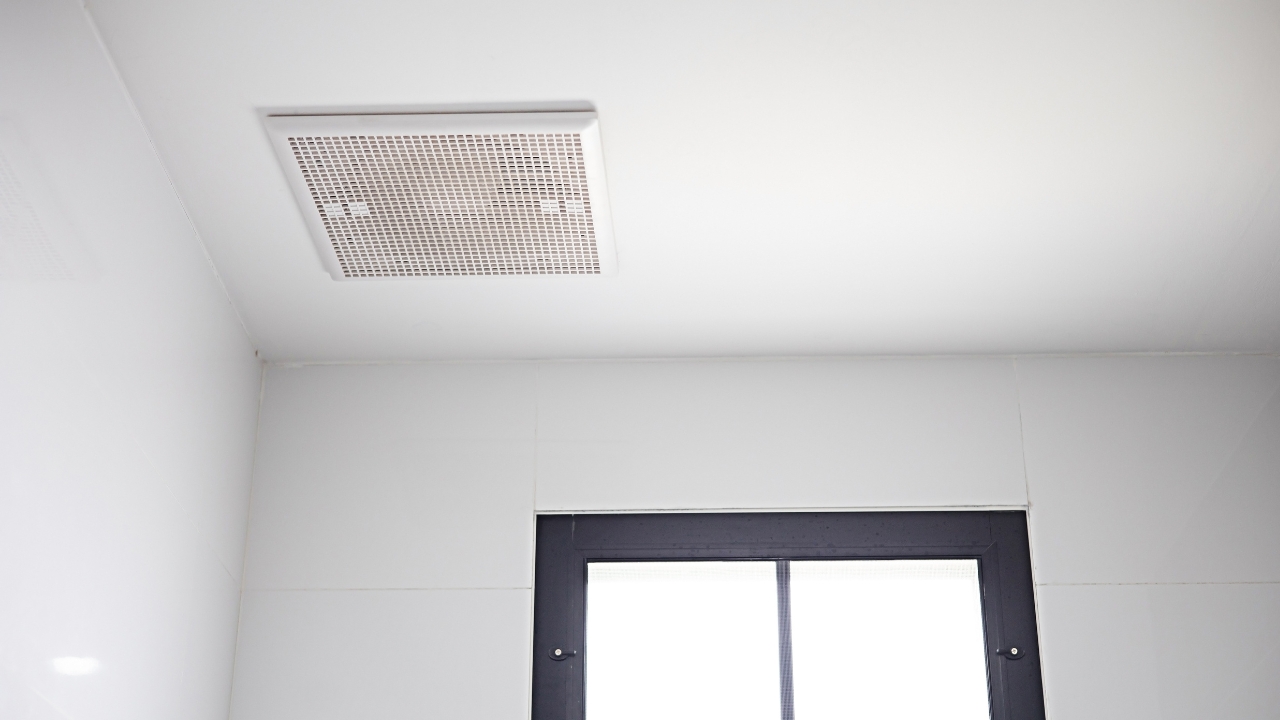
Kitchen range hoods, bath fans, clothes dryers, and even a radon fan can pull hard on the air inside the house. In a tight home, that makes the stove fight for makeup air, and the chimney can reverse when you open the loading door.
Try turning off big exhaust fans during startup and reloads, or crack a nearby window an inch to give the stove an easy air source. The cheap fix is often enough, and this is one of the few times “just open a window” is actually fine advice. If the house is consistently negative pressure, an outside air kit or a dedicated makeup air solution is worth discussing with an HVAC pro.
8. Negative Pressure From A Basement Stove
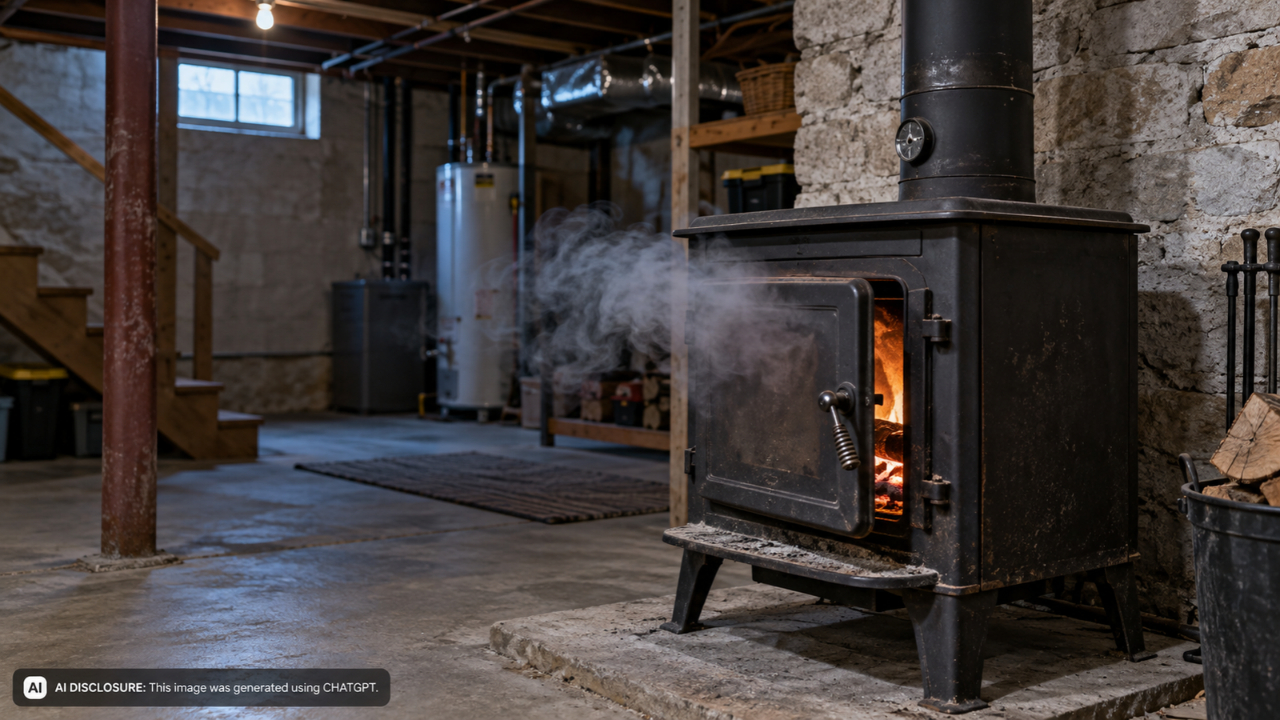
Basements are drafty in all the wrong ways. Stack effect pulls air up and out of the upper floors, and the basement can sit in a low-pressure pocket that makes smoke spill when the stove door opens.
Give the stove a reliable air supply and reduce air leaks higher up. Weatherstrip exterior doors, seal attic bypasses, and make sure the stove has the clearances and venting the manufacturer calls for. If you’re dealing with an older stone foundation or a crawlspace connection, a building performance contractor can spot pressure problems fast with a blower door test.
9. Short Or Poorly Terminated Chimney
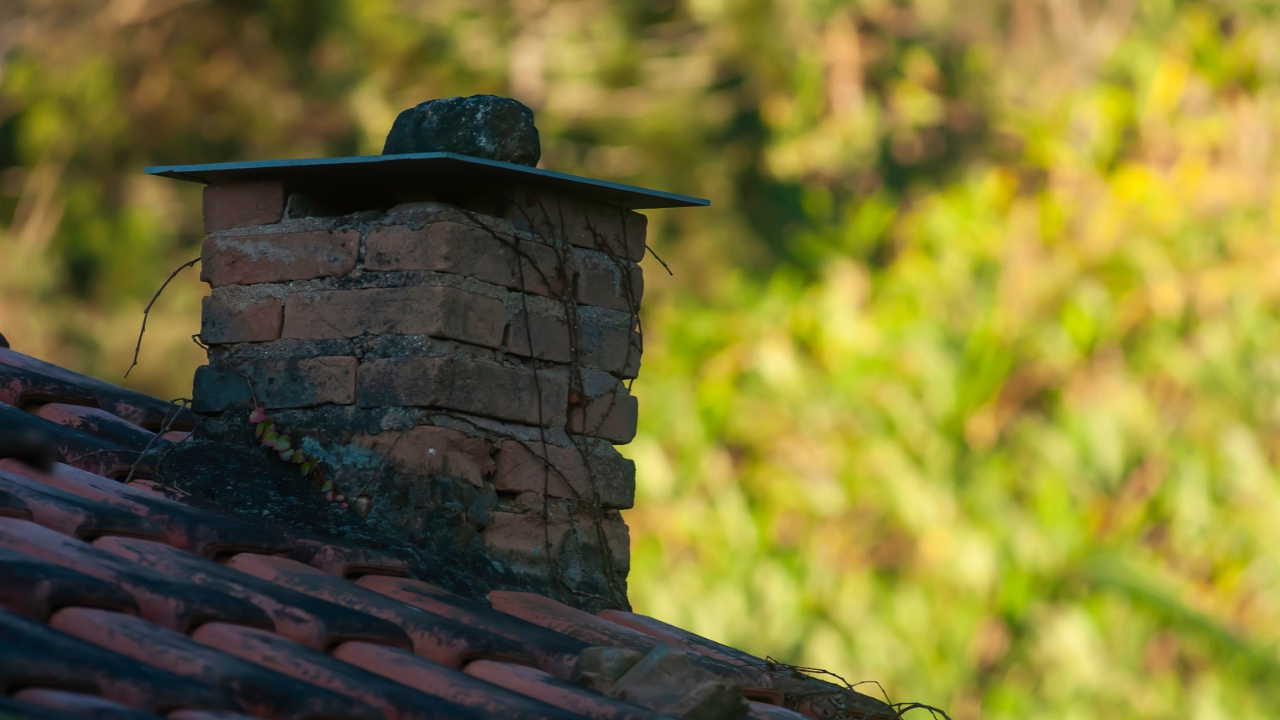
Sometimes the chimney just isn’t tall enough, or it ends in the wrong spot. If the top is too close to the roof ridge, tucked behind a higher roofline, or surrounded by tall trees, wind can roll over the top and push smoke right back down.
This is where guessing gets expensive, because adding pipe in the wrong way can create clearance and bracing problems. The fix is usually a proper height increase, a better termination, or a layout change that meets local codes and the appliance manual. Call a qualified installer if you suspect height and location are the issue, especially on steep roofs.
10. Leaky Door Gasket Or Warped Latch
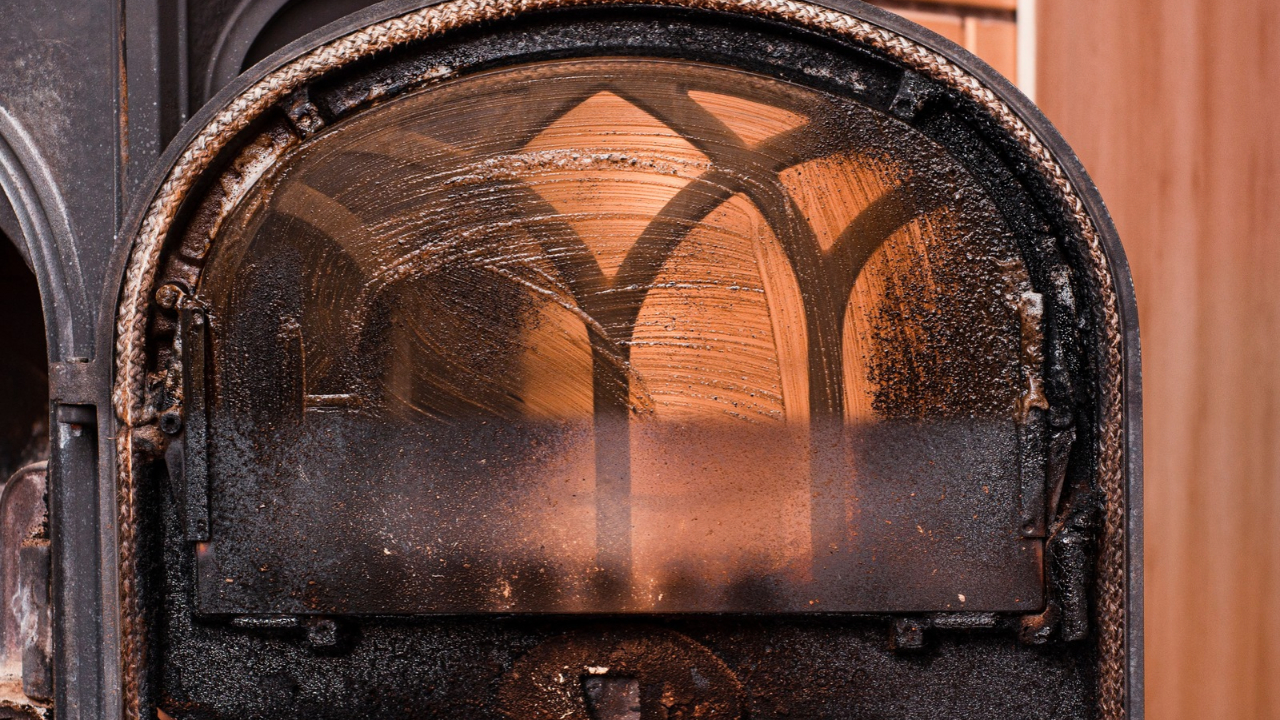
A stove that leaks air in the wrong place can act weird. If the door gasket is flat, frayed, or hard as a stick, the fire can pull air around the door instead of through the designed air path, and that can make smoke roll out when the door is cracked.
Do the dollar-bill test around the door. If it slides out with no drag, replace the gasket with the correct size and cement, and adjust the latch if the stove allows it. This repair is cheap and satisfying, and it also helps with control, longer burns, and keeping soot off the glass.
If smoke is backing into the room often, don’t treat it like normal stove personality. Start with the easy checks, wood, airflow, and cap, then move toward draft and pressure issues. If you ever get headaches, nausea, or a lazy fire that won’t draft no matter what, stop burning and sort out the venting before you light another match.
Like Fix It Homestead’s content? Be sure to follow us.