
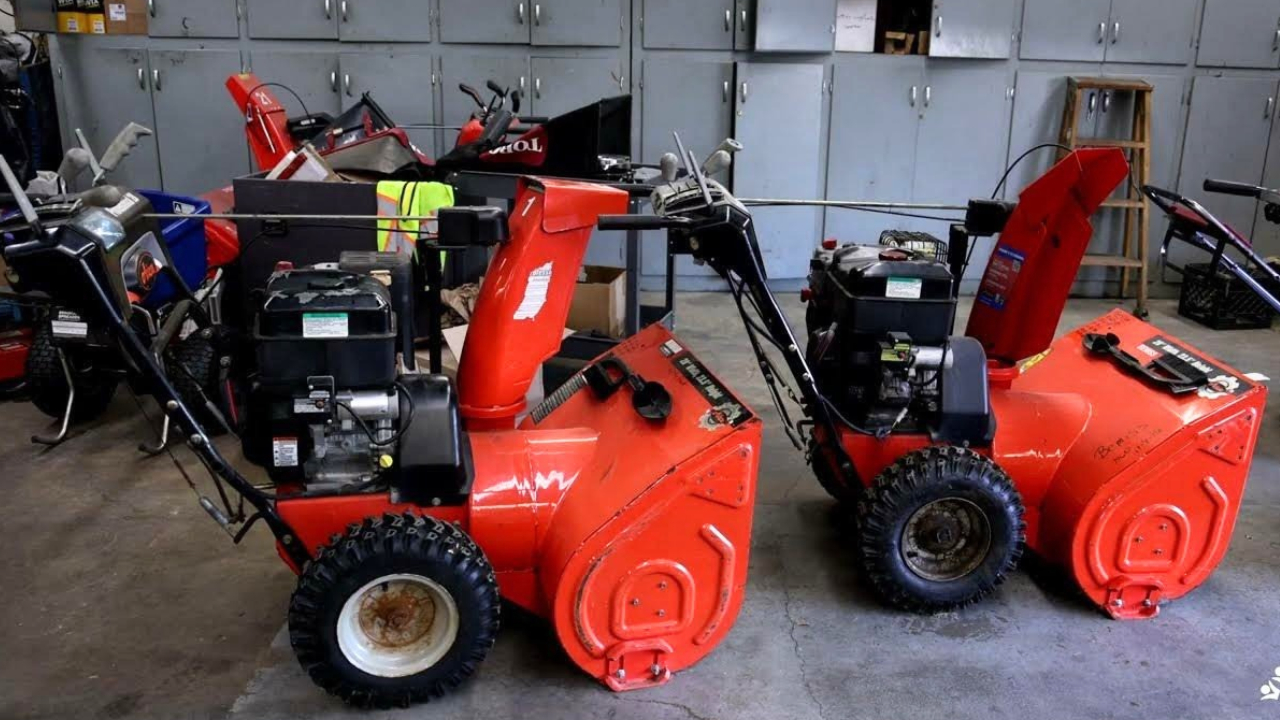
10 Things That Ruin a Snow Blower Sitting in the Garage
Photo credit: Spokane Public Schools/Youtube
You park the snow blower in the garage in March, shut the door, and don’t think about it again until the first real storm. Then it won’t start, or it runs rough, or something is frozen solid. Most of the damage comes from a few easy-to-miss habits while it’s just sitting there.
1. Leaving Old Gas In The Tank
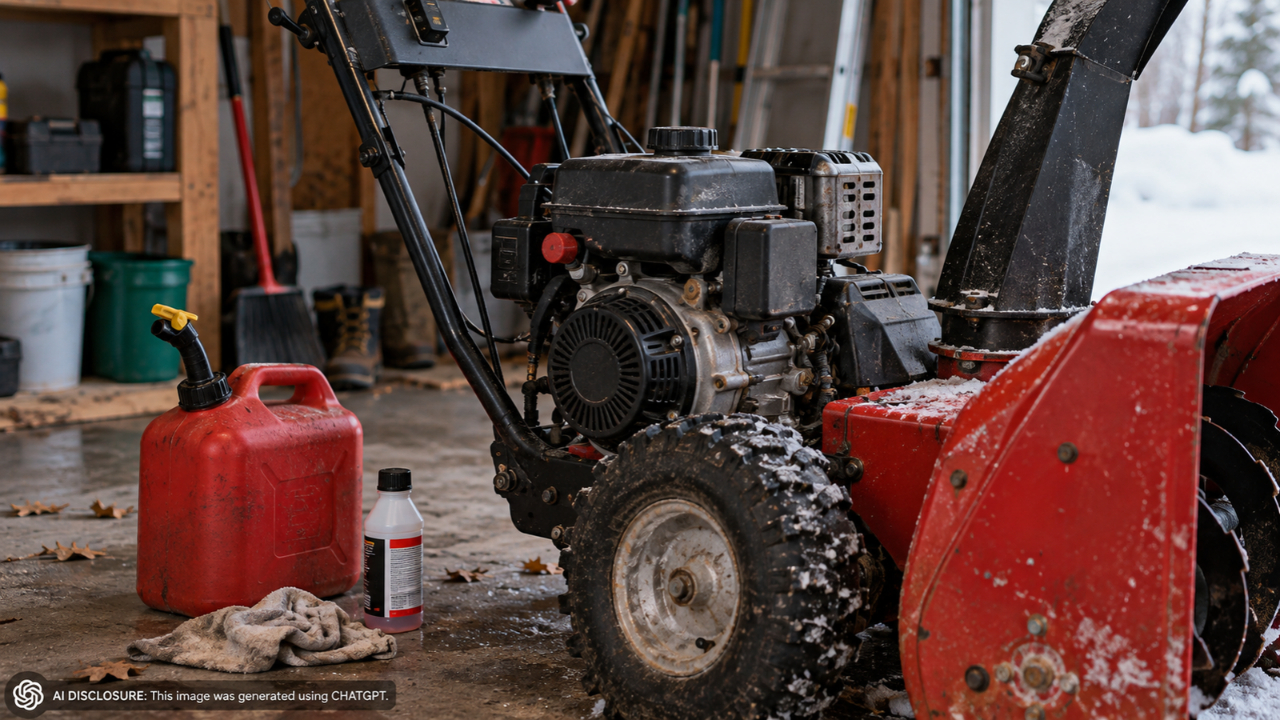
Gasoline goes stale. It starts to smell sharp and varnish-like, and it leaves gum in the carburetor jets and passages. Come December, you pull the cord and it either won’t fire or it surges like it’s hunting for fuel.
At the end of the season, either run it dry (fuel shutoff on, let it die) or treat the fuel with a stabilizer and run it long enough to pull treated gas into the carb. If you’ve already got stale fuel, drain the tank into an approved can and start fresh. A carb clean is doable for a handy person, but if you hate tiny screws and springs, pay a small-engine shop once and be done with it.
2. Storing It With A Wet Chute
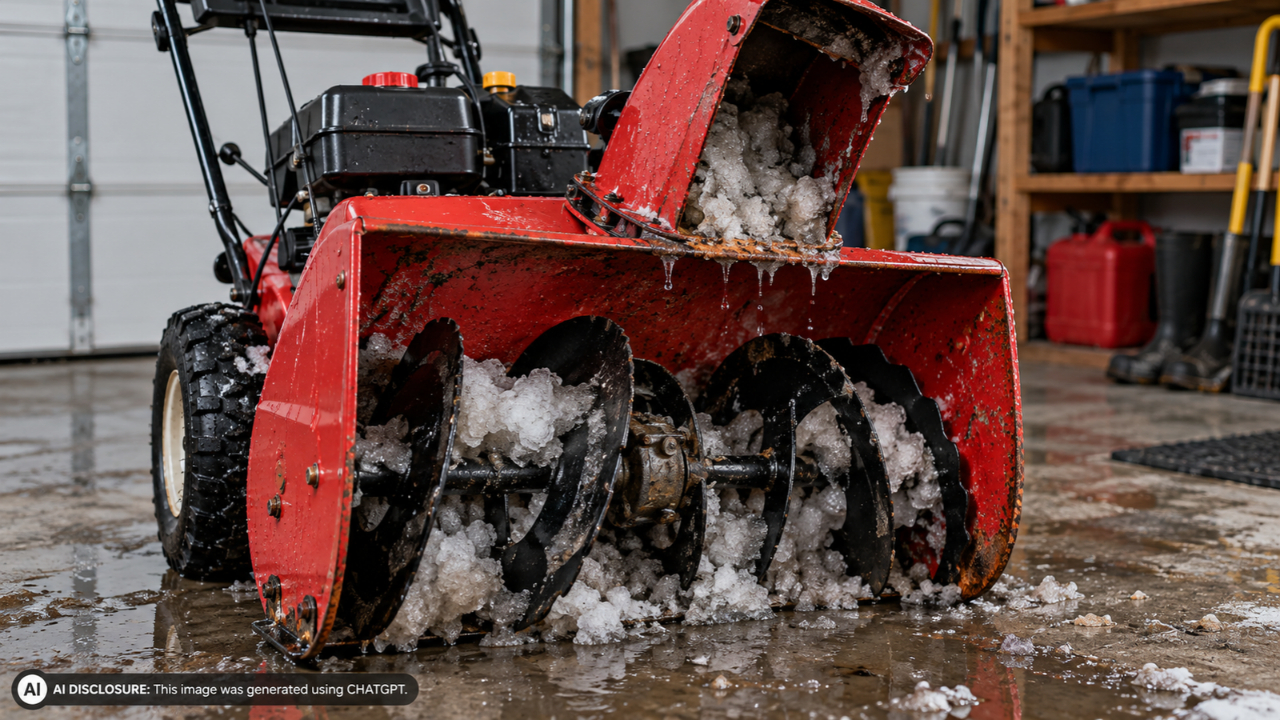
Putting it away with slush packed in the auger housing and chute is a rust invitation. It freezes, thaws, then sits damp for weeks, and the first places to pit are the discharge chute and the seams inside the housing.
Before you roll it in, knock off snow and ice, then let it idle a minute outside to melt the last bits and sling off water. In the garage, tip it slightly back on the handles for a moment so trapped water can drain out of the housing. If you’ve already got surface rust, a wire brush and a quick touch-up paint on bare spots slows the spread.
3. Forgetting The Shear Pins In Place
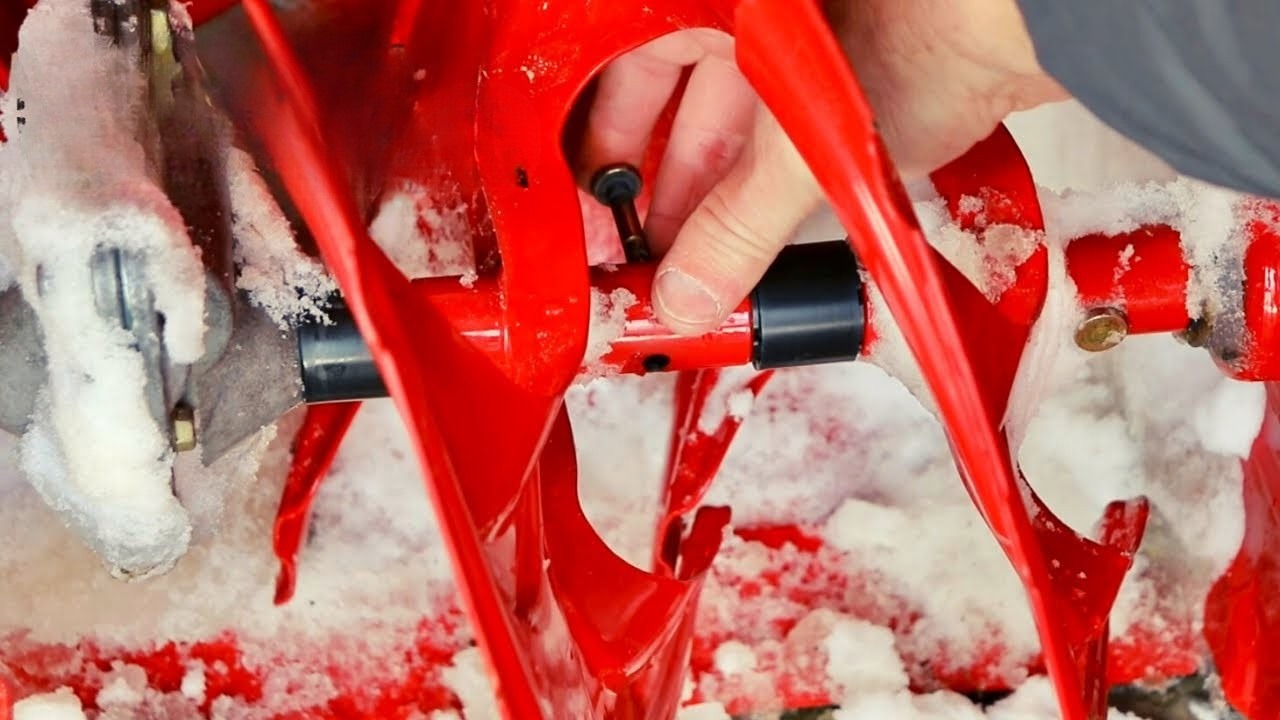
Shear pins are meant to break when you hit something solid, but they also rust into the auger shaft when they sit for months. Next winter, you go to replace a broken one and it won’t tap out. Then you’re drilling hardened steel in a cramped spot, and that’s a good way to burn up bits and patience.
In spring, pull the shear pins, wipe the holes, and smear a little anti-seize or a light grease on the new pins before you reinstall. Keep the correct spares taped to the handle or in a small bag on the machine. Don’t “upgrade” with a bolt from the coffee can. The shear pin is there to protect the gearbox, and gearboxes are expensive.
4. Letting Rodents Move In Under Covers
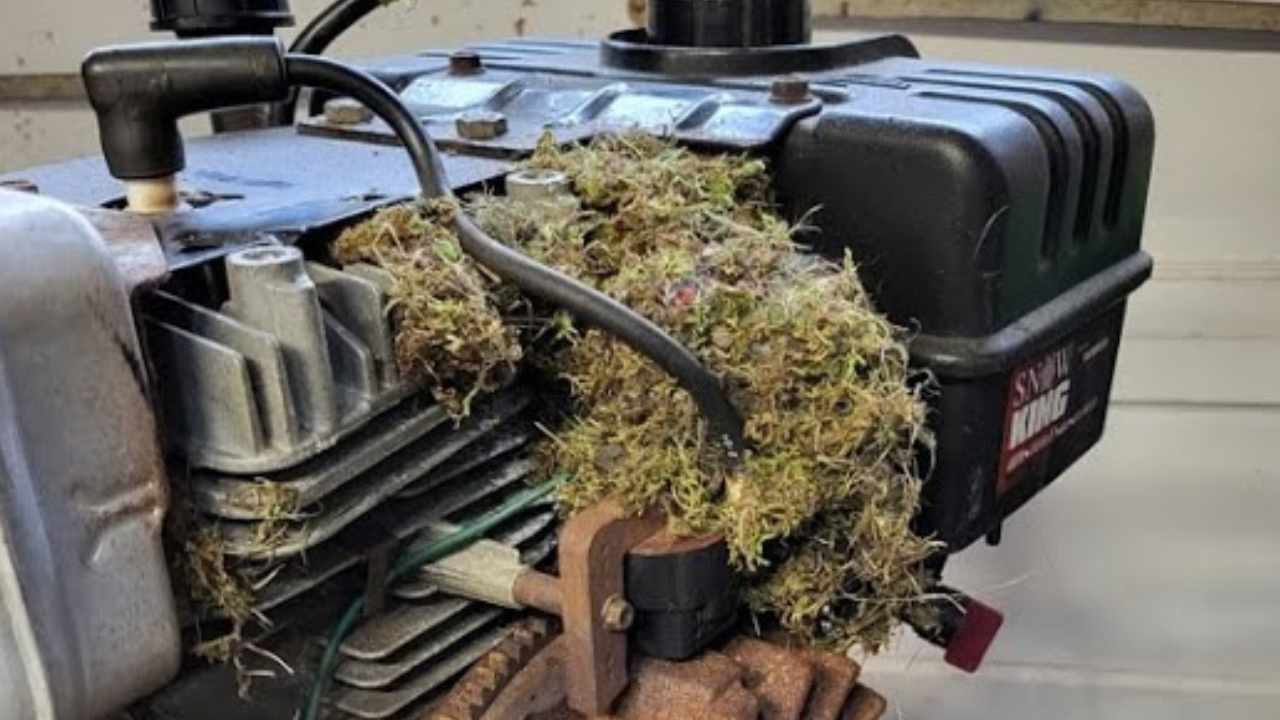
A cover feels like care, but it can turn the machine into a quiet, warm condo. Mice chew wiring on electric-start models, pack the shroud with nesting, and stuff acorns where air needs to flow. The first sign is often a sour, dusty smell when you pull the recoil, or a starter that suddenly acts dead.
Skip the tarp that drapes to the floor. If you want to cover it, use a fitted cover that still lets air move, and leave the area around the machine clear so you can spot droppings. Snap traps along the garage wall help more than ultrasonic gadgets. If you find a nest, wear gloves and a dust mask, pull the shrouds, and clean it out before you run it.
5. Parking It On Bare Concrete All Summer
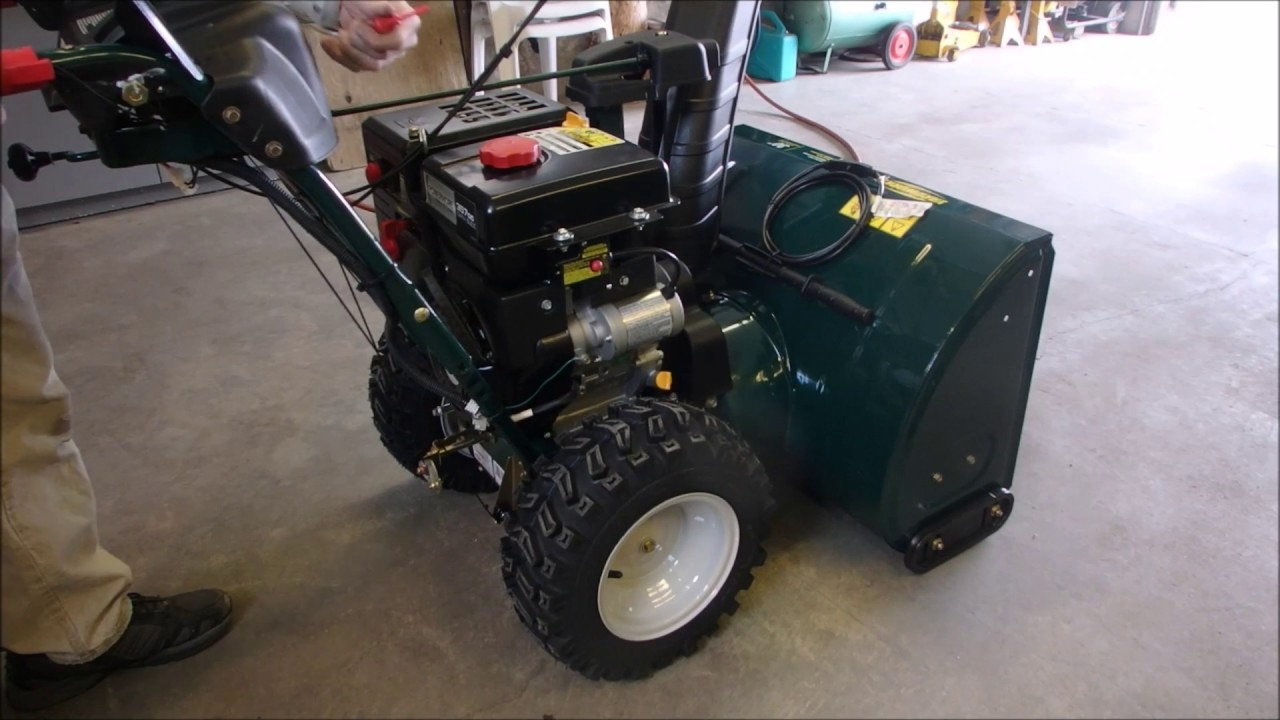
Concrete sweats. In humid weather, moisture wicks up and condenses on cold metal, especially underneath. That’s how you end up with a rusty scraper bar, crusty skid shoes, and a frozen-height adjuster you can’t budge when the driveway changes.
Set the machine on a scrap of plywood or rubber stall mat so it’s not sitting directly on the slab. It takes two minutes. While you’re down there, back off the skid shoe bolts and hit them with a penetrating oil so they don’t become a winter fight.
6. Ignoring Engine Oil Until First Snow
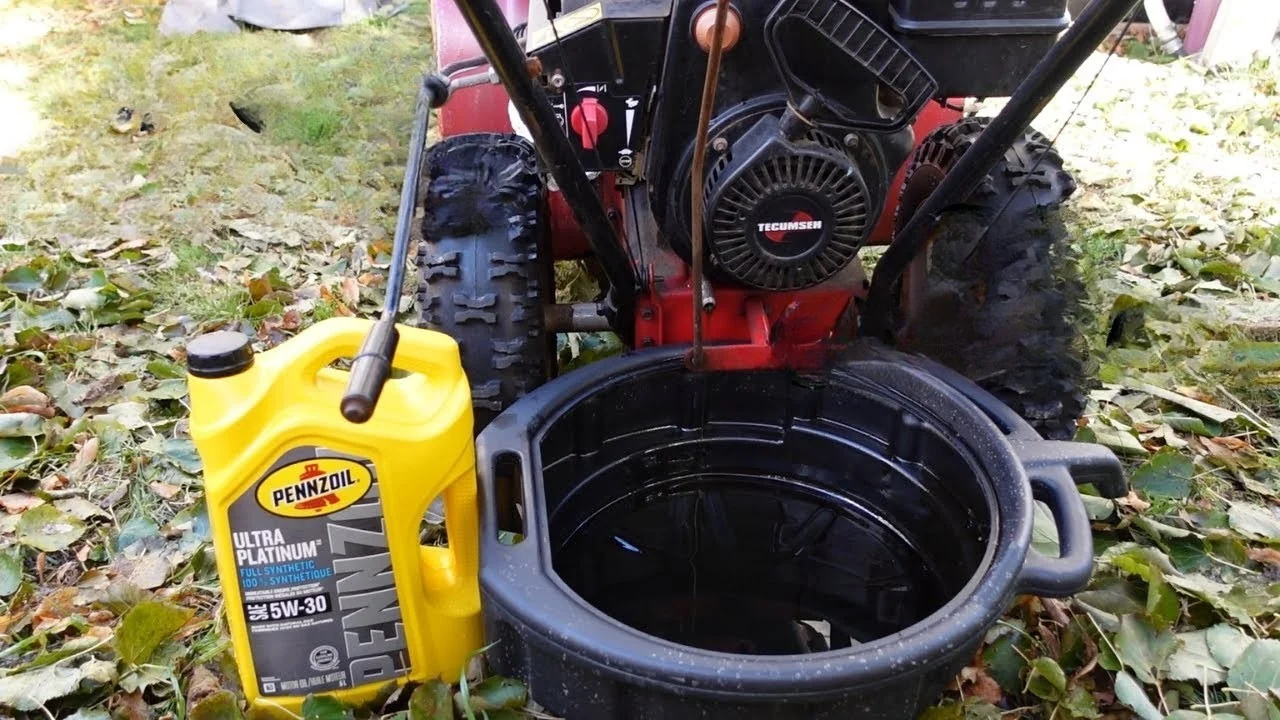
If the oil is black and thin when you put it away, it stays full of acids and combustion junk all offseason. That sits against bearings and surfaces you want clean. Then you ask the engine to work hard in cold air on the first heavy storm.
Change the oil at the end of the season or right before storage, when the engine is warm enough to drain well. Use the viscosity listed on the engine tag or manual, and don’t overfill. The cheap exception is basic conventional small-engine oil, it’s fine if you change it on schedule. Fancy oil doesn’t fix neglected oil.
7. Letting The Drive Belt Sit Tensioned
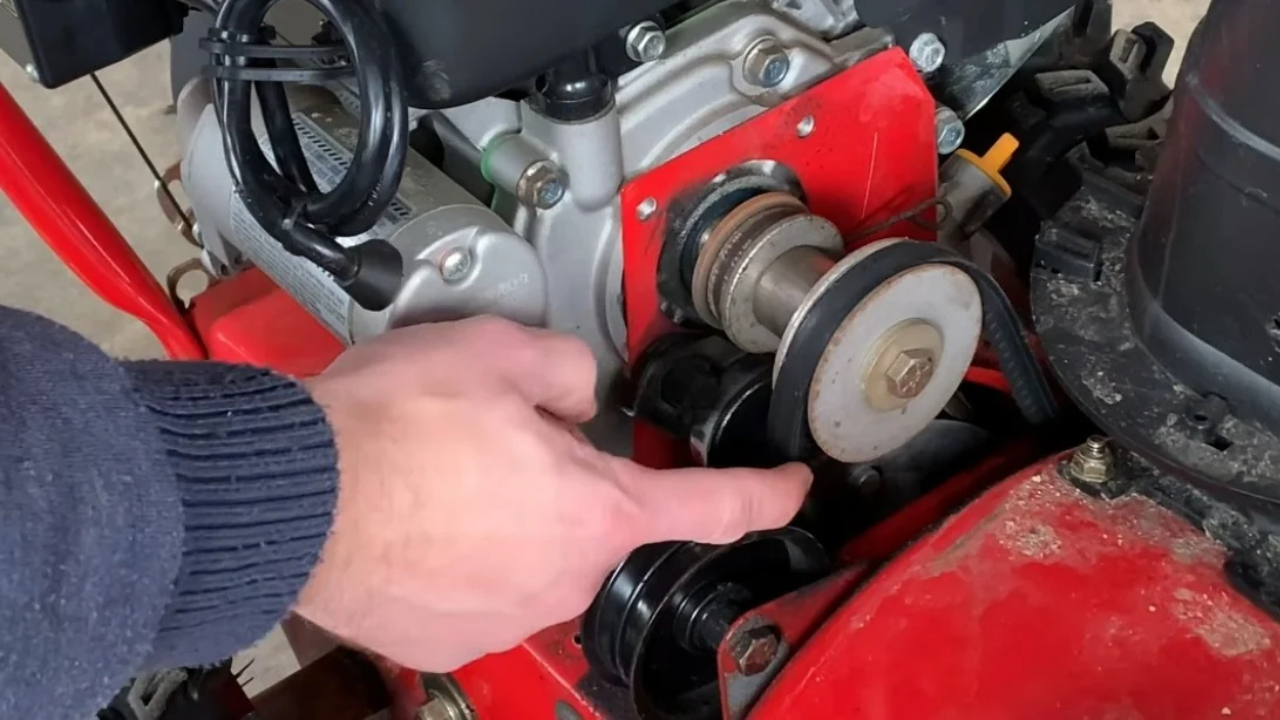
Some machines store with belt tension held by the control lever or an engaged auger handle if it’s strapped down. Leave it that way and the belt can take a set, crack, or glaze. Next winter it squeals, smells hot rubber, and the auger slows down right when the snow gets deep.
Store it with all controls released and no straps pulling levers tight. If you transport it with a bungee to keep a handle down, remove that as soon as you get home. Belts aren’t hard to replace, but you don’t want to discover a slipping belt halfway through a wet snowfall.
8. Skipping The End Of Season Grease
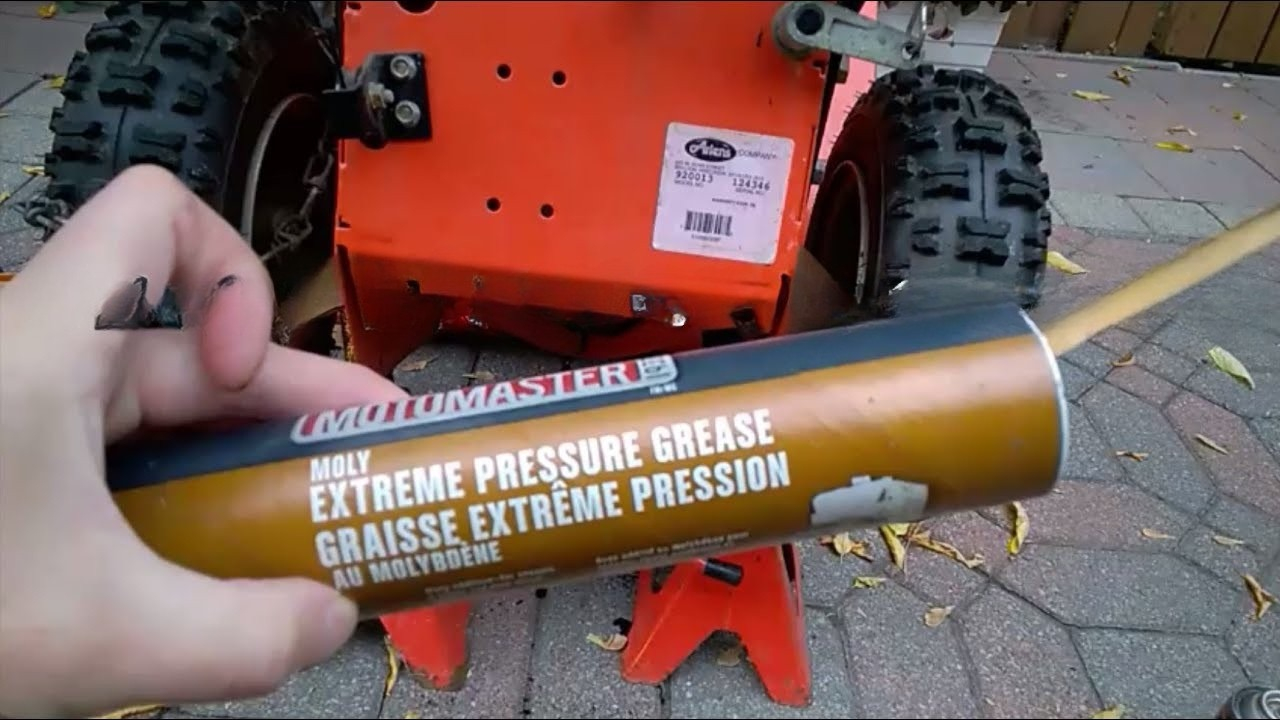
Auger shaft bushings, chute rotation gears, and pivot points don’t like sitting dry. You’ll notice it when the chute crank binds, the deflector sticks, or the auger doesn’t spin freely by hand with the engine off.
Hit grease zerks if your model has them, and put a small amount of lubricant where metal rubs metal. Don’t hose everything down with heavy grease and call it good. A light, targeted lube keeps grit from turning into grinding paste, and it makes mid-winter adjustments a lot less miserable.
9. Storing Batteries In An Unheated Garage
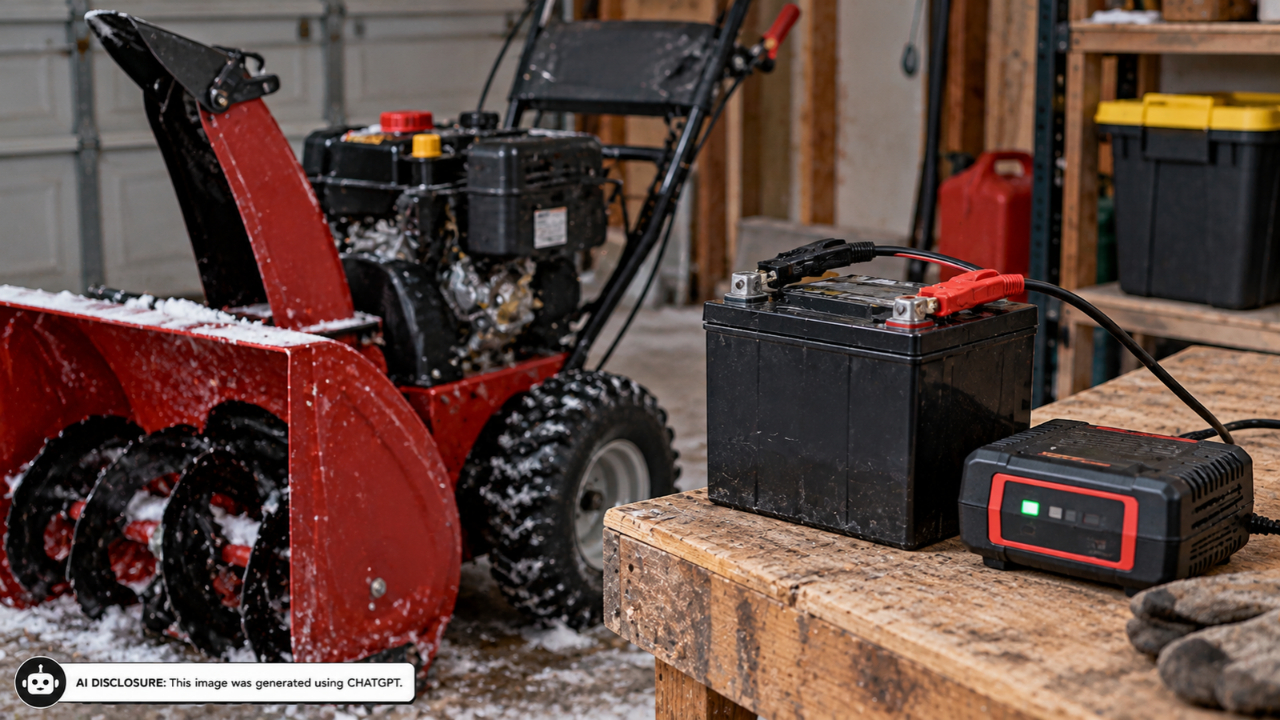
If your snow blower has electric start with a battery, cold storage drains it and shortens its life. A dead battery in December is mostly an annoyance, but the real cost is replacing it sooner than you should.
Pull the battery and store it somewhere cool but not freezing, then keep it on a small maintainer. If it’s a plug-in electric start that uses an extension cord and no battery, you can ignore this one. Just check the cord for cracks before the first storm.
10. Using It As A Shelf All Year
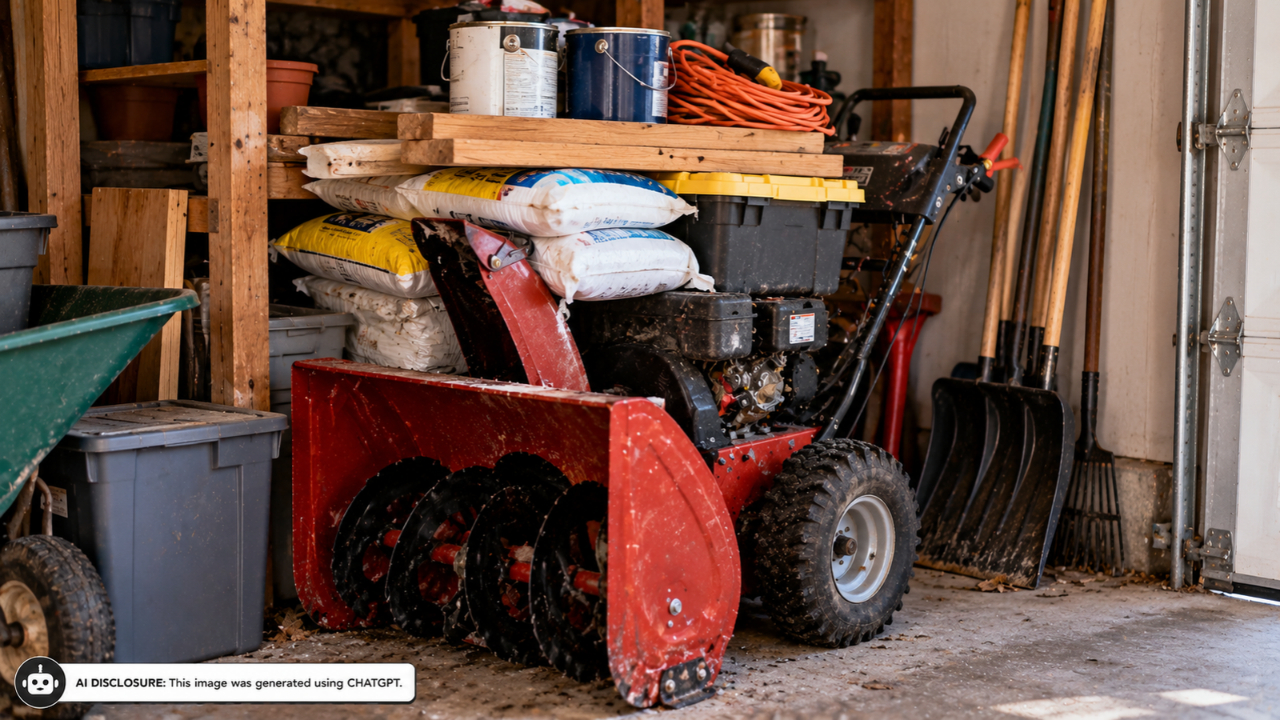
Once it’s parked, it’s tempting to stack salt bags, paint cans, and random lumber on top. That bends control cables, cracks plastic shrouds, and blocks airflow so dampness hangs around. It also turns a simple “roll it out” job into a 20-minute unloading session when weather is moving in fast.
Give it a dedicated parking spot with nothing above it and a clear path to the door. Hang shovels and rakes on the wall instead. If space is tight, storing it nose-out saves time and prevents you from dragging it past bikes and garden tools while snow is falling.
A snow blower doesn’t need babying, but it does need a clean, dry off-season and a few minutes of attention while the weather is nice. Do those small chores in spring, and the first big storm becomes a normal chore instead of a garage repair session with cold hands.
Like Fix It Homestead’s content? Be sure to follow us.