10 Ways People Lose Food During a Long Outage
Photo credit: Fabian Ponce Garcia/Shutterstock.com
A long outage doesn’t just make dinner annoying, it turns good food into a race against time, temperature, and pests. Most losses happen from small choices you don’t notice in the moment, like opening the wrong door or trusting the wrong cooler. The fix is mostly planning and a little discipline, not fancy gear.
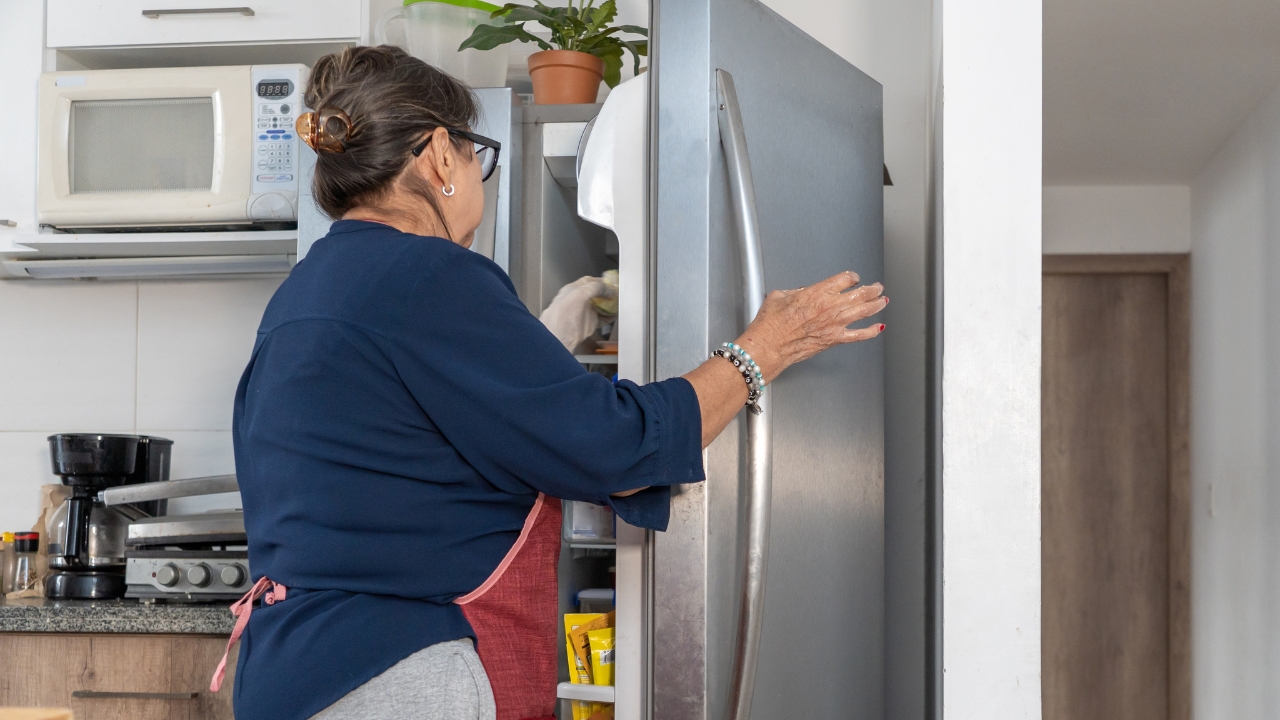
1. Opening The Fridge On Repeat

Every peek dumps cold air and pulls warm, wet air in. After a few rounds of “just checking,” milk goes sour, leftovers hit the danger zone, and the whole fridge smells like regret. You also burn through ice and battery backups faster because the appliance works harder once power returns.
Pick set times to open the fridge and freezer, then grab everything you need in one go. Tape a simple list on the door so nobody stands there thinking. If it’s cold outside, move the most at-risk stuff into a cooler and stop treating the fridge like a pantry.
2. Forgetting A Thermometer In Coolers
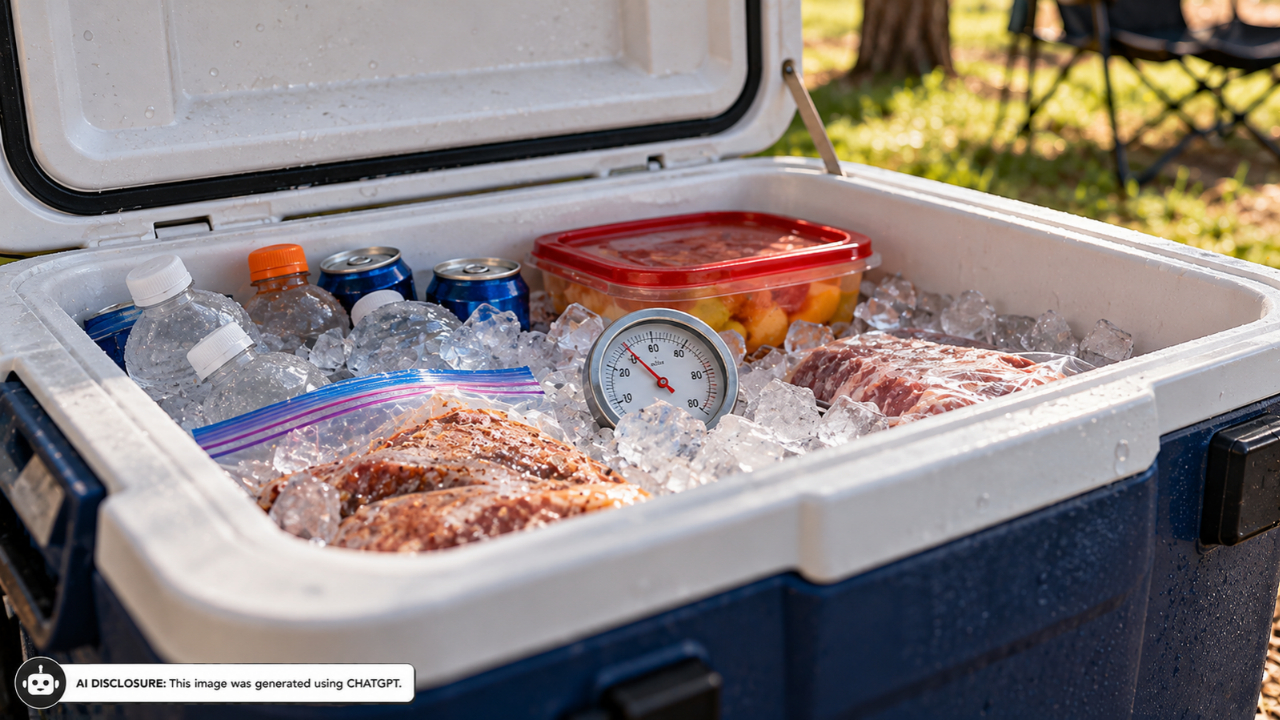
People trust their hand. “Feels cold” is how you end up with food sitting at 50 to 60 degrees for hours. A cooler with melting ice can look fine on top while meat juice warms at the bottom.
Throw a cheap fridge thermometer in every cooler and in the fridge if you’re running it off a generator. Keep cold food at 40 degrees or below. When the thermometer creeps up, stop negotiating and cook it, freeze it somewhere colder, or toss it.
3. Packing Coolers With Air Gaps
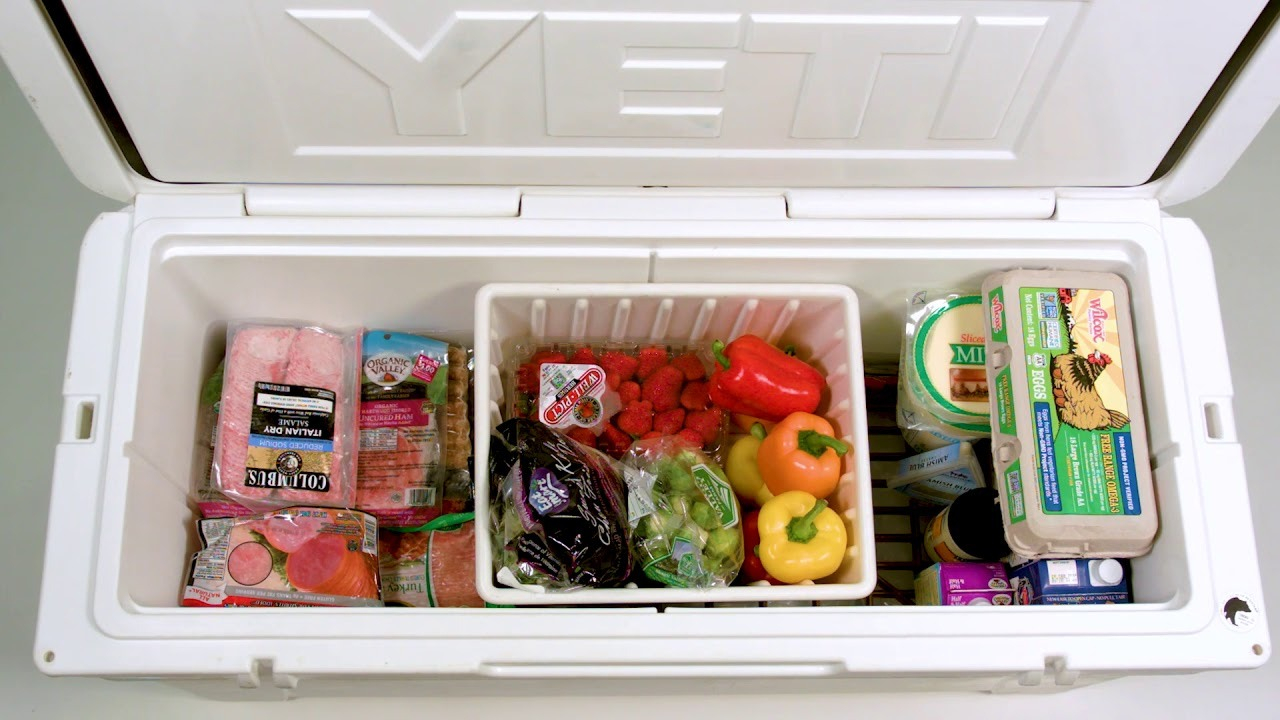
A half-full cooler is a warm cooler. Air space cycles warm and cold, melts ice fast, and turns your food into the thing that gets cooled instead of staying cold.
Pack tight. Fill gaps with frozen water bottles, bagged ice, or even sealed jugs. If you don’t have enough food to fill it, use a smaller cooler or add “thermal mass” like frozen gallon jugs made ahead of time.
4. Putting Hot Food In The Cooler

Hot stew, warm rice, or a big pot of beans will melt your ice and drag everything else upward in temperature. Then you lose the leftovers and whatever was sitting next to them.
Cool food down before it goes into a cooler. Divide it into shallow containers with lids, set them in a cold-water bath, and stir a couple times. Once it’s cool to the touch, then it can share space with your milk and eggs without wrecking them.
5. Running A Generator Like A Lamp
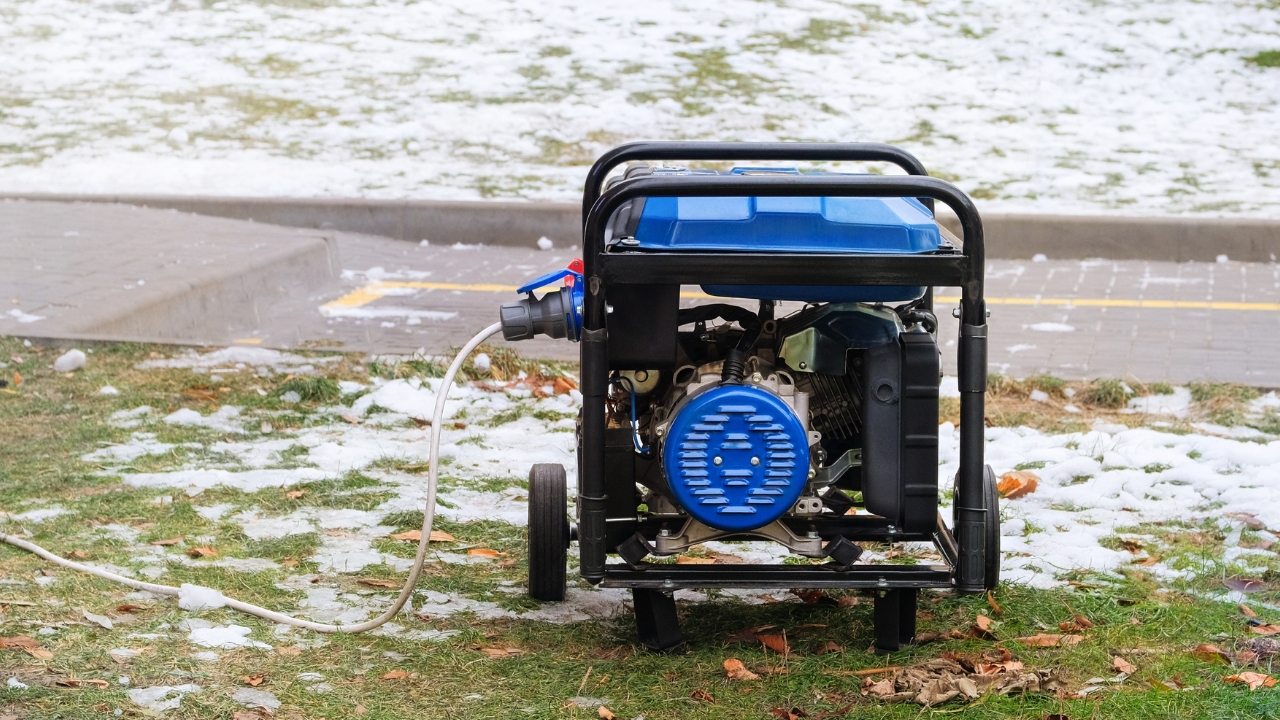
Some people fire up a generator, plug in a fridge, and call it good. Then they run extension cords through a door crack, forget oil checks, and run it light-load for days. Fuel disappears, the generator gets temperamental, and suddenly the fridge is warm again with a freezer full of thawing meat.
Match the generator plan to your food plan. Cycle the fridge and freezer in blocks if you need to save fuel, and keep the doors shut between runs. Use heavy outdoor-rated cords, keep the generator outside away from windows and doors, and follow the manual for oil and load. If you’re thinking about an interlock, transfer switch, or anything involving your panel, that’s a licensed electrician job and often needs a permit.
6. Thawing Freezer Meat Too Early
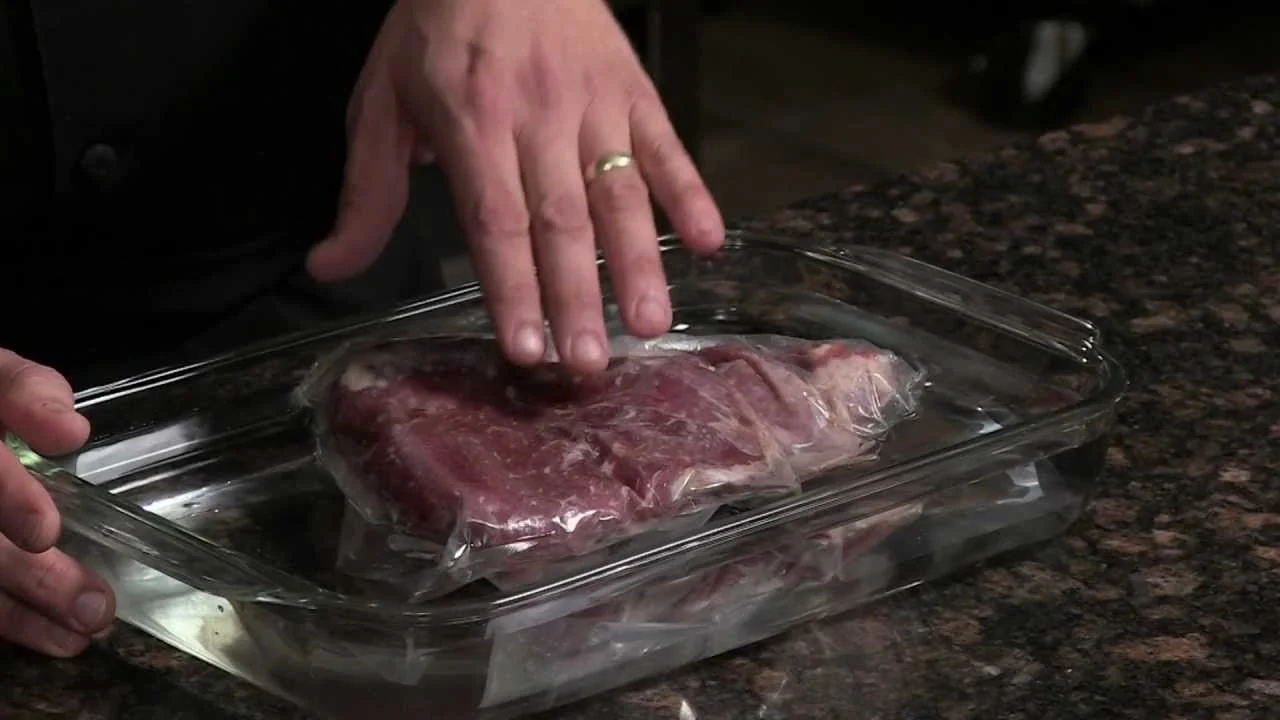
The freezer looks like a gold mine during an outage, so it’s tempting to pull steaks and roasts right away. Then power stays out longer than expected, and the rest of the freezer warms because you’ve been in and out.
Start with the fridge food first, then the freezer. A full freezer holds temp longer than a half-empty one, and frozen meat acts like ice. If you need to cook freezer meat, pull only what you’ll cook that day and keep the rest packed tight.
7. Feeding Livestock Like Normal

When the fridge is failing, it feels smart to “just give leftovers to the chickens.” Some scraps are fine, but a lot of human food is salty, fatty, or spoiled by the time it’s offered. That can make birds sick, attract rodents, and turn the coop into a stink pit.
Keep a clear line between safe scraps and trash. Fresh veg trimmings are fine, moldy bread and questionable meat are not. If you raise pigs or poultry and plan to feed scraps during outages, learn your local rules and stick to clean containers with lids so you don’t breed flies.
8. Forgetting Pets Need Cold Storage Too
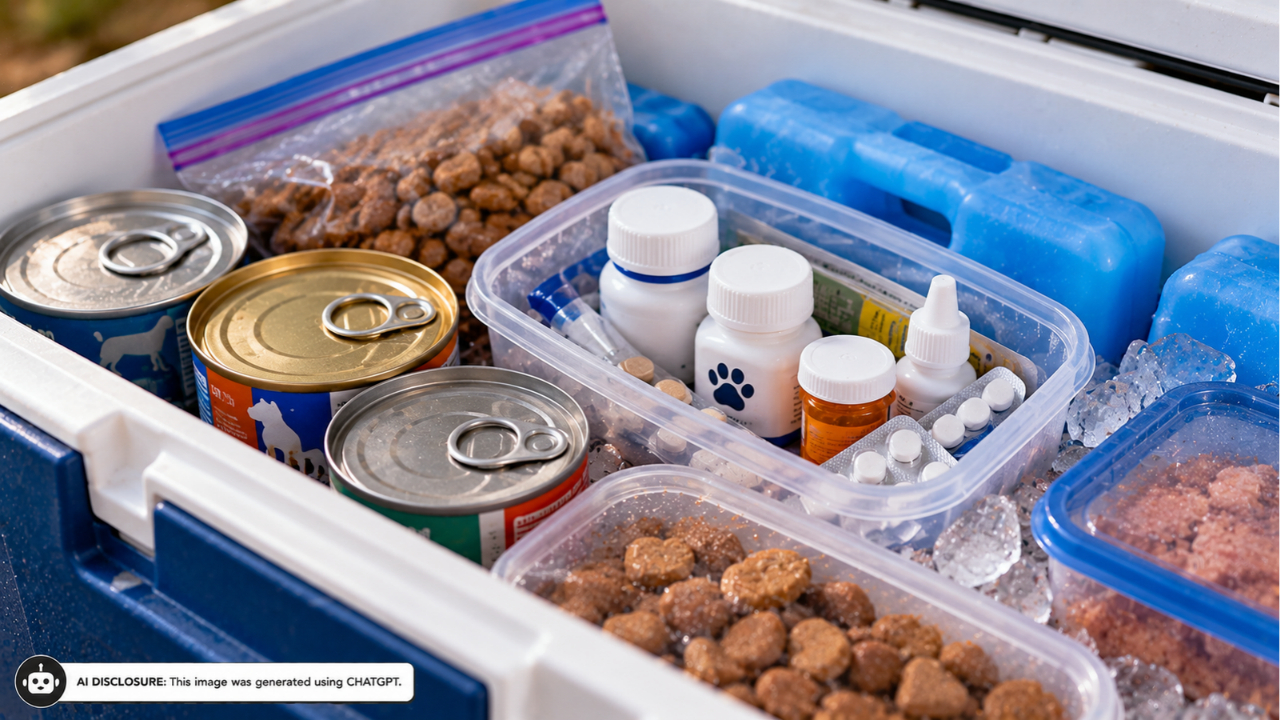
Some pet foods and meds don’t handle heat. Wet food spoils fast once opened, and certain medicines need refrigeration. People remember their own groceries and find the pet stuff later, swollen cans, rancid smell, and a stressed animal.
Set aside one small cooler as the pet cooler. Put a thermometer in it and rotate ice like you would for human food. If a medication label says it needs refrigeration and you can’t keep it cold, call your vet or an emergency clinic for guidance instead of guessing.
9. Storing Dry Goods In Cardboard And Bags
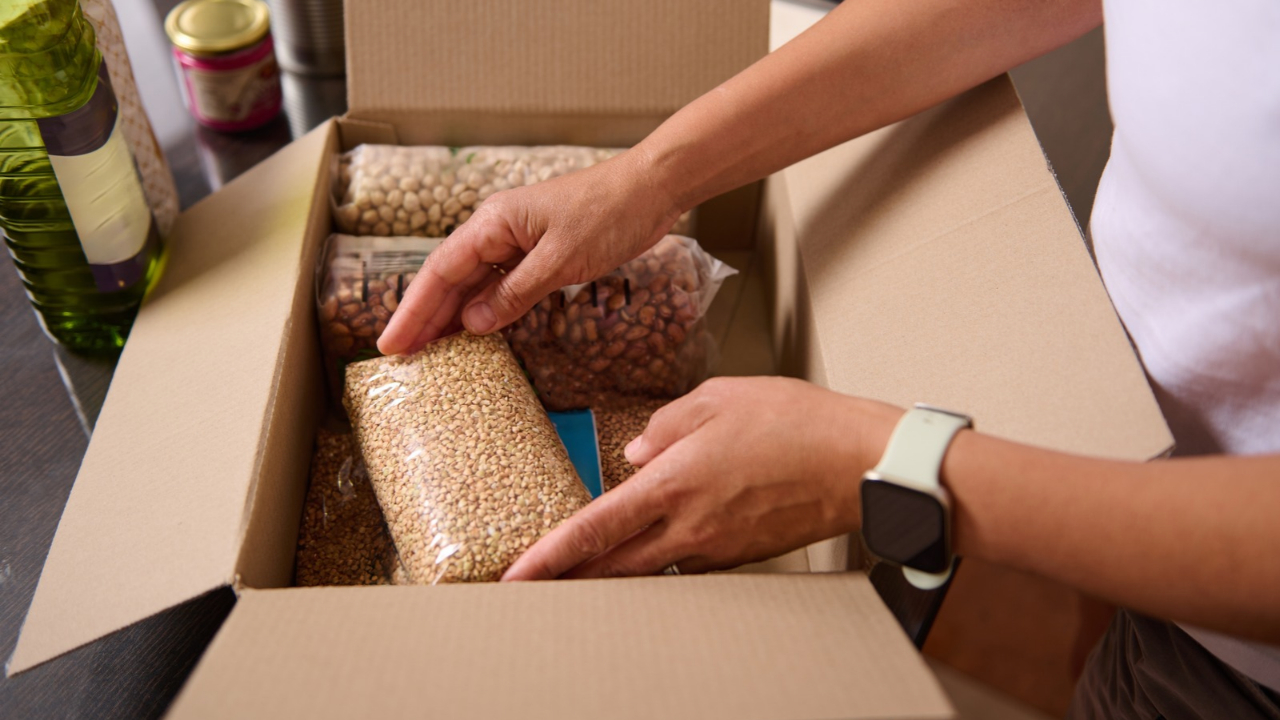
Outages don’t just spoil cold food, they invite pests. Mice and insects chew through flour bags and cereal boxes fast, especially when the house is quiet and you’re leaving doors open for light and air.
Move flour, rice, oats, and pet kibble into hard containers with tight lids. Food-grade buckets, glass jars, and even clean metal tins work. This is one spot where the cheap option is fine, a clean re-used jar beats an expensive “prepper” bin if the lid seals well.
10. Not Knowing What’s Safe After Power Returns
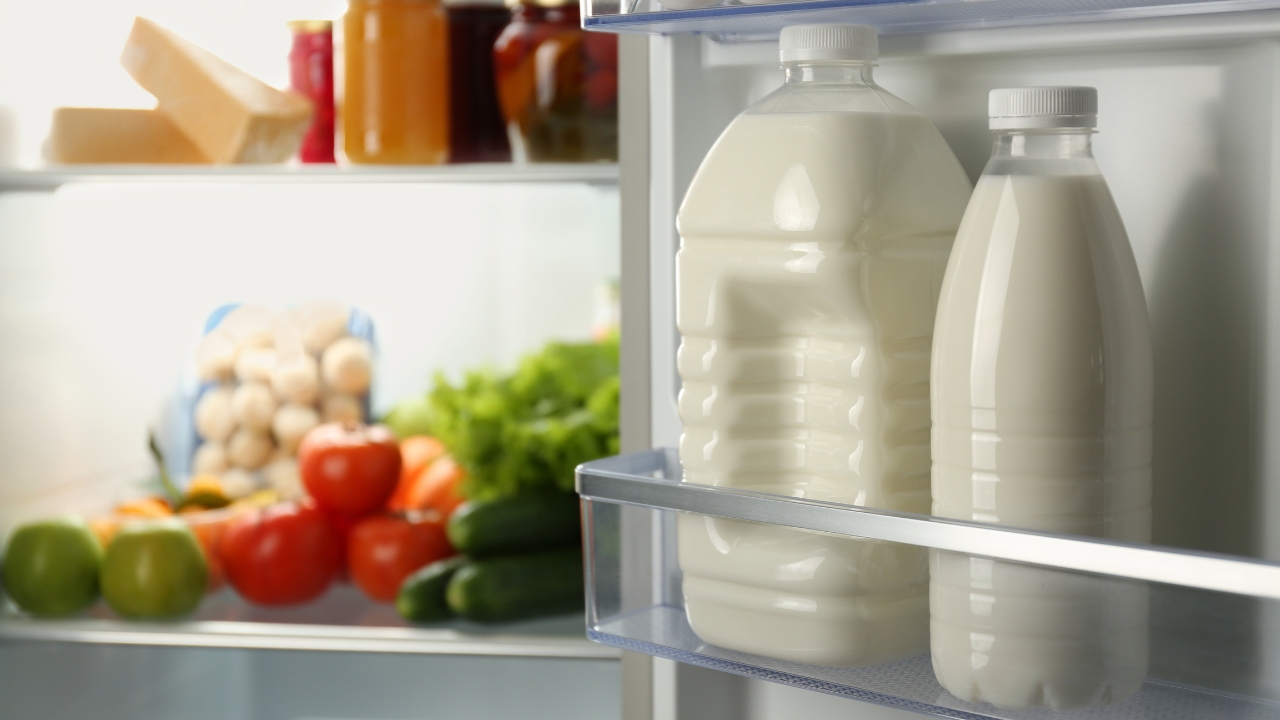
Power comes back and people rush to “save” everything. If meat and dairy sat warm too long, cooking it later doesn’t rewind the clock. The worst losses come from trying to rescue food, getting sick, and then tossing the rest anyway.
Use time and temperature, not hope. If the fridge was above 40 degrees for more than a couple hours, be strict with dairy, leftovers, cut fruit, and meat. When in doubt, toss it and clean the shelves with hot soapy water so the next load of groceries doesn’t pick up the stink.
The best outage food plan looks boring on paper: fewer door openings, tighter packing, clear temperature checks, and fast decisions. Do a quick dry run on a normal weekend, and you’ll spot the weak links before the lights go out again.
Like Fix It Homestead’s content? Be sure to follow us.