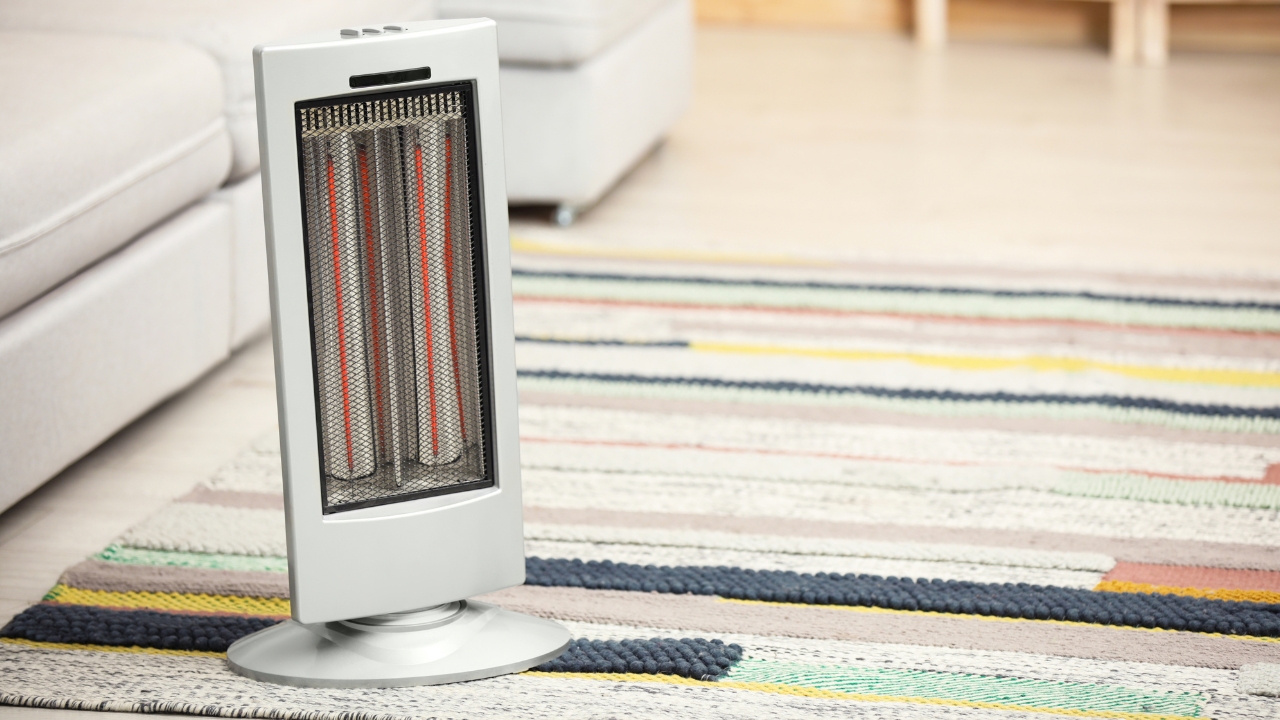
10 Things That Should Never Be Near a Space Heater
Photo credit: New Africa/Shutterstock.com
A space heater is one of those quick fixes that feels harmless until it isn’t. Most close calls happen on normal days, laundry half done, boots drying by the door, a cord snaked under a rug. Give the heater room, and you cut down on fires, scorched stuff, and a lot of wasted money.
1. Curtains, Drapes, And Window Blinds

A heater set near a window looks tidy, but the first time a draft catches the fabric, it can swing right into the hot air stream. Even if it doesn’t ignite, it can brown, warp, or stink up the room with that burnt cloth smell that never quite goes away.
Keep the heater several feet from anything that hangs and moves. If you’re battling cold glass, use a window film kit, add a draft snake, or hang thicker curtains that stay pulled back with a tie so they can’t drift into trouble.
2. Laundry, Towels, And Drying Racks
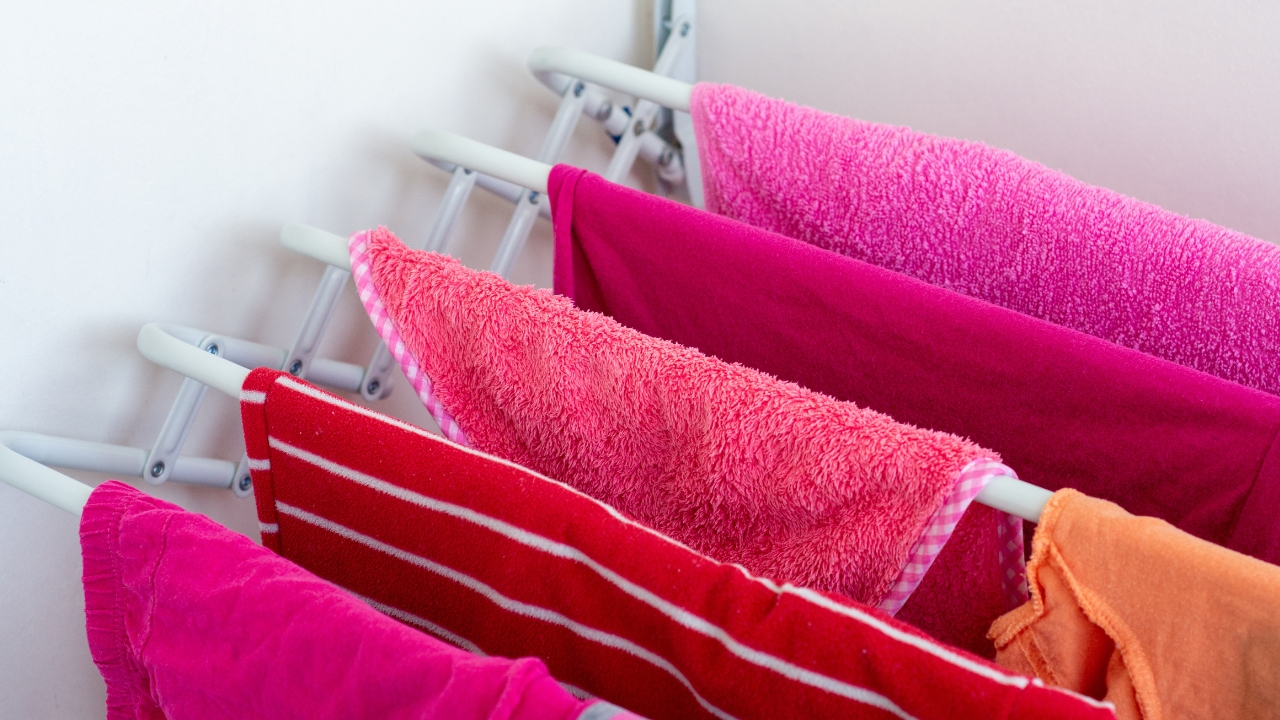
Wet mittens on a heater feels like a good idea until you forget them. Fabric dries unevenly, plastic zipper pulls soften, and lint builds up fast. That lint is fine fuel when it gets warm and fluffy.
Dry clothes on a rack away from the heater, or run a bathroom exhaust fan and hang items in there with the door cracked. If you’re drying work gear daily, a boot dryer or a fan in a mudroom does the job without cooking the fabric.
3. Extension Cords And Power Strips
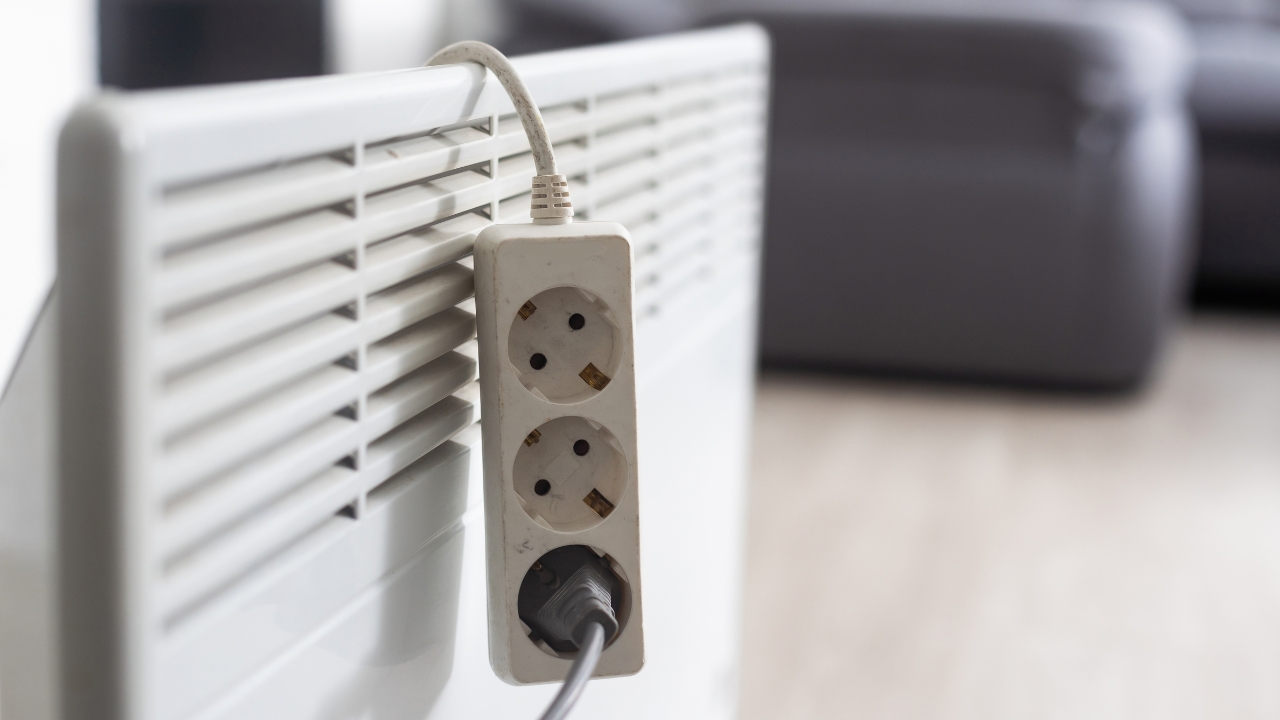
Space heaters draw a lot of current, and cheap cords hate that. The first warning can be subtle, a warm plug, a faint hot-plastic smell, or a cord that feels soft where it bends. That’s heat from resistance, and it’s how you end up with a scorched outlet or a tripped breaker at 2 a.m.
Plug the heater straight into a wall outlet whenever you can. If the cord won’t reach, move the heater closer or have an electrician add an outlet in the right spot. An exception: a heavy-duty, short extension cord with the correct wire gauge can be acceptable for a small heater, but it still isn’t the best habit, and power strips are a hard no.
4. Rugs, Carpets, And Soft Floor Mats
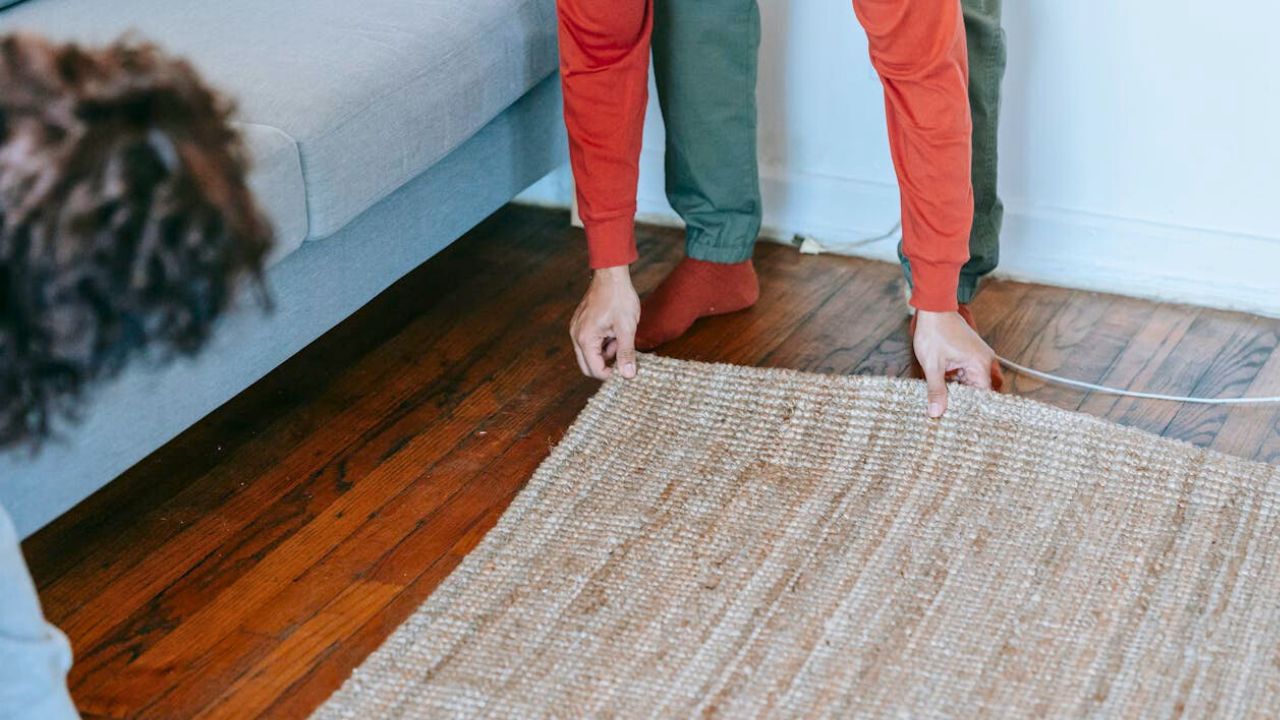
Thick carpet and fluffy rugs trap heat under many heater bases. That can cook the underside of the unit, discolor the rug, and in worst cases overheat nearby dust and fibers. You’ll also find yourself nudging the heater around with a toe, and that’s how it ends up too close to something else.
Set the heater on a hard, flat surface. If the room is all carpet, put down a simple noncombustible pad like a ceramic tile, a thin cement board offcut, or a proper hearth pad, and keep it stable so it can’t slide.
5. Gas Cans, Paint, And Solvent Containers

The garage heater setup is where people get brave. Gasoline, paint thinner, aerosol sprays, and even some wood finishes give off vapors, and you don’t need a visible spill for those fumes to collect low and drift. A heater with a hot element or spark can turn a “quick warm-up” into a violent mess.
Store fuels and solvents in approved cans with tight lids, away from any heat source, and keep the heater out of areas where vapors can build up. If you need heat in a shop or garage, look at a permanently installed, code-compliant unit and get a licensed pro involved, especially if gas is part of the plan.
6. Bedding, Throws, And Pet Beds
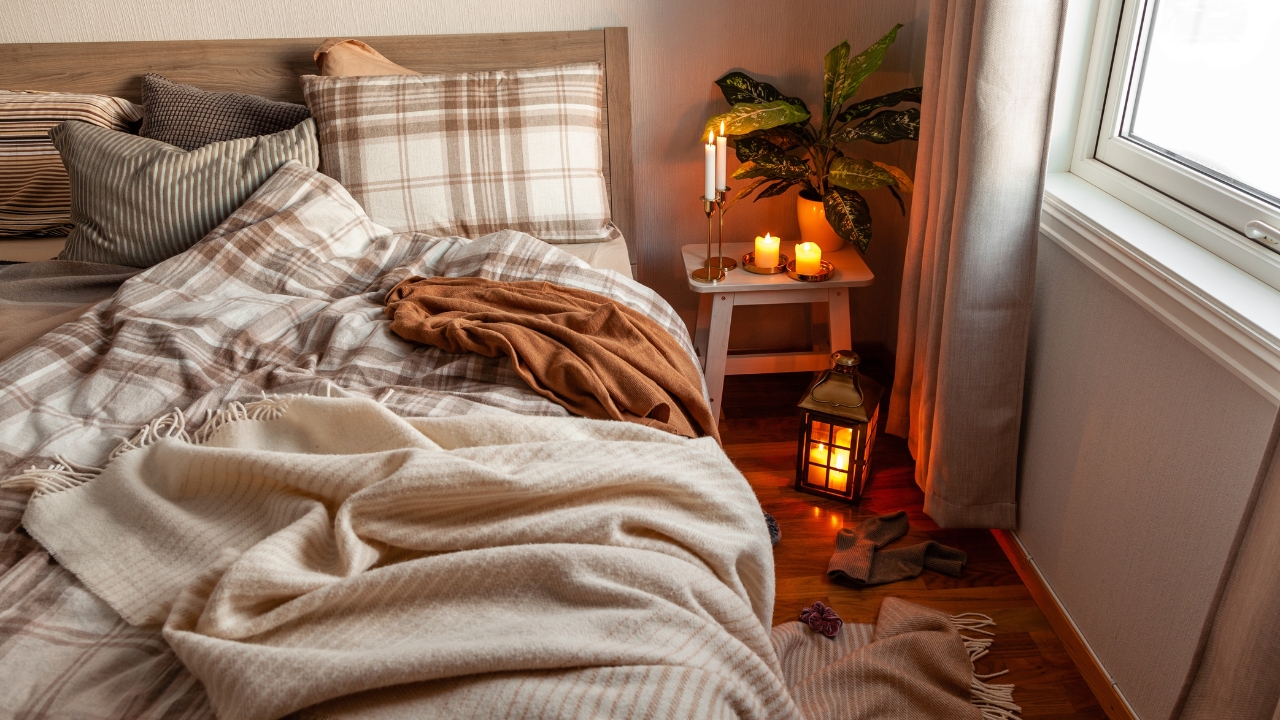
Heaters in bedrooms cause trouble because everything is soft and people get sleepy. A comforter droops, a throw slides off a chair, a pet curls up closer than you think. Even without flames, you can scorch fabric, melt foam, and fill the room with nasty fumes.
Keep a clear zone around the heater and don’t run it unattended while you sleep. If the room stays cold, fix the draft, add a better door sweep, or use a safe, low-temp bed warmer designed for bedding instead of blasting a heater at the mattress.
7. Stacked Firewood And Cardboard Boxes

Space heaters attract clutter like magnets, especially when you’re bringing in wood, feed, or online orders. A stack of kindling, a cardboard box, or a paper bag too close to a heater is an easy ignition source, and it also blocks airflow so the unit runs hotter.
Pick one corner of the room for storage and keep it off limits for heat. If you need wood inside, use a metal rack and keep it well away from the heater, or bring in only what you’ll burn that day.
8. Dust, Sawdust, And Pet Hair Piles
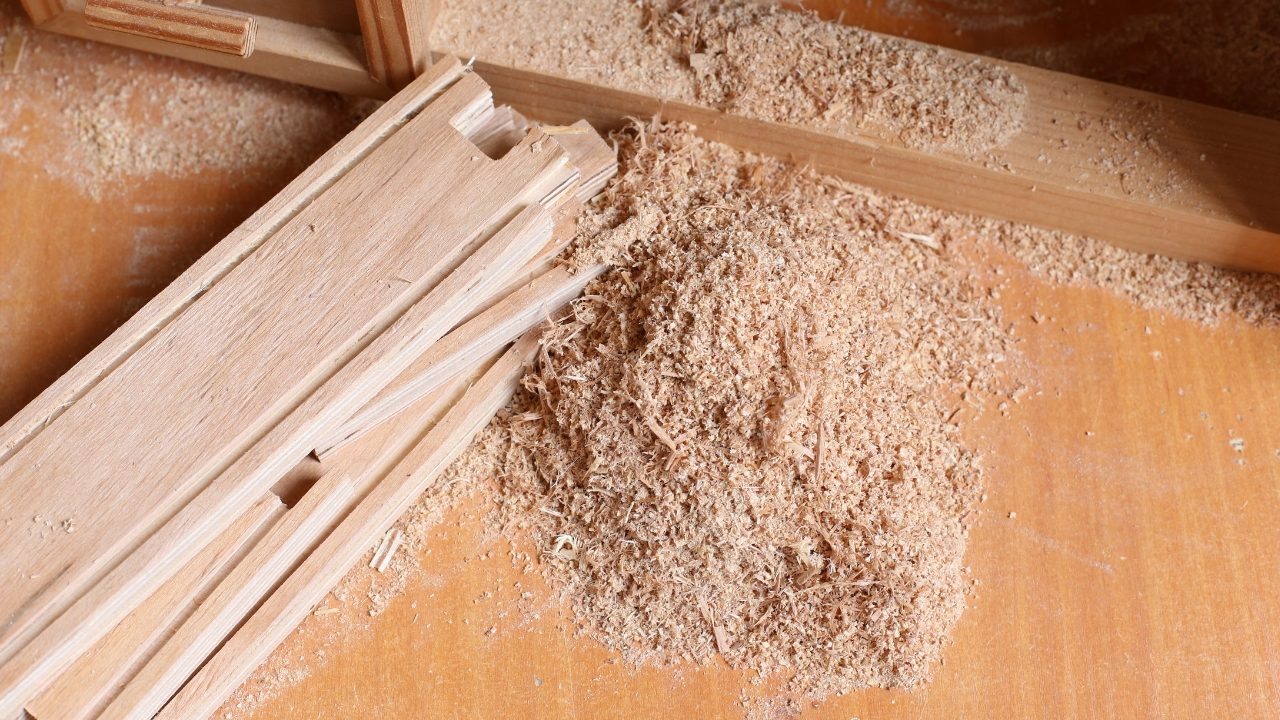
If the heater sits in a shop, a laundry room, or near a litter box, it can pull in fine debris. You’ll hear a fan start to whine, or you’ll see dust baking onto the grill. That buildup makes the heater run hotter, smell worse, and wear out faster.
Vacuum the area around the heater and keep the intake and grill clear. Unplug it and clean it when it’s cool, following the manual. If the heater keeps shutting off or smells like burning dust after a good cleaning, it’s time to replace it, not keep nursing it.
9. Phone Chargers, Battery Packs, And Loose Batteries
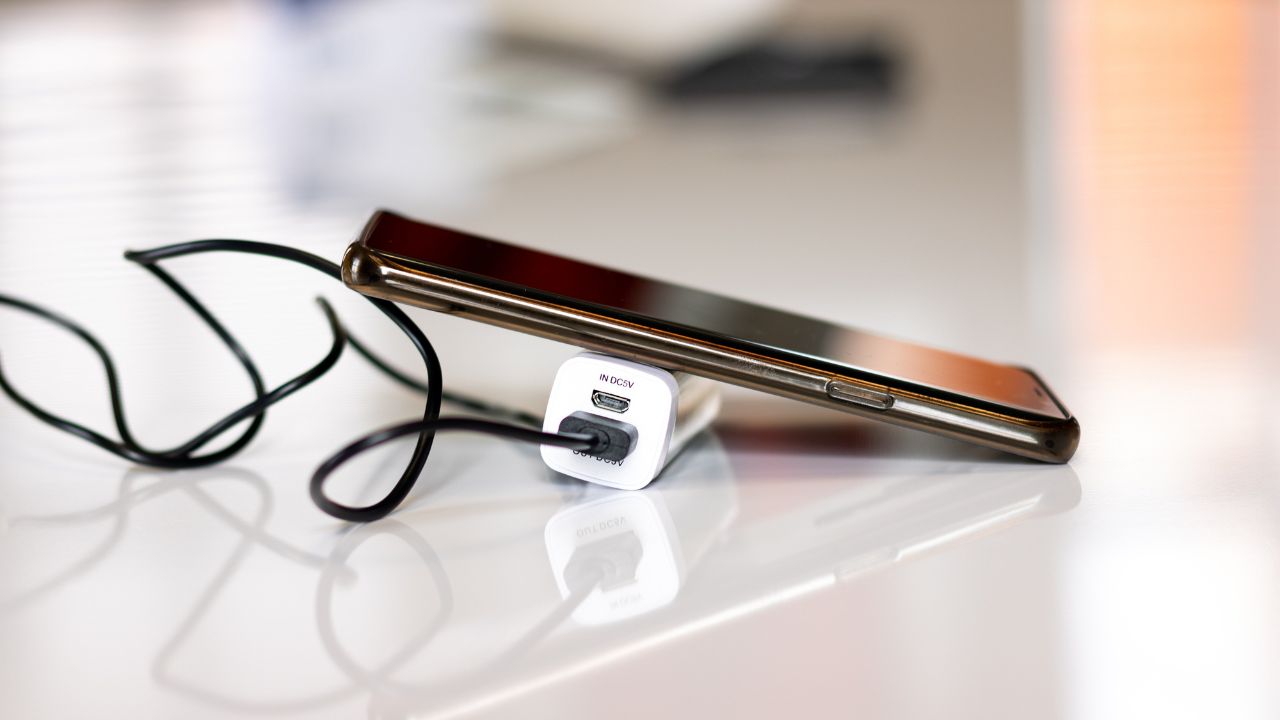
People charge stuff where they sit, and that’s usually near the heater on a cold night. Lithium battery packs and tool batteries don’t like heat, and cheap charger bricks already run warm. Heat stress shortens battery life, and a failing pack can swell or vent in a hurry.
Charge batteries on a hard surface away from heat, and don’t tuck chargers under blankets or on the couch arm. Store spare batteries in a cool, dry place, not on a shelf above the heater where the air is hottest.
10. Anything Blocking The Heater’s Intake Or Exhaust
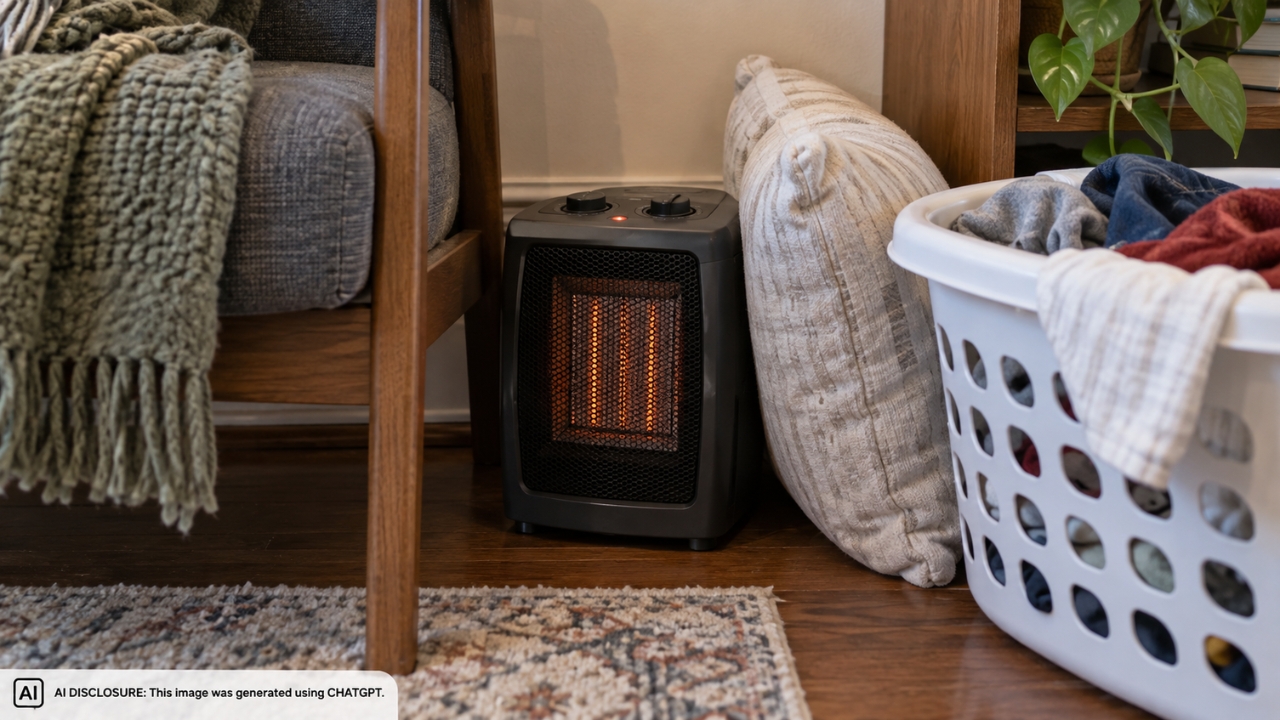
This one doesn’t look like a “thing,” but it’s a common failure. A chair pushed too close, a laundry basket set beside it, even a pillow leaning on the side can choke airflow. The heater cycles off, runs hot, and the internal parts take a beating.
Give it open space so it can breathe, front and back. If a room layout makes that impossible, the right fix is a different heat source, like a wall-mounted unit installed to spec, not forcing a portable heater into a tight nook.
If you treat a space heater like a small wood stove, clear space, stable footing, and nothing flammable nearby, it behaves a lot better. The few minutes it takes to move clutter and plug it in right beats replacing scorched flooring or waking up to a smoky room.
Like Fix It Homestead’s content? Be sure to follow us.