12 Things in a Yard That Bears Treat as Free Food
Photo credit: Ammonite18/Shutterstock.com
Bears don’t need much of a reason to wander into a yard. If they find an easy calorie score once, they’ll circle back and start checking your place like it’s on their route. The fix usually isn’t dramatic, it’s a bunch of small habits that stop feeding them on accident.
1. Unsecured Trash Cans On Pickup Night
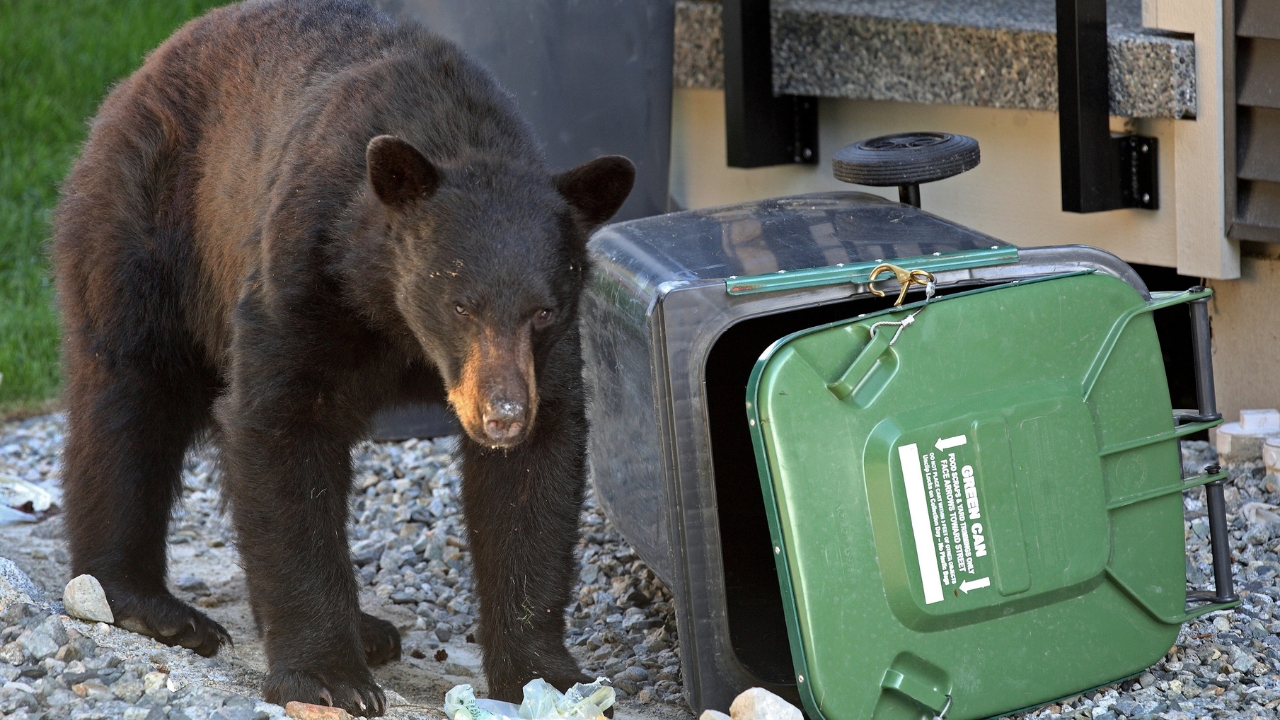
The classic mistake is rolling the can out early and hoping nobody bothers it. A bear can smell last night’s chicken bones and greasy pizza box from a long way off, and a tipped can spreads “free buffet” all over the driveway. Once that happens, you’re not just cleaning up trash, you’re training a repeat visitor.
Keep trash inside a garage or shed until the morning of pickup, or use a bear-resistant cart if your hauler allows it. If you can’t store indoors, strap the lid down with a ratchet strap and set the can in a fenced area, not out by the road. Rinse food containers before they go in, because stink is the whole invitation.
2. Bird Feeders Left Up Overnight
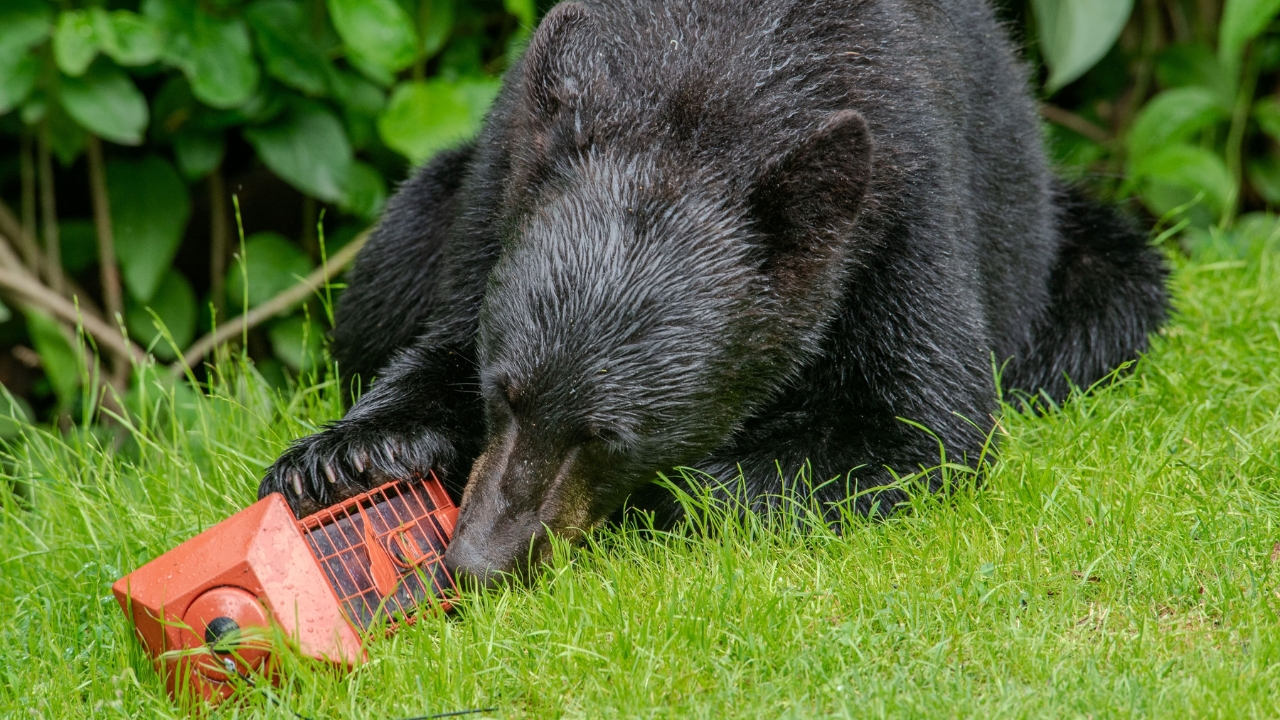
People hang a feeder for chickadees and end up feeding a 300 pound yard wrecker. Seed and suet are pure calories, and the spilled stuff under the feeder is often what seals the deal. You’ll notice it when the pole is bent, the feeder is gone, and there’s a churned up patch where a bear stood and worked it.
If bears are active, take feeders down at dusk and put them back up in the morning. Clean up the seed slick under the feeder with a rake and a bucket, don’t just scatter it into the grass. In winter, when birds need help, the “cheap option” is fine: skip feeding during the bear season and start again after bears are denning in your area.
3. Fallen Fruit Rotting Under Trees
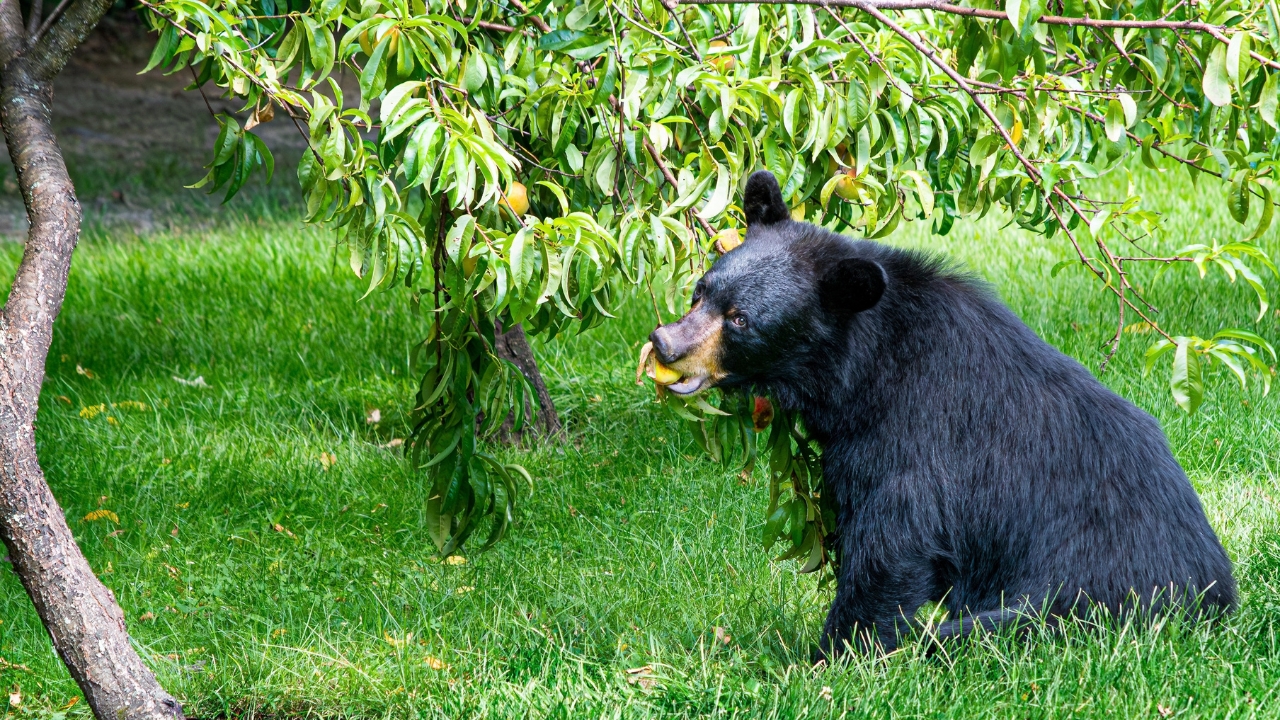
Late summer is when this one gets you. Apples, pears, plums, and crabapples pile up and ferment, and that sweet smell travels. A bear will vacuum the ground clean, then start breaking limbs to reach higher fruit.
Do a daily pickup when fruit is dropping hard. A garden cart and a manure fork make it go fast, and it’s a lot easier than repairing a damaged tree. If you compost fruit, keep the pile well away from the house and bury the fruit deep, or skip composting it during peak bear activity.
4. Outdoor Pet Food And Water Bowls
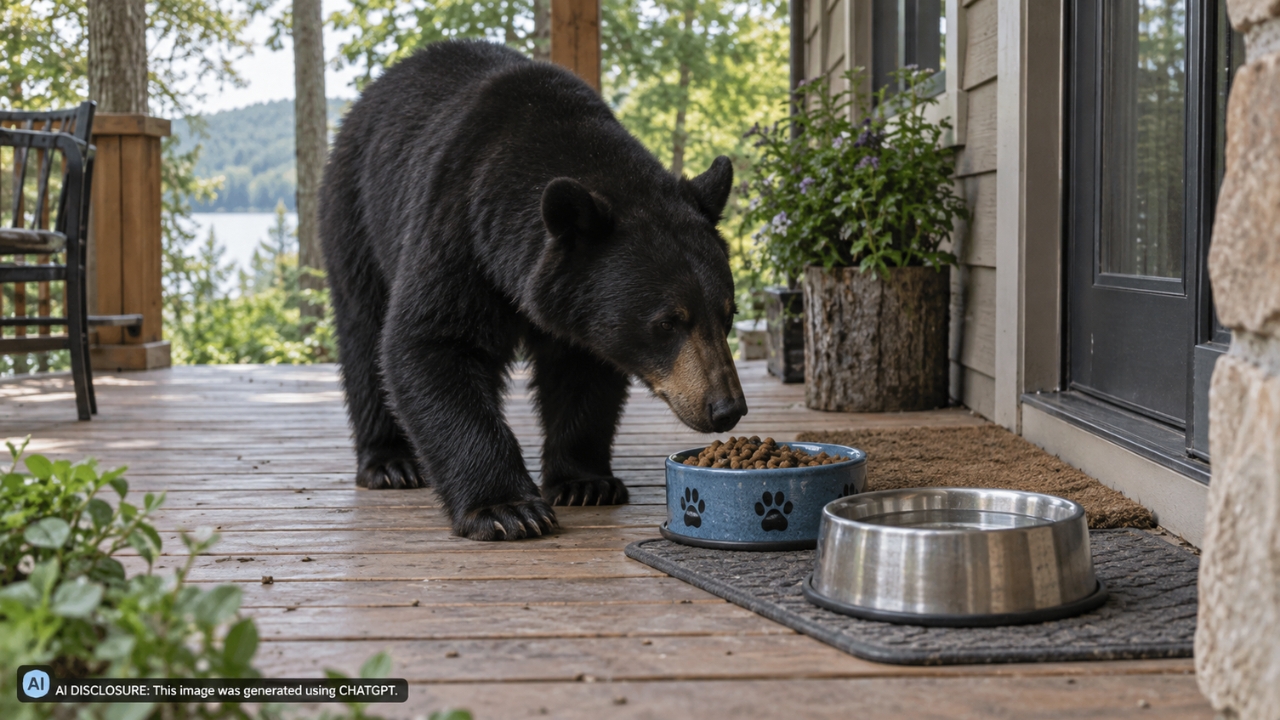
Leaving kibble on the porch is like hanging a sign. Even “just a little” in a bowl can bring in a bear, and once a bear learns your porch is a food stop, it’ll check doors and windows next. Water bowls can be a draw during hot, dry spells too.
Feed pets indoors, or pick up bowls right after meals and store the bag in a sealed bin inside. If you’ve got barn cats, switch to timed feeding and don’t leave food out overnight. If your pet must eat outside, stand there until it’s done and take the bowl back in.
5. Dirty Grill And Grease Drip Tray
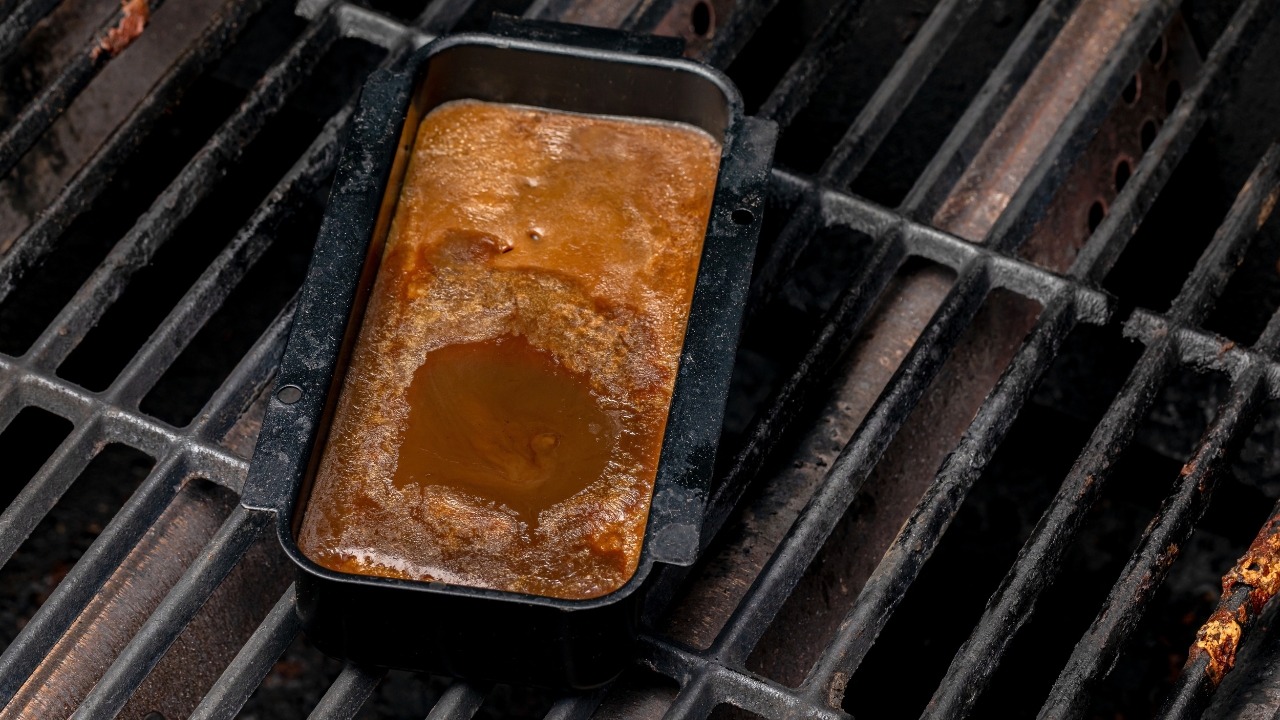
A grill that “just needs a scrape” is a bear magnet. Grease in the drip tray, fat stuck to grates, and that smell baked into the lid can pull a bear right onto the deck. This is also one of the faster ways to end up with busted railings and claw marks.
After cooking, burn it hot for a few minutes, then brush the grates with a stiff grill brush once it cools. Dump the grease tray into a sealed container and put it in the trash right before pickup, not days earlier. If you can, roll the grill into a shed or garage when you’re not using it.
6. Compost Piles With Kitchen Scraps

A backyard compost pile feels wholesome until it becomes a food cache. Coffee grounds, melon rinds, eggs, and leftovers all smell strong, and a bear will tear into a pile like it’s a candy wrapper. The mess is bad, but the bigger issue is how quickly a bear learns that your yard has regular refills.
Keep compost “yard waste only” during bear season: leaves, grass, small branches. Use a sealed compost tumbler if you must compost food scraps, and even then, skip meat, fish, grease, and dairy. If bears are already visiting, move food scraps to municipal compost or freeze them until trash day.
7. Chicken Feed Stored In Thin Bins
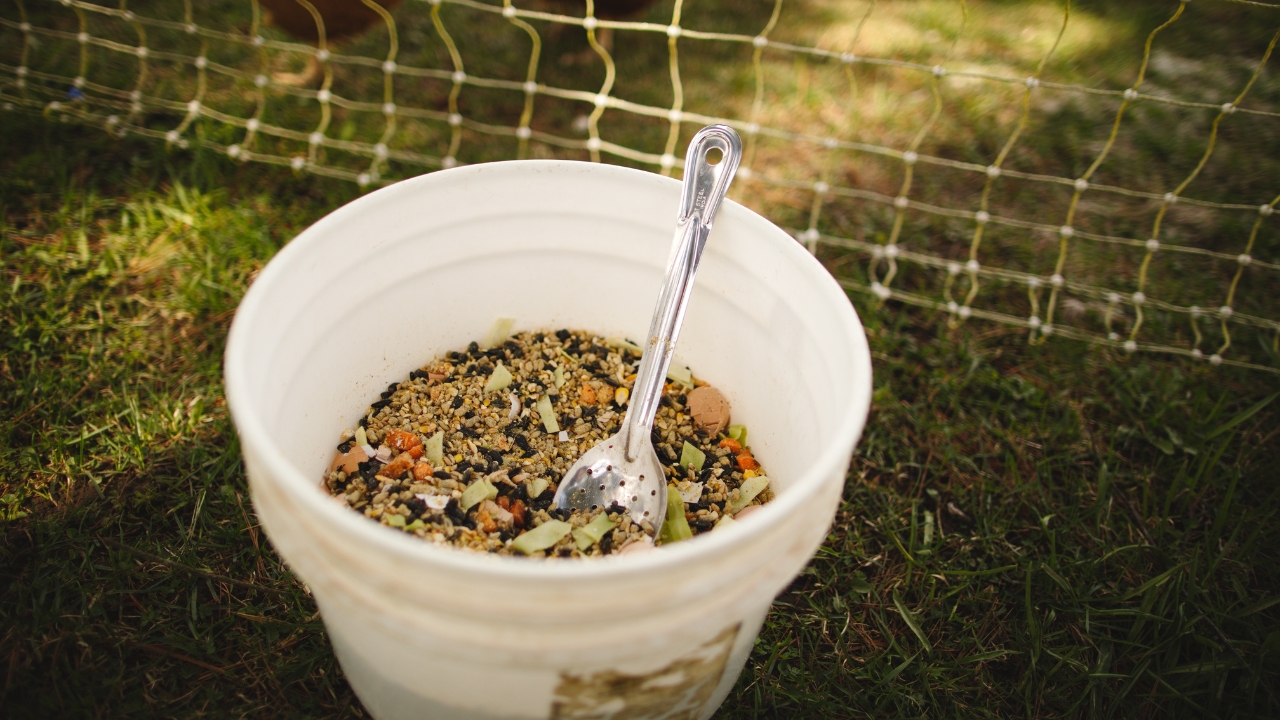
A lot of feed “containers” are just plastic totes with a snap lid. Bears pop those open like a cooler, and spilled grain keeps them rooting around the coop area for hours. If you hear banging at night and find clawed lids or chewed corners, you’ve already got a pattern forming.
Store feed in a metal trash can with a tight-fitting lid, or purpose-built metal feed cans, inside a locked shed. Keep the coop run clean of scratch grains and spilled pellets, especially before dusk. If you’re using an automatic feeder, pick one that doesn’t leave feed available all night.
8. Beehives And Sticky Honey Equipment
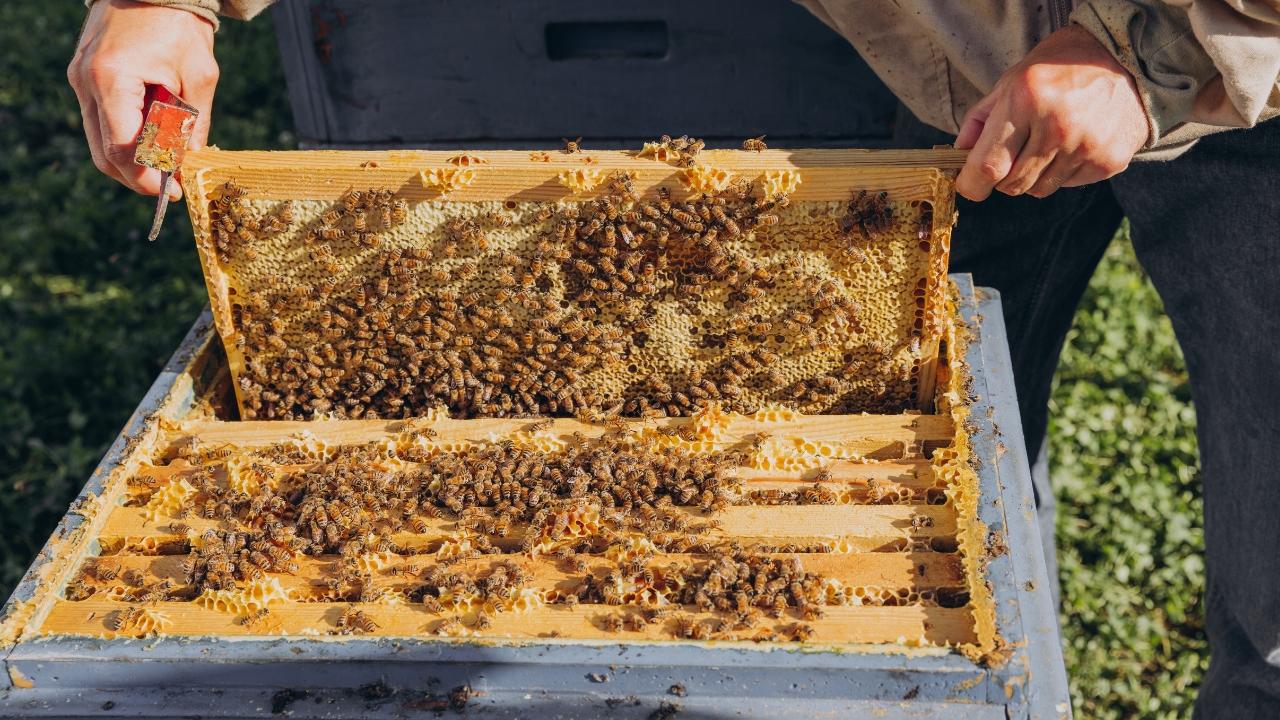
If you keep bees, you’re handling one of the strongest food smells in the yard. Bears don’t just steal honey, they wreck boxes, frames, and lids to get it, and the cleanup is brutal. Even sticky extraction equipment left out in the open can bring them in.
Electric fencing around hives is the standard fix, and it needs to be installed correctly to work. If you’re not comfortable setting a charger and ground system, get help from an experienced beekeeper or a local supplier who can walk you through a safe setup. Wash honey tools and store supers and frames indoors, not stacked outside “just overnight.”
9. Deer Corn And Salt Licks Nearby
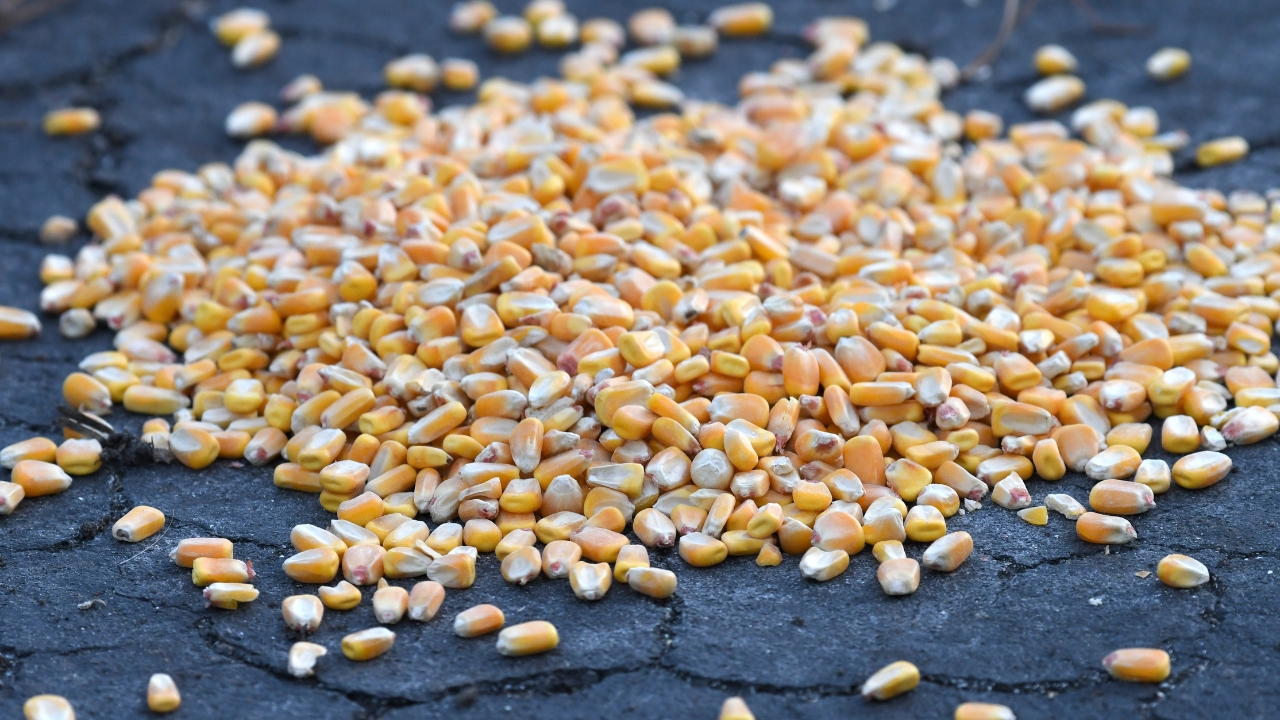
Putting out feed for deer is basically putting out feed for bears. Corn, molasses blocks, and salt licks are high-value and they last, which means bears can return night after night. You also risk drawing in other nuisance wildlife, which stacks problems fast.
The fix is simple and short: stop feeding wildlife and remove mineral blocks. If you’re trying to keep deer off a garden, use fencing and repellents instead of baiting the whole neighborhood to your yard. Check local rules too, since some places restrict wildlife feeding for good reasons.
10. Fish Cleaner Waste And Smelly Coolers
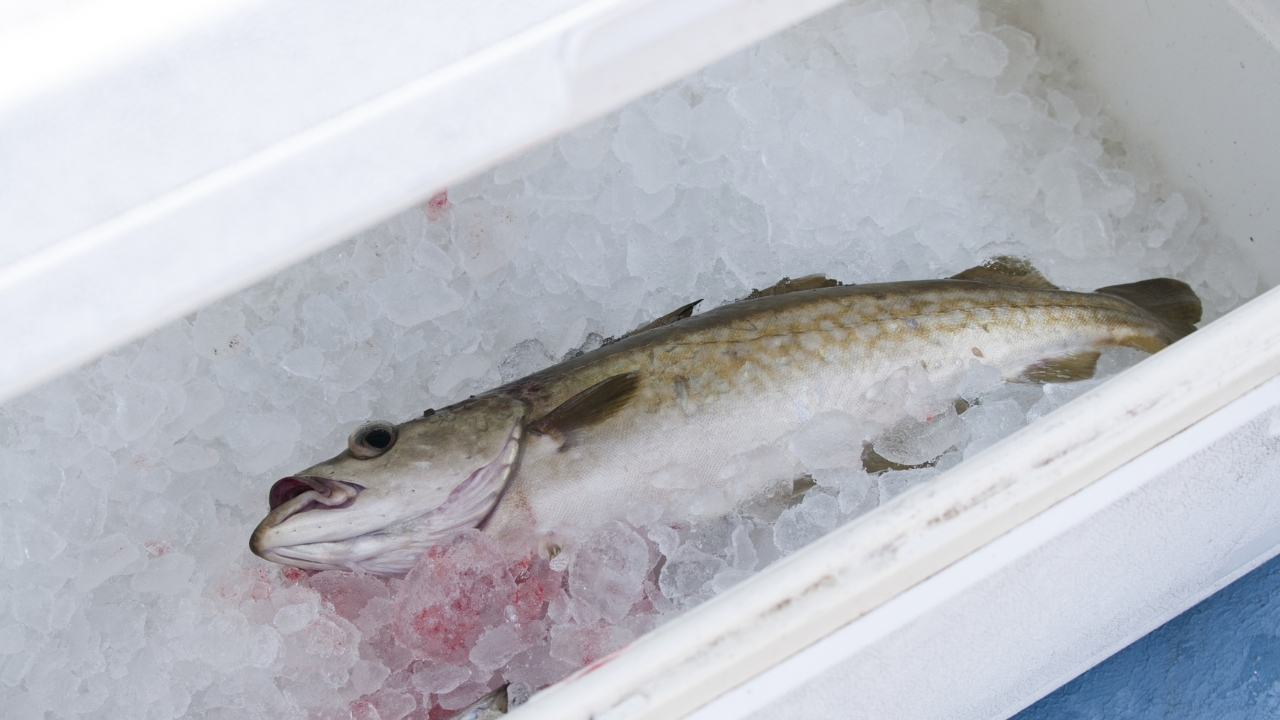
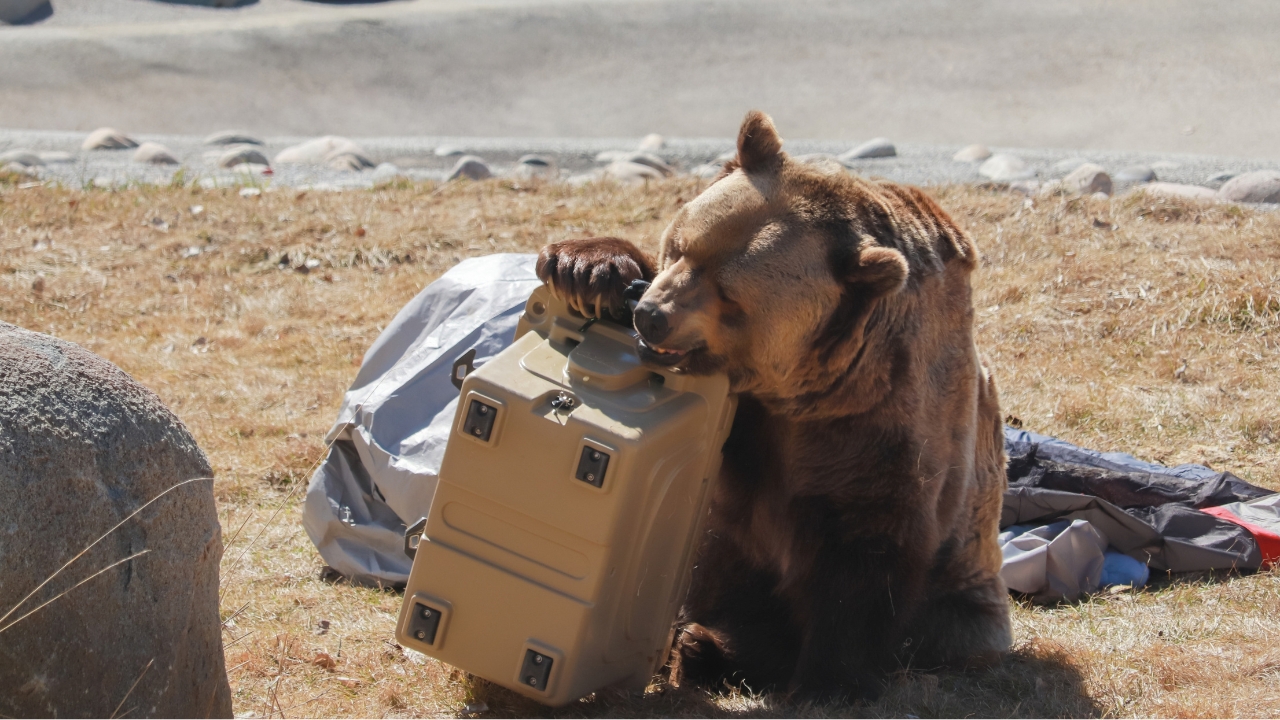
Cleaning fish in the yard and tossing scraps into a bin is like ringing a dinner bell. Coolers that held bait, fish, or bloody ice water stay smelly even after you drain them. A bear doesn’t care that “it’s just water,” it cares that it smells like food.
Bag fish waste and get it off the property quickly, or freeze it until the morning of pickup. Wash coolers with hot soapy water, then leave them open to dry in a secure spot, not on the porch. Don’t stash used bait containers in an outside trash can for later.
11. Hanging Game And Outdoor Meat Thawing
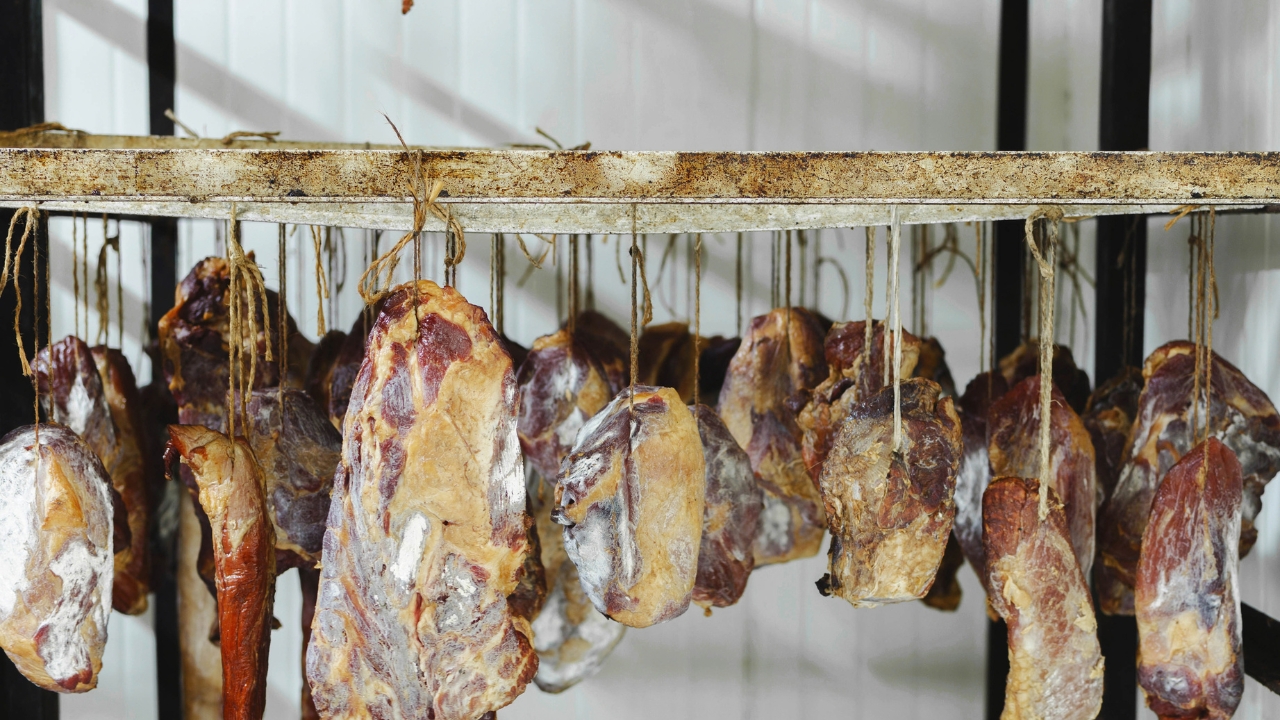
This one catches people who do everything else right. Meat thawing in a cooler outside, or game hung in a shed with the door cracked, is an easy win for a bear. Once they associate your yard with meat, they get bold fast.
Keep meat storage indoors in a freezer or fridge, or in a secured building a bear can’t pry into. If you process animals on-site, clean down thoroughly and take waste off-property or store it in a locked, odor-tight container until disposal. If you’re not set up for that, paying for processing can be the smarter move.
12. Open Garage Fridges And Freezers
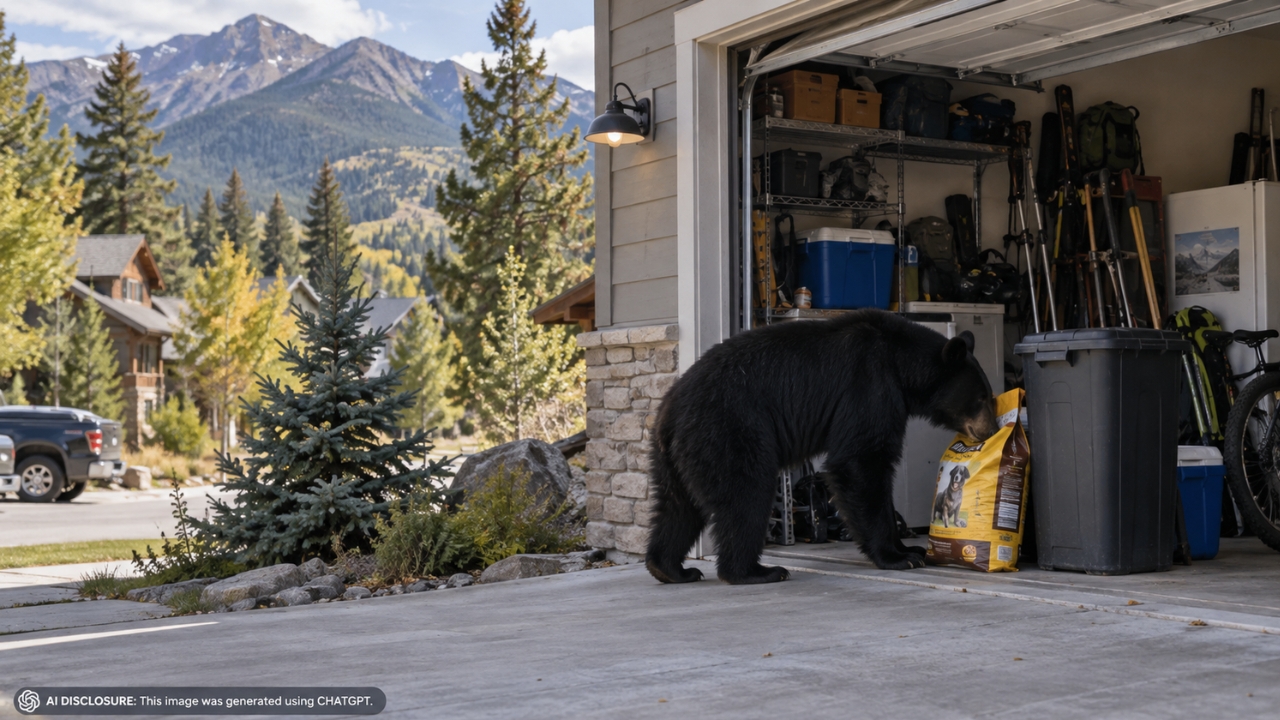
An old fridge in the garage sounds harmless, until you realize the garage door stays open during projects and the fridge smells like last season’s venison. Some bears will push into an open garage, and once they find a freezer, they’ll keep checking. It’s a safety issue more than a mess issue.
Keep garage doors closed when you’re not actively moving in and out, and don’t leave the freezer lid cracked while you “grab a few things.” If the garage is a constant in-and-out zone, move food storage into the house and use the garage unit for tools and drinks only. A simple door closer or alarm can help if the door gets left open a lot.
Most bear problems start as a routine, not a one-time disaster. If you cut off the easy calories for a couple weeks, the visits often fade because there’s nothing worth checking. Stay consistent, especially during peak food seasons, and the yard goes back to being just a yard.
Like Fix It Homestead’s content? Be sure to follow us.