10 Things Winter Does to a Farm Pond
Photo credit: Wirestock Creators/Shutterstock.com
Cold weather changes a pond in ways you do not notice until something quits working or starts dying off. Ice, wind, and low sun hit the water, the banks, and anything you left near the edge. A little planning in late fall saves a lot of mess in February and a lot of repair work in April.
1. Ice Shoves Riprap And Banks
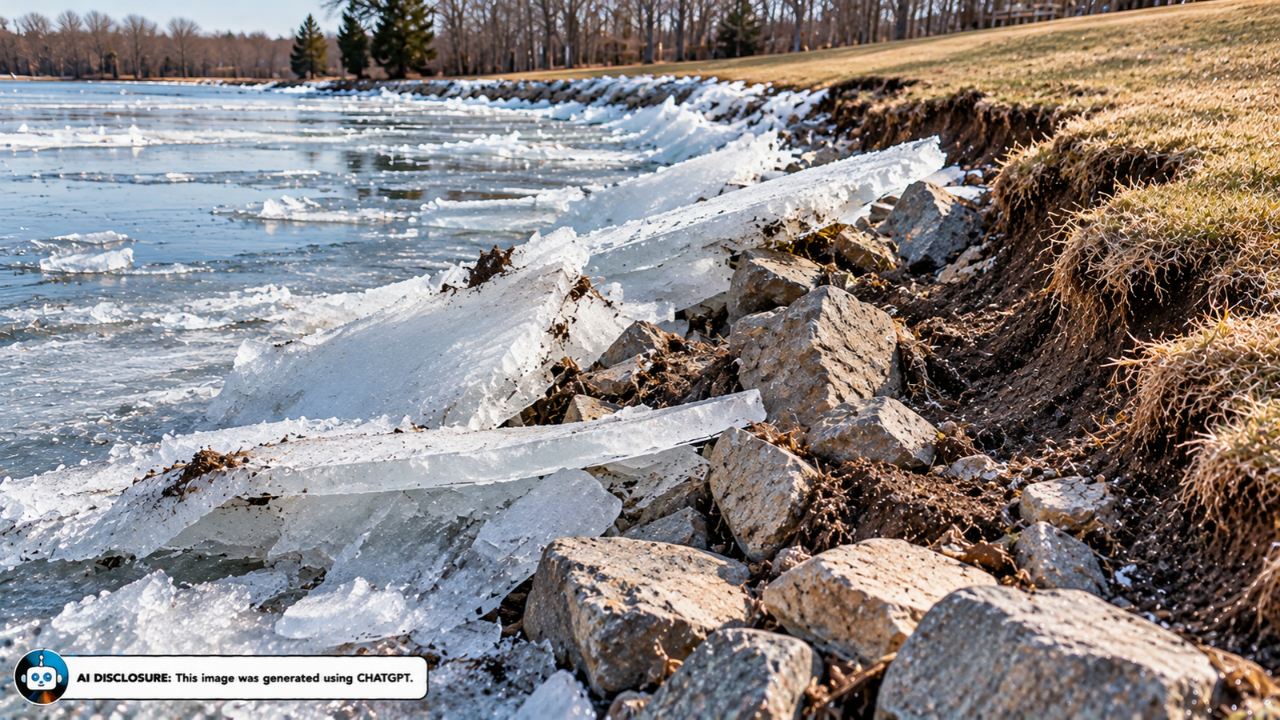
When a pond freezes, the ice sheet expands and creeps. Then a warm spell loosens it, wind pushes it, and the whole plate can ride up and shove rocks and soil like a slow bulldozer. You see it as a new lip at the shoreline, riprap scattered uphill, or torn turf right at the waterline.
If you keep losing bank material every winter, widen and armor the edge where the ice grabs, not just the spots that look bad. Add larger rock at the waterline and keep a gentle slope instead of a sharp drop. Skip lightweight “decorative” stone, it gets tossed around fast. If the pond is close to structures or you are seeing real erosion, a local pond contractor is worth the call.
2. Aerators Freeze Or Trip Breakers
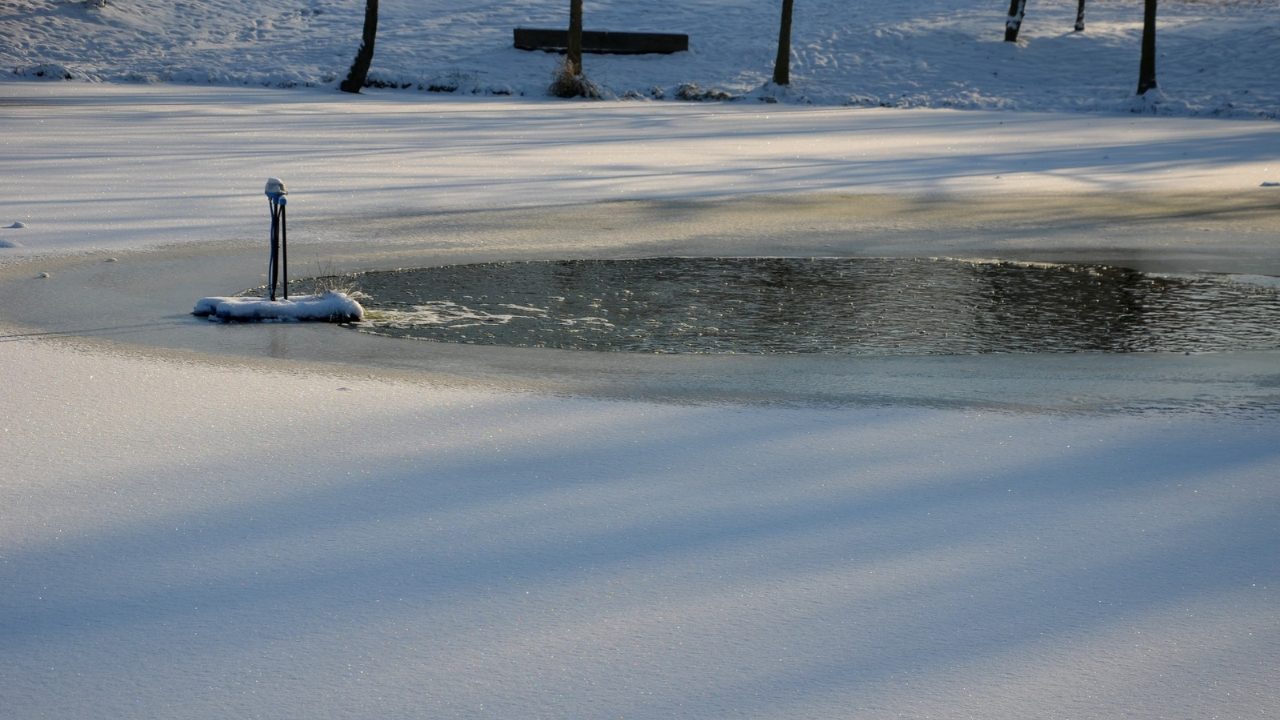
Surface splashing units love to ice up. Diffused aeration can too, especially if the airline has a low spot that fills with water and freezes solid. The first hint is the compressor sounding strained, the airflow dropping, or a GFCI outlet tripping after a wet snow.
Keep compressors in a weather-protected box with good ventilation, and keep intake filters clean so they do not ice over. Route air lines so they drain back, and bury them below frost depth if you can. Anything with outdoor power needs a real GFCI and correct wire size, and if you are not sure your circuit is right, hire a licensed electrician. Extension cords across snow are a bad habit that shows up as a melted plug in spring.
3. Snow Cover Starves Fish Of Oxygen
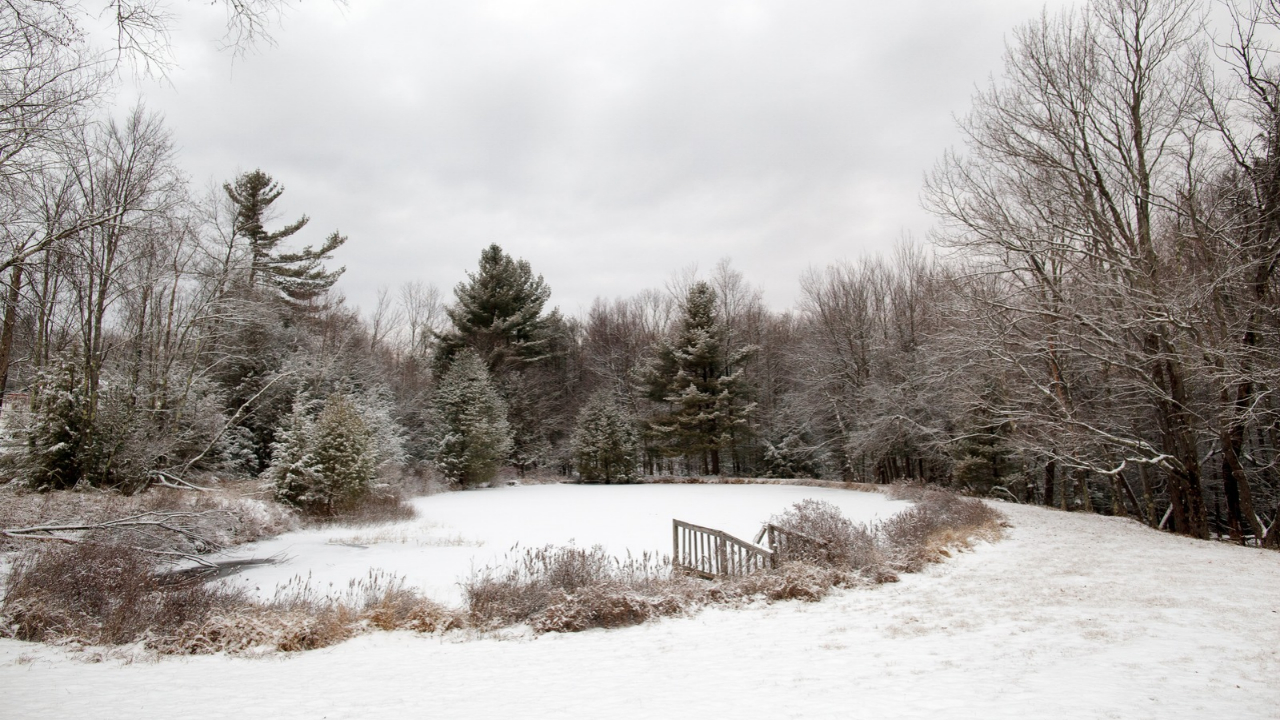
A clear ice sheet still lets some light in. Add six inches of snow, and the pond turns into a dim fridge where plants stop making oxygen and everything keeps breathing. You do not know it happened until you find fish at the edge during a thaw.
If winterkill is common in your area, keep one small area open with a diffuser or a pond de-icer meant for stock tanks, not a homemade heater. Do not chop a big hole with an axe, the shock wave can hurt fish. If you need light, you can clear snow off a section of the ice with a plastic shovel, but stay back from thin spots and never work alone on questionable ice.
4. Overflow Pipes Ice Shut
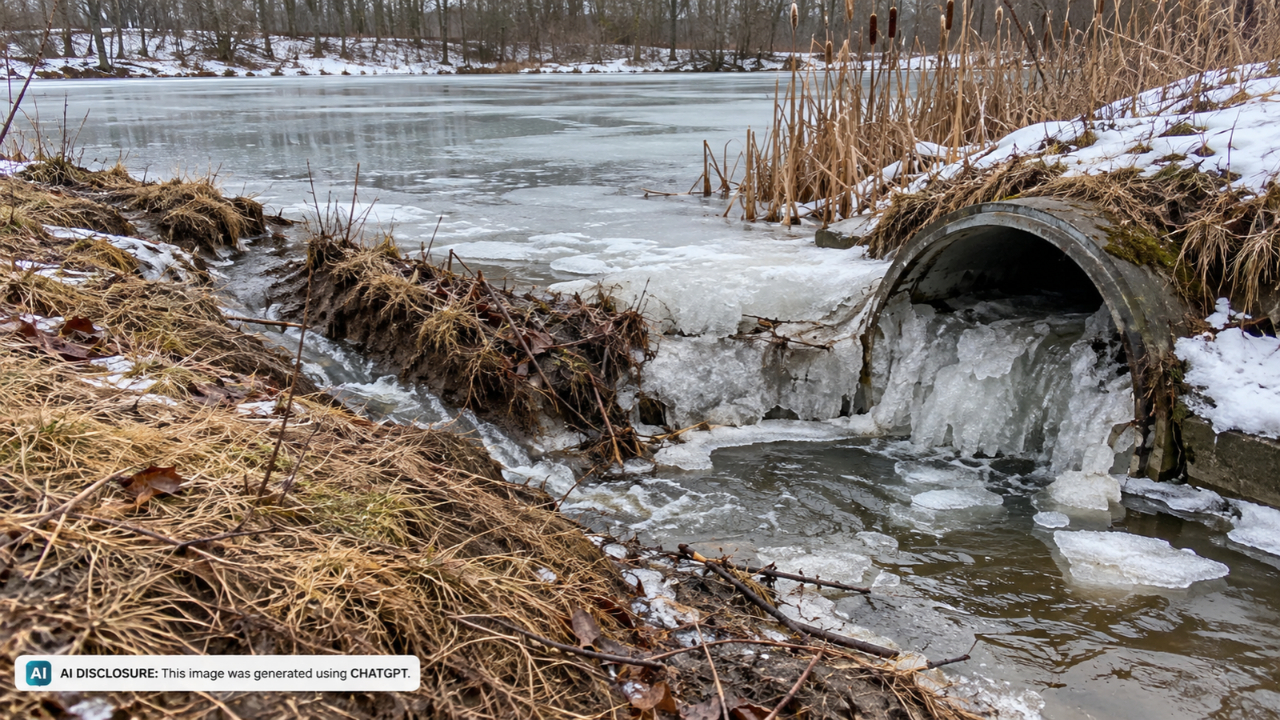
The spillway works fine in rain, then a freeze hits and the outlet plugs with ice and slush. Next storm, the water has nowhere to go. You find it when water starts cutting a new channel around the dam or washing out a low spot on the bank.
Walk the outlet before deep winter and remove sticks, cattails, and leaves that can snag ice. If you have a pipe through a dam, a trash rack helps but it still needs checks after thaws. A damaged spillway can turn into an expensive repair fast, and dam work often triggers local rules, so bring in a pro if you see new erosion or seepage.
5. Shoreline Mud Turns Into Ruts
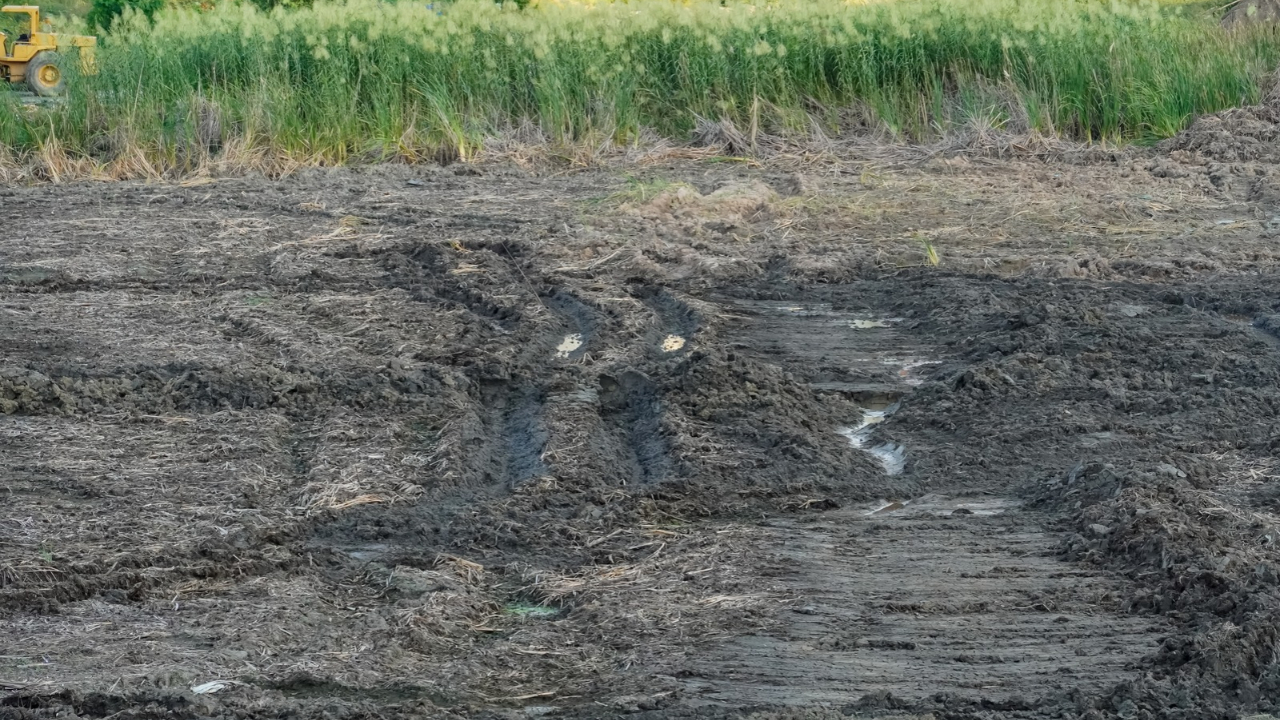
Freeze and thaw makes the edge slick, soft, and easy to tear up. A pickup backing to the pond, a tractor checking fence, or even repeated foot traffic can leave ruts that hold water and keep getting worse. Come spring, those ruts become a muddy trench that feeds silt right into the pond.
Pick one access point and harden it. A load of crushed stone topped with smaller gravel beats fighting mud for months. If you are driving near the dam, stop doing that, the weight and ruts are not worth the risk. Reseed bare spots early, and use straw or erosion mat so the first rains do not carry your new soil into the water.
6. Buried Roots Split And Let Go
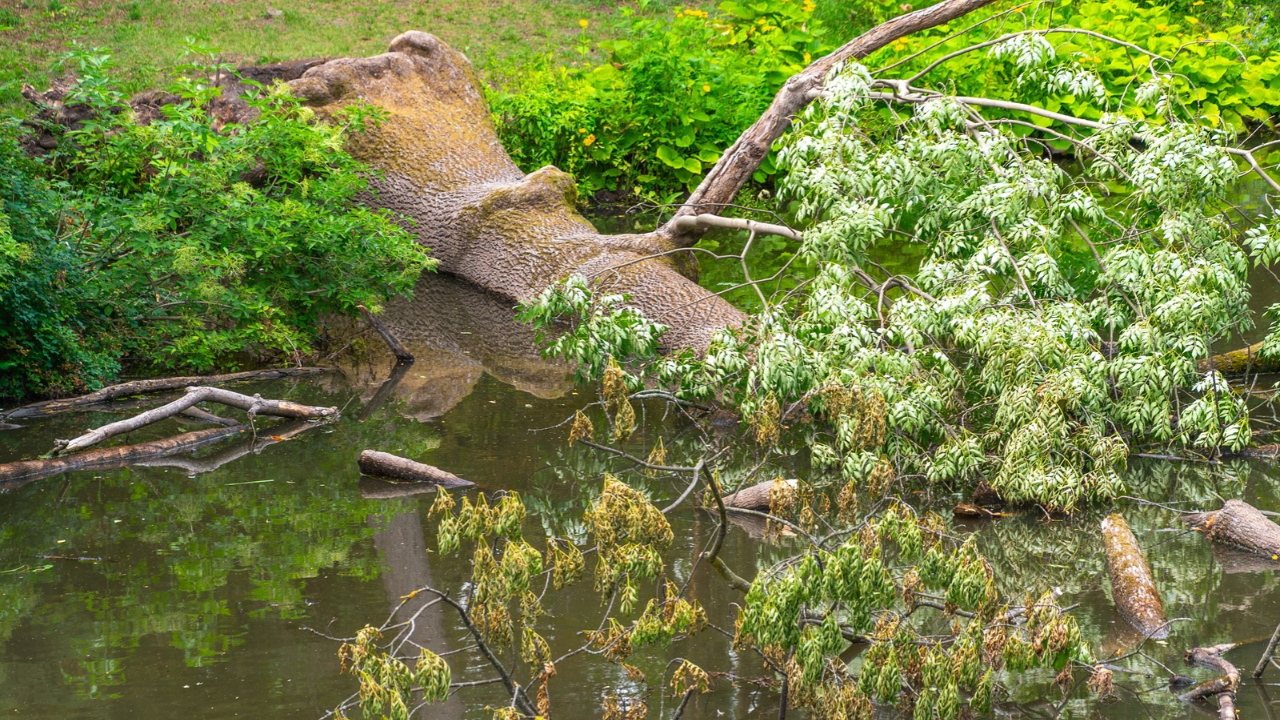
Winter is when a lot of shoreline trees quietly loosen their grip. Frozen ground and wind rock the trunk, and roots that were already stressed snap or heave. When the tree finally goes, it takes a chunk of bank with it and drops limbs into the pond.
If a tree is leaning toward the water or has fresh cracks in the soil around it, deal with it before the next ice storm. Small trees are a weekend job with a saw and basic protective gear, but anything large near water is a dangerous cut. Hire an insured tree crew, especially if there are power lines or the tree could fall into a dam or spillway.
7. Feeding Wildlife Changes Water Quality
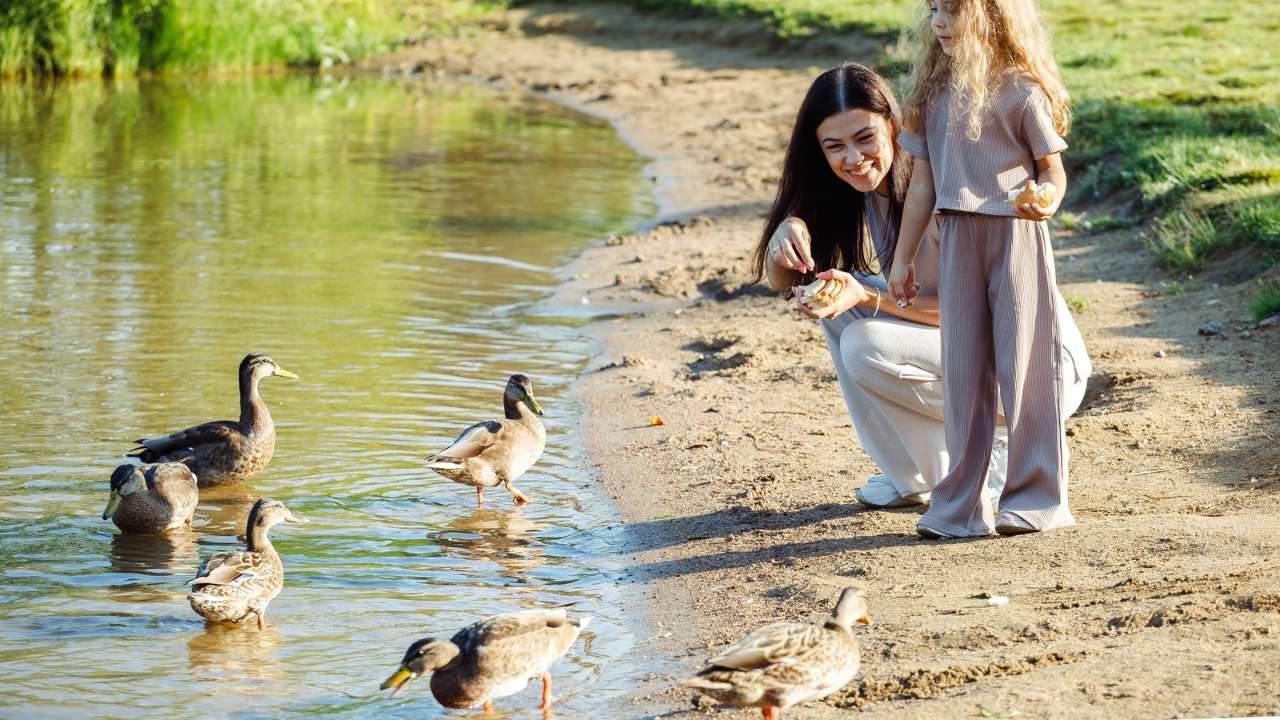
Winter makes people generous. Tossing corn or bread near the edge pulls in geese and ducks, and they do what they do. That extra waste loads nutrients into the pond right when the system is least able to process it.
If you like seeing birds, keep feed and salt blocks away from the pond and off the ice. Use a designated spot on higher ground where runoff does not flow straight to the water. Come spring, fewer algae problems starts with fewer winter handouts.
8. Thin Ice Breaks Fences And Posts
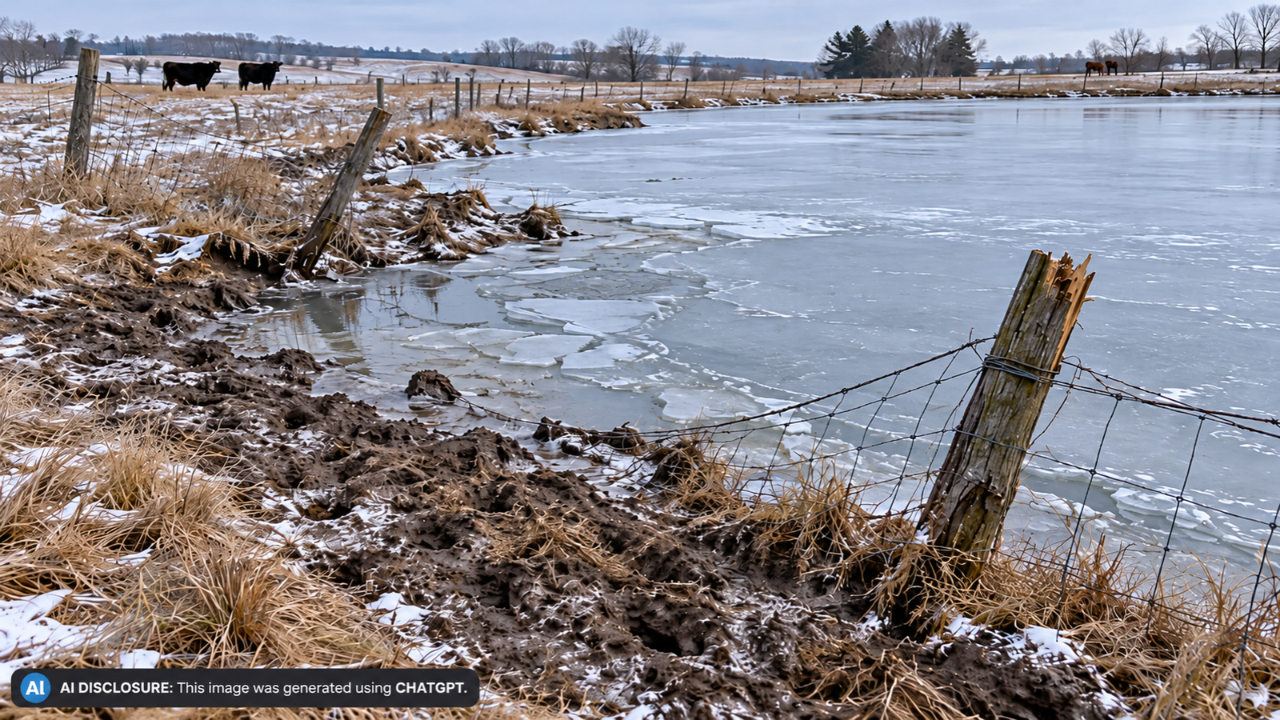
Ice looks solid until it is not. Cattle, horses, and even deer can break through near springs or inflow areas, then take out a fence trying to climb back up. You might not notice until you find a sagging line and hoof prints all over the bank.
Do not count on a pond as a winter water source unless you can keep a safe, controlled access point. A frost-free hydrant or stock tank with a heater costs money, but it usually costs less than replacing fencing and repairing a churned-up shoreline. If you must use the pond, fence animals back and provide a hardened, shallow ramp where the bottom is firm.
9. Frozen Pumps Crack Housings And Valves
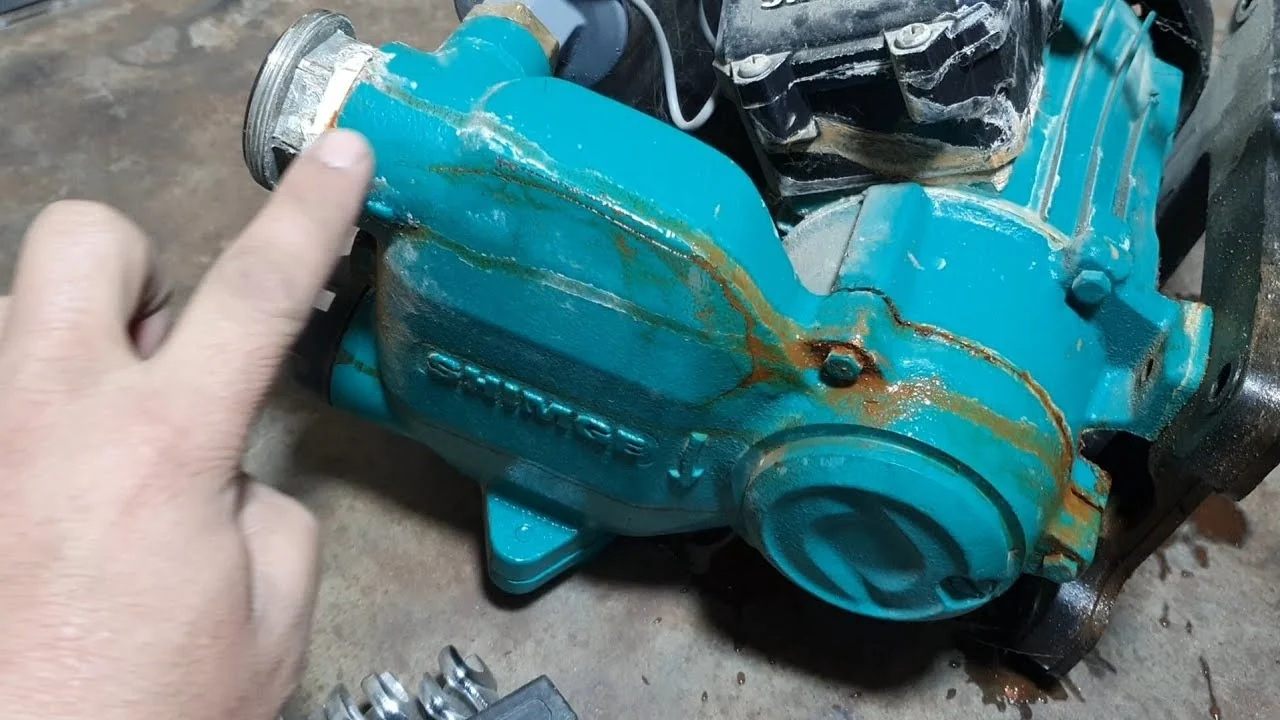
A utility pump left in the water or a transfer pump left in the shed with water inside can split clean open. Plastic fittings are the first to go, then metal housings crack at seams. You find it in spring when it leaks or refuses to prime.
Before hard freezes, pull portable pumps, drain them, and store them where they will not sit in a puddle and refreeze. If you have a fixed intake line, add a drain or a way to blow the line out, and mark the shutoff so it gets done every fall. The cheap exception is a simple, small plastic pump you only use once in a while, sometimes it is not worth babying if it is already near the end of its life.
10. Spring Thaw Dumps Silt Into The Bowl
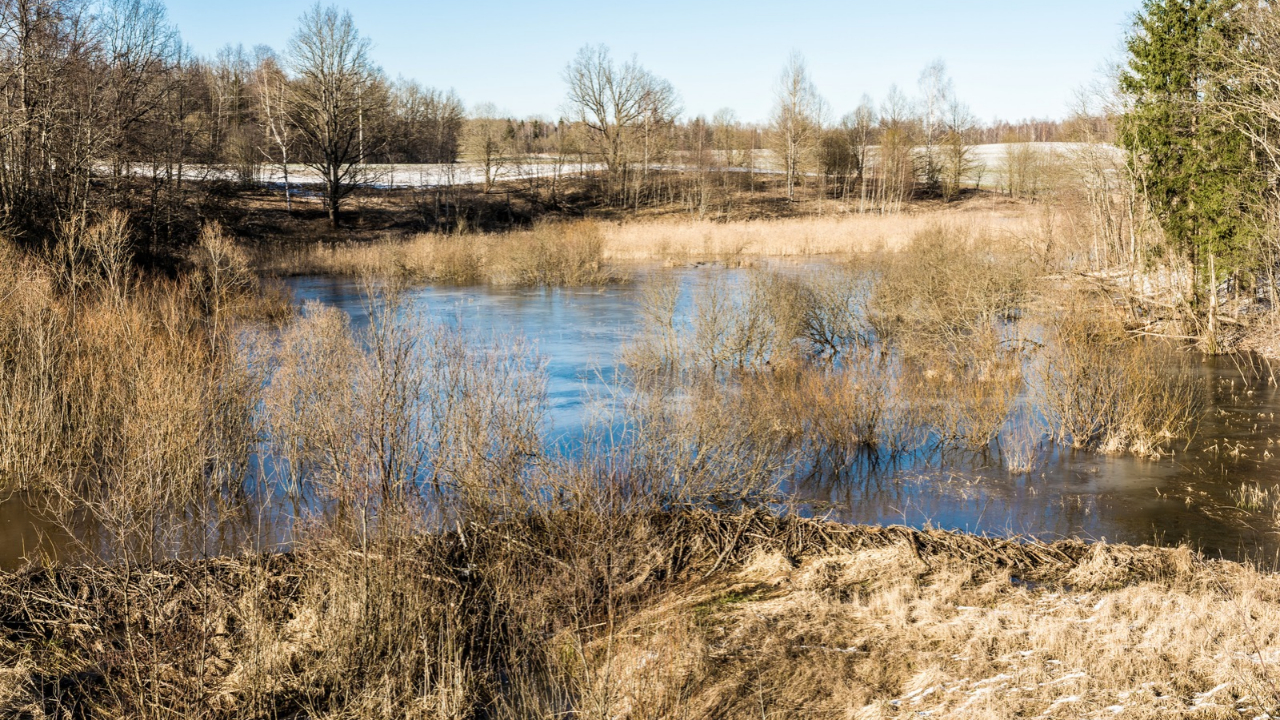
The biggest hit often comes after winter, not during it. When the top layer thaws but the ground below is still frozen, meltwater runs off like it is on pavement. It carries soil, manure, and driveway grit straight into the pond and clouds it for weeks.
Before winter sets in, leave a strip of tall grass or native plants around the pond to slow runoff. Fix gutters, ditches, and driveway culverts so they do not aim water at the shoreline. If you are planning any digging near the pond, call for utility locates first and plan silt control, because one sloppy project upstream can shorten the pond’s life by a season.
Once the ice leaves, walk the entire perimeter with a rake and a notebook. Mark new erosion, check the spillway, and clear debris before spring rains arrive. Small repairs done early stay small.
Like Fix It Homestead’s content? Be sure to follow us.