12 Dog Breeds That Are Calmer Than People Expect
Photo credit: sung woo kim/Shutterstock.com
A lot of dogs get tagged as “wild” just because they’re big, strong, or built for work. Then you meet one and it’s all sighs, slow blinks, and a nap in the doorway. If you want a dog that fits real life, muddy boots, kids coming and going, and a quieter evening, these breeds tend to surprise people.
1. Bernese Mountain Dog On The Porch
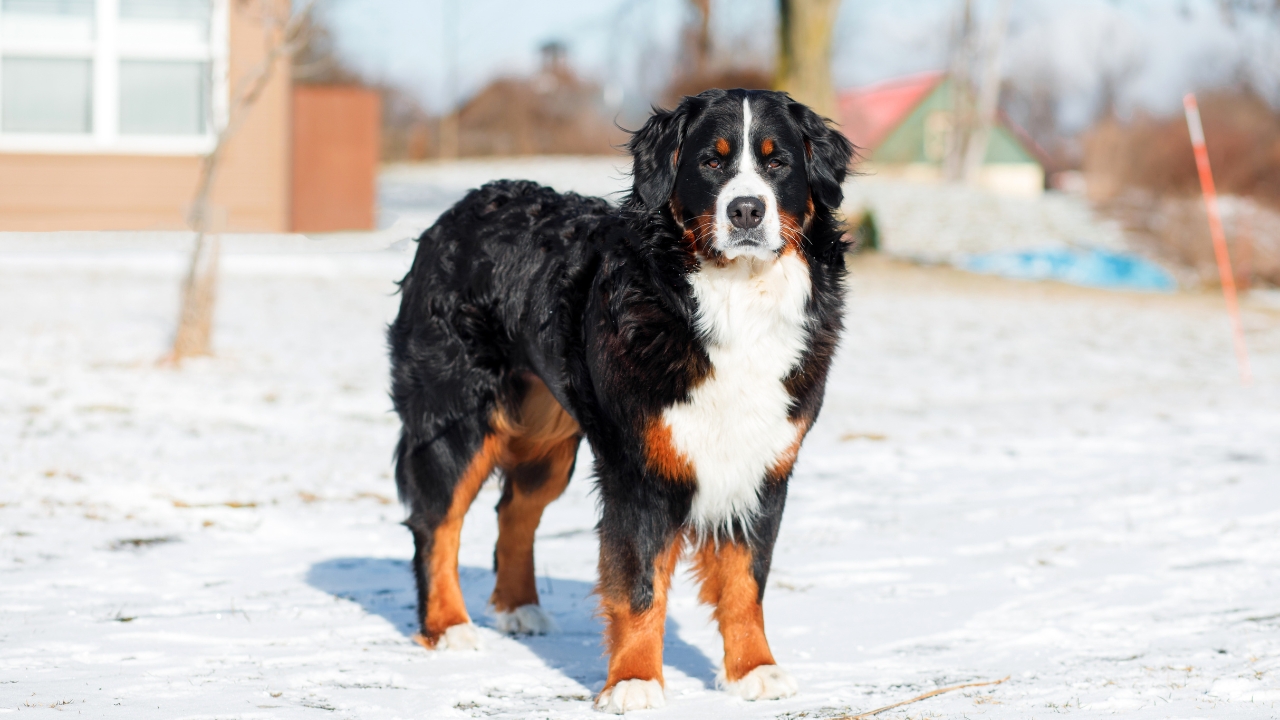
People see the size and assume you’re signing up for a freight train in the house. Most Berners would rather lean into your leg and watch the yard than bounce off the walls. They’re often gentle with kids and patient with routine, which matters when your day is already full of chores.
The “fix” is planning for the downsides, not the temperament. That coat picks up burrs, mud, and snowballs, so keep a slicker brush by the door and a towel you don’t care about. Heat is the bigger problem, give shade, water, and a cool spot in summer, and skip hard exercise on hot afternoons.
2. Greyhound That Sleeps Like A Cat
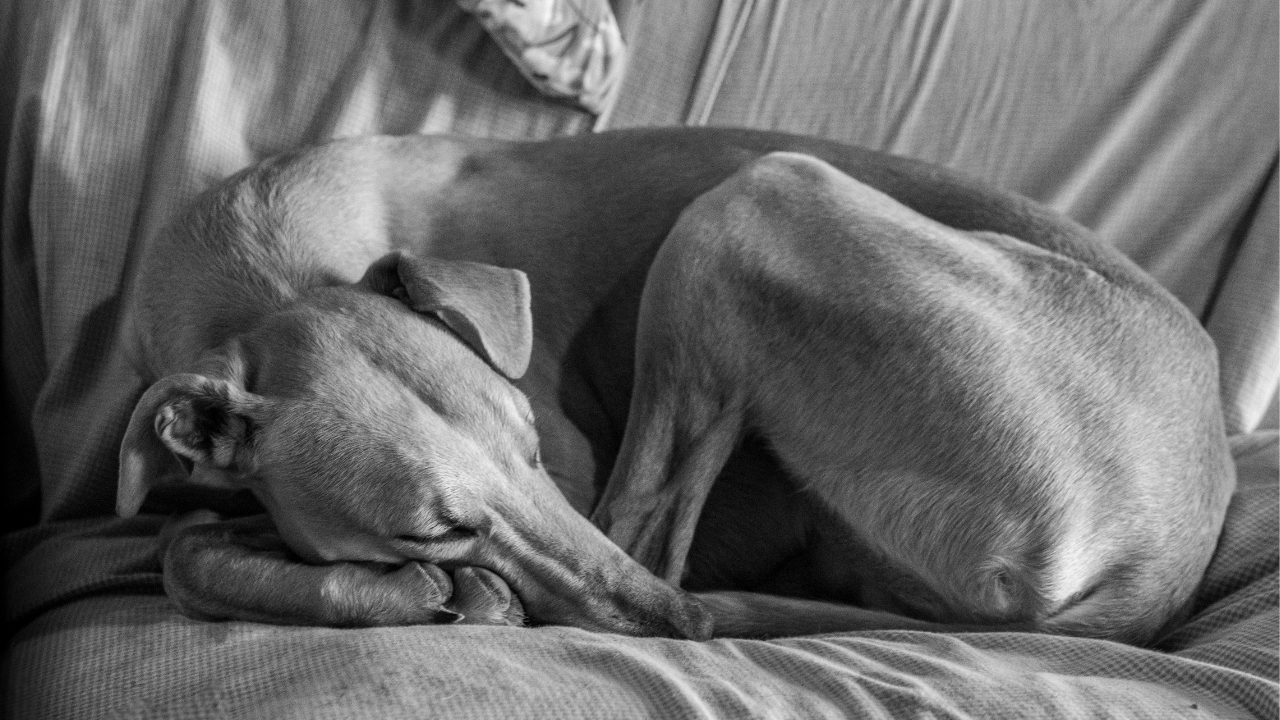
If your only reference is racing footage, you expect a dog that needs to run five miles before breakfast. Off the track or from calm lines, many greyhounds are professional loungers. They’re sprinters, not marathoners, and a few short bursts plus walks often covers it.
What catches people is how bony they are and how thin their coat is. You’ll want a soft bed and, in cold weather, a simple jacket for trips outside. Fenced yard rules apply, because their chase instinct can flip on fast, so don’t count on voice control around squirrels.
3. Newfoundland Built For Quiet Strength

This is a lot of dog, and that scares folks off. But Newfoundlands tend to move slow and think slow, which is exactly what you want around a busy home place. They usually aren’t looking for trouble, they’re looking for a spot where they can see you.
Drool is real, and it will land on your jeans, your walls, and the side of the fridge. Keep a stack of rags handy and accept that “clean baseboards” is no longer a daily goal. Because they’re heavy, don’t let a young Newf pound up and down stairs for fun, and talk to your vet about safe growth and joint care.
4. Bulldog Happy With Short Loops
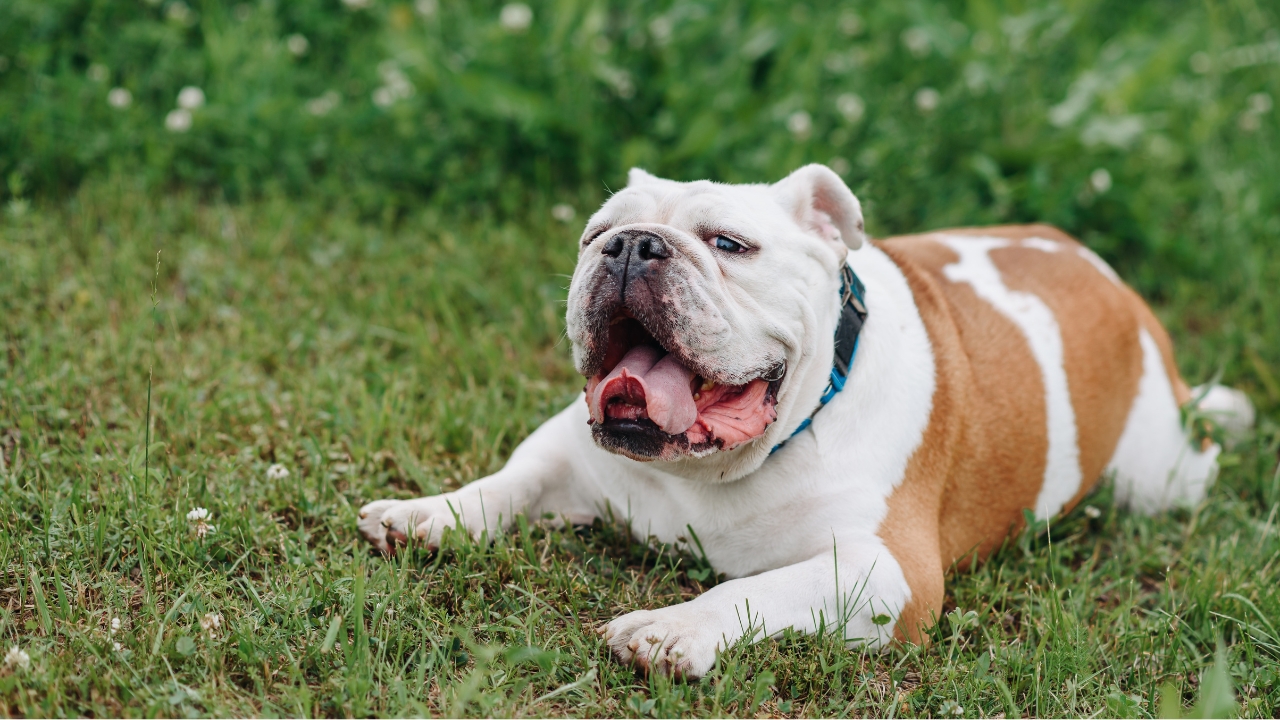
Bulldogs look tough, and people mistake that for high drive. Most are content with a couple short walks and a lot of hanging out. If you want a dog that won’t run you into the ground, this one fits the idea.
The fix-it side is managing heat and breathing. Keep them out of hot barns and closed-up vehicles, and don’t push exercise when it’s humid. Some bulldogs also need extra skin fold cleaning, which is simple, but you have to actually do it.
5. Great Dane That Wants The Sofa
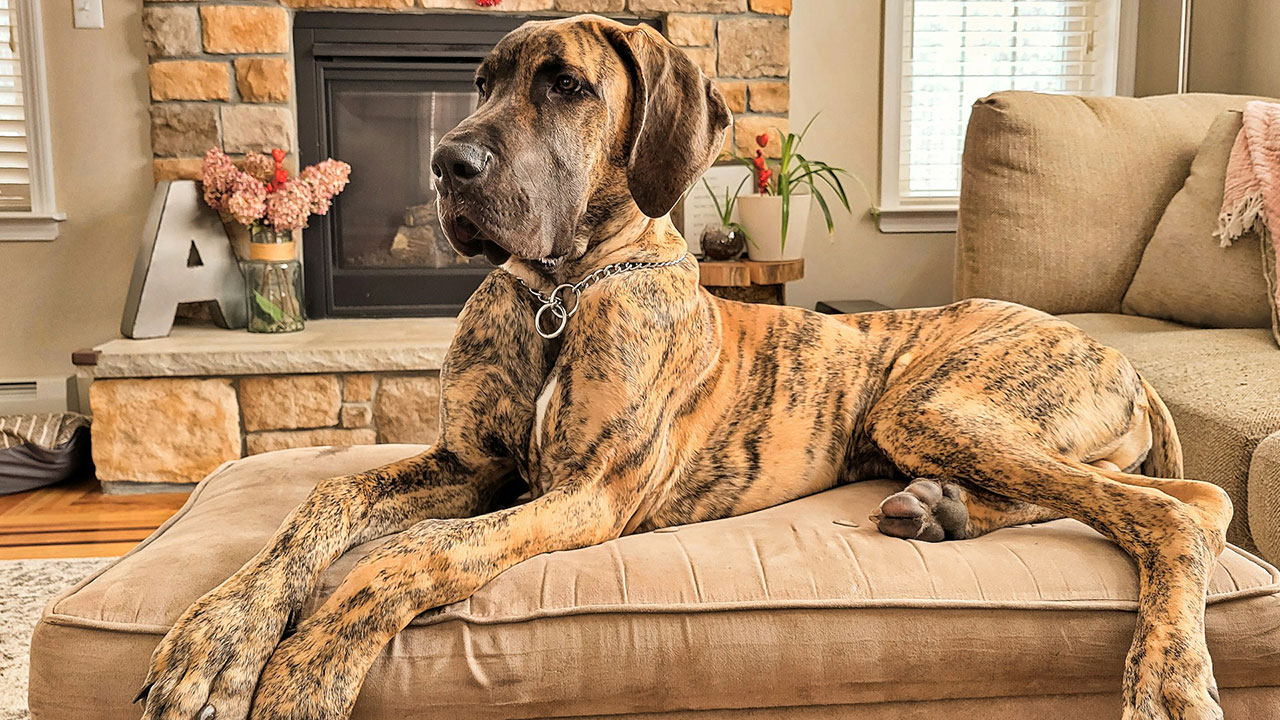
You’ll hear “horse dog” and picture chaos in a small house. Many Great Danes are calm indoors, almost careful, as long as they get steady walks and some room to stretch out. The surprise is how little noise and drama you get for that amount of dog.
What you do need is space planning. A Dane tail can clear a coffee table, so keep breakables out of tail range and use heavy water bowls that don’t skate across the floor. And don’t cheap out on training basics, a calm giant is still a giant, so leash manners are non-negotiable.
6. Clumber Spaniel That Moves Slow
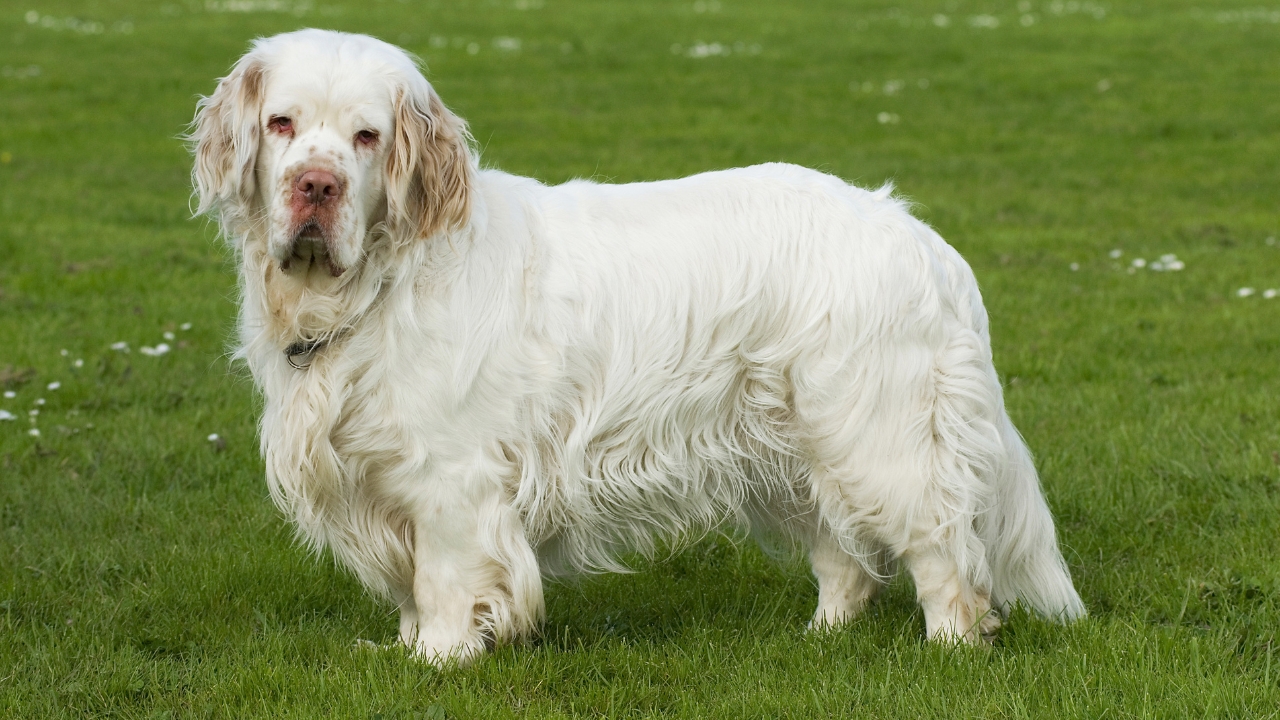
Most people know springer spaniels and assume all spaniels are wired. Clumbers are different, heavy-boned, low gear, and often happy to follow you from chore to chore without turning it into a race. They’re still sporting dogs, but the volume knob is turned down.
The maintenance cost shows up in grooming and ears. That thick coat holds stickers and mud, so a quick comb-out saves you a longer fight later. Keep an eye on ear cleanliness, especially if your place is damp or you’ve got a lot of tall grass.
7. Mastiff That Picks One Spot
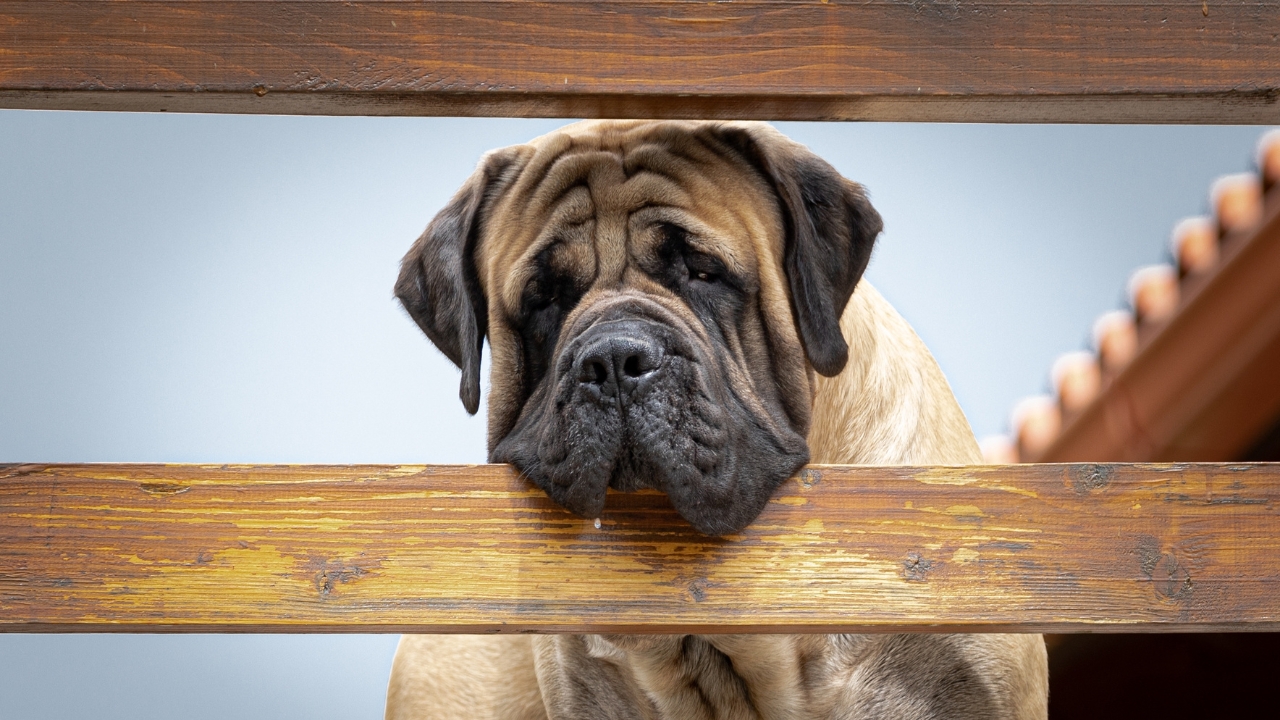
Mastiffs get sold as guard dogs, which makes people think “aggressive.” A well-bred, well-socialized mastiff is often calm, steady, and more of a presence than a problem. They don’t usually waste energy, they just plant themselves where they can watch the front door and the driveway.
Don’t set one up to fail with slippery floors and no traction. Put down runners in the hall and near the door so they don’t wipe out when they stand up fast. If you’re not ready for big-dog bills, be honest with yourself, food and vet care add up with a dog this size.
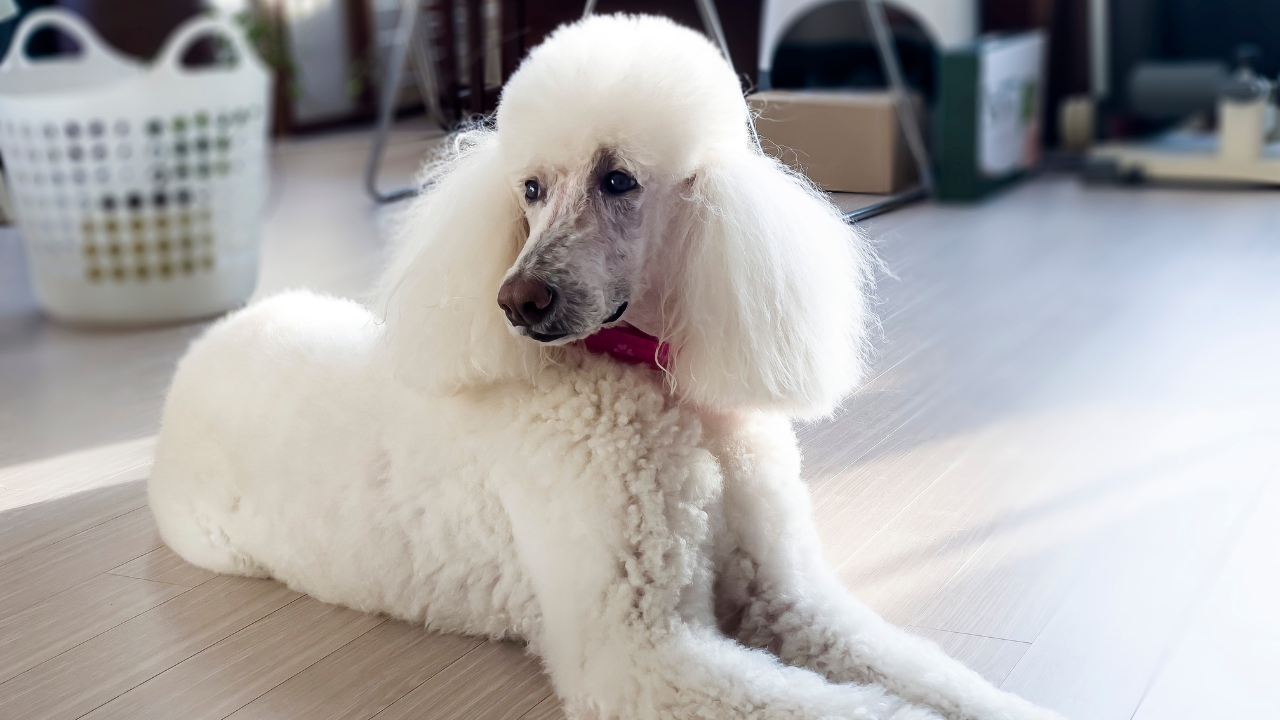
8. Standard Poodle That Reads The Room
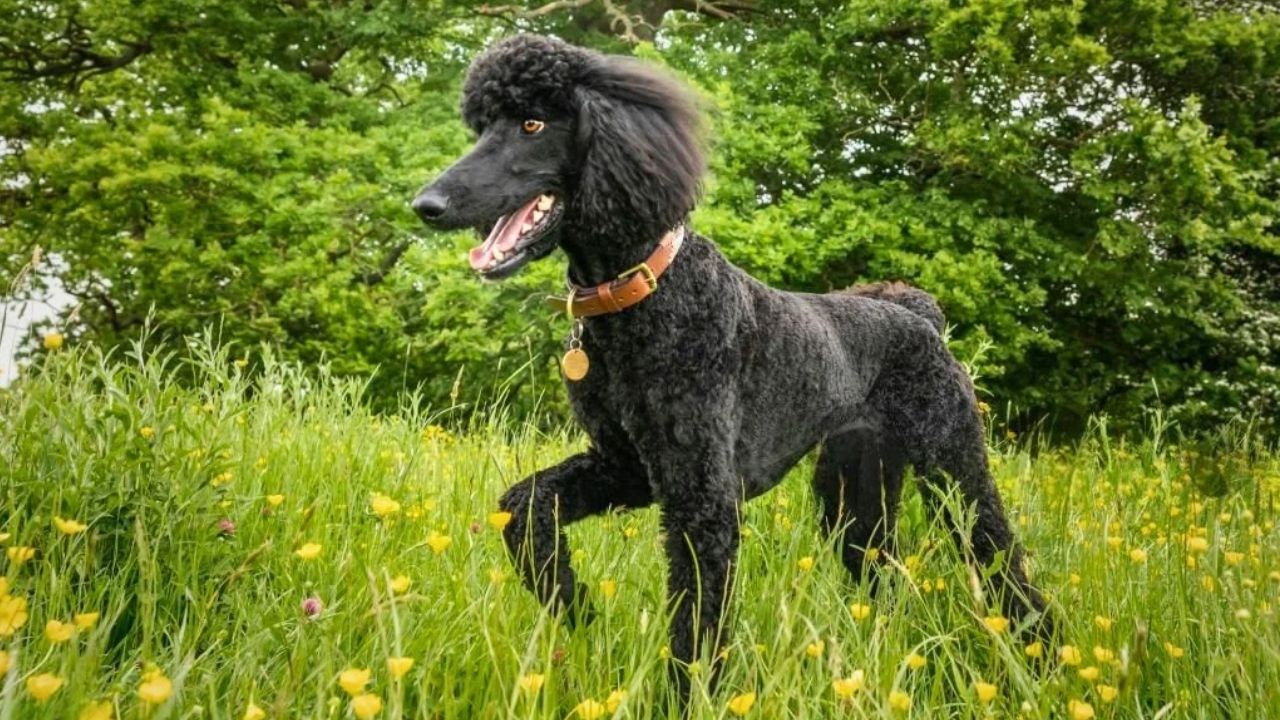
Poodles get labeled “fussy,” and toy poodles can be intense, so people assume the same of standards. A standard poodle is often calm in the house, sharp enough to learn fast, and steady enough to live with when you’re busy. They tend to match your energy, which is handy on a working property.
The trade is grooming. You can keep the coat clipped short and simple, you don’t need fancy cuts, but you do need regular brushing or you’ll end up paying someone to shave out mats. If allergies are part of your household, this is one of the better bets, but no dog is truly zero-allergen.
9. Basset Hound With A Brake Pedal
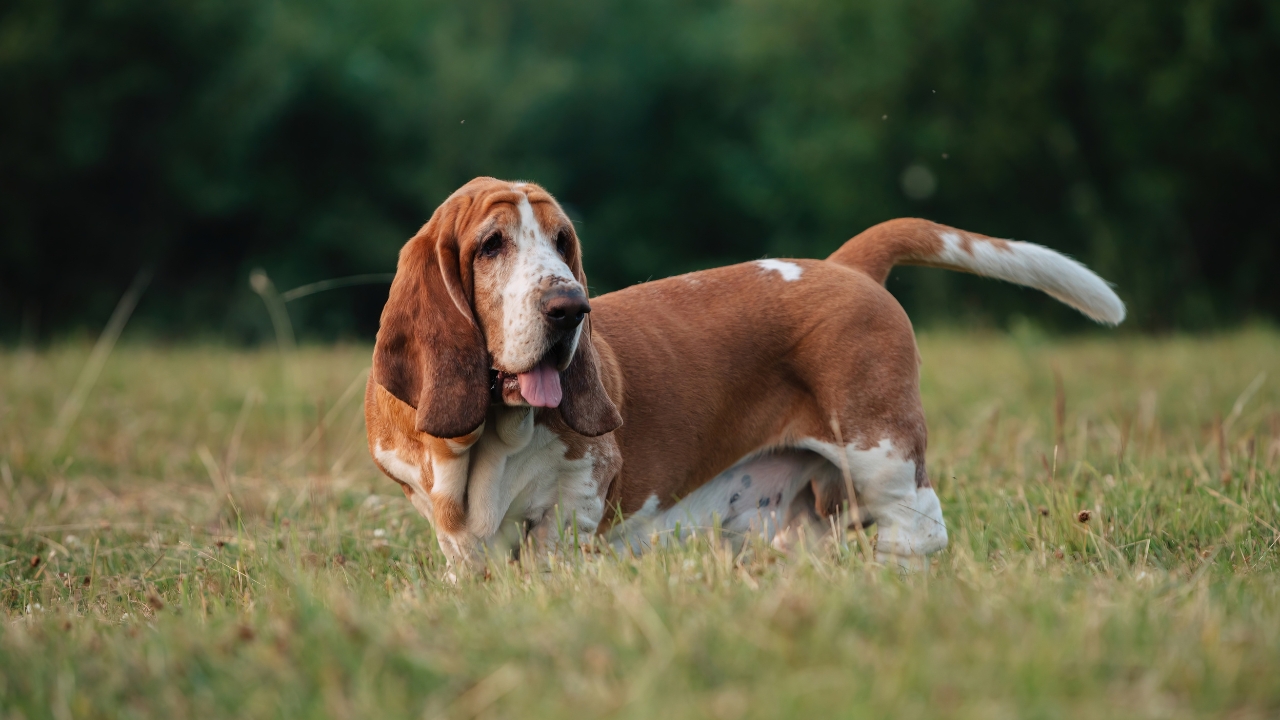
People expect hounds to be loud and nonstop. Bassets are often calm and stubborn, which is a different kind of challenge. They’ll take a slow walk, sniff every inch, then flop down like the job is done.
Here’s the honest exception, the cheap option is sometimes fine. You don’t need fancy agility gear or daily long runs to “tire them out,” because you won’t. What you do need is a good leash and patience, because when their nose locks on, your schedule stops.
10. Saint Bernard That Prefers Shade
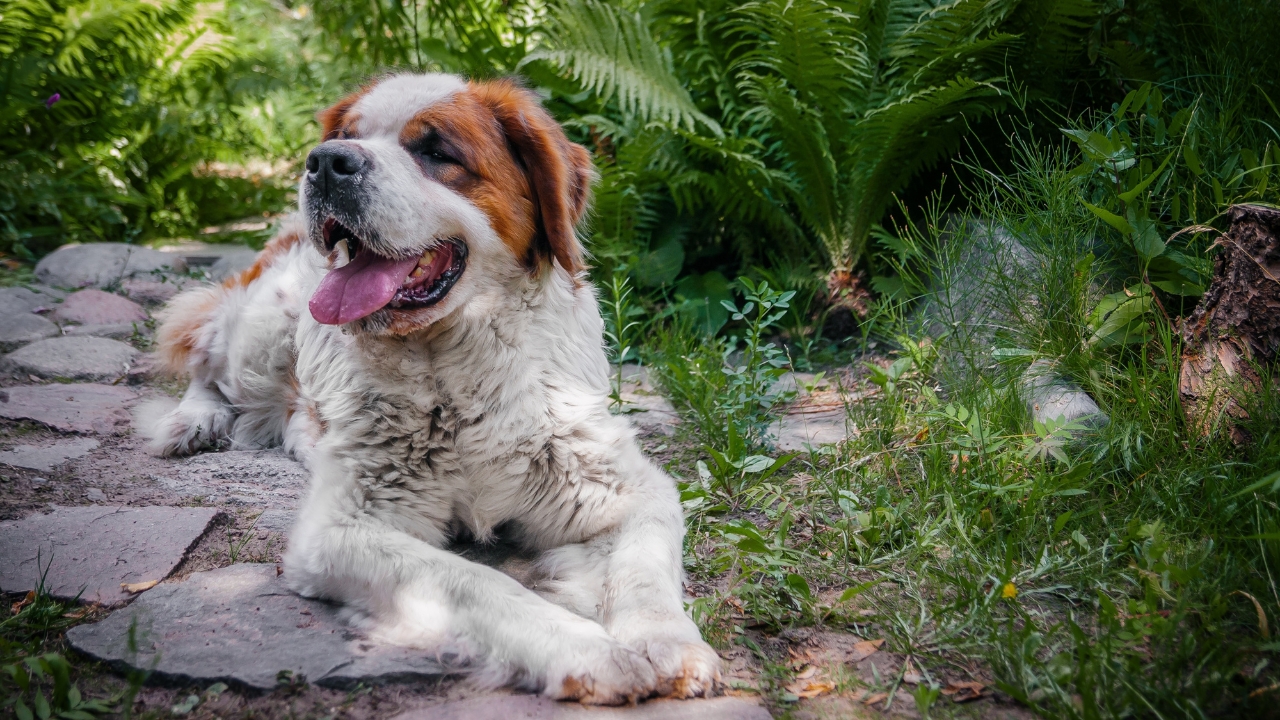
Saint Bernards look like they should be clumsy tornadoes, but many are gentle and low-key. They’re often happy with short outings and a lot of time close to the family. If your idea of a good dog is “present but not frantic,” this breed often delivers.
Manage the season, and the rest gets easier. Heat can hit them hard, so plan morning or evening walks in summer and keep water where they can reach it without fighting steps. Their coat needs brushing, but the bigger issue is space, they sprawl, and they will claim the coolest spot in the house.
11. Irish Wolfhound With A Soft Switch
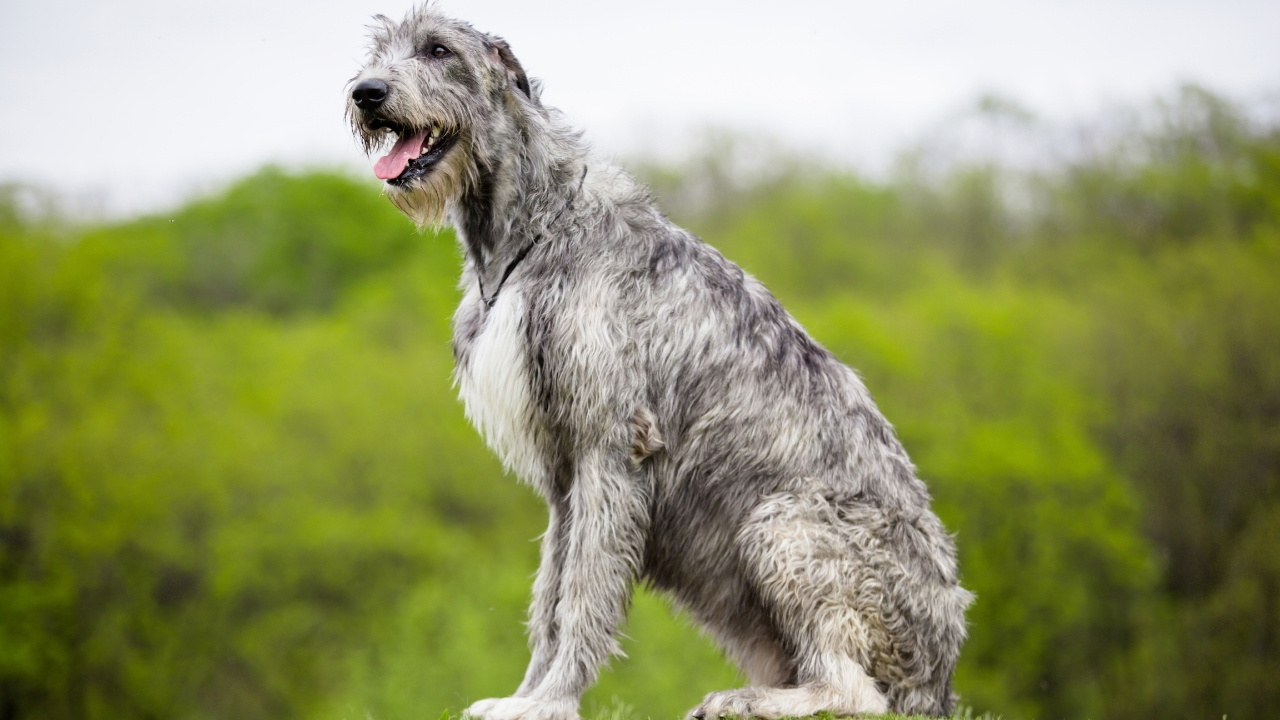
Wolfhounds look like they should roam a hillside all day. In reality, many are quiet indoors and surprisingly gentle, especially once they’ve had a walk and a chance to stretch. They can be sensitive, so a loud, chaotic training style backfires fast.
These dogs grow big and they don’t live forever, so go into it with eyes open. Keep exercise sensible while they’re young and all legs, and talk with your vet about a growth plan that protects joints. You’ll also need a tall fence, because long legs make short work of low barriers when something interesting moves.
12. Tibetan Mastiff That Saves Energy
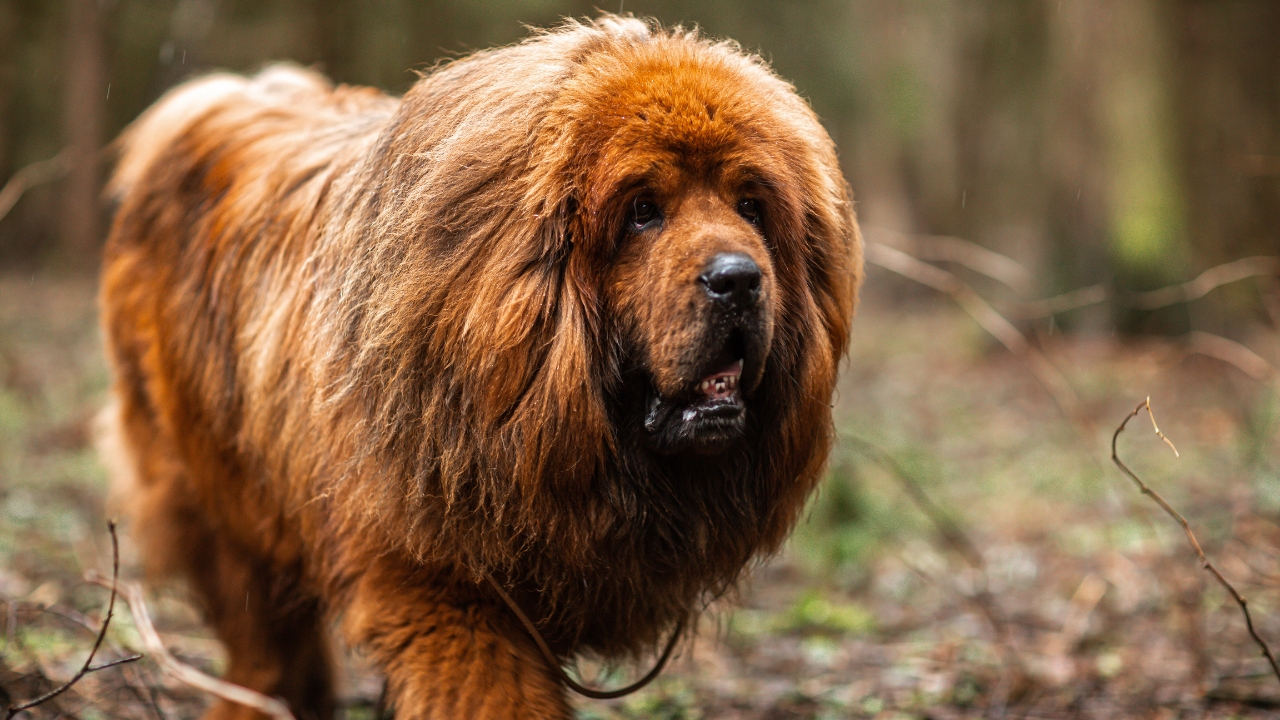
This one surprises people because it looks like a bear and has a reputation for being intense. Tibetan mastiffs are often calm and watchful, not busy, and they don’t tend to do pointless running around. They were built to hold ground and make decisions, which shows up as independence.
The “fix” is not expecting a golden retriever personality. You’ll need solid fencing, consistent rules, and early social time so they don’t decide every visitor is a problem. In some areas, this breed can be a poor fit because of local rules or insurance, so check before you bring one home.
A calm dog still needs training, a routine, and a job that makes sense for its body and brain. If you match the breed to your weather, your space, and how your days actually run, you’ll spend less time fighting behavior and more time enjoying the company.
Like Fix It Homestead’s content? Be sure to follow us.