10 Trees That Cost the Most to Remove Later
Photo credit: ND700/Shutterstock.com
You can plant a tree in an afternoon, then spend years working around it. The trouble shows up later, when roots hit pipes, limbs hang over a roof, or the trunk gets too big for the spot you gave it. Removal prices climb fast when a tree is tall, close to a house, or tangled in wires.
1. Silver Maple Too Close To House
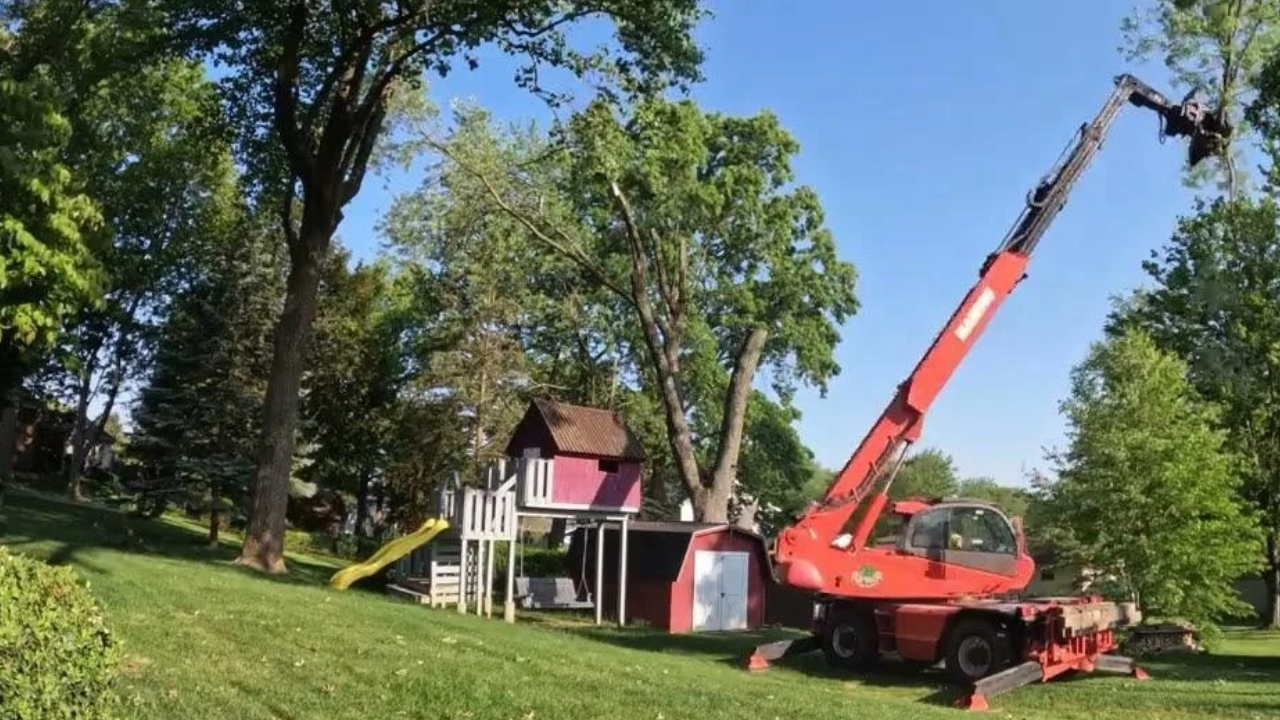
Silver maple grows like it’s trying to win a race. That fast growth means weak wood, heavy limbs, and splits that show up after wind, wet snow, or an ice storm. Once the canopy is over your roof, the removal stops being a simple drop and cut job and turns into slow rigging and piecing it down.
Plant it far from buildings, or pick a slower, sturdier shade tree for tight yards. If you already have one leaning over the house, get it pruned on a schedule while it’s still manageable. Waiting until it starts cracking at the crotches is how you end up paying for emergency work when crews are slammed.
2. Cottonwood In A Wet Ditch Line
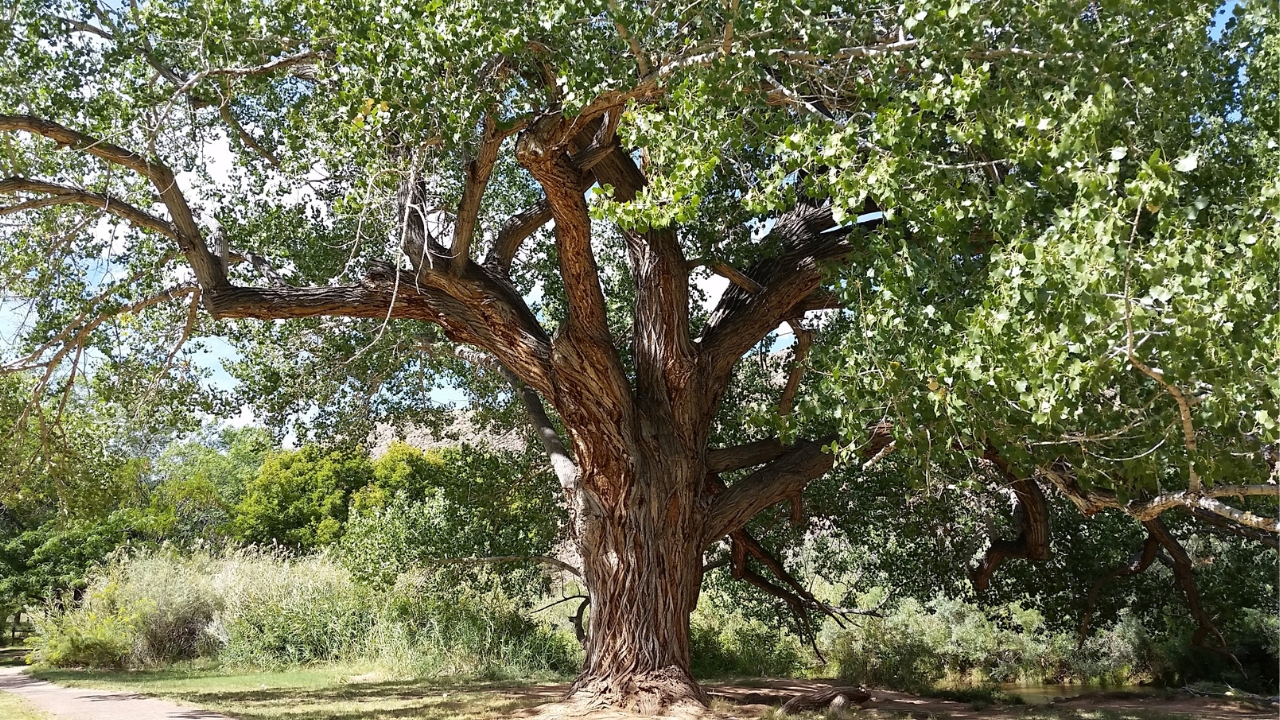
Cottonwood loves water and grows huge. It also sheds branches without much warning, and the fluff clogs gutters, screens, and pond skimmers every spring. When it’s time to take it down, you’re usually dealing with soggy ground that won’t hold heavy equipment without rutting the yard or sinking a truck.
If you need fast cover for a low spot, use willows or native shrubs you can coppice and keep short. If the cottonwood is already there, schedule removal in a dry stretch or when the ground is frozen, and talk through access with the tree company ahead of time.
3. Bradford Pear That Splits In Storms
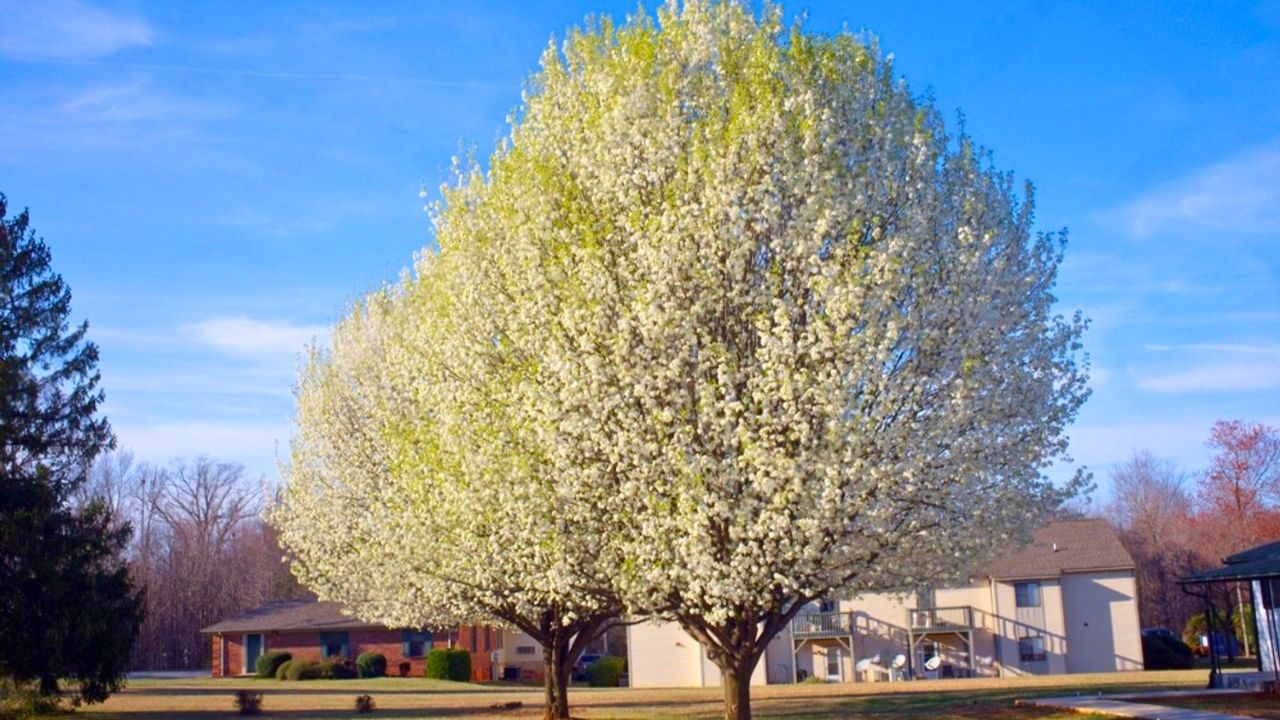
People plant these for quick flowers and quick shade, then the tree starts ripping itself apart. The branch angles trap bark, the trunk forks, and one thunderstorm can peel off half the canopy. After that, removal costs more because the tree is unstable and hard to climb safely.
Don’t “just trim it up” every few years and hope. If it’s near a driveway, fence, or power drop to the house, plan a controlled removal before it fails. Replace it with something that keeps a strong central leader and doesn’t shed limbs like kindling.
4. Willow Over Septic And Drain Fields

Willows are thirsty, aggressive, and relentless about chasing moisture. When one gets established near a septic tank, distribution box, or drain field, the roots don’t politely stop at the edge. You can end up paying for tree removal and then paying again when plumbing backs up or the field gets compromised.
Keep willows and poplars well away from any buried wastewater parts. If the tree is already in the wrong place, don’t grind the stump and call it done. Talk to a septic pro about where the lines run, then have the stump treated or excavated as allowed locally, because the regrowth can be just as bad as the original tree.
5. Black Walnut Crowding A Fence Line

Black walnut is a great tree in the right spot. In the wrong spot, it becomes a slow, expensive headache because it gets massive and drops heavy limbs that bust fences, sheds, and mower decks. It also stains everything, and the nuts turn a simple mow into a flying projectiles situation.
The sneaky cost comes at removal time: dense hardwood, big trunk, and a crown that often leans toward the light, which is usually your neighbor’s yard. If you keep it, get a real arborist to thin and weight-balance the canopy early, not after the fence is already bowed.
6. Pine Towering Above The Roofline
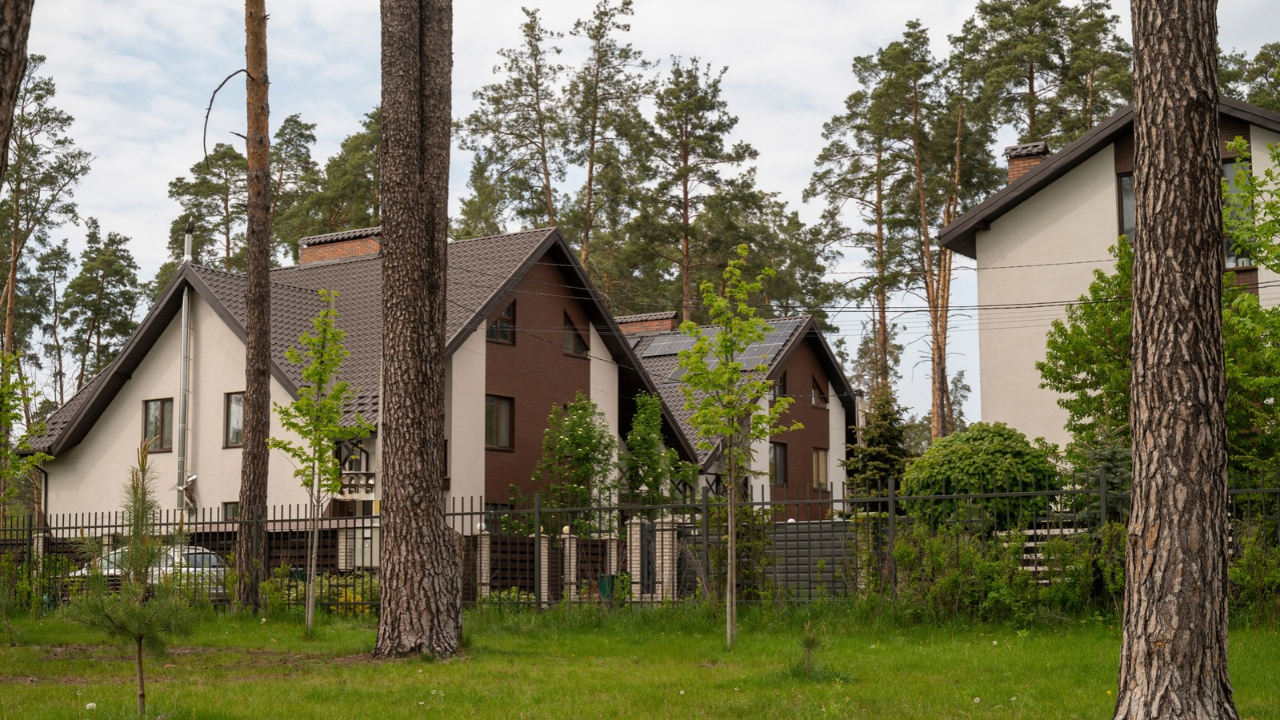
Pines don’t look threatening until they’re tall enough to hit the house from where they stand. Then one windy night you hear that slow creak, and you don’t sleep. Taking down a tall pine near a roof is specialized work, and you pay for the climber’s time, the rigging, and the cleanup of sticky limbs that don’t chip nicely.
Shorter is cheaper. If pines are getting ahead of you, thin them while trunks are still a reasonable diameter and you can drop them into an open area. If they’re within striking distance of the house or they’re dead-topped, hire it out. This is not a “rent a chainsaw” job.
7. Eucalyptus That Drops Limbs Suddenly
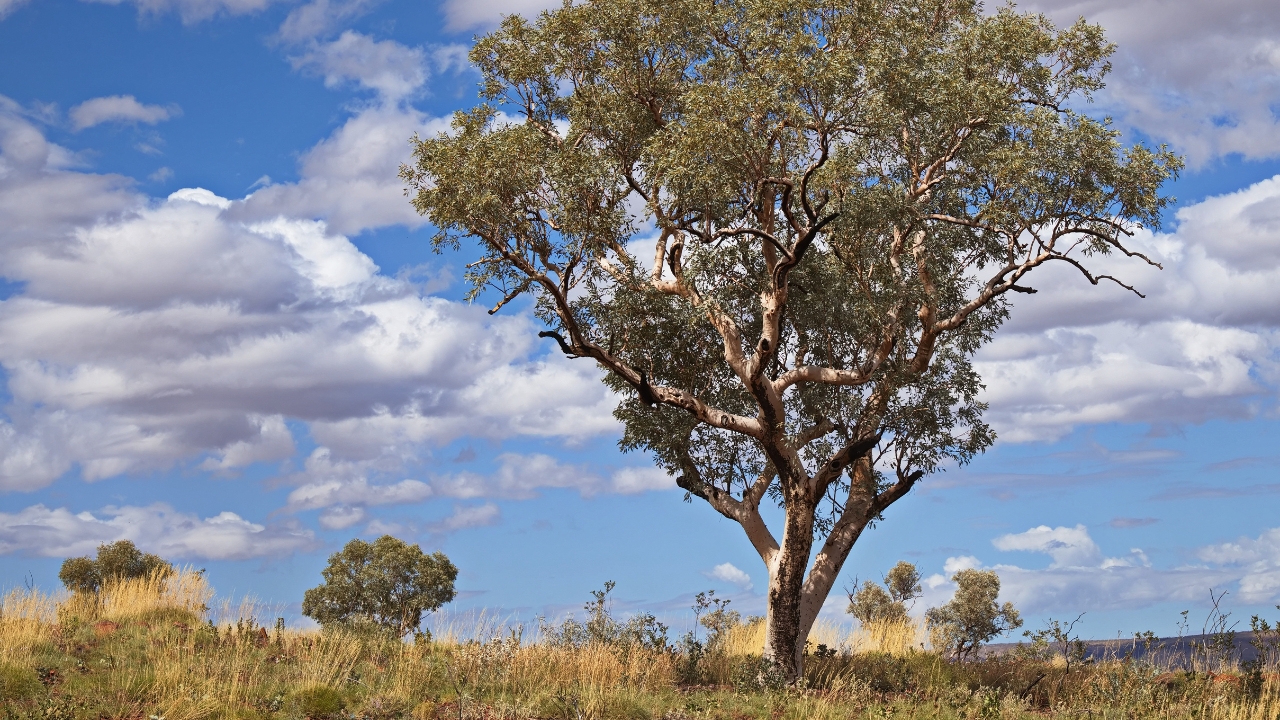
In warmer areas, eucalyptus can grow fast and get tall, and the wood can be brittle. Limbs can shed in heat, wind, or after a sudden cold snap, and they don’t always give warning. Removal gets pricey because the drop zone is rarely clean, and the crew has to control every piece.
There’s an exception here: if it’s a smaller eucalyptus in an open field, with room to fell it clean, removal can be straightforward. The problem trees are the ones planted as “privacy screens” right along patios, driveways, and outbuildings. If yours is close to structures, schedule maintenance before the canopy gets out of reach.
8. Multi Trunk Cedar In A Tight Corner
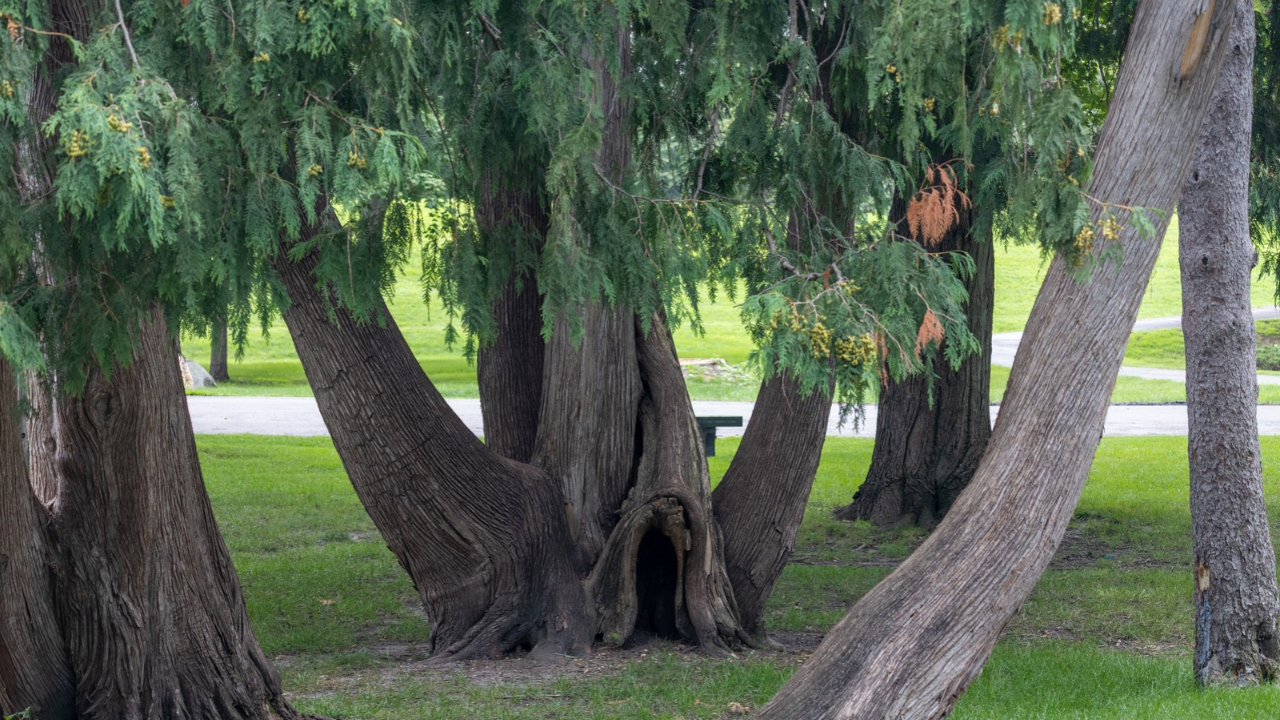
Cedars and junipers get planted as cheap privacy, then they swell into thick, multi-trunk monsters jammed between a fence and the house. They’re hard to climb, hard to rig, and miserable to drag out. If there’s no access for a bucket truck, you’ll pay for slow labor and careful lowering.
If you want evergreen screen, give it space and pick a plant that stays narrower. For existing overgrown cedars, don’t wait until the lower branches die and the trunks start leaning. Removing two medium trees is often cheaper than removing one giant wall of green that has grown into the gutter.
9. Osage Orange Full Of Thorns
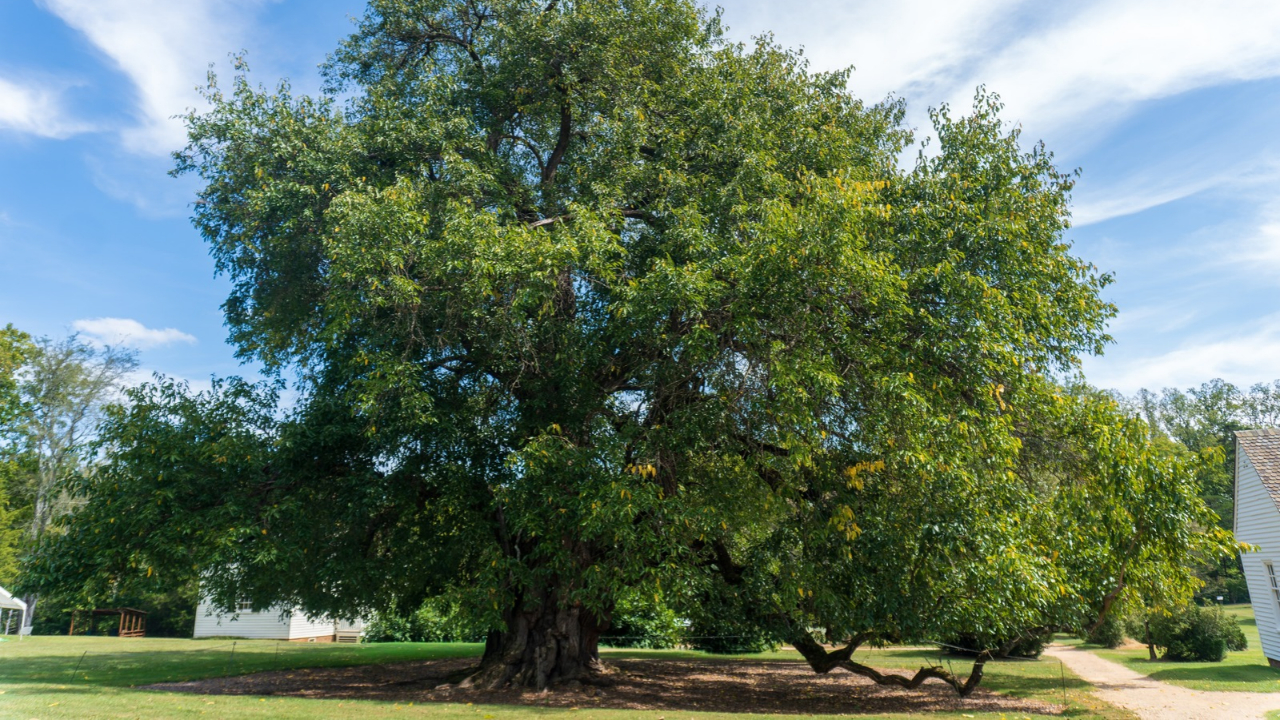
This one catches people off guard. Osage orange can be tough as nails, and the thorns turn cleanup into a glove-shredding mess. When you try to buck it up, it’s heavy, stringy, and hard on chains, which means more sharpening and more time.
If you have it as a hedge or old fencerow tree, take it out in sections over a season instead of letting it become a single huge removal. Wear real eye protection and thick gloves, and plan how you’ll dispose of thorny brush before you start cutting.
10. Spruce Packed With Hidden Deadwood
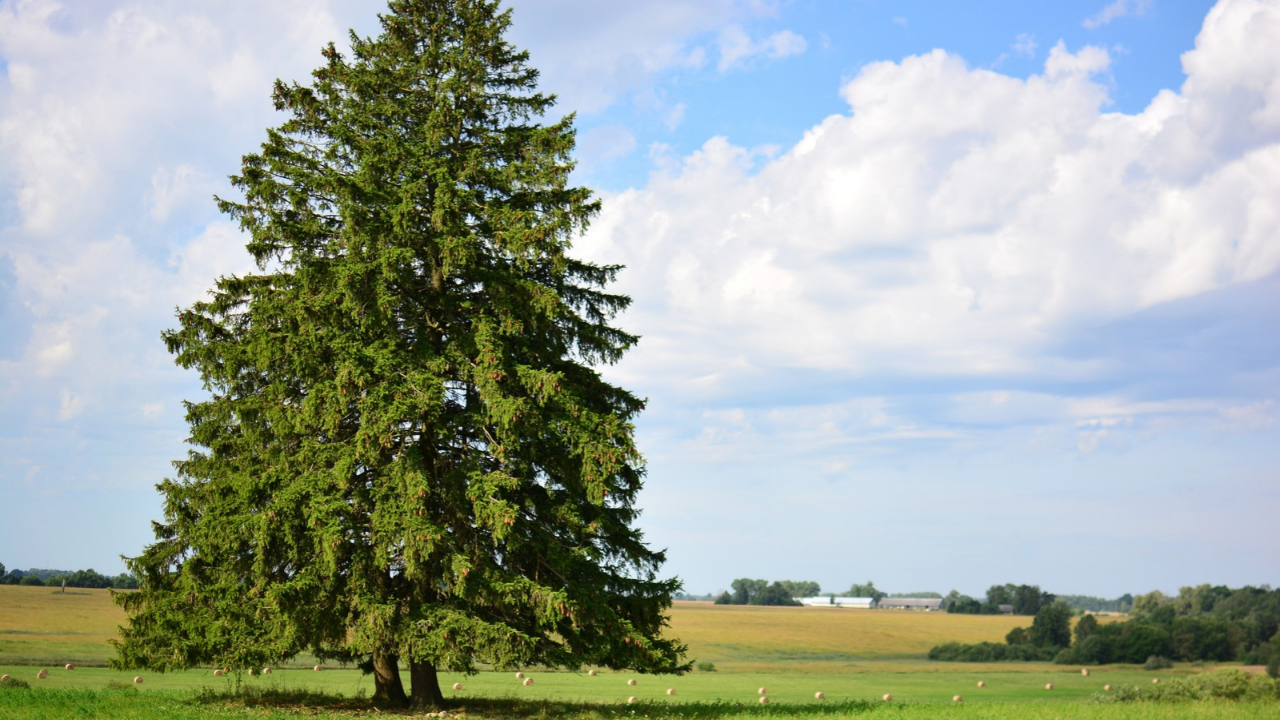
A big spruce can look fine from the road, then you get underneath and see a lot of dead interior branches. Those dead sticks snap when you climb or rig, and they can drop on roofs, cars, and people during takedown. That changes the job from routine to careful and slow.
Spruce also tends to be planted right where you don’t want a massive tree later, near the corner of the house for “winter windbreak.” If yours is outgrowing the spot, remove it before it’s taller than the roof and before access gets blocked by decks, patios, and landscaping you actually like.
If a tree is already too close to a structure or utility line, start with a good assessment, not guesswork. Call 811 before any digging for roots or new plantings, and don’t assume you know where lines run. For removals near power, buildings, or septic systems, paying a qualified pro is usually cheaper than fixing what a bad drop breaks.
Like Fix It Homestead’s content? Be sure to follow us.