10 Ways People Accidentally Feed Wildlife All Winter
Photo credit: Jeiel Shamblee/Shutterstock.com
Winter turns small mistakes into steady snacks. A little spilled seed, a warm compost pile, or one loose shed door can feed wildlife for months without you meaning to. Once animals learn your place is an easy stop, they keep coming, and they bring friends.
1. Spilling Birdseed Under The Feeder
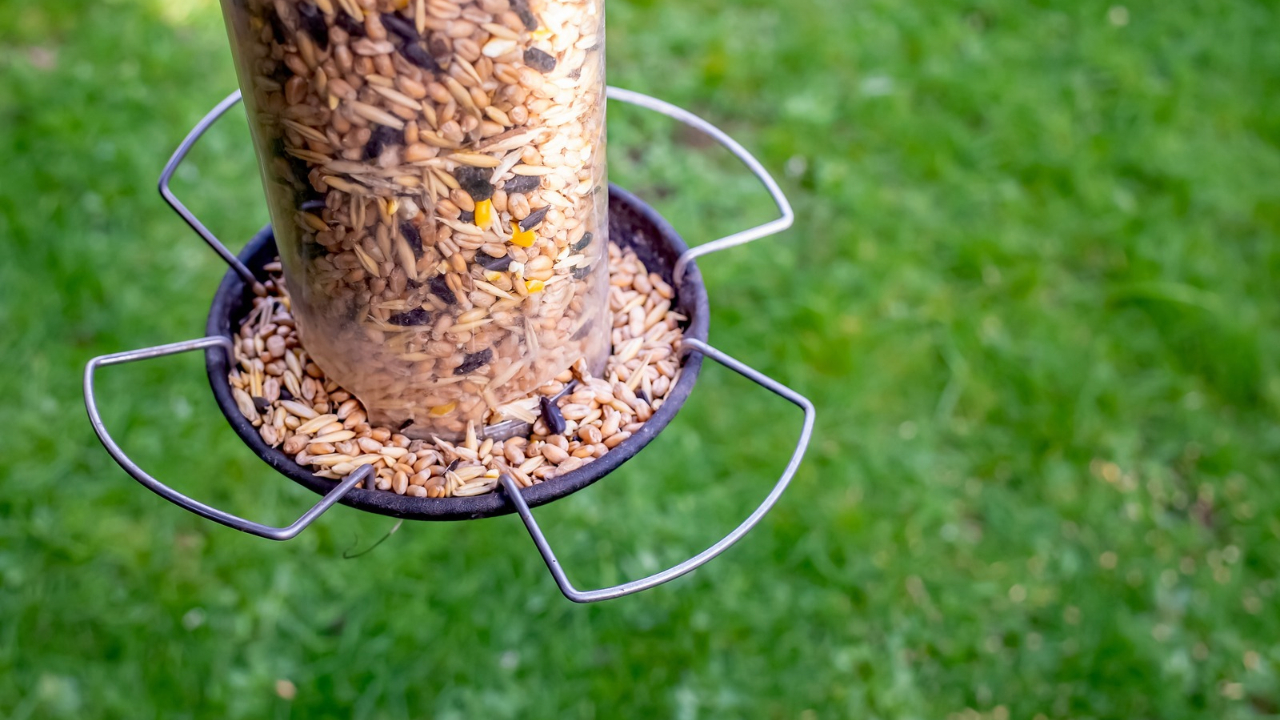
You fill the feeder, you top it off again, and the ground below turns into a cafeteria. Wind, messy birds, and a little overfilling drops a constant sprinkle of seed that squirrels, mice, and rats find fast. If you hear scratching under the deck or see little tracks in the snow under the feeder, that’s usually why.
Put a tray under the feeder or switch to a feeder style that catches hulls and spills. Rake or shovel the area every few days, especially before a snow. If you want to keep feeding songbirds, move the feeder away from the house, at least 10 to 15 feet out, so the cleanup zone isn’t right against your foundation.
2. Leaving Pet Food On The Porch
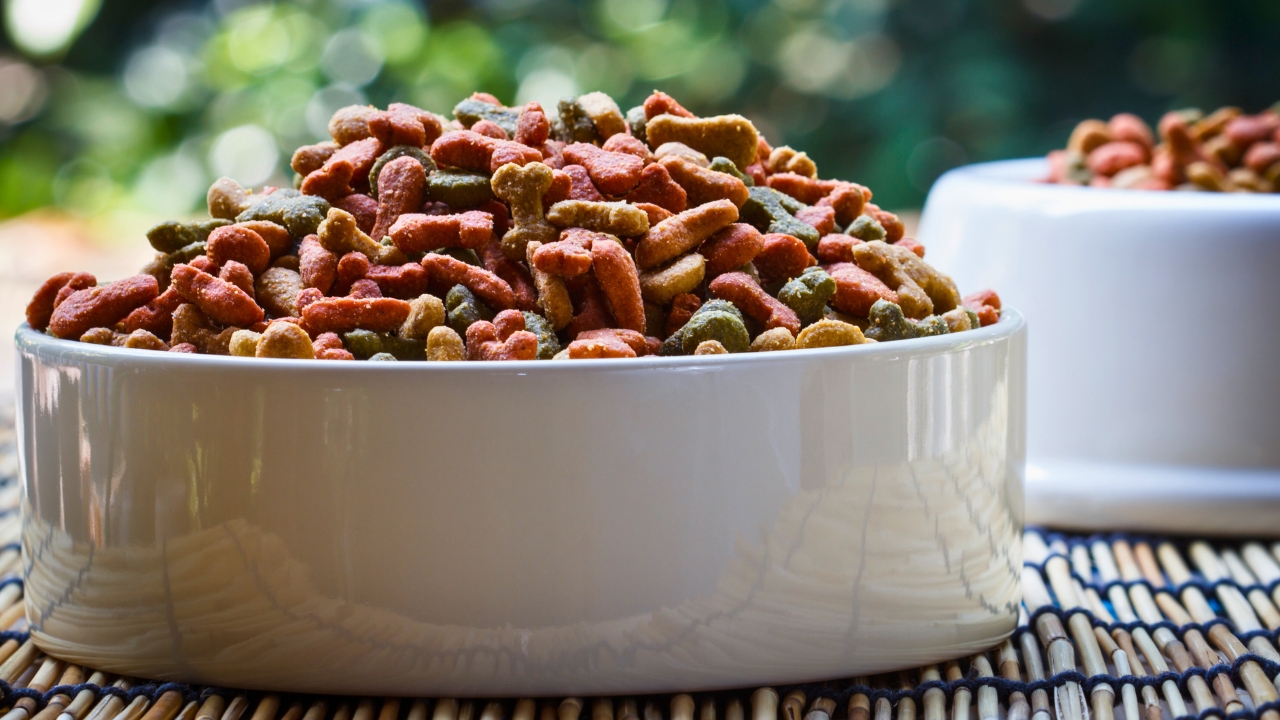
Outside bowls are an open invite, and winter makes them even more attractive. Kibble doesn’t freeze solid right away, and the smell carries. Raccoons, skunks, and foxes will work a porch like it’s their job, and once they’re comfortable, they’ll start checking doors and pet entrances too.
Feed pets indoors, or stay outside with them and pick the bowl up as soon as they’re done. Store kibble in a sealed metal can with a tight lid, not the original bag in the mudroom. If you have a barn cat, bring food out at set times and remove leftovers, don’t free feed all night.
3. Tossing Kitchen Scraps Into Open Compost
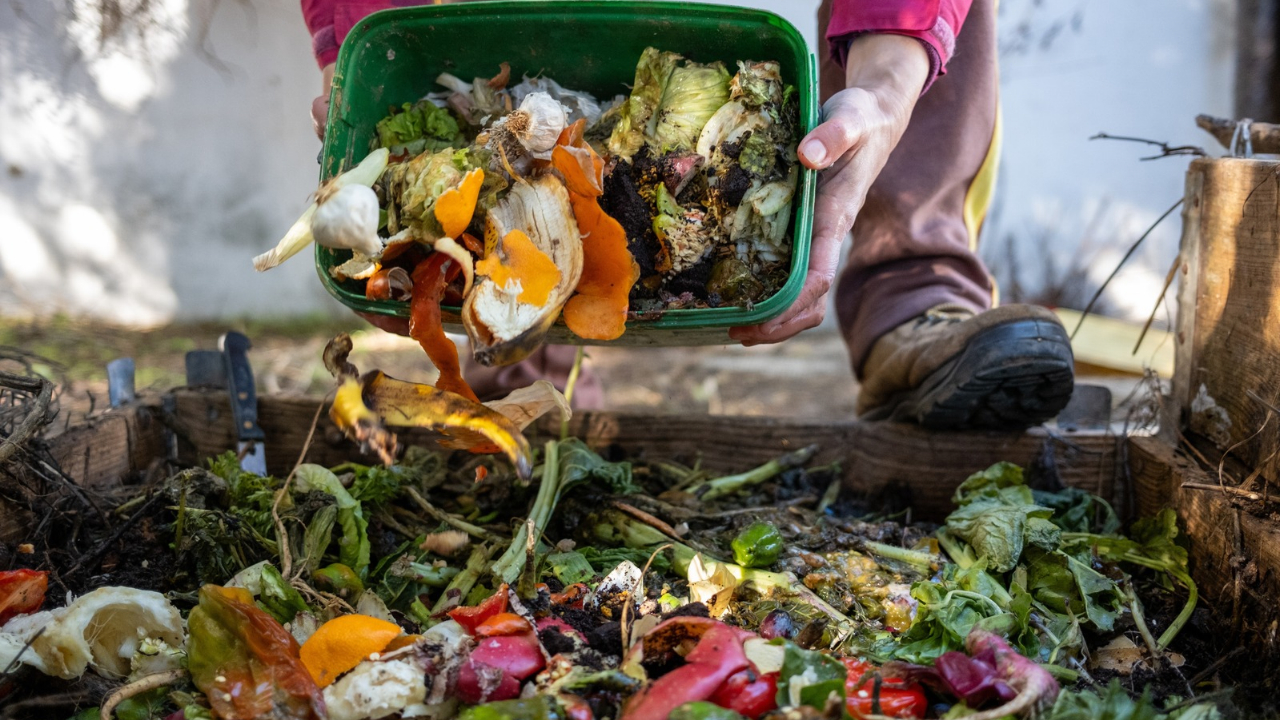
An uncovered compost pile that gets fresh food scraps all winter is a reliable buffet. Even if the top freezes, animals dig into the warm middle, and they will keep tunneling until the whole pile is turned into a den. You’ll notice it when the pile looks “fluffed” after a snow or you find peels and eggshells scattered around.
Use a lidded bin, a tumbler, or at least a pallet bay with a secured cover. Bury scraps deep, then cap with leaves, finished compost, or wood chips. If bears are part of your area, skip meat, grease, and sweet scraps entirely and talk to your county office about what’s recommended locally.
4. Letting Suet Cages Hang Too Low
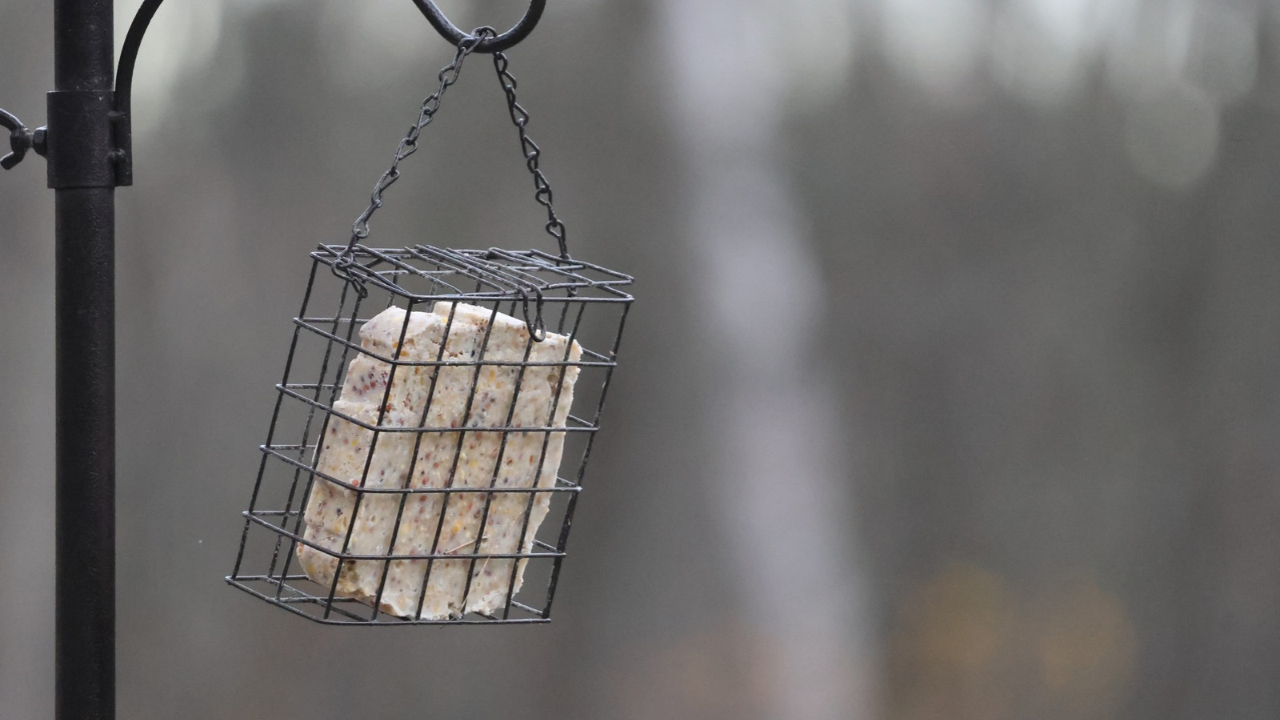
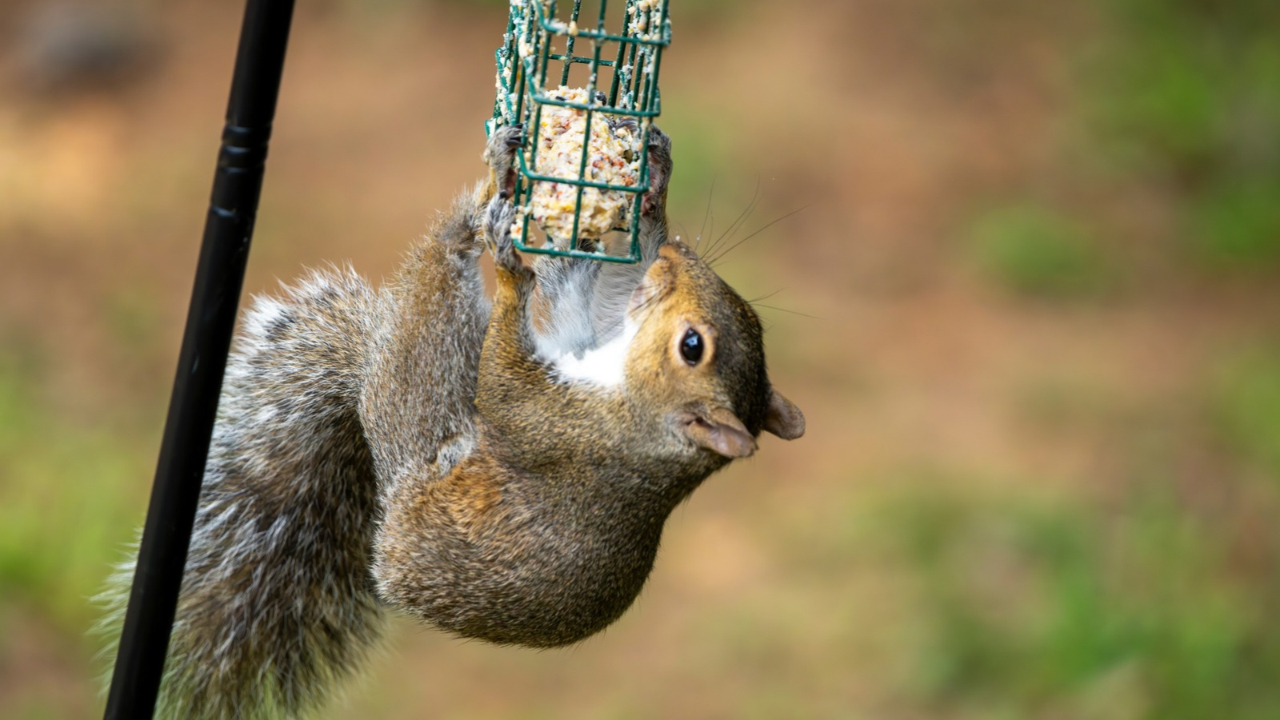
Suet is basically winter candy. When it’s hung low or near a railing, squirrels can clean it out, and bigger animals can get interested too. You’ll start wondering why you’re buying suet blocks so often, and why there are greasy smears on posts or siding.
Hang suet high and away from launch points, or use a pole with a baffle. If your goal is woodpeckers, place it on a tree trunk mount up high, not on the deck where everything can reach it. An honest exception, in deep cold when natural food is scarce, suet can help birds a lot, just control access so you’re not feeding the whole neighborhood.
5. Storing Trash Cans Without A Locked Lid
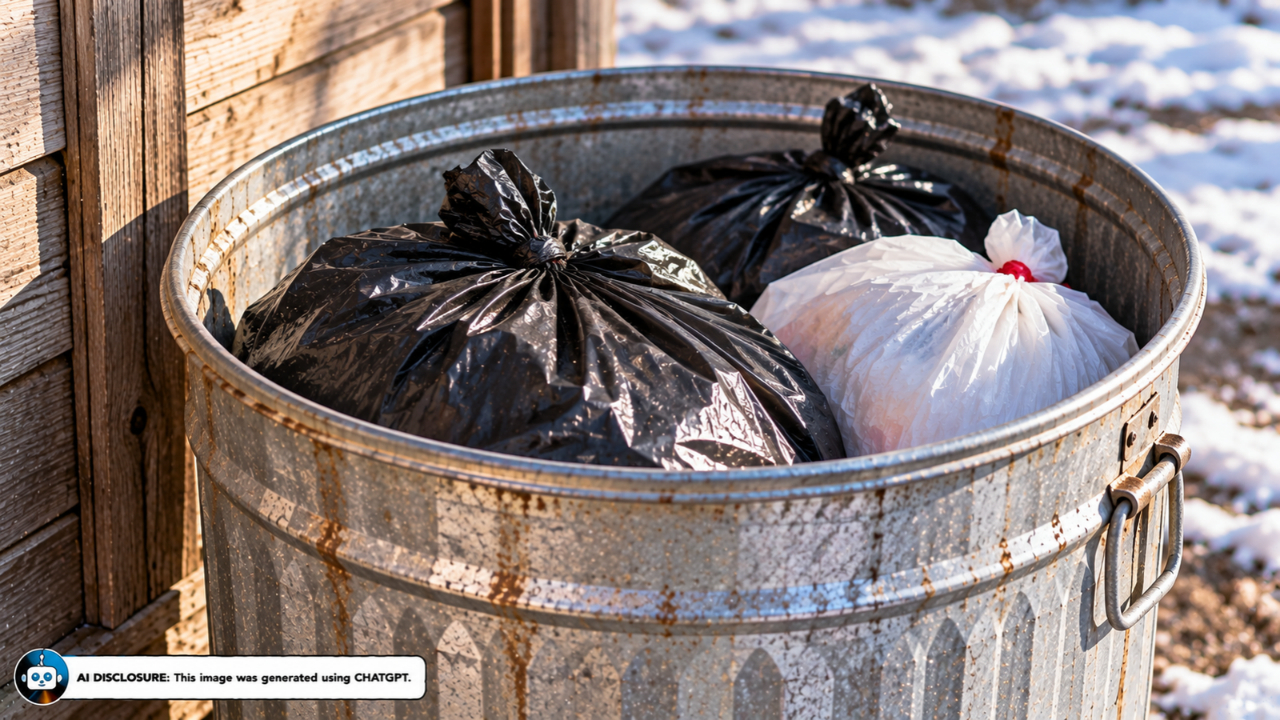
Trash is food, even when you swear there’s nothing “good” in there. Frozen nights don’t stop raccoons from working a lid, and a tipped can spreads scraps that get buried in snow and found later. If you wake up to trash confetti down the driveway, you’re feeding wildlife all season.
Use cans with latching lids, add a bungee if you have to, and keep cans in a garage or shed until pickup morning. Rinse food containers before they go in the bin so the smell stays low. If you’re rural and haul your own, don’t stockpile a month’s worth of bags outside just because it’s cold out.
6. Piling Pumpkins And Apples By The Fence
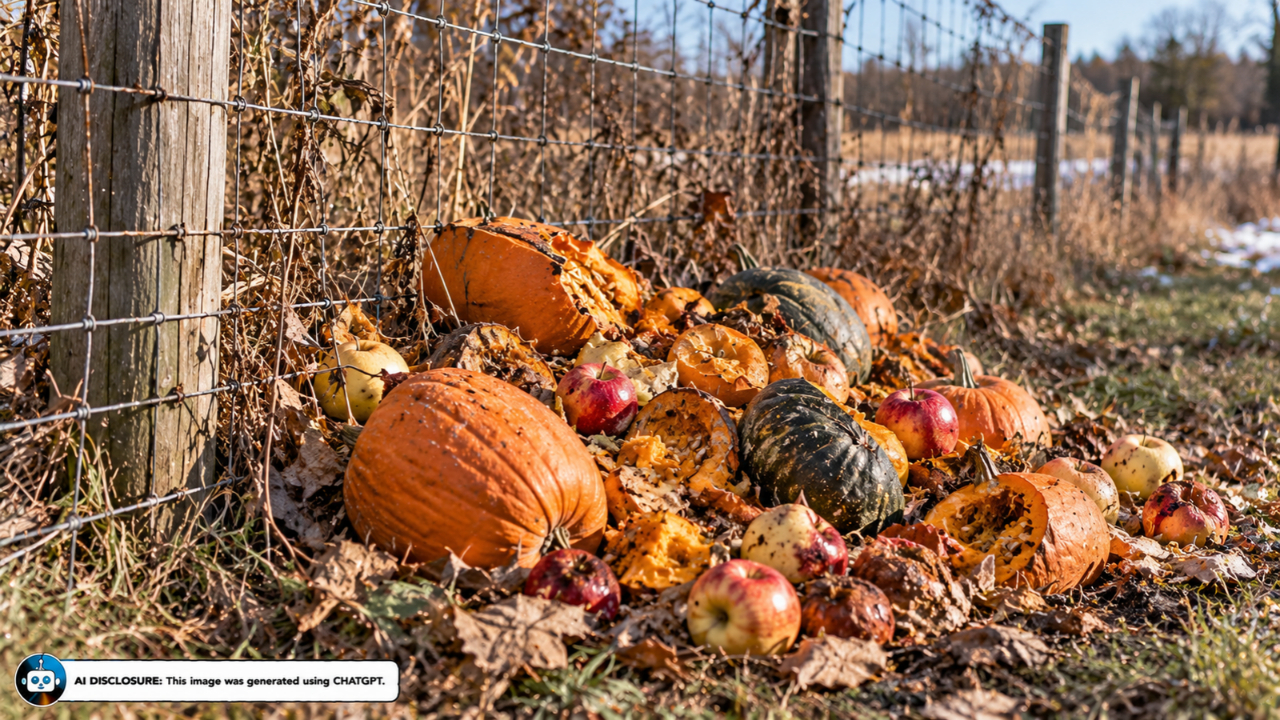
Fall cleanups turn into winter feeding stations when pumpkins, dropped apples, and squash get tossed “out back.” Deer, turkeys, and rodents will work that pile for weeks. Then it ferments, gets sloppy, and you’ve trained animals to check that spot daily.
Haul it to a secured compost system, bury it, or bag it for green waste pickup if you have it. If you want to leave something out for wildlife on purpose, do it away from buildings and do it in a way that doesn’t pull animals into traffic or right up to your house. Your fence line is usually the worst place.
7. Forgetting About Spilled Livestock Feed
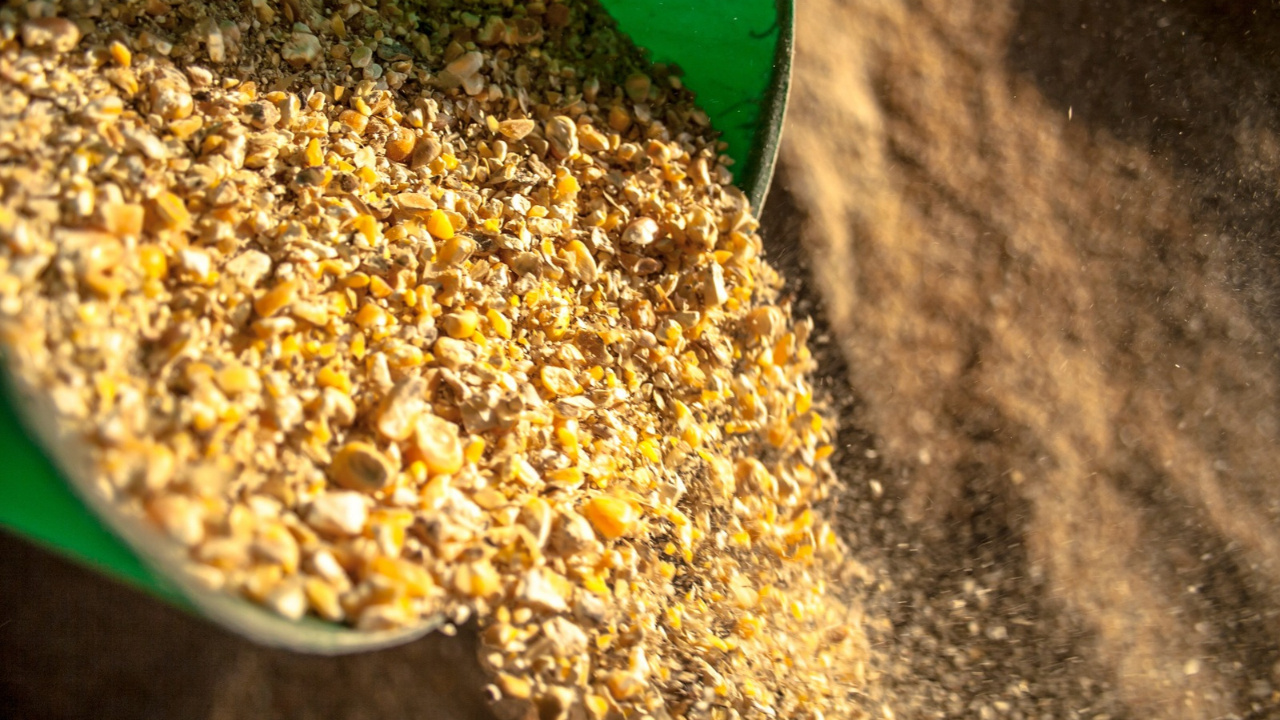
Chickens and goats are messy eaters, and winter makes cleanup feel optional. That spilled layer crumble under the feeder stays edible under a crust of snow, and mice will tunnel to it like it’s a pantry. Once the rodents show up, predators follow, and then you’re dealing with weasels, foxes, and owls around your coop.
Switch to a feeder style that limits scratching and tossing, and sweep up daily. Keep feed in metal cans with tight lids, not stacked bags in a corner where rodents can chew in. If you’re seeing droppings or gnaw marks, set traps in protected boxes where pets and livestock can’t reach, or hire a pest pro if it’s out of hand.
8. Leaving Grill Grease And Drippings Outside
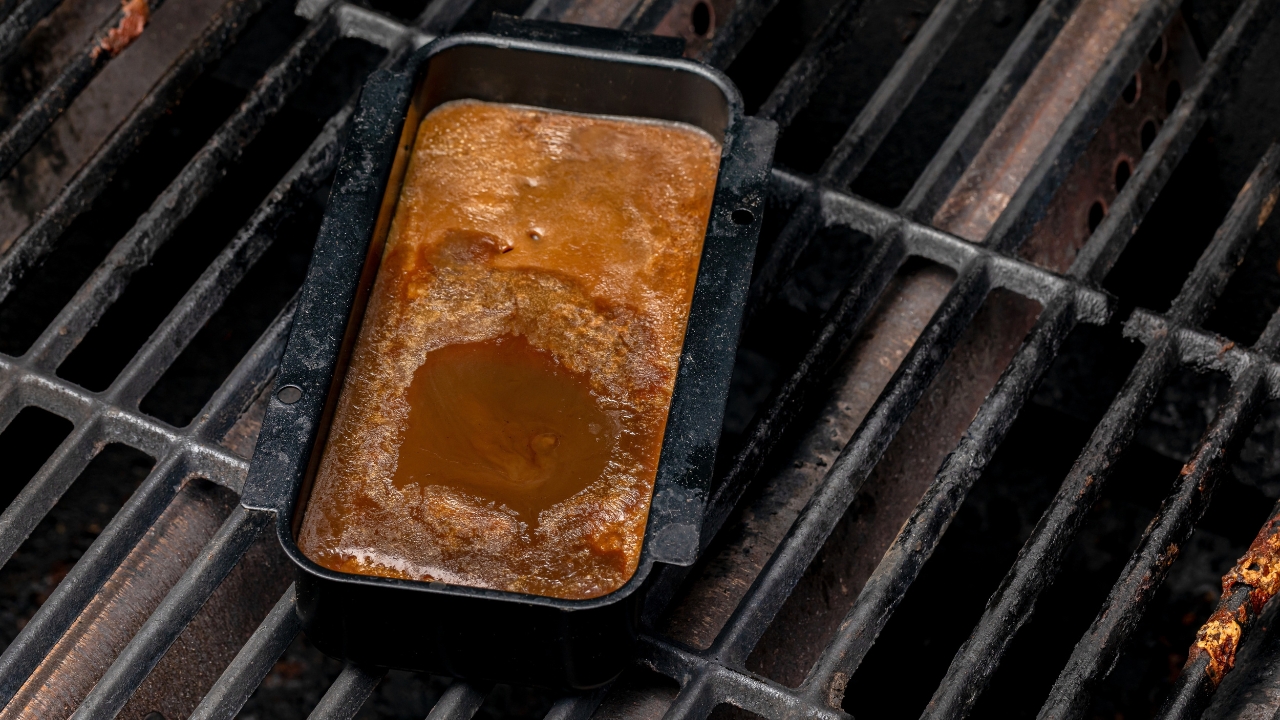
That drip tray under the grill is a winter magnet. Grease doesn’t need to be fresh to smell strong, and animals will lick, chew, and tip a grill to get at it. This is one of the ways people end up with claw marks on lids, torn covers, and a grill knocked into the snow.
Scrape grates, empty the grease cup, and bag the drippings before trash day. Store the grill in a shed if wildlife pressure is heavy, or at least use a hard cover and keep the grease area clean. If you grill all winter, keep a small metal can for cooled grease so it isn’t sitting out night after night.
9. Using Salt And Seed For “Safe” Walkways
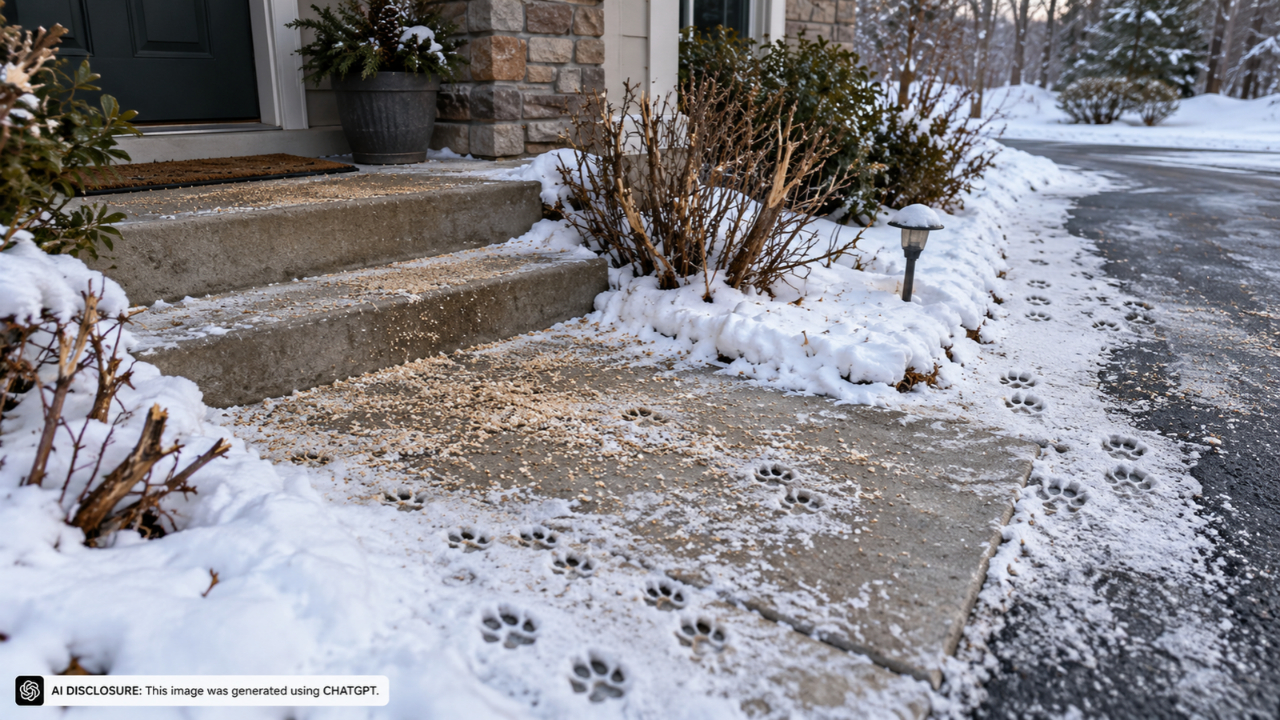
Some ice melt blends include urea or other additives that smell interesting to animals, and sand mixes sometimes get tossed with birdseed by well-meaning folks. Now you’ve got deer and rabbits licking your steps or pecking at your driveway edges, right where you don’t want them. You’ll see it as paw prints clustered around entryways and chewed-down shrubs nearby.
Use plain sand or grit without food mixed in, and store it in a sealed bin. If you need de-icer, pick one meant for pets and follow the label so you’re not dumping extra. Shovel early, before people pack snow into ice, and you won’t need as much product in the first place.
10. Keeping Bird Feed And Seed Bags In Sheds
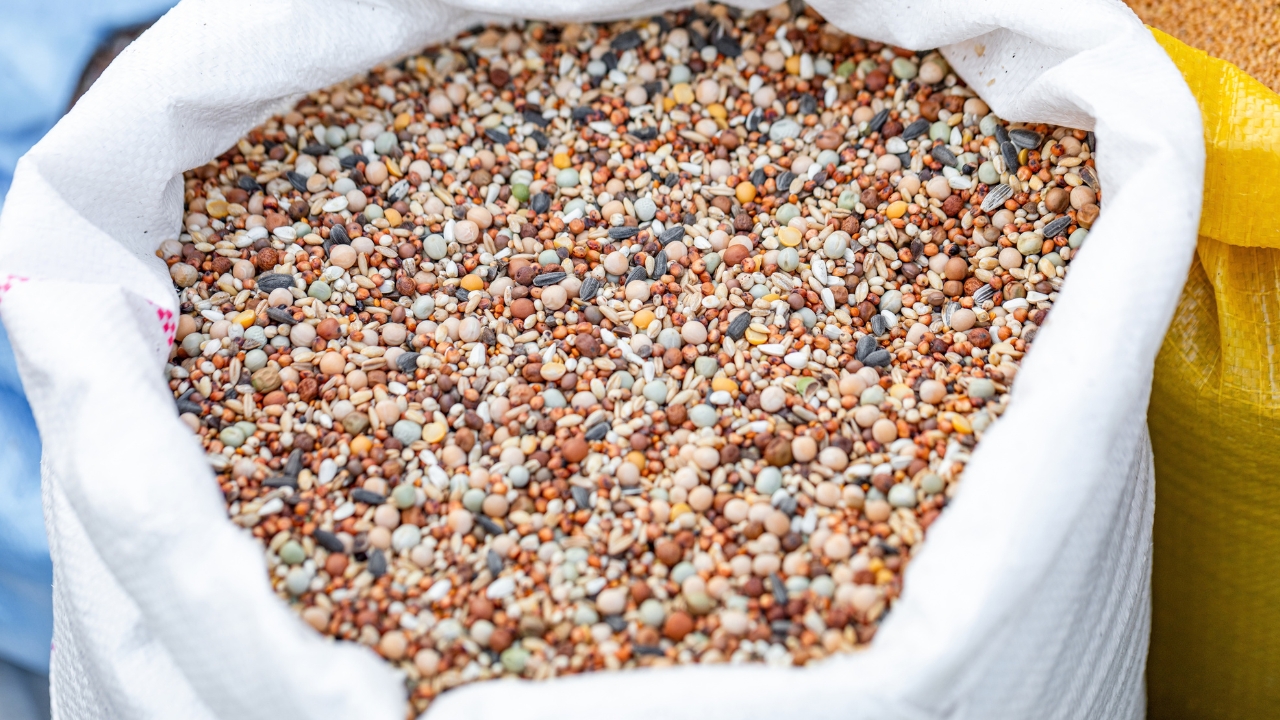
Seed stored in a cold shed feels safe because it’s “not in the house.” To rodents, it’s a heated restaurant with bedding nearby. They chew through bags, spread hulls, and then move into wall cavities when the weather gets rough.
Store seed in hard containers with tight lids, metal if you can. Don’t stack containers right against the wall, leave space so you can spot droppings and gnawing early. If you already have mice in the shed, clean everything up first, then seal gaps with hardware cloth and repair rotten door sweeps so you’re not refilling the same problem all winter.
You don’t have to make your place wildlife-proof, just stop the easy calories. A couple of tighter lids, quicker cleanup, and smarter storage usually calms things down within a few weeks, and it saves you from bigger repairs come spring.
Like Fix It Homestead’s content? Be sure to follow us.