10 Ways People Lose Chickens in the Fall
Photo credit: OMfotovideocontent/Shutterstock.com
Fall is the season where your chicken setup looks fine right up until it doesn’t. Predators get bolder, nights get longer, and small gaps turn into open doors. A lot of losses happen fast, and most of them come from the same few habits that slip in when you’re busy with harvest and winter prep.
1. Forgetting To Close The Coop Door
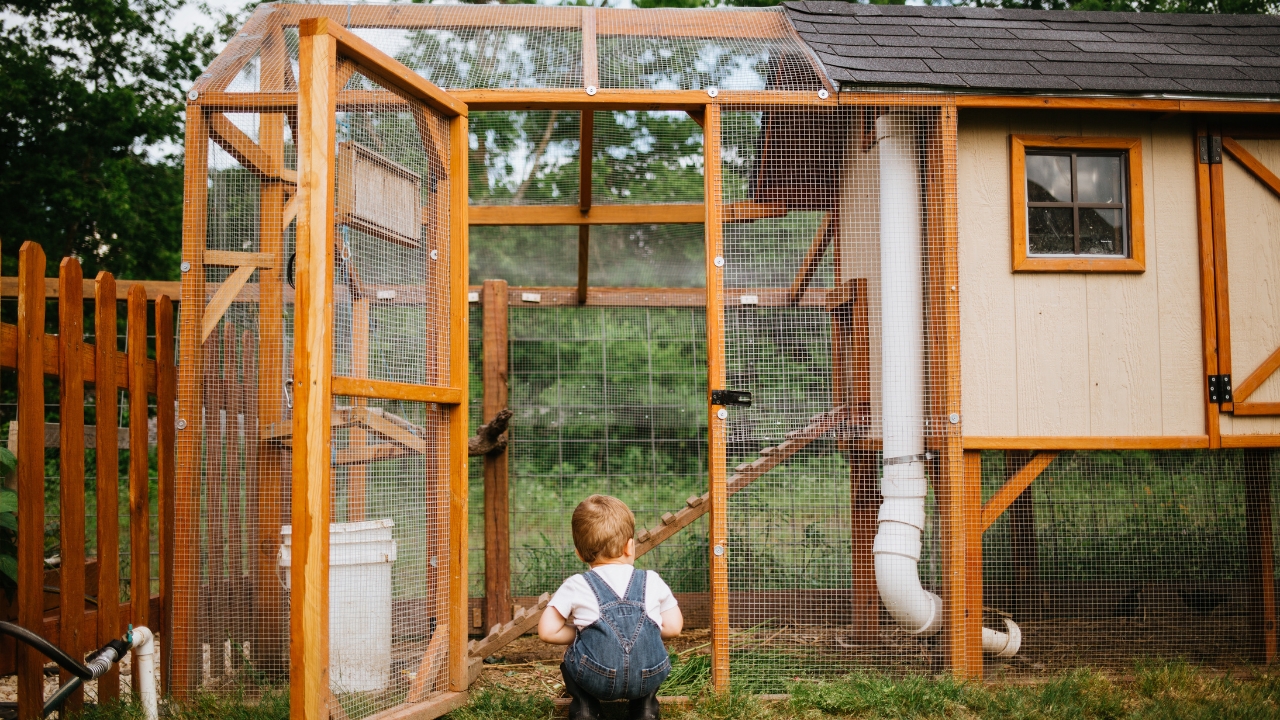
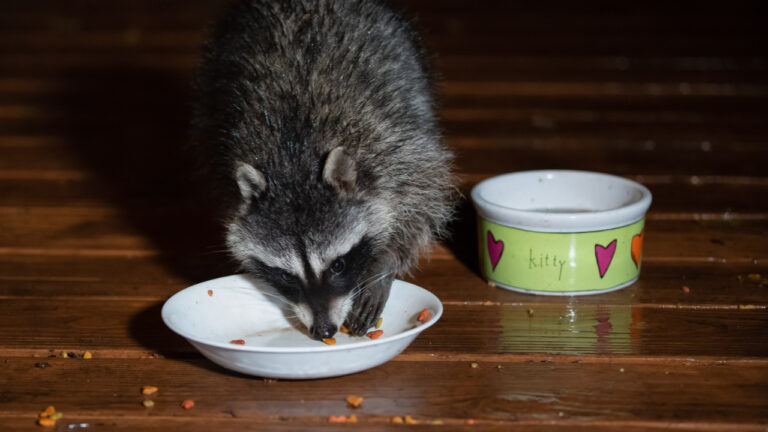
You get home late, it’s already dusk, and you assume the birds put themselves to bed. Then a raccoon, opossum, or neighborhood dog finds an open pop door and does what it does. This is the classic fall loss because darkness comes earlier and the routine changes before your brain catches up.
Put the door on a non-negotiable trigger, like “shut it before dinner” or “shut it when the porch light comes on.” An automatic coop door can be a solid tool if it’s installed well and kept clean, but it’s not magic. Check it after the first cold snap, because sticky mud and swollen wood tracks are how “automatic” turns into “stuck open.”
2. Leaving Summer Hardware Cloth Repairs Unfixed
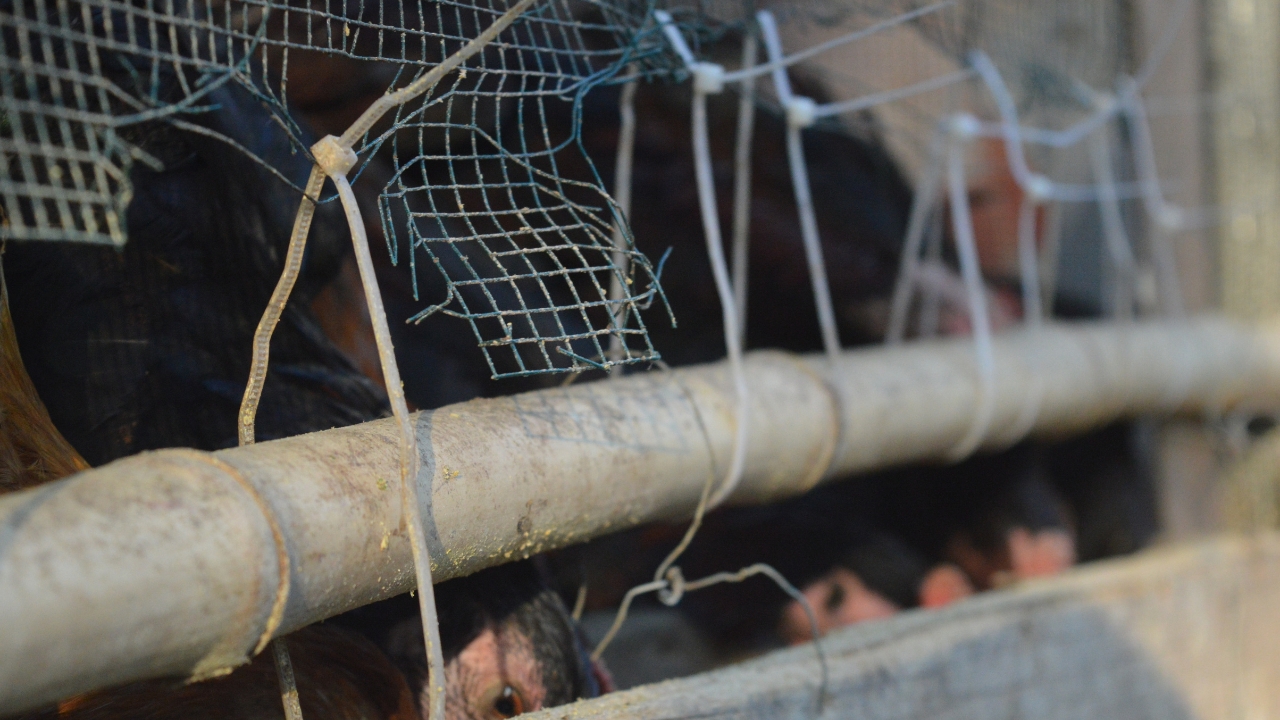
That bent corner of mesh or that loose staple line in the run is usually “fine” all summer. In fall, predators patrol harder and longer. A small gap becomes a pull point, and once an animal gets teeth on wire, it’s a quick tear job.
Walk the perimeter with a flashlight and gloves and physically push on the wire, posts, and latches. Replace chicken wire sections that protect anything other than a garden, it’s for keeping chickens in, not keeping predators out. Hardware cloth with screws and fender washers holds far better than staples, especially after wet weather softens framing.
3. Trusting Simple Hook-And-Eye Latches
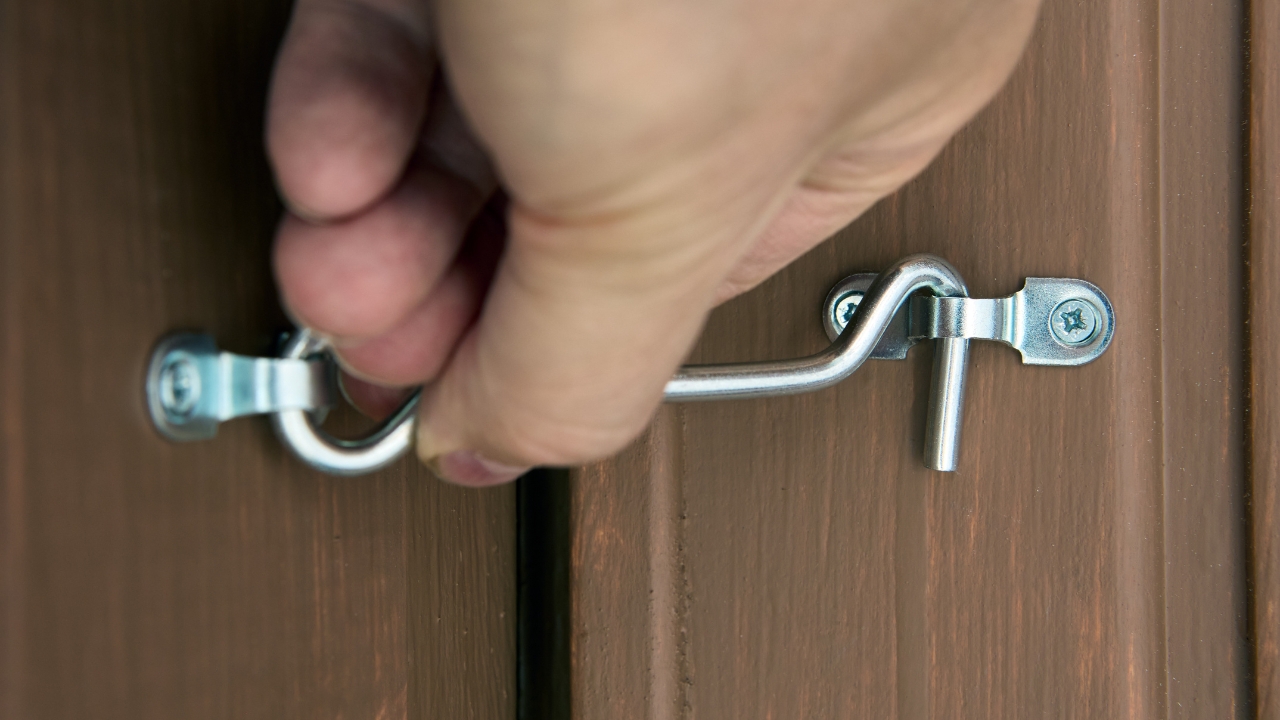
Blunt opinion, those little hook-and-eye closures belong on a cabinet, not a coop. Raccoons can work them, and even a determined dog can pop them by slamming the door. Fall is when you learn that “closed” and “latched” are not the same thing.
Swap to a two-step latch, like a hasp with a carabiner or a latch that needs lifting and sliding. Mount it so the door can’t rack and wiggle loose. If the door warps with moisture, fix the sag with a diagonal brace or a new hinge, because no latch works right on a twisted door.
4. Letting Leaves Hide Weak Fence Lines
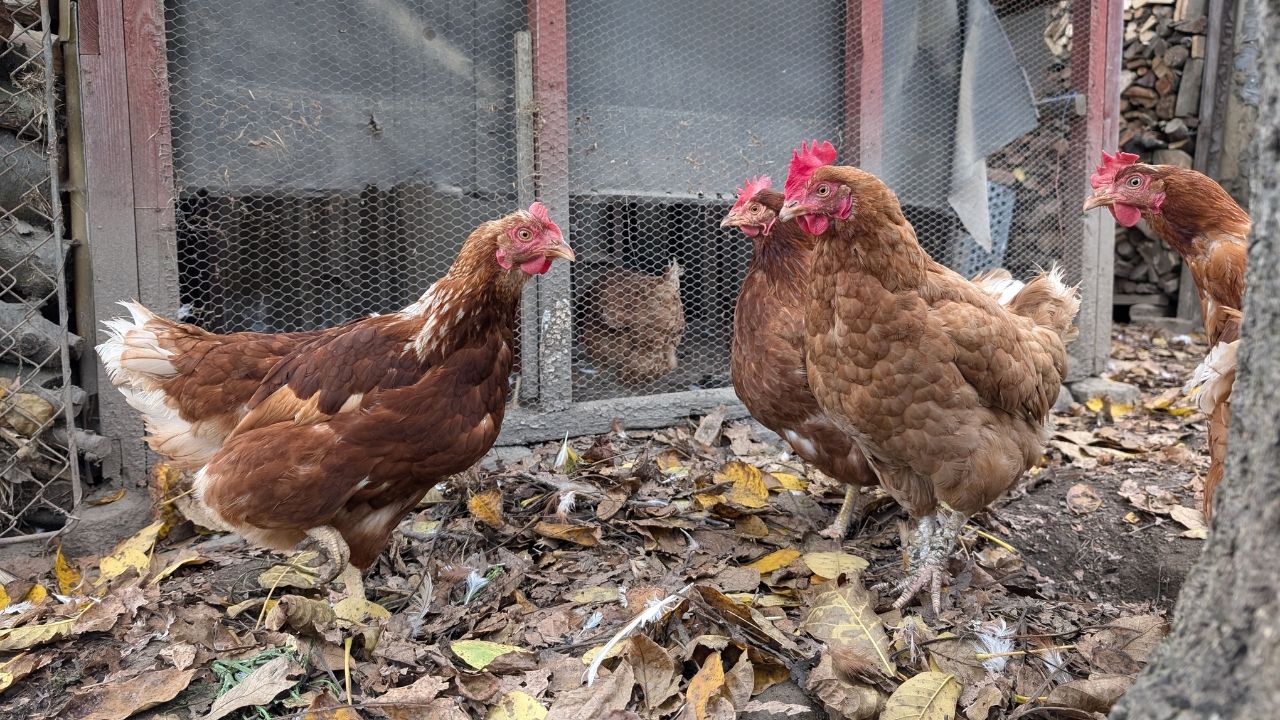
Leaf drop makes everything look tidy while it’s actually hiding trouble. A low spot in your run fence, a gap under a gate, or a spot where the ground washed out can disappear under leaves. Predators don’t care what you can see, they care what they can fit through.
Rake the fence line clear and check the bottom edge all the way around. If you use an apron of wire on the ground, pin it down again after storms with landscape staples or short pieces of rebar bent into U-shapes. If you’ve been meaning to fix a gate that drags and won’t close tight, do it now, before freeze-thaw turns it into a bigger job.
5. Skipping Roost Checks As Nights Get Colder
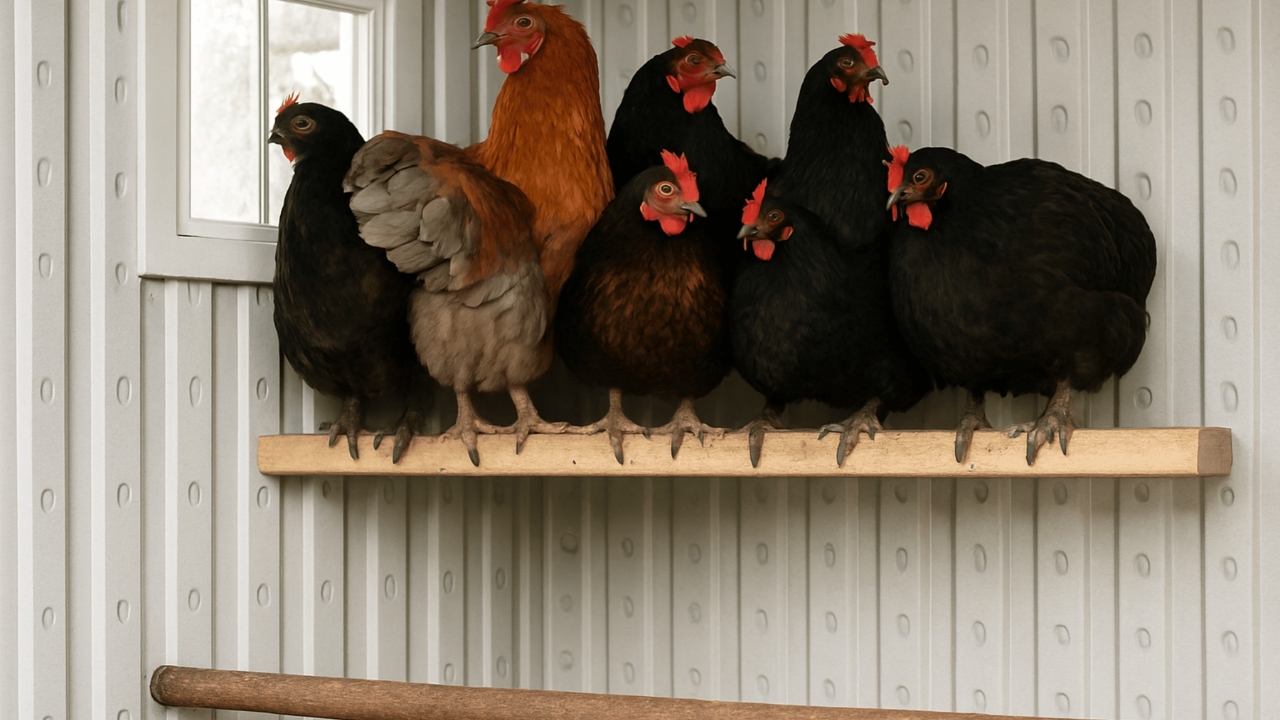
As temperatures drop, chickens pack tighter, and a bad roost setup starts injuries and fights. Too narrow, too slick, or too high without a safe landing zone can lead to sprains, broken toes, and birds sleeping on the floor. Floor sleeping in fall is a problem because it puts them in the draft zone and closer to rodents and damp litter.
Roosts should be stable, wide enough for a flat foot, and positioned so birds don’t have to launch into a wall. Add a droppings board if cleanup is the reason you stopped paying attention. A ten-minute roost fix can prevent weeks of pecking order chaos.
6. Turning The Coop Into A Damp, Sealed Box
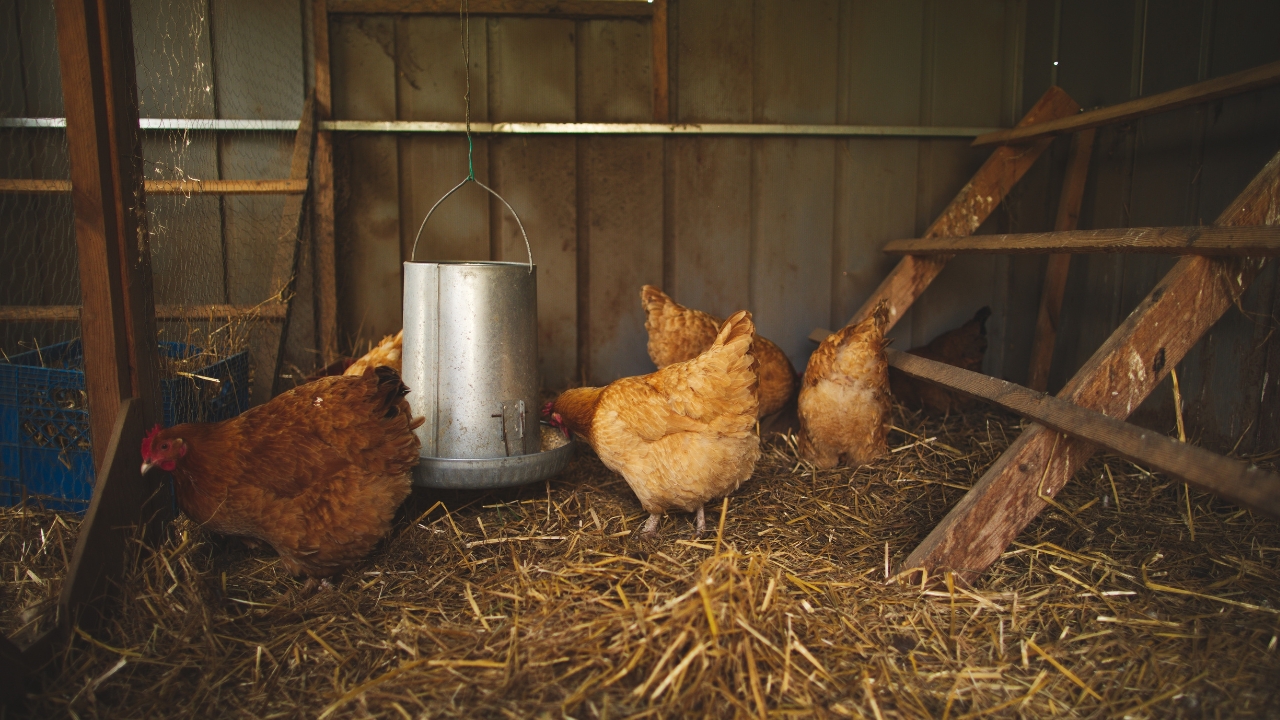
People feel the first cold night and start sealing every crack, then wonder why the coop smells like ammonia by November. Moisture is what hurts birds in winter, not fresh air. Fall rains and warm days followed by cold nights create condensation, and wet bedding stays wet.
Keep ventilation high, above roost level, so wind doesn’t blow directly on the birds. If you’re adding plastic sheeting as a windbreak on a run, leave gaps at the top for airflow and pull it back on warm days. If the litter feels damp when you grab a handful, add dry bedding and fix the leak, don’t just pile more on top and hope.
7. Storing Feed Where Rodents Can Reach It

As fields get harvested, mice and rats move toward buildings. If feed is in a paper bag, a snap-lid tote, or an open trash can, it will get found. Rodents don’t just waste feed, they stress birds, chew wiring, and attract larger predators that come hunting.
Use a metal can with a tight-fitting lid, and clean up spills under feeders. Move feed storage off the floor if your coop sweats in fall. If you suddenly see feed disappearing faster, don’t assume the flock got hungrier, look for droppings, shredded bags, and little tunnels in bedding.
8. Leaving Waterers To Freeze And Crack
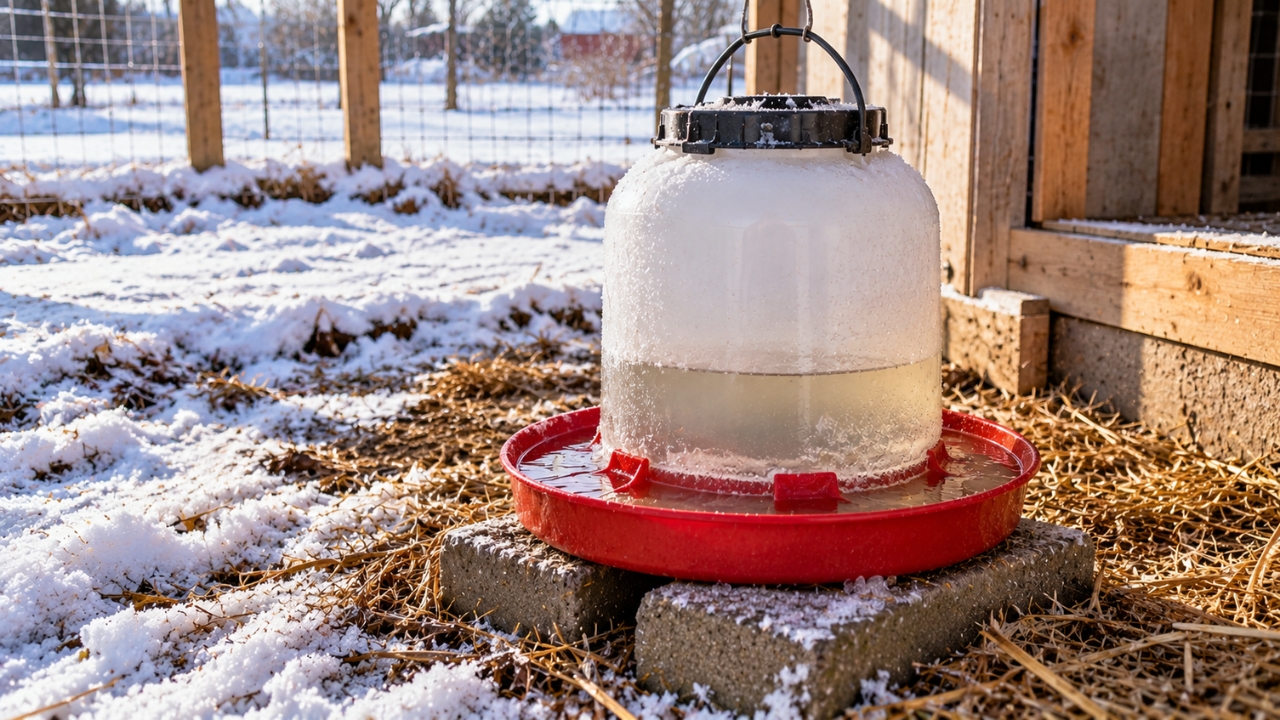
The first hard freeze catches people every year. Plastic bases crack, nipples split, and you start the morning with no water and a mess in the coop. Dehydrated birds stop laying and get run down fast, and you end up hauling buckets twice a day when you’re already slammed.
Get a winter water plan before the nightly lows hit freezing. Heated bases and heated waterers can work well, but only if the cord is protected from pecking and the outlet is GFCI protected. If you don’t have power, a couple of sturdy rubber bowls are cheap and hard to break, you can flex the ice out and keep moving.
9. Moving Birds Too Fast Without Quarantine
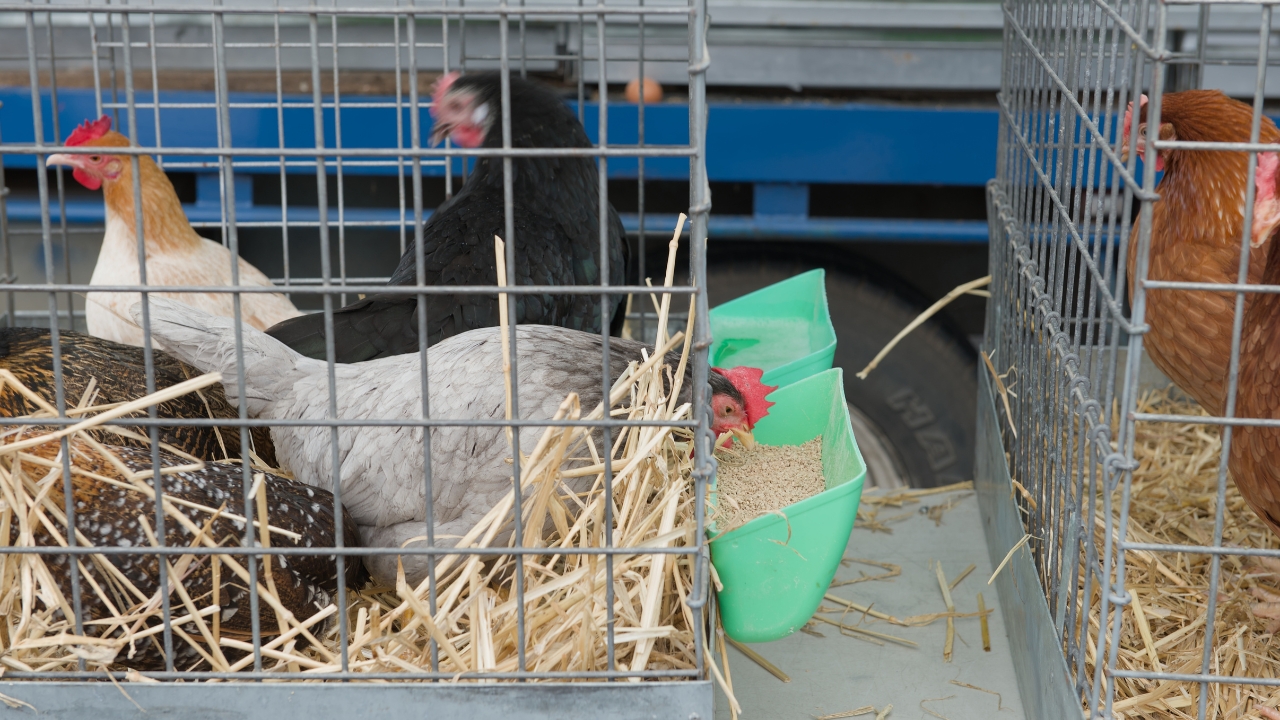
Fall is when people add “just a few” pullets, take in a friend’s birds, or bring home survivors from a closing flock. Mixing immediately can bring mites, lice, and respiratory bugs into a coop right before winter stress hits. It also sparks fights, and a bullied bird in cold weather goes downhill quick.
Set up a simple quarantine pen for a couple weeks, even if it’s just a dog kennel in a shed with good airflow and a separate feeder and waterer. Watch for sneezing, messy vents, weight loss, and any bird that stands hunched. If something looks off, call a vet or your local extension office for guidance instead of guessing.
10. Ignoring Molt And Assuming Predators Did It
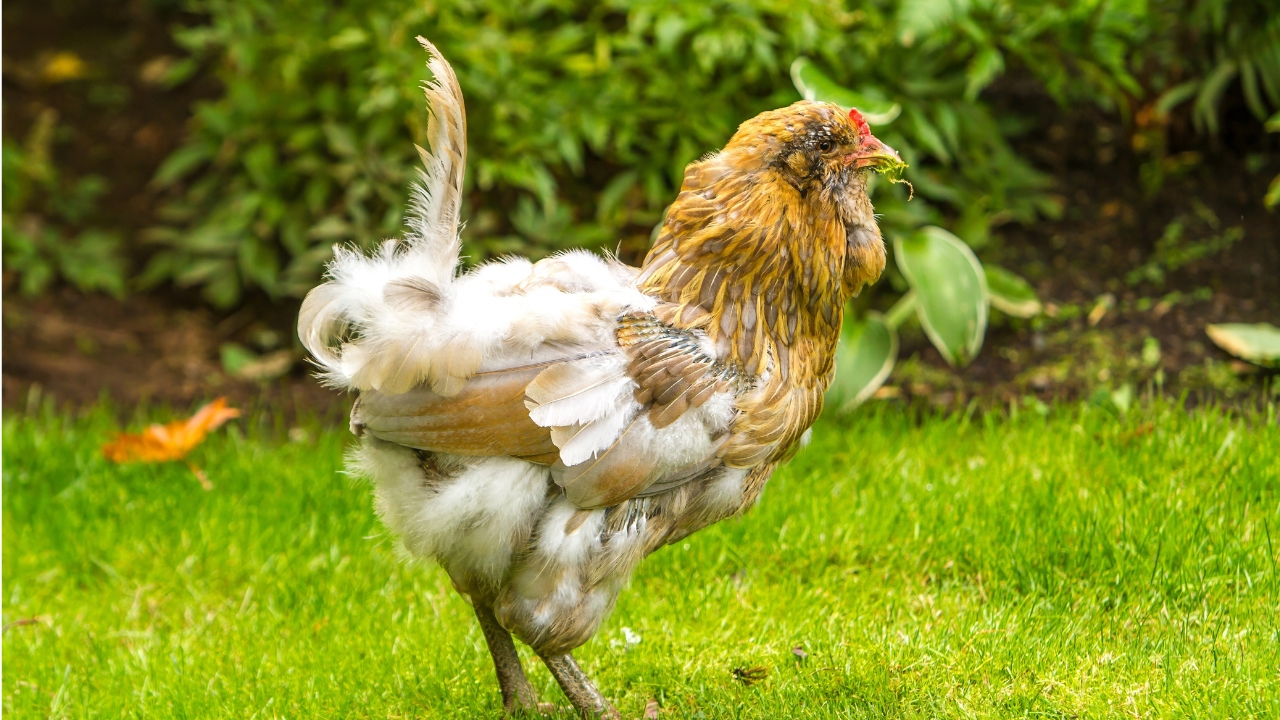
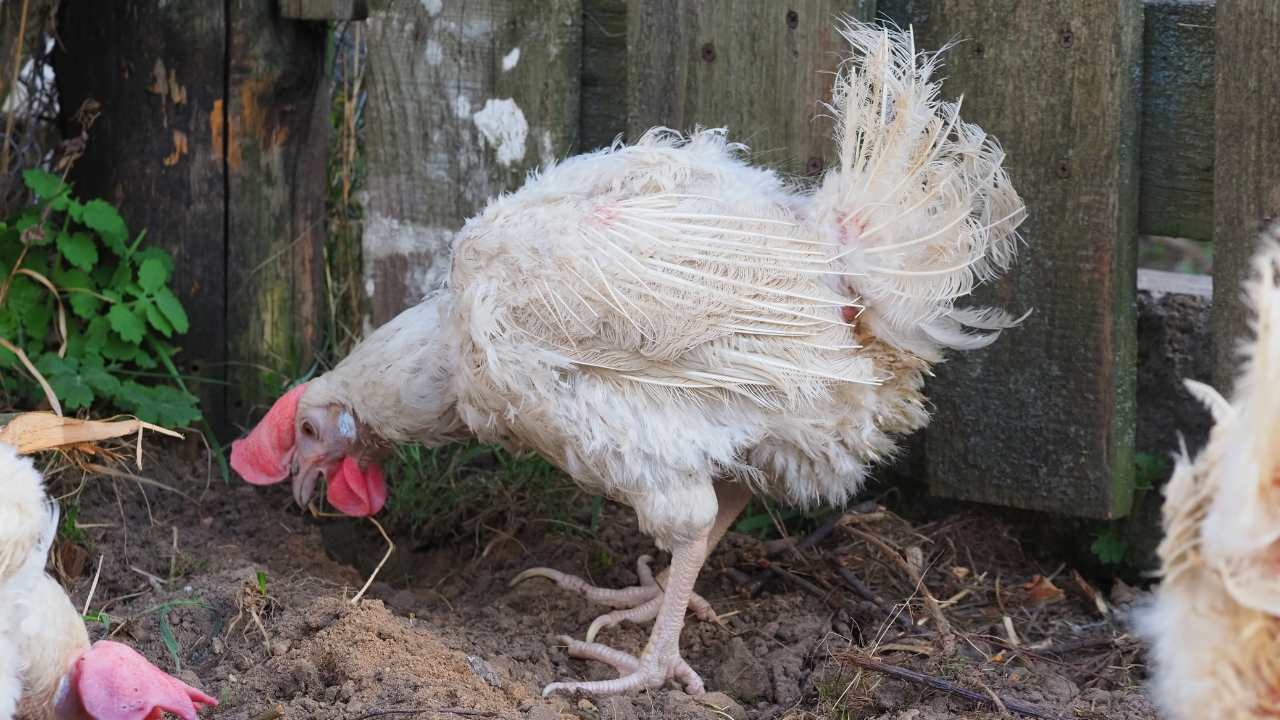
Not every fall “loss” is a predator dragging off a bird. Heavy molt can make a hen look half-plucked and miserable, and a bird that stops laying can feel like a waste if you’re counting eggs. Some people cull too fast because they think the flock is failing.
Most adult chickens molt in fall and look rough for weeks. Give extra protein, keep stress low, and wait it out unless a bird is clearly sick or injured. The exception is a bird that’s being picked bloody by others, that needs separation right away because pecking can turn serious fast.
Fall rewards the setups that run on habits, not hope. Do a hard walk-around, fix the simple stuff while the ground is still workable, and treat darkness like a deadline. The goal is boring nights, quiet mornings, and a flock that makes it to spring.
Like Fix It Homestead’s content? Be sure to follow us.