
10 Signs a Fox Is Working Your Property
Photo credit: Amanda Berger/Shutterstock.com
You can go years without seeing a fox and still have one working your place like a route. Most of the time the first clues show up around feed, compost, and any small livestock. Catch it early and you can usually fix the attractants and shut down the habit before it turns into a nightly problem.
1. Tracks That Look Like Small Dog Prints
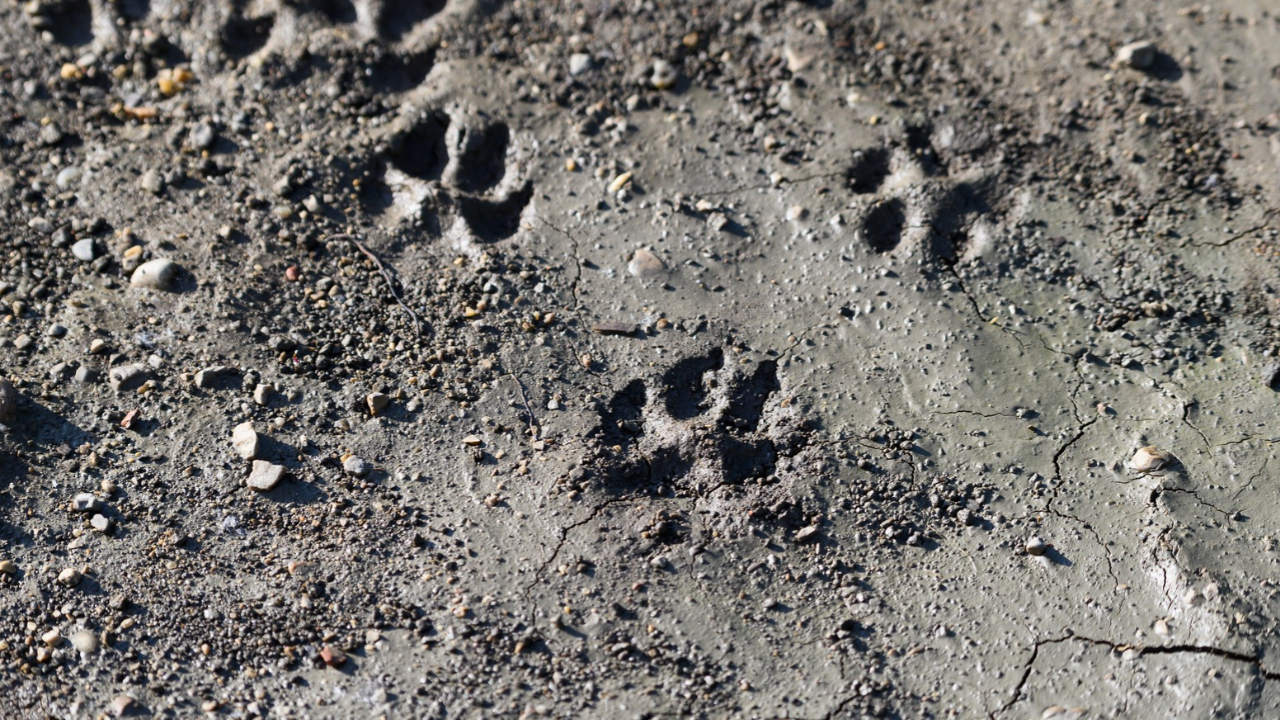
Fox tracks are easy to miss because they look like a little dog, but they run tighter and straighter. You’ll see a neat line of prints in mud, dust, or fresh snow, often along the same edge of a driveway, fence line, or mowed path. Claw marks are usually light, not like a big dog digging in.
Do a quick “track check” after rain or snow by walking your usual perimeter at first light. If you want proof, rake a 2-foot-wide strip of bare soil across a likely travel lane and check it the next morning. If the prints keep showing up in the same spot, that’s a route, not a one-time visitor.
2. Nighttime Barking And High-Pitched Screams

It starts with a sharp bark, then a weird yowl that doesn’t sound like a dog at all. You’ll hear it most in late winter and early spring during breeding season, but a fox will call year-round if it’s spooked or defending a food source.
Step outside and listen for direction, then check that side of the property for attractants in daylight. Secure trash lids, put away pet food, and close up poultry before dusk. If the sound is coming from close to the house night after night, it’s time to add lights or motion sprinklers where it’s traveling.
3. Chicken Feathers Piled In One Spot
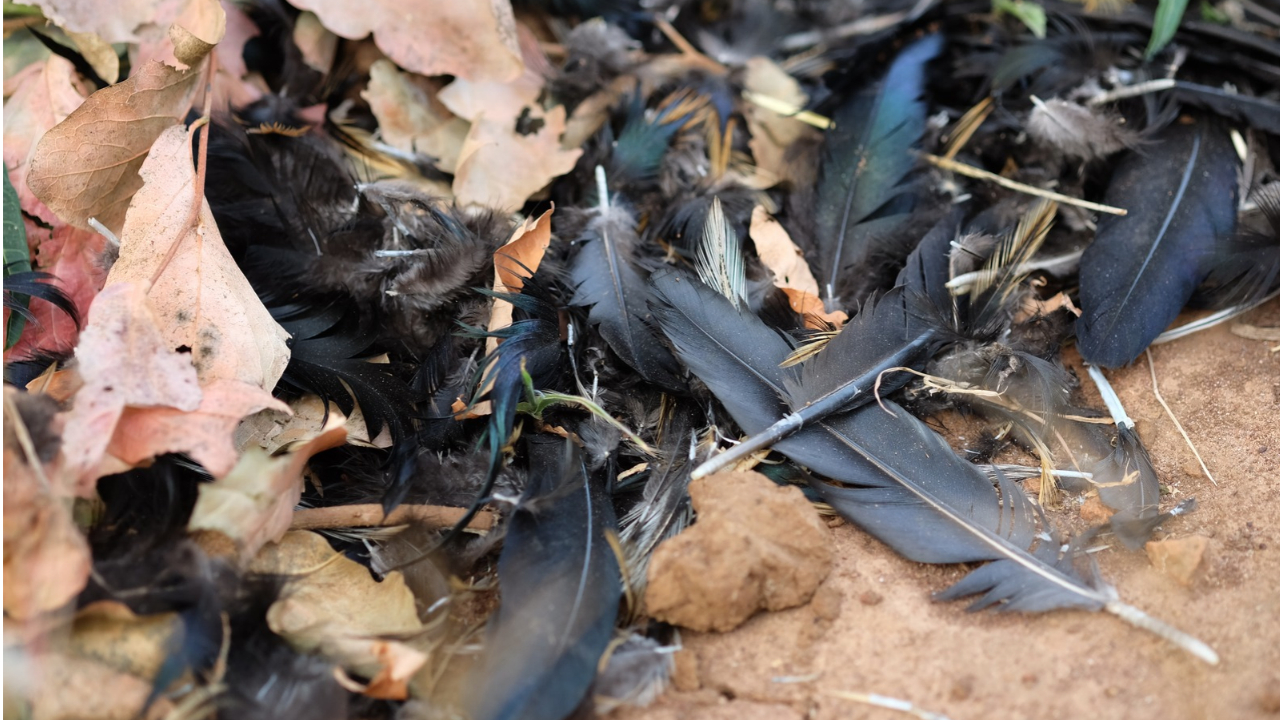
A fox often grabs and runs, then plucks in a quieter place. You find a messy pile of feathers near a hedge, brush line, or behind a shed, with very little else left. Sometimes there’s no blood trail at all, just that ugly “pillow explosion” look.
Don’t waste time guessing. Walk the fence and coop like you’re trying to break in, because that’s what a fox does. Patch holes with 1/2-inch hardware cloth, not chicken wire, and bury a skirt of wire out from the run so digging doesn’t work. If you keep birds, a solid latch beats a clever “hook and eye” every time.
4. Shallow Cone Holes In The Lawn
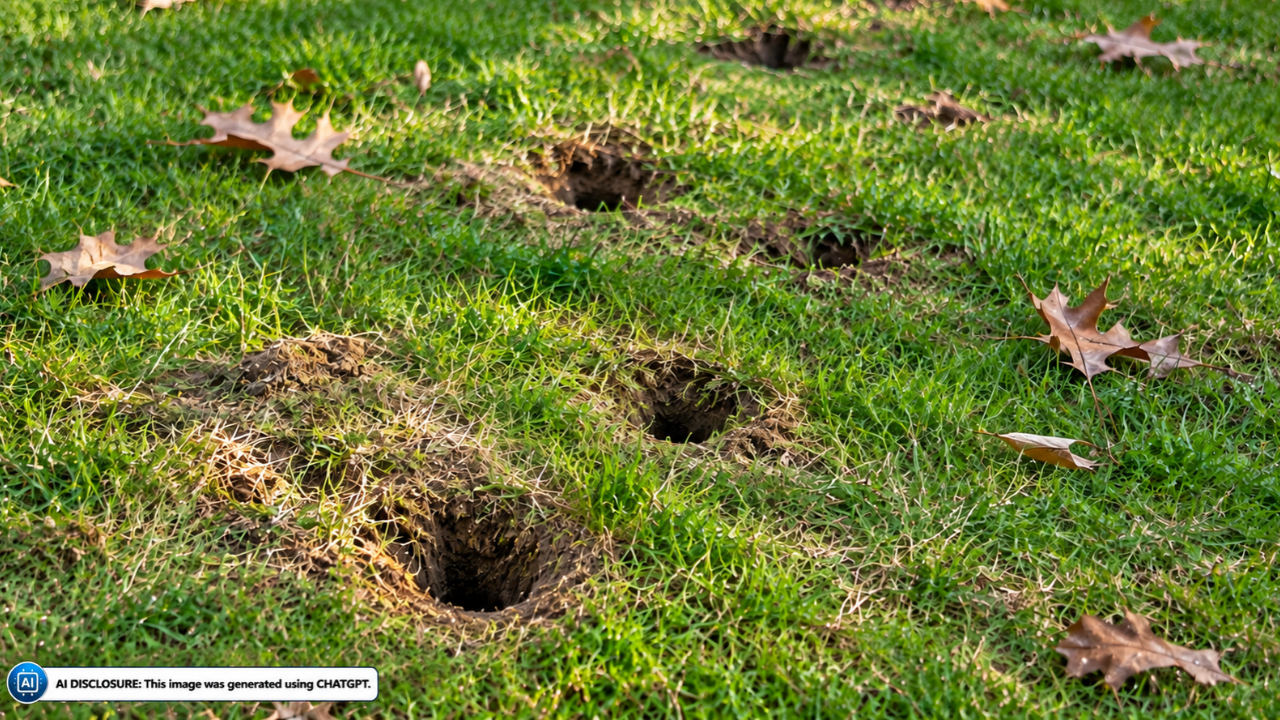
Those little divots that look like someone stabbed the yard with a shovel can be a fox hunting. They pounce for voles and mice and leave cone-shaped holes, usually 2 to 4 inches across. You’ll see them in rough grass, field edges, and anywhere rodents run under cover.
This is one of the rare times the cheap option, doing nothing, can be fine. If the fox is punching holes because it’s eating rodents, that’s free pest control. The “fix” is managing the rodent habitat, mow field edges, pick up fallen grain, and keep compost tight so you don’t feed the whole chain.
5. Musky Skunk-Like Smell Near Paths

Foxes mark territory, and the smell can hit you when the air is damp or the wind is wrong. It’s musky and sharp, sometimes mistaken for skunk but lighter. You’ll notice it near corners of sheds, fence posts, brush piles, and along a regular travel lane.
Don’t start dumping chemicals around, it won’t solve anything and it can make a mess for pets and kids. Instead, remove the “message boards” by trimming brush, cleaning up junk piles, and blocking easy paths under decks and sheds. If the smell is strongest right at a crawlspace vent or broken lattice, fix that opening first.
6. Camera Catching A Low Tail And Trot

A cheap trail cam or a doorbell cam often settles the argument fast. A fox moves with a smooth trot and carries its tail low and straight back, not curled up like some dogs. You’ll usually see it right after dusk and again before dawn.
Once you know the time window, you can time your deterrents instead of running them 24/7. Motion lights aimed down, not out into your neighbor’s yard, work better than leaving a porch light on all night. If you need to add a camera, mount it 18 to 24 inches high on a post so you catch the animal, not just a blur of tail.
7. Stolen Eggs With No Shell Mess

Eggs disappearing with no smashed shells and no raccoon-style chaos points toward a fox or a snake. A fox can carry an egg off like a thief, quick in and out, and you may only notice because the count is short. This often starts when nest boxes are accessible from outside the run.
Fix access first, lock the coop at night and block any reach-in openings with hardware cloth. If you’re using simple slide bolts, upgrade to a latch that stays shut under pulling and shaking. Collect eggs earlier in the day for a while, especially in spring when predators are feeding young.
8. Digging At The Run Edge After Rain
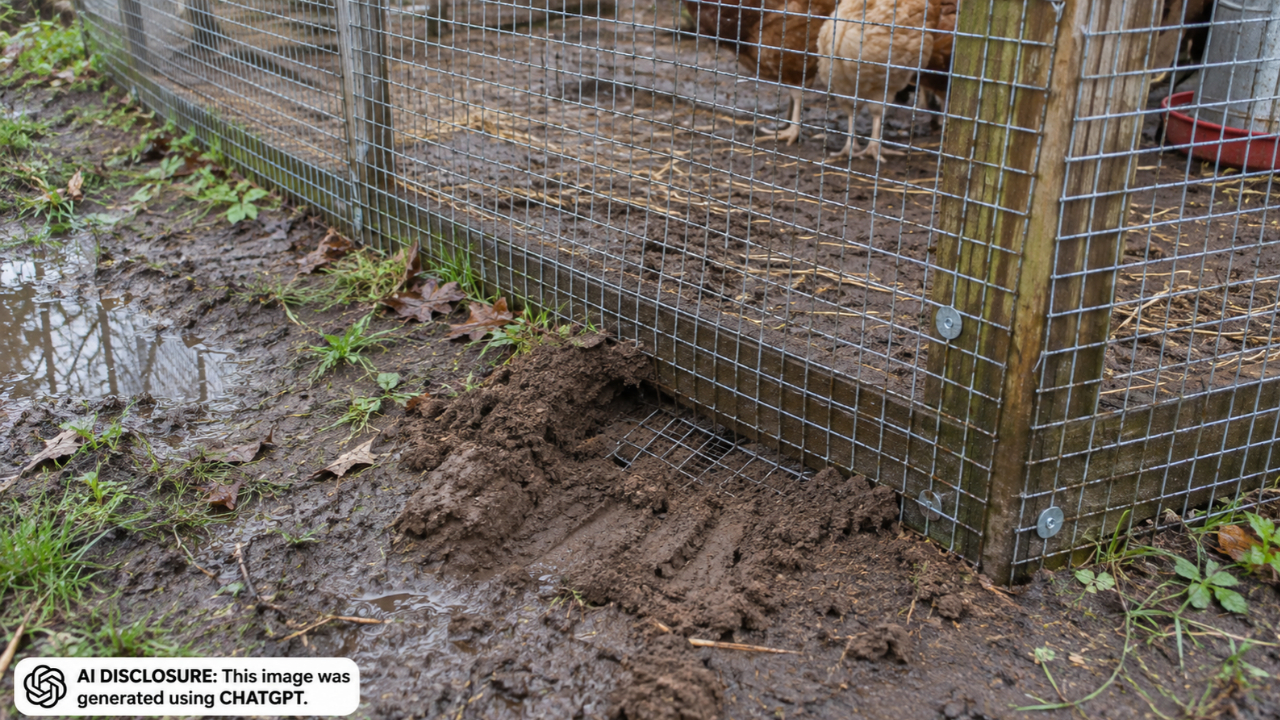
After a rain, soil is soft and a fox will test your perimeter like it’s checking doors. You’ll see fresh scrape marks right along the run wall, usually near a corner or where the ground dips. Sometimes there’s a half-started tunnel that quits when it hits wire.
Add a wire apron, 2 feet wide, laid flat on the ground and staked down, or bury a skirt 8 to 12 inches deep if you’re already rebuilding. Use galvanized 1/2-inch hardware cloth, not plastic netting. If you’re digging in a new area, call your utility locate number first, even on rural property, because one cut line ruins your week.
9. Daytime Sightings In The Open
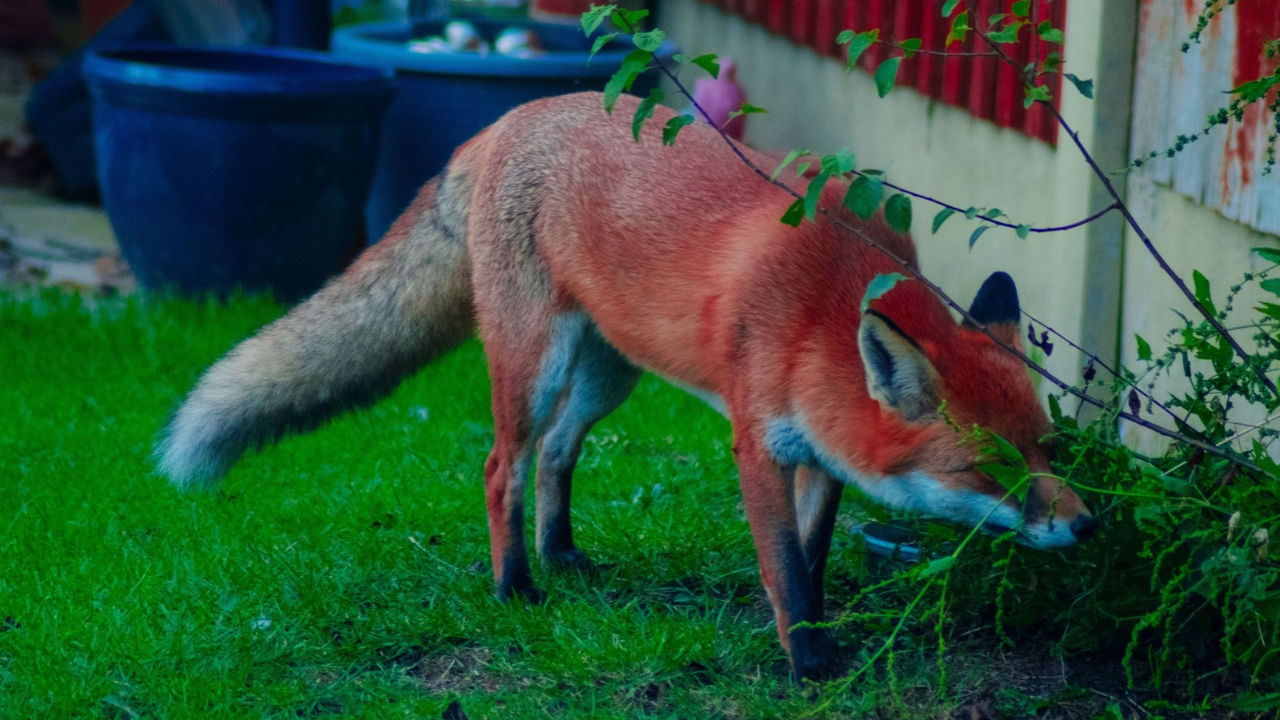
Seeing a fox in daylight doesn’t automatically mean it’s sick. In spring and early summer, adults hustle food and will cross a yard in full sun like it’s no big deal. The sign to take seriously is bold behavior, hanging around buildings, approaching pets, or not leaving when you clap or shout.
If it’s acting bold, remove attractants hard and fast. Secure garbage, stop leaving pet food outside, and clean up spilled grain. If you suspect a den under a shed or porch, this is where calling your county wildlife office or a licensed nuisance wildlife pro is worth the money, especially if there are kids, pets, or livestock involved.
10. Missing Barn Cats Or Small Pets

This is the sign nobody wants, and it’s not always a fox, but it belongs on the list. If small pets vanish and you’re also seeing tracks, feather piles, or camera clips, take it seriously. Dusk and dawn are the risk windows, and a fox is fast.
Keep small animals inside at night, and don’t rely on “they know their way home.” If you’ve got a kennel or rabbit hutch, check every latch and reinforce with hardware cloth and screws with washers, staples alone pull out. If losses are continuing, a pro trapper following local rules is the safe next step.
A fox problem usually isn’t solved with one trick, it’s solved by making your place boring. Tighten up food sources, close easy gaps, and watch the edges for a week so you know what changed. Once the fox stops getting paid, it tends to move its route.
Like Fix It Homestead’s content? Be sure to follow us.