10 Wild Animals That Get Bolder This Time of Year
Photo credit: SanderMeertinsPhotography/Shutterstock.com
Late summer into fall is when the woods start pushing back. Food shifts, cover gets thinner, and young animals get kicked out of easy territory. That’s when the yard, the coop, the garden, and even the porch start looking like a grocery store.
1. Raccoons At The Coop Door
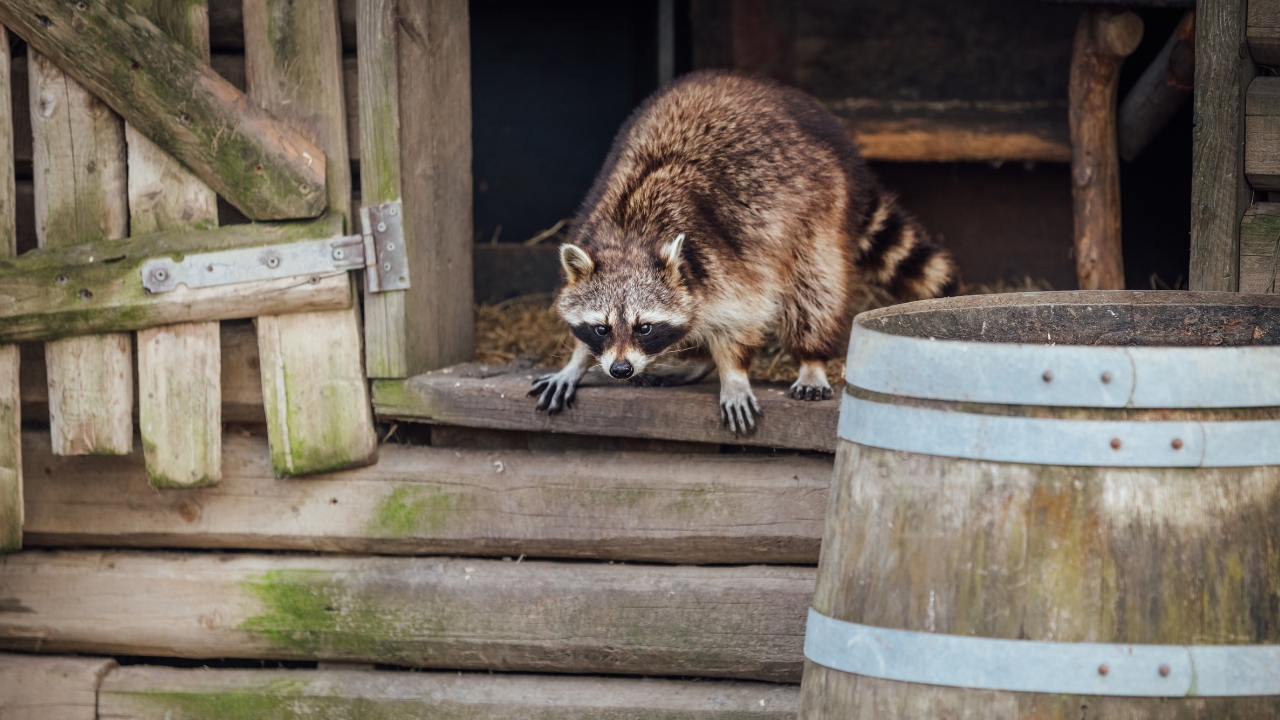
You’ll hear it first, a soft scrape on the latch, then a thump as a raccoon leans its weight into the door. This time of year they’re packing on calories and teaching youngsters bad habits, which usually means your chicken feed, eggs, and waterers get hit harder and earlier in the evening.
Skip the cute hook-and-eye latch. Use a two-step latch that can’t be opened by fingers, like a hasp with a carabiner or a barrel bolt paired with a clip. If you’ve got a run, wrap it in 1/2-inch hardware cloth, not chicken wire, and bury a skirt out from the base so they can’t dig under.
2. Deer Cleaning Out Your Garden
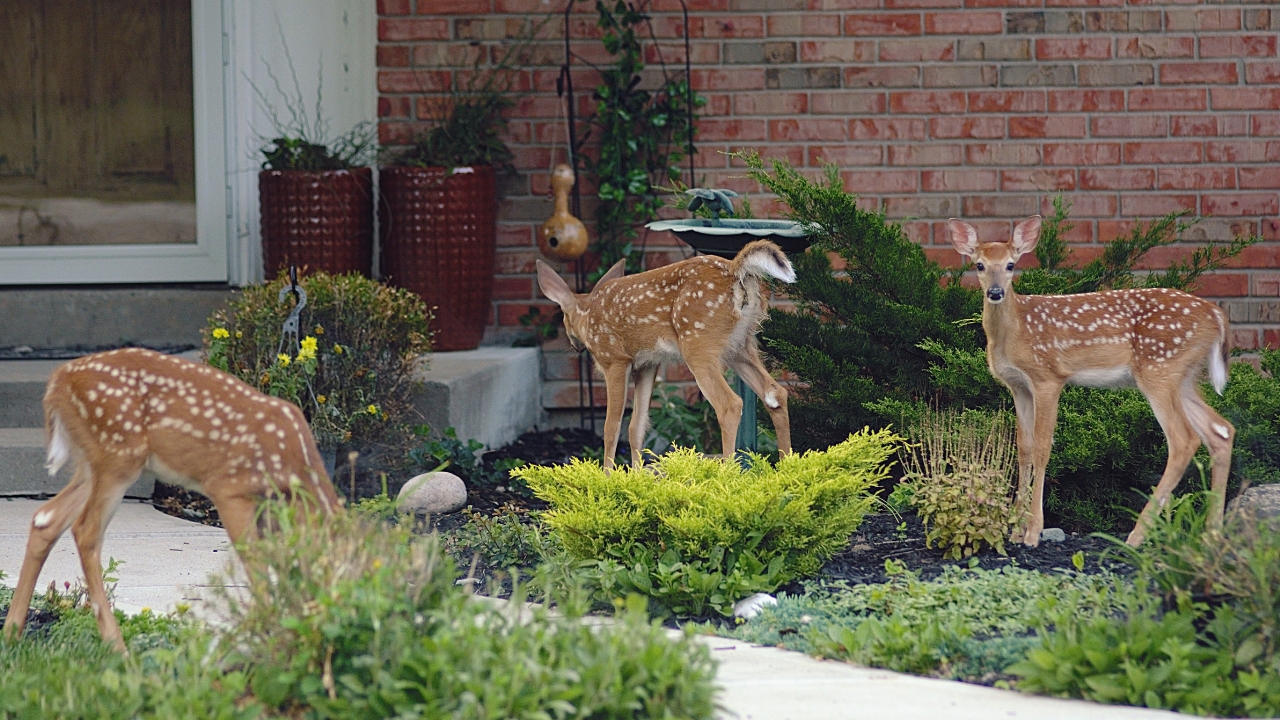
Once nights cool off and the woods dry, deer stop being polite. They’ll step into a yard that was quiet all summer, take one bite from every plant, and move on. Hostas, beans, apples, and fall brassicas get clipped down to nubs overnight.
A real fence works, and the “real” part is height and consistency. If you can’t do an 8-foot fence, a temporary double line can help, two strands offset so depth messes with their jump. Repellents help only if you reapply after rain and rotate types, and even then hungry deer don’t read labels.
3. Skunks Under The Shed
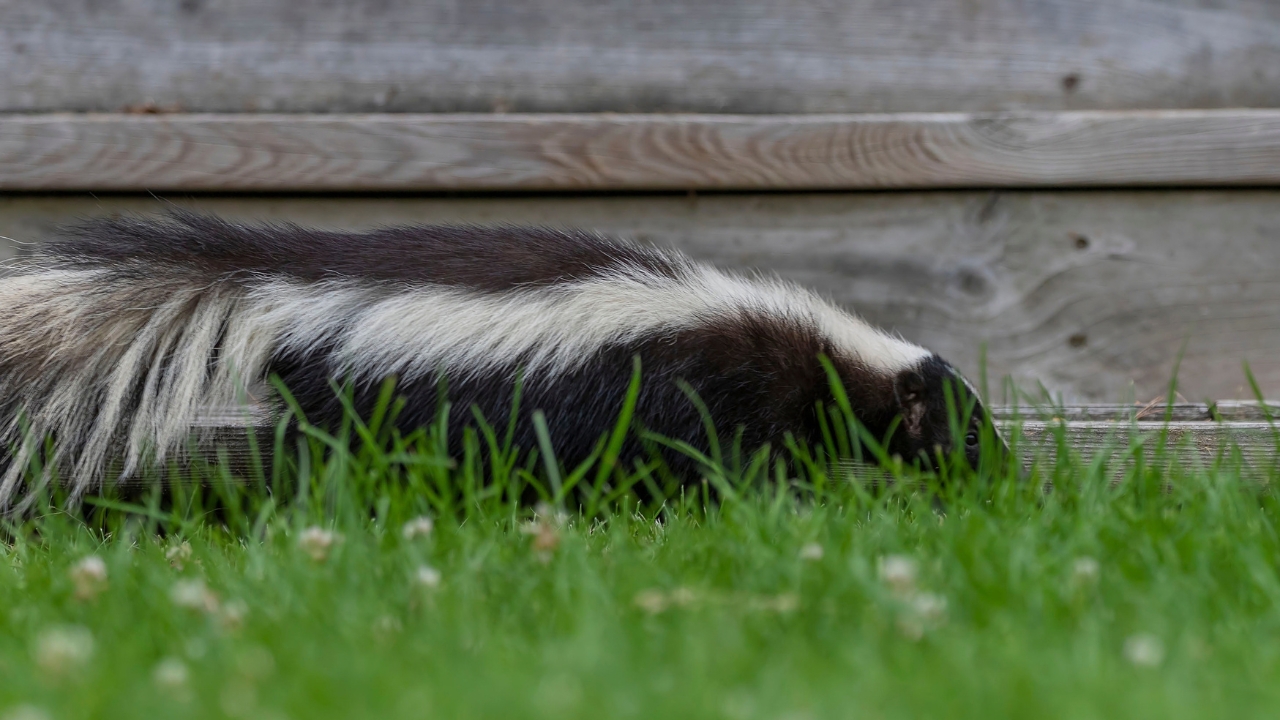
People notice the smell and reach for traps right away. The bigger problem is the den, because once a skunk decides your shed is safe, it comes back, and so do the grubs it digs for. You’ll see shallow cone holes in the lawn and loose soil along the foundation edge.
Fix the invitation first. Add a stout wire barrier around the shed base, then bend the bottom out into an L-shape and bury it a few inches so digging hits wire. If you’re dealing with an active den, don’t block it during daylight when an animal is inside. That’s when you call a local wildlife control pro and avoid turning a stink problem into a trapped-animal problem.
4. Coyotes Working The Fenceline
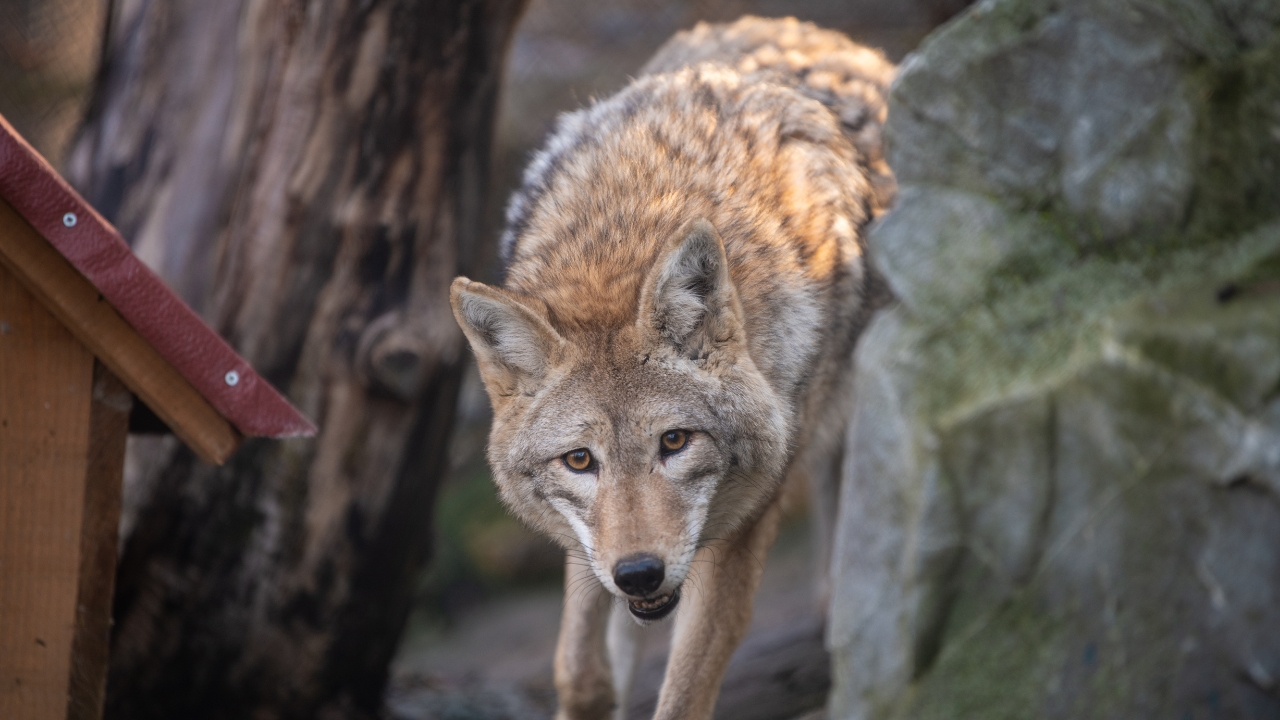
Fall is when you hear them more, yipping and calling after dark, and when you start missing barn cats or seeing feathers in the field. Young coyotes roam, and they learn fast where the easy meals are. If you free-range birds, this is the season it can go from fine to wiped out in one afternoon.
Stop feeding them by accident. Pick up spilled feed, lock trash, and don’t leave pet food out on the porch. For poultry, a roofed run beats any “they only hunt at night” thinking, and electric net fencing can work if you keep it tight, hot, and weed-free. If coyotes are already bold in daylight, take it seriously and check local rules for permitted deterrents, since some methods are regulated.
5. Black Bears In The Garbage
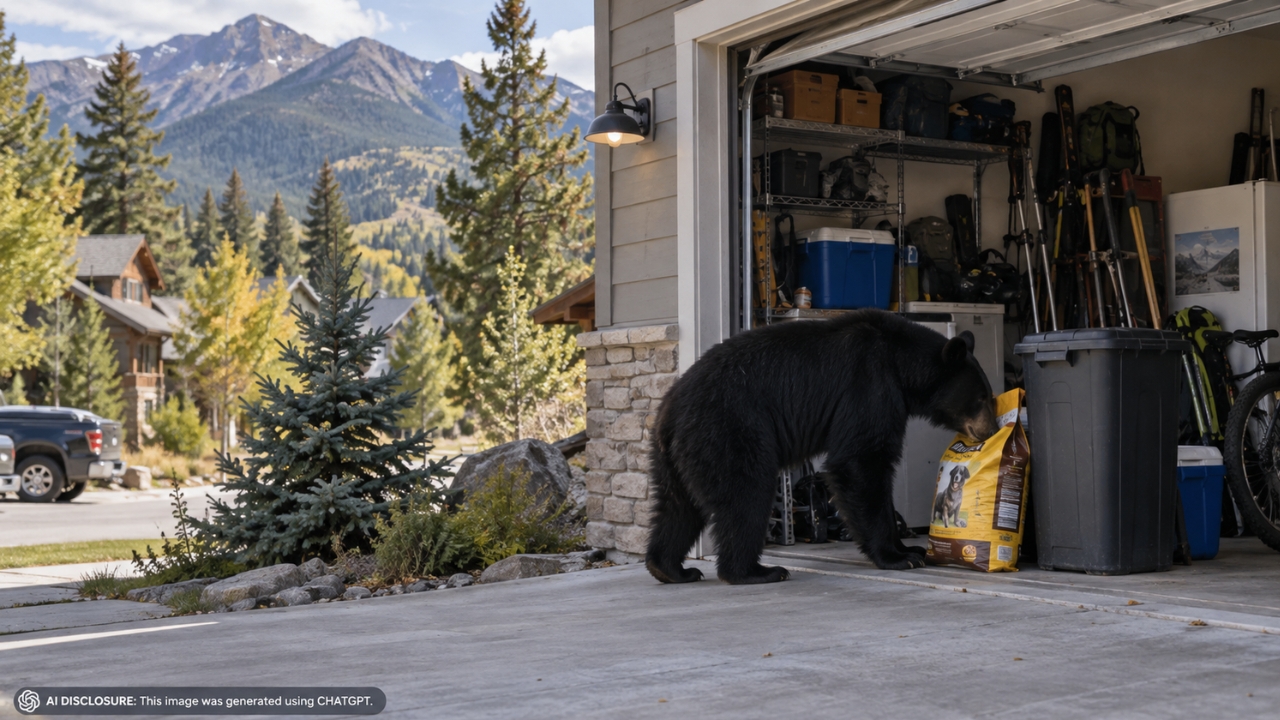
In mast years or not, bears get pushy as they build fat for winter. One open can or a bag set outside “just for a minute” can start a pattern. After that, they’ll peel a lid back like it’s foil and leave you with shredded trash and a mess that stinks for days.
The fix is boring and it works. Keep trash inside a secure space until pickup day, rinse food containers, and don’t store bagged garbage on a porch. A bear-resistant can is great if you live in bear country, but the cheap option is often fine too: a solid shed, a latched garage, or a strapped can that can’t be tipped and opened.
6. Squirrels Chewing Into The Attic
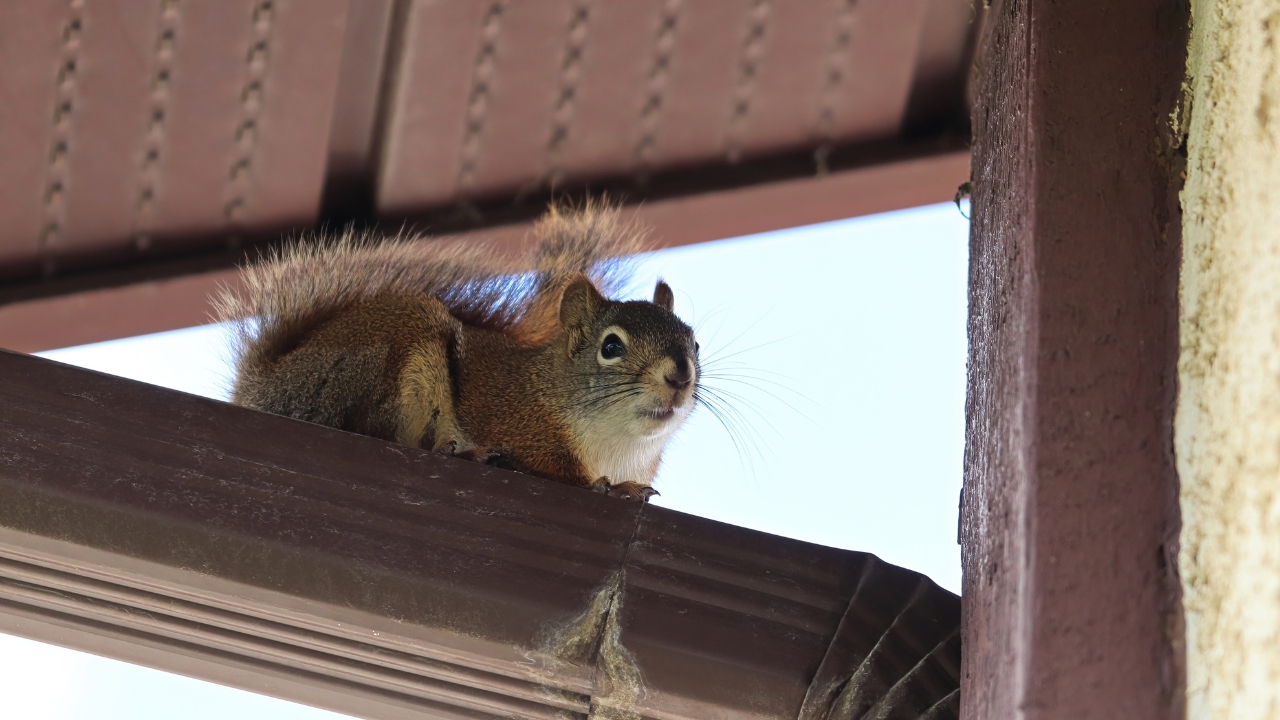
That fast scurry at dawn is not “just a squirrel outside.” When they get bolder, they chew fascia corners, widen a knot hole, and slip into attic space to stash food and nest. Once inside, they’ll tear insulation, chew wiring, and make a smell that lingers.
Walk the house on a ladder and look for fresh tooth marks, gaps at roof returns, and dark rub trails near vents. Patch with metal, not foam, and use hardware cloth over vents if the vent design allows airflow. If you’ve got active animals, trap and remove first, then seal, or you’ll end up with a dead squirrel in the wall and a bigger job.
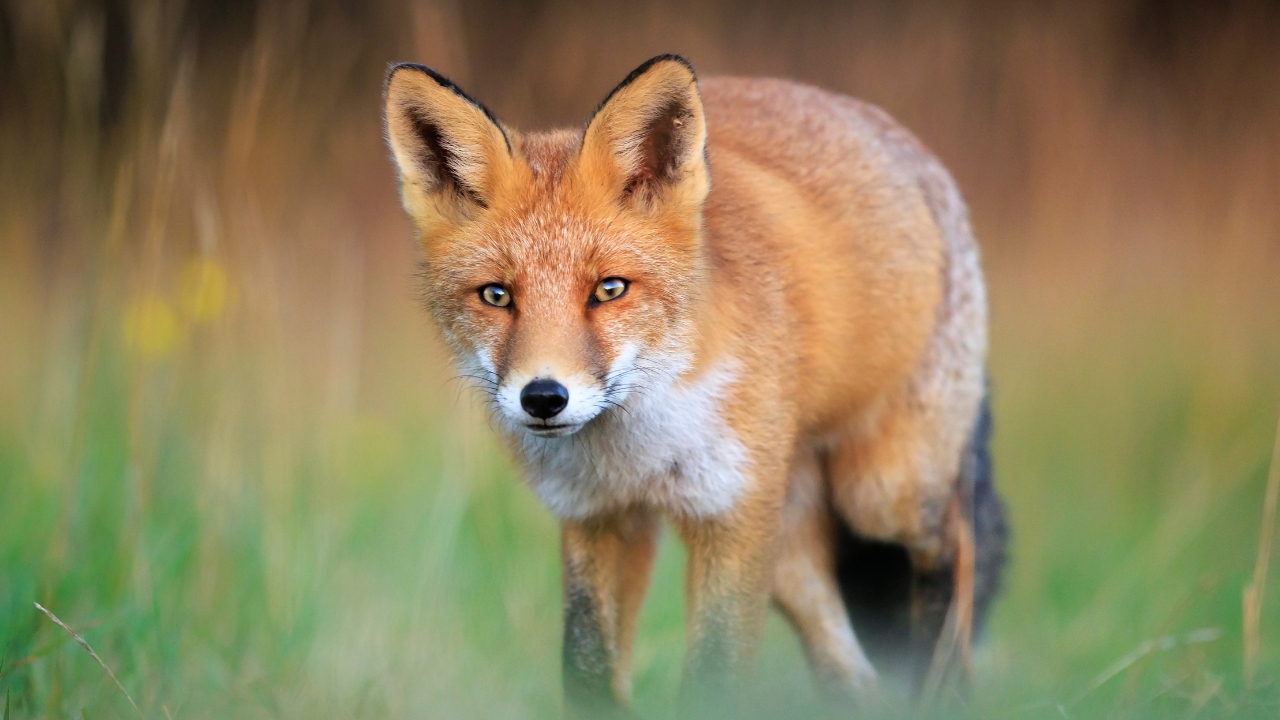
7. Foxes Raiding The Henhouse At Dusk
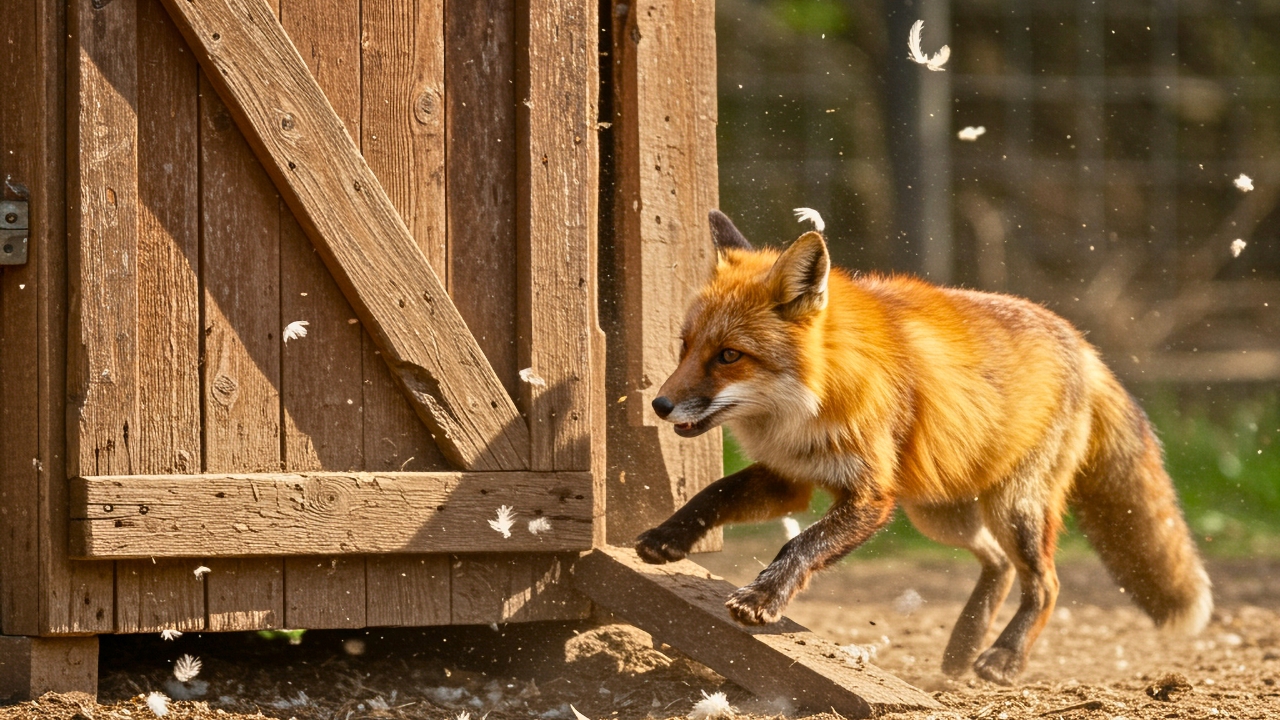
Foxes don’t need much of an opening. A loose corner of wire, a gate that doesn’t meet the ground, or birds that stay out “until they feel like coming in” is plenty. The boldness shows up as early evening visits, often while you’re still outside.
Close birds up before dusk, every day, no exceptions. Add a predator apron of hardware cloth around the run and tighten any sagging wire so it can’t be pulled back. If you can only fix one thing this week, fix the door fit and the latch, because foxes test the same weak spot over and over.
8. Opossums In The Feed Room
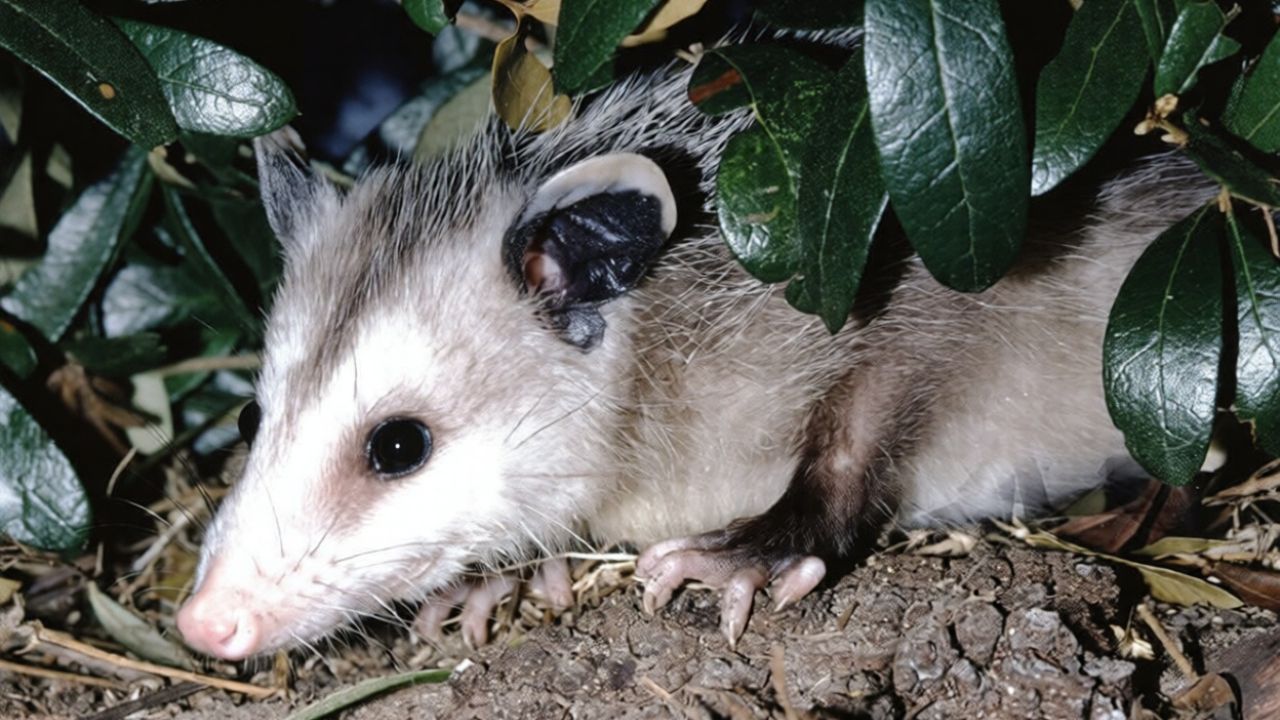
They look slow and harmless, so they get a pass, until they don’t. Opossums will eat feed, crack eggs, and leave droppings where you don’t want them. They also draw in other visitors because the smell of spilled grain is a dinner bell.
Switch to metal cans with tight lids for all feed, and sweep up nightly. A simple motion light can cut down on repeat visits, and it’s cheap. If one is living under the coop, fix the access hole, because moving it along without sealing the gap just makes room for the next one.
9. Owls And Hawks Near The Run
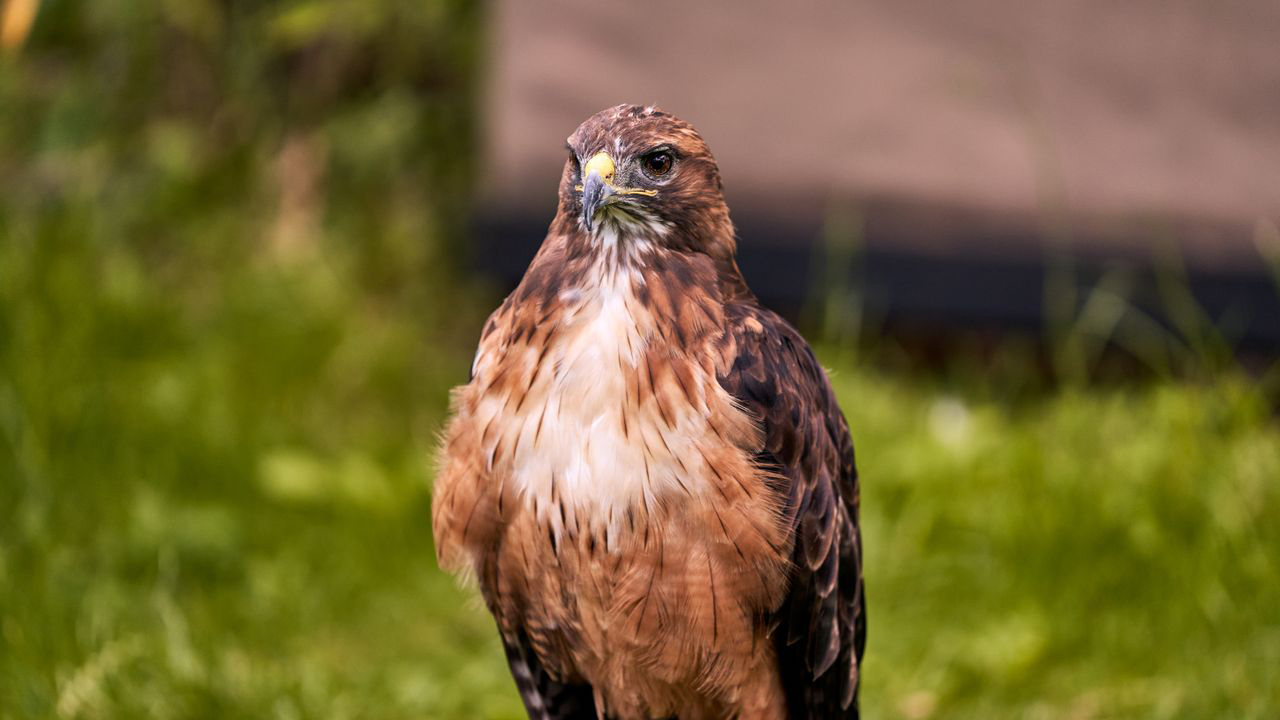
Seeing a raptor on the fence line in fall is common, and it doesn’t always mean you’re about to lose a chicken. But young birds hunting for the first time get bold, and a small bantam, chick, or rabbit can disappear fast in open ground. Feathers in a neat circle is a rough sign you’re on the menu.
Give your animals cover, not just a wide pen. A few pallets with a sheet of metal, cattle panels with tarp strips, or shrubs outside the run line give quick hiding spots. Netting overhead helps, but only if it’s pulled tight and checked often so nothing gets tangled. If you’re seeing repeated attacks, change the routine, keep small stock in a roofed area for a while, and remove perch points near the pen if you can do it without breaking local rules.
10. Snakes In The Barn And Basement
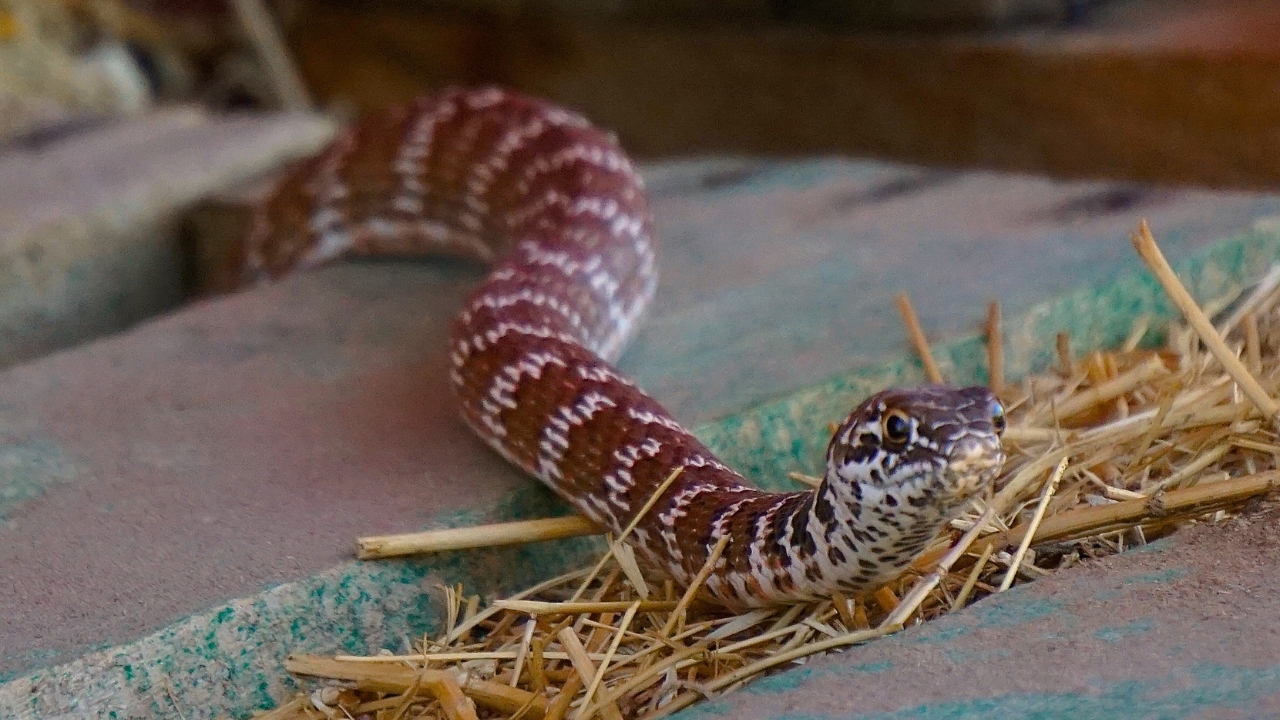
As nights cool, snakes follow heat and mice. That brings them closer to foundations, stacked lumber, hay bales, and cluttered corners, exactly where you step without looking. Most are there for rodents, not for you, but nobody wants a surprise under the water heater.
Cut the rodent draw and you cut the snake visits. Seal gaps bigger than a pencil with mortar or metal mesh, keep grass short along the foundation, and store feed and seed in rodent-proof containers. If you live where venomous snakes are a real possibility, don’t play hero in tight spaces, call a local pro and clean up the habitat after it’s handled.
One bold animal is annoying. Two or three hitting the same weak spot means your place is advertising food and shelter. Tidy up the easy calories, tighten the latches, and close the gaps before the first hard frost makes every critter act like it’s in a hurry.
Like Fix It Homestead’s content? Be sure to follow us.