10 Dog Breeds That Handle Cold Weather Better Than Most
Photo credit: zkolra/Shutterstock.com
Cold snaps show up fast on a homestead. Your dog still needs chores, walks, and a quick run outside, even when the wind feels like it’s sanding your face. Some breeds are built for that kind of winter, and knowing which ones helps you plan gear, shelter, and expectations.
1. Siberian Husky Built For Long Snow Days
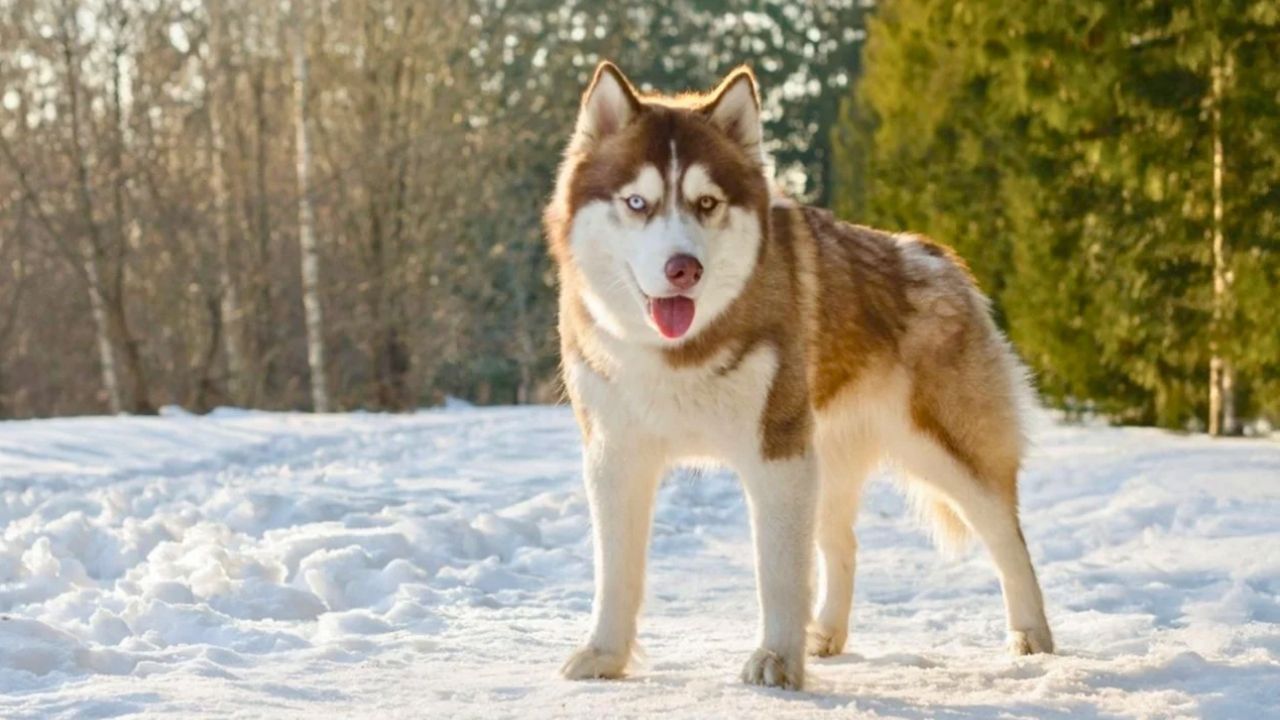
You’ll know a Husky is comfortable when you’re miserable and it’s still asking to stay out. That thick double coat and compact ears help with heat loss, and the breed was shaped for steady work in cold air. If you need a dog that can handle long outdoor time while you split wood or clear a driveway, this is one of the first names that comes up.
The fix-it part is managing the downsides. Huskies shed hard, and that coat needs brushing or it mats and holds moisture. Put a solid fence on the to-do list, because cold weather stamina doesn’t stop the urge to roam, and a bored Husky will find the weak spot in your gate.
2. Alaskan Malamute Made For Heavy Hauling
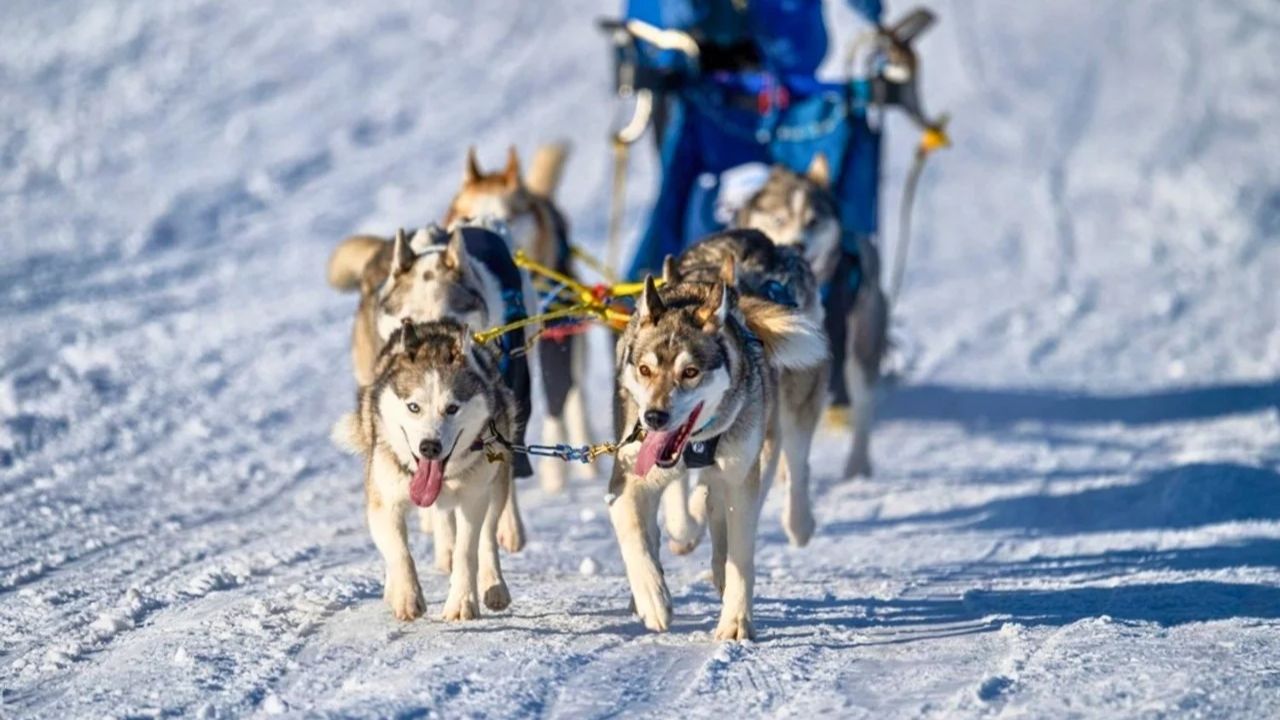
A Malamute is the neighbor who shows up with a trailer and actually moves the load. They’re heavier than Huskies, with dense bone and a thick coat that handles deep cold well. If you live where snow piles up for months, this is a dog that doesn’t fall apart when the yard turns into a white maze.
They’re strong, and that matters around kids, chickens, and slippery steps. Good leash gear is not optional. A basic flat collar and a cheap clip leash is how you get dragged across ice, so spend the money on a wide, sturdy leash and a well-fitted harness, then practice manners before winter hits.
3. Samoyed Keeps Warm While Staying Friendly
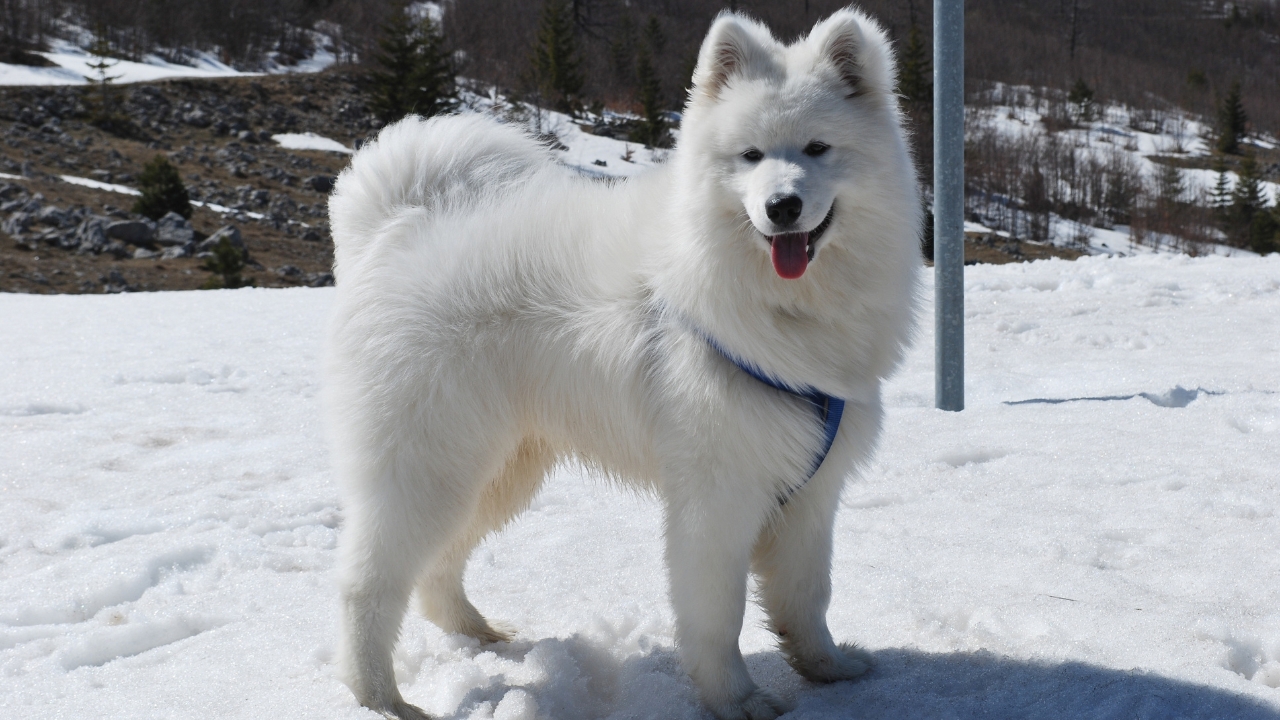
People buy Samoyeds for the look, then get surprised when winter shows up and the dog acts like it finally feels normal. That fluffy double coat is serious insulation, and their temperament is usually more people-focused than the northern sled dogs. For a family that wants a cold-ready dog that also likes visitors, this one fits.
The maintenance is where folks blow it. Snowballs can pack into the feathering on legs and belly, then melt indoors and leave your floor soaked. Keep a towel by the door, trim paw hair if it’s turning into a burr trap, and use a slicker brush and comb so the undercoat doesn’t turn into felt.
4. Newfoundland Handles Wet Cold Better Than Most
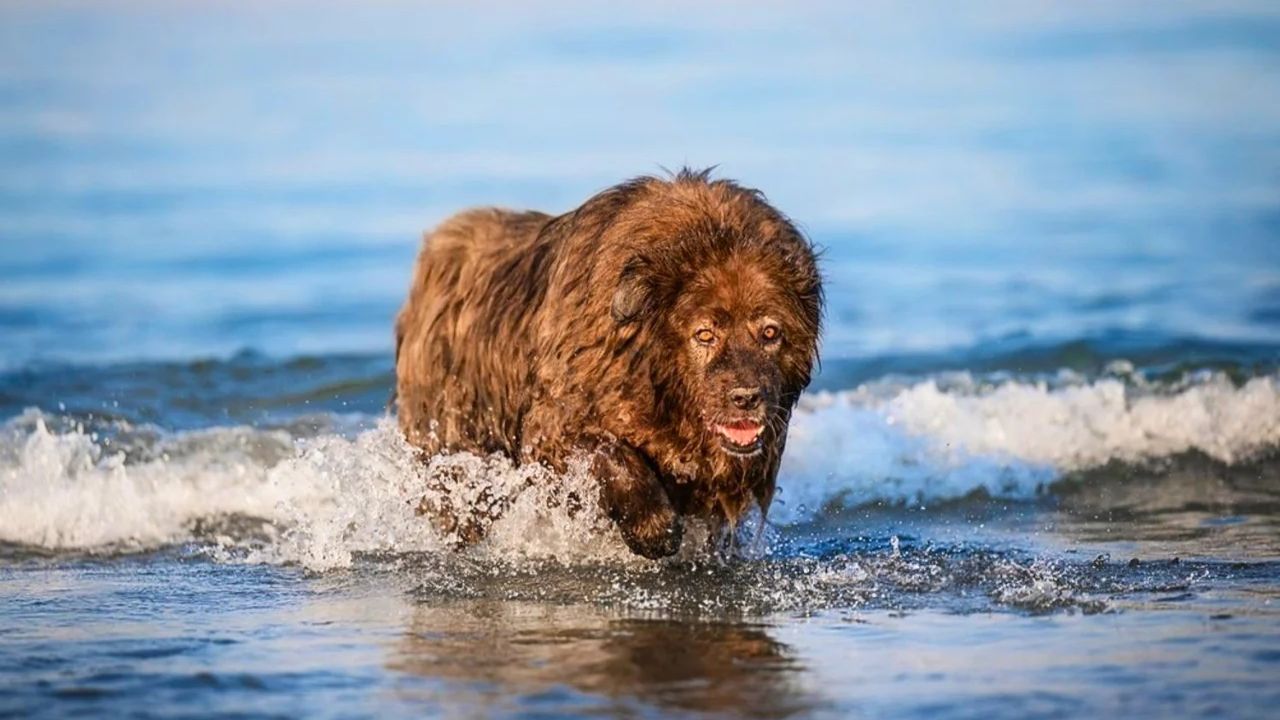
Dry cold is one thing, wet cold is the real thief. Newfoundlands are built for water, with a coat that sheds moisture and a body that holds heat. If your winters are slush, freezing rain, and muddy thaw days, this breed stays more comfortable than many fluffy dogs that soak through.
They’re big, and big means wear. If your porch steps are steep or slick, add traction strips before you ask a giant dog to run them all winter. Also plan on serious drying time, because a wet Newf can turn your mudroom into a swamp in about 30 seconds.
5. Saint Bernard Does Best In Cold, Not Heat
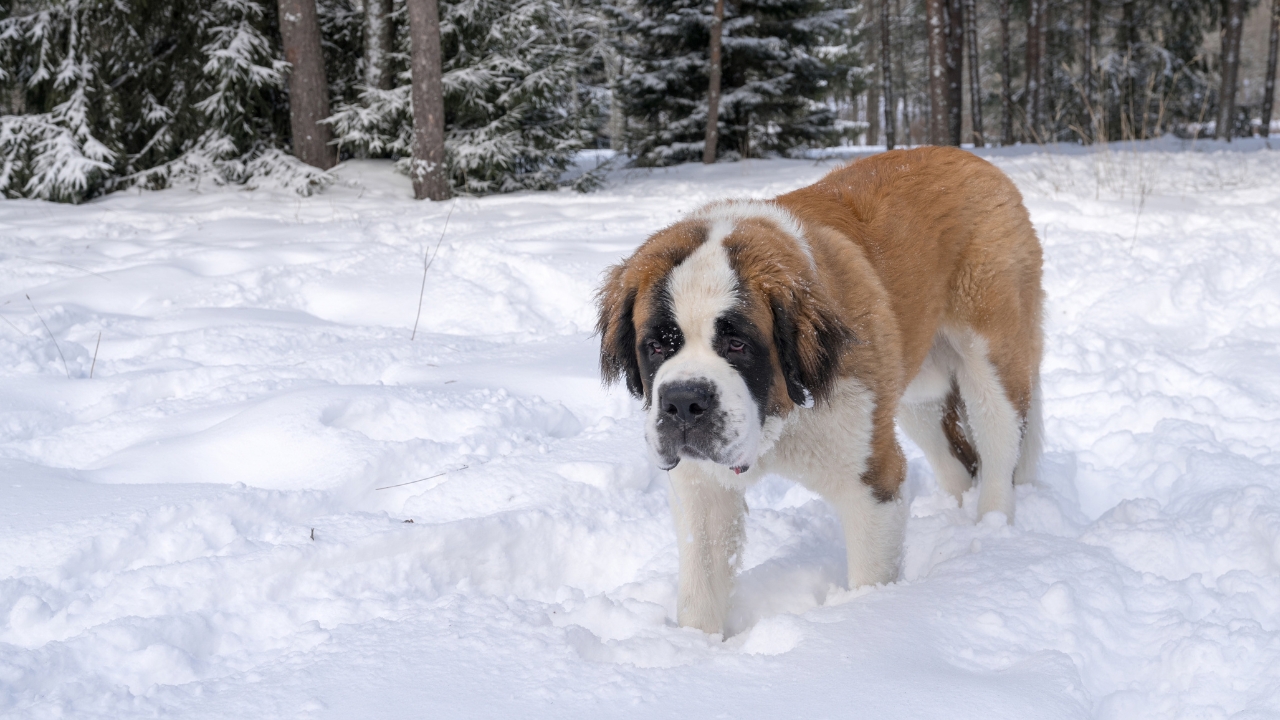
Saint Bernards get linked to snow for a reason, they carry their warmth with them. That size and coat do great in cold weather, and they tend to be steady, not frantic. If your place is quiet and you want a winter dog that doesn’t need constant speed, they can be a good match.
Here’s the honest exception: cold tolerance doesn’t mean “leave it outside.” A Saint Bernard that’s bored, wet, or stuck on ice can still get into trouble. Give it a dry, draft-free spot, and don’t overdo the “cute winter photos” when the dog is telling you it wants back in.
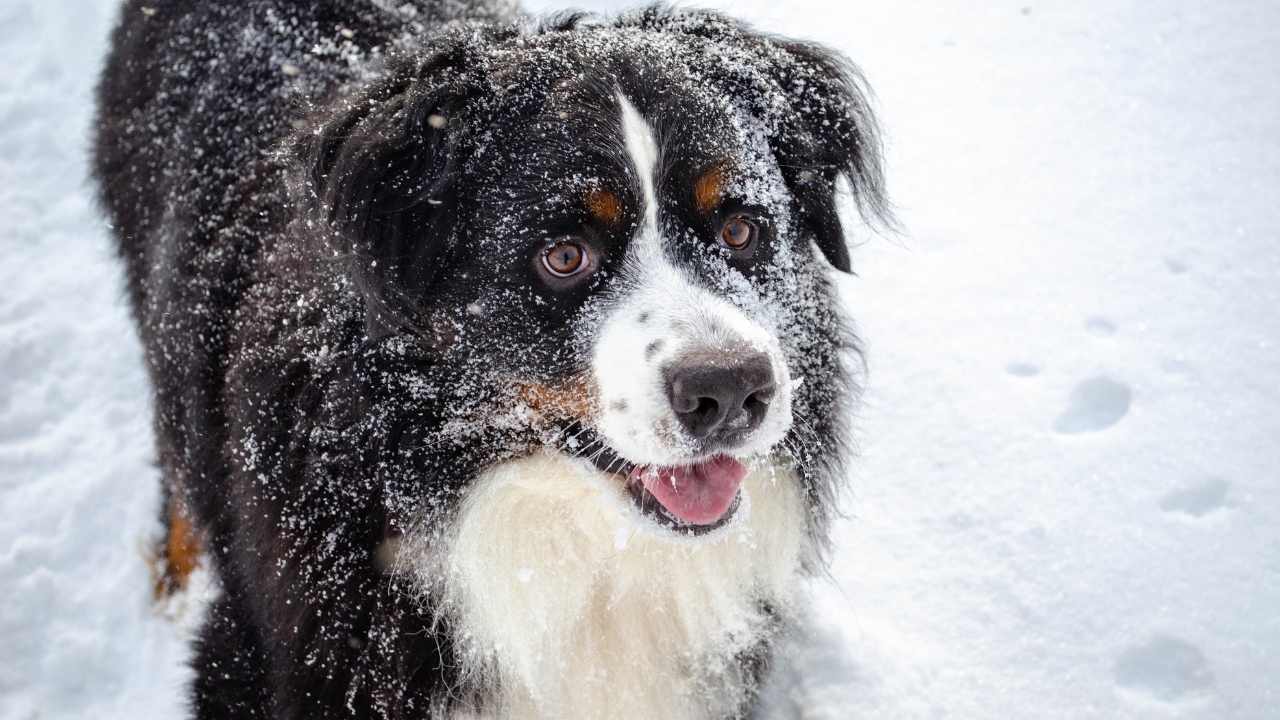
6. Bernese Mountain Dog Likes Working Weather
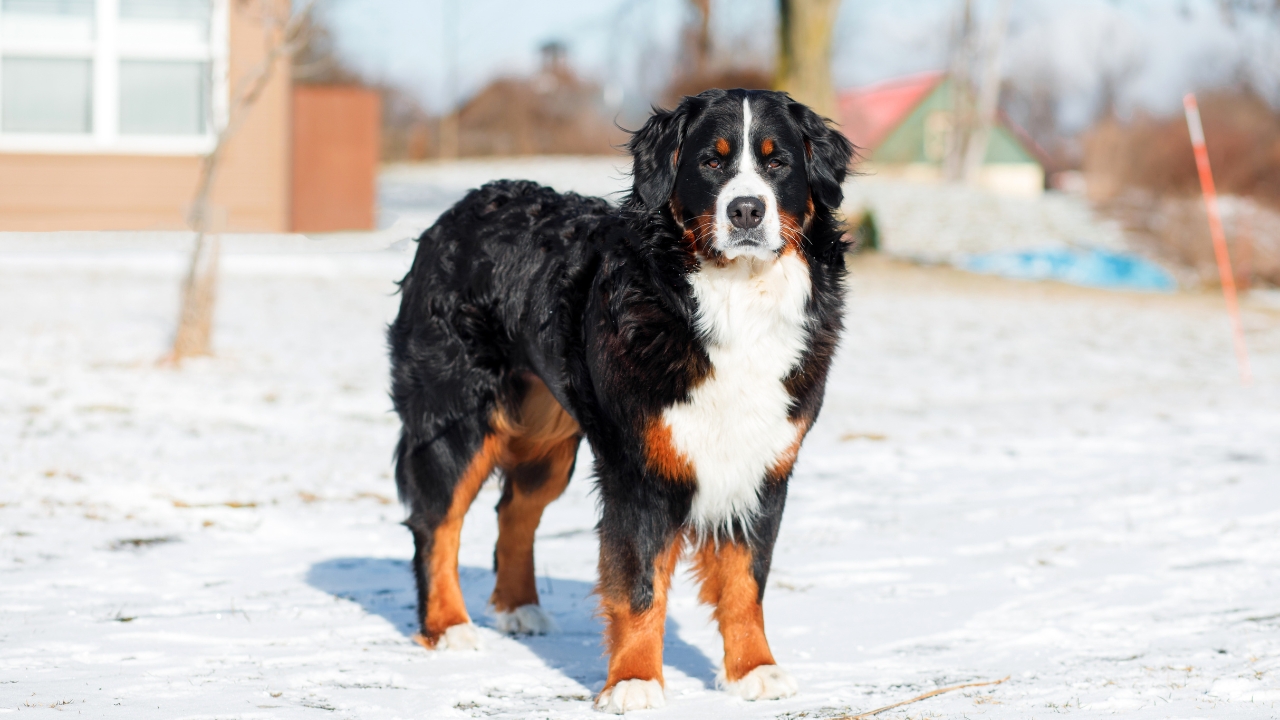
This is the dog that acts better when the temperature drops. Bernese Mountain Dogs were bred for cold mountain farms, and they often settle into chores and walks once the air turns crisp. They’re a good fit if you want a dog that can handle winter time outside without acting like every snowflake is an emergency.
Don’t ignore paw care. Ice melt and road salt can crack pads fast, even on tough breeds, and you’ll hear it, that sudden lick-and-limp when you hit the driveway. Rinse paws with lukewarm water, keep nails trimmed so toes don’t splay on ice, and talk to your vet about balm if your dog gets dry, split pads every winter.
7. Norwegian Elkhound Stays Tough In Wind
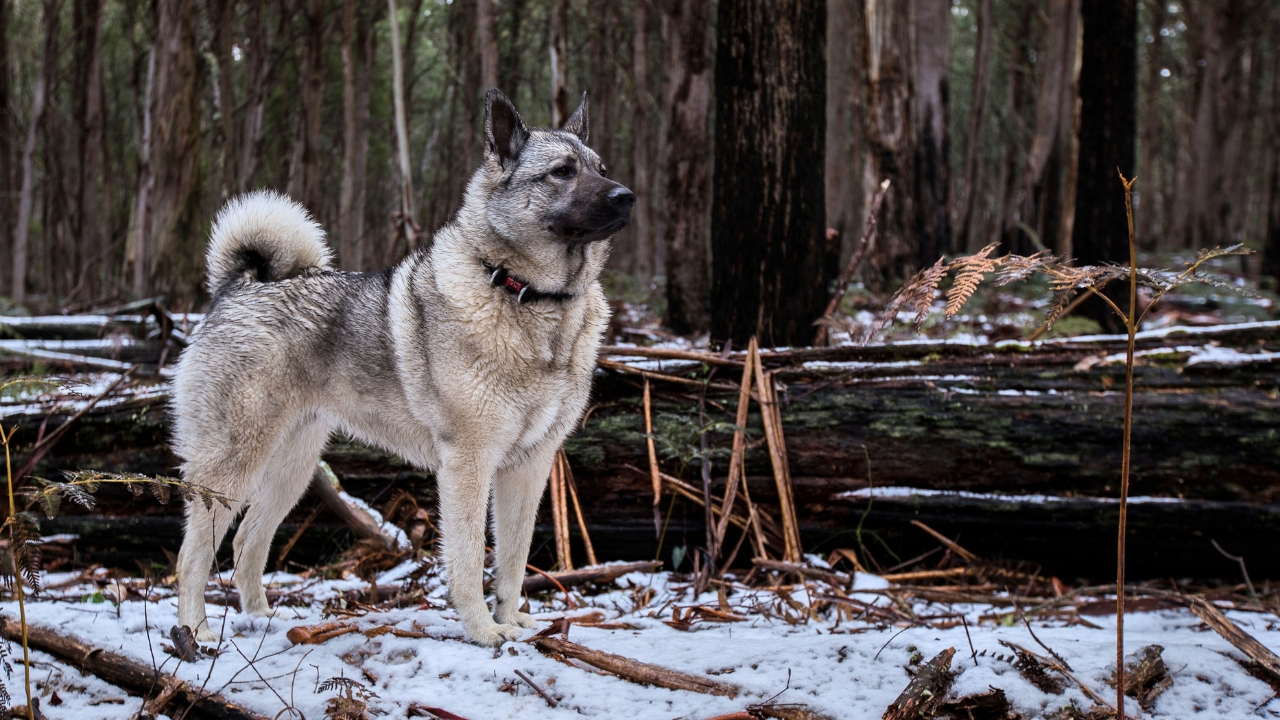
Most people don’t think of the Norwegian Elkhound until they meet one that’s been outside all morning and still wants more. They’ve got a tight double coat and a compact build that does well in cold wind. If you’re dealing with open fields and gusts that cut through cheap jackets, this breed doesn’t scare easy.
They’re also alert, sometimes loud, and that can be a problem when winter nights are long and sound carries. If you’ve got close neighbors, plan training early and give the dog a job. A dog with nothing to do will “work” the whole fenceline.
8. Akita Handles Cold With A Thick Coat
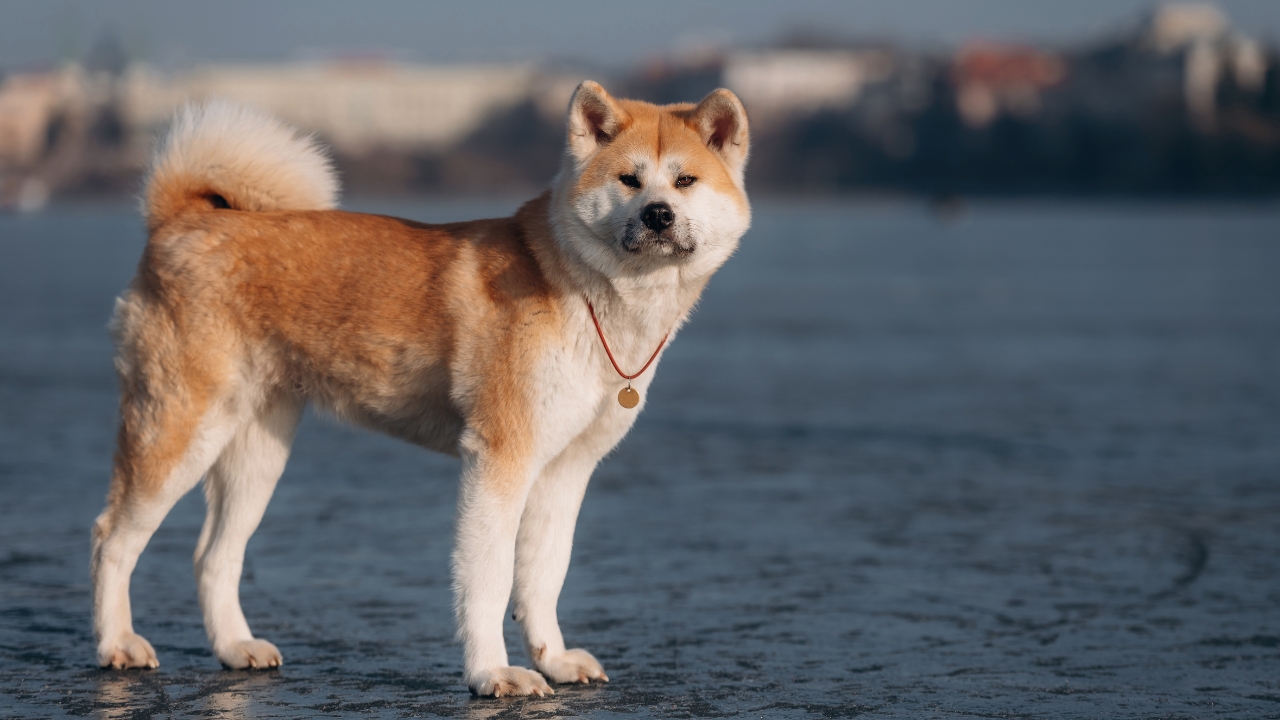
Akitas do well in low temps because their coat is dense and their body mass holds heat. They often look unbothered by snow and can handle short bursts of rough weather without needing a sweater and a pep talk. For a property dog that’s not flimsy in winter, they belong in the conversation.
This is not a breed to wing it with. Akitas can be protective and strong-willed, and winter adds extra risk because you’re walking on ice and wearing gloves that make leash handling clumsy. If you’re not confident training a large dog, get a trainer lined up before the first freeze.
9. Great Pyrenees Lives For Night Frost
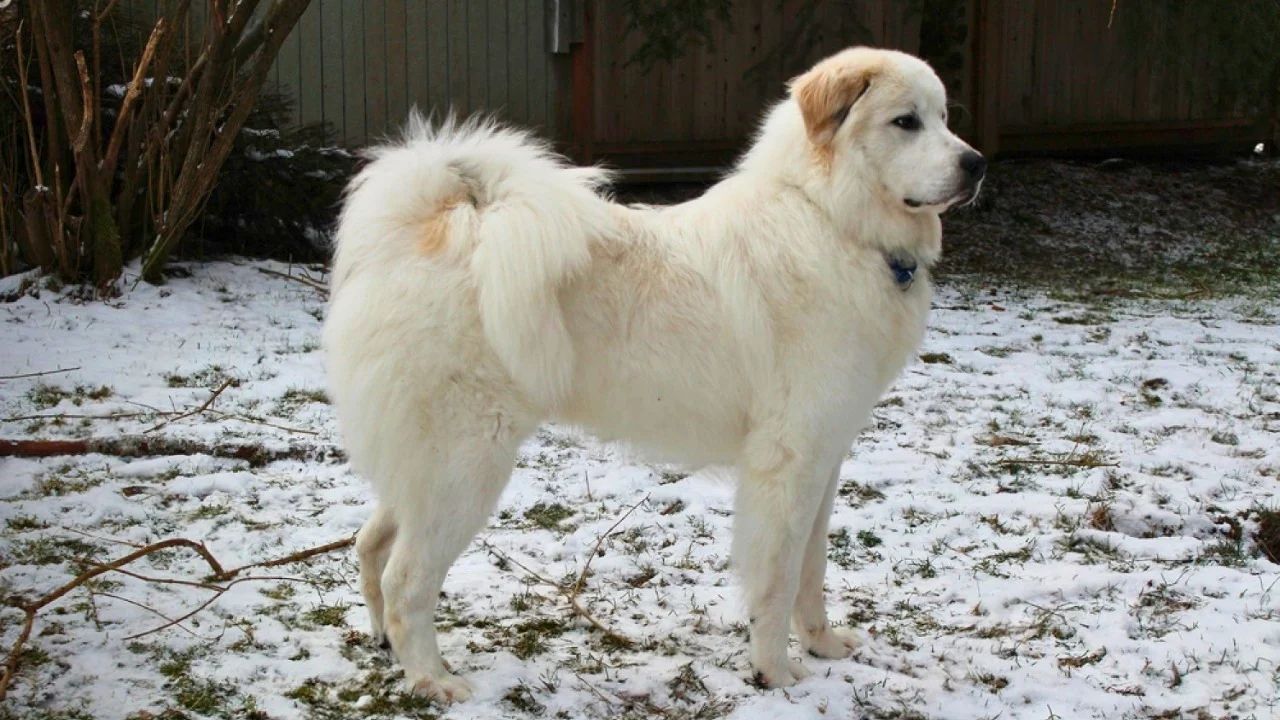
On a cold farm night, a Great Pyrenees often looks like it’s finally in its element. They were bred to stay outside and guard, with a weather-ready coat and the patience to watch and listen for hours. If you keep livestock and need a dog that won’t fold when the temperature drops after sunset, this is a common pick.
They wander if you let them, and winter makes it worse because tracks are easy and fences get buried. Walk your perimeter after big snows, clear drifts away from gates, and don’t trust an old wire fence just because it held in summer. A Pyrenees will go where it thinks the job is.
10. Tibetan Mastiff Handles High, Dry Cold
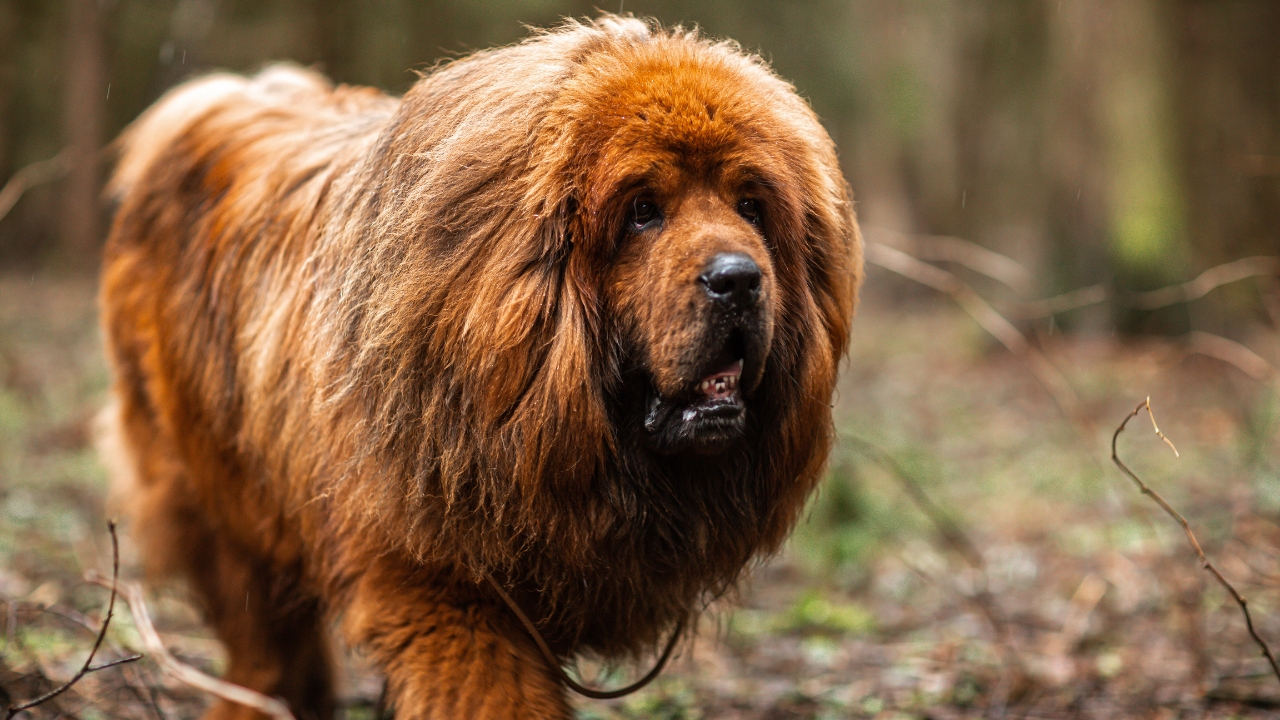
This is one of those breeds people forget, mostly because you don’t see them every day. Tibetan Mastiffs were built for harsh, high-altitude cold, with a heavy coat and a serious sense of territory. In the right rural setting, they’re comfortable in winter conditions that make smaller dogs shake.
They’re not a casual pet. If you have frequent guests, delivery drivers, or close neighbors, this can be a headache fast, and cold weather doesn’t soften that. If you do bring one home, you’ll need secure fencing and a plan for controlled introductions, not wishful thinking.
Even cold-ready breeds still need basics done right: dry bedding, a break from wind, and water that isn’t a block of ice by morning. Pay attention to paws, ears, and body condition when the weather swings. Winter is easier when your dog is built for it and your setup isn’t fighting it.
Like Fix It Homestead’s content? Be sure to follow us.