10 Things That Should Never Be Stored in an Attached Garage
Photo credit: Nalidsa/Shutterstock.com
An attached garage feels like free space until the weather swings, the fumes build up, or a small leak turns into a big mess. Because it shares air and walls with your house, a mistake out there follows you inside. A few smart storage changes can cut fire risk, keep pests down, and save you from replacing stuff you thought would last.
1. Gas Cans And Spare Fuel
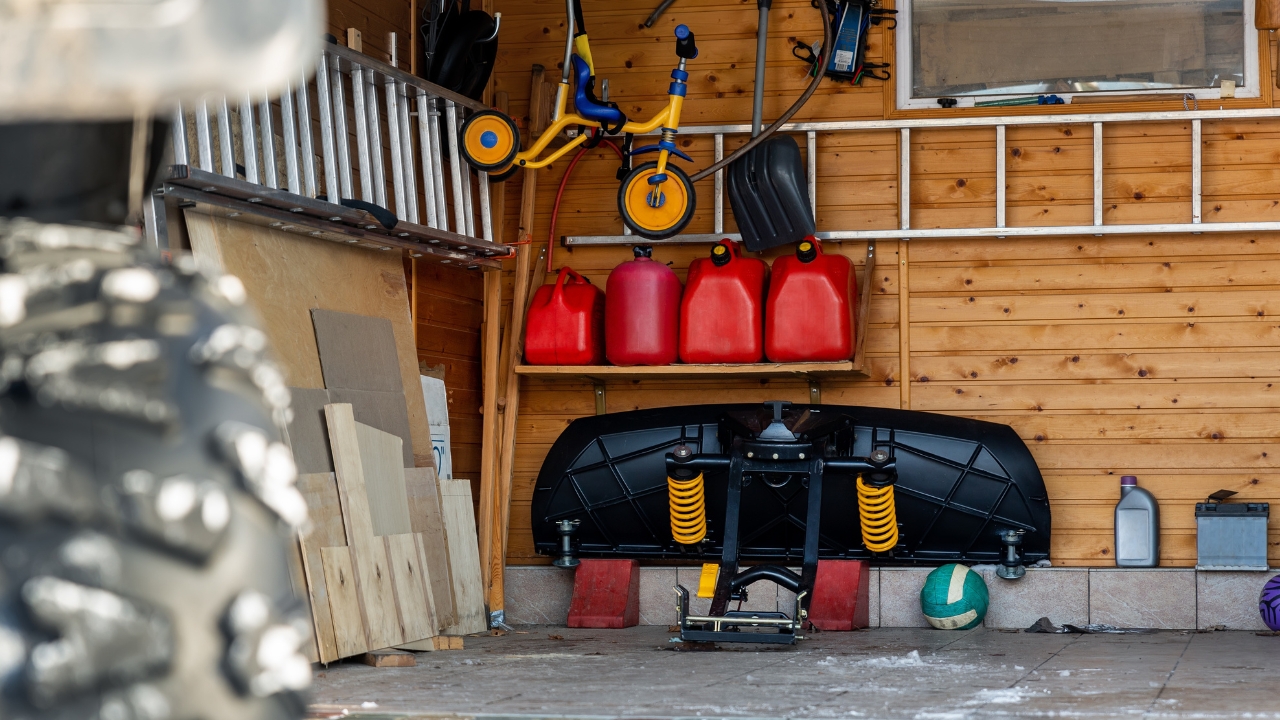
That “empty” gas can still stinks up the place, and the smell doesn’t always stay in the garage. Temperature swings make fumes expand, and an attached garage is full of ignition sources, water heaters, freezers, battery chargers, even a spark from a worn outlet.
If you need fuel on the property, keep only what you’ll burn soon, in approved containers with tight caps. The better move is a detached shed with ventilation and no appliances. If you ever smell strong fuel indoors, stop and figure out where it’s coming from before you keep “airing it out.”
2. Propane Cylinders And Spare Tanks
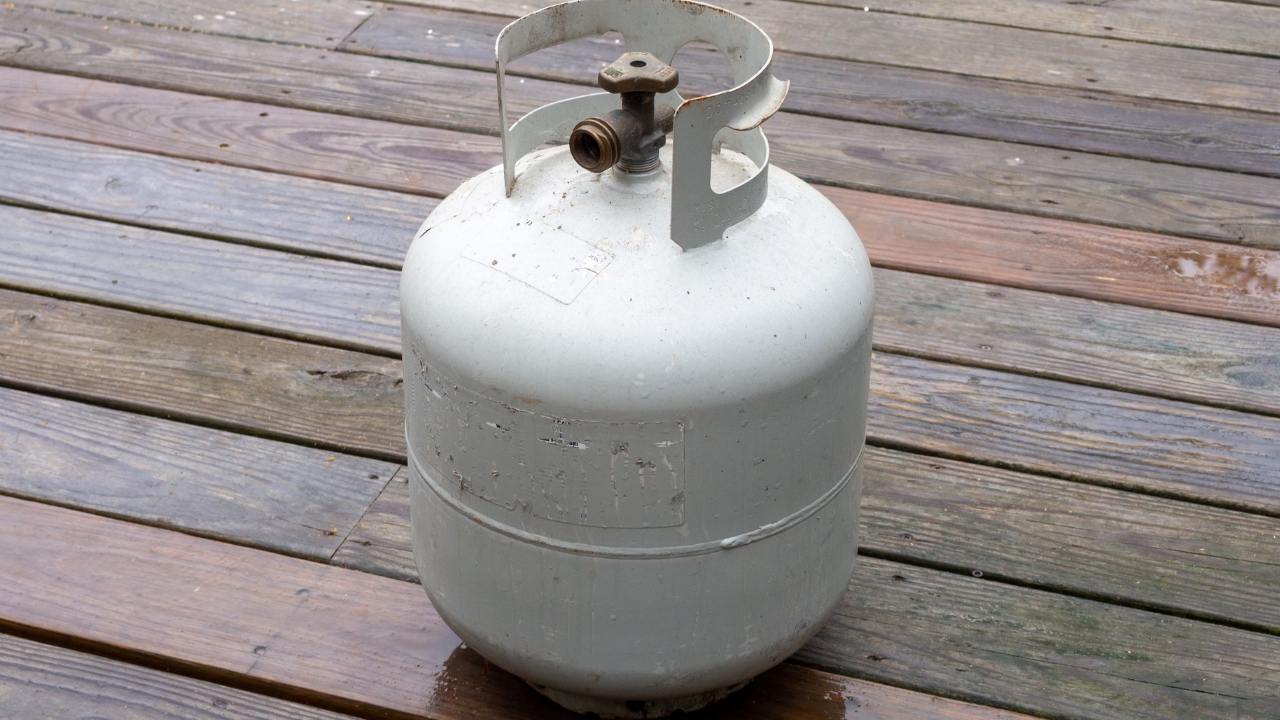
People park the grill next to the door and forget about it. Propane is heavier than air, so a leak can sink low and hang around near the floor until something lights it.
Store cylinders outside, upright, and shaded from direct sun. Don’t tuck them beside a furnace closet or any flame source. If you suspect a leak, don’t mess with it, shut off the valve if it’s safe, open the garage door, and call the supplier or a licensed pro.
3. Oily Rags And Stain Pads

Rags with linseed oil, deck stain, and some finishes can heat up on their own. You don’t get much warning. The first sign can be a weird warm smell or a faint haze you can’t explain.
Don’t leave them in a pile, not even overnight. Lay them flat outside to dry on concrete or hang them on a line, then toss them in a metal can with a tight lid. If you do wood finishing often, a purpose-made oily rag can is worth the few bucks.
4. Extra Pesticides And Herbicides
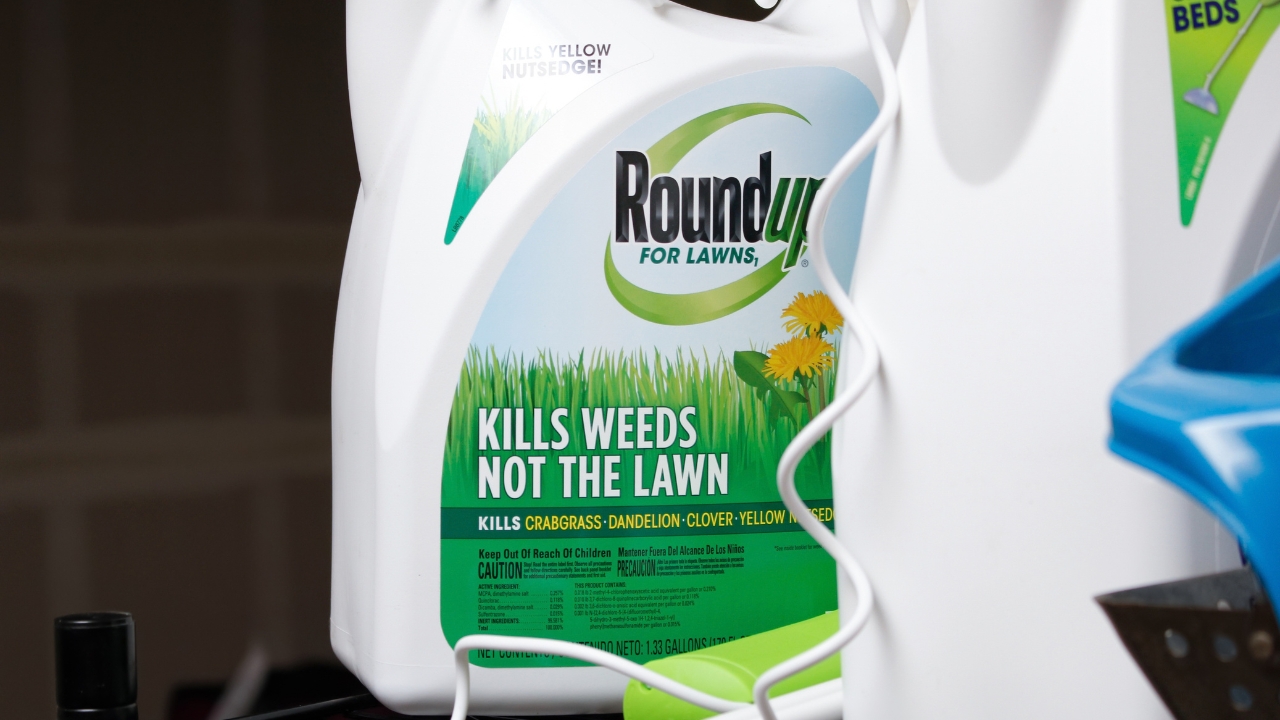
Freezing can split jugs and ruin concentrates, and summer heat can warp bottles and pop caps. Once a container leaks, it soaks into cardboard, work gloves, and anything else nearby, and you’ll smell it every time the garage warms up.
Keep only what you’ll use in a season, and store it in a shallow plastic tote so a small leak stays contained. Better yet, use a locked cabinet in a shed that stays closer to outdoor temps. For disposal, follow your county household hazardous waste drop-off rules instead of “using it up” where it doesn’t belong.
5. Open Bags Of Seed And Animal Feed

Rodents find feed fast. Once they move in, they chew wiring, shred insulation in the wall bays, and leave droppings right where you store kid stuff and tools. Ants and pantry moths are next.
Transfer feed and seed into hard containers with gasket lids, metal cans are best if you’ve got persistent chewers. Sweep up spills right away, even the dusty stuff under the shelf. If you keep chickens or rabbits and you’re buying by the bag, a small dedicated bin in a detached outbuilding beats turning the garage into a buffet.
6. Paint, Caulk, And Water-Based Adhesives
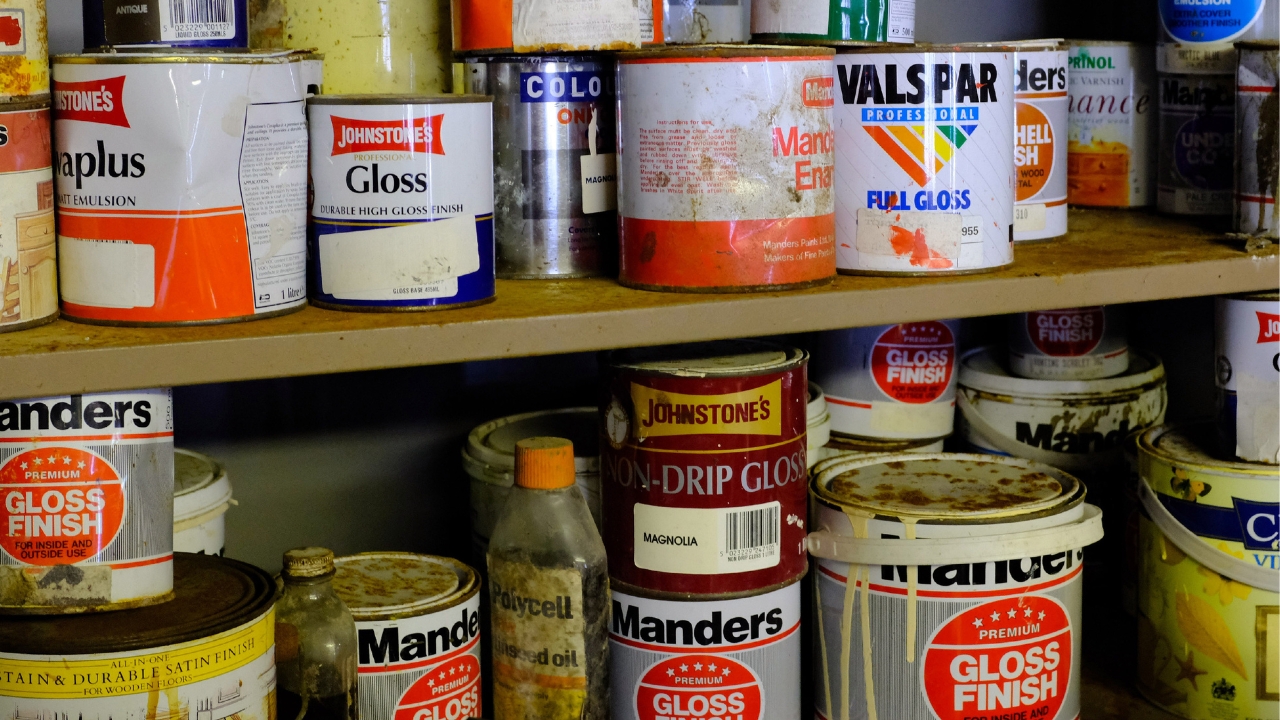
Freeze-thaw wrecks latex paint and many construction adhesives. You’ll open the can in spring and it’ll look fine until you roll it on, then you get lumps, poor coverage, and a finish that peels early.
If your garage drops near freezing, store these indoors where temps stay steady. For paint you must keep out there, write the room and date on the lid and plan to test it on scrap before committing to a wall. An honest exception, some solvent-based paints and oil primers handle cold better than latex, but the fumes and fire load still make indoor storage a bad trade.
7. Cardboard Boxes Of Clothes And Paper

Cardboard is a sponge. It pulls moisture off a concrete slab and turns that “dry storage” into mildew and silverfish. In summer it can smell like a damp basement, and in winter the boxes soften and collapse when you bump them.
Use sealed plastic totes and get them up on a shelf or pallet, not right on the floor. Keep anything you’d hate to lose, photos, documents, quilts, in the house, not above the garage door tracks.
8. Spare Lithium Batteries And Power Packs
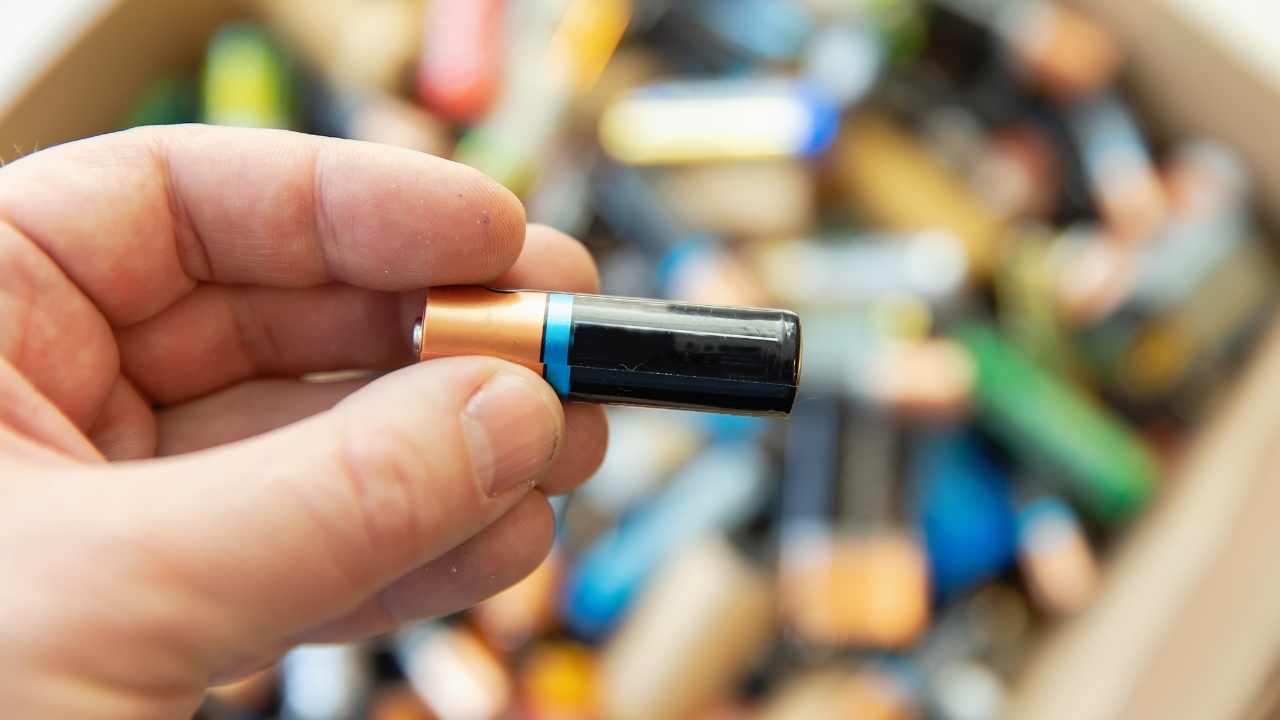
Heat shortens battery life, and extreme cold makes them act dead when you need them. The bigger worry is damage, a pack that gets crushed under a shovel or punctured in a junk drawer can fail hard later while it’s charging.
Store lithium batteries indoors at room temp, out of direct sun, and don’t leave them on the charger for days in a hot garage. Keep terminals covered and don’t toss loose packs in with screws and drill bits. If a battery swells, leaks, or smells sweet or sharp, move it outside away from the house and follow local disposal guidance.
9. Extra Fridge Or Freezer Full Of Food
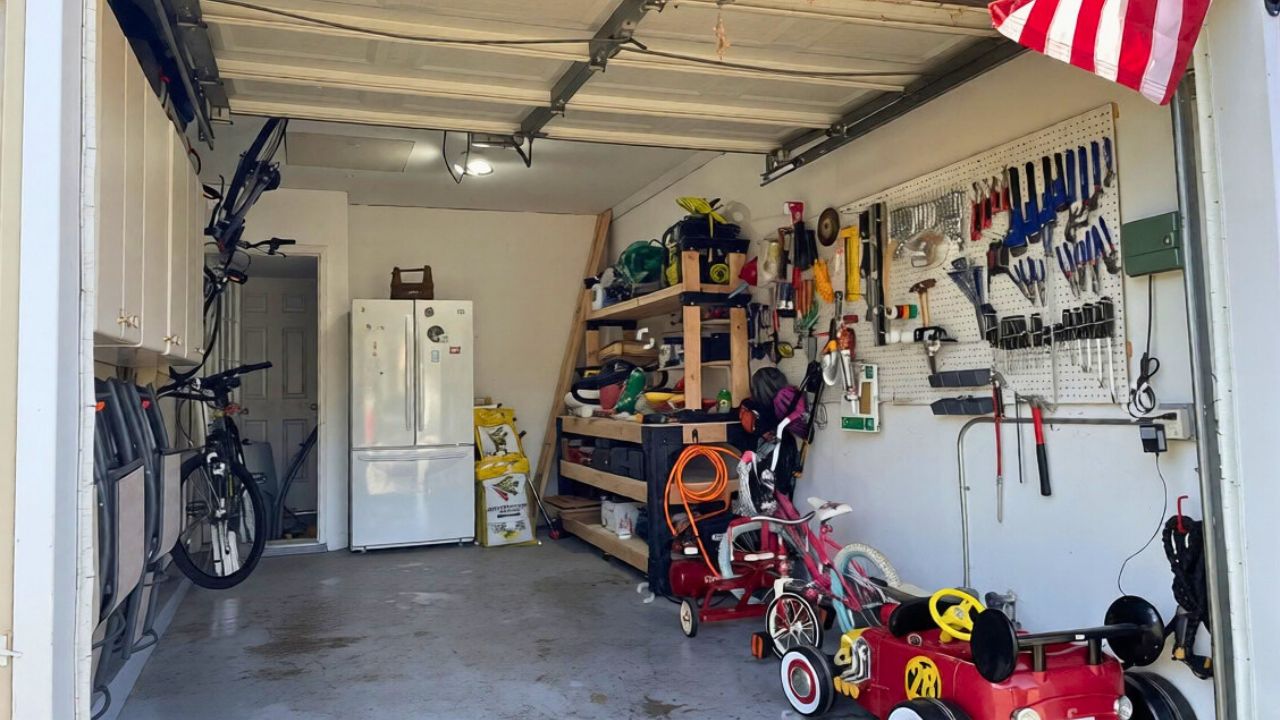
That old garage freezer seems like a win until it starts tripping a breaker and you don’t notice. Attached garages are rough on appliances, dust, humidity, and hot afternoons make compressors work harder, and a door left cracked for an hour can mean a full thaw.
If you keep one out there, plug it into a dedicated outlet, not a power strip, and don’t share that circuit with a big tool charger. Put a simple thermometer inside and check it when you take out food. If the garage gets very hot or unheated and very cold, a basement or utility room is a lot kinder to food and equipment.
10. Firewood Stacks Against House Wall
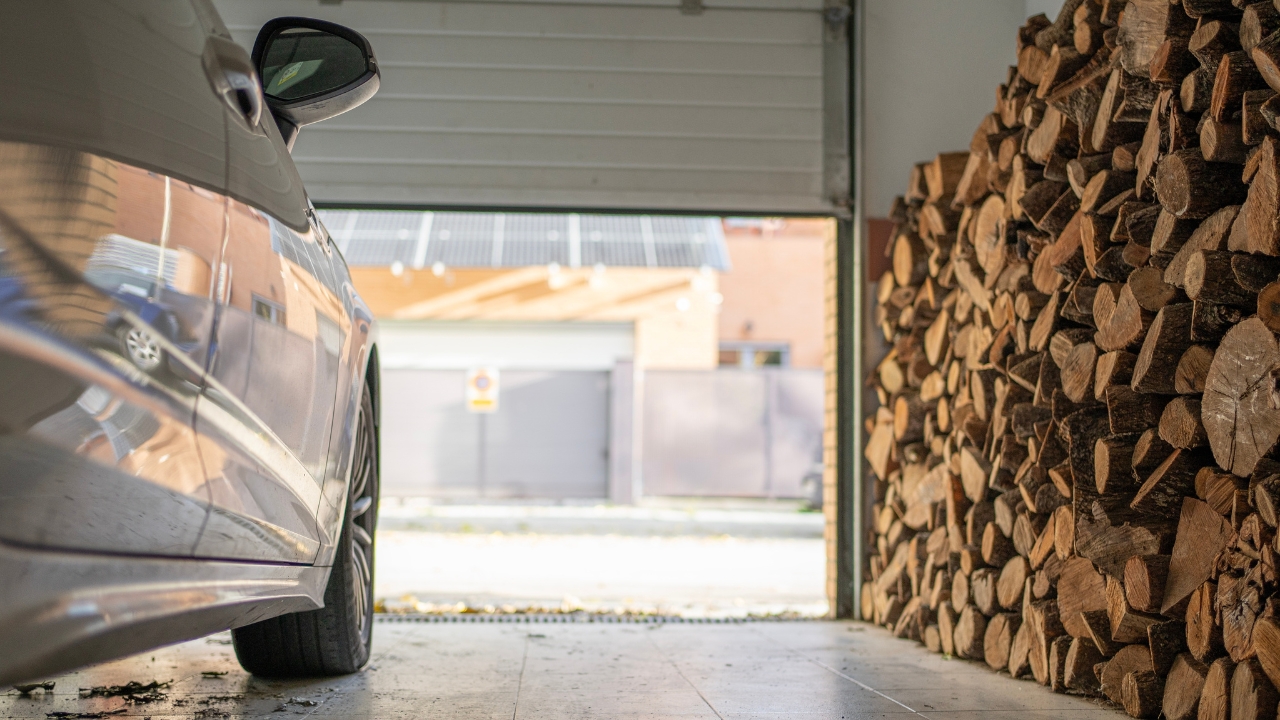
Bringing wood close to the door feels practical in January. It also brings insects, spiders, and sometimes mice right up to the wall that connects to your living space, then you wonder why you keep seeing pests in the mudroom.
Stack firewood outside, off the ground, and a little away from the house. Keep only a small indoor rack worth of wood near the entry, and rotate it so it doesn’t sit for weeks. If you already have a pile against the garage, move it on a dry day and check the bottom layer for termite tunnels or ant nests.
A garage works best when it’s treated like a buffer zone, not a pantry or a chemical closet. Put the stink, the burn, and the chewable stuff somewhere else, and keep what stays in there sealed and off the floor. You’ll notice the difference the next time the weather swings and the house still smells like, well, your house.
Like Fix It Homestead’s content? Be sure to follow us.