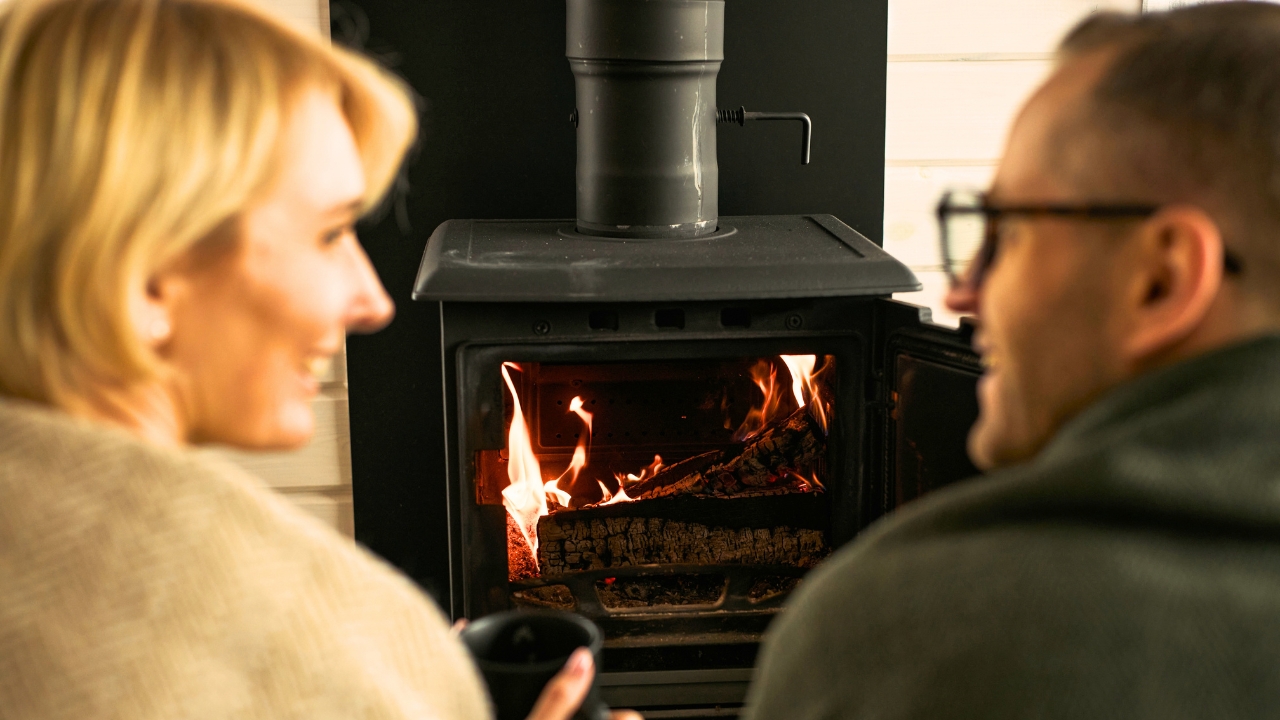
Best Firewood for Heat That Actually Lasts Overnight
Photo credit: Dragon Images/Shutterstock.com
You load the stove before bed, damper set, house warm, and you finally relax. Then you wake up at 3 a.m. to a cold room and a bed of gray powder where the coals should be. Overnight heat is less about stuffing the firebox and more about choosing wood that burns slow, splits right, and was dried the way it should’ve been.
1. White Oak For Long Coals
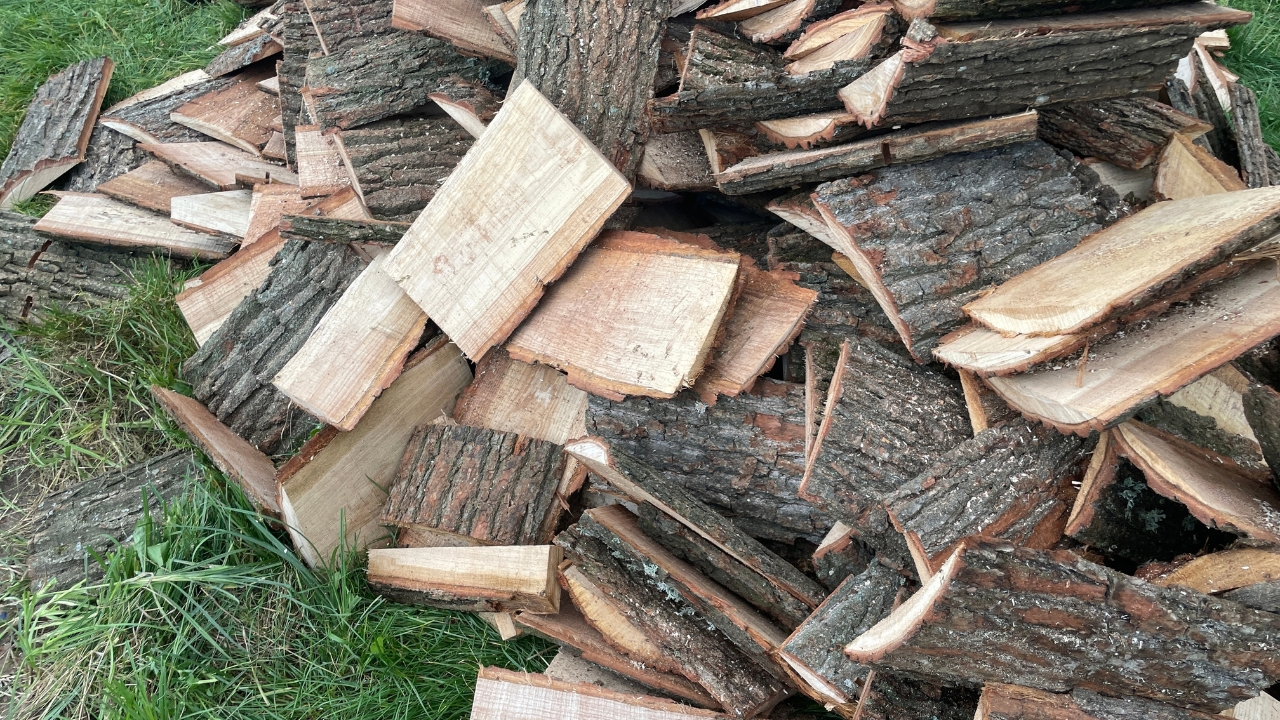
If you want to wake up to heat instead of a restart, white oak is hard to beat. It makes a dense, slow burn and it leaves a coal bed that’s still useful in the morning, so you’re not hunting for kindling with a flashlight. It also holds up well when you need bigger splits that won’t crumble into punky chunks.
The catch is seasoning time. Oak likes a long nap, often a full year or more depending on your climate and how it was split and stacked. If you buy “seasoned” oak in fall and it hisses and spits behind the glass, it’s not ready. Save it for next year and burn something else now.
2. Sugar Maple For Steady Heat
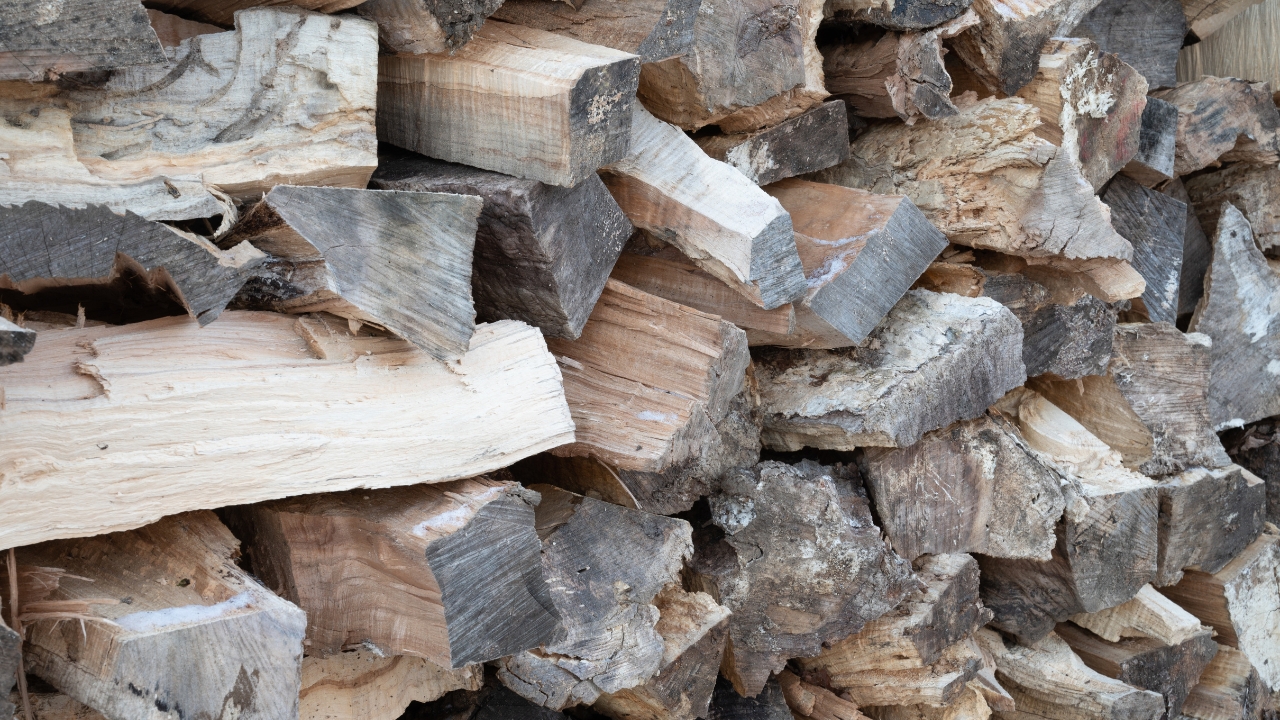
Hard maple burns hot and steady, and it doesn’t pull the trick of flaring up fast then vanishing. It’s a good overnight pick when you want predictable output and you don’t want to babysit the air control all evening. The coals tend to be fine and even, which makes morning reloads simple.
Maple usually seasons faster than oak if it’s split to a sane size and stacked off the ground. If you’re buying by the cord, look for clean ends with visible cracks and bark that’s starting to loosen. Heavy, tight bark and shiny end grain often means it’s still carrying water.
3. Hickory When You Need Maximum Heat
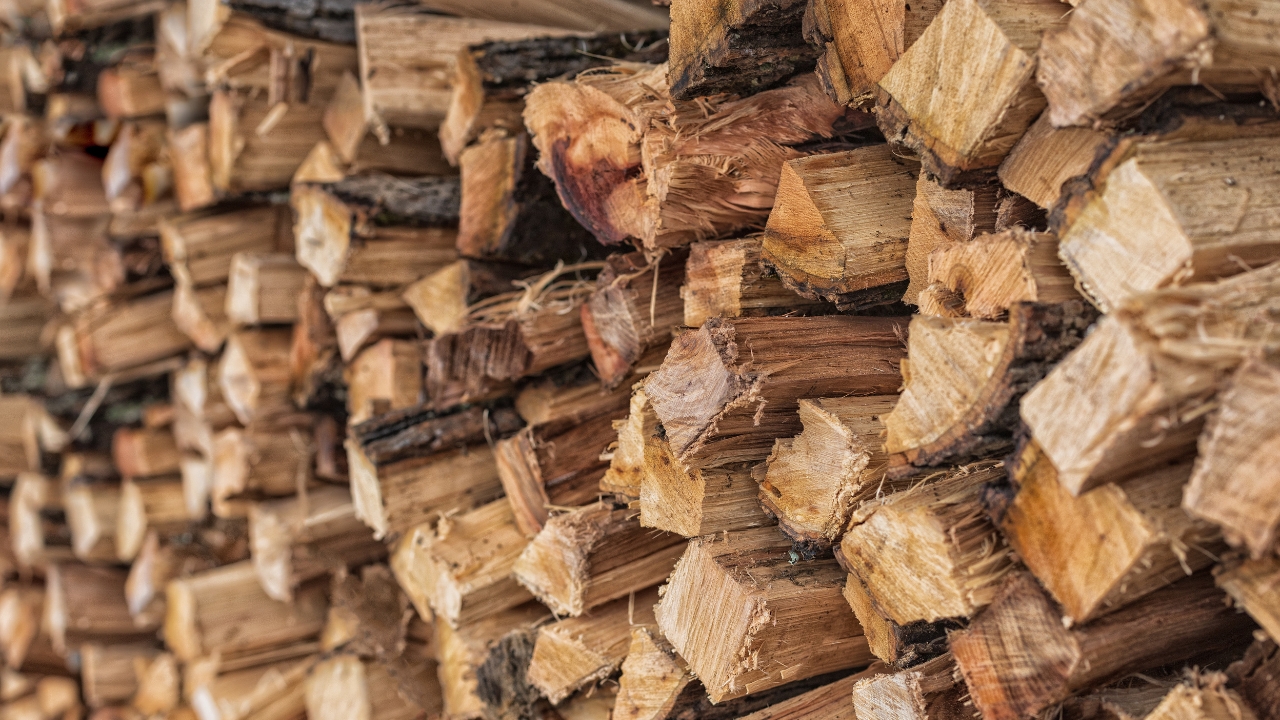
Hickory is the “turn the thermostat down” wood. It’s dense, it burns a long time, and it throws serious heat, which is great in a deep cold snap or a drafty old farmhouse. Pack a couple big hickory splits behind a hot coal bed and the stove will stay lively for hours.
It’s not always the friendly choice. Hickory can be stubborn to split by hand, and it punishes dull chains. If your setup is a small stove and a modest chimney, too much hickory can push stove temps faster than you expect. Mix it with a milder hardwood until you learn how your stove responds.
4. Beech If You Can Get It
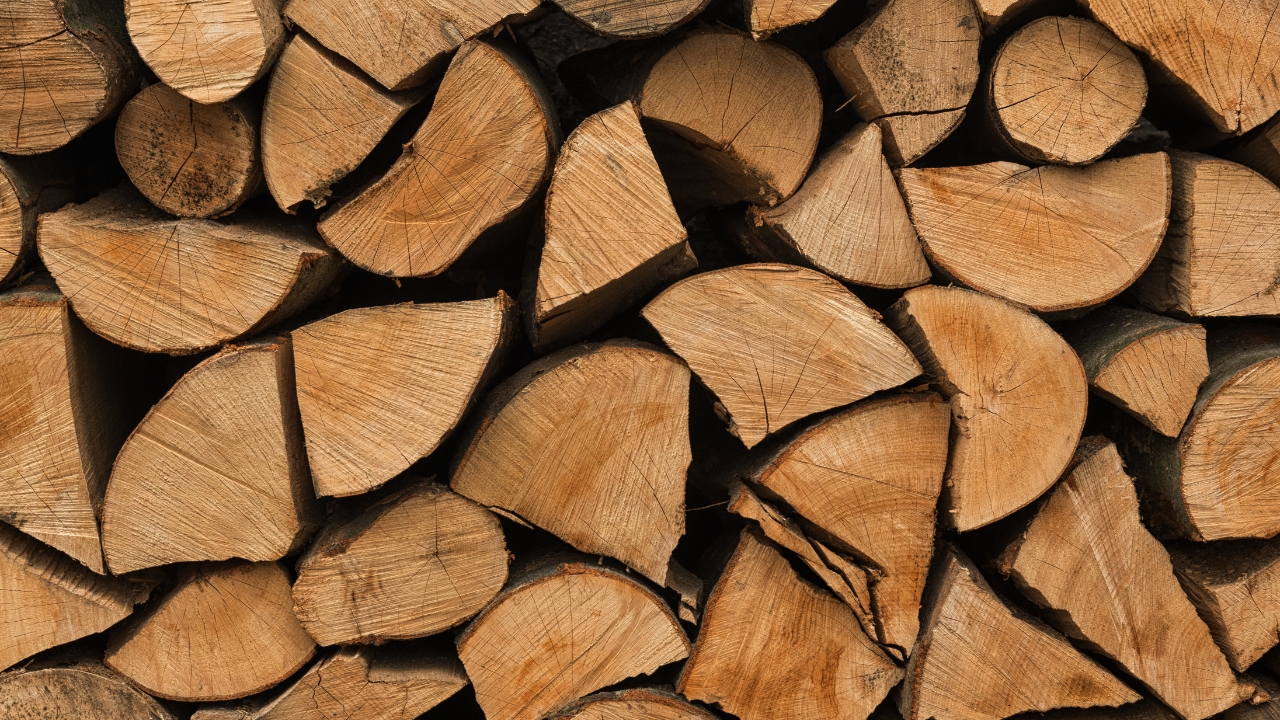
Beech is one of those woods people forget about until they try it. It burns long, makes a strong coal bed, and it stacks like a dream because the splits are usually straight. For overnight loads, it behaves a lot like oak without always taking quite as long to dry.
The problem is rot. Beech can go bad fast on the ground, and bug damage can turn it to spongy mess before you ever split it. If you find a source, get it bucked, split, and stacked with airflow right away, then cover only the top so it can keep drying.
5. Black Locust For All Night In Wind
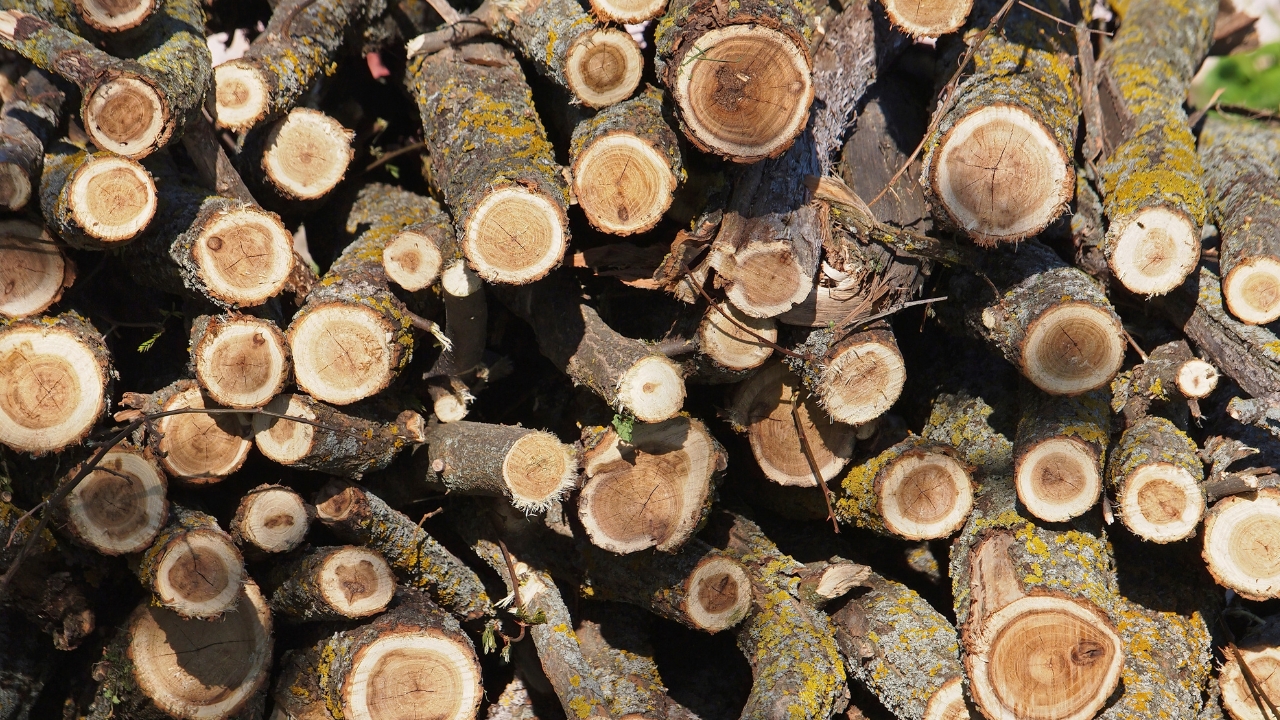
When the wind is howling and the house is losing heat through every crack, black locust is the anchor. It’s very dense, it burns a long time, and it tends to stay in chunky coals instead of collapsing into ash. If you’re fighting a leaky cabin or a pole barn shop, this wood can carry the night.
Locust can be nasty to process. Thorns, twisted grain, and hard knots are common, and it’s rough on splitting mauls and saw chains. Wear gloves and eye protection, and don’t push a tired saw. If you don’t want the hassle, buy it already split and pay the premium.
6. Ash As The Cheap, Fine Option
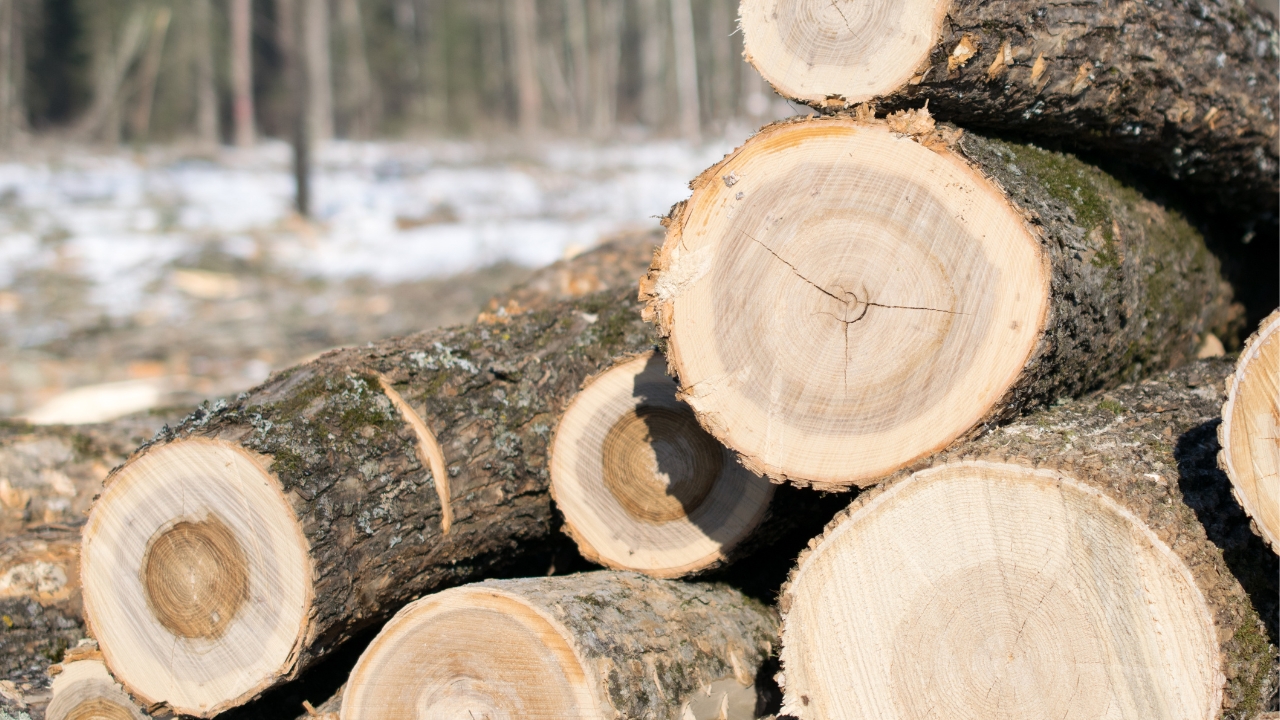
Ash gets talked down because it doesn’t feel as “premium” as oak or locust, but it’s a solid overnight wood when it’s actually dry. It lights easier than a lot of dense hardwoods, burns steady, and leaves decent coals. For many stoves, ash is the workhorse that keeps life simple.
There’s an honest exception here. Ash can burn acceptably even when it’s not perfectly seasoned, especially compared to soggy oak, but “acceptable” still isn’t “good.” If it sizzles, blackens your glass fast, or smells sharp and wet, stack it longer or mix in truly dry wood so you don’t gum up the chimney with creosote.
7. Softwoods That Burn Too Fast
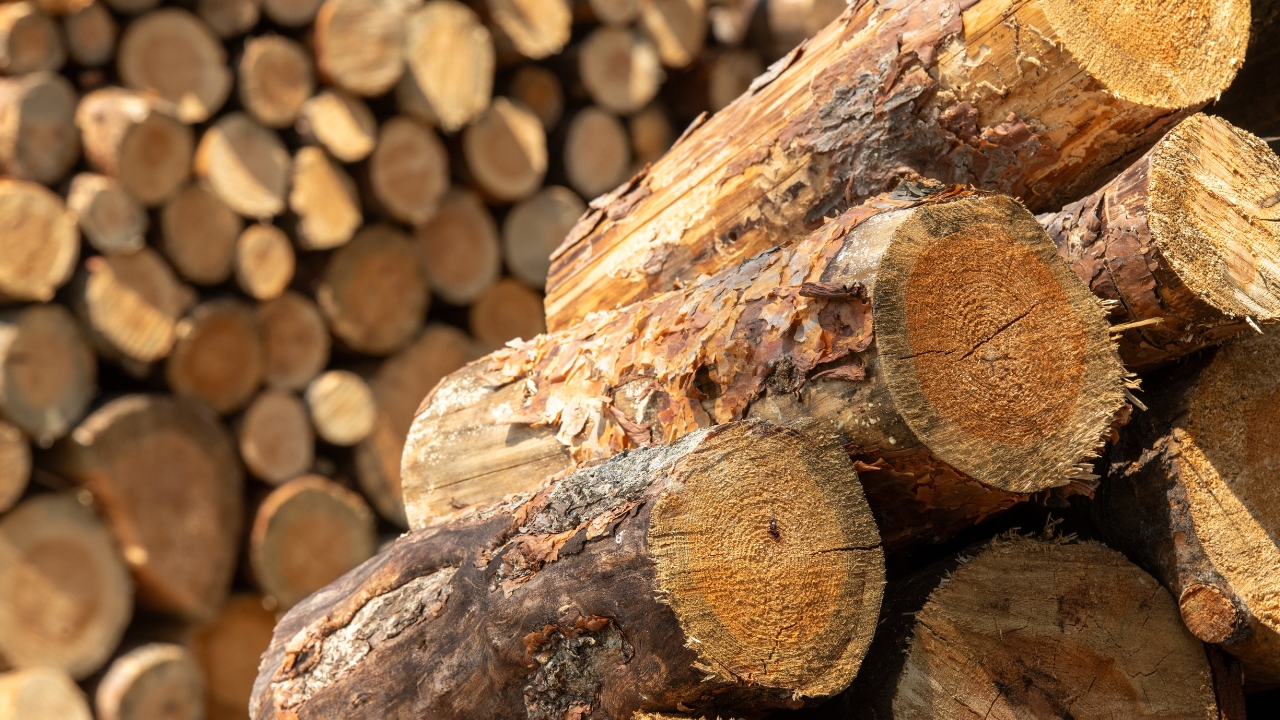
Pine and spruce are great for starting fires and waking up a lazy coal bed, then they’re gone. People load a stove full of softwood at 10 p.m., get a bright show for an hour, and wake up cold with nothing left to relight. The overnight complaint isn’t the stove, it’s the fuel.
Softwood still has a place. Use a couple pieces to get the load going, then switch to dense hardwood for the long burn. If softwood is all you have, pack the biggest splits you can, tighten up air only after the load is fully charred, and plan on a middle of the night reload.
8. Wood Cut Too Long Or Too Thick
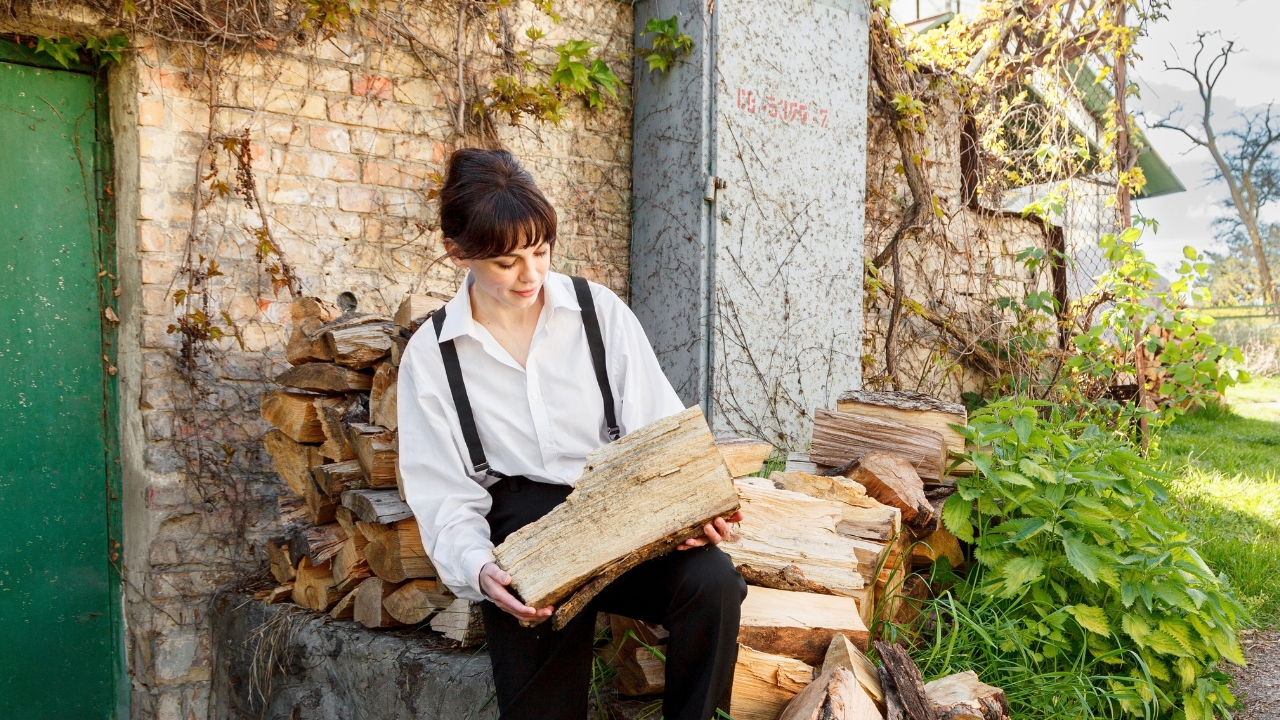
Overnight heat fails when your splits don’t fit the firebox right. Too long and you can’t pack the stove tight, so you get big air gaps and a faster burn. Too thick and the outside chars while the inside stays wet, so it smolders, makes weak heat, and leaves you with a crusty mess instead of coals.
Cut to your stove, not your neighbor’s. Measure the firebox depth and cut an inch or two shorter so you can load east-west or north-south the way your stove was designed for. Split a mix, some medium pieces for filling space and a couple big splits for the overnight portion, then test what your stove likes during a normal evening, not during a blizzard.
9. “Seasoned” Wood That Still Hisses
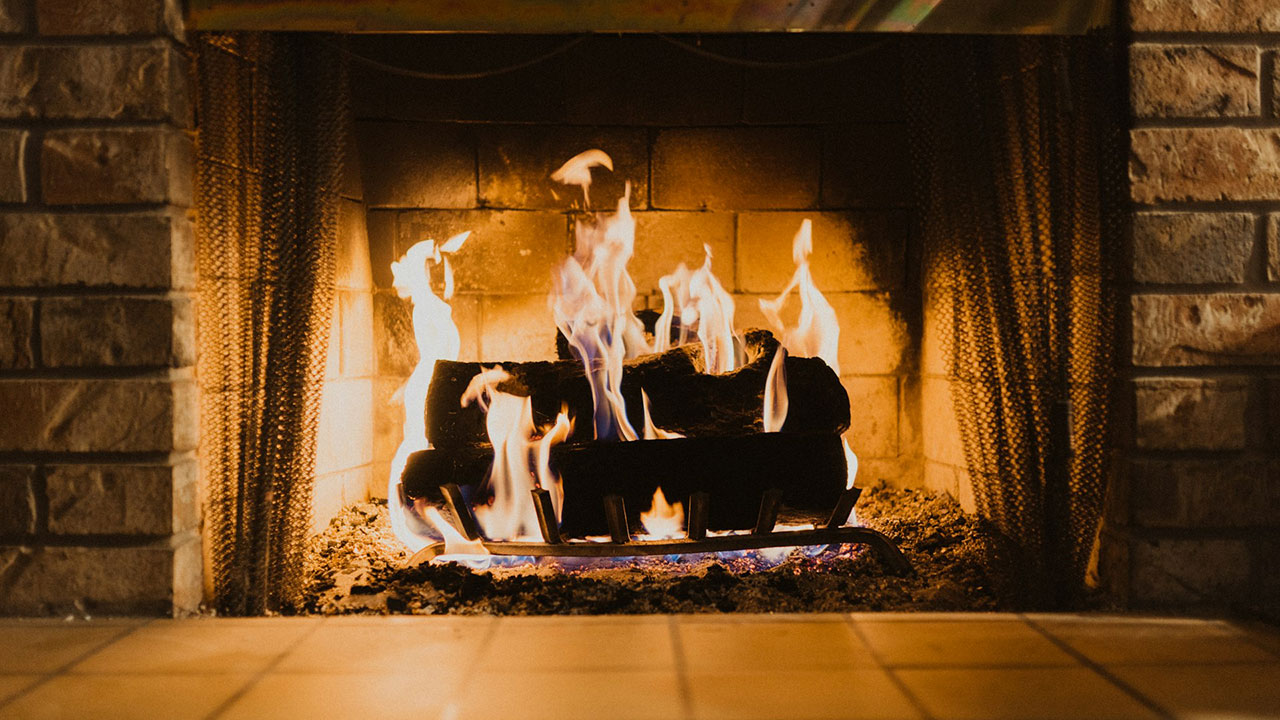
Buying firewood a week before the first freeze is how you end up feeding the stove all night. Wet wood steals heat to boil off water, makes lazy flames, and stacks creosote in the flue. You’ll hear it, a hiss, a sizzle, and a dull thump instead of a crisp crackle, and the glass turns brown fast.
Use a moisture meter if you want to stop guessing. Split a piece, then test the fresh face, not the end grain, and aim for about 20 percent or less for most stoves. If you’re stuck with wet wood, burn smaller loads hotter, keep the flue temps up, and schedule a chimney cleaning sooner rather than later.
10. Stacks That Never Really Dry
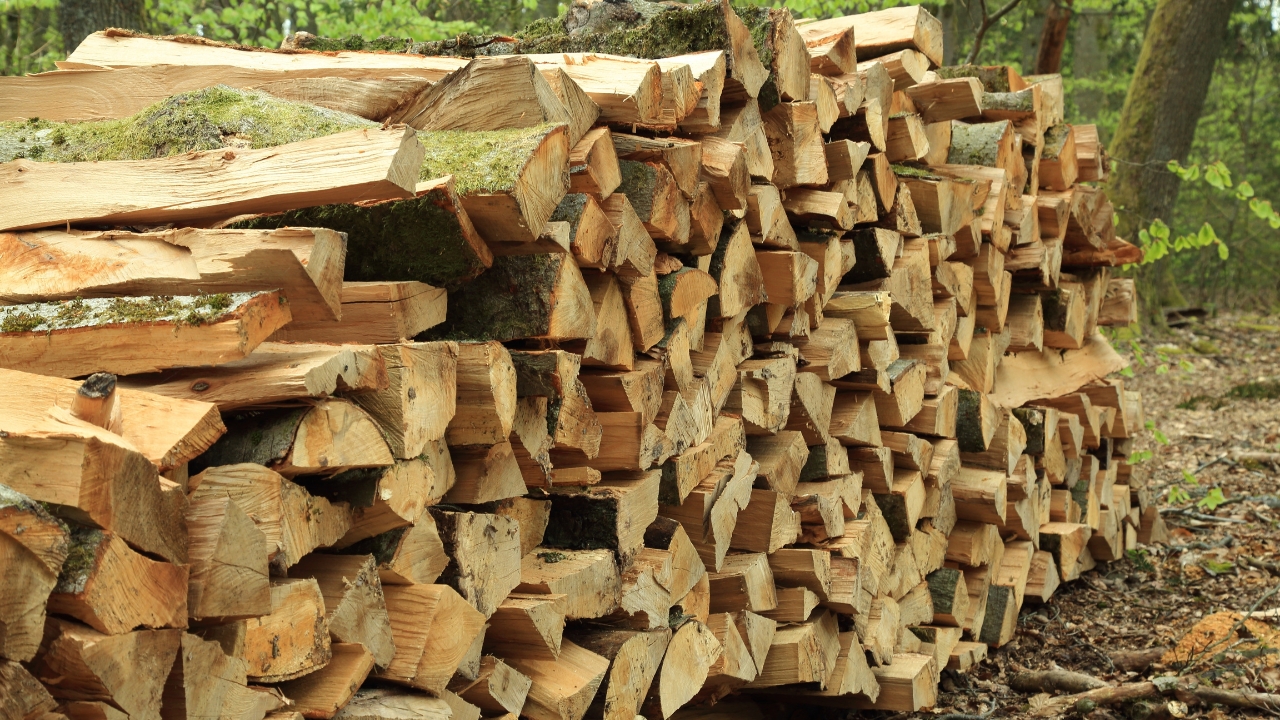
You can start with great species and still lose the overnight burn if your stack sits in the wrong spot. Wood piled on the ground wicks moisture, and a tight tarp wrapped around the whole stack traps humidity like a bad greenhouse. The result is heavy logs that look fine outside and act wet inside.
Get it up on pallets or runners, leave the sides open to wind, and cover only the top once it’s had some sun and air. South-facing exposure helps, and so does splitting sooner rather than later. If you have to store a small amount inside, keep it away from the stove and bring in only a day or two at a time so you don’t invite bugs.
The best overnight load is usually a dense hardwood base with a few pieces that catch quick, all of it truly dry and sized to your firebox. Get that part right and the stove stops being a midnight chore and turns back into steady heat you can count on.
Like Fix It Homestead’s content? Be sure to follow us.