10 Winter Dangers in a Yard That Dog Owners Miss
Photo credit: Daesco/Shutterstock.com
Winter changes the yard in ways you don’t notice until your dog finds the one bad spot. Ice hides under fluff, chemicals get tracked inside, and “temporary” setups turn into daily routines for months. A few small fixes now beat a frantic cleanup later.
1. Rock Salt Scattered Near Paths
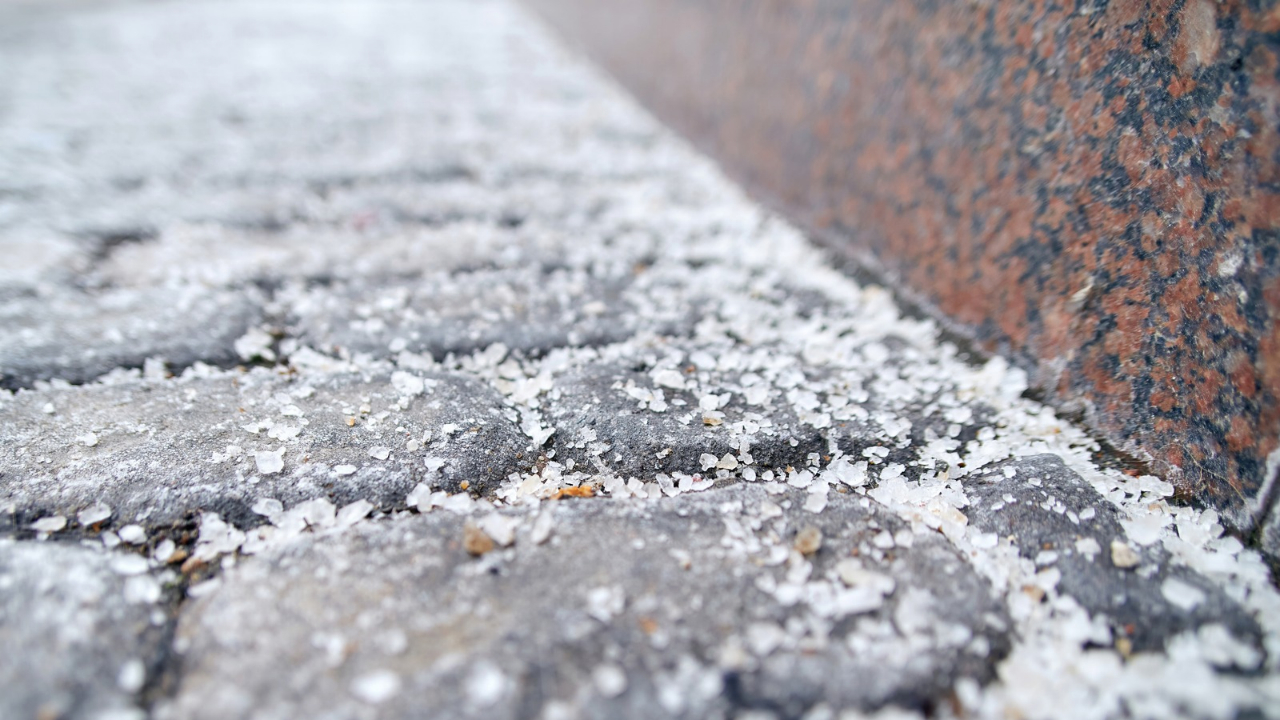
The cheap bag of rock salt works fast, then your dog licks paws and you get sore pads, stomach trouble, or a dog that starts refusing walks. Salt also burns grass edges and leaves bare stripes that turn to mud when things thaw.
Use pet-safer deicers where your dog actually walks, and keep the heavy stuff for the far edge of the driveway if you need it. Even with “pet friendly” products, rinse paws with a warm, wet rag when you come in, and sweep up extra granules instead of letting them grind into the snow.
2. Antifreeze Drips In The Driveway
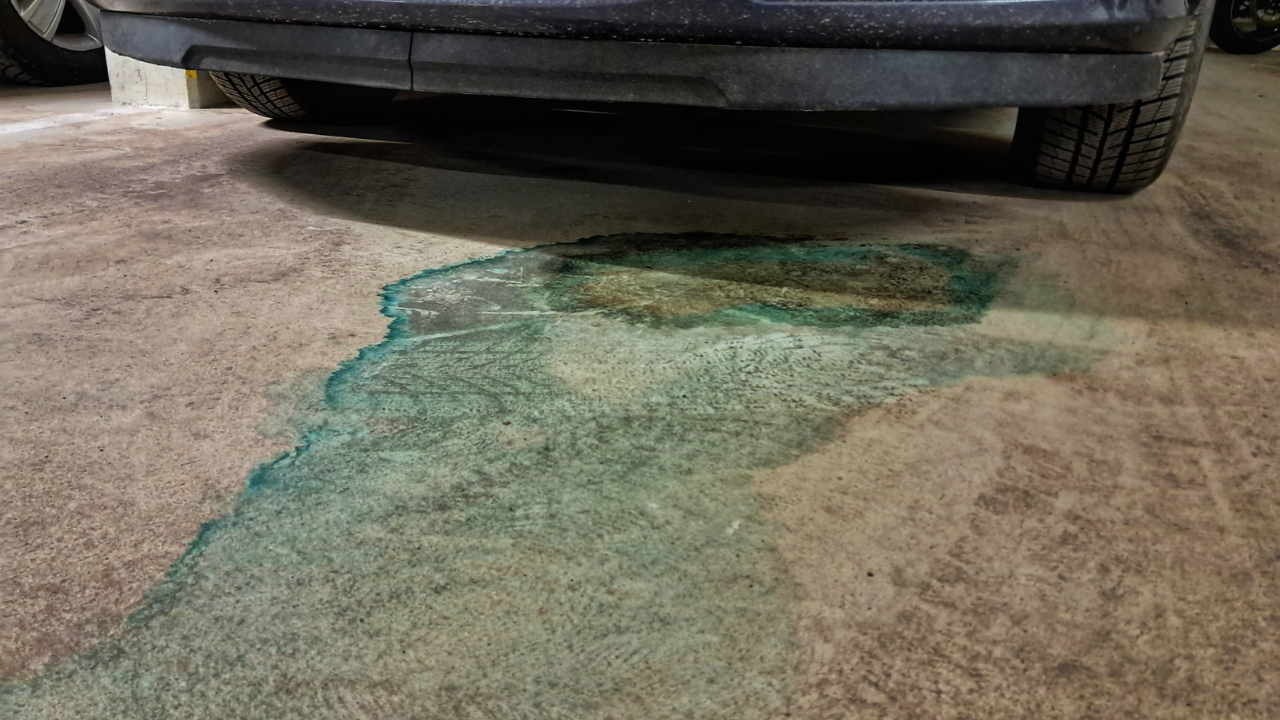
A tiny sweet-smelling puddle under a car or tractor is a real emergency. Dogs will taste it, and it does not take much to become dangerous. The worst part is you often don’t see it once snow dusts over the stain.
Put a piece of cardboard under vehicles during cold snaps, then check it every morning for wet spots. If you find a leak, fix it now, and keep the dog away from the area until it’s cleaned up. If the leak is active, park somewhere the dog can’t access and get the cooling system repaired.
3. Thin Ice Over Ponds And Ditches
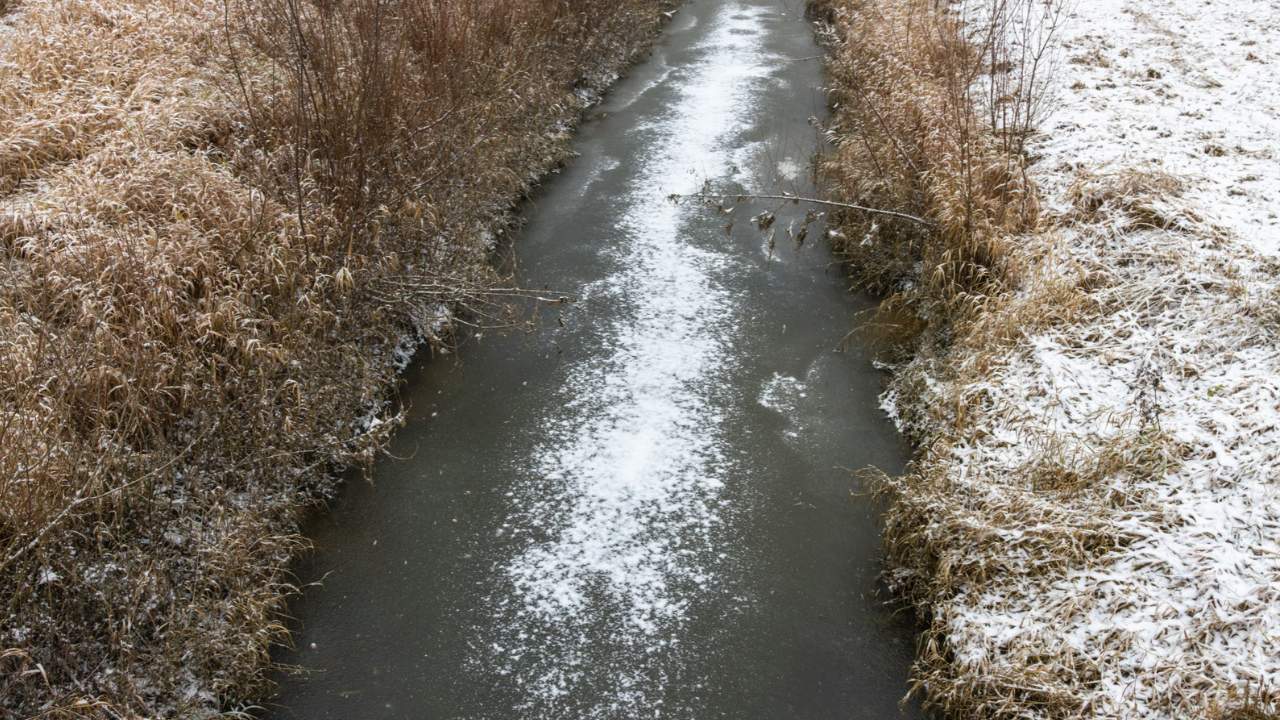
The first skim of ice looks solid until it isn’t. Dogs don’t read the surface, they chase a stick or smell and go. Getting a wet, panicked dog out of a ditch at 10 degrees is a bad time for everyone.
Fence off the tempting spots with snow fencing or temporary posts and a visible line, even if it looks ugly for a month. If you keep a pond, don’t count on “teaching” a dog where it’s safe, because the safe edge moves every warm day. Skip ice play unless you know the thickness and conditions, and if you ever feel unsure, keep the dog on a leash near water.
4. Hidden Wire Fences Under Snow
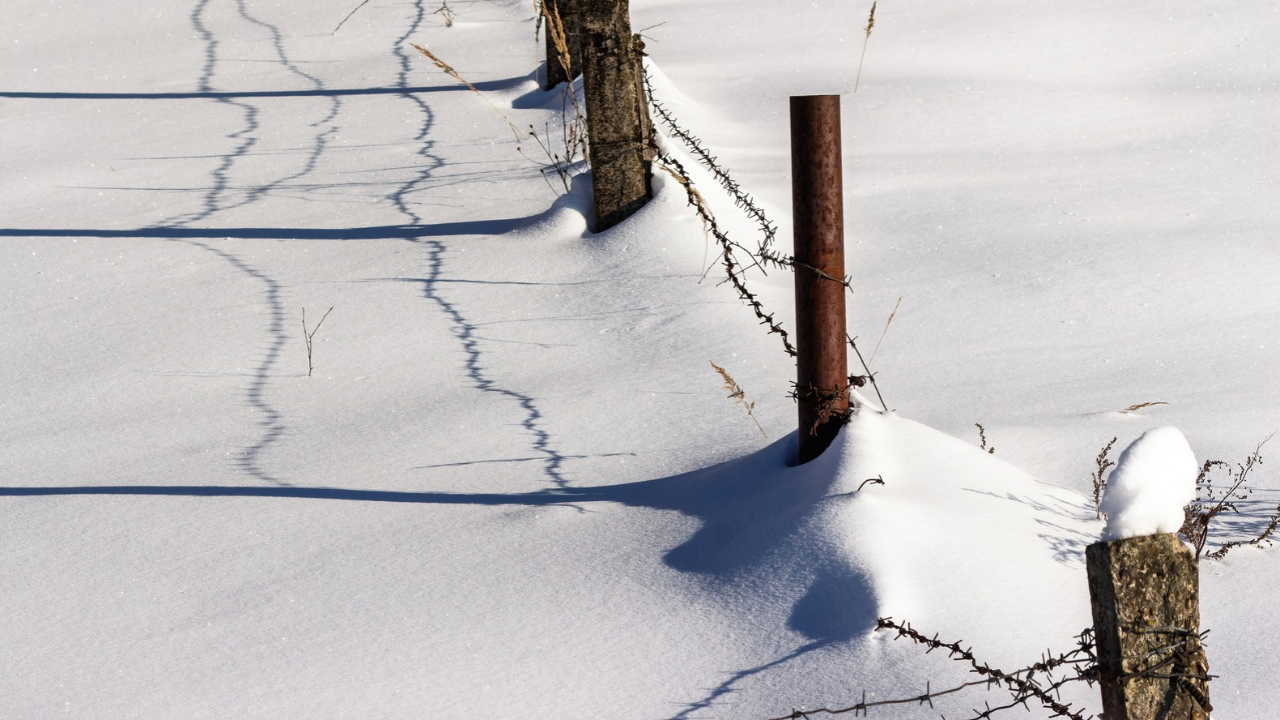
That low wire garden fence, the leftover T-post, or the decorative edging disappears fast after one decent storm. Then your dog hits it at a run, or you do with the snowblower, and something gets cut, bent, or broken.
Walk the yard before the first big snow and pull anything low and temporary. For fences you need to keep, mark corners and ends with tall driveway markers or bright tape tied chest-high for you, not knee-high. If you use an invisible fence, still mark the boundary where drifts build so you don’t shovel a path right across it.
5. Ice Sheets Under Downspouts
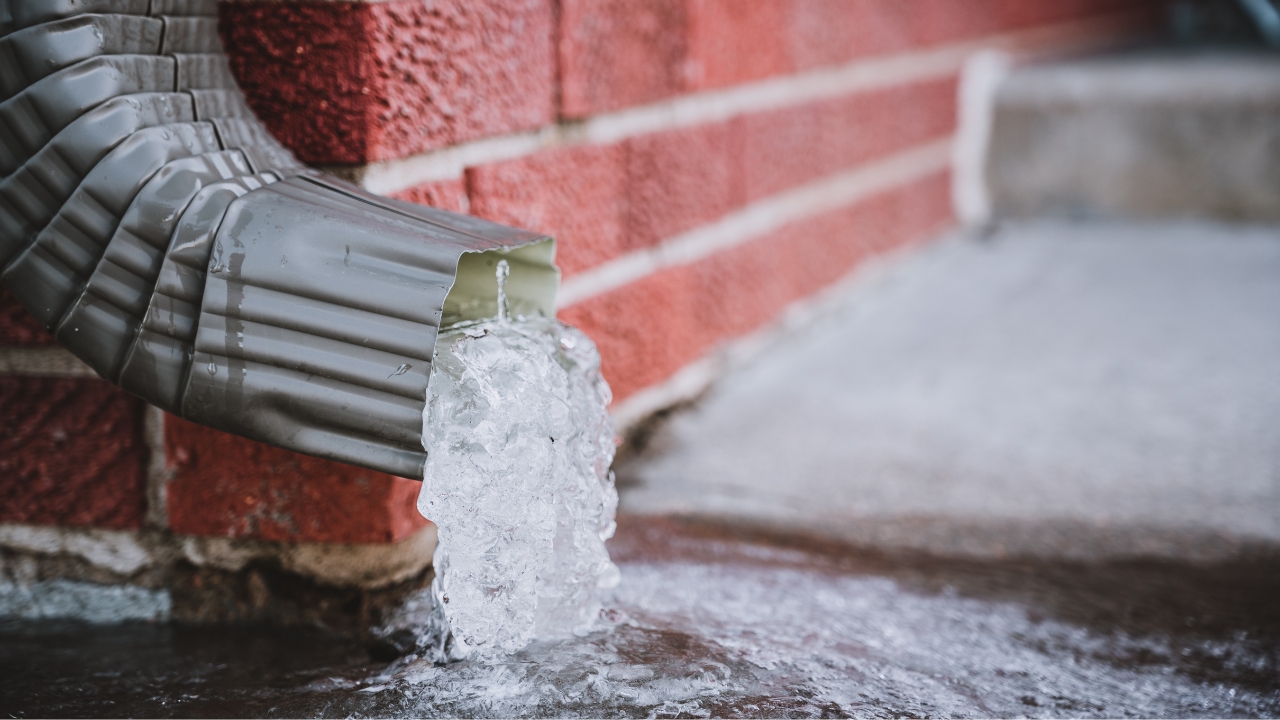
You clear a nice path, then the gutter dumps meltwater right across it and turns it into a skating rink overnight. Dogs slip too, especially older ones, and a hard fall on frozen ground can ruin the rest of winter.
Add a downspout extension or a splash block that carries water away from the walkway and kennel area. If the downspout freezes solid, don’t beat it with a shovel, that’s how elbows crack and gutters get torn loose. Warm it gently on a mild day and fix the real cause, which is usually a clog or a bad slope.
6. Snowplow Berms Blocking Dog Runs
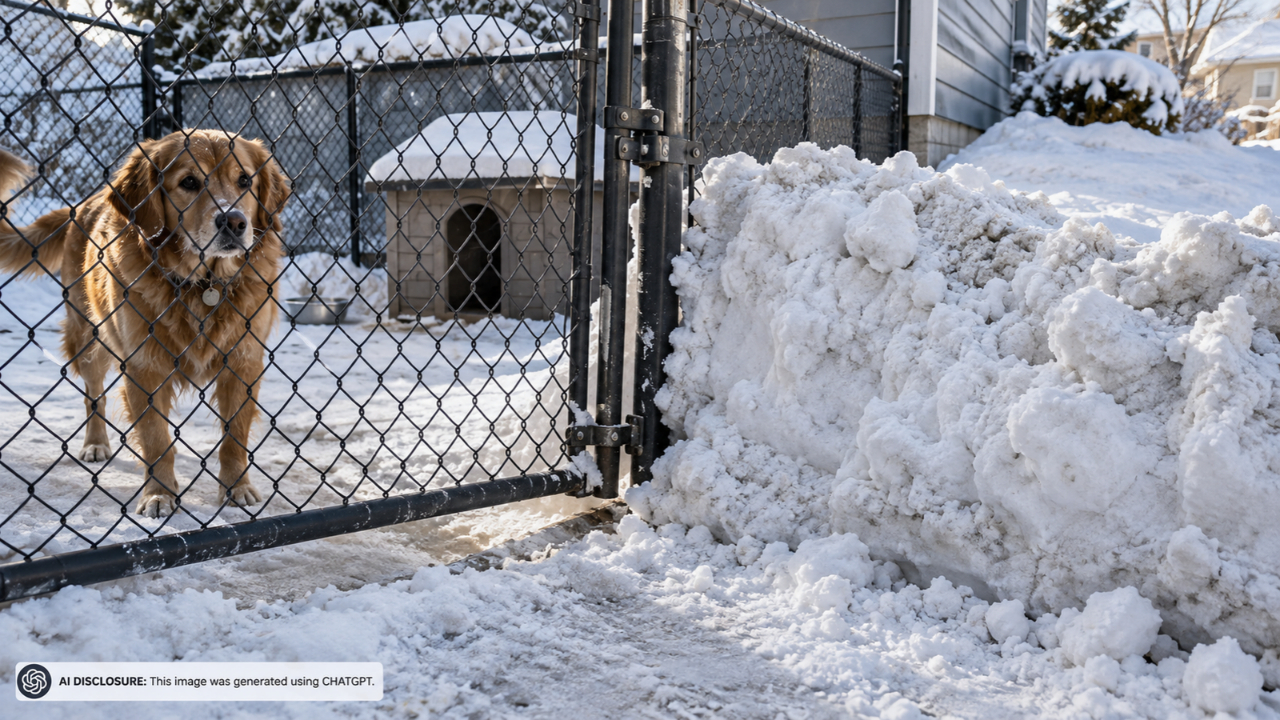
Plows leave those heavy berms that set up like concrete. A dog run gate starts dragging, a latch won’t close, and suddenly your “secure” area has a gap the size of a paw. The berms also force your dog to jump or scramble, which is rough on hips and knees.
Cut channels through plow piles as soon as they show up, while the snow is still loose. A square shovel and 10 minutes beats hacking at it for an hour later. If the plow route always dumps in the same place, stake out a buffer line before winter so the operator has a visual target away from gates and fences.
7. Ice Balls Forming Between Paw Pads
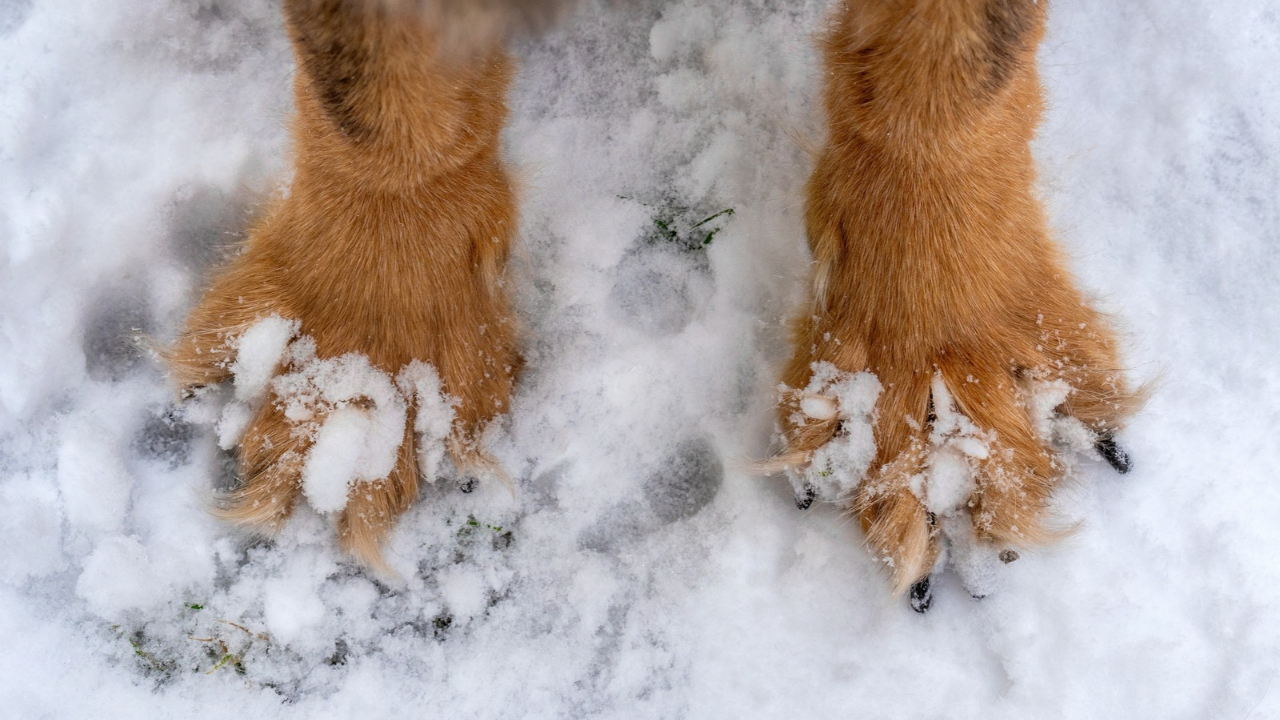
Long toe hair and wet snow make little ice marbles that wedge between pads. Some dogs limp, others chew their feet raw, and you end up with a slippery dog thrashing in the mudroom while you try to help.
Trim the hair between pads so it’s level with the pad, not sticking out like a brush. A dab of paw wax can help on wet-snow days, but plain trimming does most of the work. Boots are fine if your dog will tolerate them, but don’t force it for every quick potty trip.
8. Unvented Heaters In Dog Houses
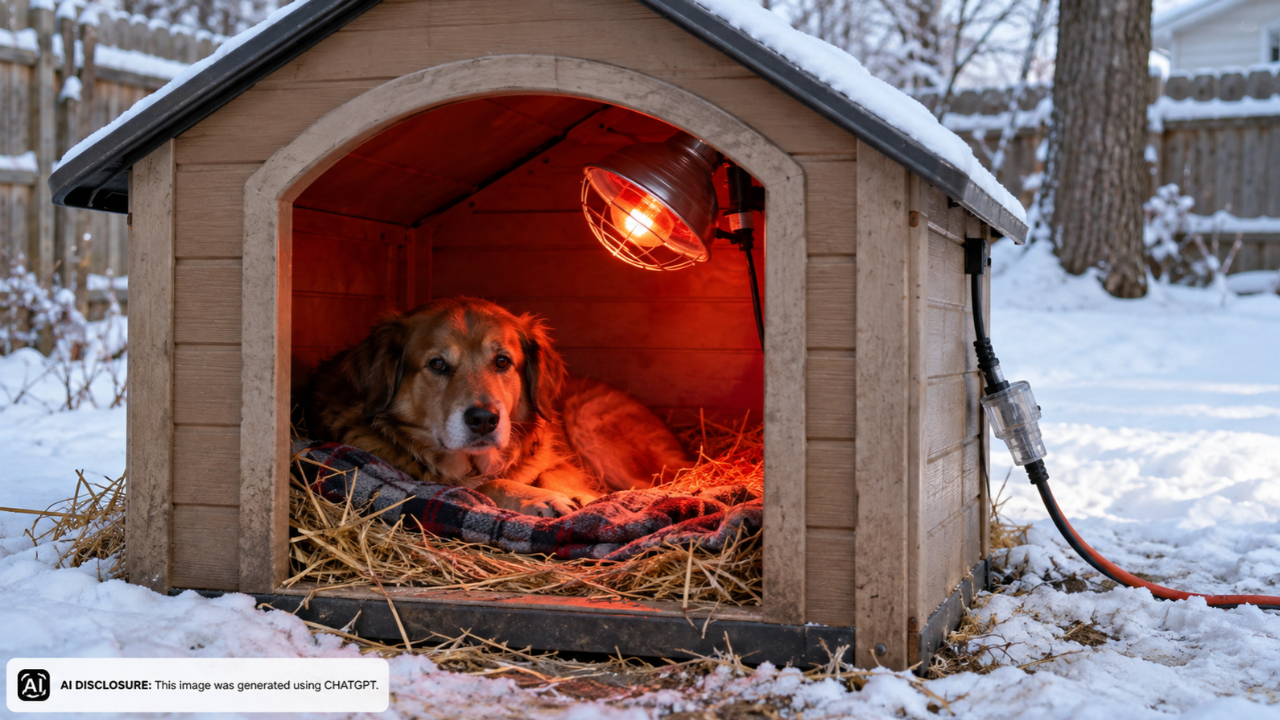
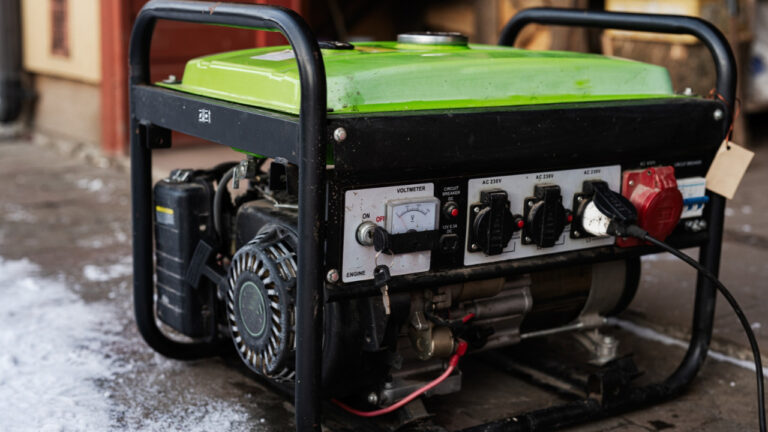
A heat lamp zip-tied inside a dog house looks like kindness until bedding shifts and something touches the hot bulb. Cords get chewed, lamps get knocked, and plastic houses can warp. The bigger issue is you can’t watch it all night.
If you need heat, use a purpose-built, chew-resistant heated mat or pad made for pets, and keep the cord protected where it passes through the wall. Plug it into a GFCI outlet, keep it dry, and route cords where they can’t be tugged. If you’re running new outdoor power, call a licensed electrician and follow local code.
9. Warm Spells Creating Toxic Moldy Piles
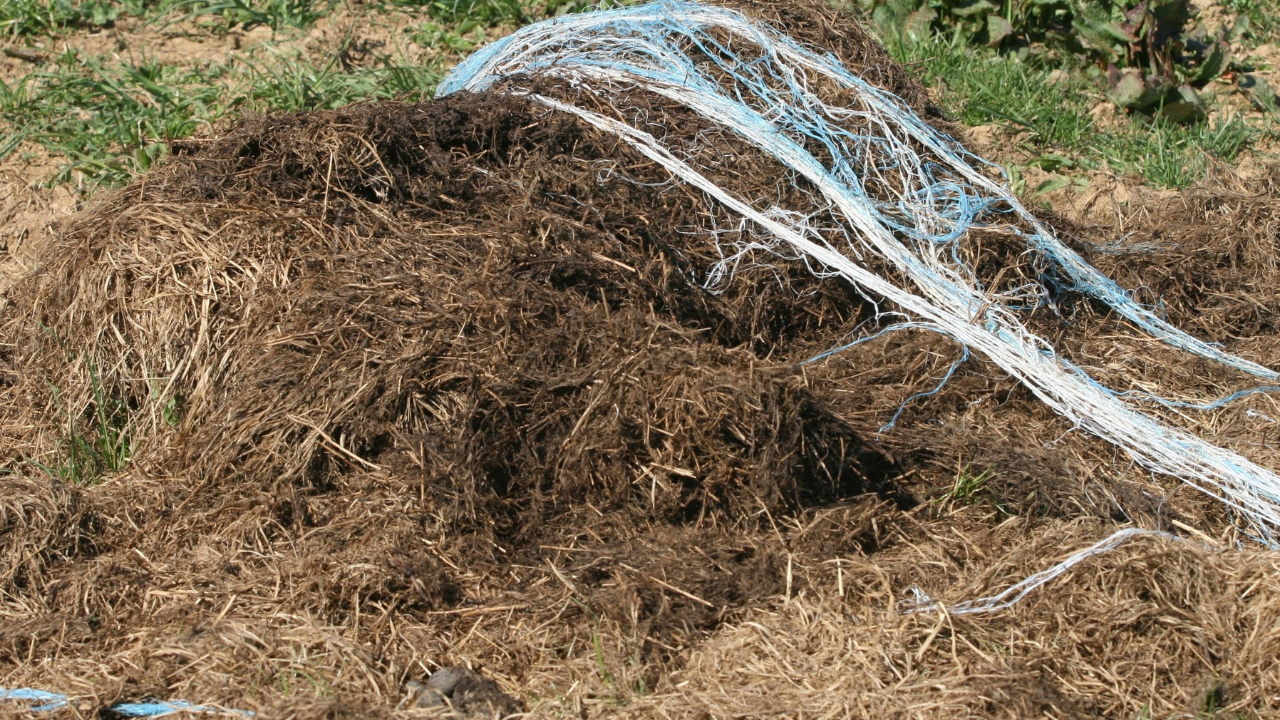
Midwinter thaws turn leaf piles and old hay into a warm, sour mess. Dogs love rolling in it and eating whatever they find, and that’s when you get vomiting, diarrhea, or a dog that smells like a swamp for a week.
Bag or compost leaves before snow locks them down, and keep hay and feed spills cleaned up around barns and coops. If you can’t get to everything, at least block access with a simple barrier so the dog can’t treat it like a snack bar.
10. Missing ID When Coats Come On
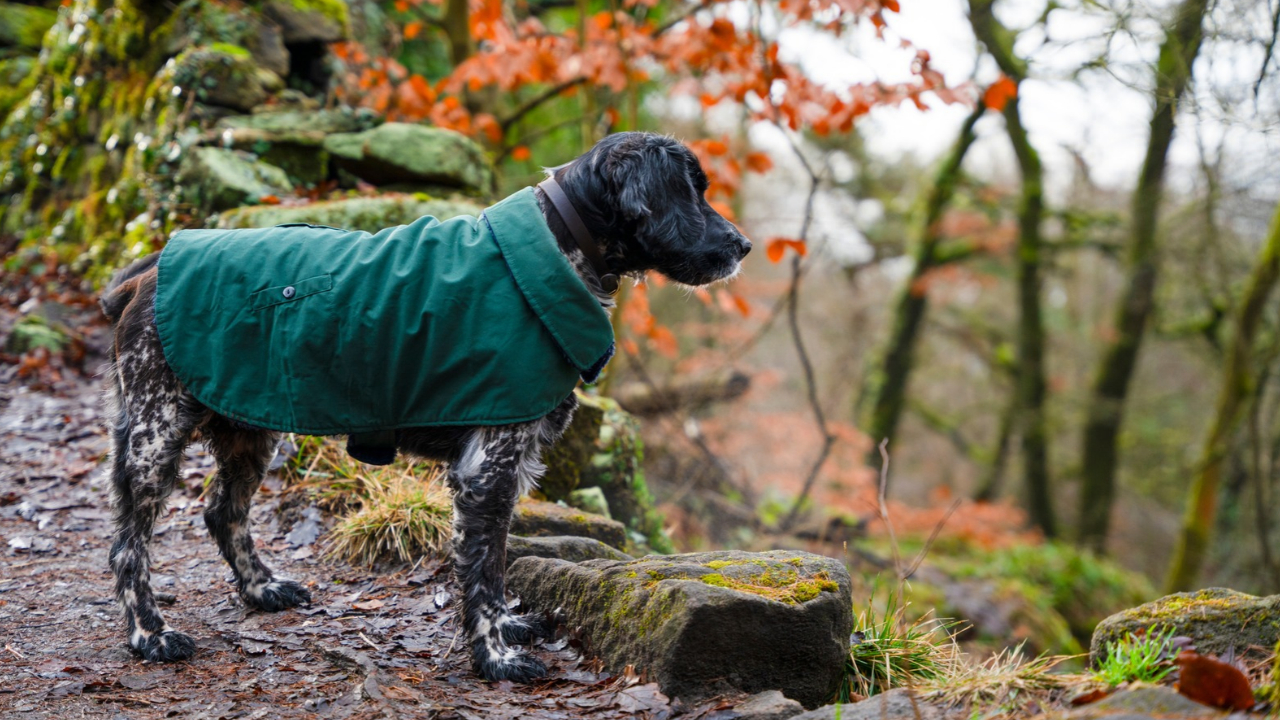
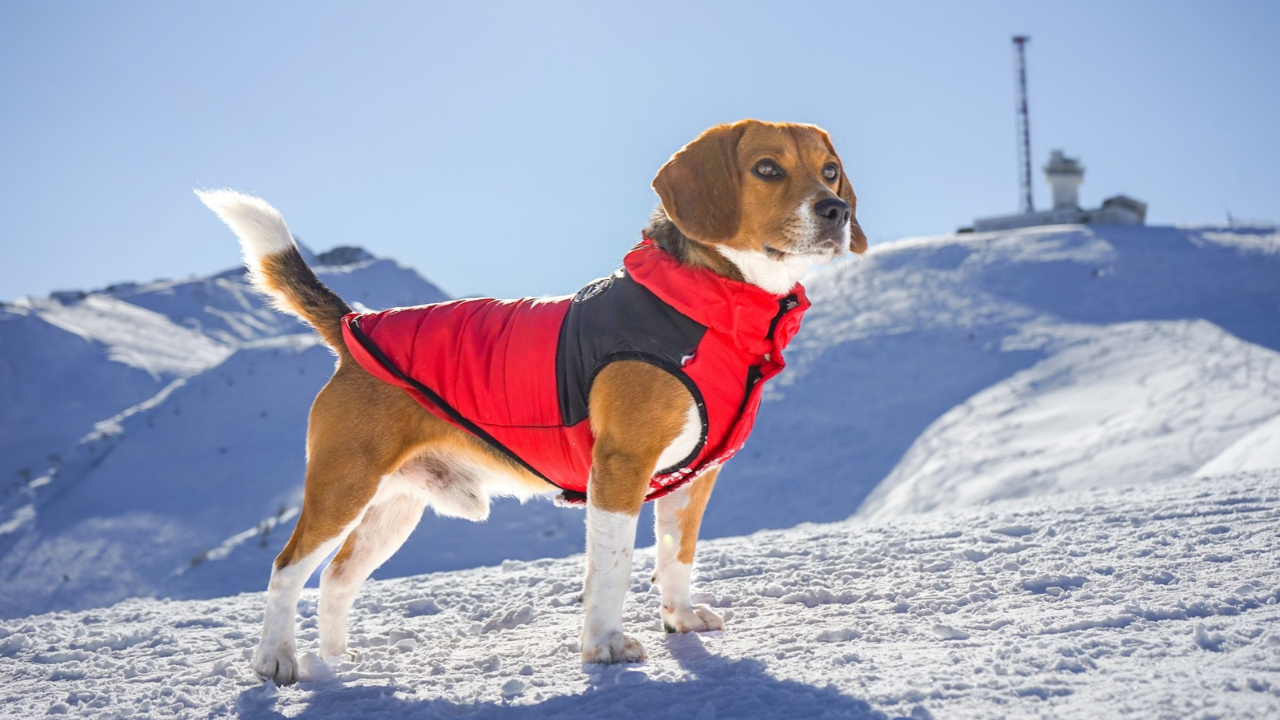
Winter coats and harnesses are great until the collar with tags stays on the hook. Gates get left open more in winter because you’re hauling wood, clearing snow, or fighting groceries in one trip. A dog that slips out in a storm is hard to track.
Keep ID on your dog even under a coat, and check the fit after grooming or weight changes. If you use a harness for walks, consider attaching tags to it, or use a separate breakaway collar with tags that stays on. Swap cracked tag rings now, cold metal snaps at the worst time.
Pick one problem spot in your yard and fix it this week, even if it’s just marking hazards or redirecting a downspout. Winter is long, and the best yard for a dog is the one that stays predictable when everything else freezes and shifts.
Like Fix It Homestead’s content? Be sure to follow us.