10 Worst Decisions You Can Make When Raising Livestock
Raising livestock comes with a lot of moving parts, and even small mistakes can turn into big problems. Poor fencing, overcrowded spaces, or skipping regular maintenance can lead to lost animals, costly repairs, or serious health issues.
The good news is that most of these problems can be avoided with some planning and know-how. Whether you’re just getting started or adding more animals to your farm, knowing what not to do is just as important as knowing what works. Here are some of the most common mistakes that can hurt your livestock—and your wallet.
1. Getting Too Many Animals Too Soon
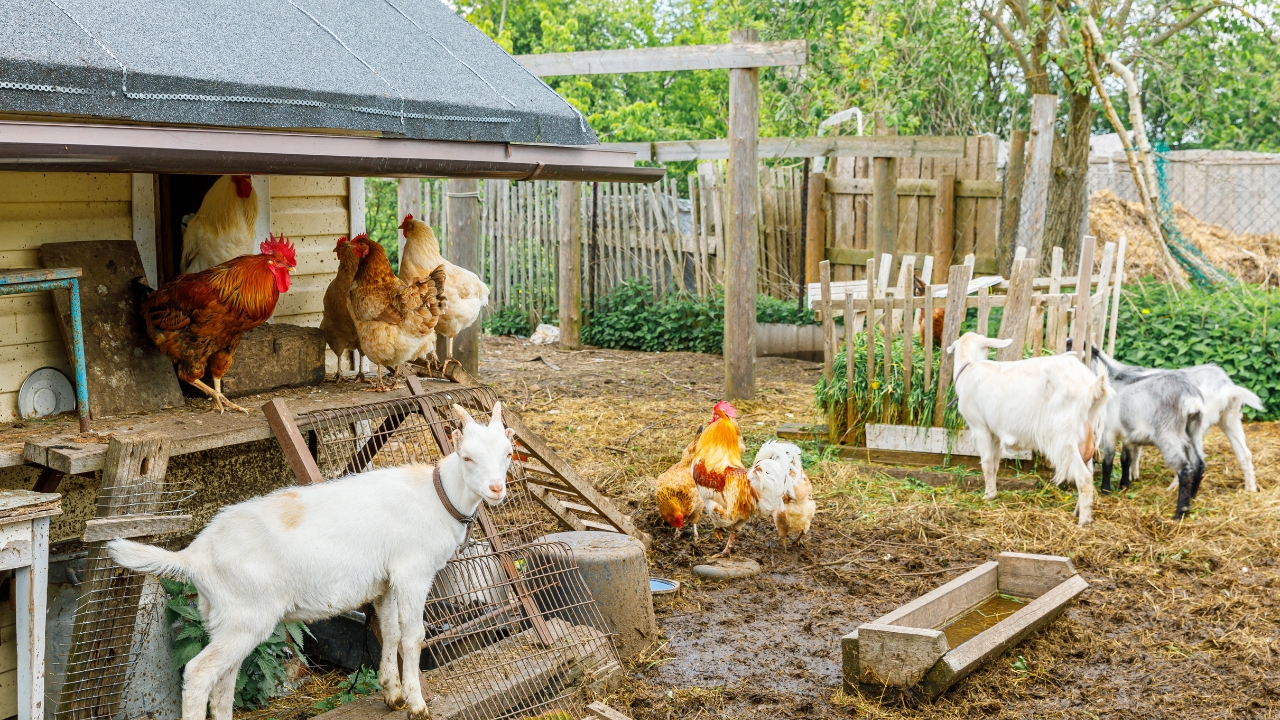
It’s easy to get excited and bring home more animals than you’re ready for, but that’s a fast way to get overwhelmed. Every animal needs proper shelter, food, and care, and if you take on too many too soon, things can go downhill fast.
Start with a manageable number and build from there. It’s better to raise a few healthy animals well than to struggle with more than you can handle. Expanding gradually lets you learn as you go without risking the health of your livestock—or your sanity.
2. Skimping on Fencing
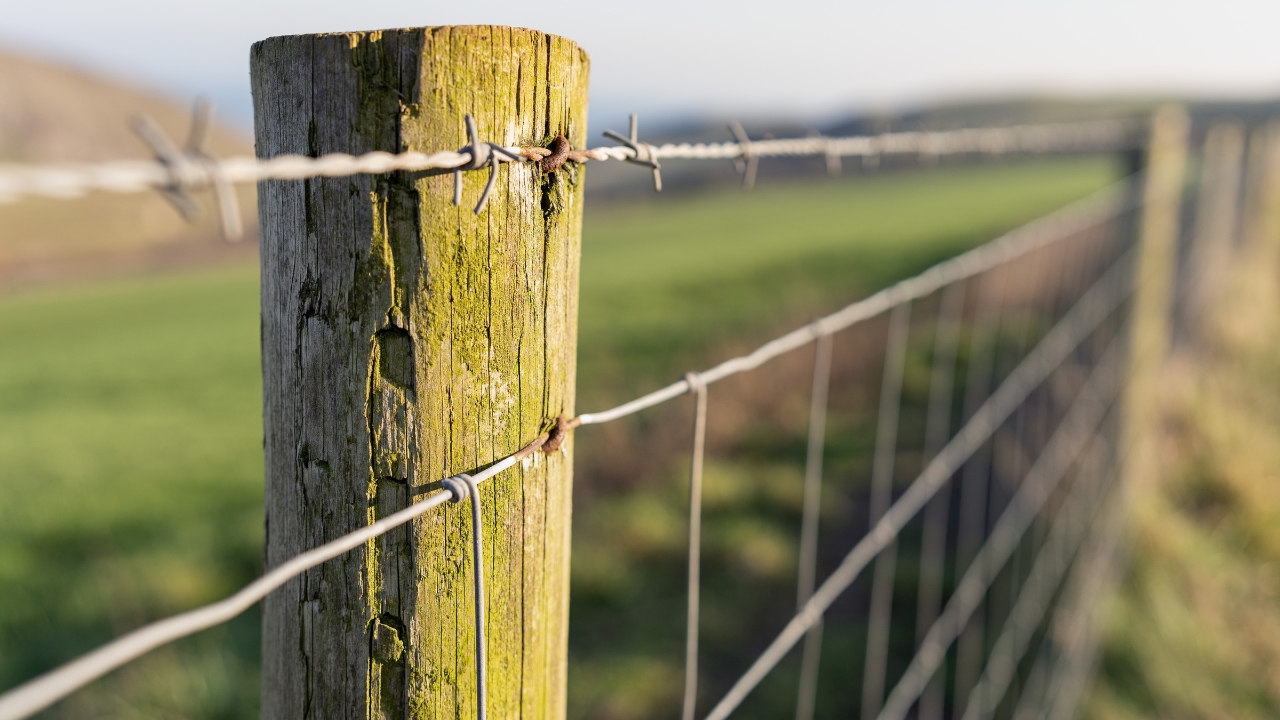
Bad fencing is a disaster waiting to happen. If it’s weak, your animals will find a way out. If it’s the wrong type, predators will find a way in. Either way, you’ll end up losing livestock, spending extra time rounding up escapees, or paying for constant repairs.
Good fencing isn’t cheap, but it’s worth the investment. Different animals need different setups, so don’t assume one type works for everything. A strong, well-planned fence will save you time, money, and a whole lot of frustration in the long run.
3. Not Having a Vet Plan
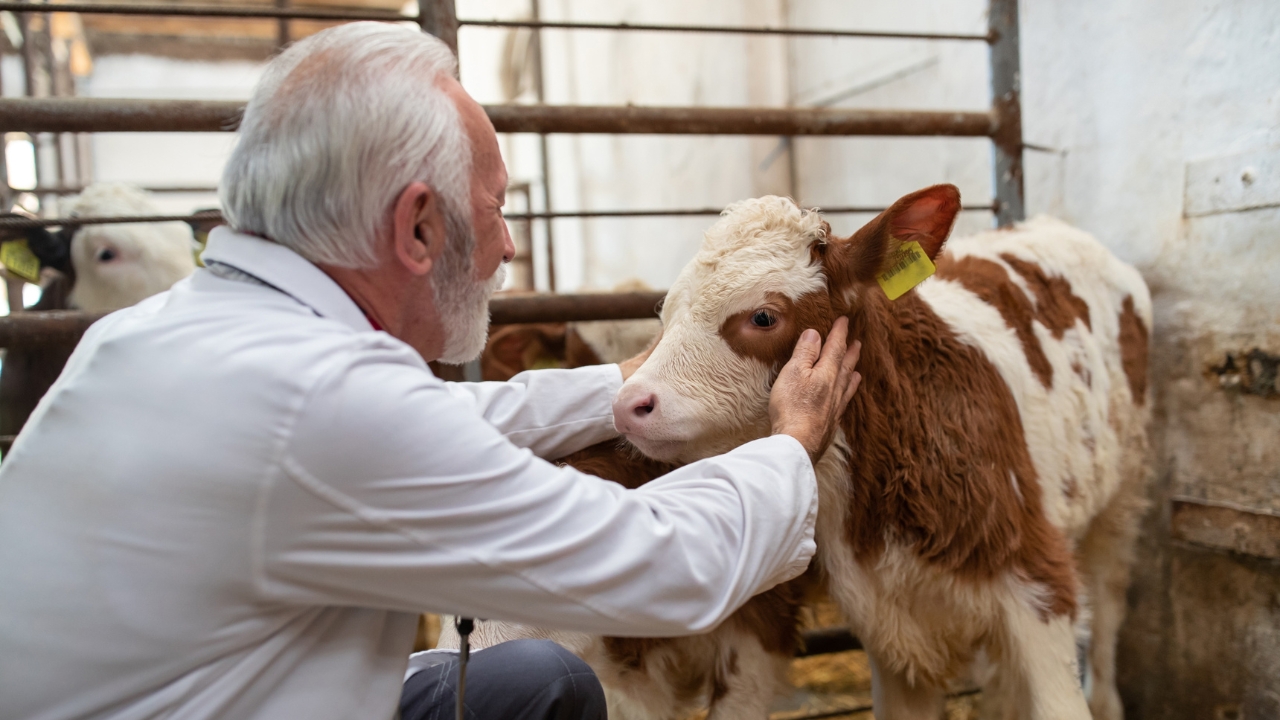
Sick animals don’t wait for business hours, and scrambling to find a vet in an emergency can cost you precious time. If you don’t already have a vet lined up, you’re risking losing animals over something that could have been treated.
Before bringing home any livestock, find a vet who works with your animals and know their contact info. Learn the basics of first aid too—sometimes, quick action on your part can make all the difference.
4. Ignoring Feed Quality
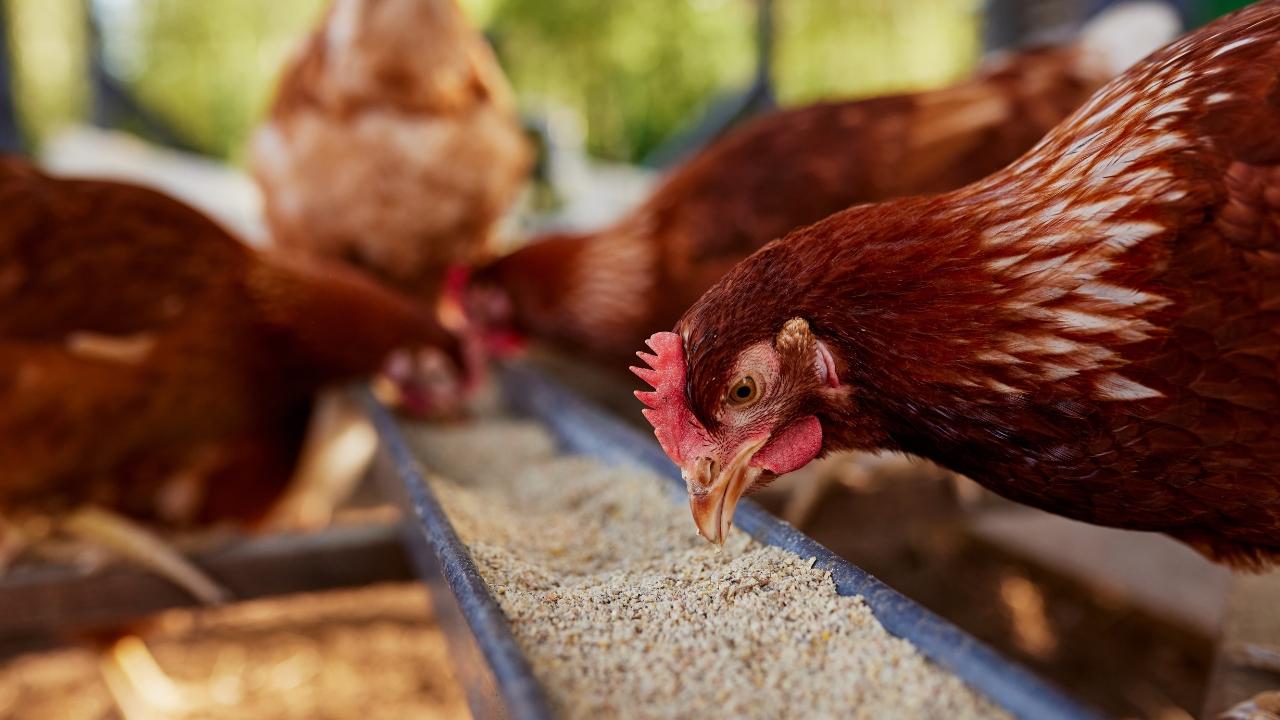
Cheap feed might seem like a good way to save money, but it usually costs more in the long run. Poor nutrition leads to slower growth, lower egg or milk production, and more health problems.
Research what your animals actually need and feed them accordingly. High-quality feed, good pasture, and proper supplements will keep them healthier, which means fewer vet bills and better overall production.
5. Overcrowding Your Space
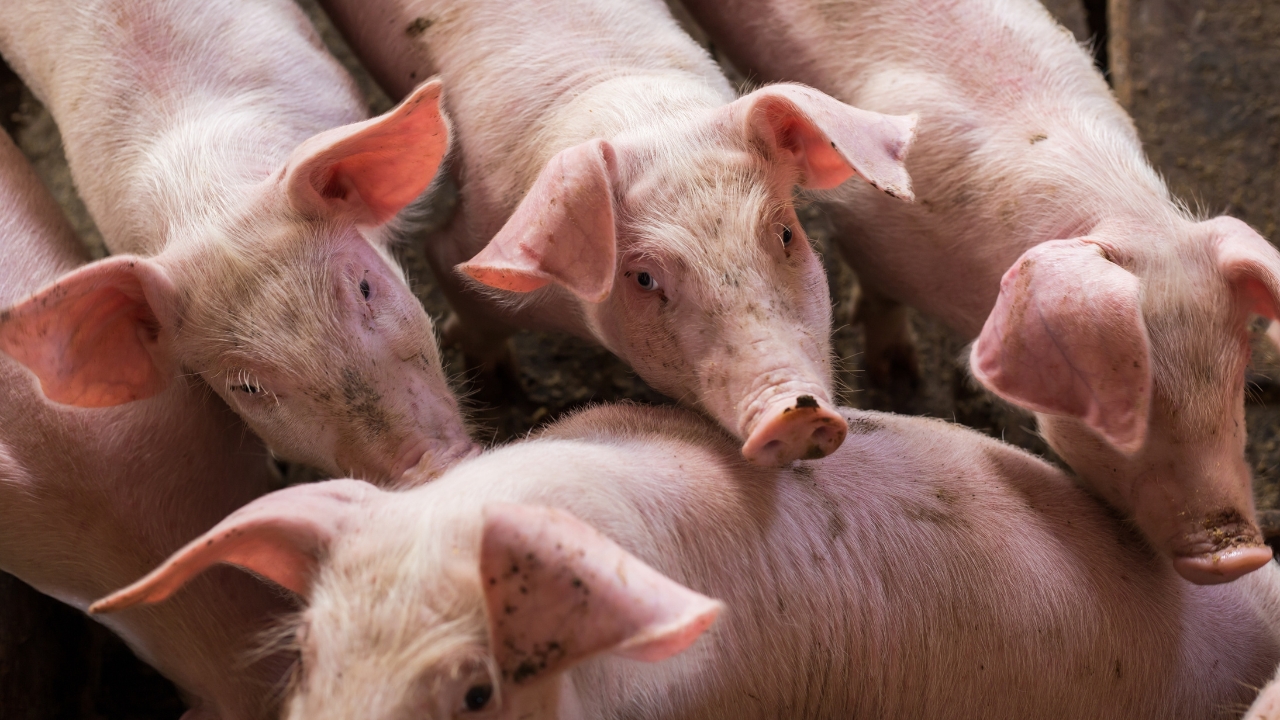
Too many animals in too small an area leads to stress, fighting, and disease outbreaks. Whether it’s chickens pecking each other raw or pigs getting aggressive, overcrowding is bad news.
Know how much space each animal needs before you bring them home. A little extra room makes a big difference in keeping your livestock healthy and your workload manageable.
6. Forgetting About Biosecurity

Diseases can wipe out an entire flock or herd fast, and once they spread, they’re tough to stop. If you’re bringing in new animals without quarantining them or letting visitors into your barns without precautions, you’re inviting trouble.
Simple steps like keeping new animals separate for a few weeks, limiting outside exposure, and disinfecting tools can prevent a lot of issues. It only takes one sick animal to turn into a major loss.
7. Skipping Regular Hoof or Beak Care

Neglecting hooves, claws, or beaks can lead to pain, infections, and serious health problems. Overgrown hooves make it hard for animals to walk, while long beaks can make it difficult for birds to eat properly.
Make trimming and maintenance part of your regular routine. It’s easier to stay on top of it than to deal with the problems that come from neglecting it.
8. Relying on One Water Source
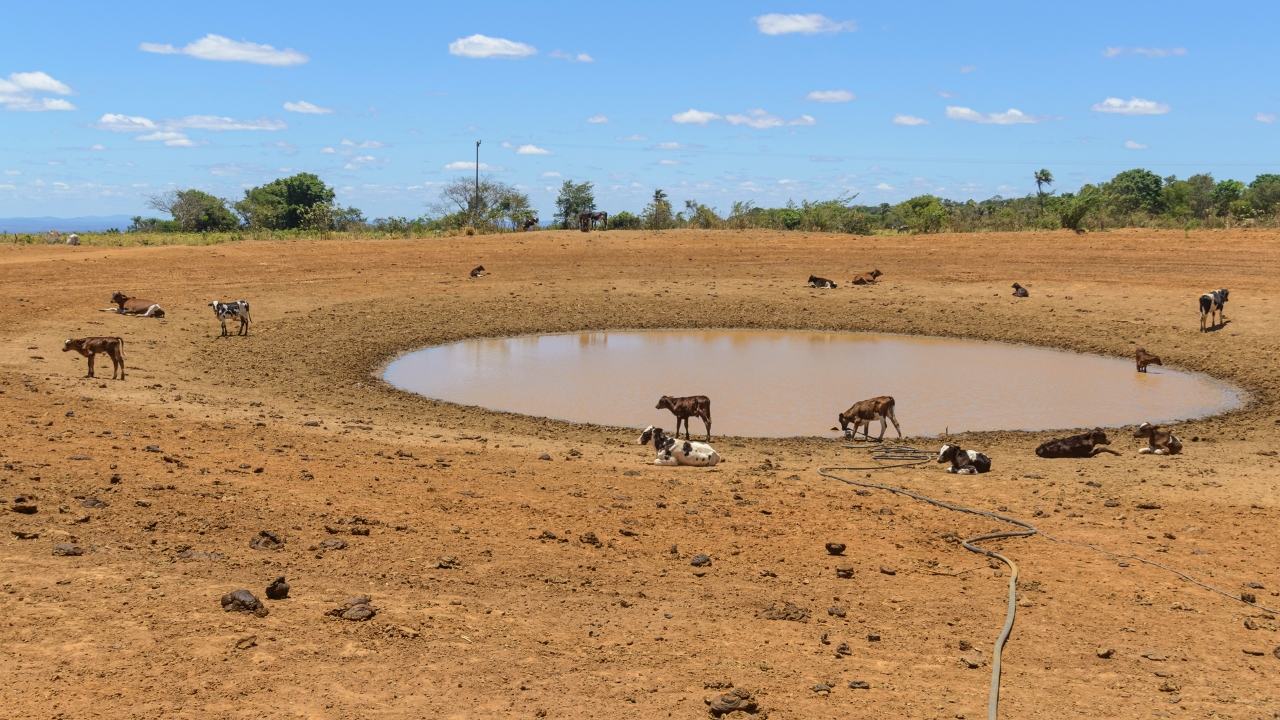
Water is non-negotiable, and if your only trough or bucket spills, freezes, or runs dry, your animals are in trouble. Dehydration sets in fast, especially in hot weather, and some animals won’t make it long without water.
Always have a backup. Whether it’s extra troughs, automatic waterers, or even a manual water source like stored rainwater, don’t leave your livestock dependent on a single option.
9. Not Planning for Predators
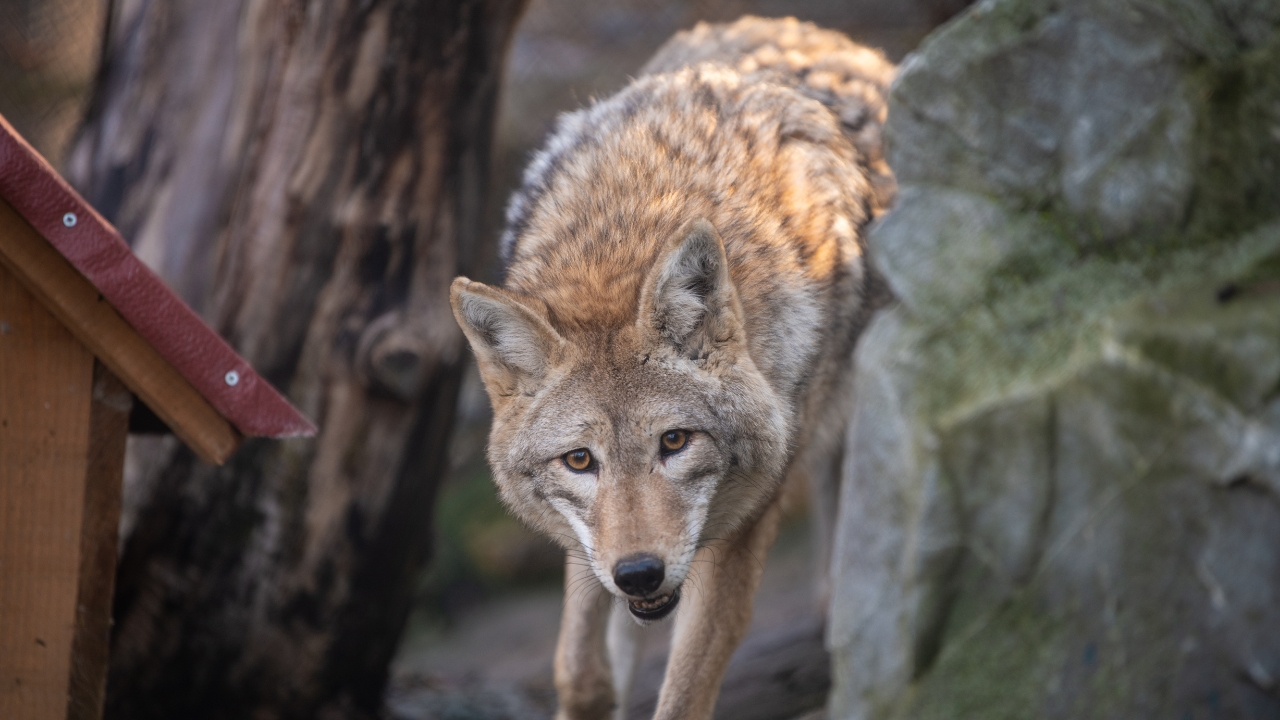
If you don’t have predator protection in place from day one, you’re setting yourself up for losses. Coyotes, raccoons, hawks, and even neighbor dogs will take advantage of easy meals.
Secure coops, strong fencing, livestock guardian animals, and motion-activated deterrents all help. The best time to prevent predators is before they show up, not after you’ve already lost animals.
10. Underestimating the Work Involved

Livestock care isn’t just throwing out feed and collecting eggs. It’s early mornings, late nights, medical issues, fixing broken fences, and dealing with unexpected problems. If you’re not prepared for the time and effort it takes, things can go downhill fast.
Before you start, be realistic about the work involved. Animals rely on you for everything, and once you bring them home, quitting isn’t an option. Know what you’re getting into, and make sure you’re ready to commit.