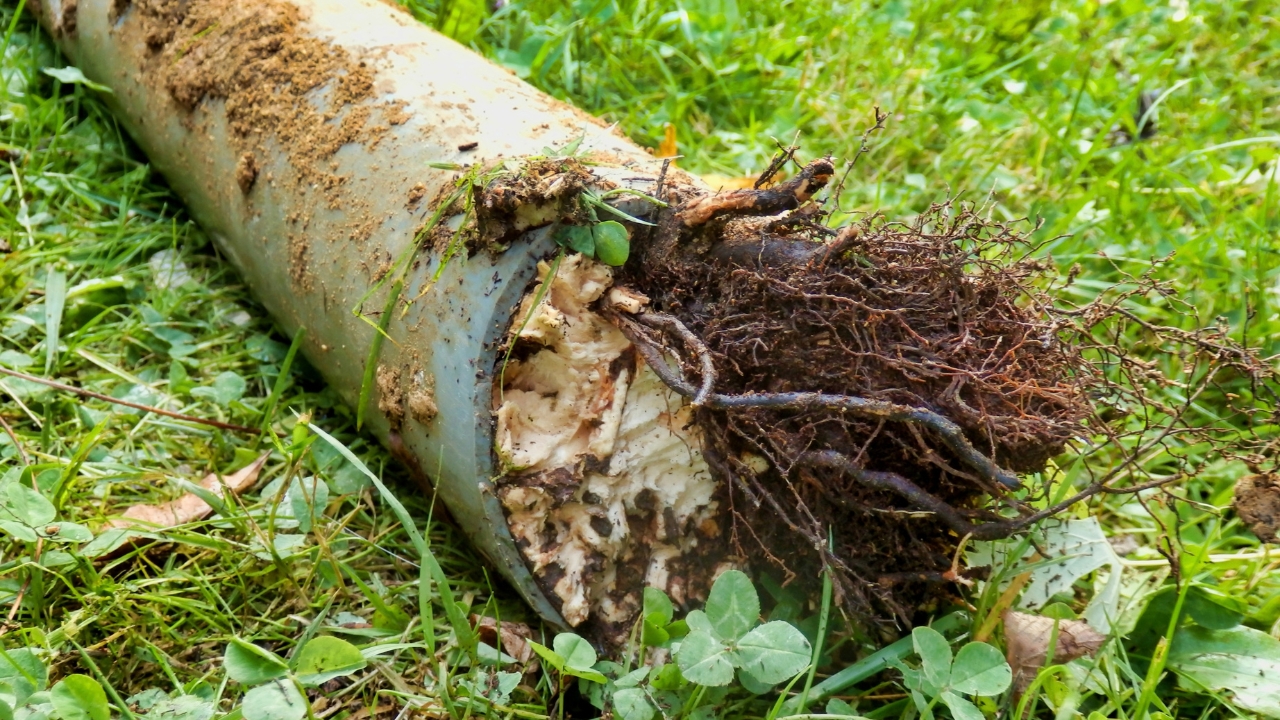
12 Tree Roots That Find Your Pipes First
Photo credit: Stephen Farhall/Shutterstock.com
Root trouble rarely starts with a dramatic flood. It starts with a slow drain, a gurgle in the toilet, or a cleanout cap that suddenly looks like a good idea to find. Pipes leak a little warmth and moisture into the soil, and some trees treat that like a dinner bell.
1. Willows Planted Anywhere Near A Line

Willows love water, and they go hunting for it with fast, aggressive roots. If you have a willow within a couple dozen yards of an old clay or cast iron sewer, that pipe is a target. The first sign is often a main line that clogs again a month after you snaked it.
Skip the guesswork and get a camera inspection before you keep paying for drain cleanings. If roots are already in the line, a pro can cut them and recommend a long-term fix like lining the pipe. If you are planting new, keep willows far away from any drain field, septic tank, or sewer route, no matter how tough the tree looks.
2. Silver Maples That Grow Too Fast
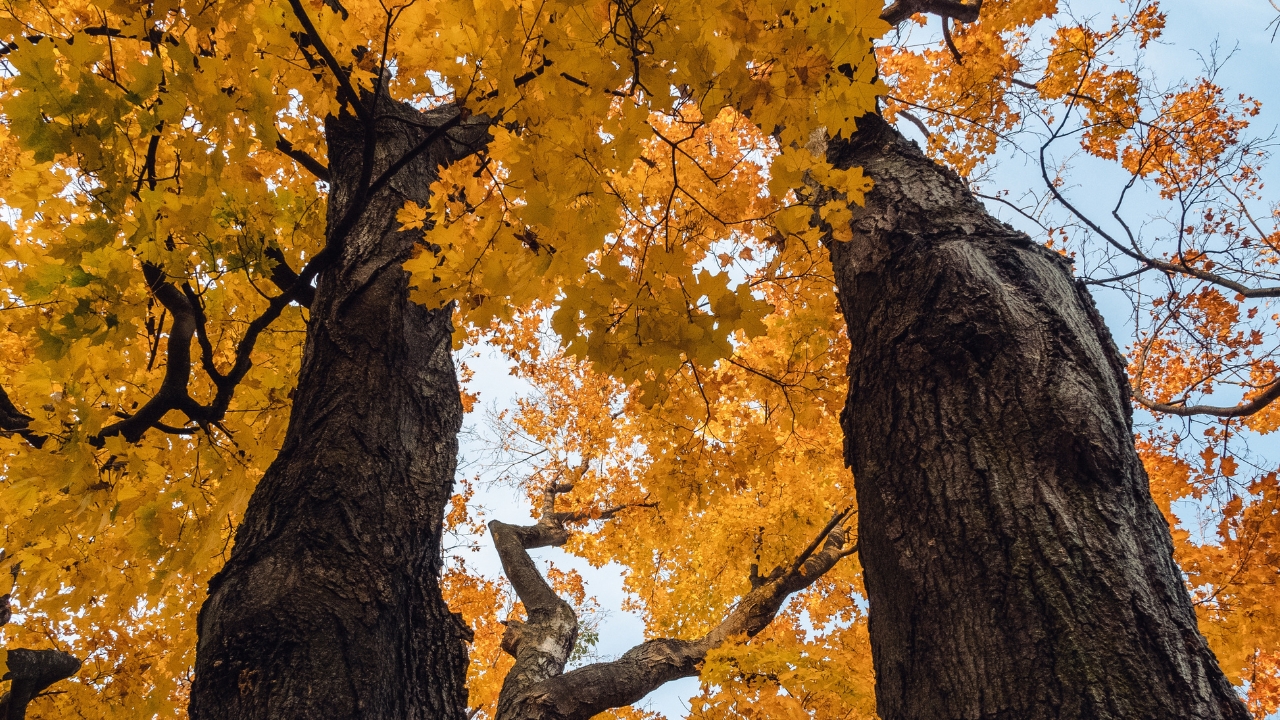
Silver maples shoot up quick and shade a yard fast, but the roots spread wide and shallow. They are notorious for finding tiny gaps in old joints, then thickening until the pipe starts catching toilet paper and grease. You will hear the “glug-glug” in a tub drain when the main is slowing down.
If you already have one, do not assume cutting the tree fixes it right away. The roots can keep growing for a while, and dead roots can still sit in the pipe like rebar. Plan on a camera, a root cutting, and then a real repair when you find the bad section.
3. Poplars That Chase Wet Ground
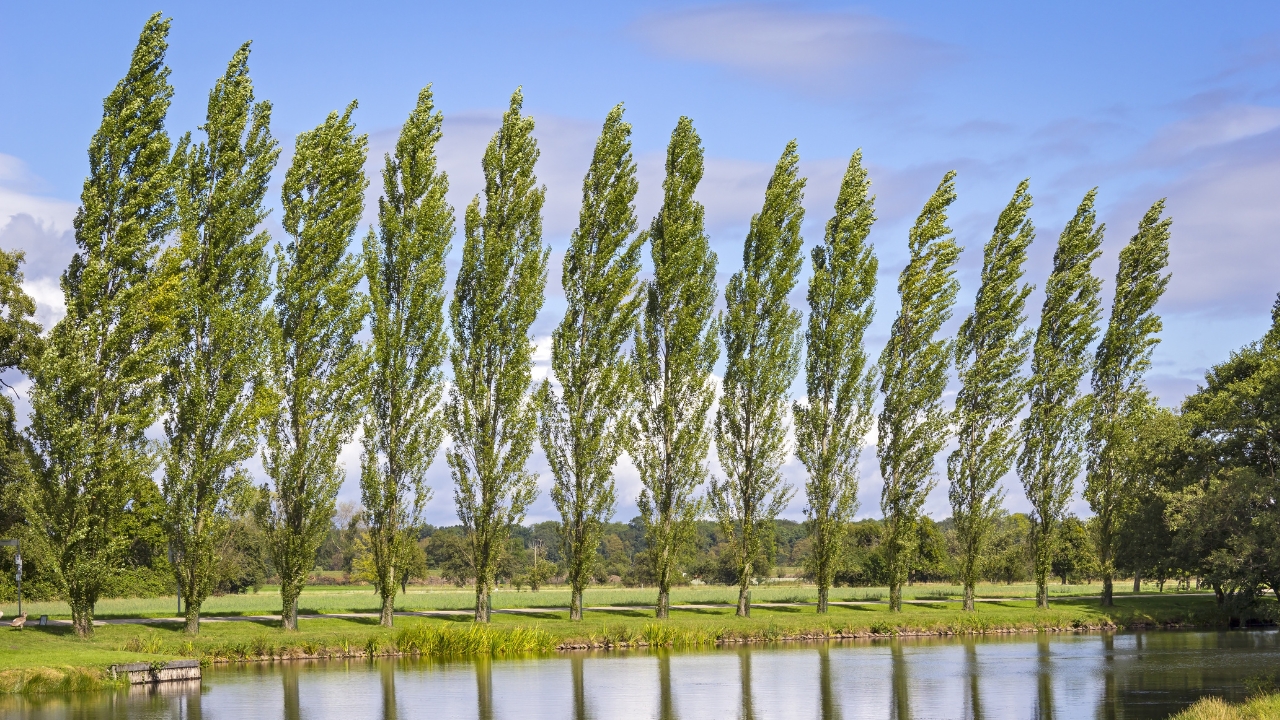
Cottonwood and other poplars are built to race toward water. They are often planted for windbreaks, then a decade later you are renting a big auger on a Saturday you wanted back. Their roots can run a long way, and they do not care if the pipe is “over there.”
If you are on septic, poplars near the tank or field are a hard no. On a sewer line, the best money is usually spent locating the pipe route, then keeping trees outside that corridor. If you have to keep the trees, talk to a drain pro about a maintenance schedule that is based on what the camera sees, not a random yearly visit.
4. Elms That Love Old Clay Joints
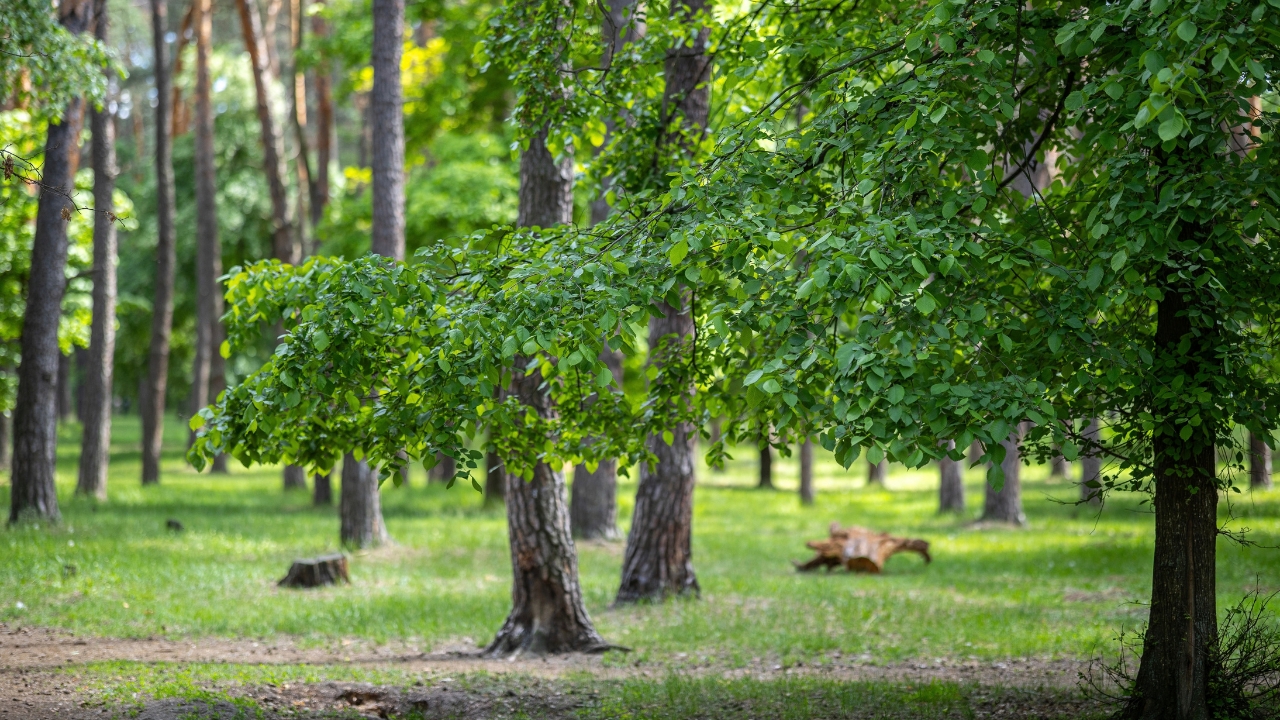
Elms are tough, and their roots are, too. Old clay tile sewers are made of short sections with joints, and those joints are where roots squeeze in. Once they get a hairline opening, they turn it into a root mop that catches everything.
Snaking can open the flow, but it also leaves a rough root mass that grows back fast. A better approach is mechanical root cutting followed by a camera, then replacing the worst run or lining it if the rest is sound. If the camera shows offsets and broken tile, stop spending money on repeat cleanouts.
5. River Birch Planted For Quick Shade
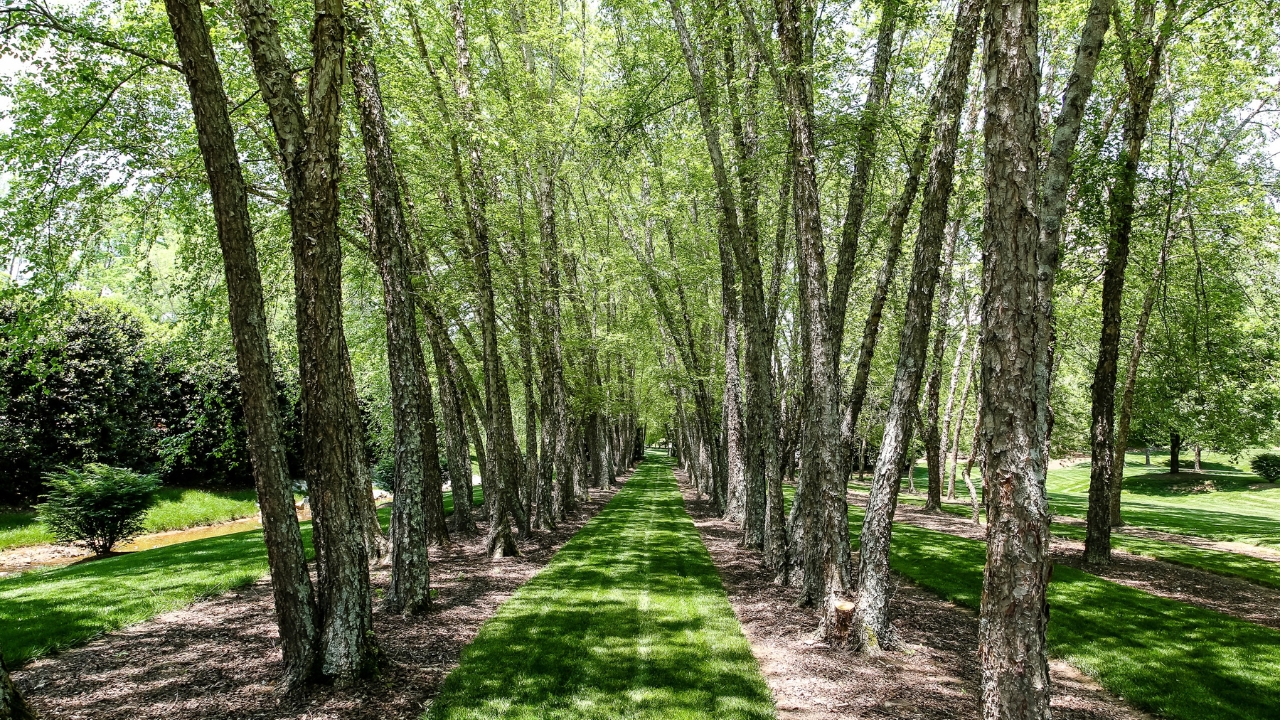
River birch is sold as a nice-looking yard tree, and it does fine in wet spots. That wet-loving habit is exactly why it sniffs out leaky pipes. You often find the issue after a dry summer when the tree is thirsty and the drains suddenly slow.
Do not plant river birch near a septic tank, seepage pit, or drain field, even if the spot looks perfect. If you already have it, keep the soil moisture consistent with proper watering so the tree is not desperate. It will not “train” the roots away from the line, but it can lower the pressure to go searching.
6. Eucalyptus In Warm Climate Yards
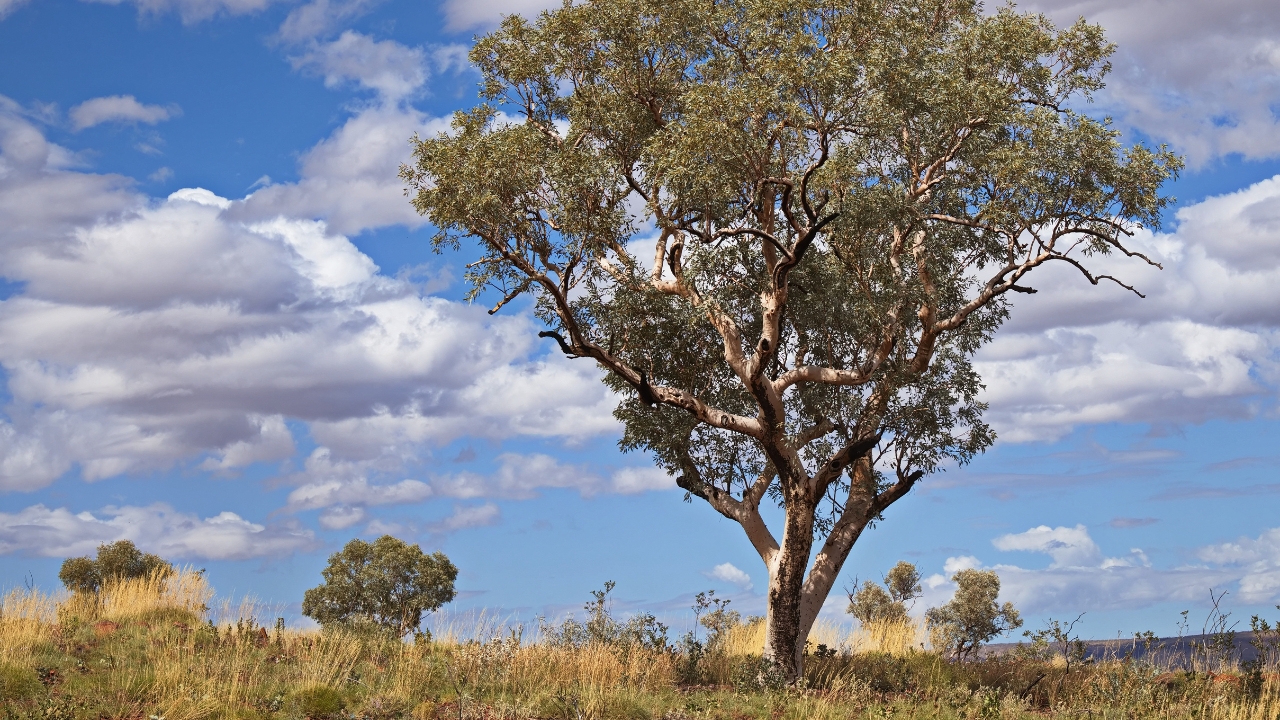
If you live where eucalyptus grows well, take root behavior seriously. These trees pull a lot of water and can send roots a surprising distance. They are also heavy, and a big one falling in a storm is bad news for shallow utility runs.
For existing trees near buried lines, pay for a locate and map what is really underground before you start digging for barriers or doing major pruning. If the pipe is already compromised, the fix is the pipe, not the tree. Eucalyptus does not get “managed” with wishful thinking.
7. Fruit Trees Too Close To The House
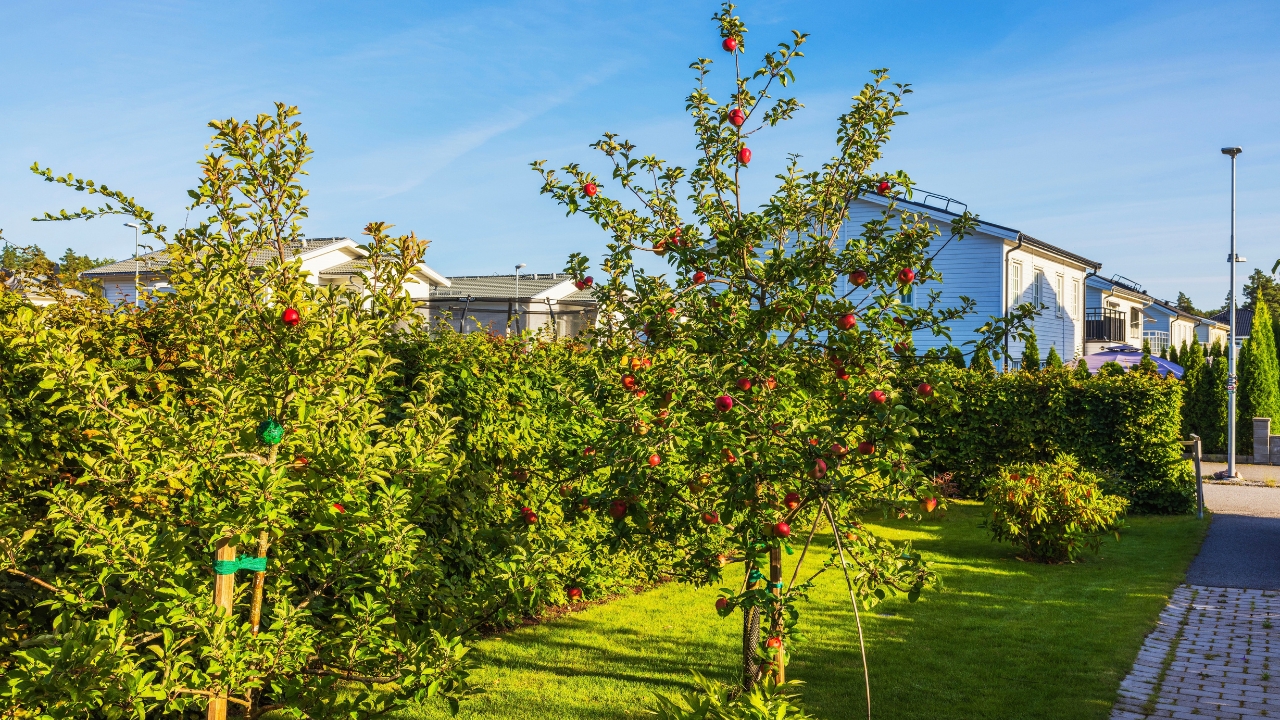
Apple, pear, plum, and cherry roots are not the worst on earth, but they do not need to be. A fruit tree planted five to ten feet from a foundation often ends up sitting right over the house sewer exit. Add an older pipe joint or a tiny crack, and the roots will take it.
The annoying part is timing. You notice the clog during canning season or right when guests show up, and then you are dealing with sewage backup risk. If you want fruit close by, plant it where you can still mow and where the line is not, and confirm the sewer route first.
8. Foundation Shrubs Hiding The Cleanout
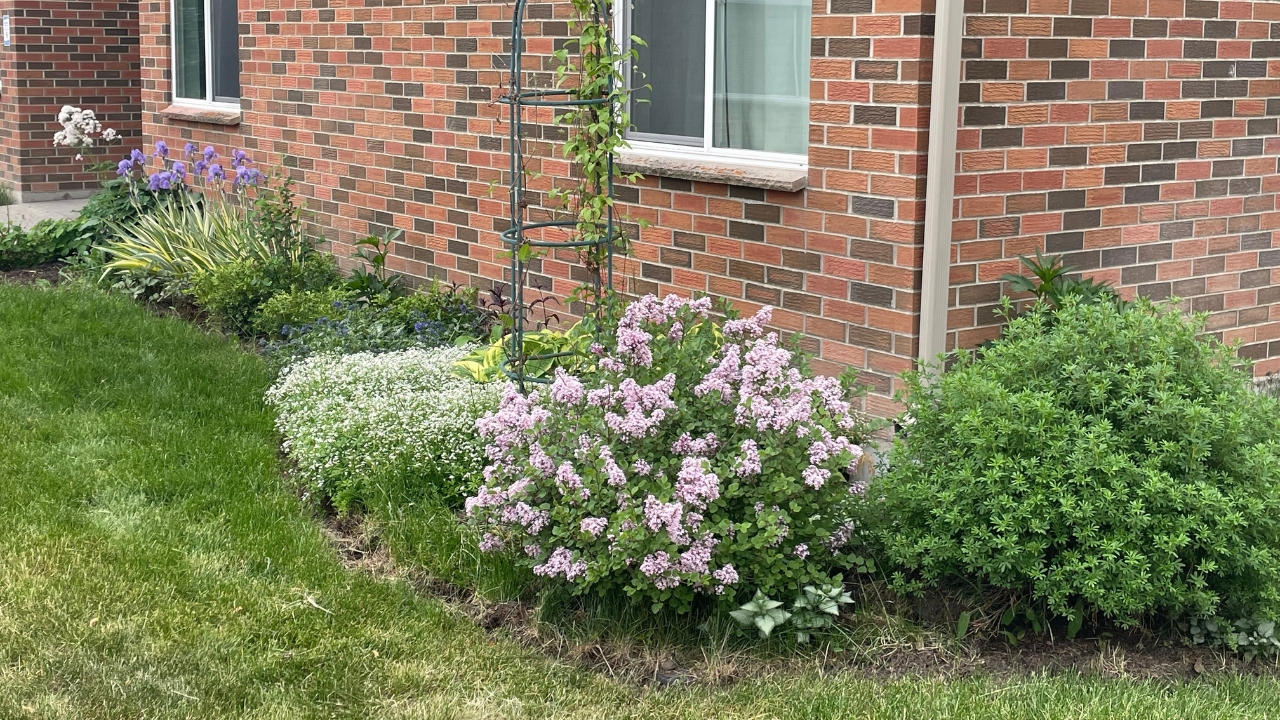
This one sneaks up because it looks harmless. Big shrubs like lilac, privet, and yew get planted to cover the foundation, and then nobody can find the cleanout or even see where the pipe runs. When roots hit a small leak, the shrub has all year to work on it while you stay unaware.
Keep the cleanout accessible, even if it means moving a shrub. A cleanout you can reach saves drywall and floors when the main backs up. If the shrubs are already mature, it is often cheaper to relocate or remove them than to keep paying for emergency weekend calls.
9. Bamboo Used As A Privacy Screen
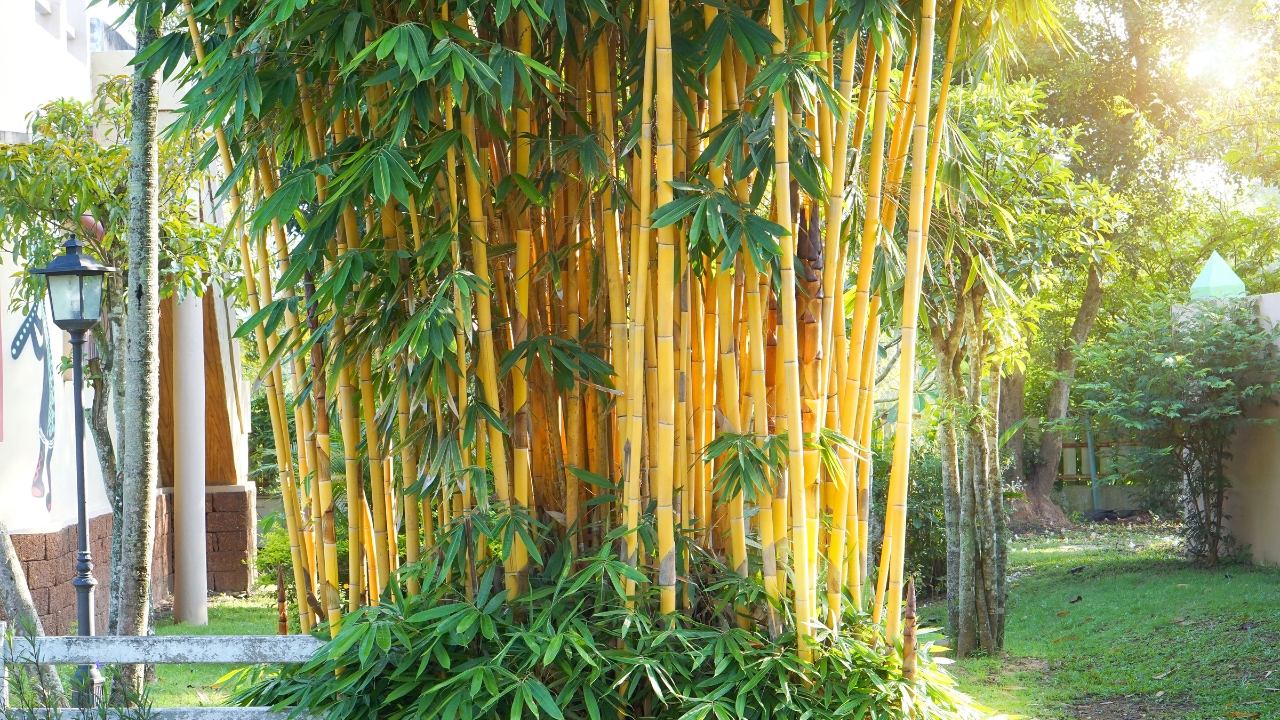
Bamboo is not a “tree,” but it acts like a pipe-seeking machine once it gets going. Running bamboo spreads by rhizomes that can push under fences and wander right into the zone where your sewer, water service, or septic lines sit. It also laughs at casual digging.
If you already have bamboo, do not mess around with shallow edging. You need a real barrier installed to the right depth, or you need to remove it, and that is a job that can take a season. If it is near a septic system, call a pro before roots and rhizomes turn your yard into a repair site.
10. Sweetgum Dropping Seed Balls Everywhere
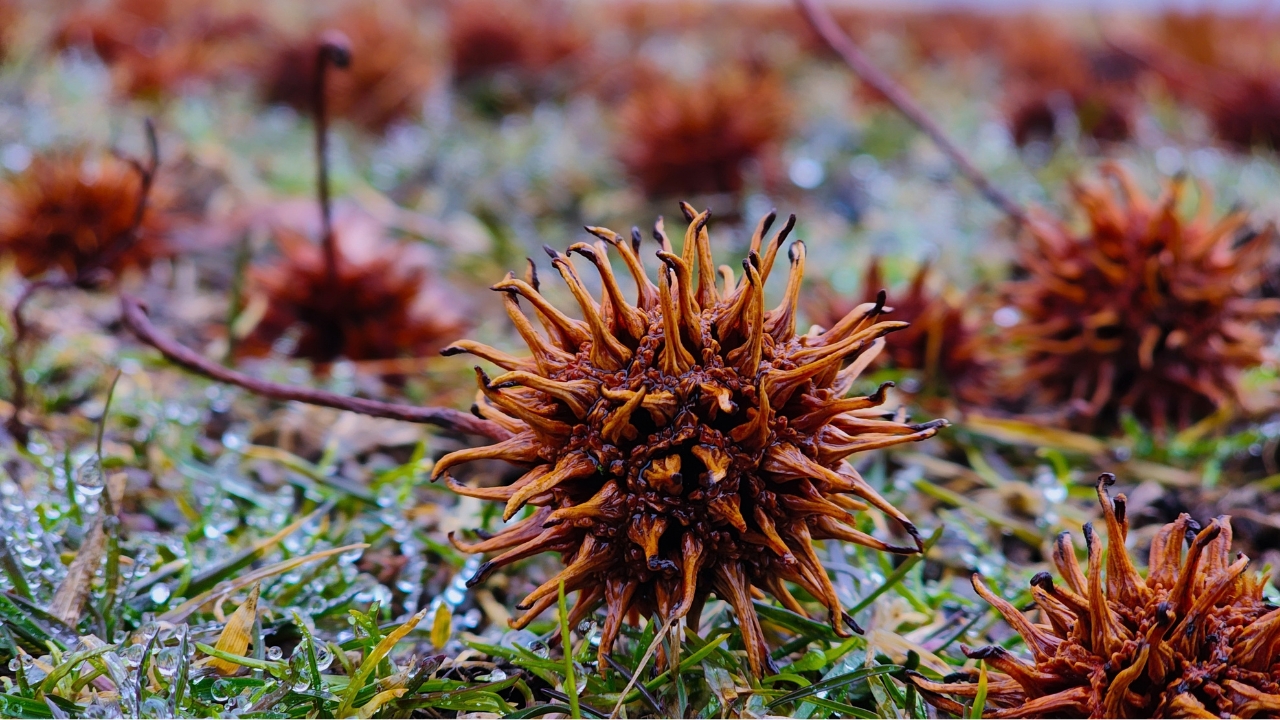
Sweetgum makes a mess on the surface, but the bigger mess can be underground. The roots are wide-spreading, and older neighborhoods with sweetgums often have older pipe materials. You end up raking seed pods while the sewer line slowly turns into a root strainer.
If the tree is staying, put your money into the pipe. Replacing a short run with PVC and proper bedding often beats fighting the same clog year after year. When a camera shows one bad joint, it is usually worth digging that one up instead of pretending chemicals will solve it.
11. Any Tree Over A Leaky Pipe
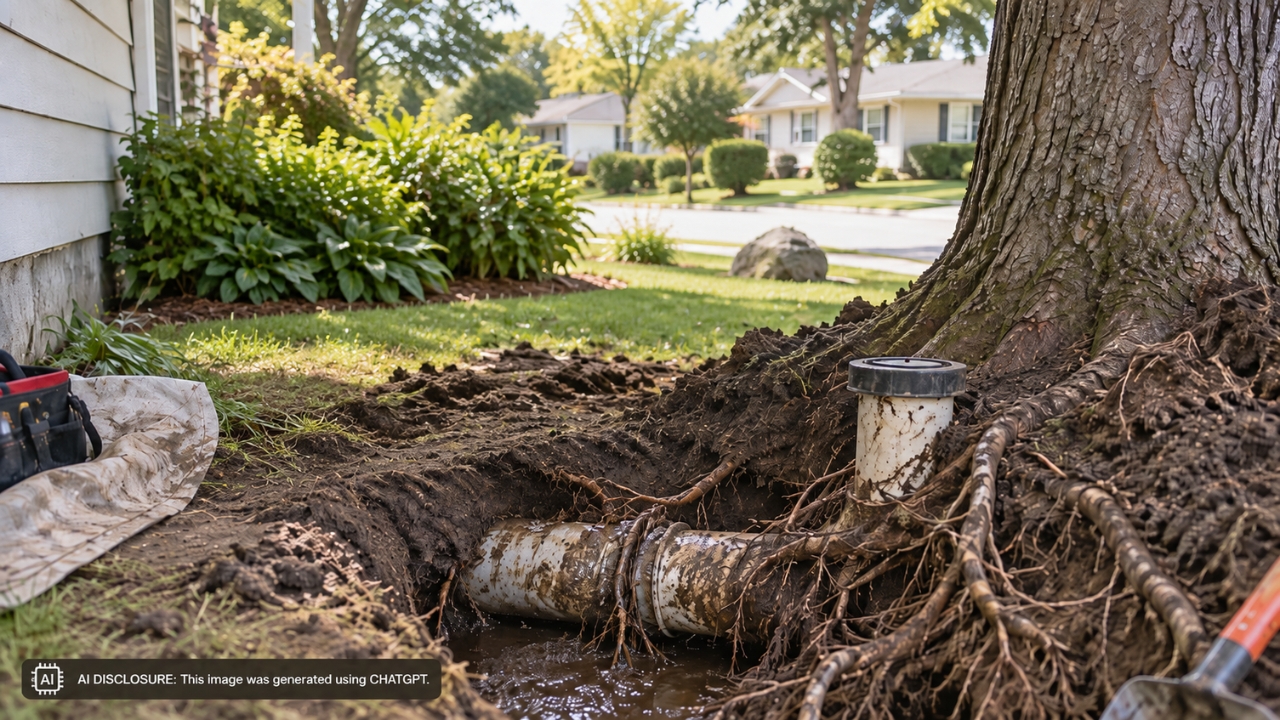
Root problems are not always about the species. A tiny leak in a sewer joint, a cracked cleanout fitting, or a belly in the line creates a wet pocket that invites roots from whatever is nearby. That is why a “safe” tree still ends up involved.
Fix the leak and you change the whole game. A camera inspection and a locate can pinpoint the issue so you are not cutting down good trees for no reason. This is one of the few times the boring answer is the right one: repair the pipe, then watch the drains behave again.
12. Root Barriers Installed The Wrong Way
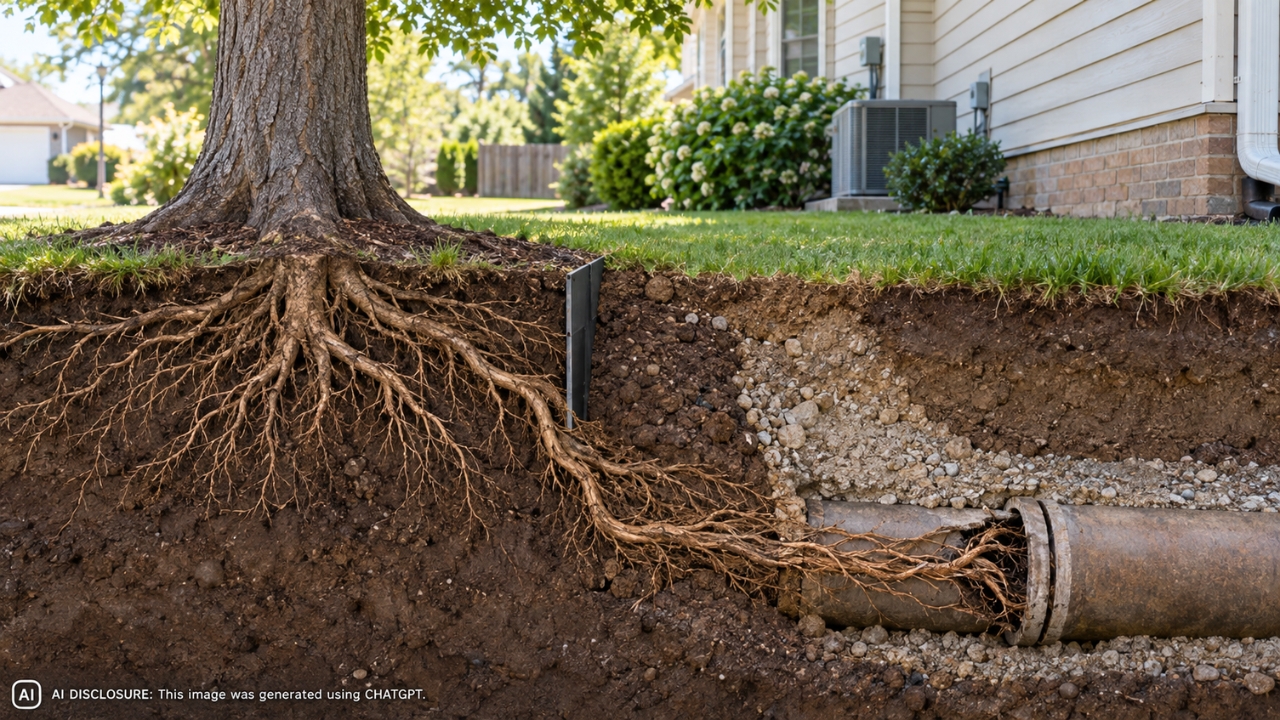
Root barriers sound like a smart, cheap fix, and sometimes they are. But a short barrier that does not go deep enough can actually steer roots down and right into your pipe trench, where the soil is loose and easy to penetrate.
If you are going to install a barrier, do it before planting, and do it with the correct depth for the tree and the pipe. Also, the cheap option is fine in one honest exception: small ornamental trees planted far from the line often do not need a barrier at all. Spend that money on a cleanout you can access and a one-time camera check on older pipes.
If drains are slowing and you have thirsty trees, stop guessing and get eyes on the inside of the line. Once you know where the roots enter, you can decide if you are dealing with a simple maintenance cut, a one-spot repair, or a full replacement that ends the problem for good.
Like Fix It Homestead’s content? Be sure to follow us.
- Man Says He Found Out the Fence He Paid For Wasn’t Actually on His Property
- Woman Says Her Neighbor Started Taking Mulch From Her Delivery Pile Before She Could Even Spread It
- I made Joanna Gaines’s Friendsgiving casserole and here is what I would keep
- What Caliber Works Best for Groundhogs, Armadillos, and Other Digging Pests?